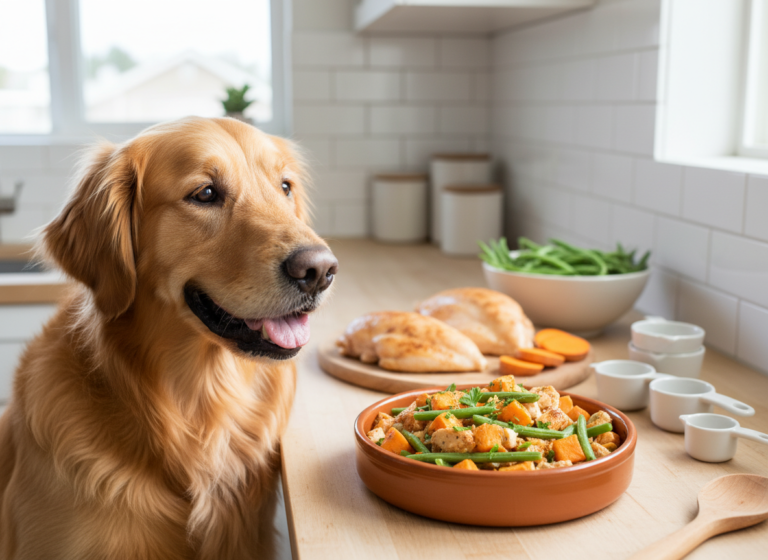

11 Homemade Dog Food Recipes for Weight Loss Success
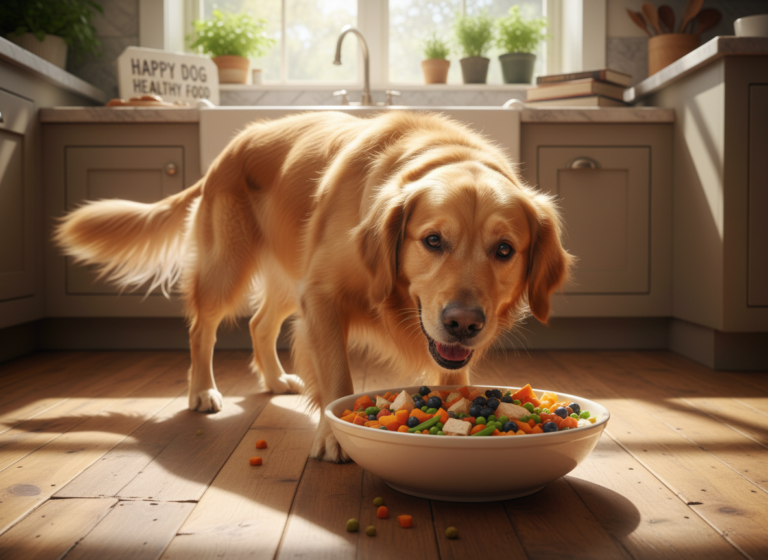
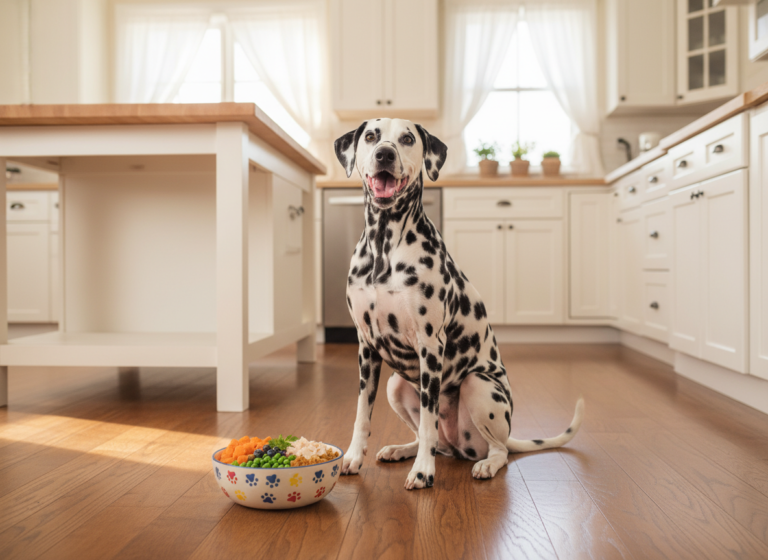
Seeing your best friend carry a few extra pounds can be tough. You want them to be happy and healthy, and weight plays a huge role in their overall well-being. While commercial weight-management foods are an option, cooking for your pup at home gives you complete control over every single ingredient. You can ensure they’re getting lean proteins, fiber-rich veggies, and none of the fillers or artificial additives that can hinder weight loss. It’s a journey of love, and we’re here to guide you with some delicious, easy-to-make recipes!
Before we dive into the full recipes, here’s a quick look at what we’ll be cooking up:
Quick Comparison of Our Weight Loss Recipes
| Recipe Name | Primary Protein | Key Veggies | Best For |
|---|---|---|---|
| Lean Chicken & Quinoa Bowl | Chicken Breast | Spinach, Carrots | A balanced, low-fat start |
| Turkey & Pumpkin Powerhouse | Ground Turkey | Pumpkin, Green Beans | Sensitive stomachs |
| Beef & Sweet Potato Stew | Lean Ground Beef | Sweet Potato, Peas | Active dogs needing energy |
| Simple Salmon & Veggie Mix | Salmon | Broccoli, Zucchini | Improving skin & coat |
| Lentil & Veggie Mash | Lentils | Carrots, Celery | A meat-free option |
| Sardine & Egg Scramble | Sardines, Eggs | Kale | Omega-3 boost |
| Cottage Cheese & Apple Bowl | Cottage Cheese | Apples, Carrots | Picky eaters |
| Lean Sirloin & Broccoli | Ground Sirloin | Broccoli | Muscle maintenance |
| Rabbit & Root Veggies | Rabbit | Parsnips, Carrots | Dogs with allergies |
| Cod, Rice & Green Bean Bake | Cod | Green Beans | Easily digestible meals |
| Hearty Venison Stew | Venison | Butternut Squash | Novel protein needs |
Disclaimer: Always consult with your veterinarian before making any changes to your dog’s diet, especially when aiming for weight loss. They can help you determine your dog’s ideal weight and daily caloric needs.
1. Lean Chicken & Quinoa Bowl
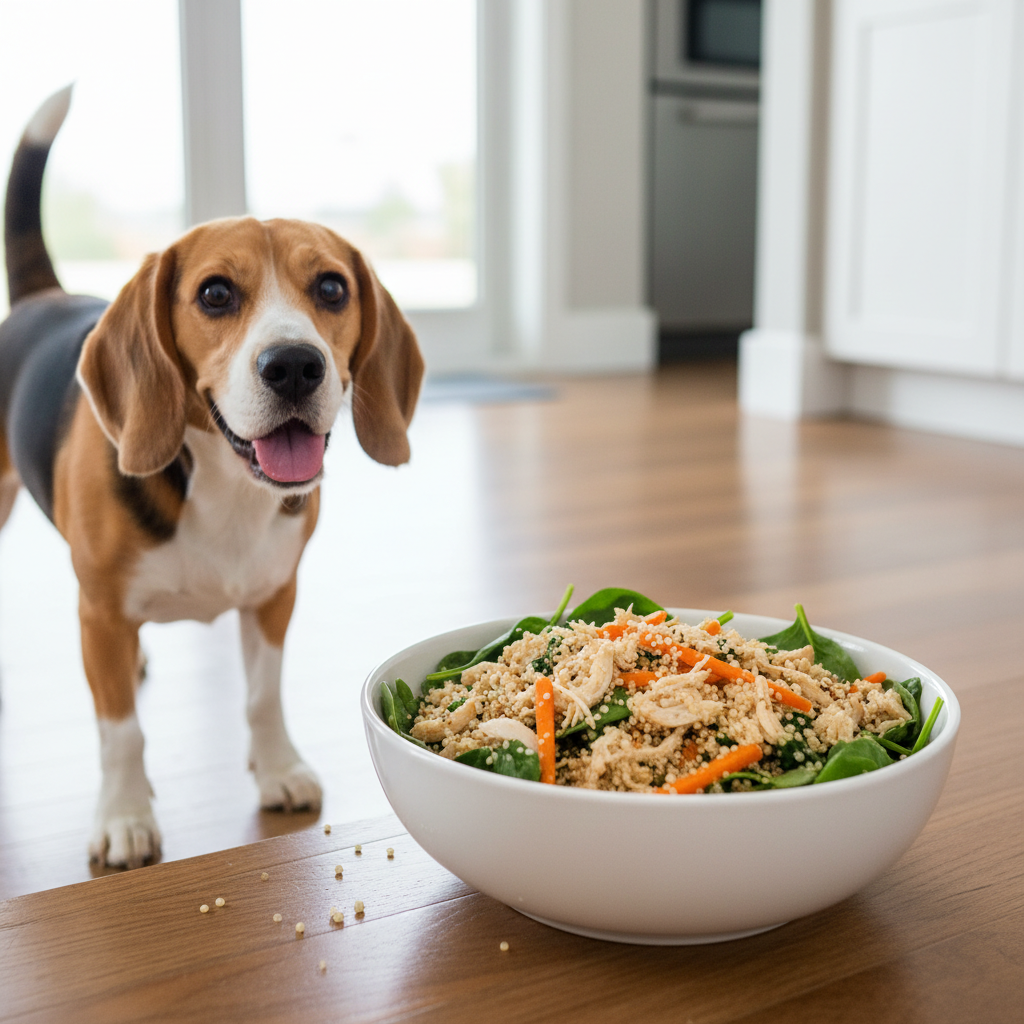
This recipe is a fantastic starting point for any pup on a diet. It’s simple, balanced, and packed with lean protein to keep muscles strong while shedding fat. Chicken breast is incredibly lean, and quinoa provides a gluten-free source of complex carbohydrates for sustained energy.
Ingredients:
- 1 lb boneless, skinless chicken breast, boiled and shredded
- 1 cup cooked quinoa
- 1 cup chopped carrots
- 1 cup chopped spinach
- 1 tablespoon of olive oil or fish oil
- 4 cups water
Instructions:
- In a large pot, bring the water to a boil. Add the chicken breast and cook until no longer pink inside. Remove the chicken, let it cool, and shred it.
- In the same pot of water, add the chopped carrots and cook for about 10 minutes until tender.
- Add the cooked quinoa, shredded chicken, and chopped spinach to the pot. Stir everything together and let the spinach wilt, which should only take a minute or two.
- Remove from heat and stir in the olive oil or fish oil.
- Let the mixture cool completely before serving.
Pros & Cons
Pros:
|
Cons:
|
Verdict:
This is the perfect introductory meal for dogs just starting a weight loss journey. It’s gentle on the stomach and provides excellent, high-quality protein without excess fat.
2. Turkey & Pumpkin Powerhouse

If your dog has a sensitive tummy, this recipe is a lifesaver. Ground turkey is another fantastic lean protein, while pumpkin is a superstar ingredient for digestive health. It’s packed with fiber, which helps your dog feel full and satisfied for longer.
Ingredients:
- 1 lb lean ground turkey
- 1 cup 100% pure pumpkin puree (not pie filling!)
- 1 cup green beans, chopped
- 1/2 cup brown rice, uncooked
- 3 cups water
Instructions:
- In a large skillet or pot, cook the ground turkey over medium heat until browned. Drain off any excess fat.
- Add the water, brown rice, and green beans to the pot. Bring to a boil, then reduce heat, cover, and simmer for about 20-25 minutes, or until the rice is tender.
- Remove from heat and stir in the pumpkin puree until well combined.
- Allow the food to cool to room temperature before serving.
Pros & Cons
Pros:
|
Cons:
|
Verdict:
Ideal for dogs with sensitive stomachs or those who need extra fiber to feel full between meals. The pumpkin works wonders for regulating their digestive system.
3. Beef & Sweet Potato Stew

For the dog that loves a hearty, flavorful meal, this beef and sweet potato stew is a winner. We use lean ground beef (90/10 or leaner) to keep the fat content down. Sweet potatoes are a fantastic source of vitamins and complex carbs, providing slow-release energy.
Ingredients:
- 1 lb lean ground beef (90% lean or more)
- 1 large sweet potato, peeled and diced
- 1 cup frozen peas
- 1/2 cup chopped celery
- 4 cups low-sodium beef broth
Instructions:
- Brown the ground beef in a large pot over medium heat. Drain all of the fat.
- Add the diced sweet potato, celery, and beef broth to the pot.
- Bring the mixture to a boil, then reduce the heat, cover, and simmer for about 15-20 minutes until the sweet potato is fork-tender.
- Stir in the frozen peas and cook for another 5 minutes.
- Let it cool completely before portioning out for your pup.
Pros & Cons
Pros:
|
Cons:
|
Verdict:
A fantastic choice for more active dogs who need a bit more substance in their diet, even while losing weight. The rich flavor is also great for tempting picky eaters.
4. Simple Salmon & Veggie Mix
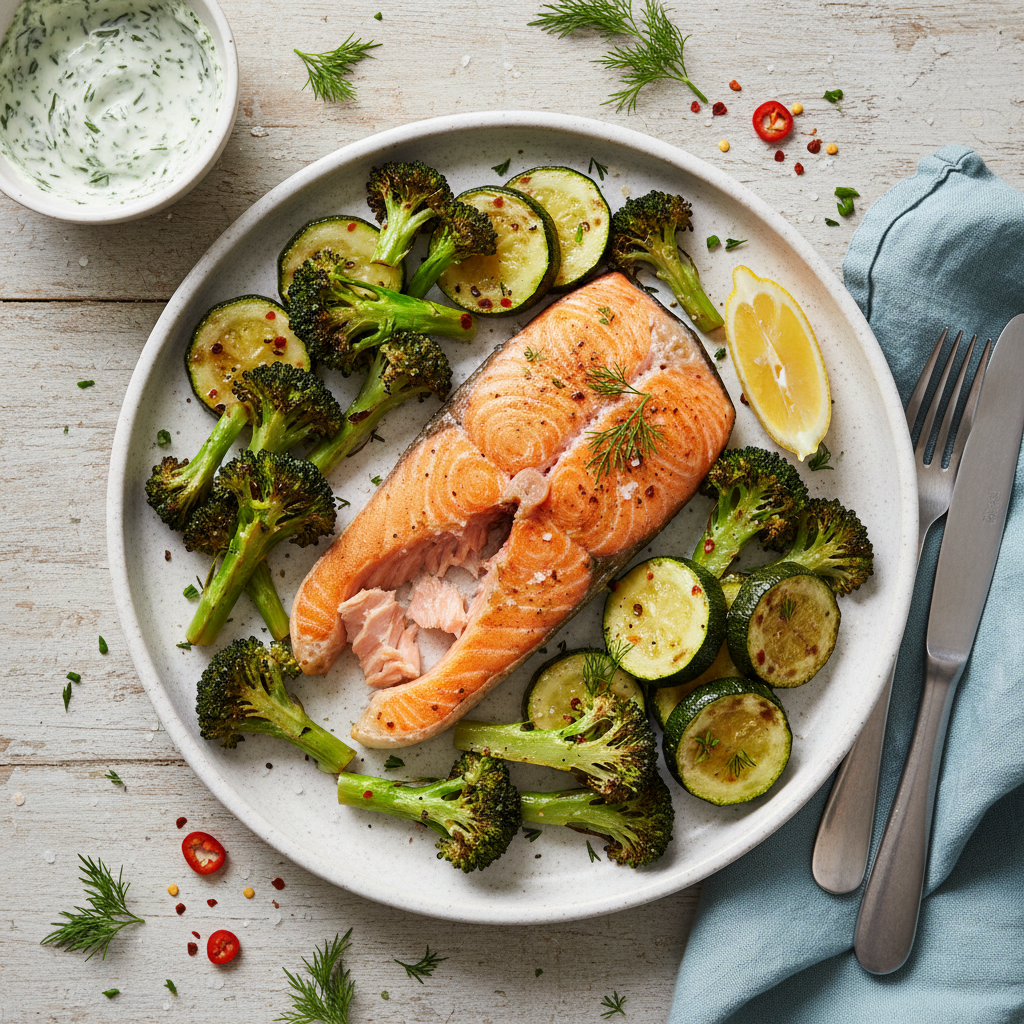
Boost your dog’s skin and coat health while they slim down! Salmon is rich in omega-3 fatty acids, which are amazing for reducing inflammation (great for achy joints in overweight dogs) and promoting a shiny coat. This recipe is light, healthy, and incredibly beneficial.
Ingredients:
- 1 lb salmon fillet, skin removed
- 1 cup chopped broccoli florets
- 1 cup chopped zucchini
- 1 tablespoon flaxseed oil
Instructions:
- Preheat your oven to 400°F (200°C).
- Place the salmon fillet, broccoli, and zucchini on a baking sheet lined with parchment paper.
- Bake for 15-20 minutes, or until the salmon is cooked through and flakes easily.
- Let everything cool down, then flake the salmon into smaller pieces and mix with the roasted vegetables.
- Drizzle with flaxseed oil before serving.
Pros & Cons
Pros:
|
Cons:
|
Verdict:
Perfect for dogs with dry skin, dull coats, or joint stiffness. The anti-inflammatory properties of the omega-3s are a huge bonus for overweight pups.
5. Lentil & Veggie Mash

Looking for a meat-free option that’s still packed with protein and fiber? This lentil mash is a fantastic choice. Lentils are an inexpensive, high-protein, high-fiber legume that can help your dog feel full and support their weight loss goals.
Ingredients:
- 1 cup brown or green lentils, rinsed
- 4 cups vegetable broth (ensure it’s onion and garlic-free)
- 1 cup diced carrots
- 1 cup diced celery
- 1/2 cup rolled oats
Instructions:
- In a large pot, combine the lentils, vegetable broth, carrots, and celery.
- Bring to a boil, then reduce heat and simmer for 25-30 minutes, or until the lentils are soft.
- Stir in the rolled oats and cook for another 5 minutes, allowing the mixture to thicken.
- Mash slightly with a potato masher for a better consistency if desired.
- Let cool completely before serving.
Pros & Cons
Pros:
|
Cons:
|
Verdict:
A great recipe to rotate into your dog’s diet for a meat-free day. It’s budget-friendly and offers a different nutrient profile, but it’s best used in rotation with meat-based meals unless guided by a vet.
6. Sardine & Egg Scramble

This one might sound a little unusual, but it’s a nutritional powerhouse! Sardines are one of the best sources of omega-3s, and eggs are a complete protein source. It’s a quick, potent meal that’s low in calories and high in benefits.
Ingredients:
- 2 large eggs
- 1 can (3.75 oz) sardines packed in water, no salt added
- 1/2 cup finely chopped kale, stems removed
- 1 teaspoon coconut oil
Instructions:
- In a small bowl, whisk the eggs.
- Heat the coconut oil in a non-stick skillet over medium heat. Add the kale and sauté for 1-2 minutes until it starts to wilt.
- Add the whisked eggs to the skillet. Scramble them lightly with the kale.
- When the eggs are almost cooked, add the entire can of sardines (including the water) and break them up with a spatula.
- Stir everything together and cook for another minute until the eggs are fully set.
- Let it cool before serving. This makes a smaller meal, perfect for smaller dogs or as a meal topper.
Pros & Cons
Pros:
|
Cons:
|
Verdict:
A fantastic ‘superfood’ meal to serve once or twice a week to give your dog a major boost of beneficial nutrients. It’s especially good for senior dogs who need extra joint and brain support.
7. Cottage Cheese & Apple Bowl

Perfect for the picky eater, this recipe requires no cooking and has a unique combination of flavors and textures. Low-fat cottage cheese is a good source of protein and calcium, while the apple provides fiber and a touch of sweetness.
Ingredients:
- 1 cup low-fat cottage cheese
- 1/2 apple, cored and finely chopped (no seeds!)
- 1/4 cup shredded carrots
- 1 tablespoon ground flaxseed
Instructions:
- In a bowl, simply combine the cottage cheese, chopped apple, and shredded carrots.
- Sprinkle the ground flaxseed over the top.
- Stir everything together and serve immediately.
Pros & Cons
Pros:
|
Cons:
|
Verdict:
This is an excellent meal substitute on a busy day or a tasty, high-protein topper to mix with other foods. It’s a hit with dogs who turn their noses up at more traditional stews.
8. Lean Sirloin & Broccoli

A simple, no-fuss recipe that focuses on high-quality protein and fiber. Ground sirloin is one of the leanest cuts of beef, perfect for building and maintaining muscle mass during weight loss. Broccoli adds essential vitamins and fiber to aid digestion.
Ingredients:
- 1 lb ground sirloin (at least 90% lean)
- 2 cups broccoli florets, lightly steamed and chopped
- 1/2 cup cooked brown rice
- 1 tablespoon fish oil
Instructions:
- In a skillet, cook the ground sirloin over medium heat until fully browned. Be sure to drain any and all fat from the pan.
- In a large bowl, combine the cooked sirloin, chopped steamed broccoli, and cooked brown rice.
- Drizzle the fish oil over the mixture and toss to combine.
- Allow to cool before serving.
Pros & Cons
Pros:
|
Cons:
|
Verdict:
A straightforward, powerful meal for dogs who need to lose fat without losing muscle. It’s a great, simple option for owners who don’t want a complicated recipe.
9. Rabbit & Root Veggies

Rabbit is a fantastic ‘novel protein,’ meaning it’s a protein source most dogs haven’t been exposed to. This makes it an excellent choice for dogs with common food allergies to chicken or beef. It’s also naturally very lean.
Ingredients:
- 1 lb ground rabbit
- 1 cup chopped parsnips
- 1 cup chopped carrots
- 1/4 cup chopped parsley (for vitamins and fresh breath!)
- 3 cups water
Instructions:
- In a large pot, cook the ground rabbit until browned. Drain any fat.
- Add the water, parsnips, and carrots to the pot.
- Bring to a boil, then cover and simmer for about 20 minutes, until the vegetables are tender.
- Remove from heat and stir in the fresh parsley.
- Let the stew cool before serving.
Pros & Cons
Pros:
|
Cons:
|
Verdict:
The number one choice for overweight dogs who also suffer from food allergies or sensitivities. It provides a much-needed dietary alternative without compromising on weight loss goals.
10. Cod, Rice & Green Bean Bake
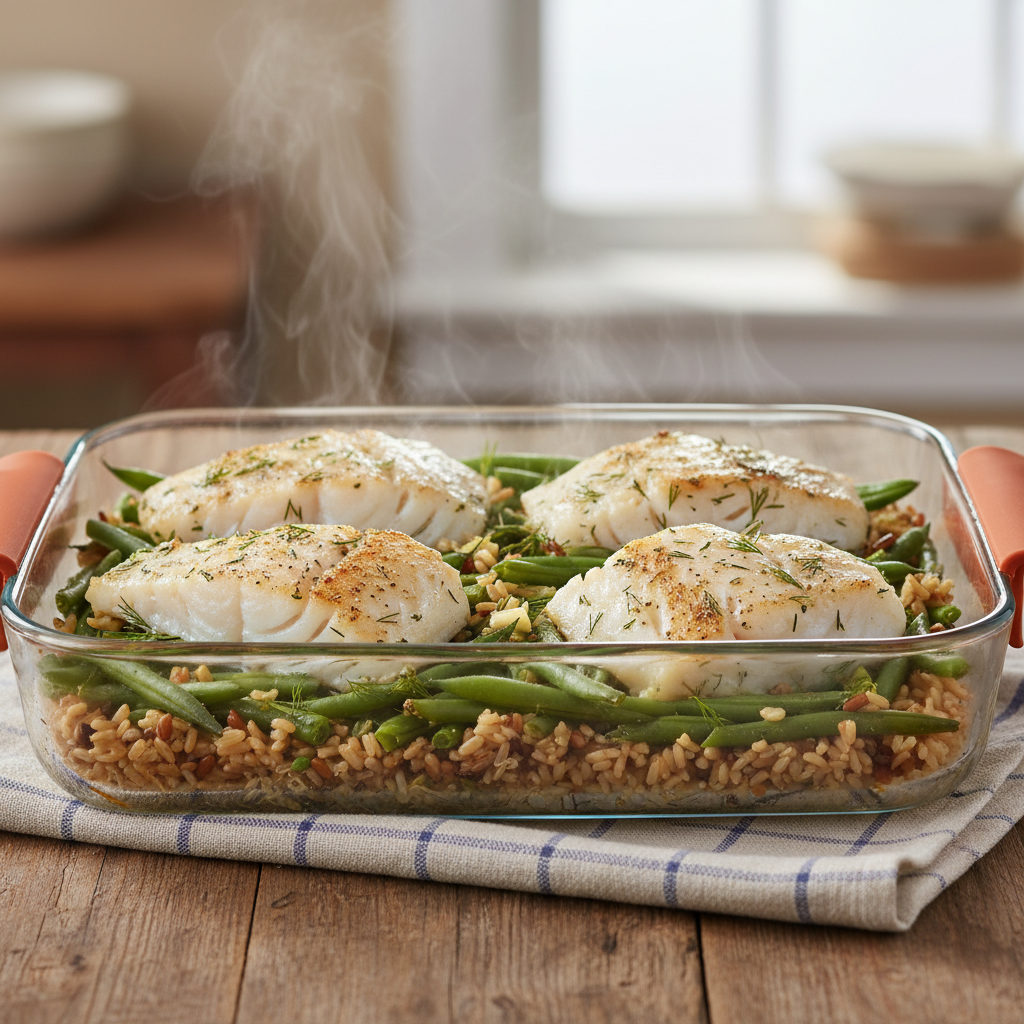
Whitefish like cod is incredibly easy to digest and very low in fat, making it a gentle option for a weight-loss diet. This all-in-one bake is simple to prepare and easy on your dog’s system.
Ingredients:
- 1 lb cod fillets
- 1 cup cooked brown rice
- 1.5 cups chopped green beans (fresh or frozen)
- 1 tablespoon olive oil
- A splash of water
Instructions:
- Preheat your oven to 375°F (190°C).
- In a glass baking dish, spread the cooked brown rice on the bottom.
- Layer the chopped green beans over the rice.
- Place the cod fillets on top of the green beans.
- Drizzle everything with the olive oil and add a splash of water to the bottom of the dish to create steam.
- Cover with foil and bake for 20-25 minutes, or until the cod is opaque and flakes easily.
- Let it cool, then flake the cod and mix everything together before serving.
Pros & Cons
Pros:
|
Cons:
|
Verdict:
An excellent, bland-diet-friendly recipe for dogs who need something super gentle on their digestive tract while still getting the protein they need for weight loss.
11. Hearty Venison Stew

Another fantastic novel protein, venison (deer meat) is rich in flavor but surprisingly lean. Paired with butternut squash, this stew is packed with vitamins and fiber, making it a delicious and effective weight loss meal.
Ingredients:
- 1 lb ground venison
- 2 cups butternut squash, peeled and cubed
- 1/2 cup cranberries (unsweetened, optional)
- 1 sprig of rosemary
- 4 cups water or low-sodium beef broth
Instructions:
- In a large pot, brown the ground venison. Drain any fat.
- Add the butternut squash, water/broth, and the sprig of rosemary to the pot.
- Bring to a boil, then reduce heat, cover, and simmer for about 20 minutes until the squash is very tender.
- If using, stir in the cranberries for the last 5 minutes of cooking.
- Remove the rosemary sprig and let the stew cool completely before serving.
Pros & Cons
Pros:
|
Cons:
|
Verdict:
A gourmet weight-loss meal for the discerning pup, especially those who need to avoid common proteins. It feels like a treat but is perfectly formulated for shedding pounds.
A Guide to Crafting the Perfect Weight Loss Meal

Making your own dog food is rewarding, but it’s important to understand the building blocks of a healthy weight-loss meal. Think of it as a formula: Lean Protein + High-Fiber Veggies + Healthy Fats & (Optional) Complex Carbs.
Choosing Lean Proteins
Protein is crucial for maintaining muscle mass while your dog loses fat. Stick to the leanest options available.
- Poultry: Skinless chicken or turkey breast.
- Red Meat: Look for ground beef, sirloin, or bison that is at least 90% lean. Venison and rabbit are also excellent, naturally lean choices.
- Fish: Salmon, cod, tilapia, and sardines are fantastic sources of protein and healthy fats.
The Role of Fiber
Fiber is your best friend in a weight-loss diet. It helps your dog feel full and satisfied, preventing them from begging for treats between meals. It also aids in healthy digestion.
- Great sources: Pumpkin puree, green beans, carrots, sweet potatoes, broccoli, spinach, and apples.
Healthy Carbs in Moderation
While you want to limit simple carbs, complex carbohydrates provide sustained energy. Use them in moderation.
- Good choices: Brown rice, quinoa, lentils, and oats. These should make up a smaller portion of the meal than the protein and veggies.
Essential Fats are Essential!
Don’t cut out all fat! Healthy fats, especially omega-3 fatty acids, are vital for brain health, joint function, and reducing inflammation. A fat-free diet is an unhealthy diet.
- How to add them: A small drizzle of fish oil, flaxseed oil, or coconut oil over the finished meal is perfect.
What to ALWAYS Avoid
Some human foods are toxic to dogs. Never include these in your recipes: onions, garlic, grapes, raisins, chocolate, xylitol (an artificial sweetener), and macadamia nuts.
Frequently Asked Questions

How much homemade food should I feed my dog for weight loss?
This is the most critical question, and the answer is: it depends. A dog’s caloric needs are based on their ideal weight, age, activity level, and metabolism. The golden rule is to consult your veterinarian. They can calculate the precise number of calories your dog should consume daily to lose weight safely. You can then use an online pet food calorie calculator to estimate the calories in your recipe and portion it out accordingly.
Can’t I just feed them less of their regular food?
While reducing portions can lead to weight loss, it’s often not the best approach. When you significantly cut back on regular food, you also cut back on essential vitamins and minerals. This can lead to nutritional deficiencies. Weight-loss specific recipes are designed to be lower in calories and fat but still packed with the necessary nutrients to keep your dog healthy and satisfied.
Do I need to add supplements to homemade dog food?
For long-term homemade feeding, the answer is almost always yes. Most homemade diets, even well-formulated ones, can be deficient in certain minerals, particularly calcium and zinc. A balanced vitamin and mineral supplement designed for dogs on homemade diets is often necessary to fill these gaps. Again, this is a conversation to have with your vet or a veterinary nutritionist to ensure the diet is complete and balanced.
How should I store homemade dog food?
You can store homemade dog food in an airtight container in the refrigerator for up to 4 days. For larger batches, portion the food into individual meal-sized containers or freezer bags and freeze them. They can be stored in the freezer for up to 3 months. Simply thaw a portion in the fridge the night before you need it.
Conclusion
Embarking on a homemade food journey for your dog’s weight loss is a tremendous act of love. It allows you to provide them with fresh, wholesome meals tailored to their specific needs. By using these recipes as a guide and focusing on lean proteins, high-fiber vegetables, and portion control, you can make a significant impact on your dog’s health and happiness. Remember, the goal is slow, steady progress. Always keep your veterinarian in the loop, celebrate the small victories, and enjoy the extra years of joyful companionship that a healthy lifestyle can bring. Happy cooking!