
13 Gas-Reducing Homemade Food for Boston Terriers
Ah, the Boston Terrier. A charming, intelligent, and tuxedo-clad companion who can fill a home with joy. And, let’s be honest, sometimes they can fill it with something else… gas. If you’ve ever been startled by the surprising sounds (and smells) emanating from your little friend, you know exactly what we’re talking about. Their adorable short snouts (a trait of brachycephalic breeds) mean they often swallow a lot of air when they eat, and their sensitive digestive systems can react strongly to certain ingredients. But don’t despair! One of the most effective ways to manage your Boston’s gassiness is by taking control of their diet. Commercial kibble can contain fillers and preservatives that upset their delicate tummies. Switching to a simple, wholesome homemade diet can make a world of difference. Below, we’ve compiled 13 delicious, easy-to-make recipes designed to be gentle on their system and reduce those toots. Ready to bring some peace (and fresh air) back into your home? Let’s get cooking!
Quick Comparison of Gas-Reducing Recipes
| Recipe | Main Protein | Key Gas-Reducer | Best For |
|---|---|---|---|
| Simple Chicken & Rice | Chicken | White Rice | Sensitive Stomachs |
| Lean Turkey & Pumpkin Delight | Turkey | Pumpkin | Digestive Regularity |
| Beef & Sweet Potato Mash | Beef | Sweet Potato (Fiber) | Active Dogs |
| Salmon & Quinoa Comfort | Salmon | Omega-3s | Skin & Coat Health |
| Lentil & Ginger Veggie Stew | Lentils | Ginger | Meat-Free Diets |
| Ground Lamb & Oatmeal Porridge | Lamb | Oatmeal | Novel Protein Needs |
| Cod & Zucchini Patties | Cod | Zucchini | Low-Fat Diets |
| Soothing Egg & Spinach Scramble | Egg | Spinach | Quick & Easy Meals |
| Pork & Apple Medley | Pork | Apple (Pectin) | Picky Eaters |
| Rabbit & Butternut Squash Blend | Rabbit | Butternut Squash | Food Allergies |
| Duck & Pear Puree | Duck | Pear (Fiber) | Gourmet Tastes |
| Chicken Liver & Brown Rice Mix | Chicken Liver | Probiotic Yogurt | Nutrient-Dense Boost |
| Turkey & Cranberry Feast | Turkey | Cranberry | Urinary Health Support |
1. Simple Chicken & Rice with Carrots

This is the classic ‘bland diet’ for a reason. It’s incredibly gentle on the digestive system, making it the perfect starting point for a gassy Boston. Chicken is a lean protein that’s easy to digest, while white rice provides simple carbohydrates for energy without taxing the gut. Carrots add a touch of fiber and essential vitamins.
Recipe:
- 1 cup boiled, shredded chicken breast (no skin or bones)
- 2 cups cooked white rice
- 1/2 cup steamed and finely chopped carrots
- 2 tablespoons of water or unsalted chicken broth
Instructions: Cook the chicken and rice separately. Once cooked, shred the chicken and mix it thoroughly with the rice and chopped carrots. Add a little water or broth to create a moist consistency that’s easy for your Boston to eat. Serve at room temperature.
Pros & Cons
Pros
|
Cons
|
Verdict: This is the go-to recipe for any Boston Terrier experiencing acute digestive upset or for owners just beginning their homemade food journey. It’s a safe, soothing meal that provides immediate relief.
2. Lean Turkey & Pumpkin Delight

Pumpkin is a superstar ingredient for canine digestion. It’s packed with soluble fiber, which can help with both constipation and diarrhea by absorbing excess water and firming up stools. Paired with lean ground turkey, another easily digestible protein, this recipe is a powerhouse for promoting gut health and regularity.
Recipe:
- 1 lb lean ground turkey
- 1 cup plain, canned pumpkin puree (NOT pie filling)
- 1 cup cooked brown rice or quinoa
- 1/2 cup green beans, steamed and chopped
Instructions: Brown the ground turkey in a skillet until fully cooked, then drain off any excess fat. In a large bowl, combine the cooked turkey, pumpkin puree, cooked rice/quinoa, and chopped green beans. Mix well until everything is evenly distributed. Allow to cool before serving.
Pros & Cons
Pros
|
Cons
|
Verdict: Perfect for Boston Terriers who struggle with inconsistent stools. The combination of turkey and pumpkin provides a flavorful meal that actively works to regulate their digestive system and reduce gas caused by poor digestion.
3. Beef & Sweet Potato Mash

For the more active Boston Terrier, this recipe offers a heartier meal. Lean ground beef provides essential amino acids and iron, while sweet potatoes are a fantastic complex carbohydrate. They are easier to digest than white potatoes and are full of fiber, vitamin A, and antioxidants, which support overall immune health and digestion.
Recipe:
- 1 lb lean ground beef (90% lean or more)
- 2 medium sweet potatoes, peeled, boiled, and mashed
- 1/2 cup peas (steamed)
- 1 tablespoon of olive oil
Instructions: Cook the ground beef in a skillet, draining the fat. While the beef cooks, boil the peeled sweet potatoes until tender, then mash them. In a large bowl, combine the cooked beef, mashed sweet potato, and steamed peas. Drizzle with a little olive oil for healthy fats and mix thoroughly.
Pros & Cons
Pros
|
Cons
|
Verdict: An excellent choice for energetic Bostons who need a bit more fuel. The digestible fiber from the sweet potato helps keep their digestive tract moving smoothly, preventing the buildup of gas.
4. Salmon & Quinoa Comfort
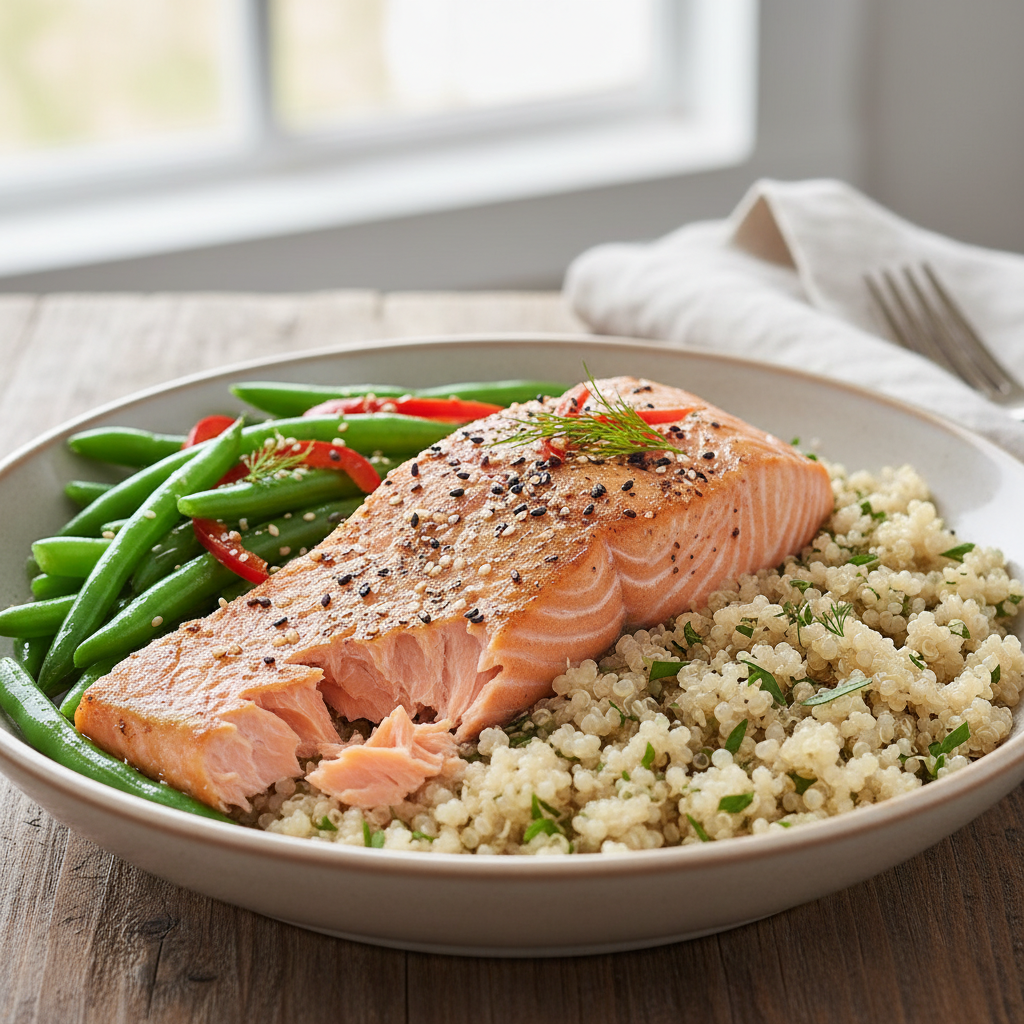
This recipe is a fantastic option for promoting not just digestive health, but also a shiny coat and healthy skin. Salmon is rich in Omega-3 fatty acids, which have anti-inflammatory properties that can soothe an irritated gut. Quinoa is a gluten-free, complete protein that’s gentle on the stomach, and green beans provide a nice boost of fiber.
Recipe:
- 1/2 lb salmon fillet, baked or poached and flaked (no bones)
- 1.5 cups cooked quinoa
- 1/2 cup steamed and chopped green beans
- 1 teaspoon of fish oil (for an extra Omega-3 boost)
Instructions: Cook the salmon until it’s flaky and opaque. Cook the quinoa according to package directions. In a bowl, gently flake the salmon with a fork, then mix in the cooked quinoa and chopped green beans. Drizzle with the fish oil and toss to combine.
Pros & Cons
Pros
|
Cons
|
Verdict: Ideal for Boston Terriers with dry skin, allergies, or inflammatory gut issues. The powerful anti-inflammatory benefits of salmon can help reduce the internal irritation that leads to gas.
5. Lentil & Ginger Veggie Stew
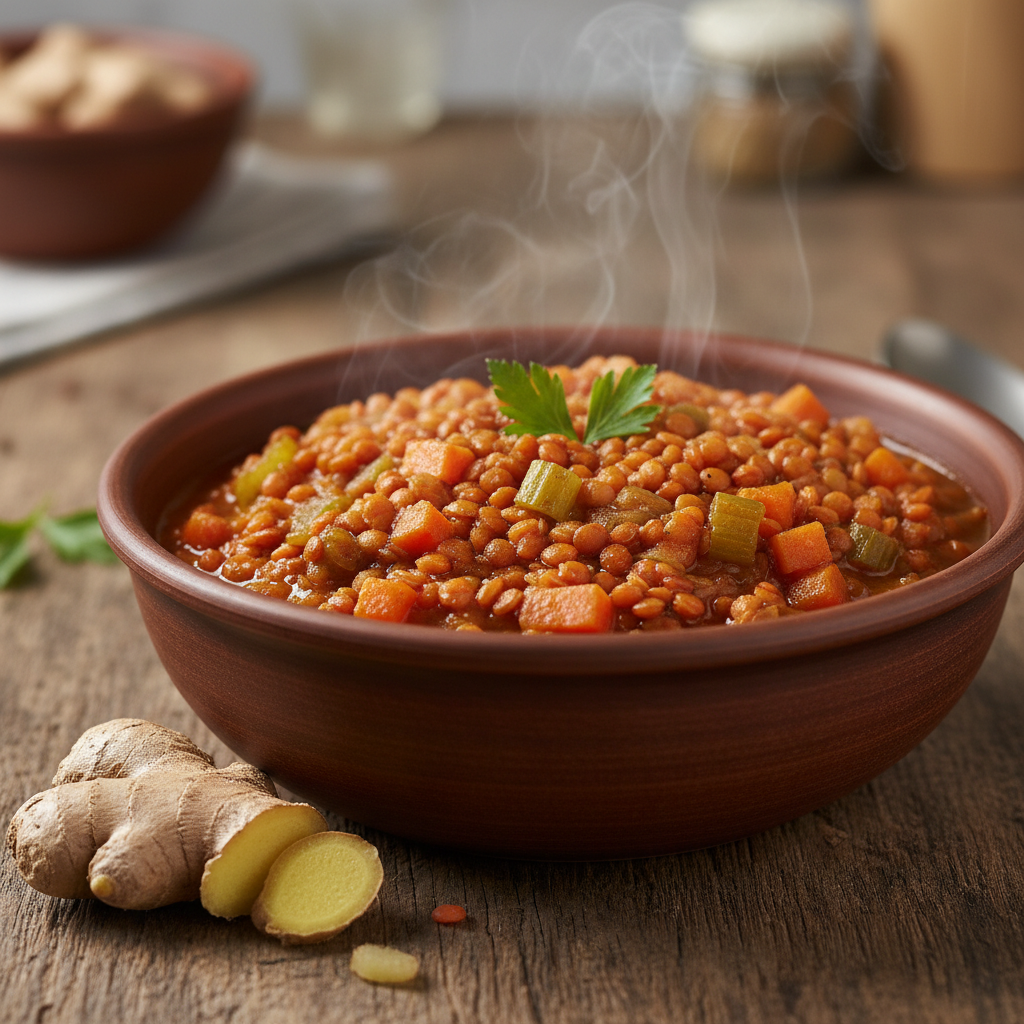
Looking for a meat-free option? This lentil stew is packed with plant-based protein and fiber. Lentils are a great source of nutrients, and ginger is a well-known natural remedy for nausea and gas. It helps to calm the stomach and improve digestion, making it a perfect addition to a gas-reducing diet.
Recipe:
- 1 cup red lentils, rinsed
- 4 cups low-sodium vegetable broth
- 1 cup chopped carrots
- 1 cup chopped celery
- 1 teaspoon freshly grated ginger
Instructions: In a medium pot, bring the vegetable broth to a boil. Add the rinsed lentils, carrots, and celery. Reduce heat and simmer for 20-25 minutes, or until the lentils are soft and the vegetables are tender. Stir in the grated ginger during the last 5 minutes of cooking. Let it cool to a thick, stew-like consistency.
Pros & Cons
Pros
|
Cons
|
Verdict: A wonderful choice for dogs that have poultry or red meat sensitivities, or for owners looking to incorporate a plant-based meal into their dog’s rotation. The ginger is the star player here for actively combating gas.
6. Ground Lamb & Oatmeal Porridge
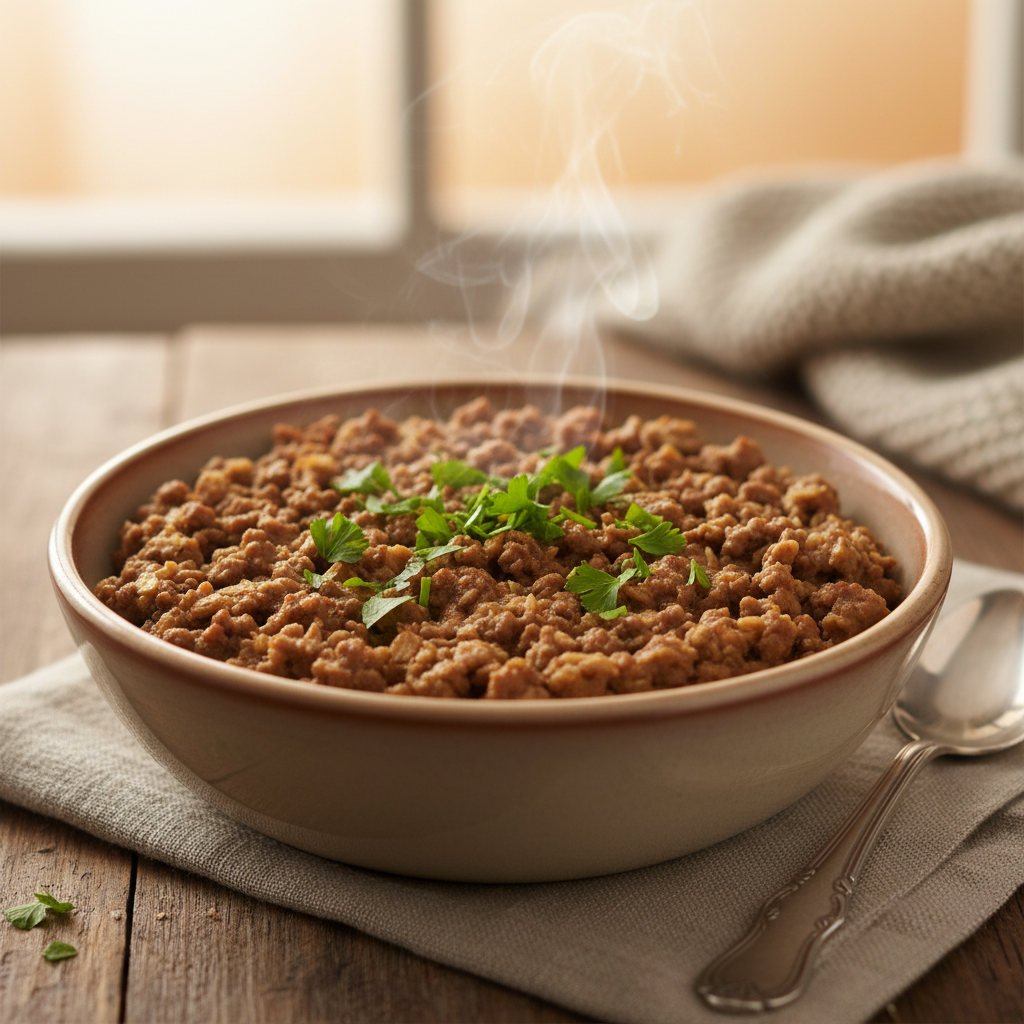
Lamb is often considered a ‘novel protein,’ meaning it’s a protein source your dog may not have been exposed to before. This makes it a great choice for dogs with suspected food sensitivities to common proteins like chicken or beef. Oatmeal is a gentle, soluble fiber source that can help regulate digestion without causing irritation.
Recipe:
- 1 lb ground lamb
- 1 cup cooked oatmeal (cooked with water, no sugar or milk)
- 1/2 cup finely chopped parsley
Instructions: Cook the ground lamb in a skillet, making sure to drain all the fat very well. Prepare the oatmeal according to package directions. In a bowl, mix the cooked lamb, oatmeal, and fresh parsley. Parsley can help freshen your dog’s breath, an added bonus!
Pros & Cons
Pros
|
Cons
|
Verdict: This recipe is a top pick for the Boston Terrier with a suspected food allergy that’s causing gassiness and skin issues. The simple combination of lamb and oatmeal minimizes potential triggers.
7. Cod & Zucchini Patties

Whitefish like cod is exceptionally lean and easy to digest, making it another excellent protein for sensitive stomachs. Zucchini is low in calories and high in water content and fiber, aiding in smooth digestion. Binding these ingredients into little patties makes for a fun and easy-to-eat meal.
Recipe:
- 1 lb cod fillets, cooked and flaked
- 1 medium zucchini, grated and squeezed of excess water
- 1 egg
- 1/4 cup rolled oats (to bind)
Instructions: Preheat your oven to 375°F (190°C). In a bowl, combine the flaked cod, grated zucchini, egg, and rolled oats. Mix well and form into small, palm-sized patties. Place on a parchment-lined baking sheet and bake for 15-20 minutes, or until firm and lightly golden. Let them cool completely.
Pros & Cons
Pros
|
Cons
|
Verdict: Perfect for Boston Terriers that need a low-fat diet, such as those with pancreatitis or weight management goals. The high digestibility of cod minimizes the chances of it fermenting in the gut and causing gas.
8. Soothing Egg & Spinach Scramble
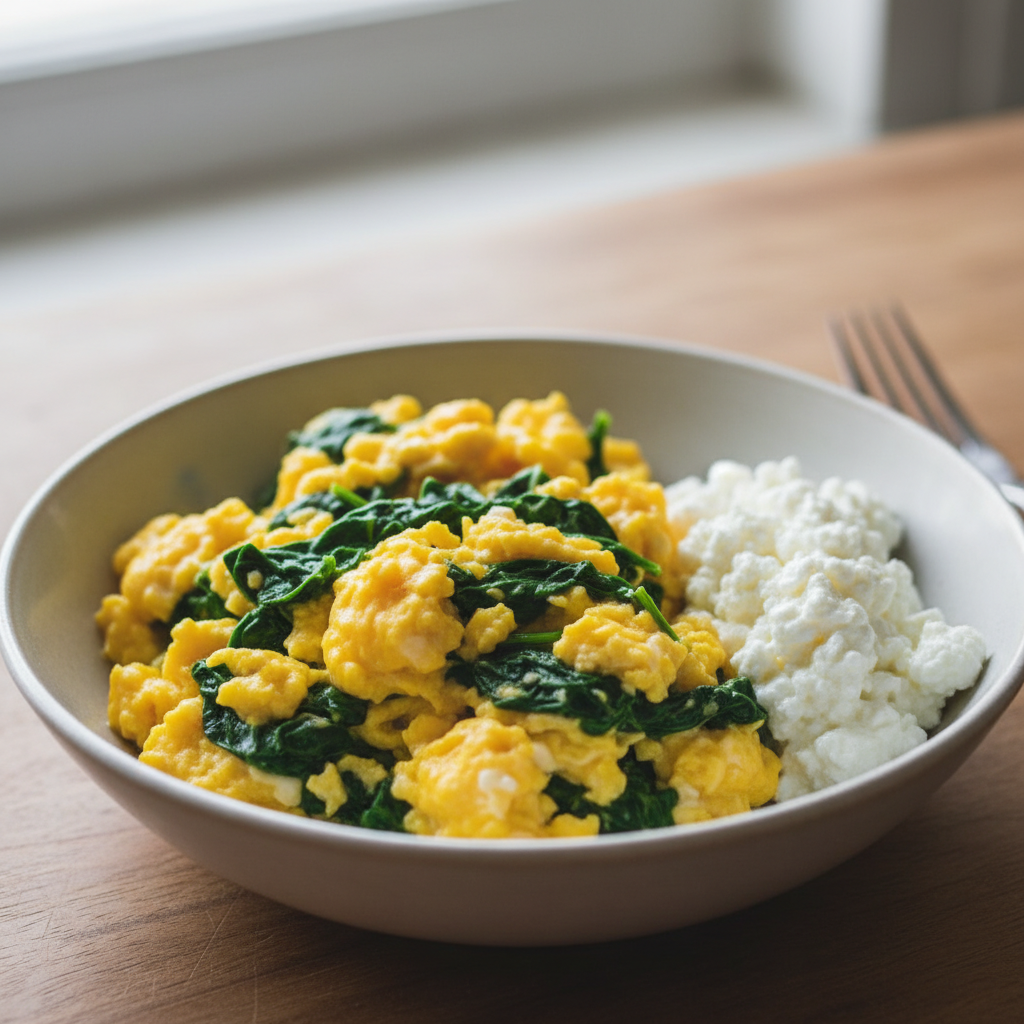
Eggs are a nutritional powerhouse—a complete protein source that is very easy for most dogs to digest. When scrambled without oil or butter, they make a fantastic base for a quick and tummy-friendly meal. Spinach adds iron and fiber, but should be steamed or wilted to make it easier to digest.
Recipe:
- 2-3 whole eggs
- 1/2 cup fresh spinach, lightly steamed and chopped
- 1 tablespoon of cottage cheese or plain yogurt (optional, for probiotics)
Instructions: Lightly whisk the eggs. In a non-stick skillet over low heat, pour in the eggs and stir gently to scramble. When they are almost cooked, fold in the chopped steamed spinach. If using, stir in the cottage cheese or yogurt after removing from the heat. Make sure it cools before serving.
Pros & Cons
Pros
|
Cons
|
Verdict: This is the ultimate quick-fix meal for a gassy day. It’s gentle, packed with protein, and can be whipped up in minutes when you’re short on time but your Boston’s tummy needs some TLC.
9. Pork & Apple Medley
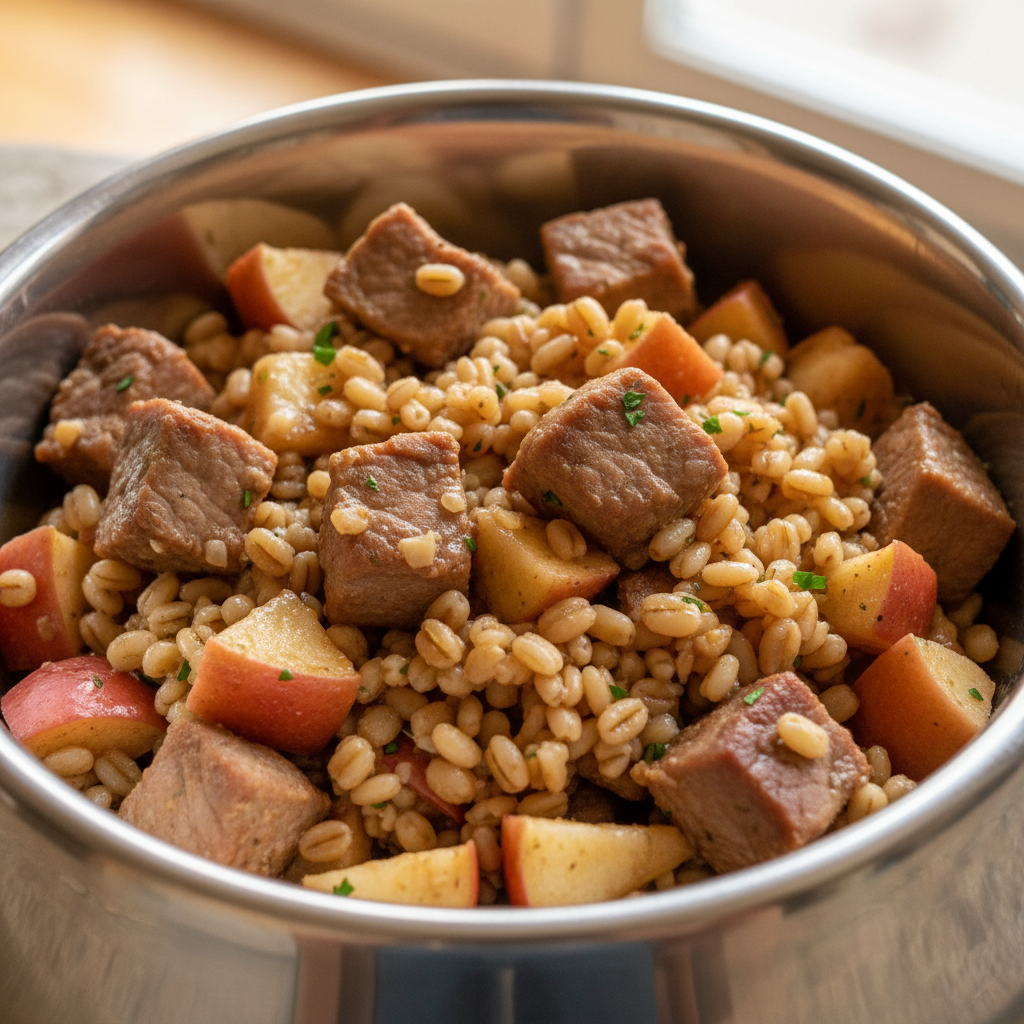
Lean pork loin can be a great alternative protein. When combined with apples, you get a sweet and savory meal that’s also great for digestion. Apples are a source of pectin, a type of fiber that acts as a prebiotic, feeding the good bacteria in your dog’s gut. A healthy gut microbiome is key to reducing gas.
Recipe:
- 1 lb pork loin, trimmed of fat and diced
- 1 apple, cored and finely chopped (no seeds)
- 1 cup cooked barley
- 1 tablespoon coconut oil
Instructions: In a skillet, melt the coconut oil and cook the diced pork until no longer pink. Add the chopped apple and cook for another 3-4 minutes until slightly softened. In a bowl, combine the pork and apple mixture with the cooked barley. Mix well and serve warm.
Pros & Cons
Pros
|
Cons
|
Verdict: A fantastic option for the discerning Boston with a picky palate. The natural sweetness of the apple makes this meal highly palatable, while the pectin works behind the scenes to improve gut health and reduce flatulence.
10. Rabbit & Butternut Squash Blend

For dogs with multiple food allergies, rabbit is one of the best novel proteins available. It’s extremely lean and very unlikely to cause an allergic reaction. Butternut squash is similar to pumpkin—it’s gentle, full of fiber, and packed with vitamins A and C. This blend is the epitome of a hypoallergenic, gut-friendly meal.
Recipe:
- 1 lb ground rabbit
- 1.5 cups roasted and mashed butternut squash
- A handful of fresh parsley, chopped
Instructions: Cook the ground rabbit in a skillet until done (it cooks very quickly). Drain any fat. In a bowl, combine the cooked rabbit with the mashed butternut squash. Stir in the fresh parsley. The result is a simple, smooth blend that’s easy to eat and digest.
Pros & Cons
Pros
|
Cons
|
Verdict: This is the go-to recipe for the Boston Terrier with severe allergies and a chronically gassy tummy. If common proteins are the culprit, this ultra-gentle, novel protein meal can provide significant relief.
11. Duck & Pear Puree

Another fantastic novel protein, duck is a rich, flavorful meat that can entice even the fussiest eaters. It’s higher in fat than chicken or turkey, so it’s great for maintaining a healthy weight on active dogs. Pears, like apples, provide prebiotic fiber to support gut health, but are often even gentler on the system. Ensure the pear is ripe for easier digestion.
Recipe:
- 1 lb ground duck (or boneless duck breast, cooked and shredded)
- 1 ripe pear, cored and finely diced (no seeds)
- 1 cup cooked millet or brown rice
Instructions: Cook the ground duck in a skillet, draining off the excess fat (duck is fatty, so this is important). In a bowl, combine the cooked duck with the diced pear and cooked millet. The warmth from the duck will slightly soften the pear. Mix and serve.
Pros & Cons
Pros
|
Cons
|
Verdict: A gourmet option for the Boston Terrier who turns their nose up at blander foods but still needs a tummy-friendly meal. The rich taste of duck combined with the subtle sweetness of pear is often a winning combination.
12. Chicken Liver & Brown Rice Mix

Organ meats like chicken liver are incredibly nutrient-dense, packed with Vitamin A, B vitamins, and iron. While they should be fed in moderation, incorporating them into a meal can provide a huge nutritional boost. A small amount goes a long way. Plain yogurt adds a dose of probiotics to directly support a healthy gut flora, which is essential for combating gas.
Recipe:
- 1/4 lb chicken livers, boiled and chopped
- 3/4 lb boiled, shredded chicken breast
- 1.5 cups cooked brown rice
- 2 tablespoons plain, unsweetened yogurt (with live cultures)
Instructions: Boil the chicken breast and livers until cooked through. Finely chop the liver and shred the breast meat. In a bowl, combine the meats with the cooked brown rice. Let the mixture cool to room temperature, then stir in the plain yogurt just before serving to preserve the live probiotic cultures.
Pros & Cons
Pros
|
Cons
|
Verdict: A nutrient-boosting meal perfect for adding into a rotation once or twice a week. The combination of easy-to-digest ingredients with the probiotic power of yogurt makes it great for long-term gut health maintenance.
13. Turkey & Cranberry Feast

This recipe isn’t just for the holidays! Cranberries are known for supporting urinary tract health, but they also contain antioxidants and fiber that can aid digestion. This simple combination of lean turkey, a digestible carb like oats, and a sprinkle of cranberries is both healthy and gentle on the stomach.
Recipe:
- 1 lb lean ground turkey
- 1 cup cooked oatmeal
- 1/4 cup fresh or frozen cranberries, finely chopped (or 2 tbsp dried, unsweetened)
Instructions: Cook the ground turkey and drain the fat. Prepare the oatmeal. In a bowl, mix the cooked turkey, oatmeal, and chopped cranberries. If using dried cranberries, ensure they have no added sugar or oils. Let it cool before serving up this festive, healthy feast.
Pros & Cons
Pros
|
Cons
|
Verdict: A great all-around healthy meal, especially for female Boston Terriers or those prone to UTIs. It provides gas-reducing benefits while also supporting another key area of their health.
A Boston Owner’s Guide to Gas-Reducing Ingredients
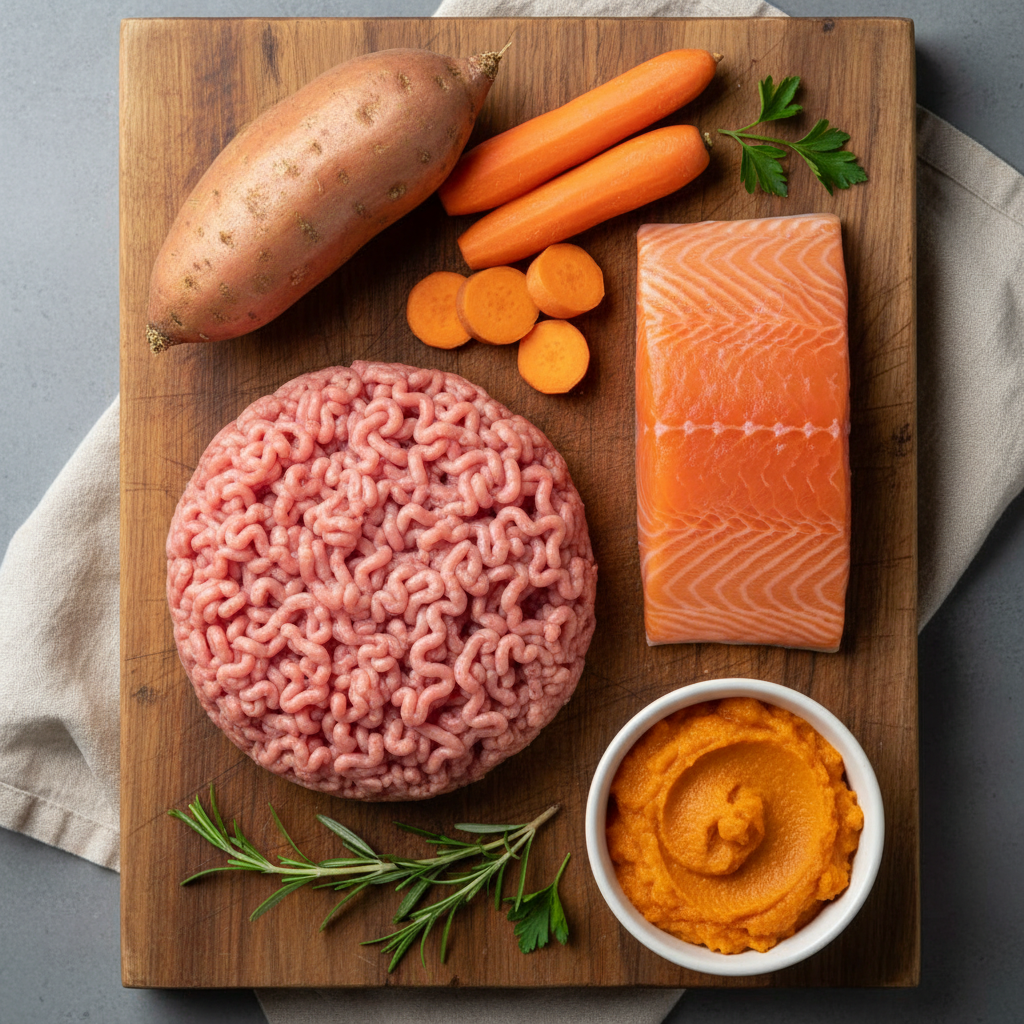
Switching to homemade food is a fantastic step, but knowing why certain ingredients work is key to your success. When crafting meals for your gassy Boston, focus on these core components:
- Lean, High-Quality Proteins: Digestion starts with protein. Easily digestible options like chicken, turkey, whitefish, and lean beef are best. They are broken down efficiently, leaving less undigested material to ferment in the colon, which is a primary cause of gas. Avoid fatty cuts of meat, as fat can slow digestion and cause upset.
- Digestible Carbohydrates: Carbs provide energy, but the wrong kind can cause bloating. Stick to simple, gentle carbs like white rice (for acute upset), sweet potato, pumpkin, butternut squash, and oatmeal. These provide steady energy and fiber without overwhelming the digestive system. Avoid corn, wheat, and soy, which are common culprits for canine food sensitivities.
- The Right Kind of Fiber: Fiber is crucial, but it’s a balancing act. Soluble fiber, found in pumpkin, sweet potato, and oatmeal, helps regulate the bowels. Insoluble fiber, found in things like green beans and carrots, adds bulk. A good mix is important, but too much of any fiber can actually increase gas. Start with small amounts of veggies and see how your dog reacts.
- Beneficial Add-ins: Some ingredients provide an extra punch against flatulence. Ginger is a natural carminative, which means it helps prevent the formation of gas in the gastrointestinal tract. Probiotics, found in plain yogurt or kefir, introduce good bacteria to the gut to create a healthier digestive environment.
- What to Avoid: Stay away from dairy (besides small amounts of plain yogurt/kefir), excessive fat, processed foods, and most beans and cruciferous vegetables (like broccoli or cauliflower) in large quantities, as these are notorious gas-producers.
Frequently Asked Questions

Navigating a new diet for your Boston can bring up a few questions. Here are some of the most common ones we hear:
1. How do I safely transition my Boston Terrier to a homemade diet?
The key is to go slow! A sudden switch can cause the very digestive upset you’re trying to avoid. Start by mixing a small amount (about 25%) of the new homemade food with their current food (75%). Do this for 2-3 days. If their stools are normal, increase to a 50/50 mix for another 2-3 days. Continue this gradual increase over 7-10 days until they are fully transitioned to the new food.
2. Is it okay to make these recipes in bulk and store them?
Absolutely! Making food in bulk is a huge time-saver. Most of these recipes can be refrigerated in an airtight container for up to 4 days. For longer storage, you can freeze individual portions in freezer bags or containers for up to 3 months. Just be sure to thaw it completely in the refrigerator before serving. Never serve frozen or microwave the food, as hot spots can burn your dog’s mouth.
3. Do I need to add supplements to homemade dog food?
This is a critical question. While these recipes are great for managing gas, they may not be 100% nutritionally complete for long-term, exclusive feeding. Commercial dog foods are fortified with a precise balance of vitamins and minerals. To ensure your Boston gets everything they need, it is highly recommended to consult with your veterinarian or a veterinary nutritionist. They can recommend a specific canine multivitamin or a supplement blend (like Balance IT) to ‘complete’ your homemade recipes and ensure your dog’s long-term health is protected.
Conclusion
Taking charge of your Boston Terrier’s diet is one of the most loving things you can do for them. By preparing simple, wholesome meals at home, you’re not just reducing their gassiness—you’re providing them with fresh, high-quality nutrition free from the fillers and mystery ingredients that can plague their sensitive systems. Remember to introduce any new food slowly and always consult with your vet to ensure the diet is balanced for the long haul. Get ready to enjoy a happier, healthier, and much less ‘musical’ companion. Happy cooking!