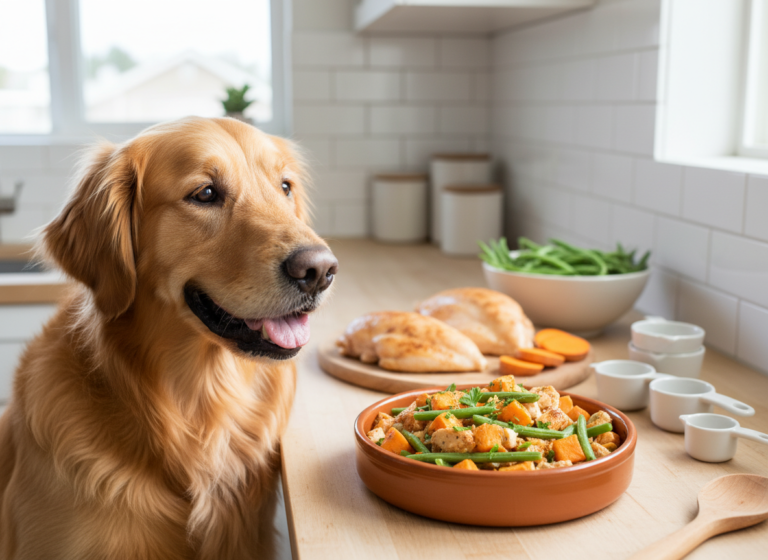
13 High Fiber Dog Food Recipes for Anal Gland Support
Hey there, fellow dog parent! Let’s talk about something a little… well, unpleasant. The dreaded scoot. If you’ve ever seen your dog dragging their bottom across your favorite rug, you know exactly what we’re talking about. While it might look a little silly, it’s often a sign of discomfort from impacted or irritated anal glands. And nobody wants their best friend to be uncomfortable.
So, what’s a loving pet owner to do? Before you schedule another pricey trip to the vet for gland expression, let’s look at a key player in your dog’s digestive health: fiber. A diet rich in the right kinds of fiber can help create firmer, bulkier stools that naturally express the anal glands with each potty break. It’s a simple, natural solution to a stinky problem!
We’ve dug in and compiled 13 fantastic, easy-to-make, high-fiber recipes that your dog will love. These meals are packed with wholesome ingredients to get their digestive tract on track and help say goodbye to the scoot for good. Ready to get cooking for your canine companion?
Quick Comparison of Our Top Picks
| Recipe Name | Primary Fiber Source | Protein Source | Best For |
|---|---|---|---|
| Pumpkin & Turkey Power Bowl | Pumpkin, Brown Rice | Turkey | A gentle start for sensitive stomachs |
| Sweet Potato & Lentil Mash | Sweet Potato, Lentils | Lentils (Plant-based) | Dogs with poultry allergies |
| Oatmeal & Chicken Comfort Meal | Oats, Carrots | Chicken | Soothing digestive upset |
| Green Bean & Lamb Feast | Green Beans, Barley | Lamb | Pups needing a novel protein |
| Psyllium Husk & Beef Boost | Psyllium Husk, Spinach | Beef | Maximum fiber impact |
1. Pumpkin & Turkey Power Bowl
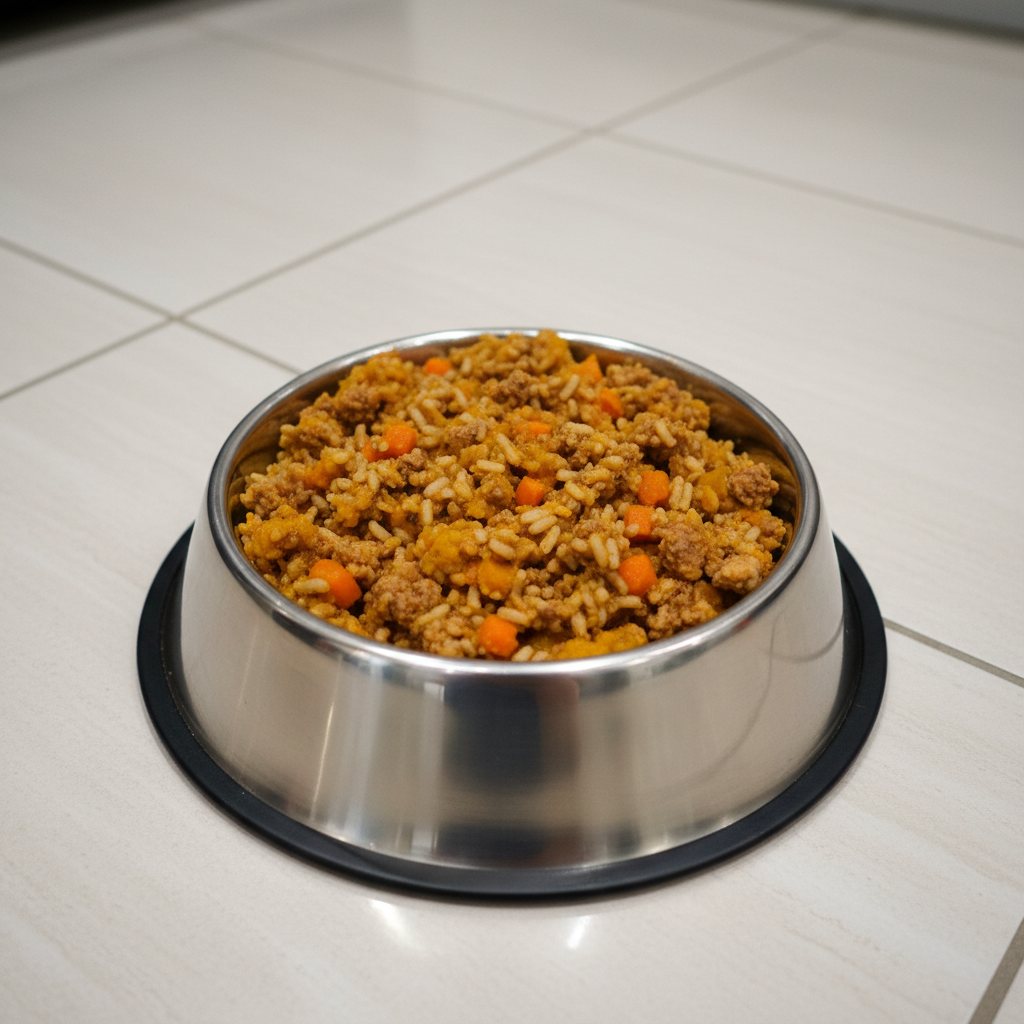
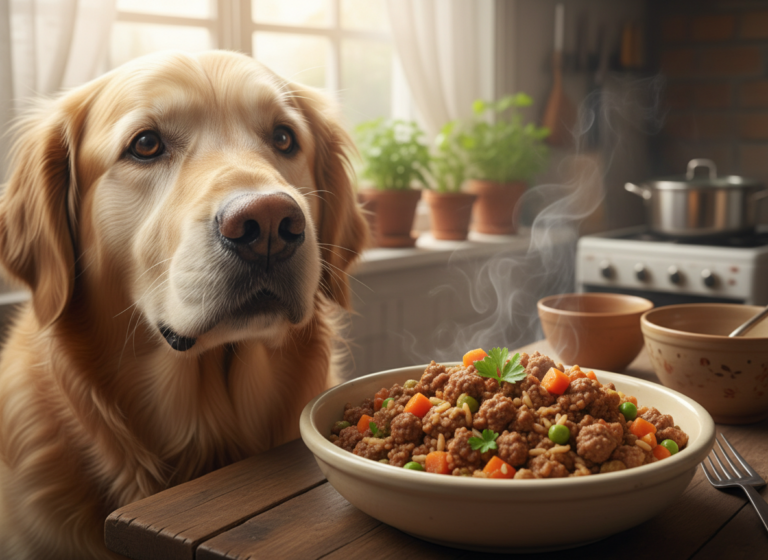
This recipe is the undisputed champion of digestive health. Pumpkin is a superstar ingredient, containing a perfect blend of soluble fiber to help firm up stools. Combined with lean turkey and nutrient-rich brown rice, it’s a simple, delicious, and highly effective meal for getting your dog’s system back on track.
Ingredients:
- 1 lb ground turkey
- 1 cup plain, canned pumpkin puree (not pie filling!)
- 1 cup cooked brown rice
- 1/2 cup chopped carrots
- 1 tablespoon olive oil
- 1 cup water or low-sodium chicken broth
Instructions:
- Heat olive oil in a large skillet or pot over medium heat. Add the ground turkey and cook until browned, breaking it up with a spoon.
- Drain off any excess fat from the skillet.
- Add the cooked brown rice, pumpkin puree, chopped carrots, and water/broth to the skillet with the turkey.
- Stir everything together until well combined.
- Bring the mixture to a simmer, then reduce the heat to low, cover, and let it cook for about 10-15 minutes, or until the carrots are tender.
- Remove from heat and let it cool completely before serving.
Pros & Cons
Pros
|
Cons
|
Verdict:
This is the perfect starting recipe for any dog owner looking to introduce more fiber into their pup’s diet. It’s gentle, effective, and most dogs find it absolutely delicious.
2. Sweet Potato & Lentil Mash

If you’re looking for a poultry-free or even a meat-free option, this Sweet Potato & Lentil Mash is a fantastic choice. Sweet potatoes are packed with fiber, vitamins, and minerals. Lentils provide an excellent source of plant-based protein and additional fiber, making this a hearty and healthy meal.
Ingredients:
- 2 medium sweet potatoes, peeled and cubed
- 1 cup red or brown lentils, rinsed
- 4 cups water or vegetable broth
- 1 cup chopped spinach
- 1 tablespoon coconut oil
Instructions:
- In a large pot, combine the cubed sweet potatoes, rinsed lentils, and water/broth.
- Bring to a boil, then reduce heat to a simmer. Cook for 20-25 minutes, or until the sweet potatoes are fork-tender and the lentils are soft.
- Turn off the heat and stir in the chopped spinach and coconut oil. The residual heat will wilt the spinach.
- Let the mixture cool slightly, then mash it with a potato masher to your dog’s preferred consistency.
- Allow to cool completely before serving.
Pros & Cons
Pros
|
Cons
|
Verdict:
This recipe is a lifesaver for dogs with allergies to chicken or beef. It’s a wholesome, plant-powered meal that delivers a serious fiber punch for digestive regularity.
3. Brown Rice & Beef Bonanza
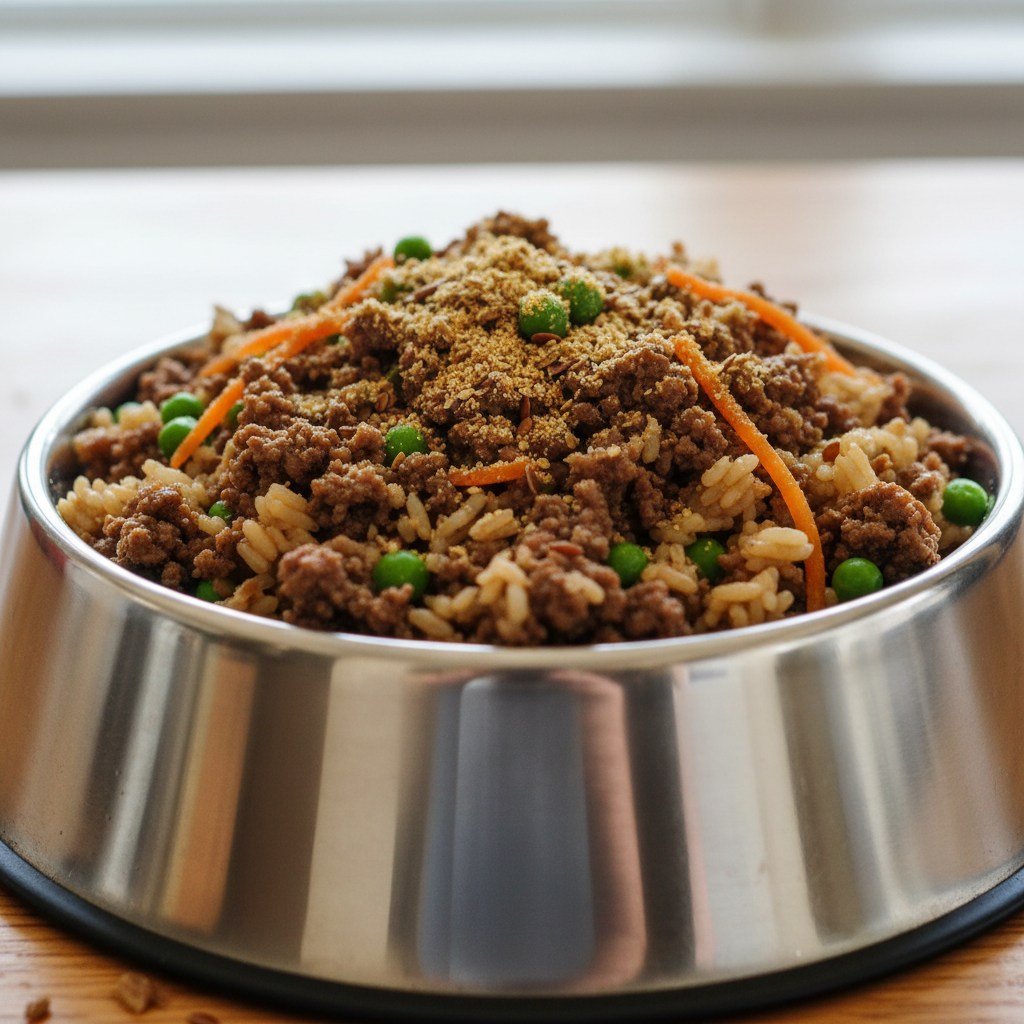
For the red meat lovers, this recipe combines the classic appeal of beef with the stool-bulking power of brown rice and peas. Beef provides essential amino acids and iron, while the combination of rice and peas offers a great mix of soluble and insoluble fiber to keep things moving smoothly.
Ingredients:
- 1 lb lean ground beef
- 1.5 cups cooked brown rice
- 1 cup frozen peas
- 1/2 cup shredded carrots
- 2 tablespoons flaxseed meal (for extra fiber and omega-3s)
Instructions:
- In a large skillet, cook the ground beef over medium heat until fully browned. Drain the excess fat.
- Add the cooked brown rice, frozen peas, and shredded carrots to the skillet. Stir to combine.
- Cook for another 5-7 minutes, until the peas and carrots are heated through and tender.
- Remove from heat and stir in the flaxseed meal.
- Let the mixture cool completely before portioning it out for your dog.
Pros & Cons
Pros
|
Cons
|
Verdict:
A perfect choice for active dogs who aren’t sensitive to beef. This hearty meal provides sustained energy and the necessary fiber to promote healthy anal gland function.
4. Oatmeal & Chicken Comfort Meal
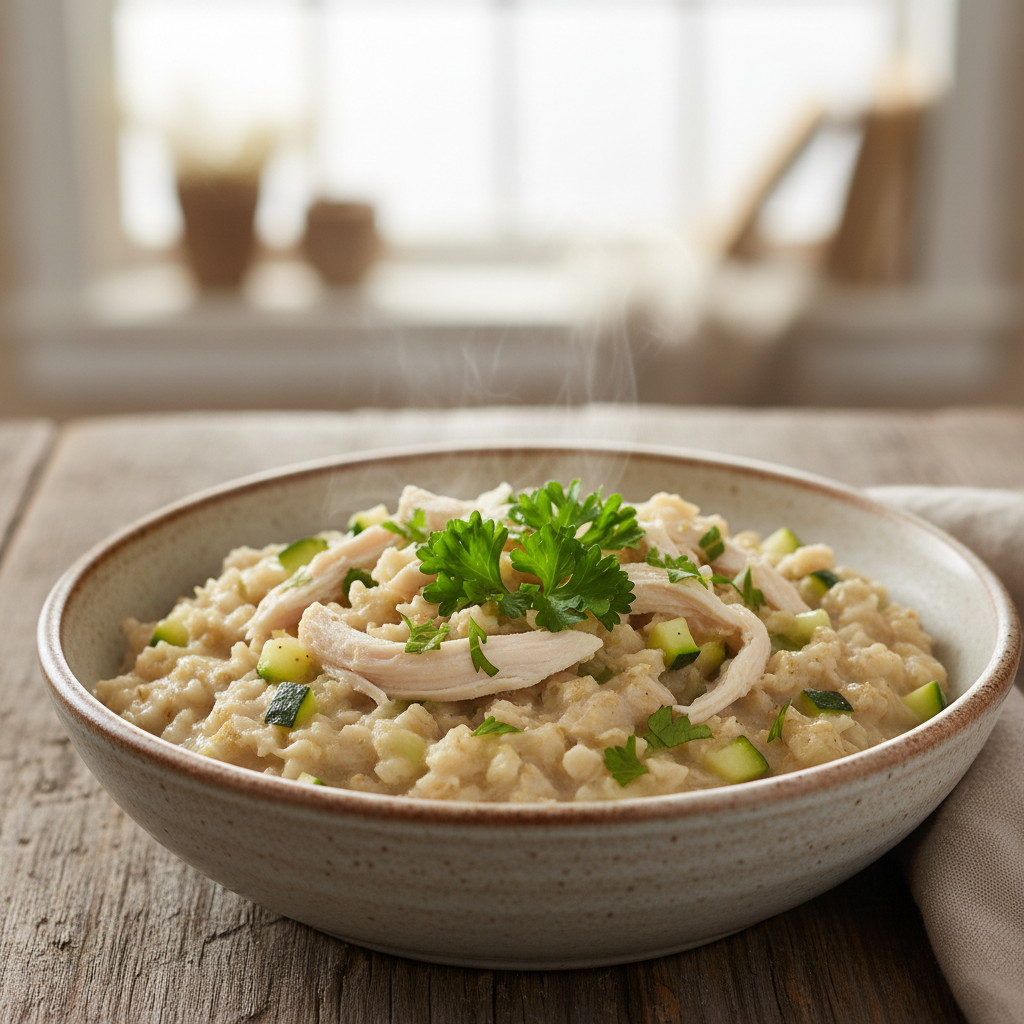
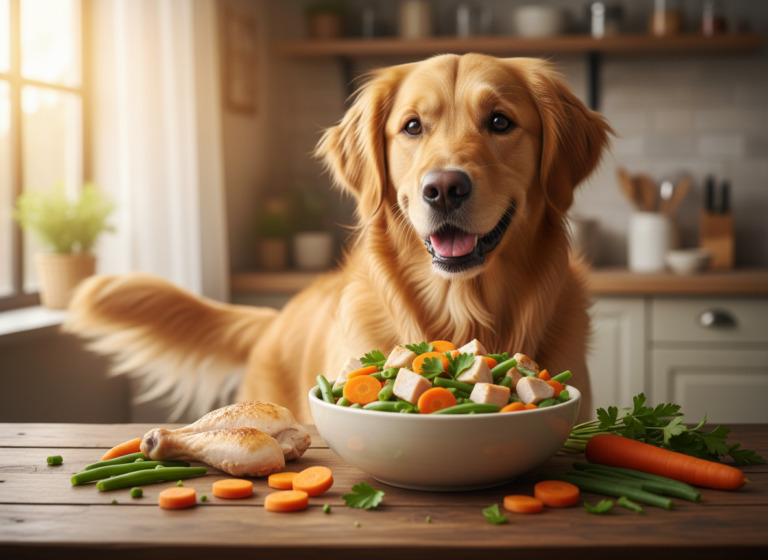
Think of this as a warm, comforting hug in a bowl for your dog’s digestive system. Oatmeal is a fantastic source of soluble fiber, which can help regulate blood sugar and promote feelings of fullness. Paired with easily digestible chicken, it’s a bland diet favorite with a high-fiber twist.
Ingredients:
- 1 lb boneless, skinless chicken breast, cooked and shredded
- 1 cup rolled oats (not instant)
- 3 cups water or low-sodium chicken broth
- 1 cup finely chopped zucchini
- 1 tablespoon chopped parsley (for fresh breath!)
Instructions:
- In a medium saucepan, bring the water or broth to a boil.
- Stir in the rolled oats and chopped zucchini.
- Reduce the heat to low and simmer for about 10-12 minutes, stirring occasionally, until the oats are cooked and have absorbed most of the liquid.
- Remove from heat and stir in the shredded chicken and chopped parsley.
- Let it cool to a safe temperature before serving.
Pros & Cons
Pros
|
Cons
|
Verdict:
This is a go-to recipe for dogs experiencing any kind of digestive upset, or for senior dogs who need a softer, easier-to-chew meal that still supports their anal gland health.
5. Quinoa & Fish Fiesta
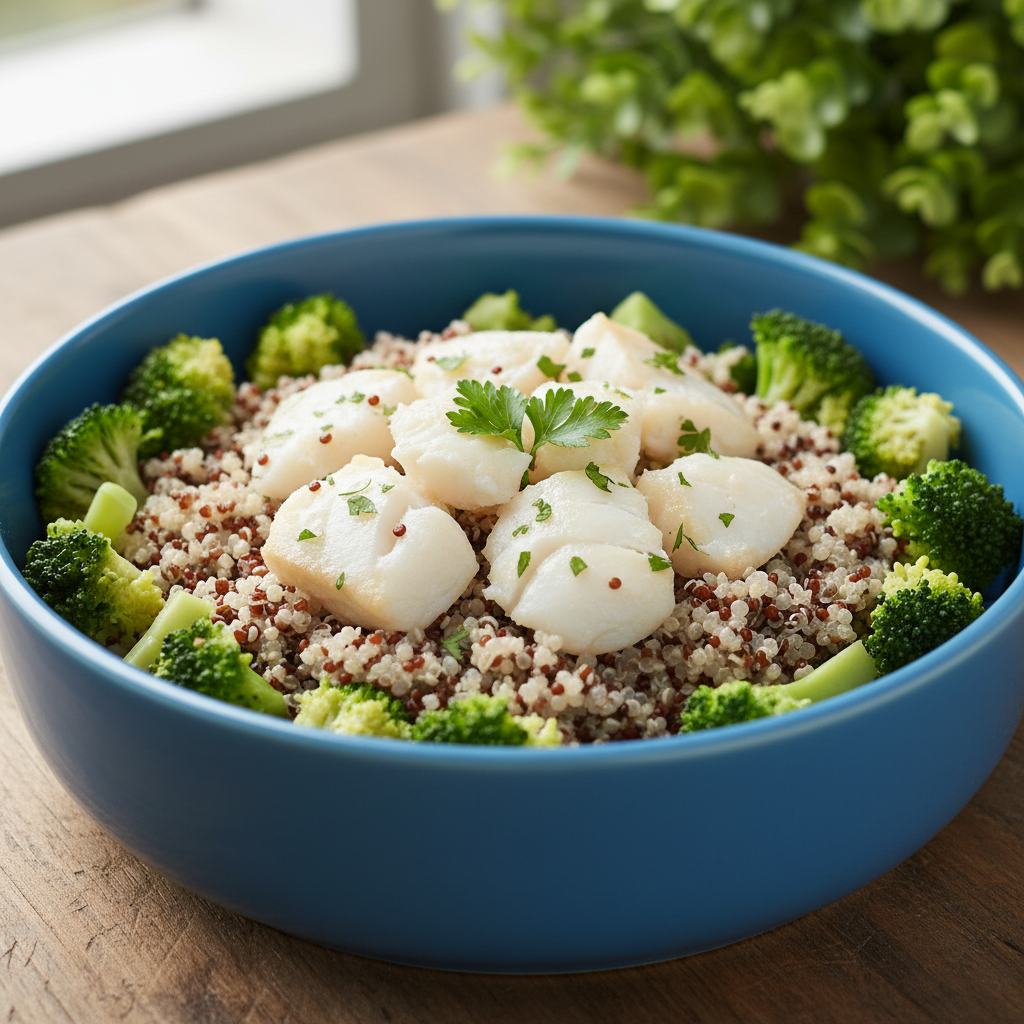
Boost your dog’s health with a dose of omega-3 fatty acids! This recipe uses fish like salmon or cod, which are great for skin and coat health, and pairs it with quinoa, a complete protein and high-fiber seed. The addition of broccoli adds even more fiber and a nice crunch.
Ingredients:
- 1 lb cod, salmon, or other whitefish, cooked and flaked
- 1 cup cooked quinoa
- 1 cup steamed and chopped broccoli florets
- 1 tablespoon olive oil or fish oil
Instructions:
- In a large bowl, gently combine the cooked and flaked fish, cooked quinoa, and steamed broccoli.
- Drizzle the olive oil or fish oil over the mixture.
- Toss everything together gently until it’s well mixed.
- Serve once it has cooled to room temperature.
Pros & Cons
Pros
|
Cons
|
Verdict:
Ideal for dogs with dry skin, dull coats, or joint issues. The combination of high-quality protein and fiber makes it a powerful meal for overall health, including anal gland support.
6. Green Bean & Lamb Feast
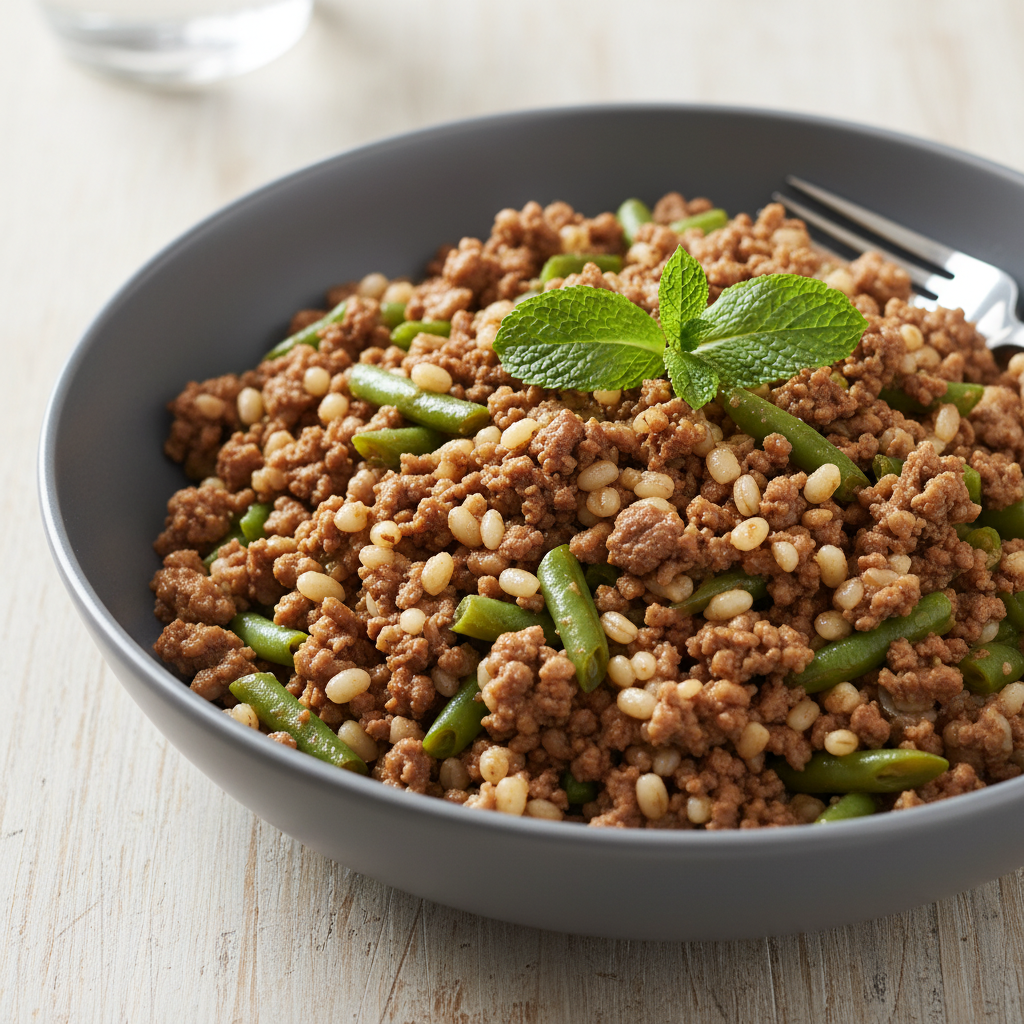
Lamb is often considered a ‘novel protein,’ meaning it’s a great choice for dogs who have developed sensitivities to more common proteins like chicken or beef. Paired with fiber-rich green beans and hearty barley, this recipe is both delicious and hypoallergenic for many pups.
Ingredients:
- 1 lb ground lamb
- 1 cup cooked pearl barley
- 1.5 cups chopped green beans (fresh or frozen)
- 1/4 cup chopped mint (aids digestion)
Instructions:
- In a skillet, cook the ground lamb over medium heat until browned. Drain the excess fat thoroughly.
- If using fresh green beans, steam them until tender-crisp. If using frozen, you can add them directly to the skillet.
- Add the cooked barley and green beans to the skillet with the lamb. Cook for 5 minutes, stirring to combine.
- Remove from heat and stir in the fresh mint.
- Allow to cool completely before serving.
Pros & Cons
Pros
|
Cons
|
Verdict:
This is a top-tier choice for dogs with food sensitivities who still need a robust, high-fiber diet. The unique flavor combination is often a big hit with discerning canine palates.
7. Apple & Carrot Shred with Ground Pork

Add a little sweetness and a lot of fiber with this tasty recipe. Apples (with seeds and core removed) and carrots provide pectin and insoluble fiber, which are great for digestive health. Pork offers a different flavor profile that many dogs enjoy.
Ingredients:
- 1 lb ground pork
- 1 cup grated carrot
- 1 apple, cored, seeded, and grated
- 1 cup cooked lentils
- A pinch of cinnamon (anti-inflammatory)
Instructions:
- Cook the ground pork in a skillet over medium heat until no longer pink. Drain any excess fat.
- Add the grated carrot, grated apple, and cooked lentils to the skillet.
- Stir well and cook for about 5-8 minutes, until the carrot and apple have softened.
- Sprinkle with a tiny pinch of cinnamon and stir again.
- Let it cool completely before serving this sweet and savory treat.
Pros & Cons
Pros
|
Cons
|
Verdict:
A great recipe to add variety to your dog’s diet. The mix of sweet and savory is often irresistible, and it packs a fibrous punch to help with anal gland issues.
8. Psyllium Husk & Ground Chicken Mash
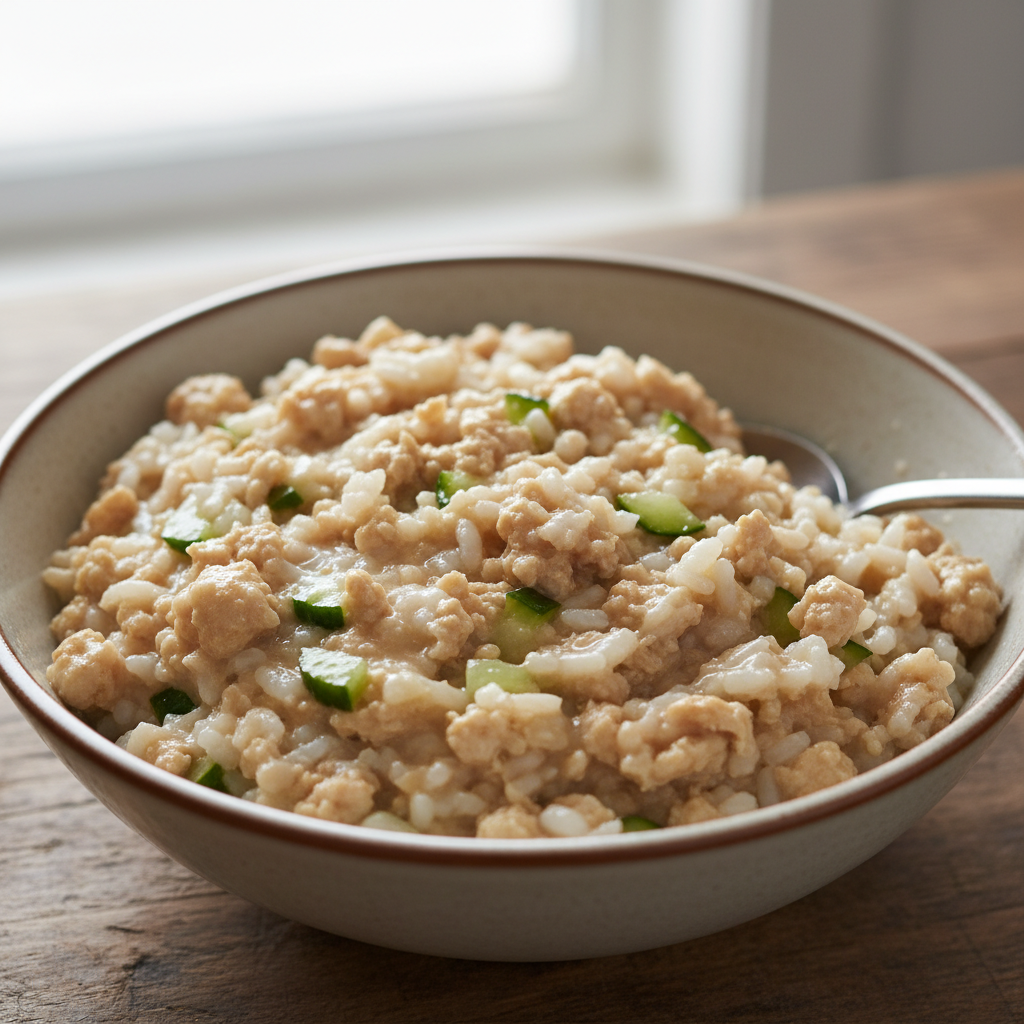
When you need to bring in the fiber powerhouse, psyllium husk is the answer. This ingredient is almost pure soluble fiber and is incredibly effective at creating bulky, easy-to-pass stools. A little goes a long way, and when mixed with simple ground chicken and hydrating cucumber, it’s a potent tool for anal gland support.
Ingredients:
- 1 lb ground chicken
- 1 cup finely chopped cucumber (peeled and seeded)
- 1/2 cup cooked white rice (easy to digest)
- 1-2 teaspoons of whole psyllium husks (start with 1 tsp for small dogs)
- 1/2 cup water
Instructions:
- Cook the ground chicken in a skillet until fully cooked. Do not drain the juices.
- Add the cooked white rice, chopped cucumber, and water to the skillet. Stir to combine.
- Sprinkle the psyllium husks over the mixture and stir quickly and thoroughly to prevent clumping.
- Let the mixture sit for 5-10 minutes to allow the psyllium to absorb the liquid and form a gel.
- Serve once cooled. Ensure your dog has plenty of fresh water available after eating this meal.
Pros & Cons
Pros
|
Cons
|
Verdict:
This is a therapeutic-level recipe for dogs with ongoing anal gland problems. Always consult your vet before adding a supplement like psyllium husk, but when used correctly, it can be a game-changer.
9. Barley & Venison Stew

Go gourmet with this hearty stew featuring venison, another excellent novel protein. Venison is leaner than beef and rich in iron and B vitamins. The barley and root vegetables provide a slow-release energy source and plenty of insoluble fiber to aid digestion.
Ingredients:
- 1 lb ground venison or stew meat
- 1 cup cooked pearl barley
- 1/2 cup diced parsnips
- 1/2 cup diced celery
- 3 cups beef or vegetable broth
- 1 tablespoon fresh rosemary, chopped
Instructions:
- In a large pot, brown the venison. Drain any fat.
- Add the broth, diced parsnips, and celery to the pot.
- Bring to a boil, then reduce to a simmer and cook for 20-30 minutes, until the vegetables are tender.
- Stir in the cooked barley and fresh rosemary.
- Simmer for another 5 minutes for the flavors to meld.
- Let the stew cool to a safe temperature before serving.
Pros & Cons
Pros
|
Cons
|
Verdict:
A fantastic, rustic meal for the adventurous canine foodie. It’s especially good for large, active dogs and those who may have sensitivities to more common farm-raised proteins.
10. Kale & Sardine Scramble
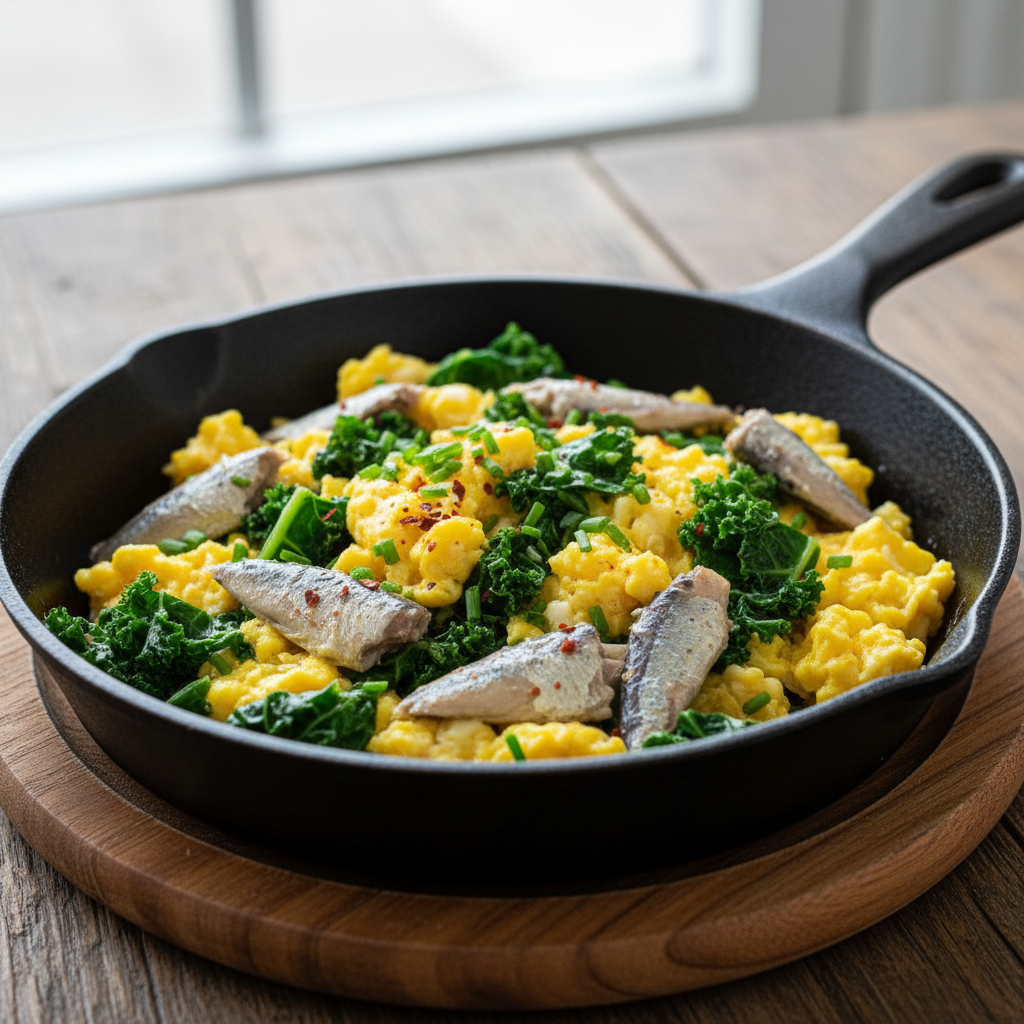
This recipe is a nutrient-dense powerhouse. Sardines are loaded with omega-3 fatty acids and calcium, while kale is a king among leafy greens, offering tons of fiber and vitamins. Scrambled with eggs for protein, this is a quick and incredibly healthy meal.
Ingredients:
- 2 large eggs
- 1 can (3.75 oz) sardines packed in water, no salt added
- 1 cup finely chopped kale, stems removed
- 1 tablespoon coconut oil
Instructions:
- Heat coconut oil in a non-stick skillet over medium heat. Add the chopped kale and sauté for 2-3 minutes until it begins to wilt.
- In a small bowl, whisk the eggs. Add them to the skillet with the kale.
- As the eggs begin to set, add the entire can of sardines (including the water) and break them up with a spoon.
- Scramble everything together until the eggs are fully cooked.
- Let it cool before serving.
Pros & Cons
Pros
|
Cons
|
Verdict:
Perfect as a special meal or a topper to boost the fiber and nutrient content of your dog’s regular food. It’s a fantastic choice for promoting healthy skin, a shiny coat, and smooth digestion.
11. Butternut Squash & Duck Delight

Another excellent option for dogs with allergies, duck is a rich, flavorful protein that many dogs adore. Butternut squash, similar to pumpkin, is a fantastic source of soluble fiber and is naturally sweet. It roasts beautifully, bringing out a flavor your dog will go wild for.
Ingredients:
- 1 lb ground duck
- 2 cups cubed butternut squash, roasted
- 1/2 cup cooked quinoa
- 1 teaspoon dried sage
Instructions:
- To roast the squash, toss cubes with a little olive oil and bake at 400°F (200°C) for 20-25 minutes until tender. Let cool and mash lightly.
- In a skillet, cook the ground duck over medium heat until crispy. Duck is very fatty, so be sure to drain the rendered fat very well.
- In a large bowl, combine the cooked duck, roasted butternut squash, and cooked quinoa.
- Sprinkle with dried sage and mix gently.
- Serve once cooled to room temperature.
Pros & Cons
Pros
|
Cons
|
Verdict:
This is a gourmet meal designed for the discerning dog with a sensitive stomach. The rich flavor of duck combined with the sweet, fibrous squash makes it a winner for both taste and gut health.
12. Chia Seed & Beef Patties
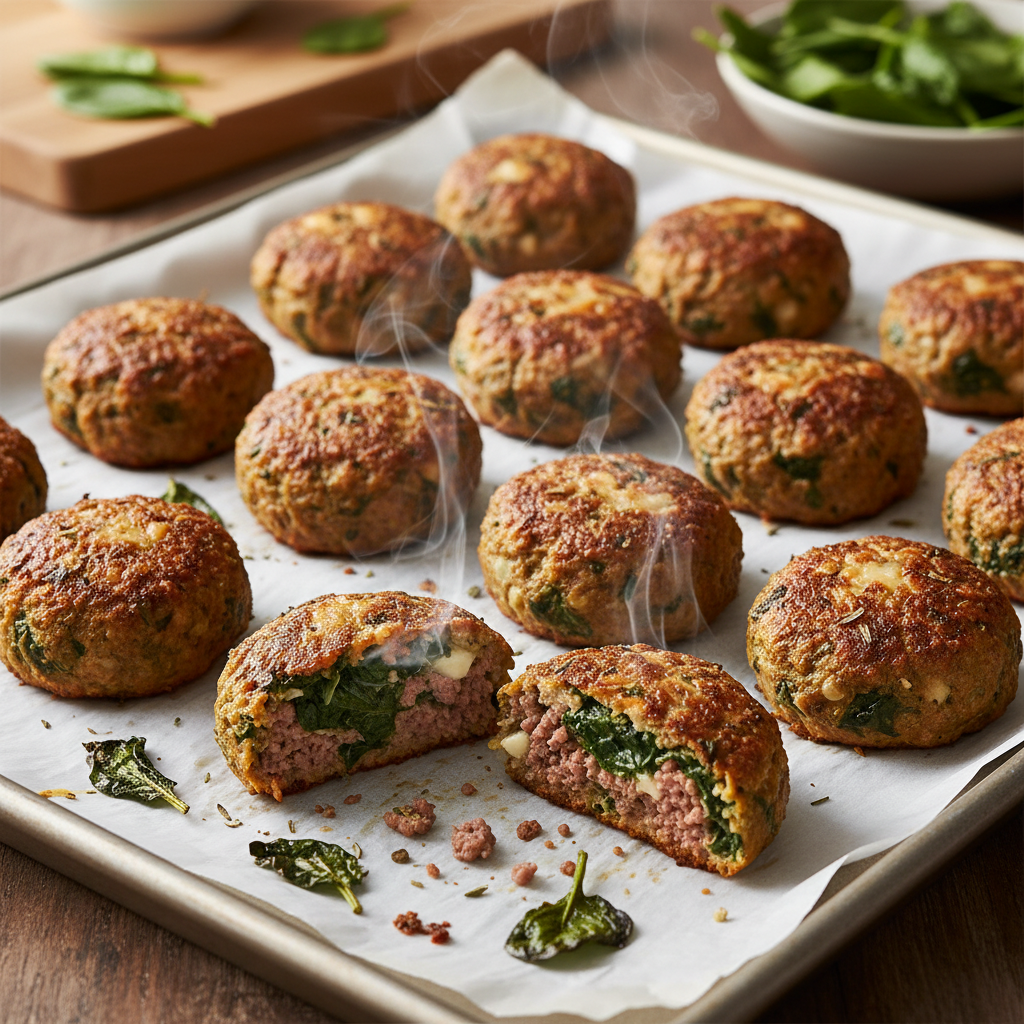
Chia seeds are tiny but mighty! They absorb many times their weight in water, forming a gel that helps with hydration and promotes smooth digestion. Combined with lean beef and spinach, these patties are easy to make ahead and serve as needed.
Ingredients:
- 1 lb lean ground beef
- 2 tablespoons chia seeds
- 1/4 cup water
- 1 cup finely chopped spinach
- 1/2 cup oat flour (or rolled oats blended into a powder)
Instructions:
- Preheat your oven to 375°F (190°C).
- In a small bowl, mix the chia seeds and water. Let it sit for 10 minutes to form a gel.
- In a large bowl, combine the ground beef, chia gel, chopped spinach, and oat flour. Mix with your hands until just combined (don’t overmix).
- Form the mixture into small patties and place them on a baking sheet lined with parchment paper.
- Bake for 15-20 minutes, or until cooked through.
- Let the patties cool completely before serving or storing in the fridge.
Pros & Cons
Pros
|
Cons
|
Verdict:
Perfect for busy pet owners who like to meal prep. These patties are a convenient and tidy way to deliver a high-fiber, protein-packed meal that supports healthy digestion.
13. Beet Pulp & Turkey Loaf
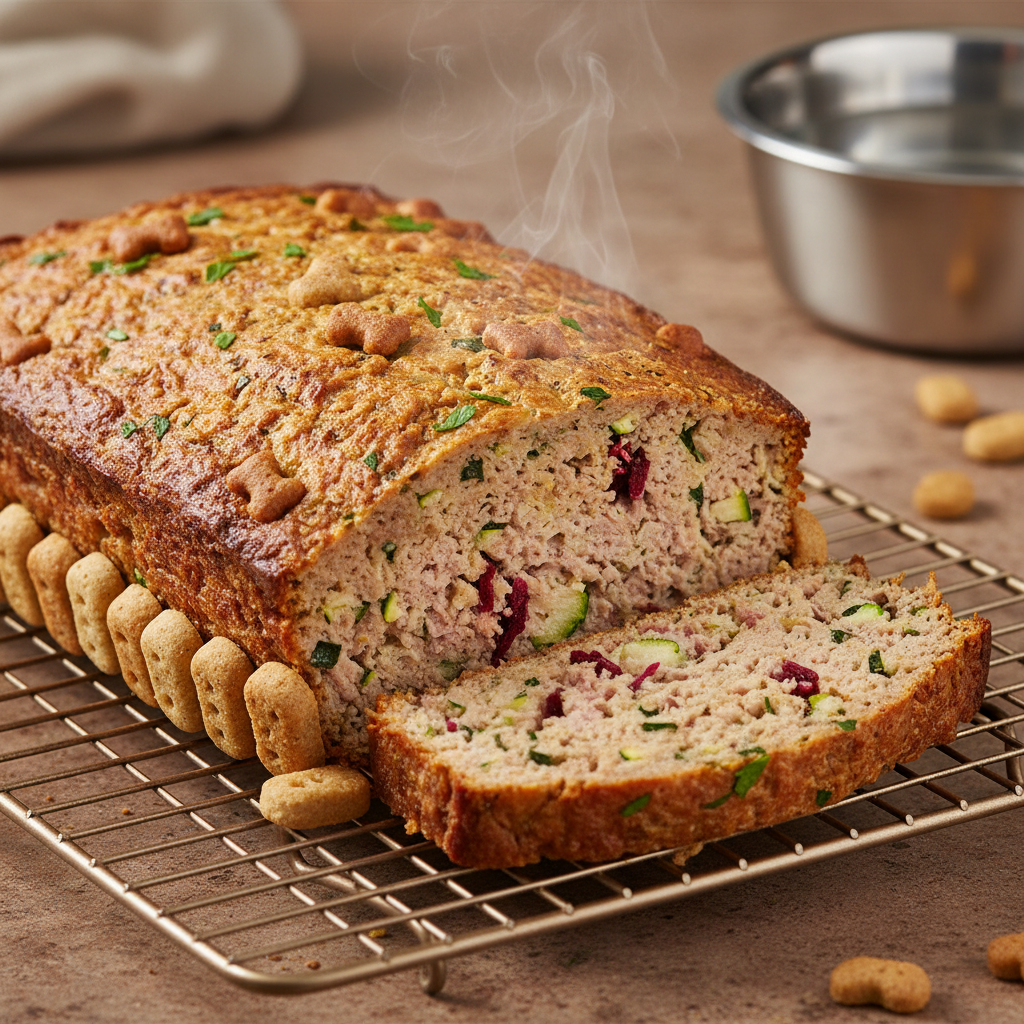
Beet pulp is a common ingredient in commercial high-fiber dog foods, and for good reason. It’s an excellent source of both soluble and insoluble fiber. By using plain, unmolassed beet pulp (available at feed stores or online), you can create a moisture-rich, high-fiber loaf your dog will love.
Ingredients:
- 1 lb ground turkey
- 1/4 cup dried beet pulp shreds
- 1 cup warm water
- 2 eggs, beaten
- 1 cup grated zucchini
Instructions:
- Preheat oven to 350°F (175°C).
- In a bowl, soak the beet pulp in the warm water for 15-20 minutes until it has softened and absorbed the liquid.
- In a large bowl, combine the ground turkey, soaked beet pulp (and any remaining water), beaten eggs, and grated zucchini. Mix well.
- Press the mixture into a loaf pan.
- Bake for 45-55 minutes, or until the center is cooked through.
- Let the loaf cool completely, then slice and serve.
Pros & Cons
Pros
|
Cons
|
Verdict:
This recipe is for the pet owner who wants to replicate the science of high-fiber kibble in a whole-food, homemade form. It’s incredibly effective for firming up stools and supporting anal gland health.
A Pet Parent’s Guide to High-Fiber Ingredients
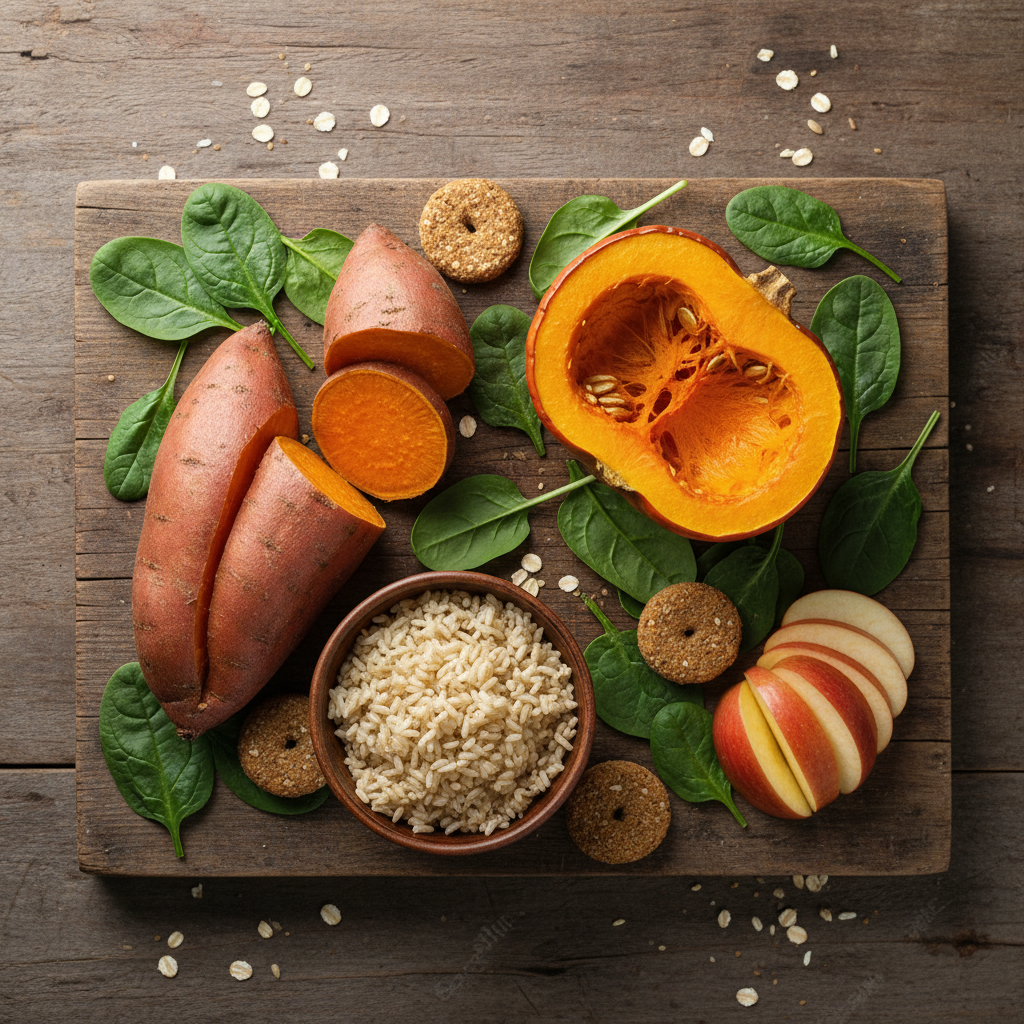
When you’re making homemade food, it’s helpful to understand the ‘why’ behind the ingredients. Fiber is essential, but not all fiber is created equal. There are two main types, and dogs need a good balance of both for optimal digestive health.
Soluble Fiber
This type of fiber dissolves in water to form a gel-like substance in the digestive tract. It’s fantastic for slowing down digestion, which can help with nutrient absorption and firming up loose stools. It also acts as a ‘prebiotic,’ feeding the good bacteria in your dog’s gut.
- Great Sources: Pumpkin, sweet potatoes, oats, barley, apples, carrots, psyllium husk, chia seeds.
Insoluble Fiber
This is the ‘roughage.’ It doesn’t dissolve in water and instead passes through the digestive system largely intact. Its main job is to add bulk to the stool, which is the key to naturally expressing those anal glands. It helps prevent constipation and keeps things moving regularly.
- Great Sources: Brown rice, lentils, green beans, kale, spinach, broccoli, beet pulp.
The best recipes, like the ones above, typically include a mix of ingredients that provide both types of fiber. This balanced approach is what leads to perfectly formed stools and happy, healthy anal glands.
Frequently Asked Questions

How do I know if my dog has anal gland issues?
The most classic sign is ‘scooting’ their rear end on the floor. Other signs include excessive licking or biting at their hind end, a strong, fishy odor, and difficulty or pain when pooping. If you notice any of these, it’s a good idea to check in with your vet.
How much fiber does my dog need?
This varies greatly depending on your dog’s size, age, and individual digestive system. A good commercial dog food typically contains 2-4% crude fiber. When adding fiber, it’s crucial to do it slowly. Start with a small amount of a new high-fiber recipe and monitor their stool. The goal is a firm, well-formed stool, not one that is too hard or causes straining.
Can I just add a fiber supplement to my dog’s current food?
You certainly can, and many people do with great success! Plain canned pumpkin or a sprinkle of psyllium husk are popular choices. However, switching to a high-fiber recipe ensures that the entire meal is balanced and working towards the same goal. Homemade food can also be more hydrating than dry kibble, which further aids digestion. As always, consult your vet before adding any new supplement.
How long does it take for a high-fiber diet to work?
You can often see a difference in stool quality within a day or two. For the diet to have a consistent effect on the anal glands, give it at least a few weeks. Consistency is key. The goal is to create a long-term dietary solution that keeps the problem from recurring.
Conclusion
Taking control of your dog’s diet is one of the most empowering things you can do for their health. While anal gland issues can be a frustrating and recurring problem, the solution is often sitting right in your pantry. By incorporating these wholesome, high-fiber recipes into your dog’s routine, you’re not just treating a symptom—you’re promoting a healthier digestive system from the inside out.
Remember to introduce any new food slowly and always keep an eye on your dog’s response. Every pup is different, so feel free to experiment to find their favorite combination! Before making any major changes to your dog’s diet, especially if they have existing health conditions, it’s always best to have a chat with your veterinarian. They can provide guidance tailored to your specific furry friend.
Happy cooking, and here’s to a future with less scooting and more happy, healthy tail wags!