7 Crockpot Dog Food Recipes for Busy Pet Parents
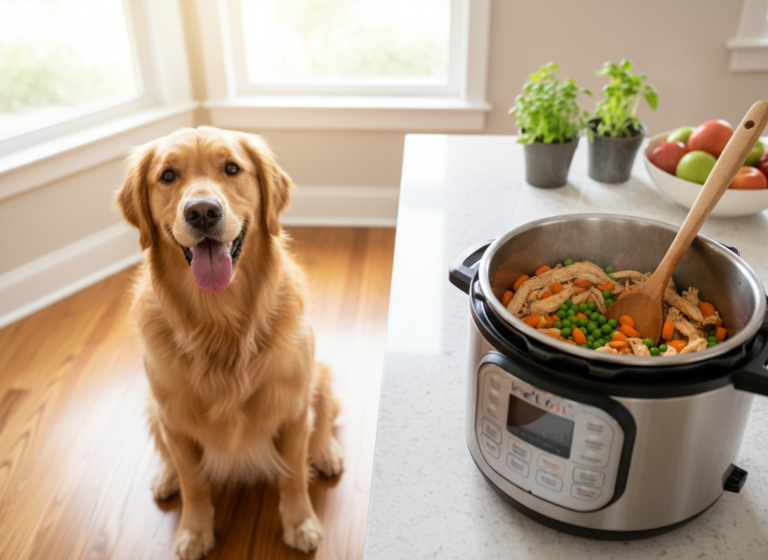
We all want the absolute best for our furry family members, and that starts with what’s in their food bowl. But let’s be honest, deciphering commercial dog food labels can feel like you need a degree in chemistry. Plus, our busy lives don’t always leave room for complex meal prep. What if there was a way to give your pup a wholesome, delicious, homemade meal with minimal effort? Enter the hero of your kitchen: the crockpot!
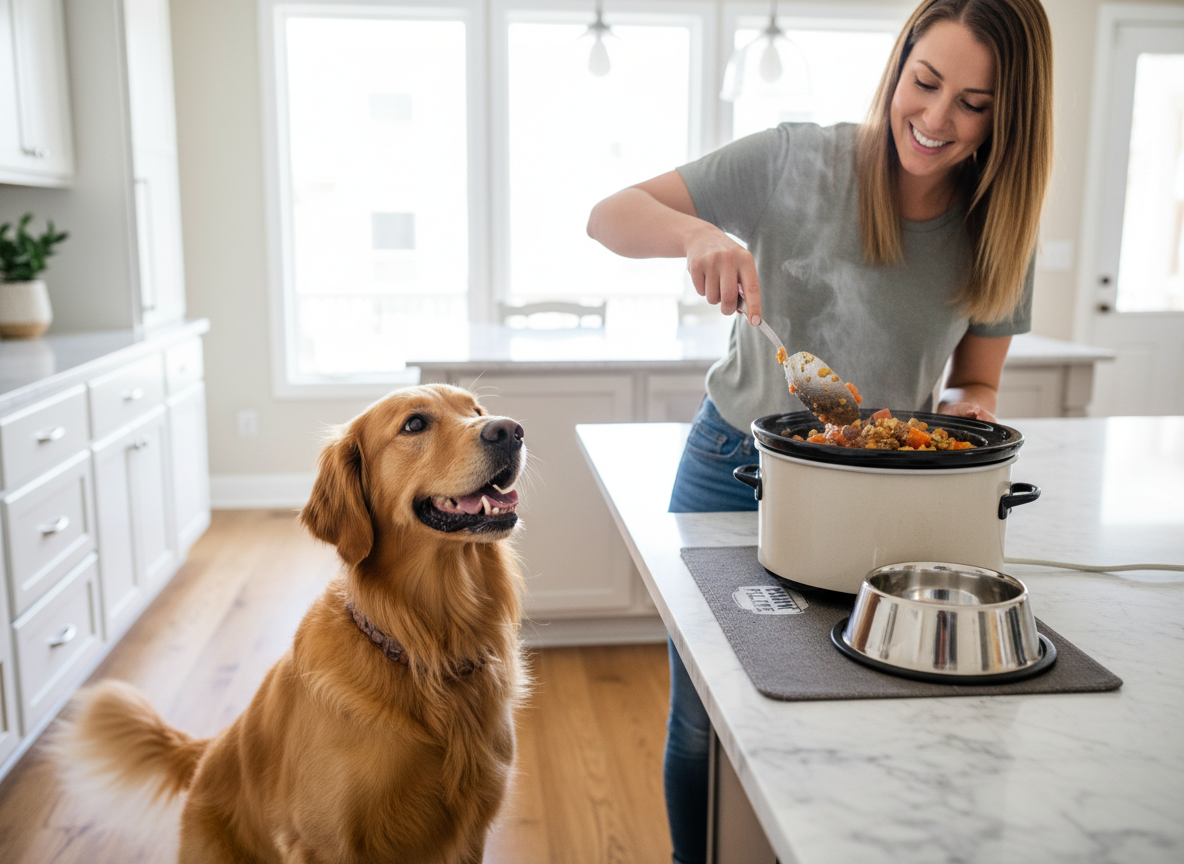
Using a slow cooker to make your dog’s food is a game-changer. You control every single ingredient, ensuring there are no mysterious fillers, artificial preservatives, or allergens that might upset your pup’s tummy. It’s a ‘set it and forget it’ method that fills your home with an amazing aroma and results in a nutrient-packed meal your dog will go wild for. Ready to become your dog’s personal chef without the hassle? Let’s dive into some simple, vet-approved-in-principle recipes (but always check with your own vet!).
Quick Comparison of Our Favorite Recipes
| Recipe Name | Main Protein | Best For | Approx. Prep Time |
|---|---|---|---|
| Classic Chicken & Veggie Delight | Chicken | All-around nutrition, picky eaters | 15 minutes |
| Beef & Sweet Potato Powerhouse | Beef | Active dogs, muscle building | 15 minutes |
| Turkey & Cranberry Feast | Turkey | Sensitive stomachs, urinary health | 15 minutes |
| Salmon & Quinoa Omega Boost | Salmon | Skin and coat health | 20 minutes |
| Hearty Lamb & Barley Stew | Lamb | Dogs with poultry allergies | 15 minutes |
| Pork & Apple Medley | Pork | Flavor variety, healthy digestion | 20 minutes |
| Lentil & Veggie Mix (Low Protein) | Lentils | Senior dogs, kidney concerns (vet consult required) | 10 minutes |
1. Classic Chicken & Veggie Delight
1. Classic Chicken & Veggie Delight
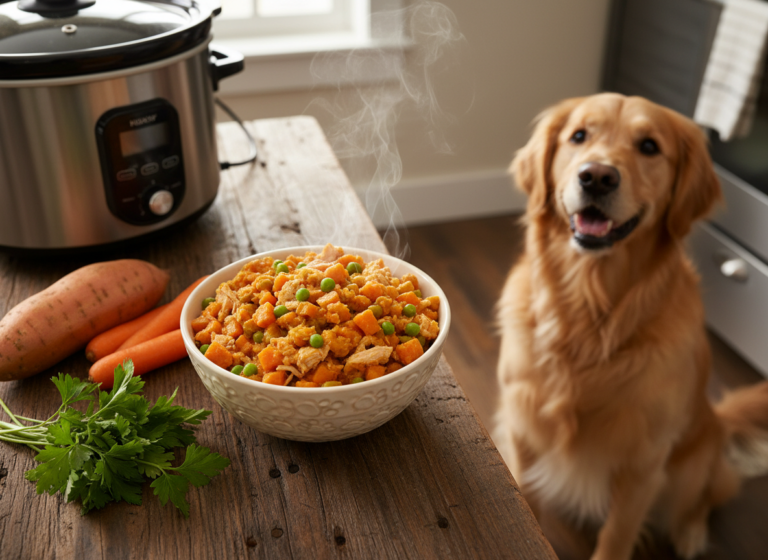
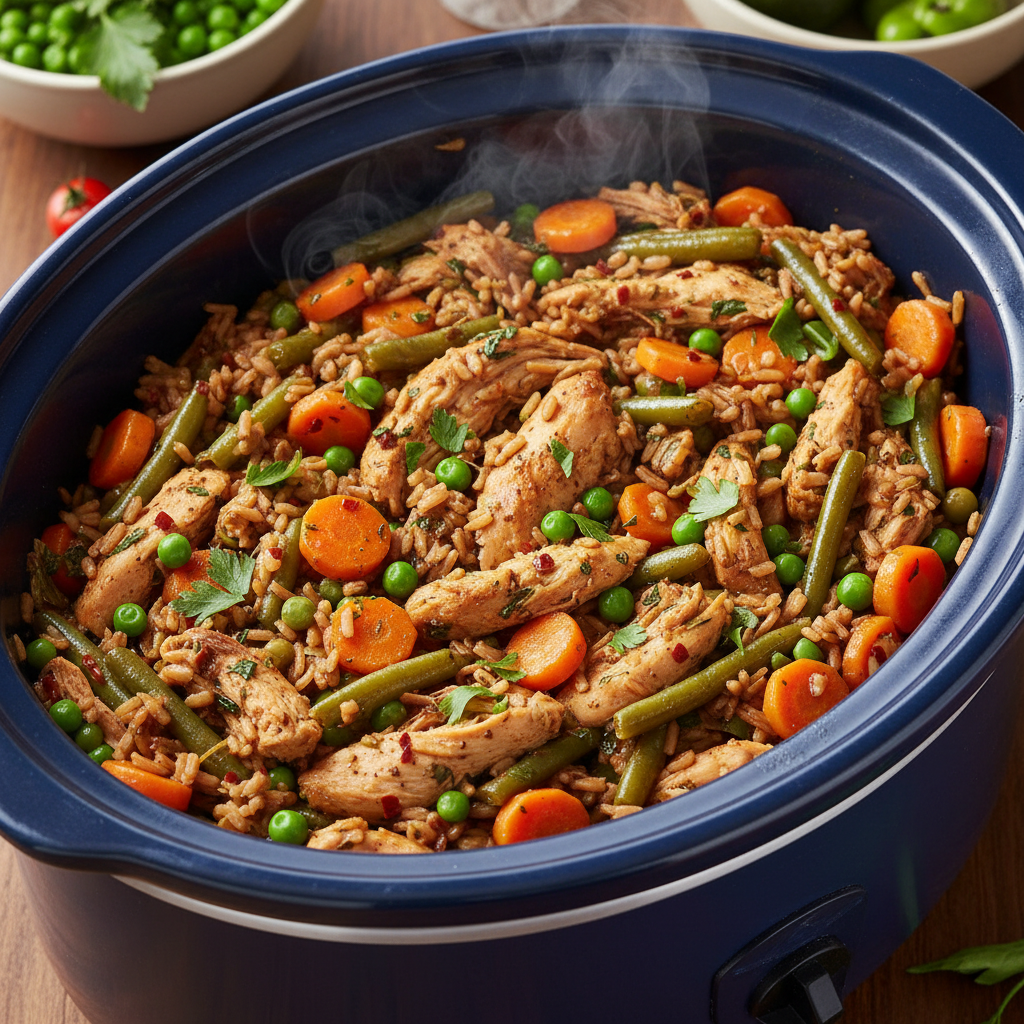
This recipe is the quintessential starting point for any aspiring doggy chef. It’s simple, packed with lean protein and essential vitamins, and generally a huge hit with even the fussiest of eaters. The combination of chicken, brown rice, and colorful veggies makes for a well-rounded meal that’s easy on the digestive system.
Ingredients:
- 3 lbs boneless, skinless chicken breasts or thighs
- 1 cup brown rice, uncooked
- 2 large carrots, chopped
- 1 cup green beans, snapped
- 1 cup peas (frozen is fine)
- 4 cups water or low-sodium chicken broth
- 1 tablespoon olive oil or fish oil (for healthy fats)
Instructions:
- Place the chicken at the bottom of the crockpot.
- Add the chopped carrots and green beans on top of the chicken.
- Pour in the uncooked brown rice and water or broth.
- Cook on low for 6-8 hours or on high for 3-4 hours, until the chicken is cooked through and the rice is tender.
- About 30 minutes before serving, remove the chicken and shred it with two forks. Return it to the crockpot.
- Stir in the peas and the olive or fish oil. Let it cook for the final 30 minutes.
- Let it cool to a safe temperature before serving.
Pros & Cons
| Pros | Cons |
|---|---|
| Lean protein source is great for weight management. | Chicken is a common allergen for some dogs. |
| Easy-to-find and affordable ingredients. | Brown rice can be harder to digest for some sensitive dogs. |
| Provides a balanced mix of protein, carbs, and fiber. |
Verdict:
This is the perfect all-rounder recipe. It’s ideal for pet parents new to homemade dog food and is suitable for most healthy adult dogs. If your dog is a picky eater, the smell of slow-cooked chicken is often too good to resist!
2. Beef & Sweet Potato Powerhouse
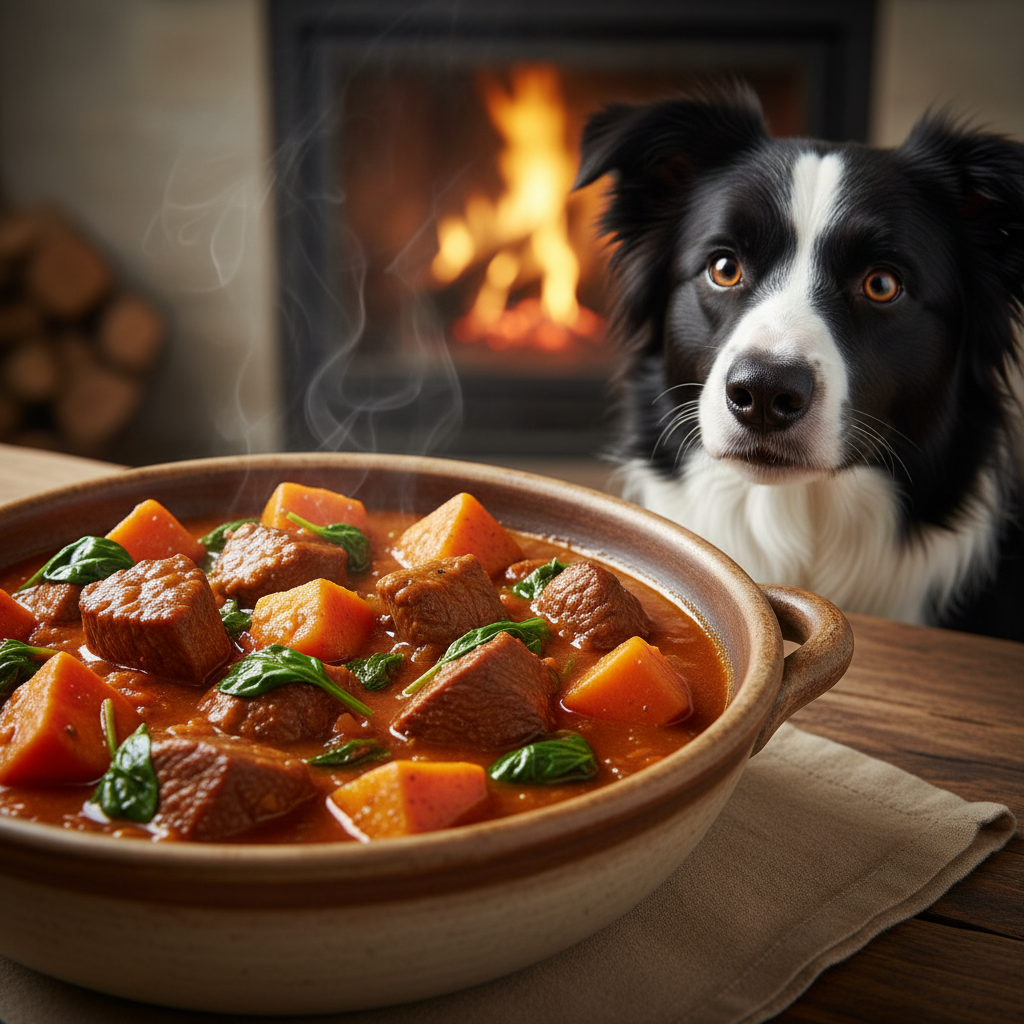
2. Beef & Sweet Potato Powerhouse
For the active pup in your life, this beef and sweet potato recipe is packed with energy and muscle-building protein. Beef provides iron and zinc, while sweet potatoes offer complex carbohydrates for sustained energy, plus a healthy dose of fiber and vitamin A. It’s a rich, hearty meal that will satisfy the biggest appetites.
Ingredients:
- 3 lbs beef stew meat or lean ground beef
- 2 large sweet potatoes, peeled and cubed
- 1 cup chopped spinach
- 1/2 cup rolled oats, uncooked
- 4 cups water or low-sodium beef broth
- 1 tablespoon flaxseed oil
Instructions:
- If using ground beef, brown it in a skillet first to drain off excess fat. If using stew meat, you can place it directly in the crockpot.
- Add the cubed sweet potatoes and rolled oats to the crockpot.
- Pour in the water or beef broth and stir gently.
- Cook on low for 6-8 hours or high for 3-4 hours, until the beef is tender and the sweet potatoes are soft.
- In the last 30 minutes of cooking, stir in the chopped spinach until it wilts.
- Remove from heat, stir in the flaxseed oil, and let it cool completely before serving.
Pros & Cons
| Pros | Cons |
|---|---|
| High in protein and iron, great for active dogs. | Beef is a richer meat and can be higher in fat. |
| Sweet potatoes are a fantastic source of vitamins and fiber. | Can be more expensive than poultry-based recipes. |
| Grain-free (oats are technically a cereal grass, but often tolerated well). | The rich flavor might be too much for dogs with very sensitive stomachs. |
Verdict:
This recipe is tailor-made for high-energy dogs, working breeds, or pups that need to build or maintain lean muscle mass. It’s a fantastic, nutrient-dense option that provides long-lasting fuel for all their adventures.
3. Turkey & Cranberry Feast
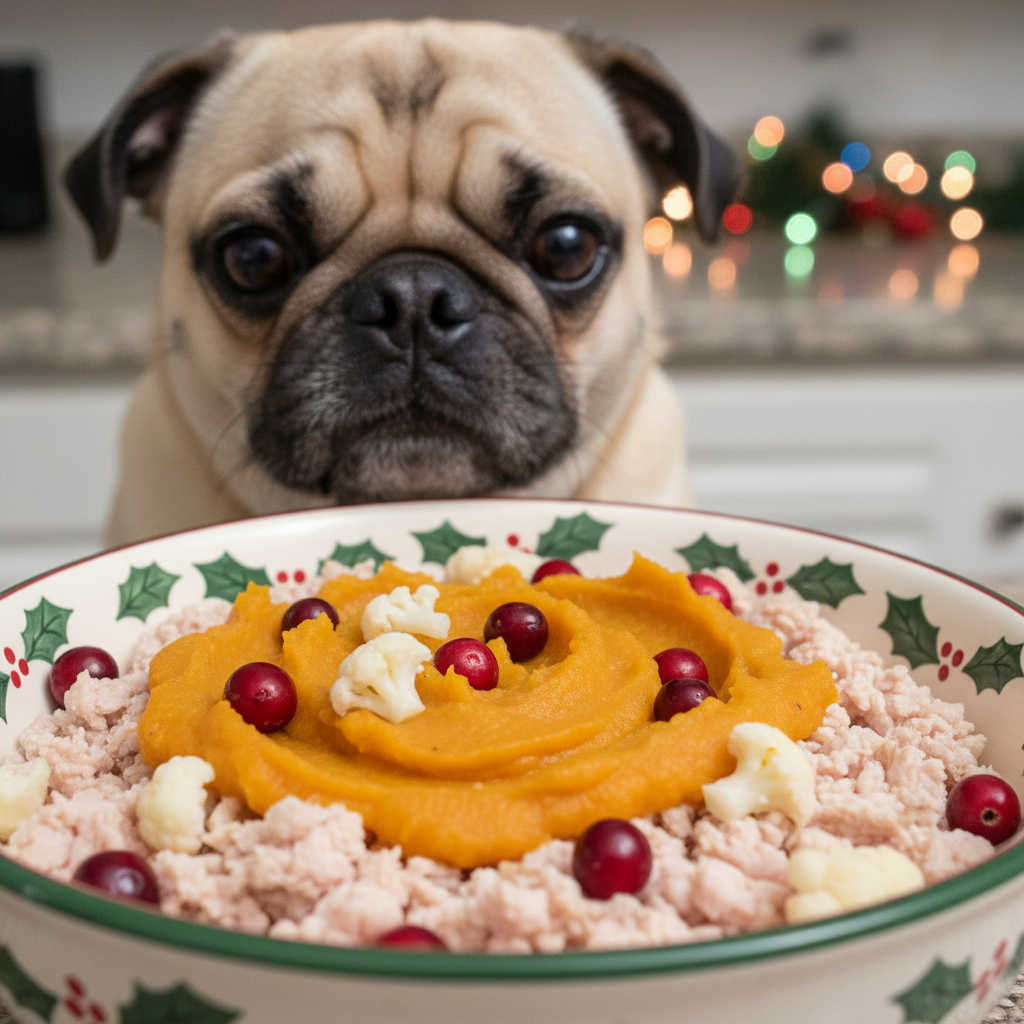
3. Turkey & Cranberry Feast
Does your dog have a sensitive tummy? This turkey and cranberry recipe is often recommended for its gentle ingredients. Turkey is a lean alternative to chicken, and cranberries are known for supporting urinary tract health. We’ve paired it with pumpkin for its amazing digestive benefits, making this a soothing and delicious meal.
Ingredients:
- 3 lbs ground turkey
- 1 can (15 oz) pure pumpkin puree (NOT pumpkin pie filling)
- 1/2 cup dried, unsweetened cranberries
- 1 cup quinoa, rinsed and uncooked
- 4 cups water
- 1 bag (12 oz) frozen cauliflower florets
Instructions:
- Brown the ground turkey in a skillet and drain any excess fat. Add it to the crockpot.
- Stir in the pumpkin puree, cranberries, rinsed quinoa, and water.
- Add the frozen cauliflower on top.
- Cook on low for 5-6 hours or on high for 2-3 hours. Quinoa cooks faster than rice.
- Stir everything together to combine. The cauliflower should be very soft and mashable.
- Allow to cool to a safe temperature before serving up this holiday-style feast!
Pros & Cons
| Pros | Cons |
|---|---|
| Turkey is a lean, easily digestible protein. | Ground turkey can sometimes be drier than other meats. |
| Pumpkin and quinoa are excellent for digestive health. | Some dogs may not like the taste of cranberries. |
| Cranberries can help support a healthy urinary tract. | Ensure cranberries are unsweetened, which can be harder to find. |
Verdict:
This is an excellent choice for dogs with sensitive stomachs or those prone to poultry allergies (specifically chicken). It’s also a great option for owners looking to incorporate ingredients that support urinary and digestive health in a natural, tasty way.
4. Salmon & Quinoa Omega Boost
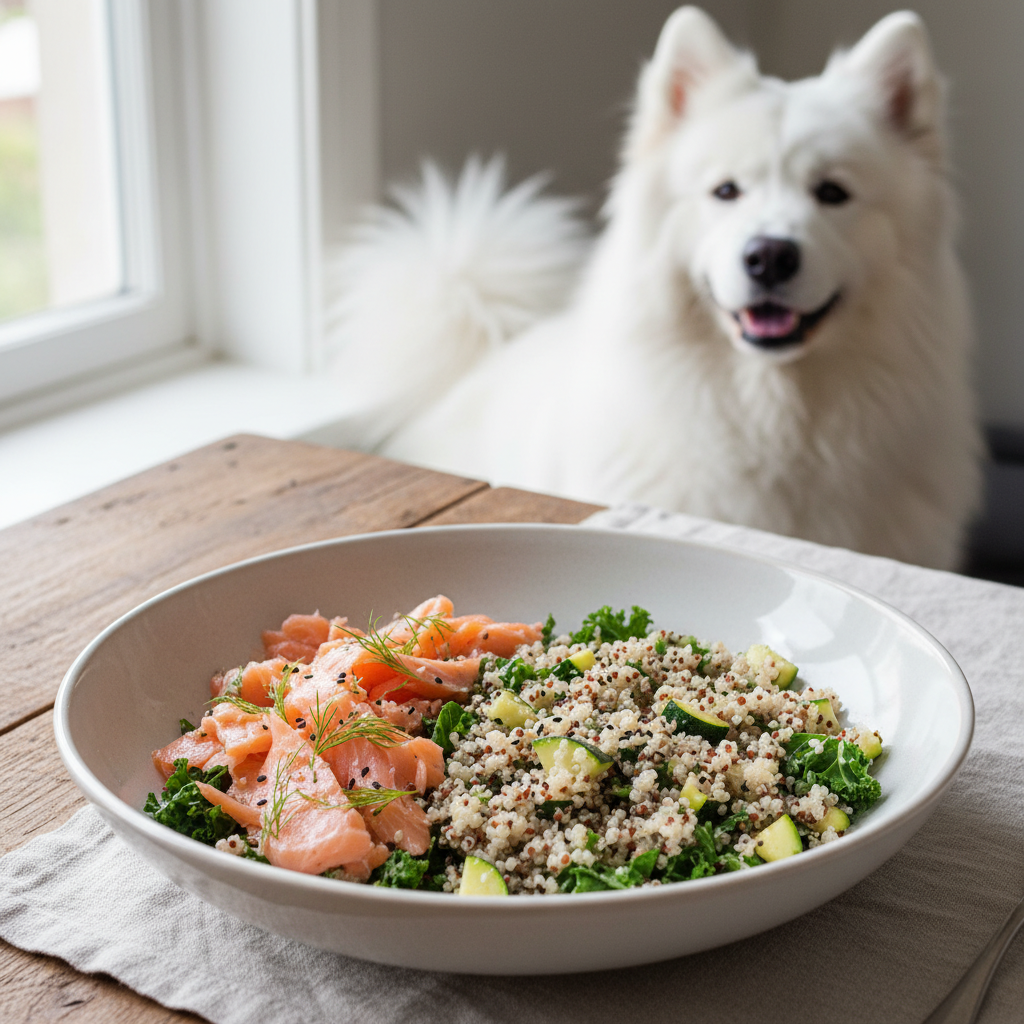
4. Salmon & Quinoa Omega Boost
If you’re looking to give your dog’s coat a beautiful shine and support their joint health, this is the recipe for you. Salmon is loaded with Omega-3 fatty acids, which are fantastic for reducing inflammation and promoting healthy skin. Quinoa is a complete protein, and zucchini adds extra vitamins without a lot of calories.
Ingredients:
- 2 lbs skinless salmon fillets
- 1 cup quinoa, rinsed and uncooked
- 2 medium zucchini, chopped
- 1 cup kale, finely chopped
- 4 cups water
- 1 tablespoon coconut oil
Instructions:
- Place the quinoa, zucchini, and water in the crockpot and stir.
- Lay the salmon fillets on top of the vegetable and quinoa mixture.
- Cook on low for 4-5 hours or on high for 2-3 hours. Salmon cooks relatively quickly.
- Once cooked, the salmon should flake easily with a fork. Flake the salmon and stir everything together, including the kale, which will wilt from the residual heat.
- Stir in the coconut oil.
- Let it cool thoroughly. Be sure to check for any stray bones, even in boneless fillets, before serving.
Pros & Cons
| Pros | Cons |
|---|---|
| Excellent source of Omega-3 fatty acids for skin, coat, and joints. | Salmon can be one of the more expensive protein options. |
| Great for dogs with poultry or red meat sensitivities. | The smell of cooking fish can be strong for some owners. |
| Quinoa provides a complete, gluten-free protein source. | Must be very careful to remove all bones. |
Verdict:
This recipe is a must-try for dogs with dry, itchy skin, dull coats, or those needing extra joint support, like seniors or very active breeds. It’s a gourmet meal that delivers powerful nutritional benefits.
5. Hearty Lamb & Barley Stew
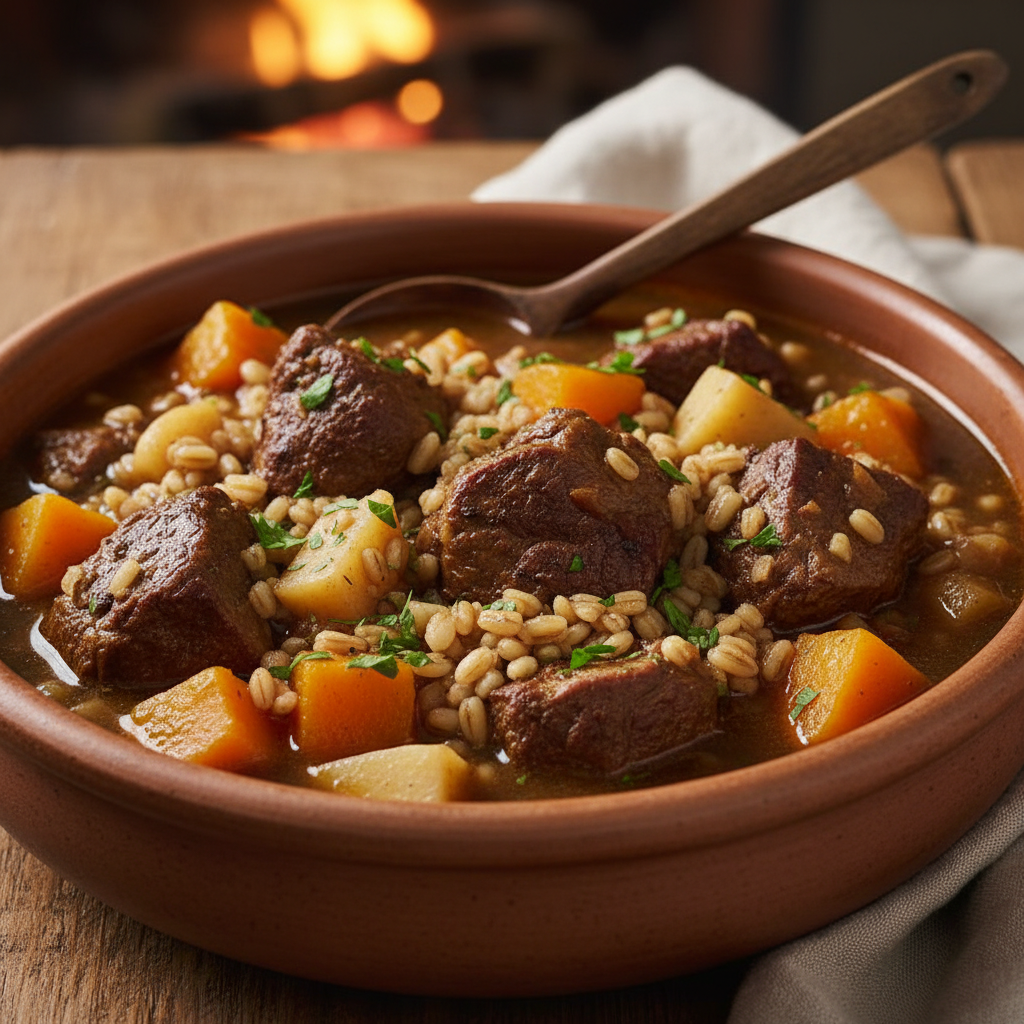
5. Hearty Lamb & Barley Stew
Lamb is a fantastic novel protein for dogs who have developed allergies to more common meats like chicken or beef. It’s rich in flavor and packed with essential amino acids. Paired with hearty barley and root vegetables, this stew is a satisfying and warming meal, perfect for cooler months.
Ingredients:
- 3 lbs lamb stew meat, cut into small cubes
- 1 cup pearl barley, rinsed
- 2 parsnips, peeled and chopped
- 1 cup butternut squash, peeled and cubed
- 4 cups low-sodium beef or vegetable broth
- 1 tablespoon chopped fresh parsley (for vitamins and fresh breath!)
Instructions:
- Place the lamb, rinsed barley, parsnips, and butternut squash in the slow cooker.
- Pour the broth over the ingredients and give it a gentle stir.
- Cook on low for 7-9 hours or on high for 4-5 hours, until the lamb is fall-apart tender and the barley is soft.
- Stir in the fresh parsley just before cooling and serving.
- Let the stew cool down significantly before dishing it up for your eager pup.
Pros & Cons
| Pros | Cons |
|---|---|
| Lamb is a great novel protein for dogs with common allergies. | Barley contains gluten, which may not be suitable for all dogs. |
| Rich, savory flavor that many dogs love. | Lamb can be a fattier meat; look for leaner cuts if possible. |
| Barley is a good source of fiber and helps with satiety. | Can be more costly than other recipes. |
Verdict:
If your vet has suggested a food elimination trial or you suspect your dog has an allergy to chicken or beef, this lamb recipe is the perfect place to start. It’s a robust, flavorful, and satisfying meal for the discerning canine palate.
6. Pork & Apple Medley
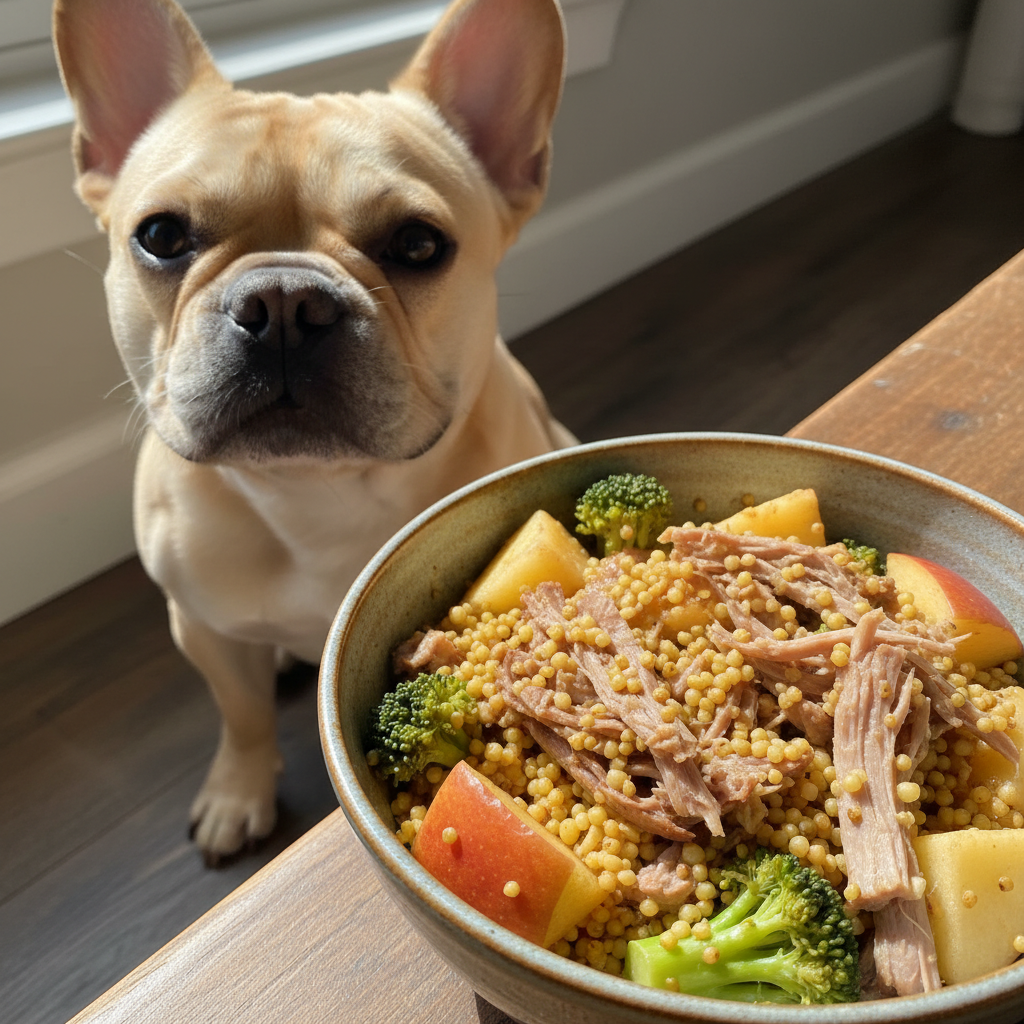
6. Pork & Apple Medley
Ready for a flavor combination that will make your dog’s tail wag uncontrollably? Pork and apple are a classic pairing for a reason! This recipe offers a unique protein source with a touch of natural sweetness. Pork is rich in amino acids, and apples provide fiber and vitamins A and C. The addition of ginger can also aid in digestion.
Ingredients:
- 3 lbs pork loin or shoulder, trimmed of excess fat and cubed
- 2 apples (like Gala or Fuji), cored and chopped (no seeds!)
- 1 cup millet, uncooked
- 1 bag (12 oz) frozen broccoli florets
- 1 teaspoon grated fresh ginger (optional)
- 4 cups water
Instructions:
- Place the cubed pork, chopped apples, millet, and ginger (if using) into the crockpot.
- Add the water and stir to combine.
- Lay the frozen broccoli on top.
- Cook on low for 6-8 hours or on high for 3-4 hours, until the pork is very tender.
- Shred the pork with a fork and stir everything together. The broccoli and apples should be very soft.
- Let it cool completely. The natural sweetness makes this a real treat!
Pros & Cons
| Pros | Cons |
|---|---|
| Provides a different protein source to rotate into your dog’s diet. | Pork needs to be cooked thoroughly and trimmed of fat. |
| Apples and ginger offer digestive benefits and great flavor. | Apple seeds and cores are toxic to dogs and must be removed. |
| Millet is a nutritious, gluten-free ancient grain. | The sweetness might not be suitable for diabetic dogs without vet approval. |
Verdict:
This recipe is perfect for adding variety to your dog’s diet and for pups who enjoy sweeter flavors. It’s a well-balanced, interesting meal that provides a great alternative to the usual chicken and beef rotation.
7. Lentil & Veggie Mix (Lower Protein)
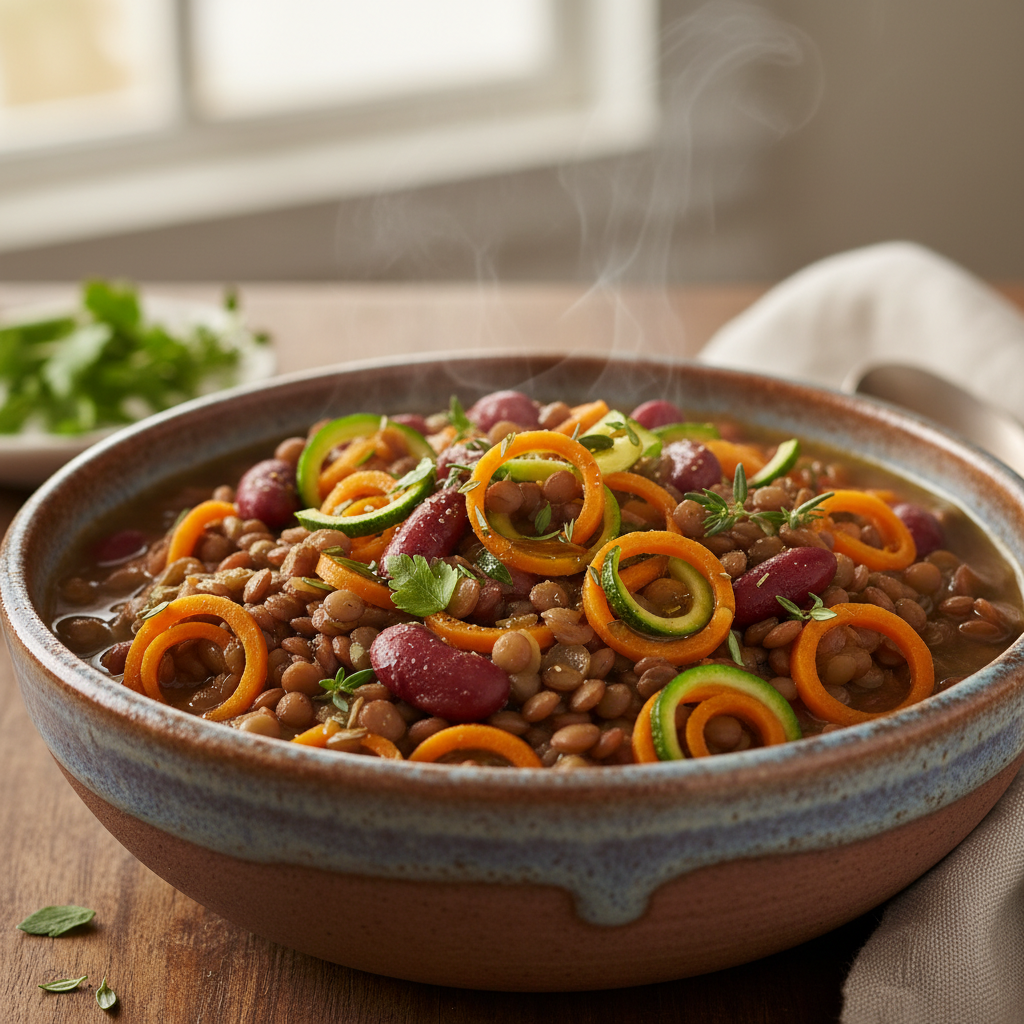
7. Lentil & Veggie Mix (Lower Protein)
Important Note: This recipe is designed to be lower in protein and should only be fed after consulting with your veterinarian, especially if your dog has specific health concerns like kidney disease. For some senior dogs or dogs with particular health needs, a lower-protein, plant-forward diet can be beneficial. Lentils are a fantastic source of fiber, iron, and plant-based protein.
Ingredients:
- 1.5 cups brown or green lentils, rinsed
- 1 large zucchini, shredded
- 2 carrots, shredded
- 1 cup chopped celery
- 1 can (15 oz) kidney beans, rinsed well
- 6 cups low-sodium vegetable broth
- 2 tablespoons nutritional yeast (for B vitamins and cheesy flavor)
Instructions:
- Combine the rinsed lentils, shredded zucchini, carrots, celery, and rinsed kidney beans in the crockpot.
- Pour in the vegetable broth and stir.
- Cook on low for 6-7 hours or on high for 3-4 hours, until the lentils are soft and have absorbed most of the liquid.
- Stir in the nutritional yeast.
- The final consistency should be like a very thick, hearty stew. Let it cool before serving.
Pros & Cons
| Pros | Cons |
|---|---|
| Lower in protein and phosphorus, which can be beneficial for certain health conditions. | Requires veterinary consultation before feeding. |
| Very high in fiber, great for digestive regularity. | Not a complete and balanced diet for a healthy, active adult dog. |
| Extremely cost-effective and easy to make. | Some dogs may experience gas when first introduced to lentils and beans. |
Verdict:
This recipe is a specialized option for senior dogs or dogs with specific health issues as determined by a veterinarian. It is NOT intended as a primary food source for healthy, active adult dogs without supplementation and vet guidance, but it can be a wonderful, gentle meal for those who need it.
A Pet Parent’s Guide to Homemade Dog Food
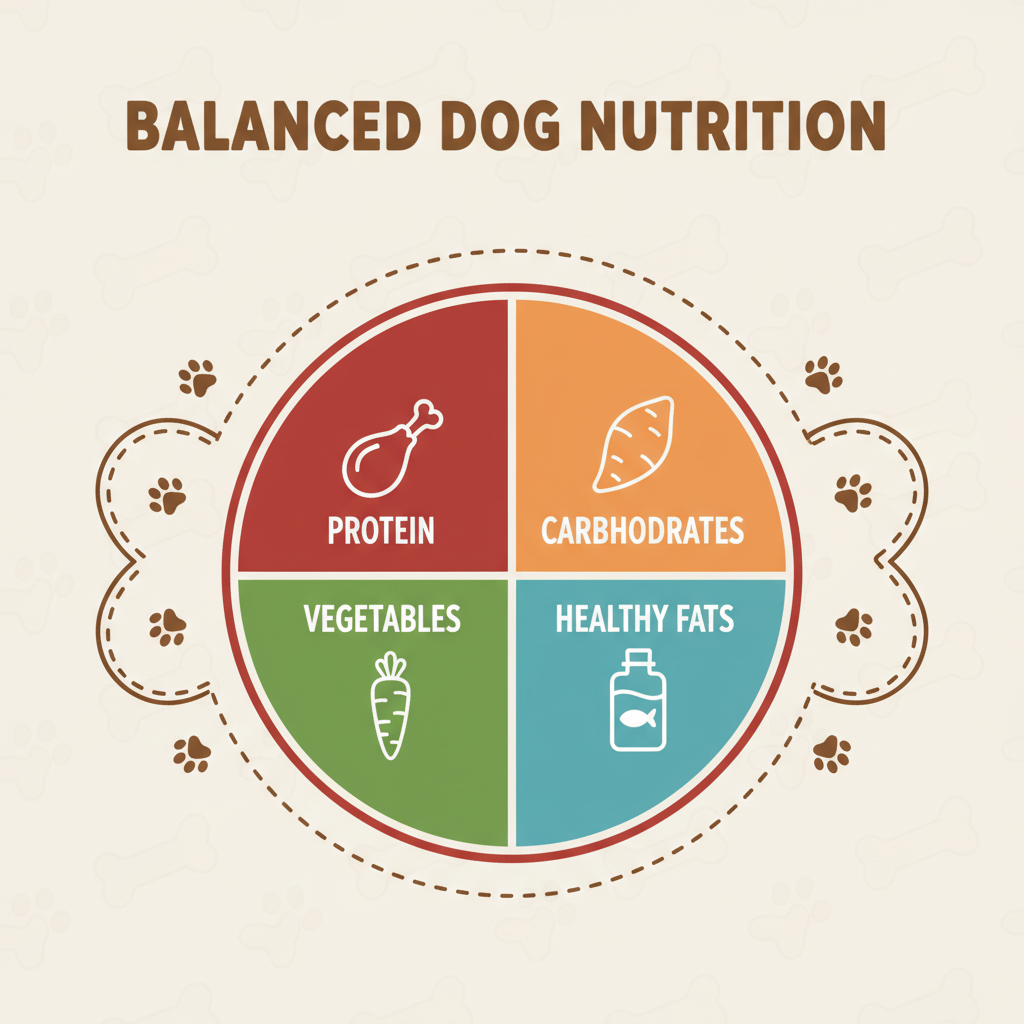
The Building Blocks of a Healthy Canine Diet
Switching to homemade food is exciting, but it’s crucial to understand what your dog needs to thrive. A balanced meal for a dog isn’t the same as for a human. They require a specific ratio of macronutrients:
- Protein: This is the star of the show. High-quality animal protein (like chicken, beef, fish, lamb) is essential for muscle development, tissue repair, and overall health. Aim for it to be about 40-50% of the meal.
- Carbohydrates: Carbs provide energy! Good sources include brown rice, quinoa, barley, sweet potatoes, and oats. They should make up about 25-30% of the meal.
- Vegetables & Fruits: These are your vitamin and fiber powerhouses. Carrots, peas, green beans, spinach, and pumpkin are all excellent choices. They add crucial nutrients and aid in digestion.
- Fats: Healthy fats are vital for brain function, skin and coat health, and absorbing certain vitamins. Sources like fish oil, flaxseed oil, or even the natural fats in proteins like salmon are perfect.
Foods to ALWAYS Avoid
While you’re getting creative, some human foods are toxic to dogs. Never include these in your recipes:
- Onions, garlic, chives, and leeks
- Chocolate
- Grapes and raisins
- Avocado
- Macadamia nuts
- Xylitol (an artificial sweetener found in many products)
- Alcohol or caffeine
The Golden Rule: Talk to Your Vet
This is the most important step. Before you make a permanent switch to a homemade diet, please consult your veterinarian or a veterinary nutritionist. They can help you ensure the recipes you choose are perfectly balanced for your dog’s specific age, breed, weight, and any health conditions they may have. They might also recommend a canine-specific multivitamin or calcium supplement to fill any potential nutritional gaps.
Storage Tips
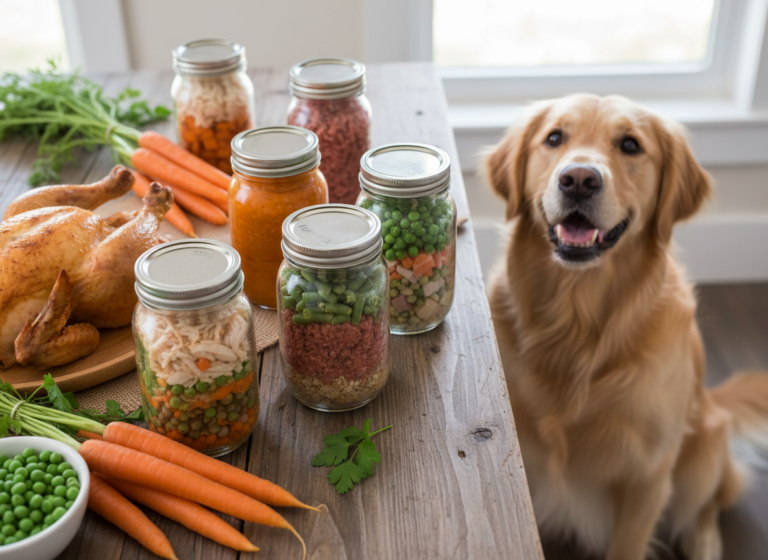
Homemade dog food doesn’t have preservatives, so proper storage is key. Let the food cool completely, then portion it into airtight containers. It will typically last 3-4 days in the refrigerator. For longer storage, you can freeze individual portions for up to 3 months. This is perfect for making a big batch on the weekend to last for weeks!
Frequently Asked Questions

How much homemade food should I feed my dog?
The amount depends on your dog’s weight, age, and activity level. A general guideline is to feed about 2-3% of their ideal body weight per day. For example, a 50-pound dog might eat 1 to 1.5 pounds (or 2 to 3 cups) of food daily, split into two meals. However, this is just a starting point. It’s best to consult your vet for a precise recommendation and monitor your dog’s weight and body condition, adjusting as needed.
Can I use frozen vegetables instead of fresh?
Absolutely! Frozen vegetables are a fantastic, convenient, and budget-friendly option. They are often frozen at the peak of freshness, so they retain their nutritional value. Just be sure to use plain frozen veggies without any added salt or sauces.
How do I transition my dog to a new homemade diet?
Slow and steady wins the race! A sudden switch can upset your dog’s stomach. Start by mixing a small amount of the new homemade food (about 25%) with their old food (75%). Over the course of 7-10 days, gradually increase the amount of new food while decreasing the old food until you’ve fully transitioned.
Is it necessary to add supplements or vitamins?
It’s often recommended. While these recipes are packed with whole-food nutrients, it can be difficult to ensure they meet 100% of a dog’s complex vitamin and mineral needs, especially for things like calcium and phosphorus. A canine multivitamin or a supplement recommended by your vet can provide peace of mind and fill any potential gaps to ensure long-term health.
Conclusion
Making your dog’s food in a crockpot is more than just a cooking method; it’s an act of love. It empowers you to provide a fresh, wholesome, and delicious meal made with ingredients you can trust. As you’ve seen, it doesn’t have to be complicated or time-consuming. With just a little bit of prep, your slow cooker does all the hard work, leaving you with a week’s worth of healthy food and a very happy, well-fed pup.
Remember to have fun with it! You can rotate between these recipes to give your dog a variety of flavors and nutrients. Just be sure to keep your veterinarian in the loop about your dog’s diet to ensure they are getting everything they need to live a long, happy, and healthy life. Happy cooking!