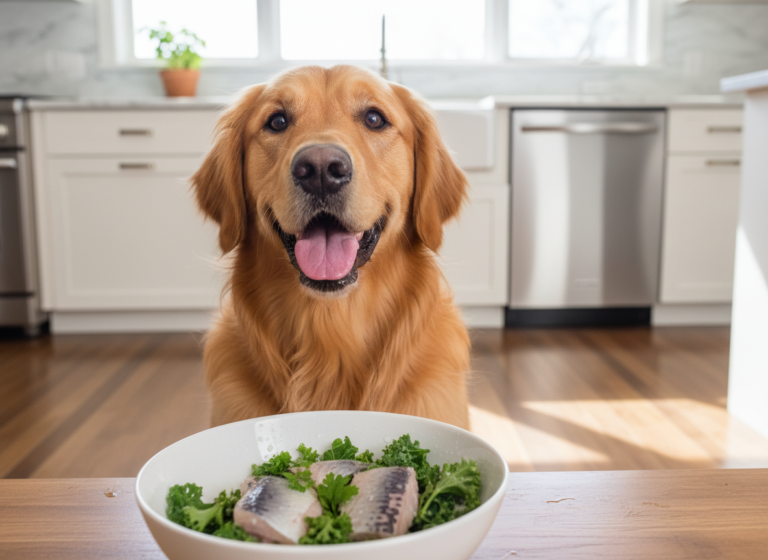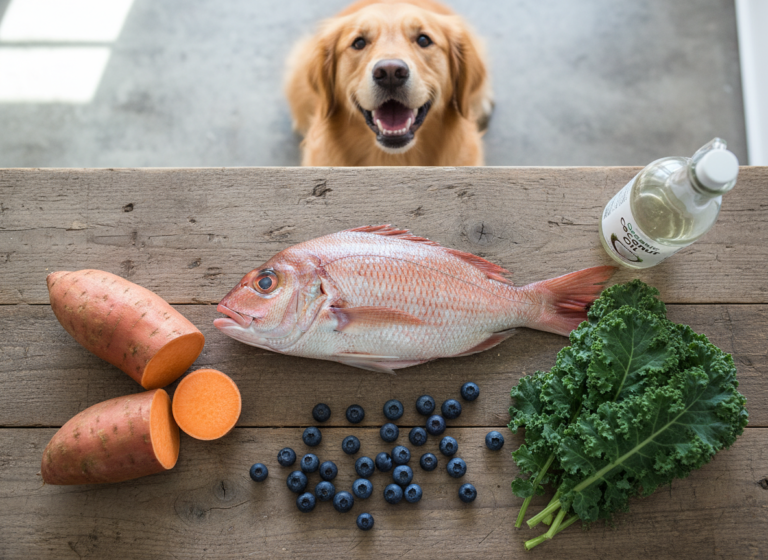

7 Hearty Dog Friendly Fish Chowder Recipes for Winter
When the chilly winter winds start to blow, we humans reach for our favorite comfort foods—hearty stews, warm soups, and creamy chowders. It’s a season for cozying up by the fire with something that warms you from the inside out. But what about our four-legged family members? They deserve a special, warming treat too! That’s where dog-friendly fish chowder comes in. Packed with beneficial omega-3 fatty acids, protein, and wholesome veggies, a specially prepared fish chowder is a fantastic way to give your pup a nutritious and delicious meal that feels like a warm hug in a bowl.
We’ve fetched seven of the best, easy-to-make, and vet-approved-in-principle (but always check with your own!) recipes to help you pamper your pooch this winter. From classic cod to salmon superfoods, there’s a chowder here for every pup’s palate.
Quick Comparison of Our Winter Warmers
| Recipe Name | Main Fish | Best For | Approx. Prep & Cook Time |
|---|---|---|---|
| Classic Cod & Potato Chowder | Cod | A traditional, gentle introduction | 35 Minutes |
| Salmon & Sweet Potato Delight | Salmon | Skin & coat health | 40 Minutes |
| Sardine Superfood Chowder | Sardines | Maximum omega-3 boost | 20 Minutes |
| Tuna & Green Bean Medley | Canned Tuna | Quick and easy meals | 15 Minutes |
| Flounder & Carrot Comfort Soup | Flounder | Sensitive stomachs | 30 Minutes |
| Tilapia & Pumpkin Puree Chowder | Tilapia | Digestive health support | 30 Minutes |
| Mackerel & Kale Power Stew | Mackerel | Joint support & anti-inflammatory benefits | 25 Minutes |
1. Classic Cod & Potato Chowder
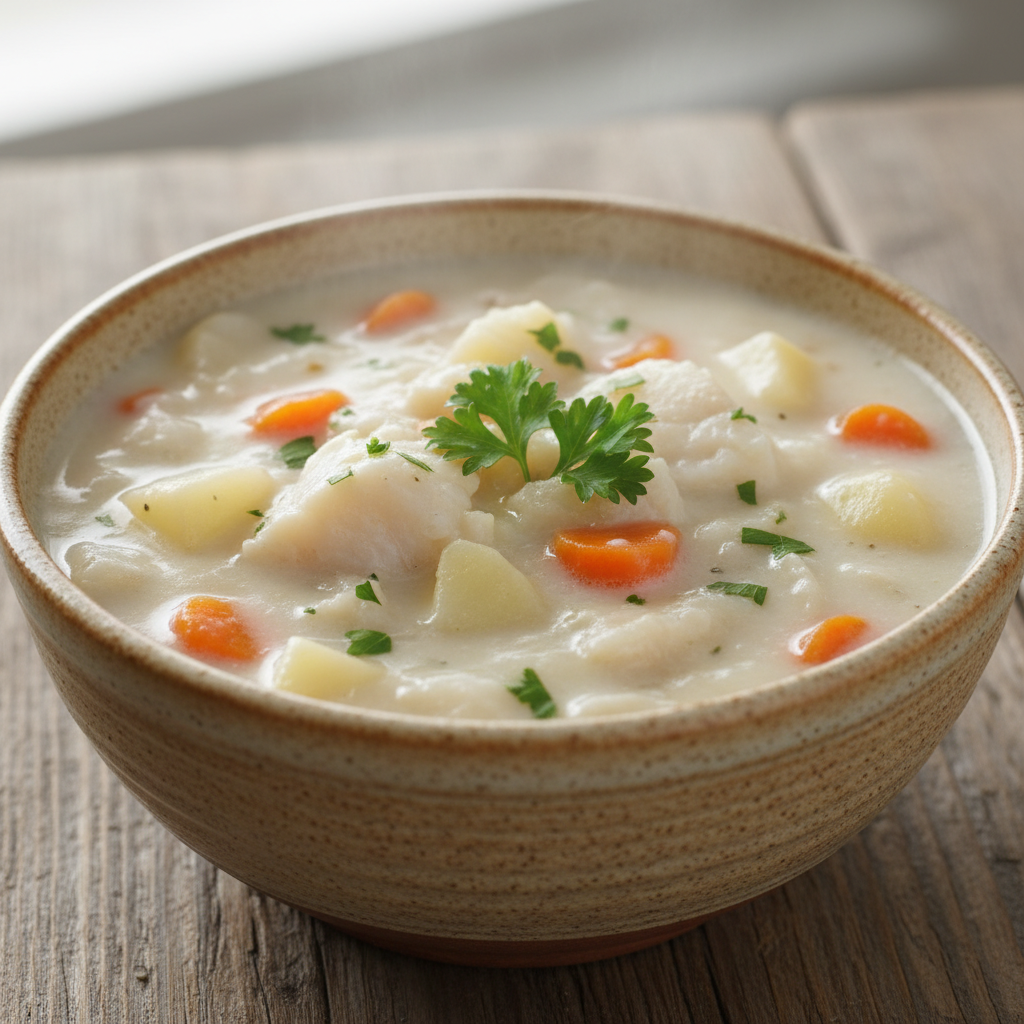
This recipe is the quintessential comfort food, reimagined for your canine companion. Cod is a fantastic low-fat fish, making it a great choice for many dogs, and potatoes provide a hearty, starchy base. It’s simple, wholesome, and a guaranteed tail-wagger.
Ingredients:
- 1 lb boneless, skinless cod fillet
- 2 medium potatoes, peeled and diced
- 1 large carrot, peeled and diced
- 1 celery stalk, finely chopped
- 4 cups of water or low-sodium chicken/vegetable broth (ensure no onion or garlic)
- 1 tablespoon of chopped fresh parsley (for vitamins and fresh breath!)
- Optional: 1/4 cup plain, unsweetened yogurt or goat’s milk for creaminess (introduce slowly)
Instructions:
- In a large pot, bring the water or broth to a simmer.
- Add the diced potatoes, carrots, and celery. Cook for about 10-15 minutes, or until the vegetables are tender.
- Gently place the cod fillets into the pot. Let them simmer with the vegetables for another 8-10 minutes, or until the fish is cooked through and flakes easily with a fork.
- Remove the pot from the heat. Use a fork to break the cod into smaller, bite-sized pieces within the chowder.
- Stir in the fresh parsley. If you’re adding yogurt or goat’s milk for extra creaminess, stir it in now once the chowder has cooled slightly.
- Let the chowder cool completely to room temperature before serving.
Pros & Cons:
Pros
|
Cons
|
Verdict:
This is the perfect starter chowder. It’s ideal for pet parents who want to introduce fish into their dog’s diet with a gentle, classic recipe. It’s especially good for dogs who don’t need a high-fat diet.
2. Salmon & Sweet Potato Delight
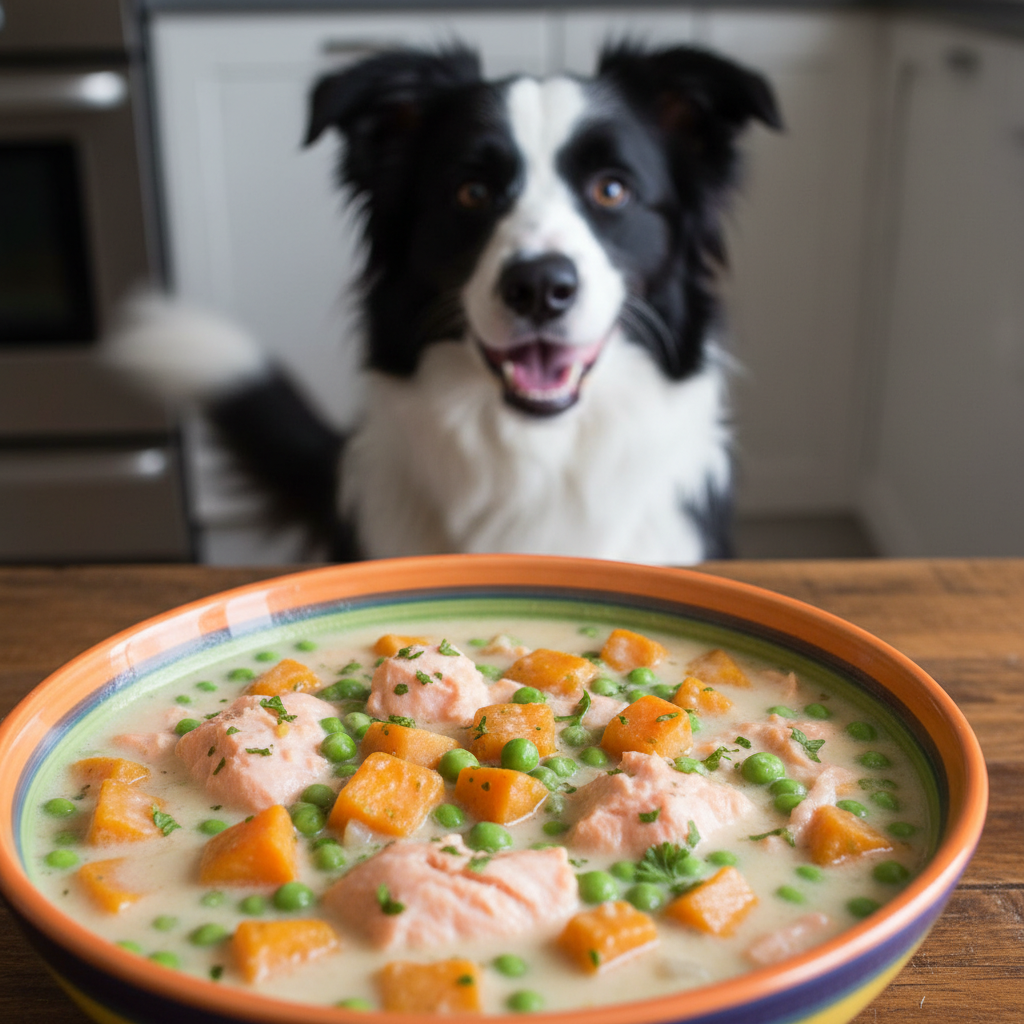
Elevate your pup’s dinner with this nutrient-dense chowder. Salmon is the king of omega-3 fatty acids, which are amazing for promoting a shiny coat, healthy skin, and supporting joint health. Paired with vitamin-rich sweet potato, this is a true powerhouse meal.
Ingredients:
- 1 lb boneless, skinless salmon fillet
- 2 medium sweet potatoes, peeled and cubed
- 1 cup of frozen peas
- 4 cups of water
- 1 tablespoon of coconut oil (great for skin and coat)
- A pinch of dried turmeric (a natural anti-inflammatory)
Instructions:
- In a large pot, bring the water to a boil. Add the cubed sweet potatoes and cook for about 15 minutes until they are fork-tender.
- Reduce the heat to a simmer and add the salmon fillet. Cook for 6-8 minutes, or until the salmon is opaque and cooked through.
- Remove the pot from the heat. Take the salmon out and flake it with a fork, ensuring there are no bones. Return the flaked salmon to the pot.
- Add the frozen peas, coconut oil, and turmeric. The residual heat will cook the peas.
- Gently mash some of the sweet potatoes against the side of the pot to naturally thicken the chowder.
- Allow it to cool completely before serving to your eager pup.
Pros & Cons:
Pros
|
Cons
|
Verdict:
This recipe is a must-try for dogs needing a boost in skin and coat health, or for active dogs who can benefit from the anti-inflammatory properties of omega-3s and turmeric. It’s a luxurious and healthy treat.
3. Sardine Superfood Chowder
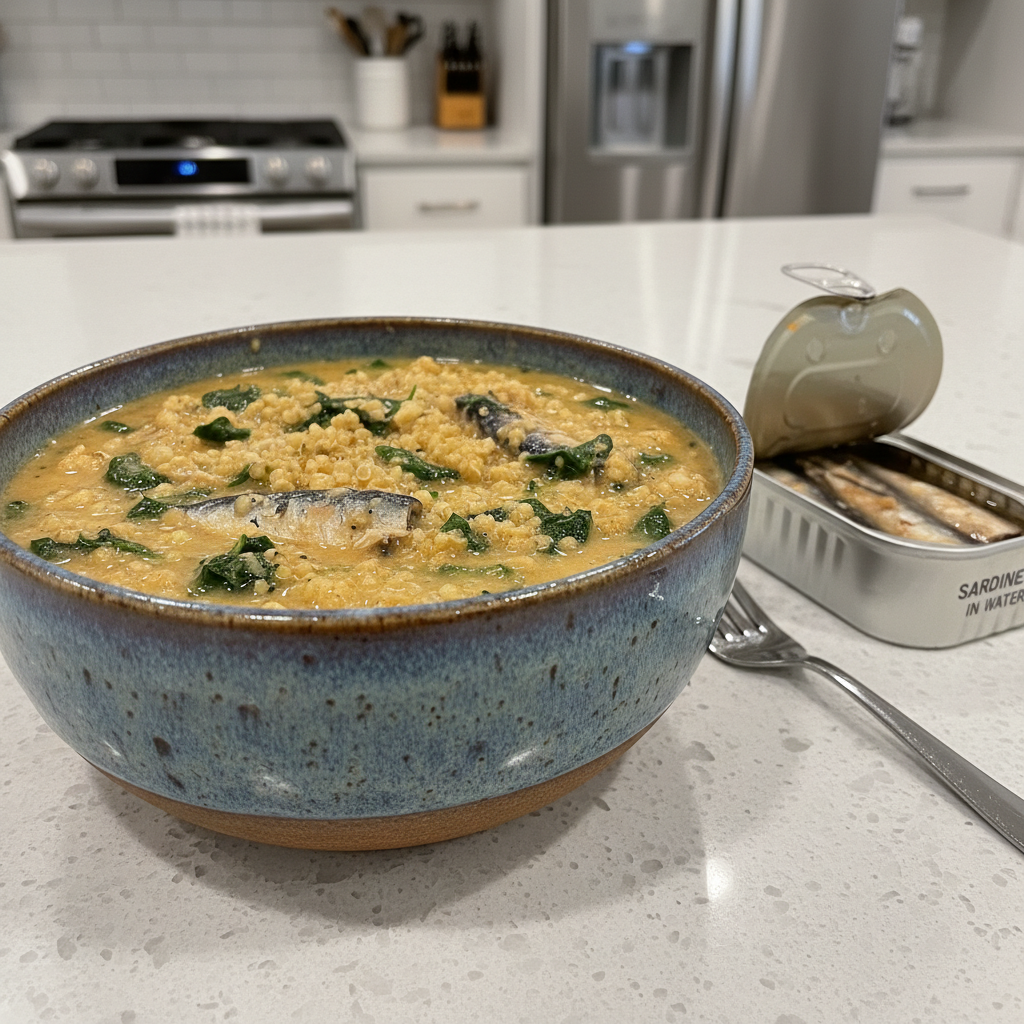
Don’t let their size fool you! Sardines are one of the most concentrated sources of omega-3 fatty acids, vitamin D, and vitamin B12. This recipe is incredibly quick to make and offers a massive nutritional punch for your dog’s brain, joints, and overall health.
Ingredients:
- 2 cans (approx. 3.75 oz each) of sardines packed in water, no salt added
- 1 cup of cooked quinoa or brown rice
- 1/2 cup finely chopped spinach
- 1/2 cup of water or bone broth
- 1 tablespoon of ground flaxseed
Instructions:
- In a bowl, mash the sardines (including the soft, edible bones for extra calcium!) with a fork.
- Add the cooked quinoa or rice, chopped spinach, water/broth, and ground flaxseed.
- Stir everything together until well combined. The mixture will be thick, more like a hearty stew than a brothy soup.
- You can serve this chowder slightly warmed or at room temperature. No extensive cooking required!
Pros & Cons:
Pros
|
Cons
|
Verdict:
This is the ultimate recipe for the busy pet parent who wants to provide maximum nutrition with minimal effort. It’s perfect for senior dogs who need joint support and for any dog needing a cognitive boost.
4. Tuna & Green Bean Medley

A pantry-staple classic! Using canned tuna makes this one of the most convenient and budget-friendly recipes on our list. Green beans add a nice crunch and are a great source of fiber and vitamins for your pup. It’s a simple, satisfying meal you can whip up in minutes.
Ingredients:
- 1 can (5 oz) of chunk light tuna in water, no salt added, drained
- 1 cup of canned or frozen green beans, chopped
- 1/2 cup of cooked oatmeal (cooked with water)
- 1/2 cup of warm water or low-sodium broth to adjust consistency
Instructions:
- In a mixing bowl, combine the drained tuna, chopped green beans, and cooked oatmeal.
- Flake the tuna and mix everything together.
- Slowly stir in the warm water or broth until you reach a chowder-like consistency. You may not need all of it.
- That’s it! Serve immediately once it’s at a safe temperature.
Pros & Cons:
Pros
|
Cons
|
Verdict:
This is the perfect recipe for when you’re short on time or fresh ingredients. It’s a great supplemental meal to have in your rotation but shouldn’t be the primary source of fish due to mercury considerations.
5. Flounder & Carrot Comfort Soup

If your dog has a sensitive tummy, this is the chowder for them. Flounder is an incredibly lean, mild, and easily digestible whitefish. Combined with the gentle fiber of carrots and the soothing properties of ginger, this soup is designed to be comforting and easy on the digestive system.
Ingredients:
- 1 lb boneless, skinless flounder fillets
- 2 large carrots, peeled and finely grated
- 1/4 cup of rolled oats (to thicken)
- 4 cups of water
- 1/4 teaspoon of freshly grated ginger (optional, great for digestion)
Instructions:
- Bring the water to a gentle simmer in a medium pot.
- Add the grated carrots and simmer for about 5 minutes until they are soft.
- Add the rolled oats and grated ginger (if using) and stir.
- Gently place the flounder fillets in the pot. They will cook very quickly, usually in about 4-5 minutes.
- Once the flounder is cooked, remove the pot from the heat. The fish will be very delicate and will likely break apart on its own. Use a spoon to ensure it’s in small, safe pieces.
- Let the soup cool to a safe temperature before serving this gentle, comforting meal.
Pros & Cons:
Pros
|
Cons
|
Verdict:
This is the go-to recipe for senior dogs, dogs recovering from an upset stomach, or any pup with a known sensitive digestive system. It provides gentle nutrition without being too rich.
6. Tilapia & Pumpkin Puree Chowder

This chowder is a digestive health superstar. Tilapia is another mild, lean fish that’s easy on the stomach, while pure pumpkin is a well-known remedy for regulating a dog’s digestion, whether they’re dealing with constipation or diarrhea. It’s a soothing, beneficial, and tasty combination.
Ingredients:
- 1 lb boneless, skinless tilapia fillets
- 1/2 cup 100% pure pumpkin puree (NOT pumpkin pie filling)
- 1/2 cup chopped zucchini
- 3 cups of water or low-sodium bone broth
- A dash of cinnamon (can help regulate blood sugar)
Instructions:
- In a pot, bring the water or broth to a simmer. Add the chopped zucchini and cook for 5-7 minutes until tender.
- Add the tilapia fillets and cook for 5-6 minutes, or until the fish is cooked through and flakes easily.
- Turn off the heat. Remove the tilapia and flake it into small pieces before returning it to the pot.
- Stir in the pure pumpkin puree and the dash of cinnamon until the chowder is smooth and has a lovely orange hue.
- Ensure the chowder is completely cool before serving. This is a great meal to help keep your dog’s tummy happy.
Pros & Cons:
Pros
|
Cons
|
Verdict:
An excellent choice for any dog, but particularly beneficial for those with inconsistent stools or minor digestive issues. The combination of lean protein and soluble fiber from the pumpkin makes it both nutritious and functional.
7. Mackerel & Kale Power Stew
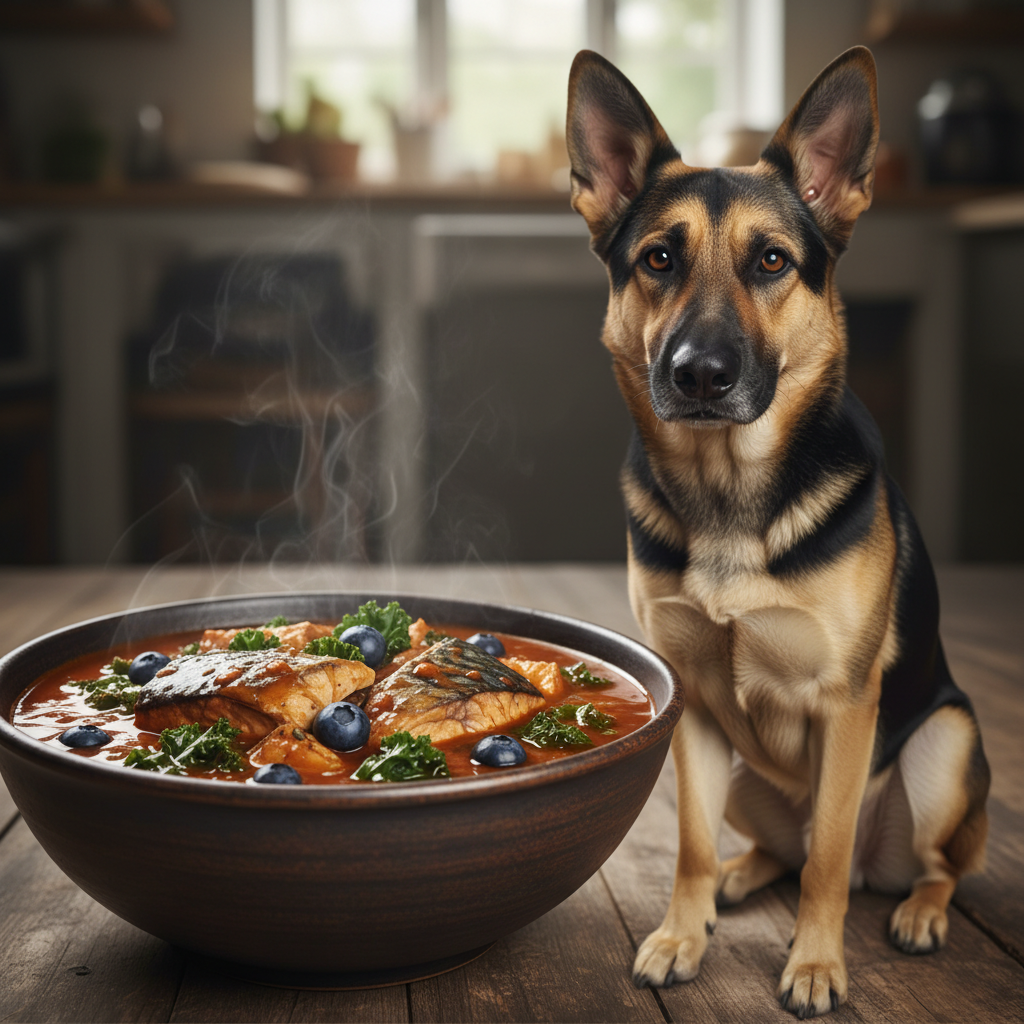
For the ultimate nutritional boost, look no further than this Mackerel and Kale Power Stew. Mackerel is an oily fish bursting with anti-inflammatory omega-3s, making it fantastic for joint health. Kale adds a dose of powerful antioxidants and vitamins K and C, creating a stew that truly fuels your dog’s body.
Ingredients:
- 1 lb boneless, skinless mackerel fillets (or 2 cans of mackerel in water, no salt)
- 1 cup finely chopped kale (stems removed)
- 1/2 cup blueberries (fresh or frozen)
- 3 cups of water
- 1 tablespoon of chia seeds
Instructions:
- If using fresh mackerel, bring the water to a simmer in a pot. Add the fillets and cook for 6-8 minutes until opaque. If using canned, simply drain and add it at the end.
- Once the fresh fish is cooked, remove it, flake it into pieces, and return it to the pot.
- Add the chopped kale and chia seeds to the pot. Let it simmer for another 2-3 minutes, just until the kale is wilted but still bright green.
- Remove from the heat and stir in the blueberries.
- Let the stew cool completely. The chia seeds will help to slightly thicken it as it cools.
Pros & Cons:
Pros
|
Cons
|
Verdict:
This is the performance meal. It’s best for senior dogs with arthritis, highly active canine athletes, or any dog that could benefit from a powerful anti-inflammatory and antioxidant boost to their diet.
A Pet Parent’s Guide to Making Fish Chowder

Making homemade meals for your dog is incredibly rewarding, but it’s important to do it safely. When it comes to fish chowder, keeping a few key things in mind will ensure your culinary creation is both delicious and beneficial for your furry friend.
Choosing the Right Fish
Not all fish are created equal when it comes to doggy dinners. Here’s what to look for:
- Good Choices: Oily fish like salmon, sardines, and mackerel are omega-3 powerhouses. Lean whitefish like cod, flounder, pollock, and tilapia are great for sensitive stomachs and lower-fat diets.
- Fish to Limit or Avoid: Large, predatory fish that live a long time can accumulate higher levels of mercury. Limit tuna (and only use chunk light in water) and avoid serving shark, swordfish, king mackerel, and tilefish.
- Bones are a No-Go: Always use boneless fillets. While the tiny, soft bones in canned sardines are generally safe and provide calcium, you must remove all bones from fresh-cooked fish as they are a serious choking and perforation hazard.
Veggies and Thickeners
The base of your chowder is just as important as the protein.
- Safe Veggies: Carrots, sweet potatoes, green beans, peas, zucchini, spinach, kale, and pumpkin are all excellent, nutrient-rich choices.
- Veggies to Avoid: Never use onions, garlic, leeks, or chives in your dog’s food. These are part of the allium family and are toxic to dogs, potentially causing severe damage to their red blood cells.
- Healthy Thickeners: Instead of flour or cornstarch, which can be problematic for some dogs, use natural thickeners. Mashing some of the potato or sweet potato, or adding a bit of cooked oatmeal, quinoa, or even chia seeds can give your chowder the perfect consistency.
Serving and Storage
- Cool It Down: This is critical. Never serve hot food to your dog. Always let the chowder cool to room temperature to prevent burns to their mouth and esophagus.
- Portion Control: A special meal like chowder should be part of a balanced diet. Don’t overdo it. Serve it as a special topper for their regular kibble or as a complete meal on occasion, adjusting their daily food intake accordingly. Consult your vet for appropriate portion sizes.
- Storage: Homemade chowder can be stored in an airtight container in the refrigerator for up to 3 days. You can also freeze it in single-serving portions (ice cube trays work great for this!) for an easy meal later on.
Frequently Asked Questions

1. Can I use canned fish for all these recipes?
You can, but with caution! Canned fish is convenient, but you must choose varieties packed in water with NO salt added. Oil-packed fish adds too much fat, and brine is dangerously high in sodium. Canned salmon, sardines, mackerel, and chunk light tuna are all good options. Always check the ingredients list to be safe.
2. How often can I feed my dog these chowders?
Think of these chowders as a special, supplemental meal rather than a daily staple, unless you are working with a veterinary nutritionist to ensure a complete and balanced diet. Feeding one of these recipes 1-3 times a week as a kibble topper or a special dinner is a great way to add moisture and a nutrient boost to their regular food.
3. My dog is a picky eater. How can I encourage them to try it?
Start small! Offer just a spoonful on its own or mixed with their favorite food. Warming the chowder slightly (to a lukewarm, not hot, temperature) can enhance its aroma and make it more appealing. The Sardine or Mackerel chowders have the strongest smells, which can often entice a picky pup. Sometimes, just seeing you prepare something special in the kitchen is enough to pique their interest!
4. Is dairy bad for dogs? I see some recipes suggest yogurt.
Many dogs are lactose intolerant, which means they can’t digest the sugars in milk well, leading to upset stomachs. However, some dairy products like plain, unsweetened yogurt and kefir are lower in lactose and contain probiotics that can be beneficial. If you want to add a creamy element, introduce a very small amount (like a teaspoon) first to see how your dog handles it. Goat’s milk is another option that is often easier for dogs to digest.
Conclusion
There you have it—seven delicious and heartwarming ways to show your dog some extra love this winter. Crafting a homemade meal like a fish chowder is more than just feeding your pet; it’s an act of love that allows you to control every single ingredient, ensuring they get a wholesome, healthy, and safe treat. These recipes are not only packed with flavor but also loaded with health benefits that will keep your dog’s tail wagging and their coat shining through the coldest months. So next time you’re simmering a soup for yourself, consider setting a pot aside for your most loyal companion. They’ll surely thank you for it with plenty of sloppy, fish-scented kisses!