
7 Homemade Food For Newfoundlands Recipes for Joint Support
Welcome, fellow Newfoundland parents! If you’re sharing your life with one of these magnificent, fluffy giants, you know that their hearts are as big as their bodies. But that impressive size comes with a responsibility to care for their hardworking joints. Conditions like hip dysplasia and arthritis are all too common in large breeds, which is why providing a diet rich in joint-supporting nutrients is one of the best things we can do for our furry friends.
While commercial dog foods have come a long way, preparing your Newfie’s meals at home gives you complete control over the quality and freshness of the ingredients. You can tailor each meal to your dog’s specific needs, ensuring they get a powerful punch of anti-inflammatory and cartilage-building goodness in every bite. Ready to turn your kitchen into your dog’s favorite restaurant? We’ve cooked up 7 fantastic recipes designed specifically for your Newfoundland’s joint health.
Quick Comparison of Our Joint-Support Recipes
| Recipe Name | Main Protein | Key Joint Ingredients | Best For |
|---|---|---|---|
| Salmon & Sweet Potato Power Bowl | Salmon | Omega-3s, Glucosamine | Maximum Anti-Inflammatory Benefits |
| Golden Turmeric Chicken & Rice | Chicken | Turmeric, Ginger | Dogs with Sensitive Stomachs |
| Hearty Beef & Bone Broth Stew | Beef | Bone Broth, Gelatin | Building Strong Cartilage |
| Turkey & Blueberry Antioxidant Mash | Turkey | Blueberries, Spinach | Senior Newfoundlands |
| Sardine & Egg Super Scramble | Sardines & Eggs | Omega-3s, Vitamin D, Calcium | A Quick & Nutritious Meal |
| Lamb & Green-Lipped Mussel Patties | Lamb | Green-Lipped Mussel Powder | Targeted, Potent Joint Relief |
| Calcium-Rich Cottage Cheese Bowl | Cottage Cheese | Calcium, Parsley | A Light Meal or Topper |
Disclaimer: Always consult with your veterinarian or a veterinary nutritionist before making significant changes to your dog’s diet. These recipes are intended as a guide and may need to be adjusted based on your dog’s individual health, age, and activity level.
1. Salmon & Sweet Potato Power Bowl
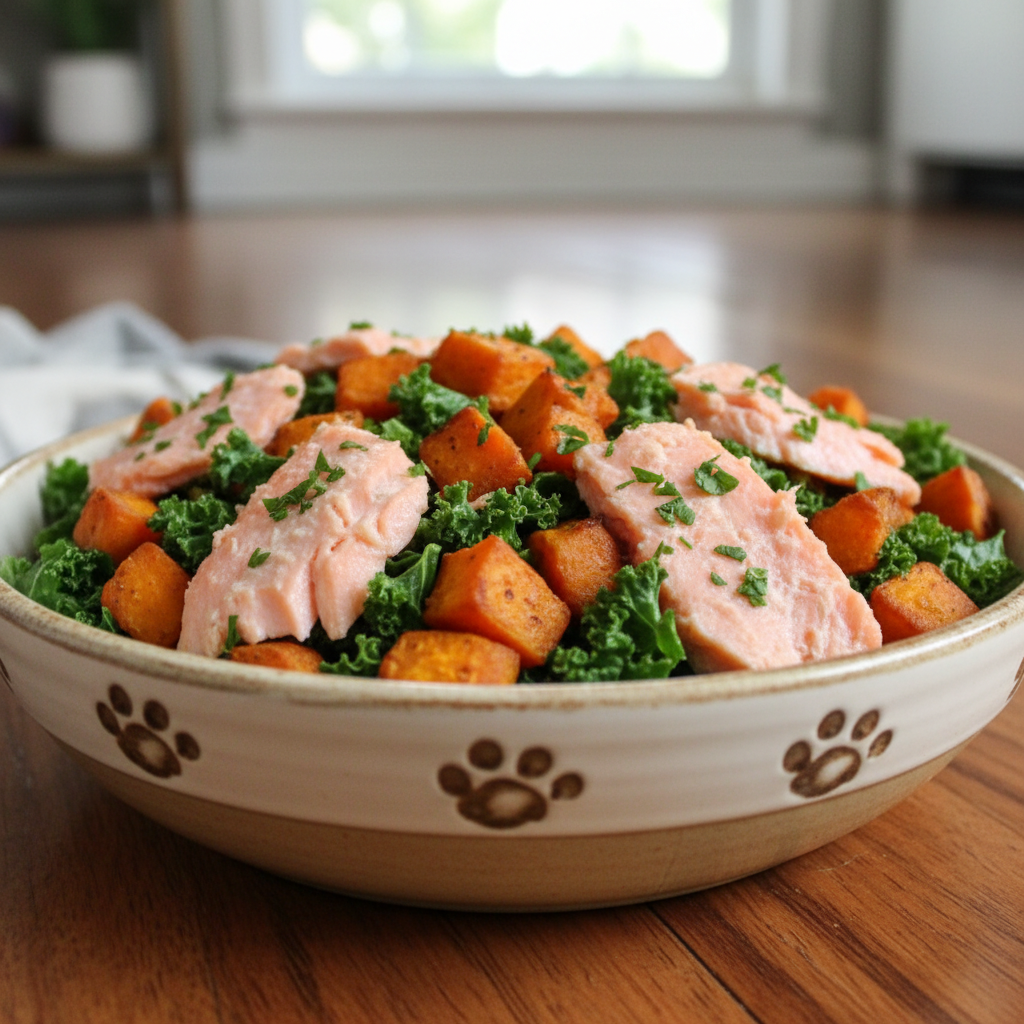
This recipe is an absolute powerhouse of anti-inflammatory goodness, making it a top choice for supporting your Newfie’s joints. Salmon is loaded with Omega-3 fatty acids (specifically EPA and DHA), which are scientifically proven to reduce inflammation associated with arthritis. Paired with nutrient-dense sweet potatoes and kale, this bowl is as delicious as it is beneficial.
Ingredients:
- 1 lb boneless, skinless salmon fillet
- 2 large sweet potatoes, peeled and cubed
- 2 cups chopped kale
- 1/4 cup bone broth (no salt added)
- 1 tablespoon coconut oil or olive oil
- 1 tablespoon ground flaxseed (for extra Omega-3s)
Instructions:
- Preheat your oven to 400°F (200°C).
- Toss the sweet potato cubes with the coconut oil and spread them on a baking sheet. Roast for 20-25 minutes, or until tender.
- Place the salmon fillet on a separate piece of parchment paper on the baking sheet. Bake alongside the sweet potatoes for the last 12-15 minutes of cooking time, or until the salmon is cooked through and flakes easily.
- While the salmon and sweet potatoes are baking, lightly steam or wilt the kale in a pan with the bone broth for 3-5 minutes.
- Once everything is cooked, allow it to cool. Flake the salmon into a large bowl, add the roasted sweet potatoes, wilted kale, and ground flaxseed. Mix gently to combine.
- Serve once completely cool. Store leftovers in an airtight container in the refrigerator for up to 3 days.
Pros and Cons:
| Pros | Cons |
|
|
Verdict:
This is the gold-standard recipe for any dog owner serious about fighting joint inflammation. It’s particularly beneficial for Newfies already showing signs of stiffness or those in their senior years. The combination of high-quality protein and powerful anti-inflammatories makes it a top-tier choice for proactive joint care.
2. Golden Turmeric Chicken & Rice
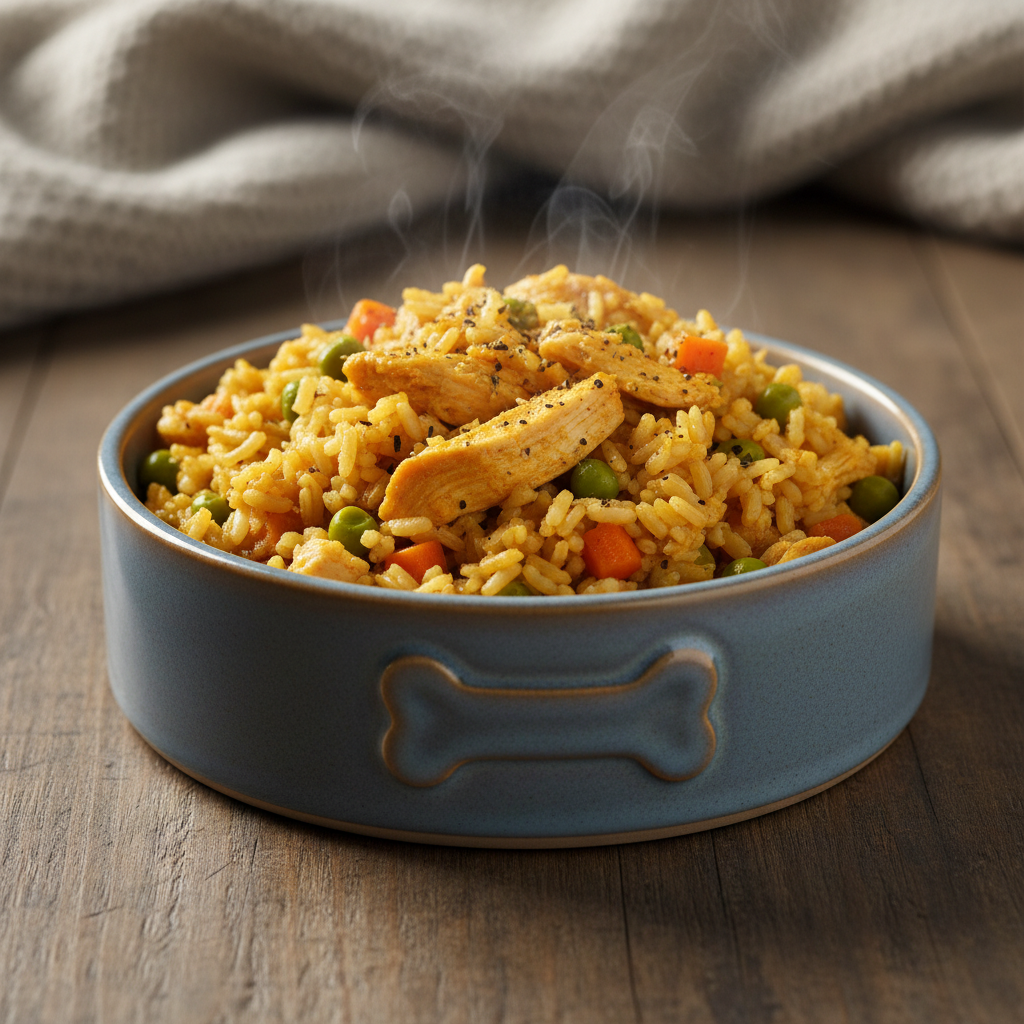
If you’re looking for a recipe that’s both gentle on the stomach and great for the joints, this is it. Chicken is a lean, easily digestible protein, while brown rice provides sustained energy. The star of the show, however, is turmeric. This golden spice contains curcumin, a compound renowned for its potent anti-inflammatory properties, rivaling some NSAIDs but without the side effects.
Ingredients:
- 2 lbs boneless, skinless chicken breast or thighs, cubed
- 1 cup brown rice
- 4 cups water or unsalted chicken broth
- 1 cup chopped carrots
- 1 cup green peas (fresh or frozen)
- 1 teaspoon turmeric powder
- 1/2 teaspoon ginger powder
- 1 tablespoon olive oil
Instructions:
- In a large pot or Dutch oven, cook the brown rice in the water or chicken broth according to package directions.
- While the rice is cooking, heat the olive oil in a large skillet over medium heat. Add the cubed chicken and cook until browned and cooked through. Remove the chicken and set it aside.
- In the same skillet, add the chopped carrots and cook for 5-7 minutes until they begin to soften.
- Once the rice is cooked, add the cooked chicken, carrots, green peas, turmeric, and ginger to the pot. Stir everything together.
- Let the mixture simmer on low heat for an additional 10 minutes to allow the flavors to meld.
- Allow the food to cool completely before serving. Store in the fridge for up to 4 days.
Pros and Cons:
| Pros | Cons |
|
|
Verdict:
This is an excellent everyday recipe for maintaining joint health. It’s perfect for Newfies with sensitive stomachs or those who may not tolerate richer proteins like salmon or beef. The addition of turmeric makes it a proactive choice for keeping inflammation at bay.
3. Hearty Beef & Bone Broth Stew

Nothing says comfort like a hearty stew, and your Newfie will agree! This recipe focuses on providing the building blocks for healthy cartilage. Beef provides iron and protein, while the real magic comes from gelatin-rich bone broth. Bone broth is a natural source of glucosamine, chondroitin, and collagen—all essential components for repairing and maintaining strong, cushioned joints.
Ingredients:
- 2 lbs beef stew meat, cut into small cubes
- 4 cups beef bone broth (ensure it’s dog-safe: no onions, garlic, or salt)
- 2 carrots, chopped
- 2 celery stalks, chopped
- 1/2 cup old-fashioned rolled oats
- 1 tablespoon chopped fresh parsley
Instructions:
- In a large stockpot, brown the beef stew meat over medium-high heat. You don’t need to cook it through, just get a nice sear on all sides.
- Add the bone broth, carrots, and celery to the pot. Bring to a boil, then reduce the heat to low, cover, and let it simmer for 1.5 to 2 hours, or until the beef is very tender.
- Stir in the rolled oats and parsley. Cook for another 10 minutes, allowing the oats to absorb some of the liquid and thicken the stew.
- Remove from heat and let the stew cool down completely. The consistency should be thick but moist.
- Serve this hearty meal to your very patient giant. It can be stored in the refrigerator for up to 4 days.
Pros and Cons:
| Pros | Cons |
|
|
Verdict:
This stew is ideal for active Newfoundlands or those in need of serious cartilage and connective tissue support. It’s a deeply nourishing meal that feels like a treat but works hard to protect and rebuild their joints. It’s a fantastic winter warmer, too!
4. Turkey & Blueberry Antioxidant Mash
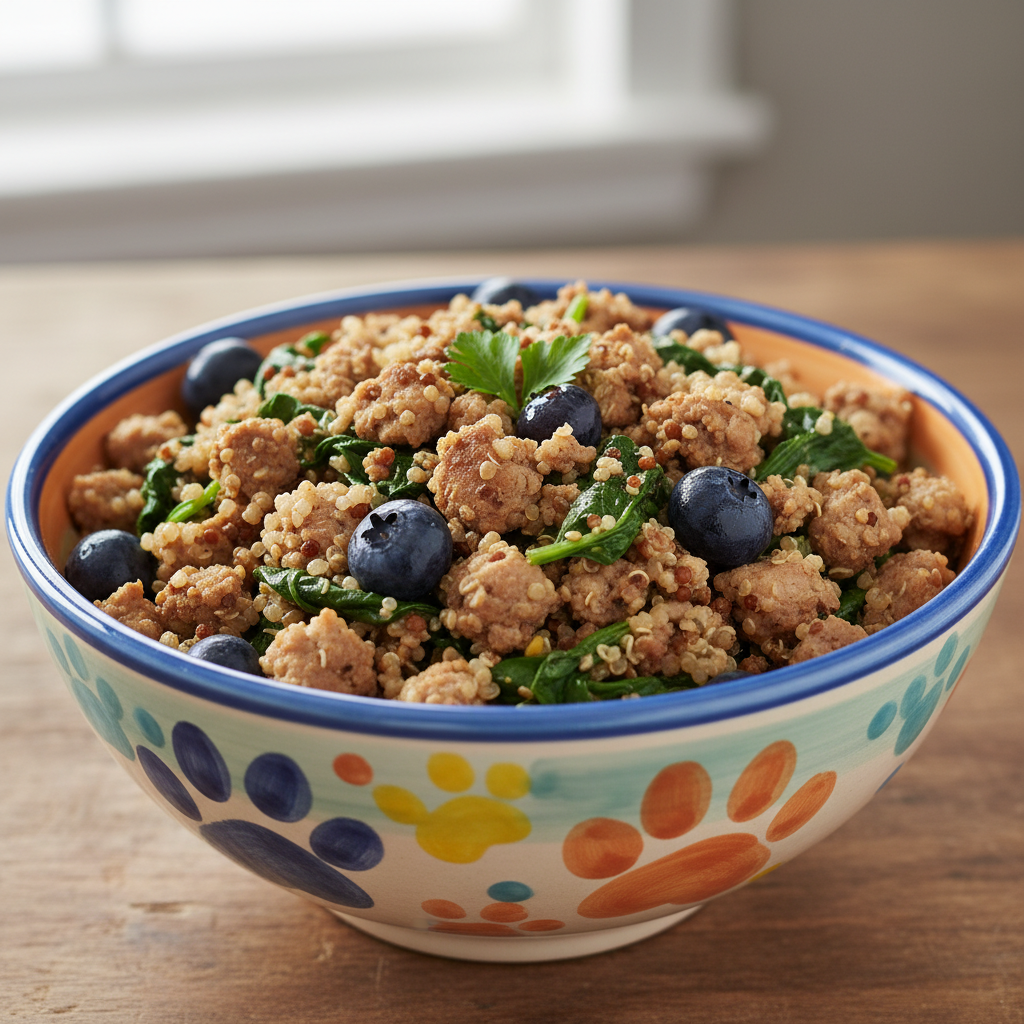
Senior dogs, in particular, benefit from a diet rich in antioxidants, which help combat cellular damage and reduce oxidative stress associated with aging and inflammation. This recipe combines lean, easy-to-digest turkey with the antioxidant power of blueberries and spinach. It’s a gentle, rejuvenating meal perfect for your golden-years Newfie.
Ingredients:
- 2 lbs ground turkey
- 1 cup cooked quinoa
- 1 cup fresh or frozen blueberries
- 2 cups fresh spinach
- 1 tablespoon coconut oil
- A splash of water
Instructions:
- In a large skillet, cook the ground turkey in coconut oil over medium heat until it’s no longer pink. Break it up into small pieces as it cooks.
- Once the turkey is cooked, add the spinach and a splash of water. Stir until the spinach has completely wilted down.
- Remove the skillet from the heat. Stir in the cooked quinoa and the blueberries. The residual heat will slightly warm the berries.
- Allow the mixture to cool to room temperature before serving.
- This mash can be refrigerated for up to 3 days. The blueberries may stain the mixture purple, which is perfectly normal!
Pros and Cons:
| Pros | Cons |
|
|
Verdict:
This recipe is tailor-made for senior Newfoundlands. It’s gentle, easy to chew, and packed with the nutrients they need to stay comfortable and healthy in their later years. The focus on antioxidants makes it a great choice for supporting overall wellness, not just joints.
5. Sardine & Egg Super Scramble
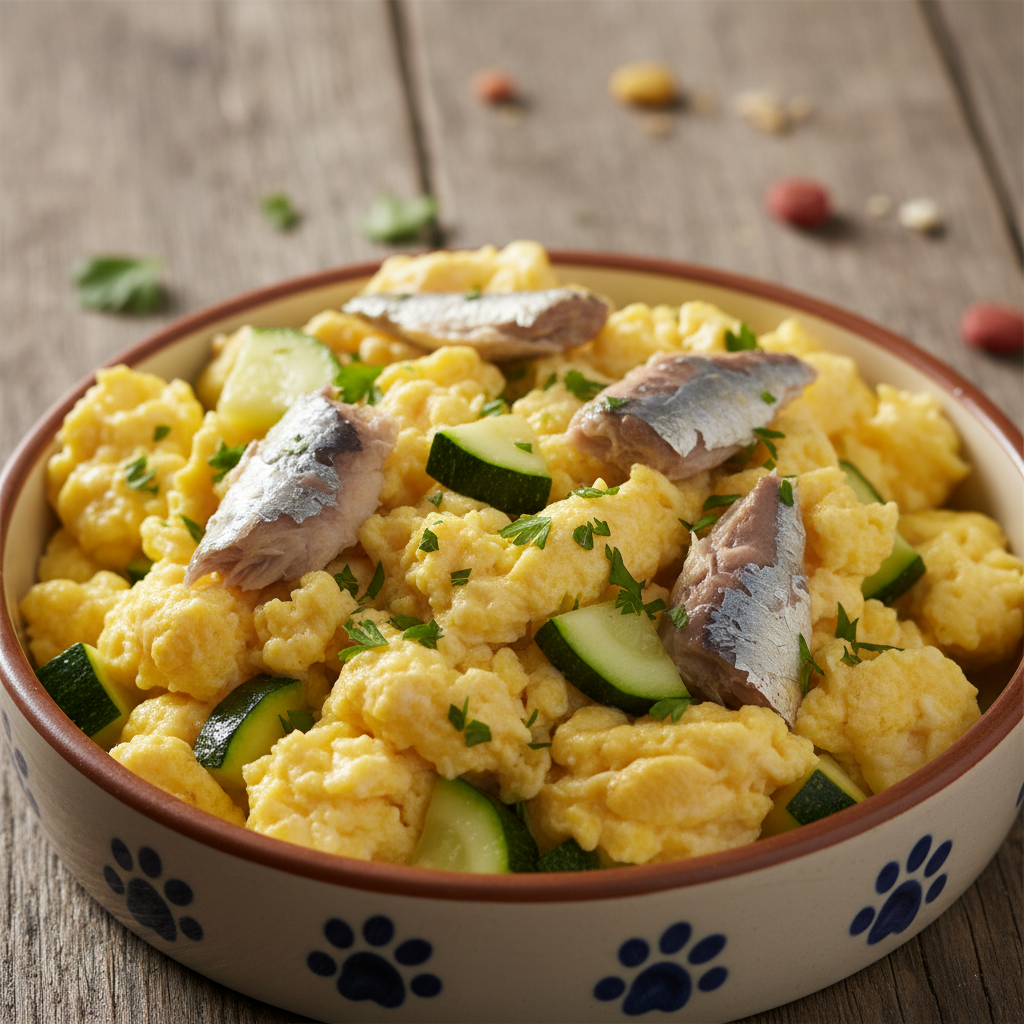
Don’t let the simplicity of this recipe fool you—it’s a nutritional superstar! Sardines are one of the best sources of Omega-3s and are also rich in calcium and Vitamin D, which are crucial for bone health. Eggs provide high-quality protein and even contain some joint-supporting nutrients in their membranes. This scramble is a quick, potent meal that your Newfie will adore.
Ingredients:
- 3 large eggs
- 1 can (3.75 oz) sardines packed in water, no salt added
- 1/2 cup chopped zucchini
- A small handful of chopped parsley
- 1 teaspoon olive oil
Instructions:
- Heat the olive oil in a non-stick skillet over medium heat. Add the chopped zucchini and sauté for 3-4 minutes until softened.
- In a small bowl, whisk the eggs. Add them to the skillet with the zucchini.
- As the eggs begin to set, gently scramble them with a spatula.
- Drain the can of sardines and add the whole fish to the skillet. Use your spatula to break them up and incorporate them into the scrambling eggs.
- Continue to cook for another 1-2 minutes until the eggs are fully cooked.
- Remove from heat, sprinkle with fresh parsley, and let it cool completely before serving.
Pros and Cons:
| Pros | Cons |
|
|
Verdict:
This is the perfect recipe for busy pet parents who want to give their dog a powerful nutritional boost without spending hours in the kitchen. It’s an excellent meal topper to add joint-supporting power to any diet or can be served as a special breakfast a few times a week.
6. Lamb & Green-Lipped Mussel Patties
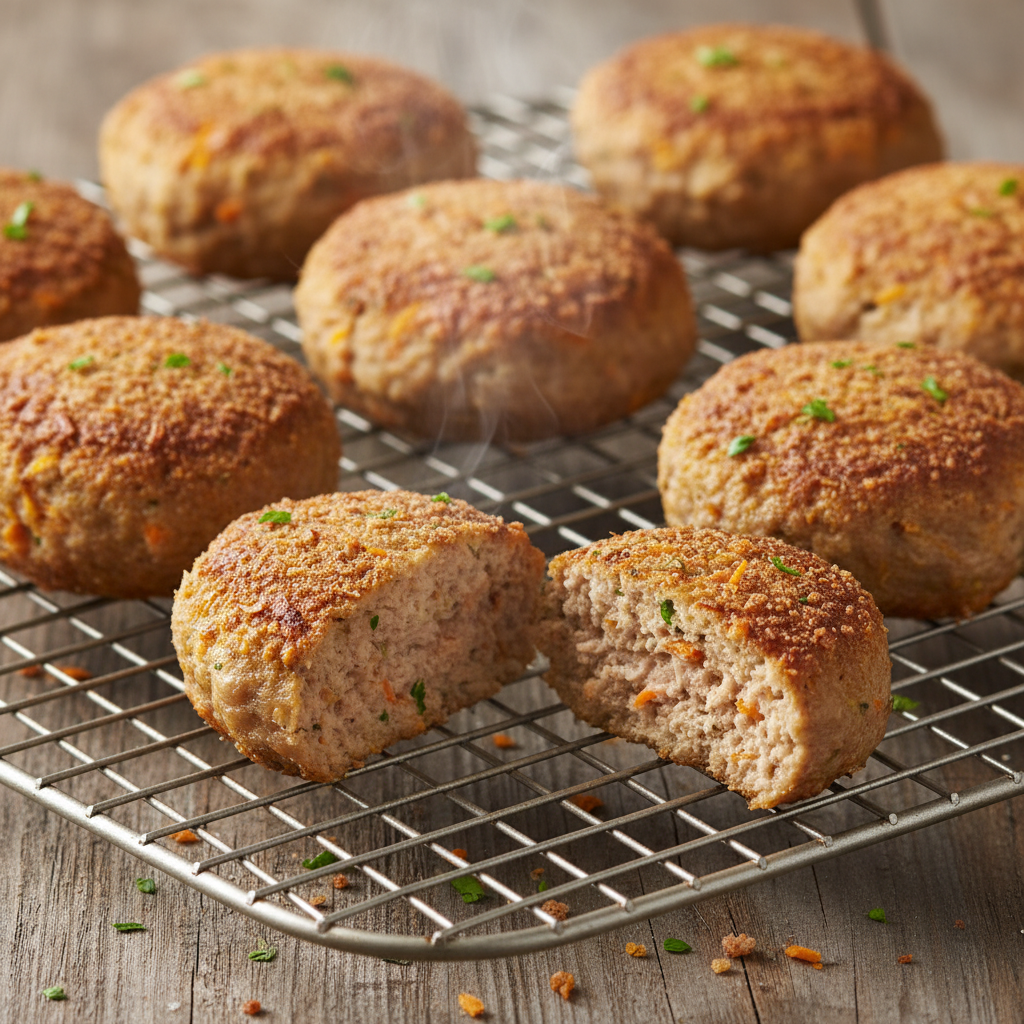
For dogs that need the next level of joint support, this recipe incorporates a secret weapon: green-lipped mussel powder. Sourced from New Zealand, this supplement is a concentrated source of glycosaminoglycans (GAGs), which are key components of cartilage and synovial fluid. Paired with lamb, a novel protein that’s great for dogs with chicken or beef sensitivities, these patties are both delicious and therapeutic.
Ingredients:
- 2 lbs ground lamb
- 1 cup finely grated carrots
- 1/2 cup rolled oats
- 1 egg
- 1-2 teaspoons green-lipped mussel powder (start with a smaller amount)
Instructions:
- Preheat your oven to 375°F (190°C). Line a baking sheet with parchment paper.
- In a large bowl, combine the ground lamb, grated carrots, rolled oats, egg, and green-lipped mussel powder.
- Mix everything together with your hands until just combined. Do not overmix.
- Form the mixture into patties, about 3-4 inches in diameter and 1/2 inch thick. Place them on the prepared baking sheet.
- Bake for 20-25 minutes, or until the patties are cooked through and browned on the outside.
- Let the patties cool completely before serving. They can be stored in the fridge for up to 4 days or frozen for later use.
Pros and Cons:
| Pros | Cons |
|
|
Verdict:
This recipe is for the Newfoundland owner who wants to provide targeted, potent, and proven joint support. It’s especially good for dogs with known joint issues or those with sensitivities to more common proteins. These patties are a convenient and effective way to deliver powerful relief.
7. Calcium-Rich Cottage Cheese Bowl
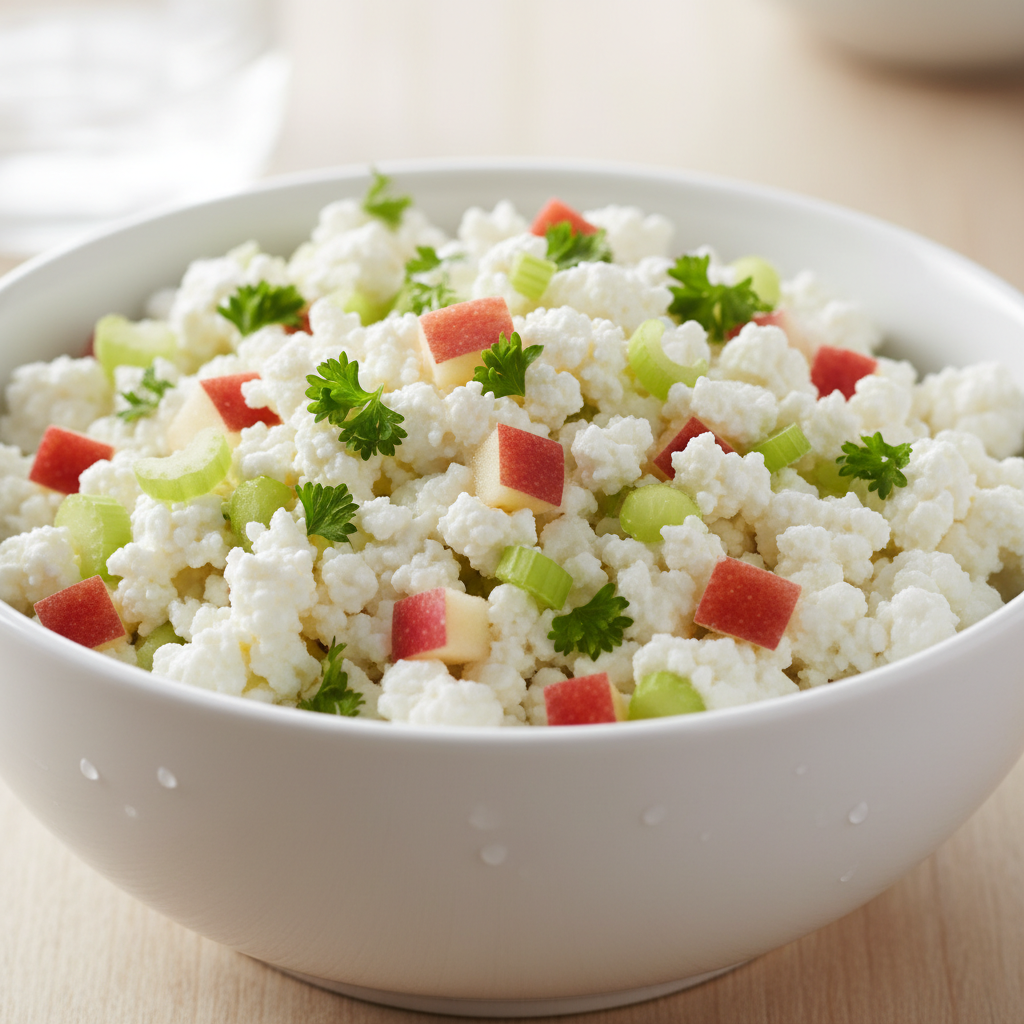
Sometimes, a heavy meal isn’t what’s needed. This light, no-cook bowl is perfect as a breakfast, a small lunch, or a topper for another meal. Low-fat cottage cheese is an excellent source of calcium and protein, essential for bone and muscle strength. The addition of finely chopped celery adds a satisfying crunch and anti-inflammatory benefits.
Ingredients:
- 1 cup low-fat cottage cheese
- 1/2 apple, cored and finely chopped (no seeds!)
- 1 celery stalk, finely chopped
- 1 tablespoon chopped fresh parsley
Instructions:
- In a bowl, simply combine the cottage cheese, chopped apple, chopped celery, and parsley.
- Stir everything together until it’s well mixed.
- Serve immediately. This recipe is best made fresh and doesn’t store well.
Pros and Cons:
| Pros | Cons |
|
|
Verdict:
This is the ultimate quick-fix for a nutritious snack or meal topper. It’s perfect for adding a boost of calcium and protein to your Newfie’s diet without the hassle of cooking. Use it on days when you’re short on time or to add some variety and extra nutrients to their regular food.
A Guide to Crafting the Perfect Joint-Support Diet for Your Newfoundland
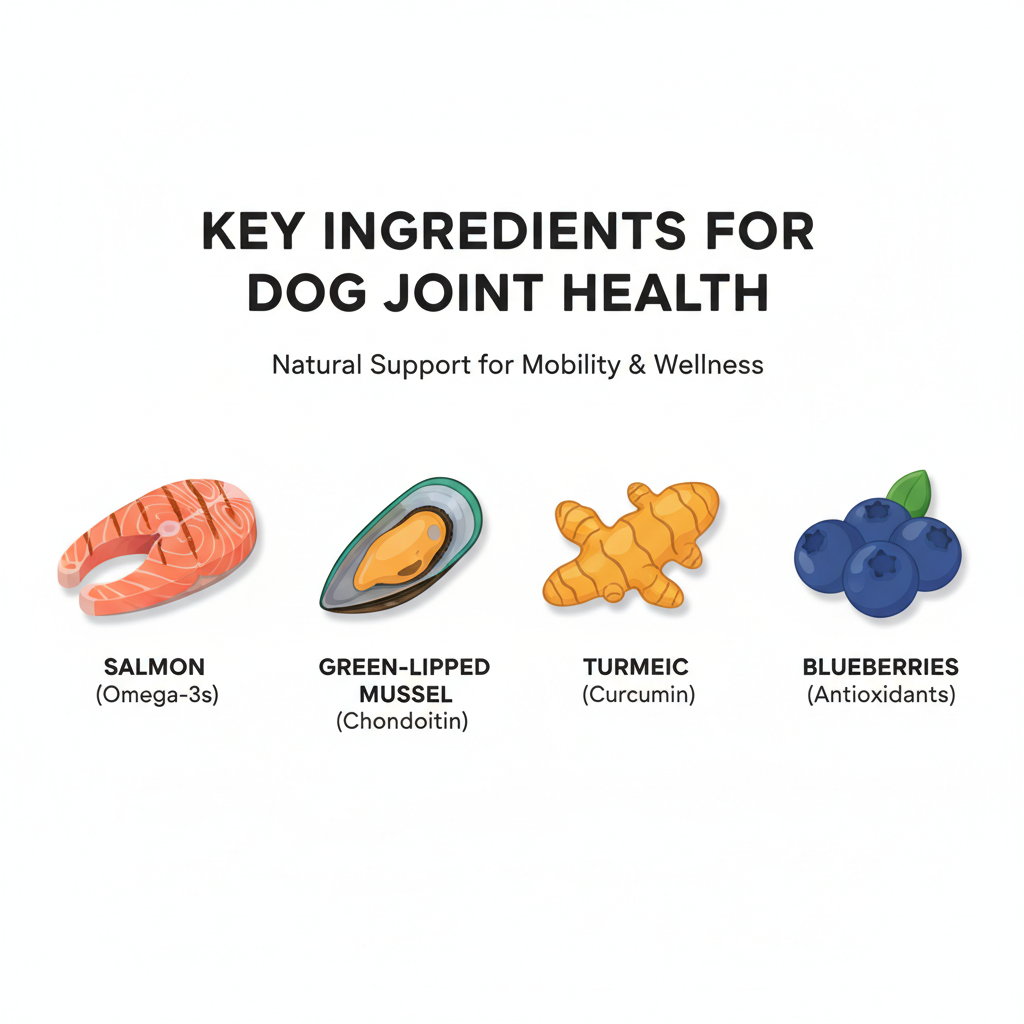
Making the switch to homemade food is a fantastic step, but it’s important to do it right. A balanced diet is more than just a single recipe; it’s about understanding the key components that support your Newfoundland’s massive frame. Here’s what to focus on.
Key Nutrients for Joint Health
- Omega-3 Fatty Acids: Found in fatty fish like salmon and sardines, flaxseed, and fish oil supplements. These are your number one weapon against inflammation.
- Glucosamine and Chondroitin: These are the natural building blocks of cartilage. They help cushion the joints and slow down cartilage deterioration. Great natural sources include bone broth, poultry feet, and trachea.
- Antioxidants: Vitamins C and E, selenium, and compounds found in berries and leafy greens (like beta-carotene) help fight free radicals that cause cellular damage and inflammation in the joints.
- Calcium and Phosphorus: These minerals are vital for strong bones, which form the foundation of the joints. Ensure they are present in the correct ratio, which a vet can help you determine.
Choosing the Right Ingredients
Lean Proteins: Muscle meat should be the foundation of any meal. Chicken, turkey, beef, and fish provide the amino acids needed to maintain strong muscles, which help support and stabilize the joints.
Healthy Fats: Don’t fear fat! Healthy fats are essential for absorbing vitamins and providing energy. In addition to Omega-3s, fats from sources like coconut oil can be beneficial.
Complex Carbohydrates & Veggies: Ingredients like sweet potatoes, pumpkin, quinoa, and leafy greens provide essential vitamins, minerals, and fiber for digestive health. They also provide energy without causing sharp blood sugar spikes.
The Importance of Consulting a Professional
This is the most critical step. Before you start, please talk to your veterinarian or a board-certified veterinary nutritionist. They can help you formulate a diet that is complete and balanced for your specific dog’s needs, taking into account their age, weight, activity level, and any existing health conditions. They can also recommend specific supplements and portion sizes to ensure your Newfie gets everything they need to thrive.
Frequently Asked Questions About Homemade Newfoundland Diets
Can I make these recipes in bulk and freeze them?
Absolutely! Most of these recipes are perfect for batch cooking. You can prepare a large quantity, portion it into individual meal-sized containers, and freeze them. This is a huge time-saver. We recommend freezing portions for up to 3 months. To serve, simply thaw a portion in the refrigerator overnight. The Cottage Cheese Bowl is the only exception, as it’s best made fresh.
How do I safely transition my Newfoundland to a homemade diet?
A sudden switch can upset your dog’s stomach. The key is to transition slowly over 7-10 days. Start by mixing a small amount of the new homemade food (about 25%) with their current food (75%). Every couple of days, gradually increase the amount of homemade food while decreasing the amount of their old food, until you’ve fully switched over. Monitor your dog for any signs of digestive upset during this period.
Should I add any supplements to these recipes?
While these recipes are packed with joint-supporting ingredients, large and giant breeds often benefit from additional supplementation. A high-quality fish oil for extra Omega-3s, or a dedicated joint supplement containing glucosamine, chondroitin, and MSM can be very beneficial. However, it is crucial to discuss any and all supplements with your veterinarian first to determine the correct type and dosage for your dog’s specific needs and to avoid unbalancing the diet.
Are there any foods I should absolutely avoid giving my Newfoundland?
Yes, many human foods are toxic to dogs. Never include onions, garlic, grapes, raisins, chocolate, macadamia nuts, or anything containing the artificial sweetener xylitol in your dog’s food. Also, avoid excessive salt, sugar, and processed foods. When cooking, always use dog-safe ingredients and avoid adding any extra seasonings you might use for your own meals.
Conclusion
Taking the time to prepare homemade meals for your Newfoundland is a true act of love. By focusing on fresh, whole-food ingredients rich in joint-supporting nutrients, you’re not just feeding them—you’re investing in their long-term health, mobility, and happiness. Each of these seven recipes offers a unique combination of benefits, from the potent anti-inflammatory power of salmon and turmeric to the cartilage-building goodness of bone broth.
Remember, the goal is to provide a diet that helps your gentle giant stay active and comfortable for as long as possible. Feel free to rotate between these recipes to provide variety and a broad spectrum of nutrients. And most importantly, always partner with your veterinarian on this journey to ensure your Newfie’s diet is perfectly balanced for their individual needs. Happy cooking, and here’s to many more happy, healthy years with your magnificent friend!