7 Low-Fat Homemade Food for Schnauzers (Pancreatitis Safe)
Seeing your beloved Schnauzer struggle with pancreatitis is heartbreaking. That sharp, sudden abdominal pain, the vomiting, the lethargy… it’s a scary experience for any pet parent. The path to recovery and management often leads straight to their food bowl. Schnauzers are unfortunately predisposed to pancreatitis, a condition where the pancreas becomes inflamed, often triggered by high-fat foods. This means their diet isn’t just about nutrition; it’s about prevention and management.
Switching to a low-fat diet is non-negotiable, but navigating the world of commercial dog foods can be overwhelming. That’s where homemade meals come in! Cooking for your pup allows you to control every single ingredient, ensuring their meals are not only safe and low in fat but also fresh and delicious. It’s a wonderful way to show your love and take an active role in their health. We’ve put together seven simple, pancreatitis-safe recipes that are gentle on the tummy and packed with goodness. Before we dive in, here’s a quick look at what we’ll be cooking up.
Quick Comparison of Pancreatitis-Safe Recipes
| Recipe Name | Main Protein | Key Ingredients | Approx. Prep Time | Best For |
|---|---|---|---|---|
| Lean Turkey & Pumpkin Purée | 99% Lean Ground Turkey | Pumpkin, Carrots | 20 mins | Sensitive Stomachs |
| Boiled Chicken & Sweet Potato | Chicken Breast | Sweet Potato, Green Beans | 25 mins | Picky Eaters |
| Cod & Quinoa Delight | Cod Fillets | Quinoa, Zucchini | 20 mins | Dogs with Poultry Allergies |
| Egg White & Spinach Scramble | Egg Whites | Spinach, Oatmeal | 15 mins | A Quick & Light Meal |
| Cottage Cheese & Rice Bowl | Low-Fat Cottage Cheese | White Rice, Peas | 15 mins (with cooked rice) | Post-Flare-Up Recovery |
| Lean Beef & Barley Stew | 96% Lean Ground Beef | Barley, Celery, Carrots | 35 mins | Hearty appetites |
| Rabbit & Butternut Squash | Rabbit | Butternut Squash, Kale | 30 mins | Novel Protein Diets |
Important Disclaimer: Always consult with your veterinarian before making any changes to your dog’s diet, especially when managing a medical condition like pancreatitis. These recipes are designed to be low-fat, but your vet can help you tailor them to your dog’s specific needs and ensure they are getting a complete and balanced diet.
1. Lean Turkey & Pumpkin Purée

This recipe is the gold standard for a gentle, soothing meal. It’s incredibly easy to digest, making it perfect for a dog recovering from a pancreatitis flare-up or for those with chronically sensitive stomachs. Lean ground turkey is a fantastic low-fat protein source, while pumpkin is a superstar for digestive health, packed with fiber to help keep things moving smoothly.
Ingredients:
- 1 lb 99% lean ground turkey
- 1 cup plain, unsweetened pumpkin purée (not pie filling!)
- 1 cup chopped carrots
- 4 cups water
- Optional: 1/4 cup cooked brown rice for extra fiber
Instructions:
- Place the ground turkey, chopped carrots, and water in a large pot or Dutch oven.
- Bring to a boil, then reduce the heat to a simmer. Use a spoon to break up the turkey meat as it cooks.
- Simmer for about 15-20 minutes, or until the turkey is fully cooked and the carrots are tender.
- Drain off the excess water, leaving a small amount of broth.
- Stir in the pumpkin purée and cooked brown rice (if using). Mix everything together until well combined.
- Let the food cool completely before serving.
Pros & Cons
| Pros | Cons |
|---|---|
| Extremely gentle on the digestive system. | May be too bland for very picky eaters. |
| Pumpkin is excellent for regulating digestion. | Requires refrigeration and lasts only 3-4 days. |
| Very easy and quick to prepare. | Not a complete diet without vet-approved supplements. |
Verdict:
This is the perfect starting point for any Schnauzer on a low-fat diet. It’s a go-to meal for calming an upset tummy and provides simple, clean nutrition that won’t stress the pancreas.
2. Boiled Chicken & Sweet Potato Mash
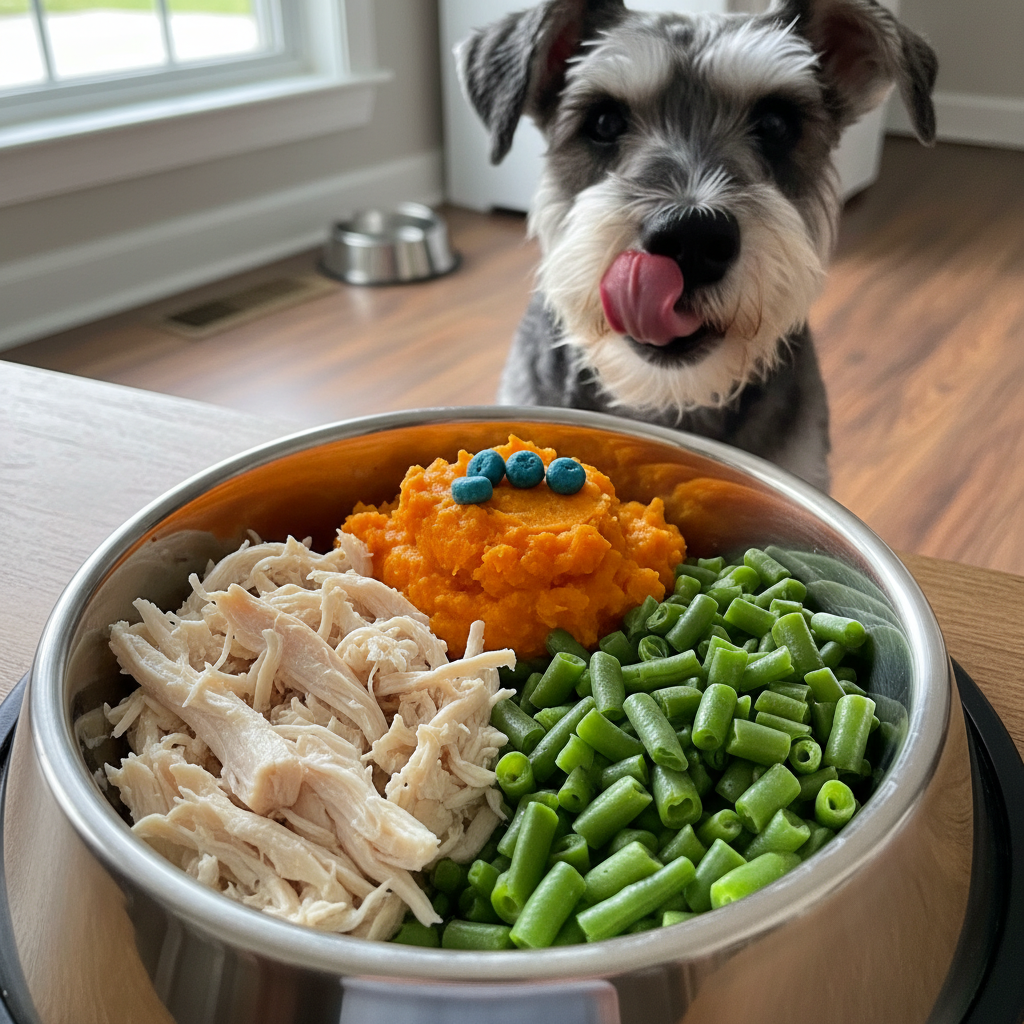
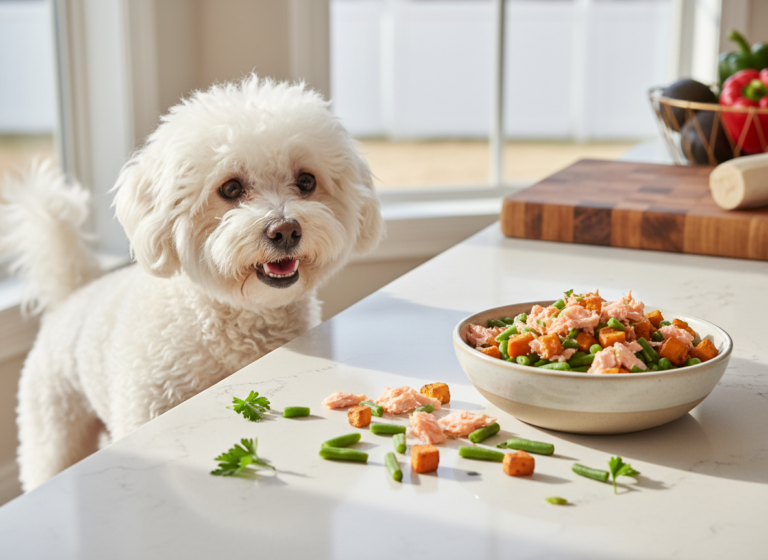
A classic bland diet with a tasty twist! Boiled chicken is an easily digestible, lean protein that most dogs adore. We’re swapping out traditional white potato for sweet potato, which is rich in vitamins A and C, and offers dietary fiber. Green beans add a nice bit of crunch and are a safe, low-calorie veggie for pups.
Ingredients:
- 2 boneless, skinless chicken breasts (about 1 lb)
- 1 large sweet potato, peeled and cubed
- 1/2 cup chopped green beans
- Water for boiling
Instructions:
- Place the chicken breasts and cubed sweet potato in a large pot and cover with water.
- Bring to a boil, then reduce heat and simmer for about 20-25 minutes, until the chicken is cooked through and the sweet potato is fork-tender.
- During the last 5 minutes of cooking, add the chopped green beans to the pot to blanch them slightly.
- Remove the chicken and vegetables from the pot, reserving a cup of the broth.
- Shred the chicken with two forks. Mash the sweet potato.
- In a large bowl, combine the shredded chicken, mashed sweet potato, and green beans. Add a few tablespoons of the reserved broth to moisten the mixture.
- Allow to cool completely before serving.
Pros & Cons
| Pros | Cons |
|---|---|
| Highly palatable for most dogs. | Sweet potato can be high in sugar for diabetic dogs (consult a vet). |
| Sweet potatoes are a great source of vitamins. | Boiling can reduce some water-soluble vitamins. |
| Simple, whole-food ingredients. | Can be time-consuming to peel and chop veggies. |
Verdict:
This recipe is a crowd-pleaser and a fantastic choice for picky Schnauzers who might turn their nose up at other bland diets. The natural sweetness of the potato makes it irresistible while still being incredibly gentle on their system.
3. Cod & Quinoa Delight

If your Schnauzer has poultry sensitivities, this fish-based recipe is a wonderful alternative. Cod is an exceptionally lean white fish that’s low in fat and a great source of omega-3 fatty acids, which have anti-inflammatory properties. Quinoa is a complete protein, offering all nine essential amino acids, and is a healthy, gluten-free grain for dogs.
Ingredients:
- 1 lb cod fillets, boneless and skinless
- 1/2 cup uncooked quinoa, rinsed thoroughly
- 1 cup water or low-sodium chicken broth
- 1 cup chopped zucchini
Instructions:
- In a medium saucepan, combine the rinsed quinoa and 1 cup of water or broth. Bring to a boil, then cover and simmer on low for about 15 minutes, or until the liquid is absorbed.
- While the quinoa cooks, you can either bake or poach the cod. To bake, place it in a dish with a tablespoon of water, cover with foil, and bake at 400°F (200°C) for 10-12 minutes. To poach, gently simmer it in a shallow pan of water for about 8-10 minutes. The fish should be opaque and flake easily.
- Steam or lightly boil the chopped zucchini until tender-crisp.
- Flake the cooked cod into small pieces. In a large bowl, combine the flaked cod, cooked quinoa, and zucchini.
- Mix gently and let it cool to room temperature before serving.
Pros & Cons
| Pros | Cons |
|---|---|
| Excellent for dogs with chicken or turkey allergies. | Fish can have a strong smell that some owners dislike. |
| Omega-3s offer anti-inflammatory benefits. | Fresh cod can be more expensive than poultry. |
| Quinoa is a nutrient-dense grain. | Requires cooking three components separately. |
Verdict:
This is the ideal recipe for the pancreatitis-prone Schnauzer who also deals with common protein allergies. It’s a light, clean meal that provides a different nutrient profile and can help reduce inflammation.
4. Egg White & Spinach Scramble
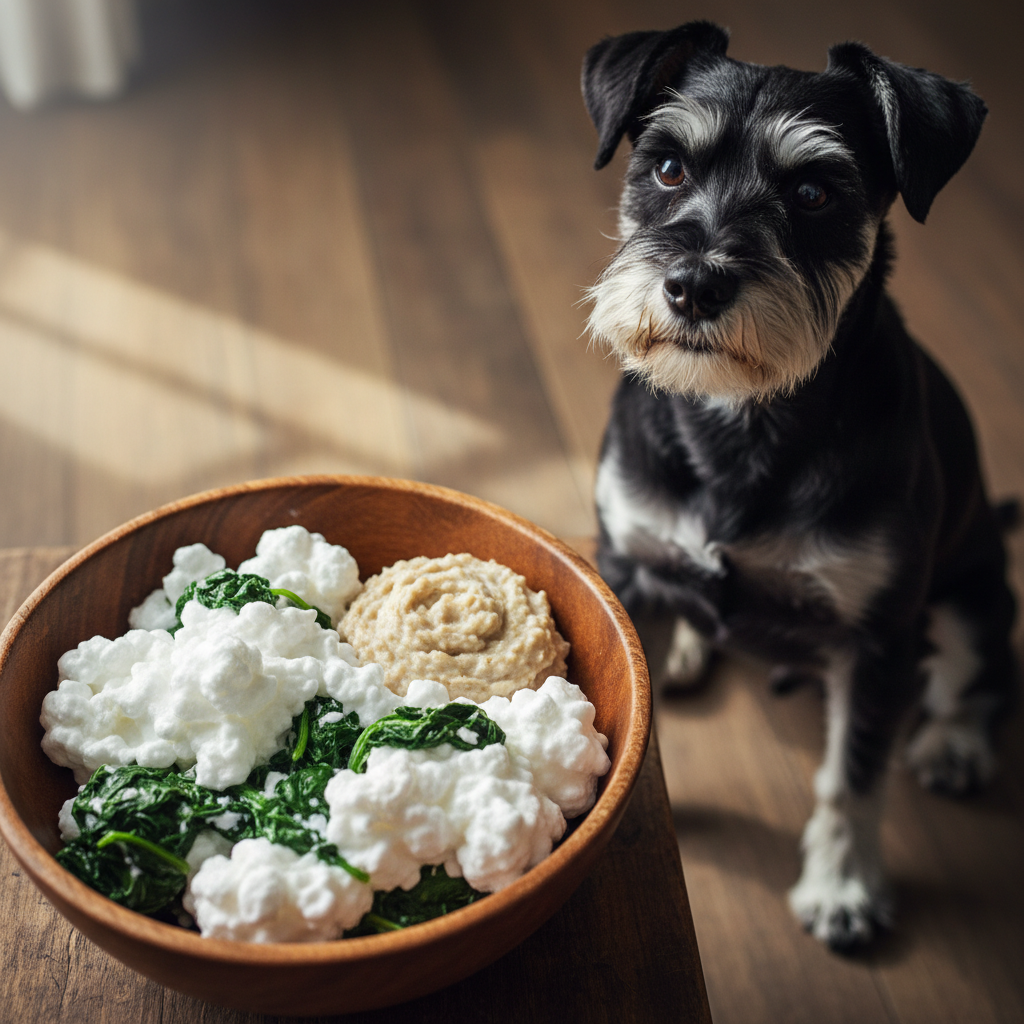
Who says dogs can’t have breakfast for dinner? This scramble is incredibly low in fat and calories, making it a light yet satisfying meal. Egg whites are almost pure protein and are very easy to digest. We’re skipping the fatty yolks to keep this pancreatitis-safe. Spinach is a powerhouse of vitamins and minerals, and a little bit of oatmeal adds soluble fiber for digestive health.
Ingredients:
- 4-5 egg whites
- 1 cup fresh spinach, chopped
- 1/4 cup cooked plain oatmeal (cooked in water, not milk)
- A splash of water
Instructions:
- In a non-stick skillet over medium heat, wilt the chopped spinach with a splash of water for 1-2 minutes.
- Pour the egg whites over the spinach. Scramble gently with a spatula until the whites are fully cooked but still soft.
- Remove from heat and fold in the pre-cooked oatmeal.
- Ensure the scramble is completely cool before serving it to your pup.
Pros & Cons
| Pros | Cons |
|---|---|
| Extremely low in fat. | Not very calorie-dense, may not be suitable for very active dogs. |
| Very quick to make, perfect for a last-minute meal. | Some dogs may not enjoy the texture. |
| Eggs are a high-quality, bioavailable protein source. | Best served fresh; doesn’t store as well as other recipes. |
Verdict:
This is a fantastic option for a quick, light meal or for a dog that needs to lose a little weight. It’s packed with protein and nutrients without any of the heavy fats, making it a safe and healthy treat.
5. Cottage Cheese & Rice Bowl
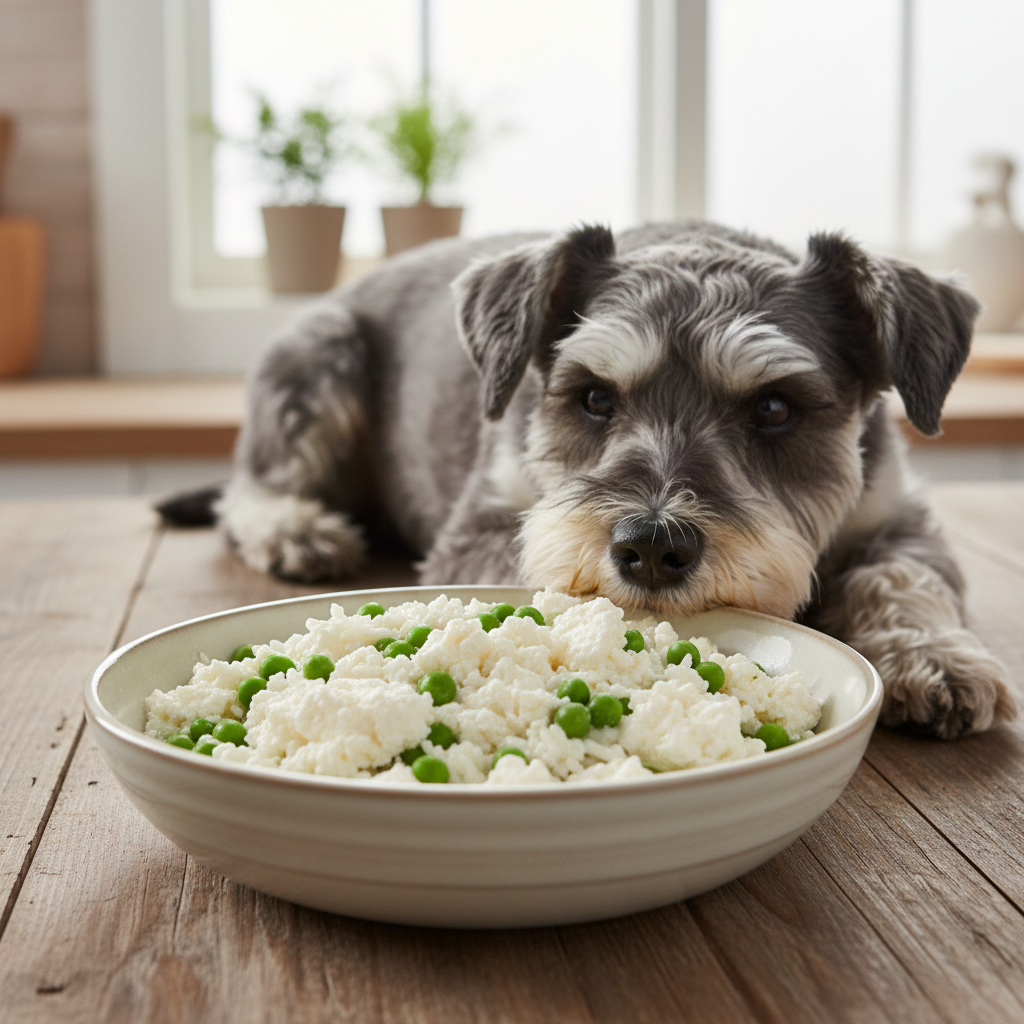
When a dog’s stomach is in turmoil, sometimes the blandest meal is the best medicine. This recipe is the epitome of a bland diet. Low-fat cottage cheese is a surprisingly good source of protein that is gentle on the digestive tract. Plain white rice is the go-to carbohydrate for GI upset because it’s stripped of fiber and very easy to break down, giving the pancreas a much-needed rest.
Ingredients:
- 1 cup low-fat (1% or fat-free) cottage cheese
- 1 cup cooked white rice
- 1/4 cup cooked peas
Instructions:
- Cook the white rice according to package directions and let it cool.
- Cook the peas (frozen or fresh) by boiling or steaming until tender.
- In a bowl, simply mix the cooled white rice, cottage cheese, and peas together.
- Serve immediately. This is one of the easiest recipes to assemble!
Pros & Cons
| Pros | Cons |
|---|---|
| Incredibly simple and requires minimal cooking. | Not suitable for dogs with dairy sensitivities. |
| Extremely bland and easy to digest, ideal for recovery. | Lower in some micronutrients compared to veggie-heavy meals. |
| The soft texture is great for senior dogs or those with dental issues. | White rice lacks the fiber of brown rice or other whole grains. |
Verdict:
This is your emergency meal. When your Schnauzer is just getting over a pancreatitis flare-up and needs the simplest food possible, this cottage cheese and rice bowl is the perfect choice. It provides gentle calories and protein without asking the digestive system to do any heavy lifting.
6. Lean Beef & Barley Stew

For the Schnauzer with a heartier appetite, this stew offers the rich flavor of beef without the high fat content. It’s crucial to use the leanest ground beef you can find (96% lean/4% fat) and to drain any excess fat after cooking. Barley is a wonderful, low-glycemic grain that’s full of fiber and helps dogs feel full and satisfied. This is a more robust meal for a dog that is stable and managing their pancreatitis well.
Ingredients:
- 1 lb 96% lean ground beef
- 1/2 cup pearl barley
- 2 cups low-sodium beef broth
- 1 cup water
- 1 cup chopped carrots and celery mix
Instructions:
- In a large pot or Dutch oven, brown the lean ground beef over medium heat, breaking it up into small crumbles.
- Once cooked, carefully drain off every bit of rendered fat from the pot.
- Return the pot to the heat and add the barley, beef broth, water, and chopped carrots and celery.
- Bring the mixture to a boil, then reduce the heat to low, cover, and let it simmer for about 30-40 minutes, or until the barley is tender and has absorbed most of the liquid.
- Stir occasionally to prevent sticking.
- Let the stew cool to a safe temperature before serving.
Pros & Cons
| Pros | Cons |
|---|---|
| Hearty and flavorful, great for active dogs. | Crucial to drain fat thoroughly to keep it safe. |
| Barley is a high-fiber grain that aids in digestion. | Longer cooking time than other recipes. |
| Makes the house smell delicious! | Not suitable for dogs with grain or beef sensitivities. |
Verdict:
This is an excellent maintenance meal for a Schnauzer whose pancreatitis is well-managed. It feels more like a ‘real’ dinner and is perfect for colder months or for dogs who need a bit more substance to their meals without risking a flare-up.
7. Rabbit & Butternut Squash Medley

Rabbit is a fantastic ‘novel protein,’ meaning it’s not commonly found in commercial dog foods. This makes it a great choice for dogs who have developed allergies to more common proteins like chicken or beef. It’s also naturally very lean. Butternut squash is similar to pumpkin in that it’s easy to digest and packed with vitamins A and C, while kale adds a boost of powerful antioxidants.
Ingredients:
- 1 lb ground rabbit (or rabbit meat, cooked and deboned)
- 2 cups butternut squash, peeled and cubed
- 1/2 cup kale, finely chopped with stems removed
- Water
Instructions:
- If using ground rabbit, brown it in a non-stick skillet over medium heat until cooked through. If using whole rabbit pieces, boil them until cooked and then shred the meat off the bone.
- While the rabbit cooks, steam or boil the butternut squash cubes until they are very tender.
- In the last minute of cooking the squash, add the finely chopped kale to wilt it.
- Mash the butternut squash and kale together.
- Combine the cooked rabbit with the squash and kale mixture. Stir well.
- Let it cool down completely before serving.
Pros & Cons
| Pros | Cons |
|---|---|
| Excellent choice for dogs with multiple food allergies. | Rabbit can be difficult to find and is more expensive. |
| Rabbit is a very lean, low-fat protein. | Prepping butternut squash can be time-consuming. |
| Butternut squash offers a different flavor profile and is rich in nutrients. | The unique flavor might not appeal to all dogs initially. |
Verdict:
This gourmet-sounding meal is a lifesaver for the Schnauzer with both pancreatitis and significant food allergies. It provides a clean, lean, and unique protein source that is unlikely to trigger an allergic reaction, all while being gentle on the pancreas.
A Pet Parent’s Guide to Pancreatitis-Safe Ingredients
Cooking for a dog with pancreatitis isn’t just about following recipes; it’s about understanding the ‘why’ behind the ingredients. Your primary goal is to give the pancreas a break, and that means keeping fat content extremely low. Here’s what you need to know when you’re stocking your pantry for your furry friend.
Choosing the Right Protein
Protein is essential, but the source matters. You must choose the leanest options available.
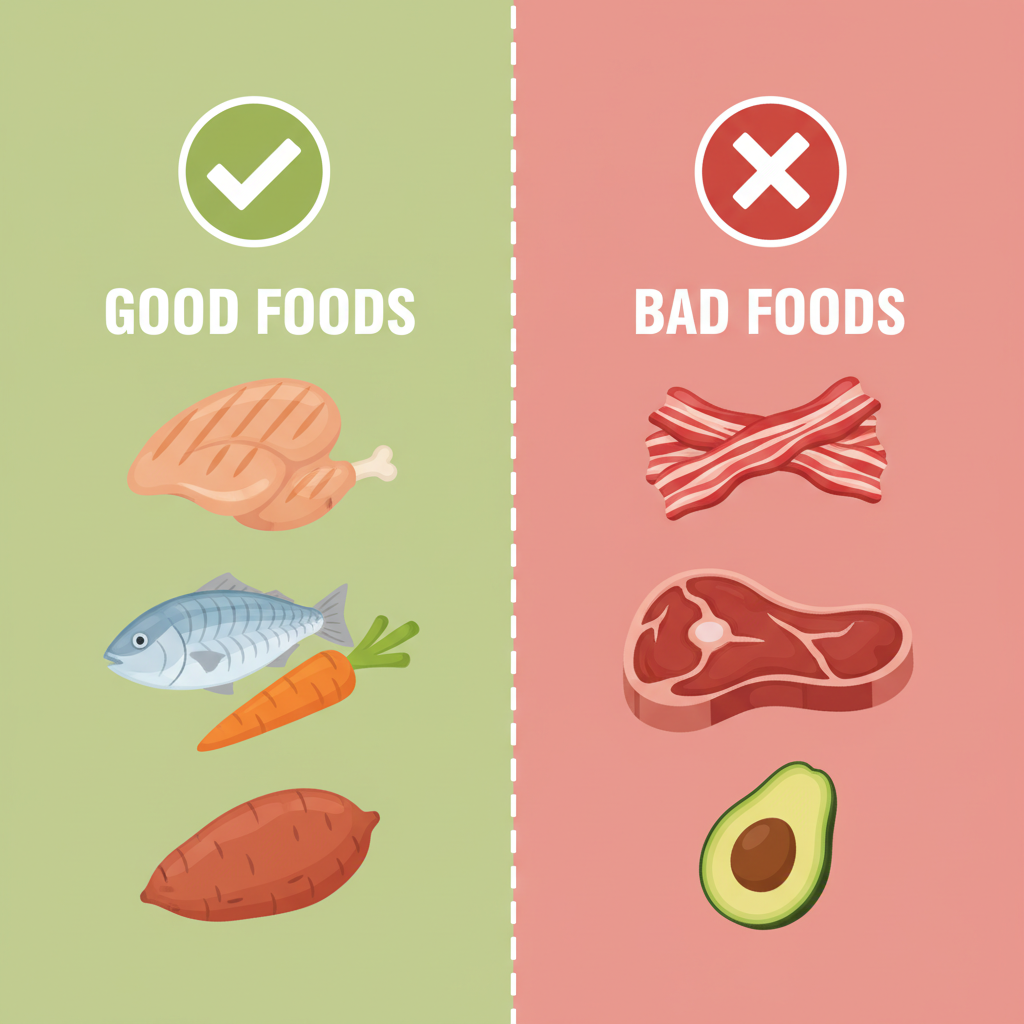
- Excellent Choices: Skinless chicken or turkey breast, 96-99% lean ground turkey or beef, white fish (like cod, haddock, or tilapia), rabbit, and egg whites.
- What to Avoid: Fatty cuts of meat (like lamb, pork, duck), poultry skin, 80/20 ground beef, bacon, sausage, and fatty fish like salmon (unless specifically recommended in small amounts by your vet for its omega-3s). Always drain any fat after cooking ground meats.
Digestible Carbohydrates and Grains
Carbs provide energy. The key is choosing ones that are easy for your dog’s system to process.
- Excellent Choices: White rice (especially for acute flare-ups), sweet potatoes, pumpkin, oatmeal, barley, and quinoa. These provide energy and fiber without overtaxing the digestive system.
- What to Avoid: High-fat fillers or processed grains. Stick to simple, whole-food carbohydrates.
Friendly Fruits and Veggies
Vegetables add essential vitamins, minerals, and fiber. Most are naturally low in fat and perfectly safe.
- Excellent Choices: Carrots, green beans, spinach, zucchini, celery, peas, kale, and butternut squash.
- What to Avoid: Avocado is a big no-no due to its high fat content. Also, always avoid onions, garlic, grapes, and raisins, as they are toxic to dogs for other reasons.
A Note on Fats and Oils
While the goal is a low-fat diet, dogs do need some fat to be healthy. However, this is where it gets tricky. Never add butter, lard, or greasy bacon drippings to their food. If your vet recommends adding a healthy fat source, it will likely be a very small, measured amount of something like fish oil or flaxseed oil for its omega-3 benefits. Never add fats or oils without direct veterinary guidance.
Frequently Asked Questions
Navigating a new homemade diet for your Schnauzer can bring up a lot of questions. Here are answers to some of the most common ones we hear.
1. How much of this homemade food should I feed my Schnauzer?
This is one of the most critical questions, and the answer is: it depends. Portion size is not one-size-fits-all. It varies based on your dog’s age, weight, activity level, and metabolic rate. A 15-pound senior Schnauzer will need far fewer calories than a 20-pound active adult. The best and safest approach is to calculate the calories in the recipe and consult your veterinarian. They can give you a precise daily feeding amount to ensure your dog maintains a healthy weight without being over or underfed.
2. Can I make these meals in batches and freeze them?
Absolutely! Batch cooking is a huge time-saver. Most of these recipes freeze wonderfully. You can prepare a week’s worth of food at a time, portion it out into individual servings in freezer-safe bags or containers, and simply thaw one in the refrigerator the night before you need it. This ensures you always have a safe, healthy meal ready for your pup, even on busy days. The Egg White Scramble is the only one that’s best made fresh.
3. Do I need to add any supplements to these homemade meals?
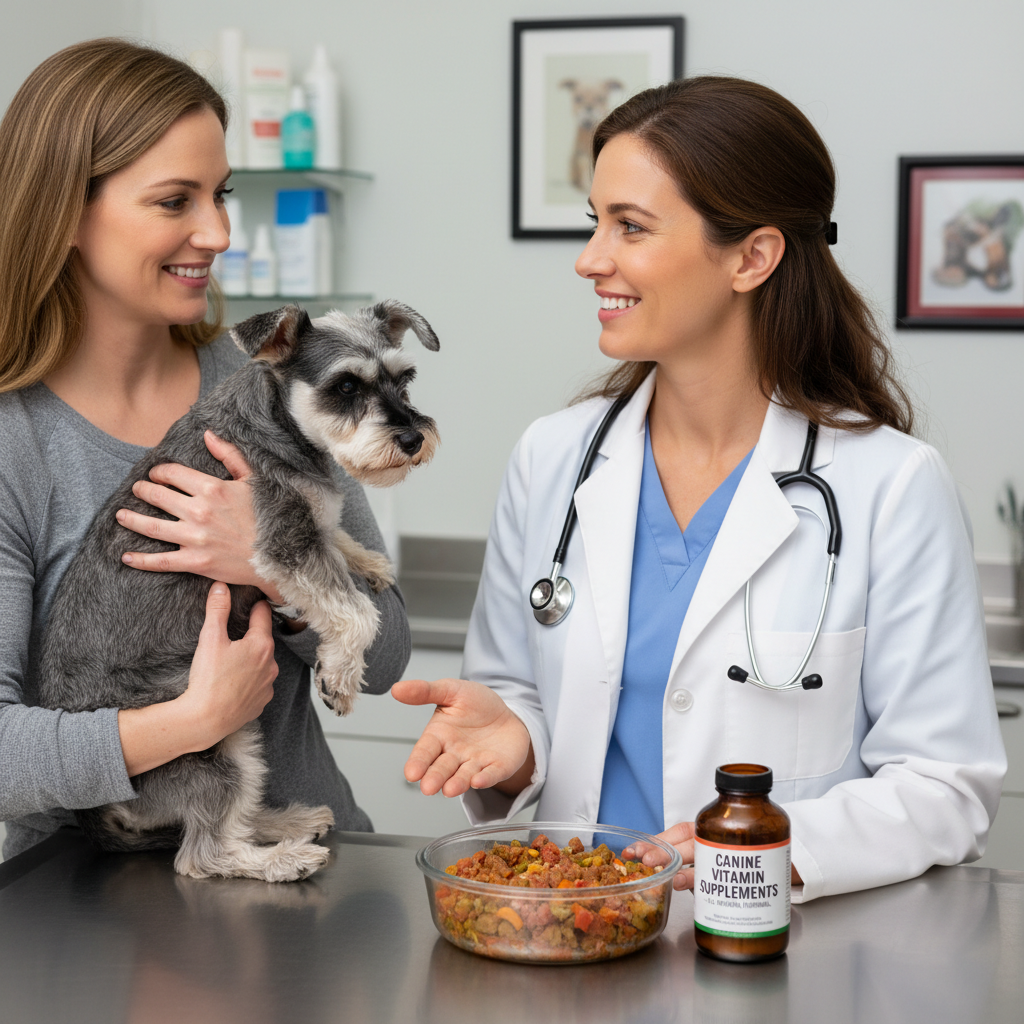
Yes, this is incredibly important. While these recipes provide wholesome ingredients, they are not formulated to be 100% nutritionally complete for long-term feeding on their own. Homemade diets often lack specific vitamins and minerals (like calcium and zinc) in the correct ratios. To prevent nutritional deficiencies, you MUST work with your veterinarian or a board-certified veterinary nutritionist. They will recommend a specific vitamin and mineral supplement, like Balance IT or Just Food For Dogs supplements, to mix into the food to make it a complete and balanced diet.
Conclusion
Taking on the role of personal chef for your Schnauzer is a huge act of love. By preparing their meals, you’re providing them with fresh, safe, and delicious food that directly supports their health and helps manage their pancreatitis. These seven low-fat recipes offer a fantastic starting point, giving you variety and peace of mind. Remember, the journey to managing pancreatitis is a partnership between you and your veterinarian. Always keep them in the loop, discuss any dietary changes, and work with them to create a balanced meal plan that will keep your Schnauzer happy, healthy, and by your side for years to come. Happy cooking!