7 Pressure Canning Dog Food Recipes for Long Term Storage
Hey there, fellow pet parent! We all want the absolute best for our four-legged family members, right? We scrutinize labels, research brands, and maybe even dabble in a little home cooking for them. If you’ve ever wished you could make wholesome, nutritious meals for your dog in big batches that last for months (or even years!) without freezing, then you’ve come to the right place. Welcome to the wonderful world of pressure canning dog food!
It might sound intimidating, but it’s a game-changer. Pressure canning allows you to create shelf-stable, preservative-free meals using ingredients you trust. It’s perfect for emergency preparedness, saving money on premium dog food, or simply knowing exactly what’s going into your pup’s bowl. In this guide, we’ll walk you through seven delicious and balanced recipes to get you started. Let’s get canning!
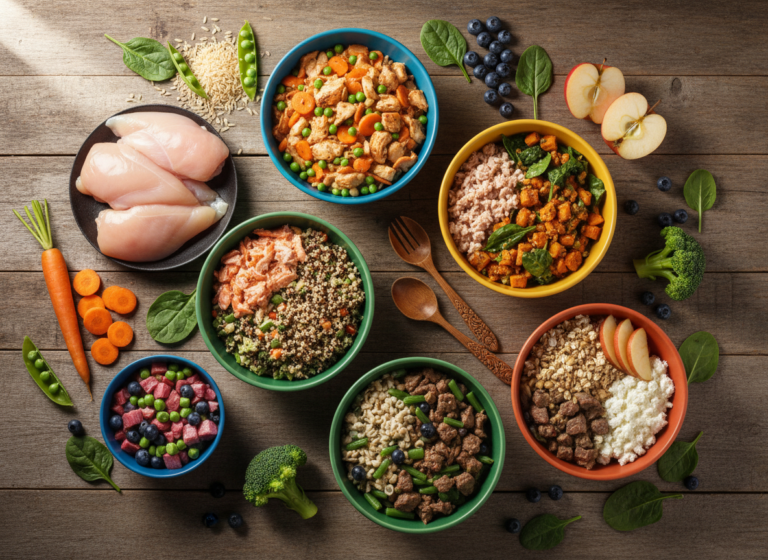
Quick Recipe Comparison
| Recipe | Main Protein | Best For | Skill Level |
|---|---|---|---|
| Classic Chicken & Veggie Stew | Chicken | Picky Eaters & Beginners | Beginner |
| Hearty Beef & Barley Delight | Beef | Active & Working Dogs | Beginner |
| Turkey & Quinoa Power Mix | Turkey | Sensitive Stomachs | Intermediate |
| Fish & Sweet Potato Pie | Whitefish | Skin & Coat Health | Intermediate |
| Lamb & Lentil Stew | Lamb | Dogs with Allergies | Intermediate |
| Pork & Apple Medley | Pork | Flavor-Seeking Pups | Intermediate |
| Venison & Root Vegetable Mash | Venison | Severe Food Sensitivities | Advanced |
Important Note: Always consult with your veterinarian or a veterinary nutritionist before making significant changes to your dog’s diet. These recipes are designed as a base; you may need to add a vet-approved supplement mix to ensure they are fully balanced for your specific dog’s needs.
1. Classic Chicken & Veggie Stew
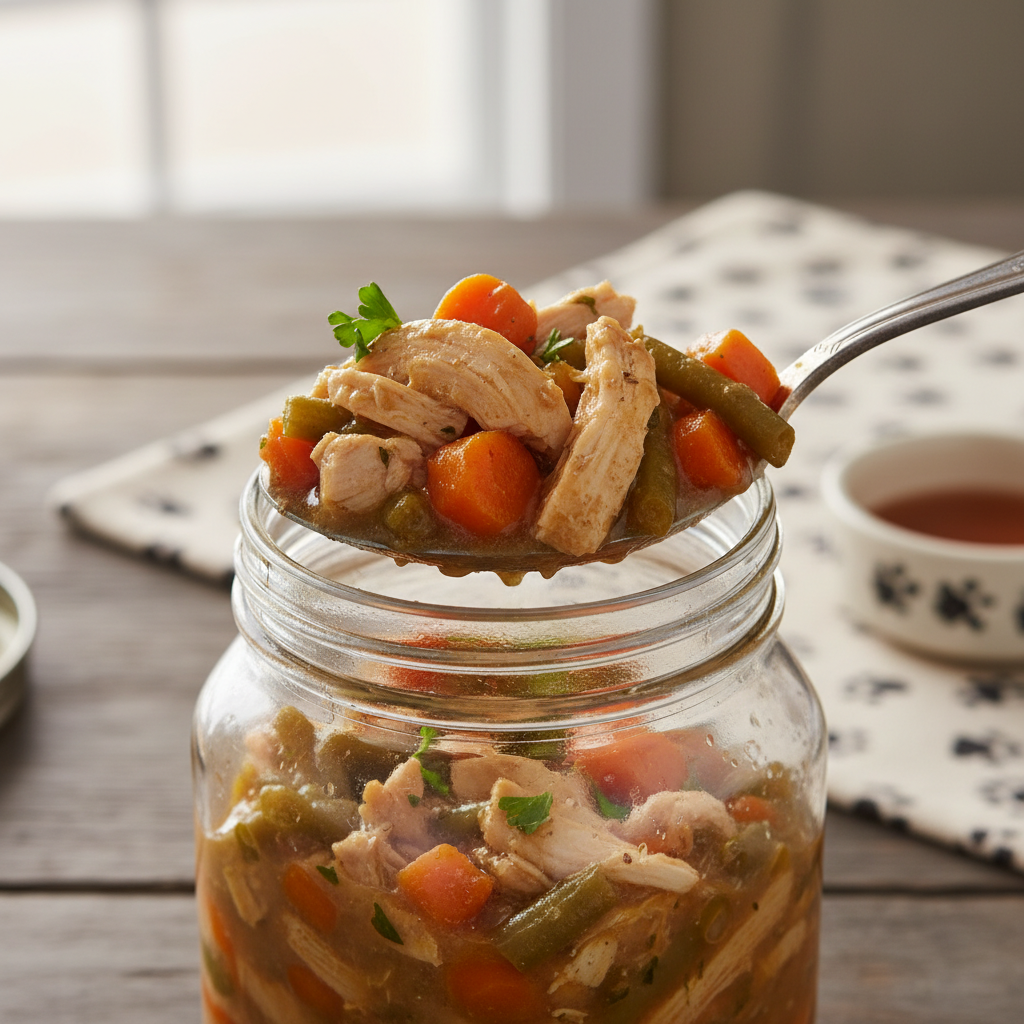
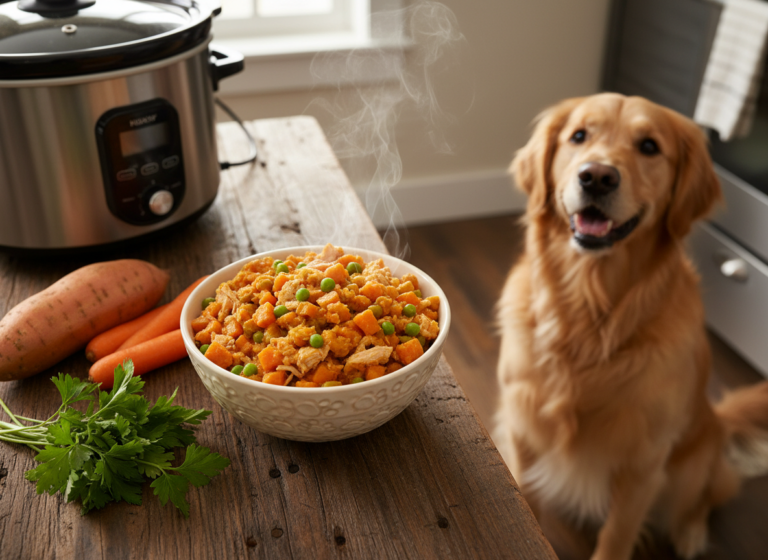
Let’s start with a timeless classic that’s a surefire hit with most dogs. This recipe is straightforward, uses easy-to-find ingredients, and is a fantastic entry point into the world of pressure canning for your pet. It’s like a warm, comforting hug in a bowl!
Ingredients:
- 5 lbs boneless, skinless chicken thighs or breasts, cut into 1-inch cubes
- 2 lbs carrots, peeled and diced
- 2 lbs green beans, trimmed and snapped into 1-inch pieces
- 1 lb peas (frozen is fine)
- 4 quarts (16 cups) of water or unsalted chicken broth
- Optional: 1 cup brown rice, cooked separately
Instructions:
- Prep Your Station: Clean and sterilize your pint or quart jars, lids, and rings according to the manufacturer’s instructions. Keep the jars hot.
- Combine Ingredients: In a large stockpot, combine the cubed chicken, diced carrots, green beans, and broth/water. Bring to a boil, then reduce heat and simmer for 20 minutes until the chicken is cooked through.
- Add Peas: Stir in the peas (and cooked brown rice, if using) during the last 5 minutes of simmering.
- Hot Pack Jars: Using a ladle and a canning funnel, pack the hot stew into your hot jars, leaving 1-inch of headspace at the top. Make sure the solids and liquid are evenly distributed.
- De-bubble and Seal: Run a non-metallic utensil (like a plastic chopstick) around the inside of the jars to remove any air bubbles. Wipe the rims of the jars with a clean, damp cloth. Place the lids on top and screw on the rings until they are fingertip-tight.
- Process in Canner: Place the jars in your pressure canner. Follow your canner’s specific instructions for venting and bringing it up to pressure. Process at 10 pounds of pressure (adjust for your altitude). Process pints for 75 minutes and quarts for 90 minutes.
- Cool Down: Once processing is complete, turn off the heat and let the canner depressurize naturally. Once it’s safe, open the canner and carefully remove the jars with a jar lifter. Let them cool undisturbed for 12-24 hours on a towel. Check for a proper seal before storing.
Pros & Cons
| Pros | Cons |
|---|---|
| Highly palatable for picky dogs. | Chicken is a common allergen for some dogs. |
| Simple, affordable ingredients. | Lower in fat, may not be ideal for very active dogs without supplementation. |
| Easy recipe for canning beginners. |
Verdict
This recipe is the perfect starting point. It’s ideal for pet owners new to canning and for dogs who love a simple, hearty, and familiar-tasting meal. It’s a crowd-pleaser that you can feel great about making.
2. Hearty Beef & Barley Delight

For the dog that’s always on the go! This recipe is packed with energy-giving ingredients like beef and barley to fuel your pup’s adventures. It’s a richer, denser meal that will stick to their ribs and keep them satisfied after a long day of playing fetch.
Ingredients:
- 5 lbs beef stew meat, cut into 1-inch cubes
- 1.5 lbs sweet potatoes, peeled and diced
- 1 lb frozen spinach, thawed and squeezed of excess water
- 1 cup pearl barley
- 4 quarts (16 cups) of water or unsalted beef broth
Instructions:
- Prep: As always, start with clean, sterilized, and hot jars, lids, and rings.
- Brown the Beef: In a large stockpot, brown the beef cubes in batches. You don’t need to cook them all the way through, just get some color on them. Drain off any excess fat.
- Combine and Simmer: Return all beef to the pot. Add the diced sweet potatoes, barley, and broth/water. Bring to a boil, then reduce the heat and simmer for about 30 minutes, or until the barley is partially cooked and has absorbed some liquid.
- Add Spinach: Stir in the thawed and squeezed spinach for the final 5 minutes of simmering.
- Hot Pack Jars: Pack the hot mixture into your prepared jars, leaving 1-inch of headspace. Ensure a good ratio of solids to liquid in each jar.
- De-bubble and Seal: Remove air bubbles, wipe the rims clean, and secure the lids and rings until fingertip-tight.
- Process in Canner: Place jars in your pressure canner and process at 10 pounds of pressure (adjust for altitude). Process pints for 75 minutes and quarts for 90 minutes.
- Cool and Store: Let the canner depressurize naturally before removing the jars. Cool for 12-24 hours, check the seals, and store in a cool, dark place.
Pros & Cons
| Pros | Cons |
|---|---|
| Excellent source of protein and energy. | Barley contains gluten, which isn’t suitable for all dogs. |
| Rich in iron and vitamins from beef and spinach. | Beef can be a richer meat that may not agree with some sensitive stomachs. |
| Very filling and satisfying for active dogs. |
Verdict
This is the go-to recipe for high-energy breeds, working dogs, or any pup that needs a little extra fuel in their tank. It’s a robust, nutrient-dense meal that supports muscle development and sustained energy.
3. Turkey & Quinoa Power Mix
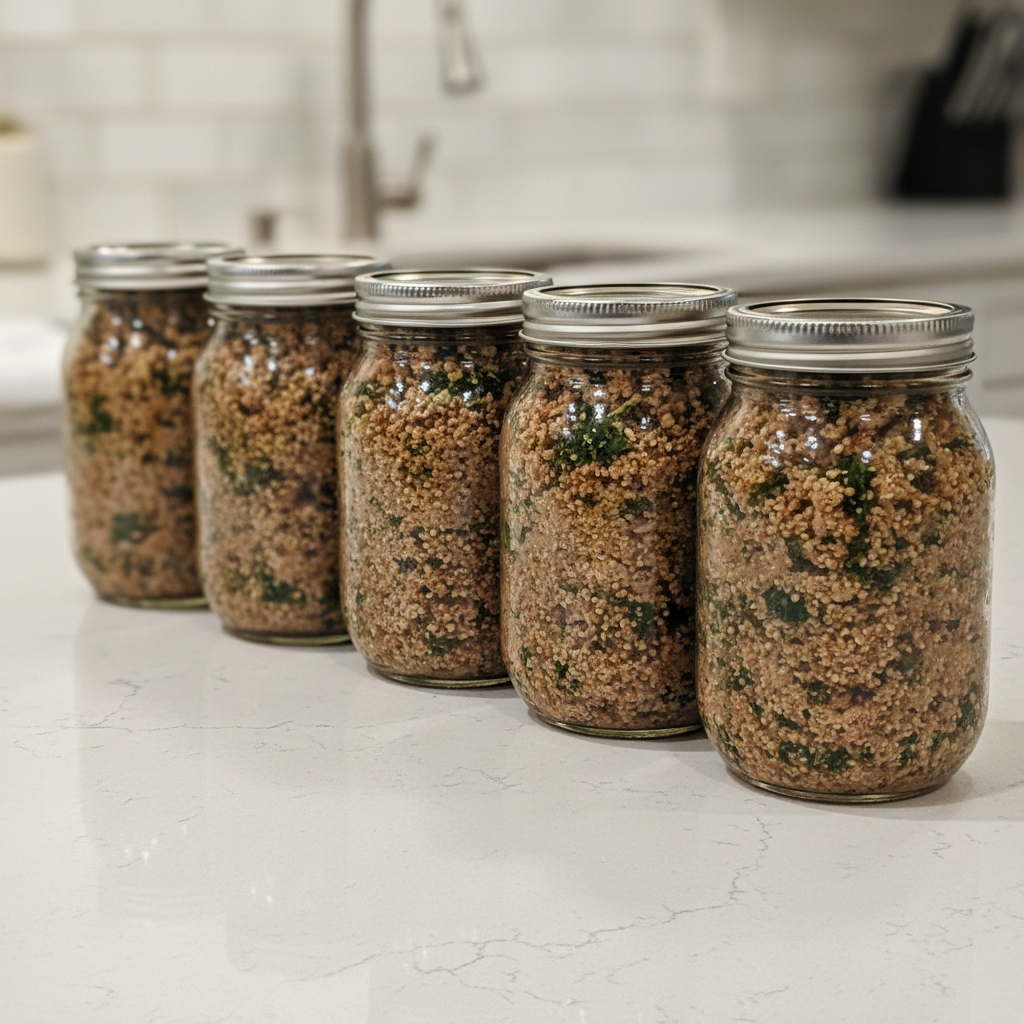
If your furry friend has a sensitive tummy or is prone to allergies, this recipe could be a fantastic option. Turkey is a lean protein that’s often easier to digest than chicken, and quinoa is a gluten-free, protein-packed seed that serves as a wonderful grain alternative.
Ingredients:
- 5 lbs ground turkey
- 1.5 cups quinoa, rinsed thoroughly
- 1 (29-ounce) can of pure pumpkin puree (not pie filling)
- 1 lb kale, stems removed and leaves chopped
- 4 quarts (16 cups) of water or unsalted turkey broth
Instructions:
- Prep Your Canner: Get your jars, lids, and rings ready—clean, sterile, and hot.
- Cook the Turkey: In a large stockpot, cook the ground turkey until it’s no longer pink. Drain off any excess fat.
- Combine Ingredients: To the cooked turkey, add the rinsed quinoa, pumpkin puree, chopped kale, and broth/water. Stir everything together well.
- Simmer: Bring the mixture to a boil, then reduce the heat and let it simmer for 20-25 minutes, until the quinoa has ‘popped’ and the kale is wilted. The mixture will be thick.
- Hot Pack Jars: Carefully ladle the hot mixture into your jars, leaving 1-inch of headspace. This recipe is dense, so be extra diligent about removing air bubbles.
- De-bubble and Seal: Use your de-bubbling tool thoroughly. Wipe the jar rims meticulously, as any food residue can prevent a good seal. Apply lids and rings until fingertip-tight.
- Process in Canner: Process in your pressure canner at 10 pounds of pressure (adjust for altitude). Process pints for 75 minutes and quarts for 90 minutes.
- Cool Down: Allow the canner to cool and depressurize on its own. Remove jars, let them cool for 12-24 hours, then check seals and store.
Pros & Cons
| Pros | Cons |
|---|---|
| Lean protein is great for weight management. | Quinoa can be more expensive than rice or barley. |
| Pumpkin is excellent for digestive health. | The texture is more of a thick mash than a chunky stew, which some dogs may not prefer. |
| Gluten-free and a good alternative to common poultry. |
Verdict
This is a top-notch choice for dogs with sensitive stomachs or known allergies to chicken or grains. The combination of lean turkey and digestive-friendly pumpkin makes it a gentle yet nutritious meal.
4. Fish & Sweet Potato Pie
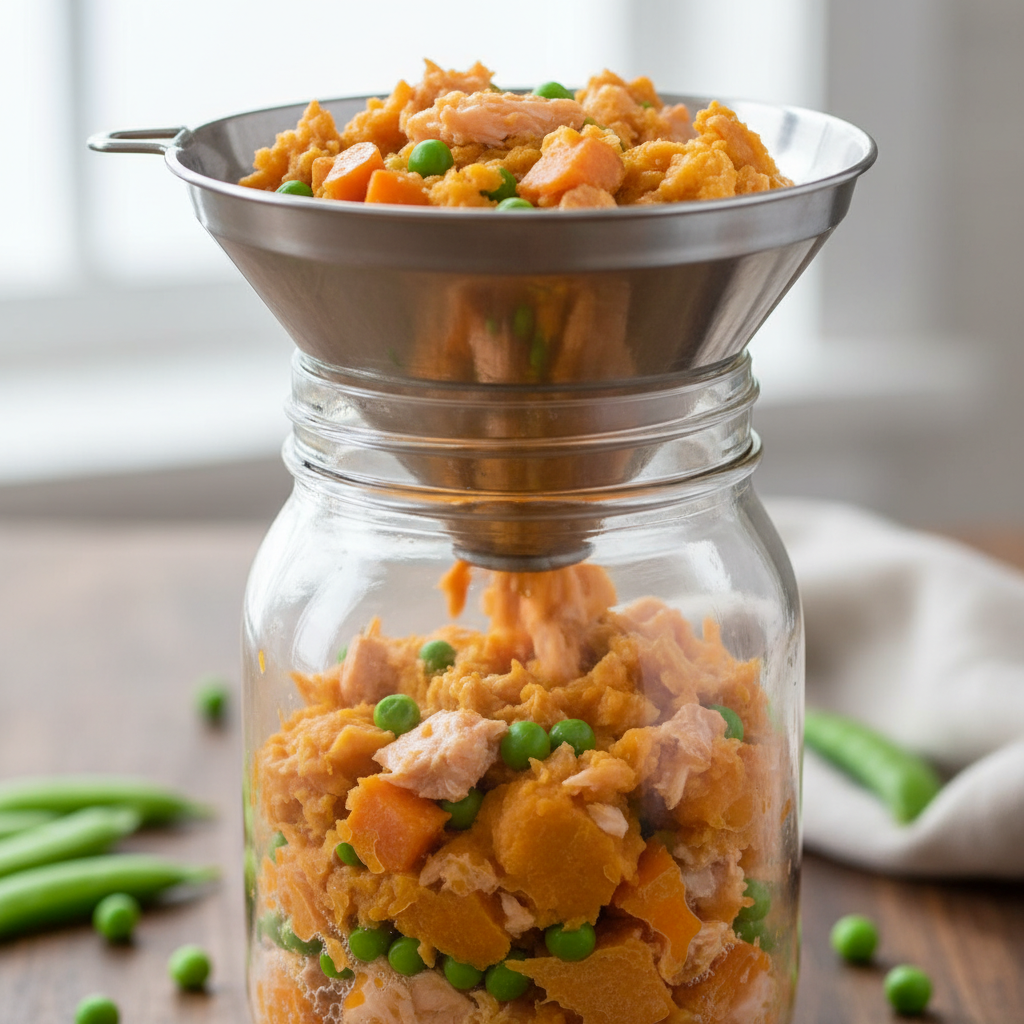
Want to give your dog’s coat that extra shine? This recipe is loaded with Omega-3 fatty acids from fish, which are fantastic for promoting healthy skin and a glossy coat. The sweet potato provides a grain-free source of carbohydrates and a touch of natural sweetness dogs love.
Ingredients:
- 5 lbs firm whitefish fillets (like cod, tilapia, or pollock), cut into chunks
- 3 lbs sweet potatoes, peeled and diced
- 1 lb frozen peas
- 2 tablespoons of high-quality fish oil or Nordic Naturals Omega-3 Pet
- 4 quarts (16 cups) of water
Instructions:
- Standard Prep: Begin with your station prepped and your jars, lids, and rings clean, sterile, and hot.
- Simmer Veggies: In a large stockpot, bring the water and diced sweet potatoes to a boil. Cook for about 10 minutes until they are slightly tender.
- Add Fish and Peas: Gently add the fish chunks and frozen peas to the pot. Reduce heat and simmer for another 5-7 minutes, just until the fish is opaque and cooked through. Be careful not to over-stir and break up the fish too much.
- Stir in Oil: Remove the pot from the heat and gently stir in the fish oil.
- Hot Pack Jars: Use a slotted spoon and a ladle to carefully pack the jars, getting a good mix of fish, sweet potato, peas, and broth in each. Leave 1-inch of headspace.
- De-bubble and Seal: Remove any trapped air, wipe the rims until they are squeaky clean, and apply the lids and rings to fingertip-tightness.
- Process in Canner: Process at 10 pounds of pressure (adjust for altitude). This is a critical step for fish safety. Process pints for 100 minutes and quarts for 100 minutes. Note the longer processing time for fish.
- Cool and Check: Let the canner depressurize naturally. Remove jars, cool for 12-24 hours, check for solid seals, and store.
Pros & Cons
| Pros | Cons |
|---|---|
| Rich in Omega-3s for skin and coat health. | Your kitchen will smell like fish during prep. |
| Grain-free and easy to digest. | Some dogs are not fans of the taste of fish. |
| Great for dogs with poultry or red meat sensitivities. | Requires a longer processing time in the canner. |
Verdict
This is the ultimate beauty food for your pup! It’s the perfect recipe for dogs with dry, itchy skin, a dull coat, or those who need a high-quality, grain-free meal that’s a little different from the norm.
5. Lamb & Lentil Stew
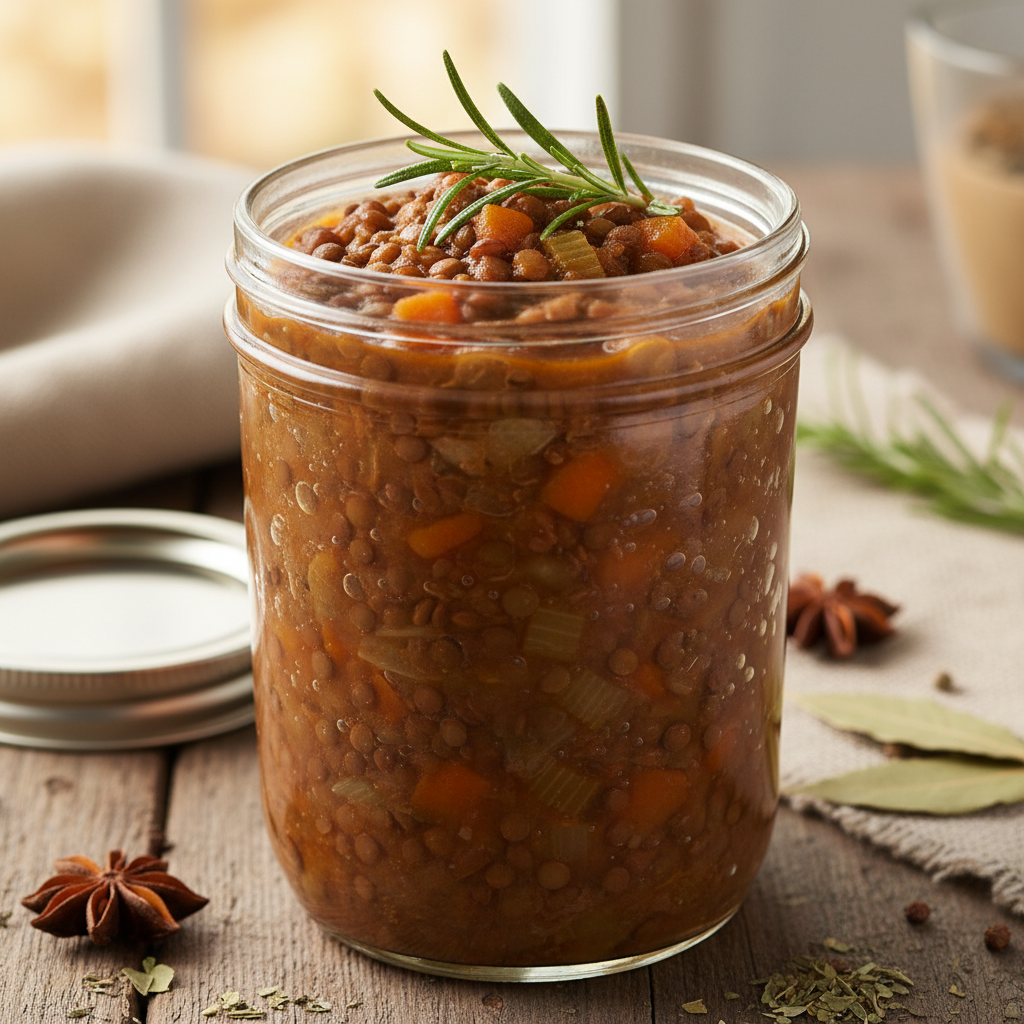
When you’re dealing with food allergies, finding a ‘novel protein’—one your dog has never eaten before—can be a lifesaver. Lamb is a fantastic option, and when paired with fiber-rich lentils, it creates a unique and hearty meal that’s great for sensitive systems.
Ingredients:
- 5 lbs ground lamb
- 2 cups red or green lentils, rinsed
- 2 lbs carrots, diced
- 1 lb celery, diced
- 1 teaspoon dried rosemary (optional)
- 4 quarts (16 cups) of water or unsalted beef broth
Instructions:
- Canning Prep: Clean, sterilize, and heat your jars, lids, and rings.
- Brown the Lamb: In a large stockpot, cook the ground lamb until browned. Lamb can be fatty, so be sure to drain off the excess fat very well.
- Combine and Simmer: Add the rinsed lentils, diced carrots, diced celery, rosemary (if using), and broth/water to the pot with the lamb. Bring to a boil, then reduce heat and simmer for about 30-40 minutes, until the lentils are tender.
- Hot Pack Jars: The stew will be thick. Ladle it into hot jars, leaving 1-inch of headspace.
- De-bubble and Seal: Work your de-bubbling tool around the inside of the jar to release any trapped air. Wipe the rims clean, then apply lids and rings until fingertip-tight.
- Process in Canner: Process in your pressure canner at 10 pounds of pressure (adjusted for altitude). Process pints for 75 minutes and quarts for 90 minutes.
- Cool Down: Let the canner depressurize naturally. Remove jars, let them cool completely, check the seals, and store.
Pros & Cons
| Pros | Cons |
|---|---|
| Excellent novel protein for allergy-prone dogs. | Lamb can be expensive and harder to find than other proteins. |
| Lentils are a great source of fiber and protein. | The high fiber content might be too much for some dogs initially; introduce it slowly. |
| Unique flavor profile that can entice picky eaters. |
Verdict
This recipe is a fantastic choice for an elimination diet or for any dog that has shown sensitivity to more common proteins like chicken and beef. It’s a nutrient-dense, satisfying meal that offers a delicious change of pace.
6. Pork & Apple Medley
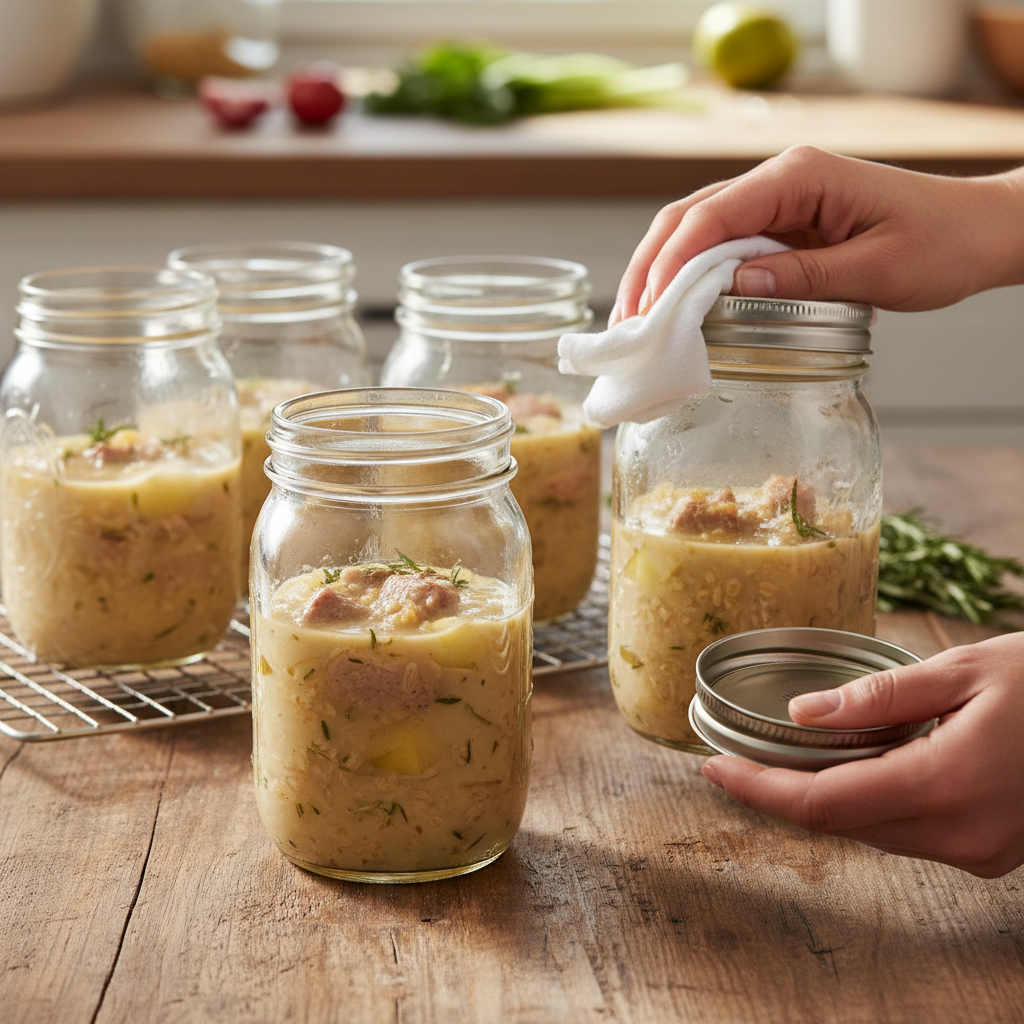
Who says dog food has to be boring? This recipe introduces a delightful sweet-and-savory combination that many dogs find irresistible. The apples provide a great source of vitamins and fiber, while lean pork offers a high-quality protein source that’s less common than chicken or beef.
Ingredients:
- 5 lbs pork loin or shoulder, trimmed of excess fat and cut into 1-inch cubes
- 4 large apples (like Gala or Fuji), cored and diced (no seeds!)
- 1.5 cups brown rice
- 1 lb celery, diced
- 4 quarts (16 cups) of water or unsalted chicken broth
Instructions:
- Get Ready: Prepare your canning station with clean, hot jars, lids, and rings.
- Brown the Pork: In a large stockpot, brown the pork cubes in batches. Drain off any rendered fat.
- Cook the Rice: While the pork is browning, cook the brown rice according to package directions until it’s about halfway done. It will finish cooking in the canner.
- Combine and Simmer: Return the pork to the pot. Add the diced apples, celery, partially cooked rice, and broth/water. Bring the mixture to a simmer and cook for 15 minutes to let the flavors meld.
- Hot Pack Jars: Pack the hot medley into your jars, leaving 1-inch of headspace. Make sure each jar gets a good distribution of pork, apple, rice, and broth.
- De-bubble and Seal: Remove air bubbles, wipe the rims thoroughly, and place the lids and rings on until fingertip-tight.
- Process in Canner: Place jars in the pressure canner and process at 10 pounds of pressure (adjust for altitude). Process pints for 75 minutes and quarts for 90 minutes.
- Cool and Store: After a natural depressurization, remove the jars and let them cool for 12-24 hours before checking the seals and storing away.
Pros & Cons
| Pros | Cons |
|---|---|
| Highly palatable sweet and savory flavor. | Pork must be very lean to avoid excess fat, which can interfere with sealing. |
| Apples provide vitamins A and C, plus fiber. | Apple seeds are toxic to dogs, so they must be removed carefully. |
| A good rotational protein to add variety. |
Verdict
This is the perfect recipe for the discerning canine palate! If you have a picky eater who turns their nose up at bland food, the touch of sweetness from the apples in this hearty stew might just win them over.
7. Venison & Root Vegetable Mash

For the dog with significant food sensitivities, this premium, grain-free recipe is the ultimate problem-solver. Venison is an excellent novel protein that is very lean and rarely causes allergic reactions. Paired with nutrient-dense root vegetables, it’s a clean, simple, and highly digestible meal.
Ingredients:
- 5 lbs ground venison
- 2 lbs butternut squash, peeled, seeded, and diced
- 1 lb carrots, peeled and diced
- 1 lb parsnips, peeled and diced
- 4 quarts (16 cups) of water or unsalted beef broth
Instructions:
- Final Prep: Get your canning setup ready to go with clean, sterile, and hot jars, lids, and rings.
- Cook Venison: In a large stockpot, brown the ground venison. Venison is very lean, so you may not have any fat to drain.
- Simmer Vegetables: Add the diced butternut squash, carrots, parsnips, and broth/water to the pot. Bring to a boil, then reduce heat and simmer for 20-25 minutes, or until all the vegetables are very tender.
- Mash It Up: You can leave the stew chunky or use a potato masher to gently mash some of the vegetables and meat together to create a thicker consistency.
- Hot Pack Jars: Pack the hot mash into your prepared jars, leaving 1-inch of headspace.
- De-bubble and Seal: Be thorough with de-bubbling this thicker mixture. Wipe the rims until perfectly clean and apply the lids and rings until fingertip-tight.
- Process in Canner: Process in your pressure canner at 10 pounds of pressure (adjust for your altitude). Process pints for 75 minutes and quarts for 90 minutes.
- Cool Down and Store: Let the canner depressurize naturally. Remove the jars, allow them to cool for 12-24 hours, check the seals, and store in a cool, dark place.
Pros & Cons
| Pros | Cons |
|---|---|
| Excellent hypoallergenic, novel protein. | Venison can be very expensive and difficult to source. |
| Grain-free and packed with vitamins from root vegetables. | The flavor is unique and may not appeal to all dogs. |
| Very lean, making it great for dogs on a low-fat diet. |
Verdict
This is the top-tier recipe for dogs with severe food allergies or for owners who want to provide a truly premium, wild-game-based diet. It’s clean, simple, and incredibly gentle on the digestive system.
Your Guide to Safe & Successful Canning for Dogs

Jumping into pressure canning is exciting, but safety is paramount, especially when you’re preparing food for your beloved pet. Here’s a quick guide to help you get started on the right paw.
Essential Equipment
- Pressure Canner: This is non-negotiable. For low-acid foods like meat and vegetables, a boiling water bath canner does NOT get hot enough to kill harmful bacteria like botulism spores. You MUST use a pressure canner.
- Canning Jars: Use Mason-type jars (like Ball or Kerr) designed for canning. Inspect them for nicks or cracks before each use.
- New Lids: Always use brand new lids for each batch. The sealing compound is designed for one-time use. Rings can be reused.
- Canning Tools: A jar lifter, canning funnel, and a de-bubbling tool will make your life infinitely easier and safer.
Ingredient Safety: What to AVOID
Just because an ingredient is safe for you doesn’t mean it’s safe for your dog. When canning for your pup, absolutely AVOID:
- Onions, garlic, chives, and leeks
- Grapes and raisins
- Chocolate and xylitol (an artificial sweetener)
- Macadamia nuts
- Excessive salt, sugar, and seasonings
- High-fat ingredients that can interfere with sealing and cause digestive upset.
Balancing Nutrition
While these recipes are a great start, they may not provide 100% of the vitamins and minerals your specific dog needs for long-term health. Commercial dog foods are fortified to meet AAFCO standards. To ensure your homemade food is complete and balanced, it is highly recommended to consult your vet and add a supplement mix designed for homemade dog food, such as Balance IT or Just Food For Dogs’ DIY Nutrient Blends.
Proper Storage
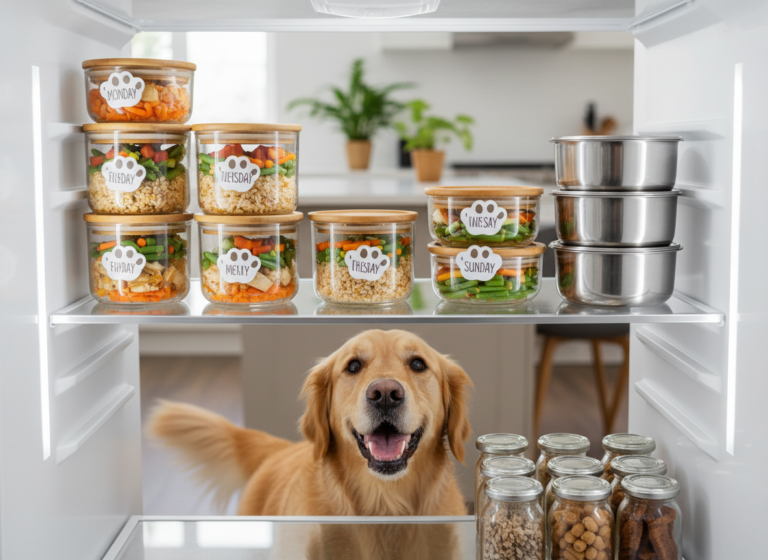
Once your jars have cooled and you’ve confirmed they’ve sealed (the lid will be concave and won’t flex when pressed), remove the rings, wipe the jars, label them with the recipe and date, and store them in a cool, dark, and dry place. A pantry or basement shelf is perfect. Properly canned food can last for several years, but for best quality, aim to use it within one to two years.
Frequently Asked Questions

Is pressure canning dog food actually safe?
Absolutely, as long as it’s done correctly. The key is using a pressure canner (not a water bath canner) and following tested processing times for low-acid foods like meats and vegetables. This process heats the food to a temperature high enough (240-250°F or 115-121°C) to destroy Clostridium botulinum spores, which can cause fatal botulism. Always follow instructions precisely.
How long does home-canned dog food last?
When processed and stored correctly in a cool, dark place, home-canned dog food is shelf-stable for a very long time. For the best nutritional quality and flavor, it’s recommended to use it within 1-2 years. Always inspect the jar before opening—check for a tight seal, and look for any signs of spoilage like a strange odor, mold, or bubbling.
Do I really need to add supplements?
For long-term feeding, yes, it’s the responsible thing to do. While whole foods provide many nutrients, it’s very difficult to create a perfectly balanced diet that meets all of a dog’s specific vitamin and mineral requirements without some form of supplementation. Think of these recipes as a healthy, whole-food base. A vet-recommended supplement mix ensures you’re not missing any crucial micronutrients, like calcium or zinc, which are vital for your dog’s health.
Can I use a water bath canner if I’m just making a small batch?
No, never. The type of canner is determined by the acidity of the food, not the batch size. All of these recipes contain meat and vegetables, which are low-acid foods. Only a pressure canner can reach the temperatures required to make them safe for shelf storage. Using a water bath canner for these recipes creates a serious risk of botulism.
Conclusion
There you have it—seven fantastic recipes to start your journey into pressure canning for your dog! Taking the time to prepare these meals is truly a labor of love. You’re not just stocking your pantry; you’re providing your best friend with wholesome, delicious food made with ingredients you can trust. It offers peace of mind, convenience, and a wonderful way to deepen the bond you share with your pet.
Remember to start slow, always prioritize safety by following the instructions carefully, and consult with your vet to ensure your dog’s nutritional needs are fully met. Happy canning, and may your pup’s bowl always be filled with health and happiness!