
7 Simple Baked Haddock Dog Food Recipes Rich in Omega-3s
Hey there, fellow pet parent! Are you always on the lookout for ways to spoil your furry best friend while also boosting their health? You’re not alone! Many of us are turning to our own kitchens to whip up meals that are not only delicious but also packed with nutrients. One superstar ingredient that might not be on your radar yet is haddock.
This mild, flaky white fish is a fantastic source of lean protein and, more importantly, Omega-3 fatty acids. These essential fats are powerhouses for your pup’s health, supporting everything from a shiny coat and healthy skin to joint mobility and cognitive function. Plus, making it at home means you know exactly what’s going into their bowl—no weird fillers or mysterious ingredients!
We’ve rounded up seven simple, vet-approved (as a supplemental meal, of course!) baked haddock recipes that are easy to make and guaranteed to get tails wagging. Ready to become your dog’s personal chef? Let’s get cooking!
Quick Comparison of Our Tail-Wagging Recipes
| Recipe Name | Total Time | Key Ingredients | Best For |
|---|---|---|---|
| Classic Haddock & Sweet Potato Bake | 35 Minutes | Haddock, Sweet Potato, Peas | Overall Skin & Coat Health |
| Haddock & Quinoa Power Bowl | 40 Minutes | Haddock, Quinoa, Carrots | Active Dogs Needing Energy |
| Green Goodness Haddock Loaf | 45 Minutes | Haddock, Spinach, Zucchini, Oats | Pups Needing Extra Veggies |
| Coconut-Turmeric Anti-Inflammatory Fillet | 30 Minutes | Haddock, Coconut Oil, Turmeric | Seniors & Dogs with Joint Pain |
| Apple & Haddock Crunch Cakes | 40 Minutes | Haddock, Apple, Brown Rice Flour | A Healthy, Crunchy Treat |
| Pumpkin & Haddock Digestive Soother | 35 Minutes | Haddock, Pumpkin Purée, Ginger | Dogs with Sensitive Stomachs |
| Haddock & Blueberry Antioxidant Boost | 30 Minutes | Haddock, Blueberries, Rosemary | Boosting a Dog’s Immune System |
1. Classic Haddock & Sweet Potato Bake
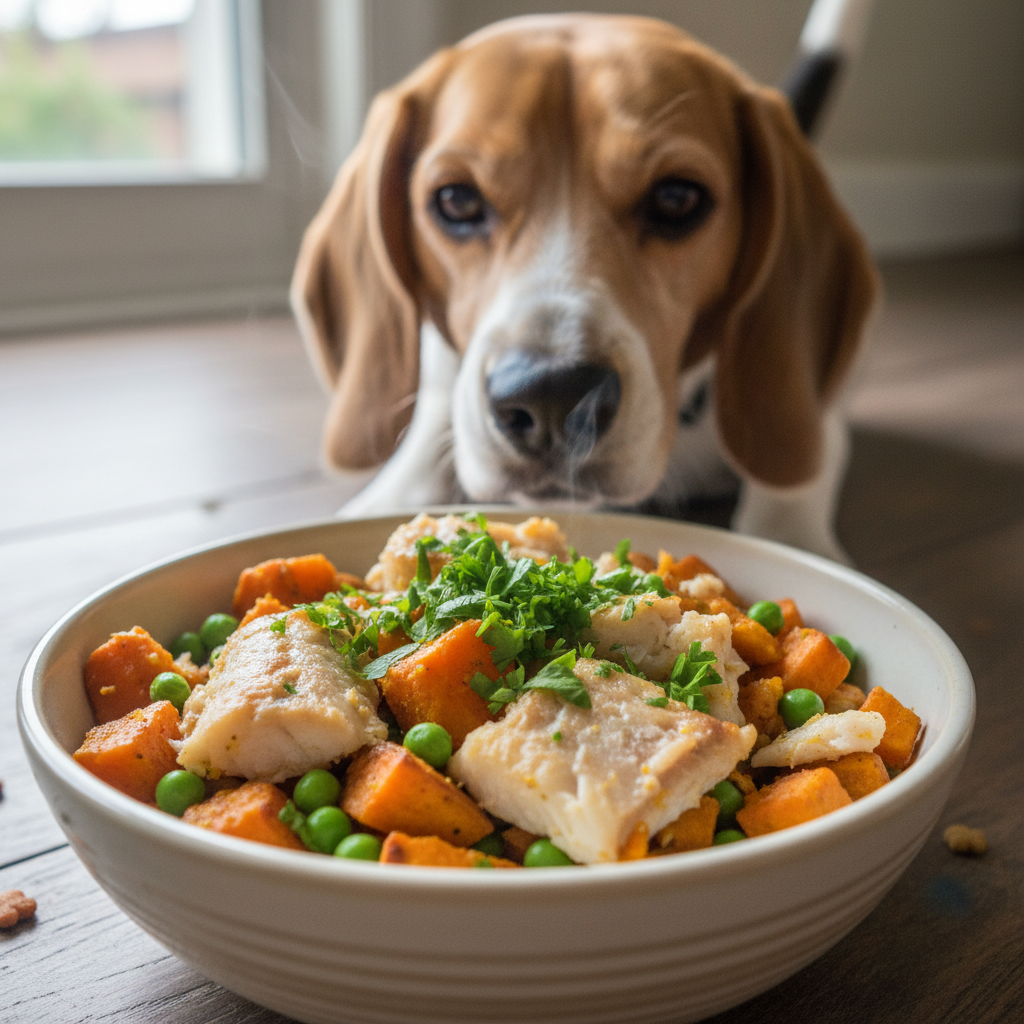
This recipe is a timeless classic for a reason. It combines the lean protein of haddock with the fiber-rich, vitamin-packed goodness of sweet potatoes and peas. It’s a well-rounded meal that’s both satisfying and incredibly beneficial for your dog’s skin and coat.
Ingredients:
- 1 lb haddock fillets, skinless and deboned
- 1 large sweet potato, peeled and diced
- 1 cup frozen peas
- 1 tablespoon olive oil
- A sprinkle of dried parsley (for fresh breath!)
Instructions:
- Preheat your oven to 375°F (190°C).
- Toss the diced sweet potato with olive oil and spread it on a baking sheet. Roast for 15-20 minutes, or until tender.
- While the sweet potato is roasting, pat the haddock fillets dry.
- Once the sweet potato is tender, push it to one side of the baking sheet. Add the haddock fillets to the other side and sprinkle the frozen peas around the fish.
- Return the sheet to the oven and bake for another 10-12 minutes, or until the haddock is opaque and flakes easily with a fork.
- Let everything cool completely. Flake the fish, mash the sweet potatoes slightly, and mix it all together with the peas. Sprinkle with parsley before serving.
Pros & Cons
| Pros | Cons |
|---|---|
| ✅ Excellent source of Vitamin A and fiber | ❌ Sweet potatoes are high in carbs; mind the portion size |
| ✅ Simple, easy-to-find ingredients | ❌ Can be a bit mushy if overcooked |
| ✅ Great for skin and coat health | ❌ Not a complete meal on its own |
Verdict:
This is the perfect introductory recipe for pet parents new to home cooking. It’s simple, nutritious, and a real crowd-pleaser for dogs who enjoy a softer-textured meal. It’s especially great for pups suffering from dry, itchy skin.
2. Haddock & Quinoa Power Bowl

For the active pup in your life, this Haddock & Quinoa Power Bowl provides a fantastic blend of lean protein and complex carbohydrates for sustained energy. Quinoa is a complete protein, meaning it contains all nine essential amino acids, making it a superfood for your canine companion.
Ingredients:
- 1 lb haddock fillets, skinless and deboned
- 1/2 cup uncooked quinoa, rinsed thoroughly
- 1 cup water or low-sodium chicken broth
- 2 carrots, finely grated
- 1 tablespoon flaxseed oil
Instructions:
- Preheat your oven to 375°F (190°C).
- In a small saucepan, bring the water or broth to a boil. Add the rinsed quinoa, reduce heat, cover, and simmer for 15 minutes or until the liquid is absorbed.
- Place the haddock fillets on a baking sheet lined with parchment paper. Bake for 10-12 minutes until flaky.
- Once the quinoa and haddock are cooked and have cooled down, flake the fish into a large bowl.
- Add the cooked quinoa, grated carrots, and flaxseed oil to the bowl. Mix everything together until well combined.
Pros & Cons
| Pros | Cons |
|---|---|
| ✅ Provides long-lasting energy | ❌ Quinoa needs to be rinsed well to remove saponins |
| ✅ Packed with amino acids and fiber | ❌ Some dogs may have trouble digesting grains |
| ✅ Flaxseed oil adds extra Omega-3s | ❌ The texture can be a bit grainy for picky eaters |
Verdict:
This recipe is tailor-made for active dogs, agility stars, and hiking buddies who need that extra fuel. It’s a fantastic, protein-rich meal to serve after a long day of play to help muscles recover and energy stores replenish.
3. Green Goodness Haddock Loaf
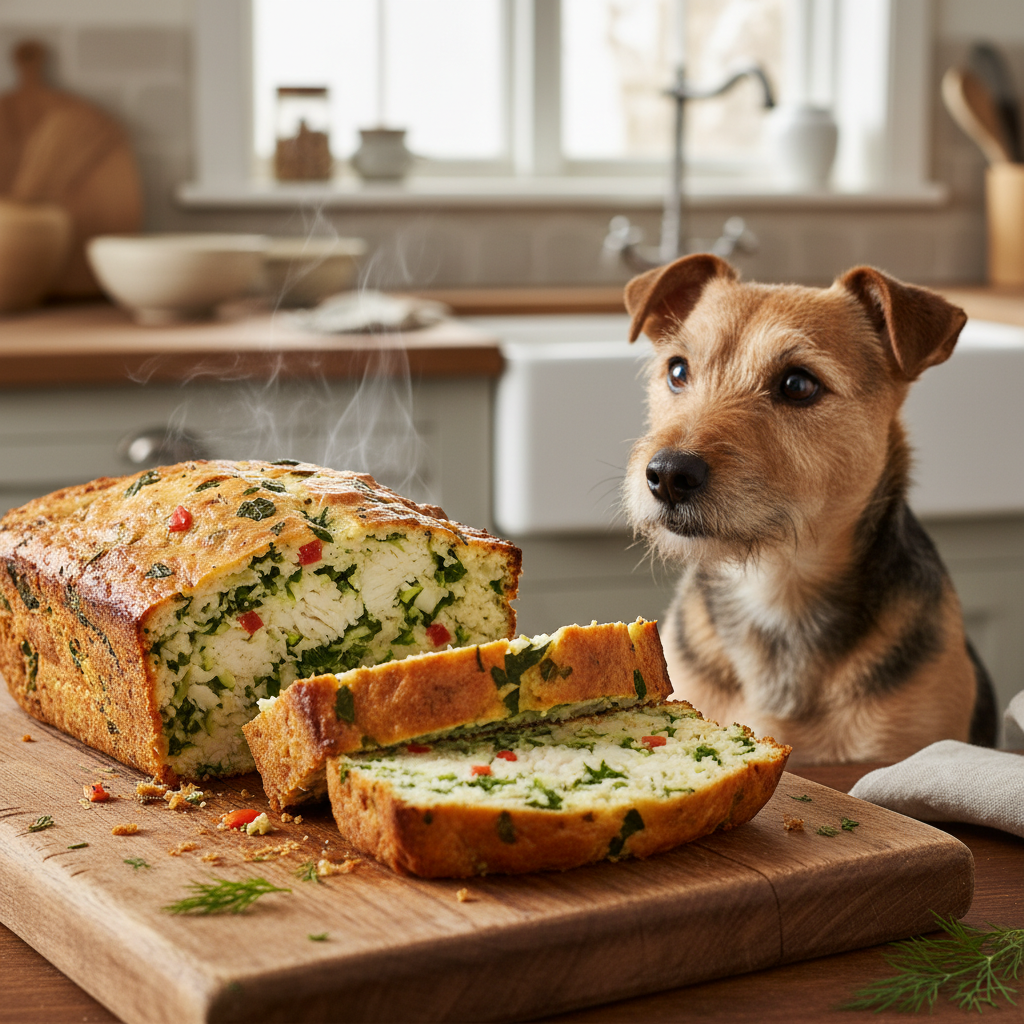
Sneaking veggies into your dog’s diet has never been easier! This ‘meatloaf’ style dish is loaded with nutrient-dense greens like spinach and zucchini, bound together with oats and lean haddock. It’s easy to slice and serve, and even easier to store for future meals.
Ingredients:
- 1 lb haddock fillets, finely chopped or pulsed in a food processor
- 1 cup fresh spinach, packed
- 1 small zucchini, grated
- 1/2 cup rolled oats
- 1 egg, beaten
Instructions:
- Preheat your oven to 350°F (175°C). Lightly grease a small loaf pan.
- In a large bowl, combine the finely chopped haddock, spinach, grated zucchini, rolled oats, and the beaten egg. Mix until everything is evenly incorporated.
- Press the mixture firmly into the prepared loaf pan.
- Bake for 25-30 minutes, or until the loaf is firm and cooked through.
- Let the loaf cool completely in the pan before slicing and serving. You can store slices in the fridge for up to 3 days.
Pros & Cons
| Pros | Cons |
|---|---|
| ✅ Excellent way to hide healthy greens | ❌ Requires a bit more prep work (chopping/grating) |
| ✅ Easy to portion and store | ❌ The texture might not appeal to all dogs |
| ✅ Oats provide soluble fiber for digestion | ❌ Can be dry if overbaked |
Verdict:
This is a fantastic option for picky eaters who might otherwise turn their noses up at vegetables. The loaf format is also perfect for pet parents who like to meal prep for the week ahead. It’s a nutritionally dense meal that supports digestive health.
4. Coconut-Turmeric Anti-Inflammatory Fillet
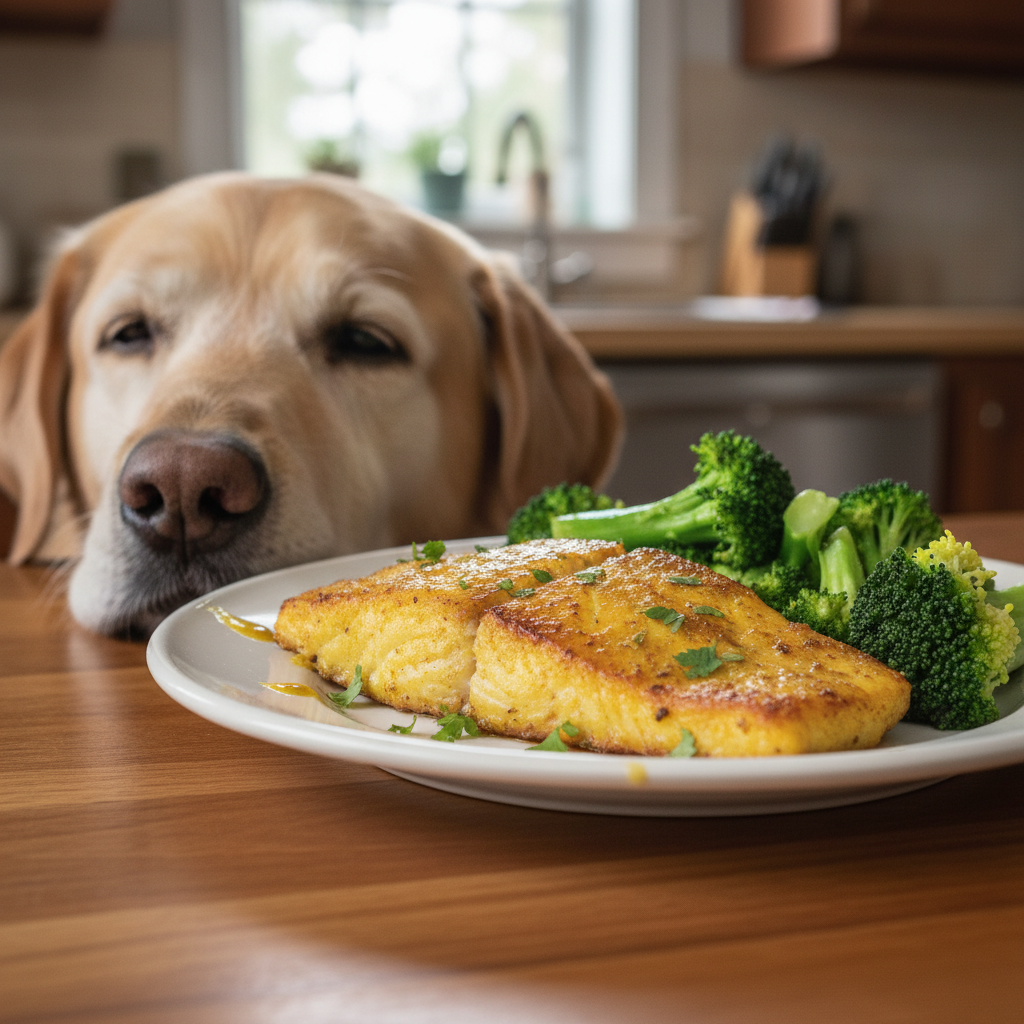
This recipe is a boon for senior dogs or pups dealing with joint stiffness. Turmeric is a natural anti-inflammatory, and when paired with black pepper, its absorption is significantly increased. Coconut oil provides healthy fats that support brain health, making this a powerful meal for your golden-oldie.
Ingredients:
- 1 lb haddock fillets, skinless and deboned
- 1 tablespoon melted coconut oil
- 1 teaspoon turmeric powder
- A tiny pinch of ground black pepper (important for turmeric absorption!)
- Optional: 1/4 cup of steamed broccoli florets for serving
Instructions:
- Preheat your oven to 400°F (200°C).
- In a small bowl, mix the melted coconut oil, turmeric, and black pepper to create a paste.
- Pat the haddock fillets dry and place them on a parchment-lined baking sheet.
- Brush the turmeric paste evenly over the top of the fillets.
- Bake for 8-10 minutes, until the fish is cooked through and flaky.
- Let it cool completely before flaking and serving, perhaps alongside some steamed broccoli for extra nutrients.
Pros & Cons
| Pros | Cons |
|---|---|
| ✅ Natural anti-inflammatory properties | ❌ Turmeric can stain bowls and surfaces |
| ✅ Great for joint health and mobility | ❌ The flavor of turmeric may not be for every dog |
| ✅ Very simple and quick to prepare | ❌ Best served fresh rather than made in a large batch |
Verdict:
This is our top pick for senior dogs, large breeds prone to hip issues, or any dog that could use a little anti-inflammatory support. It’s a simple, potent recipe that targets joint health and overall wellness, showing your older dog some extra love.
5. Apple & Haddock Crunch Cakes
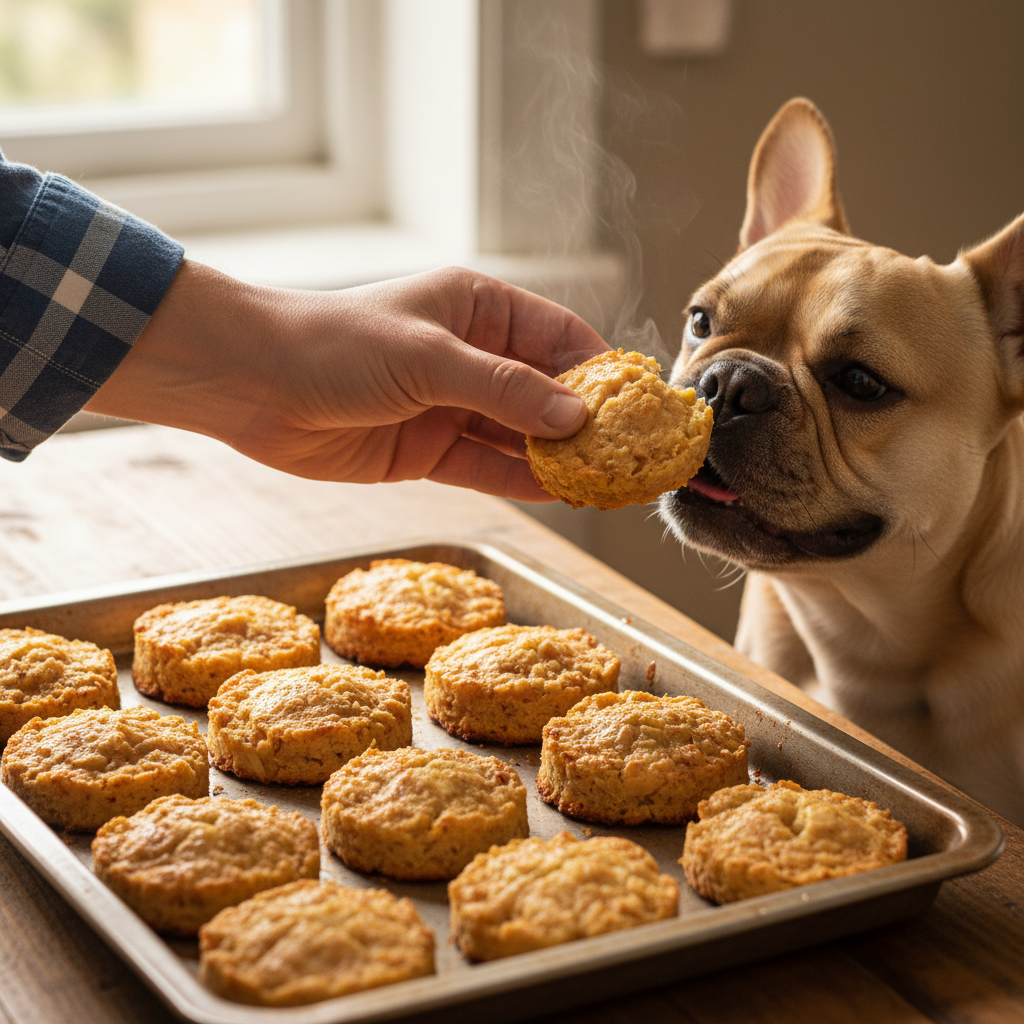
Who says healthy can’t be fun? These little ‘cakes’ or patties offer a delightful textural contrast with the sweetness of apple and the savory flavor of haddock. They’re great as a special meal or can be made smaller for high-value training treats.
Ingredients:
- 1 lb haddock fillets, cooked and flaked
- 1/2 apple, cored and finely diced (no seeds!)
- 1 egg, beaten
- 1/2 cup brown rice flour (or oat flour)
- 1 tablespoon chopped fresh parsley
Instructions:
- Preheat your oven to 375°F (190°C). Line a baking sheet with parchment paper.
- In a medium bowl, combine the flaked haddock, diced apple, beaten egg, and parsley.
- Gradually add the brown rice flour, mixing until you have a consistency that you can form into patties. You may not need all the flour.
- Form the mixture into small, palm-sized patties and place them on the baking sheet.
- Bake for 15-20 minutes, flipping halfway through, until the cakes are golden and firm to the touch.
- Allow to cool completely before serving.
Pros & Cons
| Pros | Cons |
|---|---|
| ✅ Unique and appealing texture | ❌ More labor-intensive than a simple bake |
| ✅ Apples provide vitamins and fiber | ❌ Be absolutely sure to remove all apple seeds |
| ✅ Can be used as a meal or a treat | ❌ Can become crumbly if not enough binder is used |
Verdict:
This recipe is for the dog with a more refined palate who appreciates a bit of crunch! It’s a creative and fun way to serve fish, and the added apple provides a nice boost of fiber and vitamins. Perfect for celebrating a birthday or ‘gotcha’ day in style.
6. Pumpkin & Haddock Digestive Soother
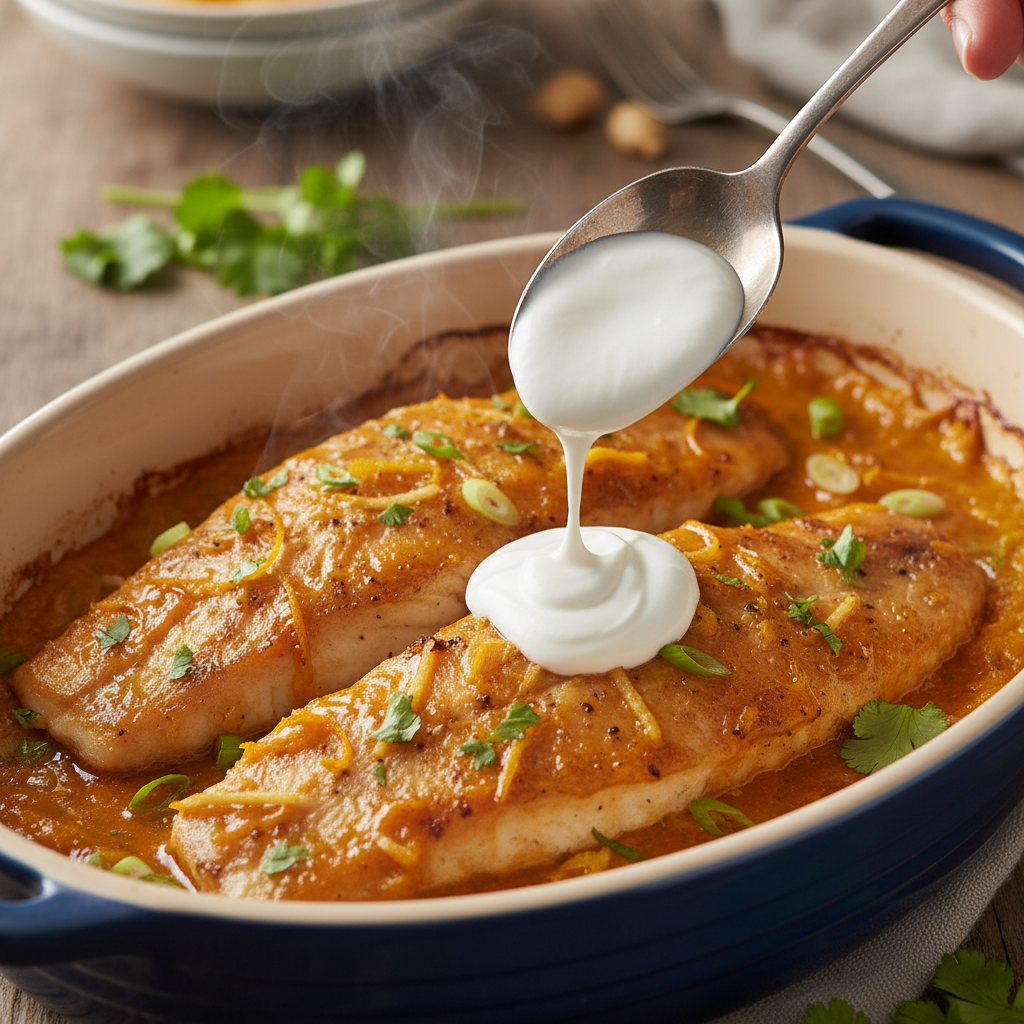
If your pup has a sensitive tummy, this recipe is a gentle, soothing option. Pumpkin is a well-known digestive aid for dogs, rich in soluble fiber that can help with both constipation and diarrhea. Combined with the anti-nausea properties of ginger and easily digestible haddock, it’s a comforting meal for a queasy pooch.
Ingredients:
- 1 lb haddock fillets, skinless and deboned
- 1/2 cup 100% pure pumpkin purée (not pie filling!)
- 1/4 teaspoon ground ginger
- Optional: 1 tablespoon plain, unsweetened yogurt for serving
Instructions:
- Preheat your oven to 375°F (190°C).
- Place the haddock fillets in a small baking dish.
- In a separate bowl, mix the pumpkin purée and ground ginger.
- Spread the pumpkin mixture evenly over the haddock fillets, coating them completely.
- Bake for 12-15 minutes, or until the fish is opaque and flakes easily.
- Let it cool completely. You can serve it as is or flake the fish and mix it all together. A dollop of plain yogurt on top can add beneficial probiotics.
Pros & Cons
| Pros | Cons |
|---|---|
| ✅ Excellent for digestive health | ❌ Pumpkin can have a laxative effect in large quantities |
| ✅ Very easy for sensitive stomachs to handle | ❌ The texture is very soft, which not all dogs like |
| ✅ Ginger can help soothe nausea | ❌ Make sure to use pure pumpkin, not pie filling |
Verdict:
This is the go-to recipe for days when your dog’s digestion seems a little off. It’s bland enough to be gentle but flavorful enough to be enticing. It serves as a delicious, comforting meal that actively supports a healthy gut.
7. Haddock & Blueberry Antioxidant Boost

Give your dog’s immune system a helping hand with this antioxidant-packed recipe. Blueberries are loaded with vitamins C and K, antioxidants, and fiber. Paired with haddock and a hint of rosemary (which has its own antimicrobial properties), this meal is a true wellness booster.
Ingredients:
- 1 lb haddock fillets, skinless and deboned
- 1/2 cup fresh or frozen blueberries
- 1/2 teaspoon dried rosemary
- 1 tablespoon olive oil
Instructions:
- Preheat your oven to 375°F (190°C).
- Place the haddock fillets on a baking sheet lined with parchment paper. Drizzle with olive oil and sprinkle with rosemary.
- Scatter the blueberries around the fillets on the baking sheet.
- Bake for 10-12 minutes. The blueberries will burst slightly and create a natural, juicy sauce.
- Let everything cool. Flake the fish and gently mix with the roasted blueberries and their juices before serving.
Pros & Cons
| Pros | Cons |
|---|---|
| ✅ Rich in antioxidants for immune support | ❌ Cooked blueberries can be messy |
| ✅ Provides a unique sweet and savory flavor | ❌ Some dogs may not like the taste of fruit with fish |
| ✅ Simple preparation with powerful benefits | ❌ Best made with fresh, high-quality blueberries |
Verdict:
This is an excellent choice for any dog, but especially for those needing an immune system boost or a little extra help fighting free radicals. The surprising combination of savory fish and sweet berries is a unique treat that packs a powerful nutritional punch.
A Pet Parent’s Guide to Cooking Haddock for Your Canine
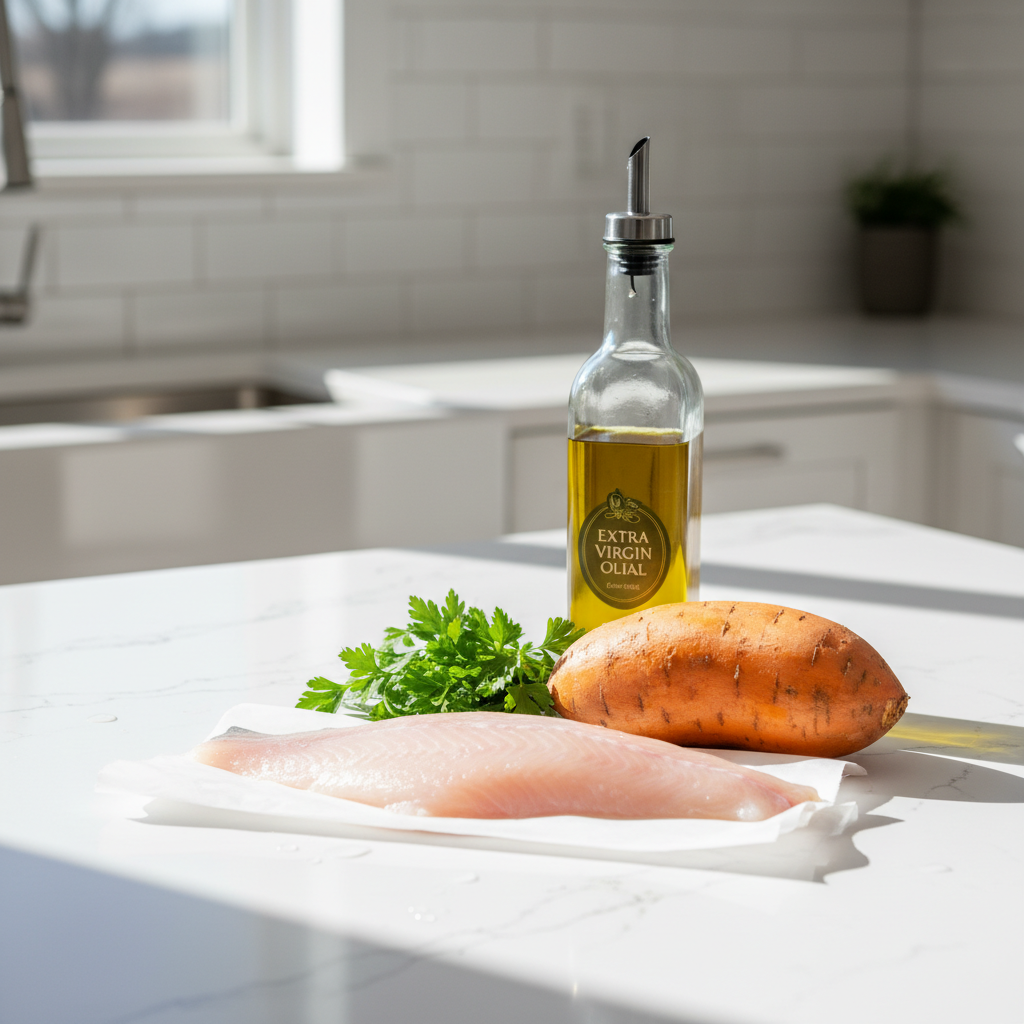
Jumping into home cooking for your dog is exciting, but it’s important to do it safely. Here are a few key things to keep in mind when preparing these haddock recipes.
Choosing the Right Fish
Fresh is great, but high-quality frozen haddock is just as good! Look for wild-caught options when possible, as they tend to have a slightly better fatty acid profile. Always make sure the fish is skinless and thoroughly deboned. Those tiny bones can be a serious choking hazard.
The Importance of a Balanced Diet
While these recipes are healthy and nutritious, they are not formulated to be a complete and balanced diet on their own. Think of them as a special meal, a topper for their regular kibble, or a supplemental part of a diet plan you’ve created with your veterinarian or a canine nutritionist. A long-term homemade diet requires careful balancing of vitamins and minerals, so always consult a professional before making a full switch.
Dog-Safe Ingredients are a Must
All the ingredients in our recipes are dog-safe, but it’s crucial to remember what to AVOID. Never add onions, garlic, chives, salt, or artificial sweeteners (especially xylitol) to your dog’s food, as they can be toxic. Stick to simple, whole-food ingredients.
Portion Control and Storage
Portion sizes depend on your dog’s age, weight, and activity level. A good rule of thumb is to start small. A spoonful mixed with their regular food is a great way to introduce a new recipe. For storage, these baked haddock meals will keep in an airtight container in the refrigerator for up to 3 days. You can also freeze individual portions for easy future meals!
Frequently Asked Questions

Can I use other types of fish instead of haddock?
Absolutely! Other great options include cod, pollock, flounder, and salmon. Salmon is particularly high in Omega-3s, but it’s also higher in fat, so you may need to adjust portion sizes. Always ensure the fish is cooked thoroughly and deboned.
How often can I feed my dog these homemade meals?
This depends on your dog’s overall diet. As a special treat or a topper, a few times a week is generally fine. If you want to incorporate it more regularly, it’s essential to talk to your vet to ensure your dog is still getting all the necessary nutrients from their complete diet.
My dog is a picky eater. Any tips to get them to try it?
Start by offering a very small amount on its own or mixed with a food they already love. Gently warming the food can also enhance its aroma and make it more appealing. Sometimes, the novelty of a different texture, like the ‘Crunch Cakes’ recipe, can entice a picky pup.
Is it safe to feed my dog raw haddock?
No, you should never feed your dog raw fish. Raw fish can contain harmful bacteria like Salmonella and Listeria, as well as parasites that can make your dog very sick. Always cook fish thoroughly to an internal temperature of 145°F (63°C) to kill any potential pathogens.
Conclusion
There you have it—seven simple and delicious ways to introduce the goodness of baked haddock into your dog’s life! Cooking for your canine companion is more than just feeding them; it’s an act of love. It allows you to provide them with high-quality, wholesome ingredients that can make a real difference in their health, from a glossier coat to more mobile joints.
Remember, the best meal plan is one made with care, attention, and a little guidance from your veterinarian. Have fun in the kitchen, enjoy the bonding experience, and get ready for some very happy, very grateful slurps from your four-legged food critic. Happy cooking!