7 Copycat Cesar Dog Food Recipes Better Than Store Bought
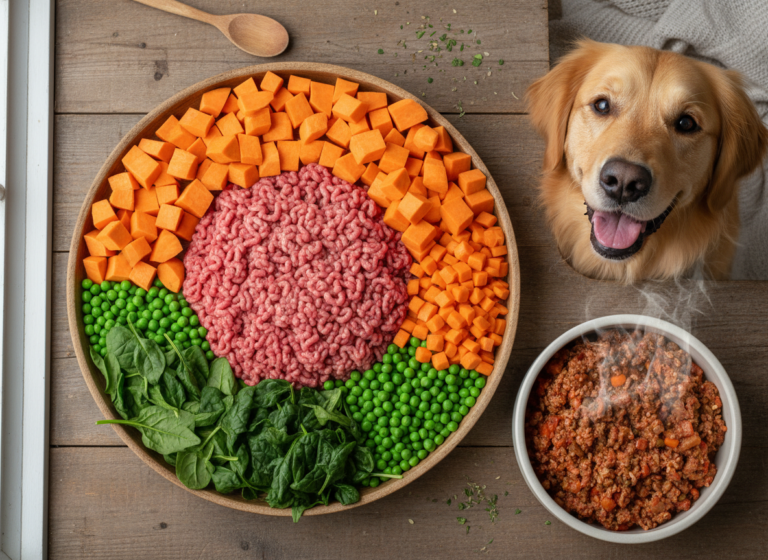
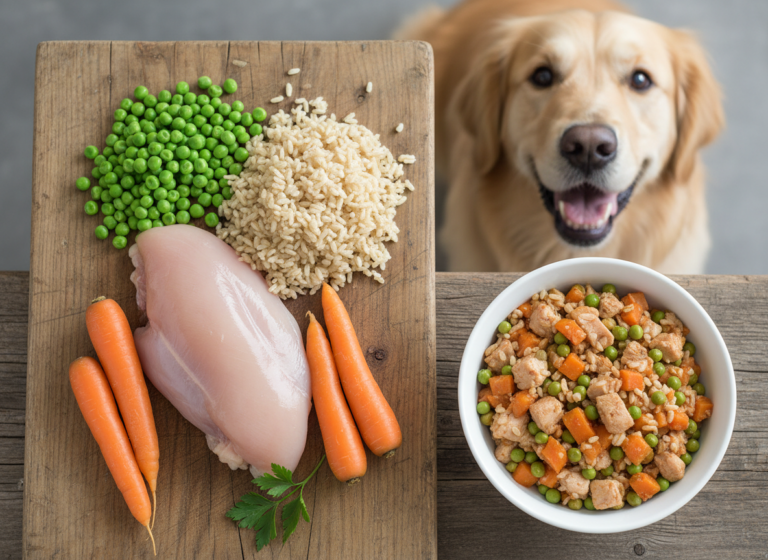
If you have a picky little eater, you’re probably familiar with Cesar dog food. Those convenient little trays with savory toppings can tempt even the most discerning canine palate. But the cost can add up, and maybe you’ve glanced at the ingredient list and wondered if you could do better. Well, you absolutely can!
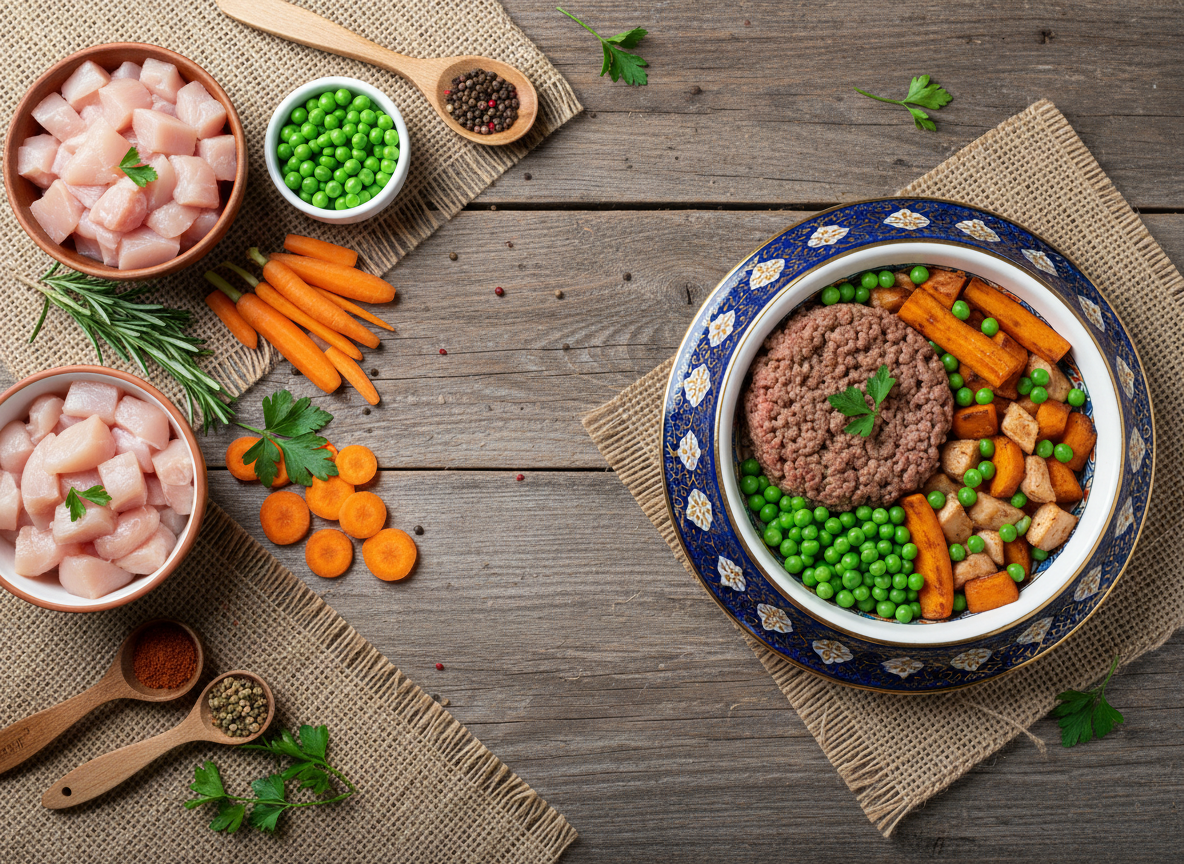
Making your own dog food inspired by Cesar’s classic flavors gives you complete control over what goes into your pup’s bowl. You can ensure every ingredient is fresh, wholesome, and tailored to your dog’s specific needs. Plus, it’s often more affordable in the long run! These recipes are designed to mimic the texture and taste that dogs love, but with the added benefits of homemade goodness.
Ready to become your dog’s personal chef? Let’s dive into these simple and delicious recipes!
Quick Recipe Comparison
| Recipe | Main Protein | Best For | Prep & Cook Time |
|---|---|---|---|
| Classic Chicken & Veggie Delight | Chicken | All-around nutrition, picky eaters | ~25 minutes |
| Hearty Beef & Sweet Potato Stew | Beef | Active dogs, muscle building | ~35 minutes |
| Lean Turkey & Rice Loaf | Turkey | Weight management, sensitive stomachs | ~30 minutes |
| Omega-Rich Salmon & Quinoa Pâté | Salmon | Skin and coat health | ~20 minutes |
| Gentle Lamb & Green Bean Mash | Lamb | Dogs with food sensitivities | ~30 minutes |
| Savory Duck & Pumpkin Purée | Duck | Novel protein for allergies, digestion | ~35 minutes |
| Sunrise Scramble with Egg | Chicken & Egg | A special breakfast treat | ~15 minutes |
1. Classic Chicken & Veggie Delight
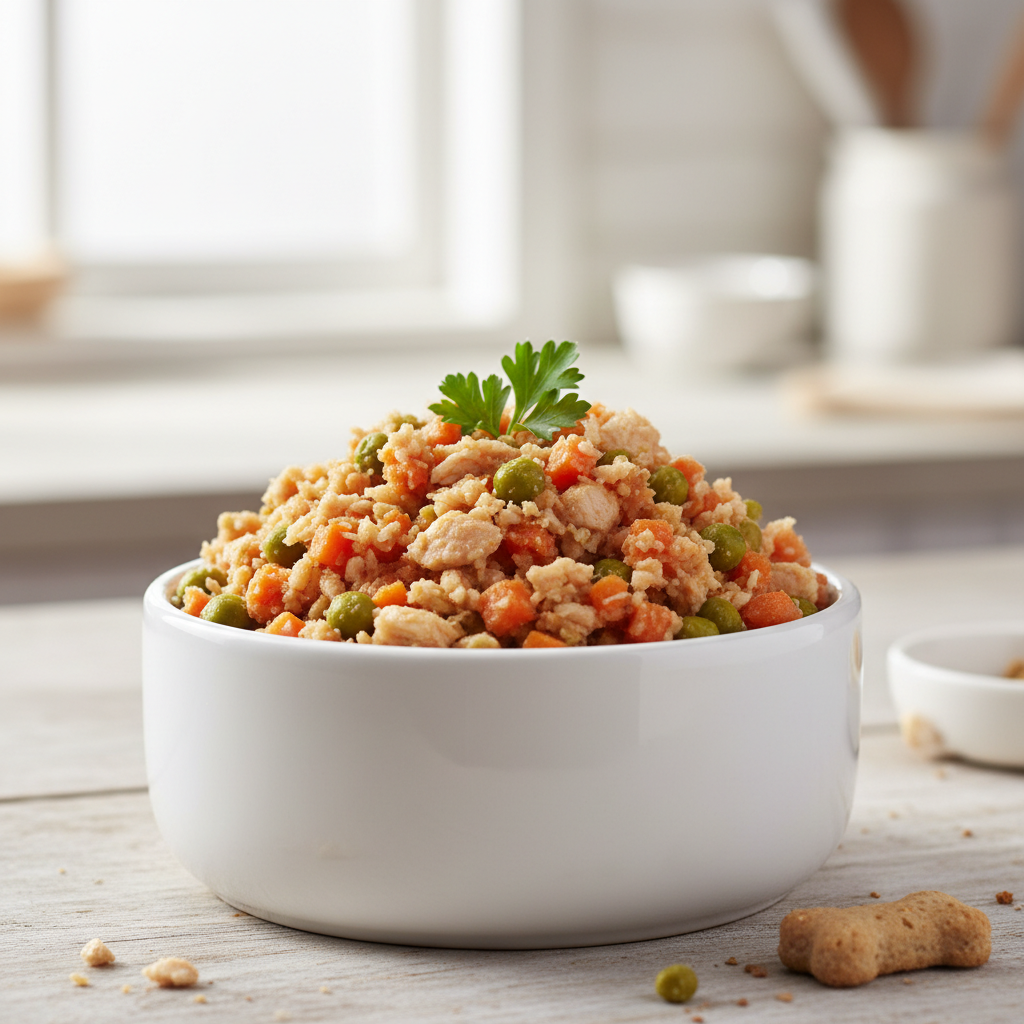
This recipe is the quintessential homemade dog food, mirroring the popular chicken-based wet foods. It’s simple, packed with lean protein, and loaded with vitamins from fresh vegetables. It’s a guaranteed crowd-pleaser for any pup.
Ingredients:
- 1 lb boneless, skinless chicken breast or thighs, finely diced
- 1/2 cup finely chopped carrots
- 1/2 cup peas (fresh or frozen)
- 1/4 cup chopped spinach
- 1 cup water or low-sodium chicken broth
- 1 tablespoon olive oil or coconut oil
Instructions:
- Heat the oil in a large skillet or pot over medium heat.
- Add the diced chicken and cook until it’s no longer pink, breaking it up with a spoon.
- Add the carrots and water/broth. Bring to a simmer, then cover and cook for about 10 minutes, or until the carrots are tender.
- Stir in the peas and spinach and cook for another 2-3 minutes until the spinach is wilted and the peas are heated through.
- Remove from heat and let it cool completely. For a smoother, more pâté-like texture, you can pulse it a few times in a food processor.
- Serve according to your dog’s portion size guidelines.
Pros & Cons
| Pros | Cons |
|---|---|
| Highly palatable for picky eaters | Chicken is a common allergen for some dogs |
| Uses simple, easy-to-find ingredients | Requires refrigeration and has a short shelf life |
| Great source of lean protein and vitamins | Doesn’t contain grains for dogs that need them |
Verdict:
This is the perfect starter recipe for anyone new to making homemade dog food. It’s a balanced, tasty meal ideal for small to medium-sized dogs without poultry sensitivities.
2. Hearty Beef & Sweet Potato Stew
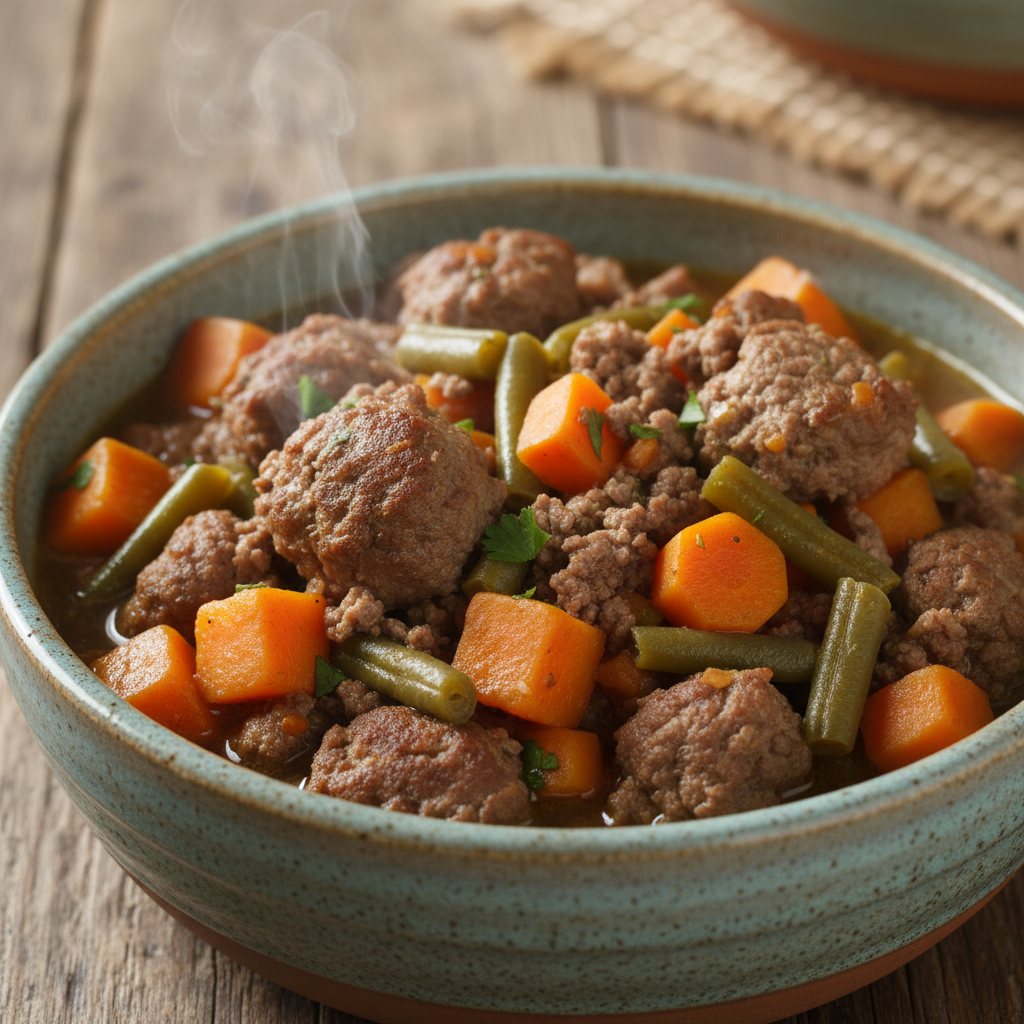
For a richer, more robust meal, this beef and sweet potato stew is a fantastic choice. It’s packed with iron-rich beef and beta-carotene from sweet potatoes, making it great for active dogs who need sustained energy.
Ingredients:
- 1 lb lean ground beef (90/10 or leaner)
- 1 medium sweet potato, peeled and finely diced
- 1/2 cup green beans, trimmed and chopped
- 1 cup water or low-sodium beef broth
- 1 tablespoon flaxseed oil (for Omega-3s)
Instructions:
- In a large pot, cook the ground beef over medium heat until browned. Drain off any excess fat.
- Add the diced sweet potato and beef broth/water to the pot.
- Bring the mixture to a boil, then reduce the heat, cover, and simmer for 15-20 minutes, or until the sweet potato is fork-tender.
- Add the chopped green beans and cook for an additional 5 minutes.
- Remove from heat and let it cool. Once cool, stir in the flaxseed oil.
- Mash slightly with a potato masher for a chunkier stew texture that mimics Cesar’s ‘in gravy’ style.
Pros & Cons
| Pros | Cons |
|---|---|
| Excellent source of iron and amino acids | Higher in fat content than poultry options |
| Sweet potato is great for digestive health | Can be more expensive to make than chicken recipes |
| Very flavorful and appealing to most dogs | Longer cooking time due to the sweet potato |
Verdict:
An excellent choice for active dogs or those needing to gain a little healthy weight. The rich flavor is a hit with pups who love red meat, and the added fiber from the sweet potato is a digestive bonus.
3. Lean Turkey & Rice Loaf

If your dog is watching their waistline or has a sensitive stomach, this lean turkey and rice recipe is a perfect fit. It’s gentle, easily digestible, and lower in fat, making it a healthy and satisfying meal.
Ingredients:
- 1 lb ground turkey (93/7)
- 1/2 cup cooked brown or white rice
- 1/2 cup finely grated zucchini
- 1/4 cup finely chopped parsley
- 1 egg, lightly beaten (optional, as a binder)
Instructions:
- Preheat your oven to 375°F (190°C).
- In a large bowl, combine the ground turkey, cooked rice, grated zucchini, and parsley. If using, add the beaten egg.
- Mix gently with your hands until just combined. Do not overmix.
- Press the mixture into a lightly greased loaf pan or form small, individual ‘muffins’ in a muffin tin for easy portioning.
- Bake for 25-30 minutes for a loaf (or 15-20 for muffins), until the center is cooked through.
- Let it cool completely before slicing and serving.
Pros & Cons
| Pros | Cons |
|---|---|
| Low in fat, great for weight management | Requires baking, which adds a step |
| Easily digestible for sensitive stomachs | Some dogs may have sensitivities to grains like rice |
| Easy to portion and store | Texture is more of a loaf than a wet pâté |
Verdict:
This recipe is ideal for senior dogs, overweight dogs, or those with digestive issues. The loaf/muffin format makes it incredibly easy to store and serve perfect portions every time.
4. Omega-Rich Salmon & Quinoa Pâté
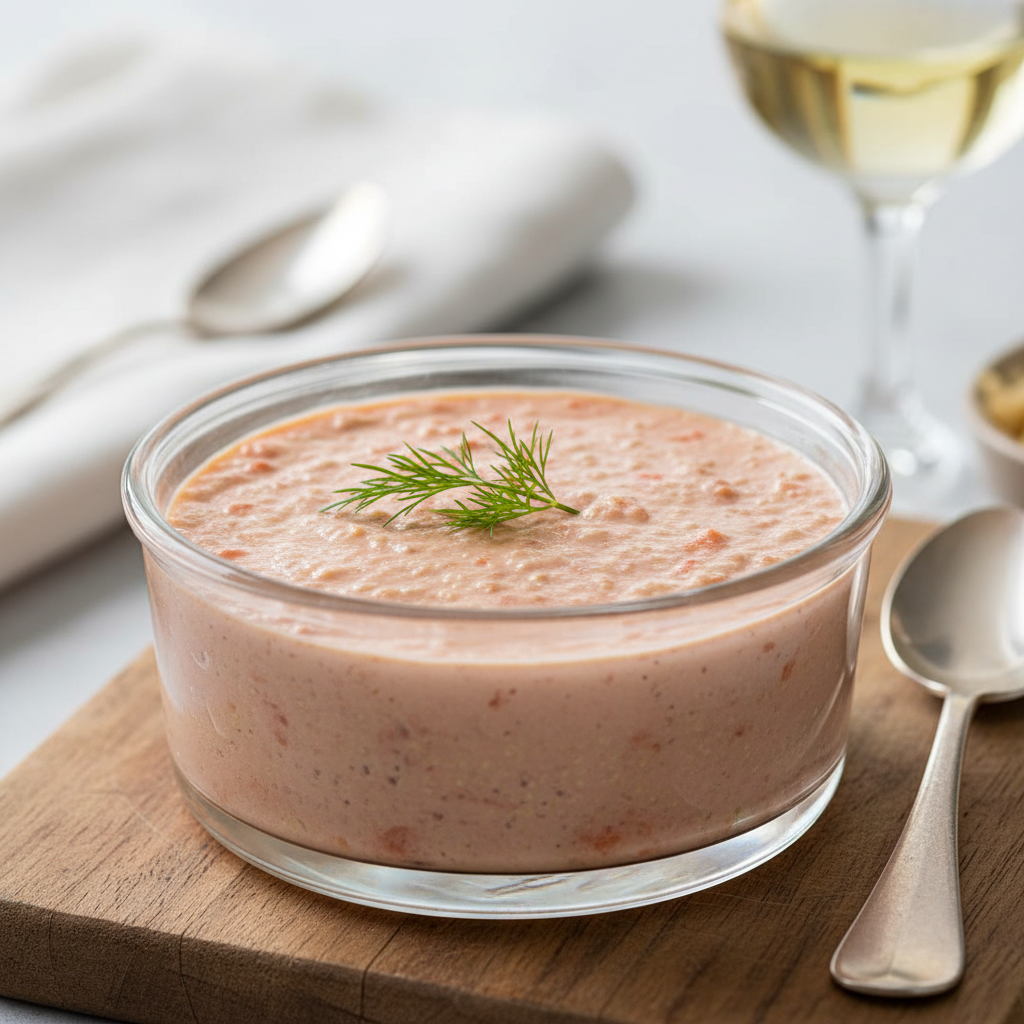
Boost your dog’s skin and coat health with this delicious salmon and quinoa recipe. It’s loaded with Omega-3 and Omega-6 fatty acids, which help reduce inflammation and promote a shiny, healthy coat. It’s the spa day of dog foods!
Ingredients:
- 1 can (6 oz) boneless, skinless salmon, packed in water, drained
- 1/2 cup cooked quinoa
- 1/4 cup steamed and mashed carrots
- 1 tablespoon coconut oil, melted
- A few sprigs of fresh dill, chopped (optional, for flavor)
Instructions:
- In a medium bowl, flake the canned salmon with a fork.
- Add the cooked quinoa, mashed carrots, melted coconut oil, and chopped dill (if using).
- Mix everything together thoroughly until it forms a thick pâté consistency.
- There is no cooking required for this recipe if you use pre-cooked quinoa and steamed carrots!
- Serve immediately or store in an airtight container in the refrigerator.
Pros & Cons
| Pros | Cons |
|---|---|
| Excellent for skin and coat health due to Omega-3s | Has a strong fishy smell that may linger |
| Extremely quick and easy to prepare (no-cook) | Some dogs may not like the taste of fish |
| Quinoa is a complete protein and gluten-free | Canned salmon can be high in sodium; look for low-sodium options |
Verdict:
This is the ultimate recipe for dogs with dry, itchy skin or dull coats. Its quick, no-cook preparation makes it a fantastic option for busy pet parents who still want to provide a nutritious, homemade meal.
5. Gentle Lamb & Green Bean Mash
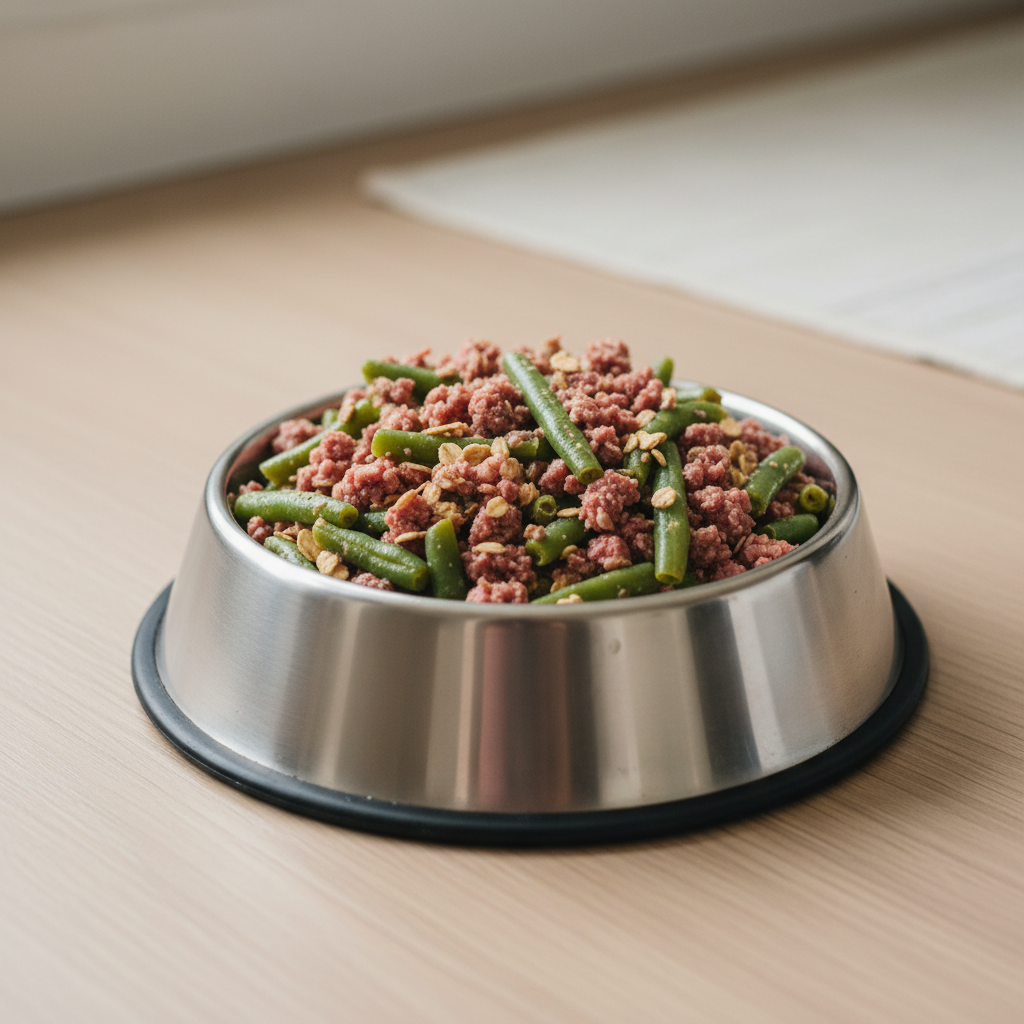
Lamb is often recommended for dogs with food sensitivities or allergies to more common proteins like chicken or beef. This simple, gentle recipe combines lamb with fiber-rich green beans for a meal that’s both hypoallergenic and easy on the tummy.
Ingredients:
- 1 lb ground lamb
- 1 cup chopped green beans (fresh or frozen)
- 1/2 cup cooked oatmeal (cooked in water)
- 1 tablespoon olive oil
- 1/2 cup water
Instructions:
- Heat olive oil in a skillet over medium heat. Add the ground lamb and cook until browned, breaking it apart. Drain the excess fat.
- Add the green beans and water to the skillet. Bring to a simmer, then cover and cook for about 8-10 minutes, until the green beans are tender.
- Remove from the heat and stir in the cooked oatmeal.
- Allow the mixture to cool. For a smoother consistency, you can mash it with a fork or give it a quick pulse in a food processor.
Pros & Cons
| Pros | Cons |
|---|---|
| Great for dogs with common protein allergies | Ground lamb can be more expensive and harder to find |
| Oatmeal is a good source of soluble fiber for digestion | Lamb has a higher fat content than poultry |
| Simple recipe with limited ingredients | Some dogs may need time to adjust to a new protein |
Verdict:
This is the go-to recipe for pet parents struggling with their dog’s food allergies. It provides a novel protein source that’s less likely to cause a reaction, all while being gentle on the digestive system.
6. Savory Duck & Pumpkin Purée
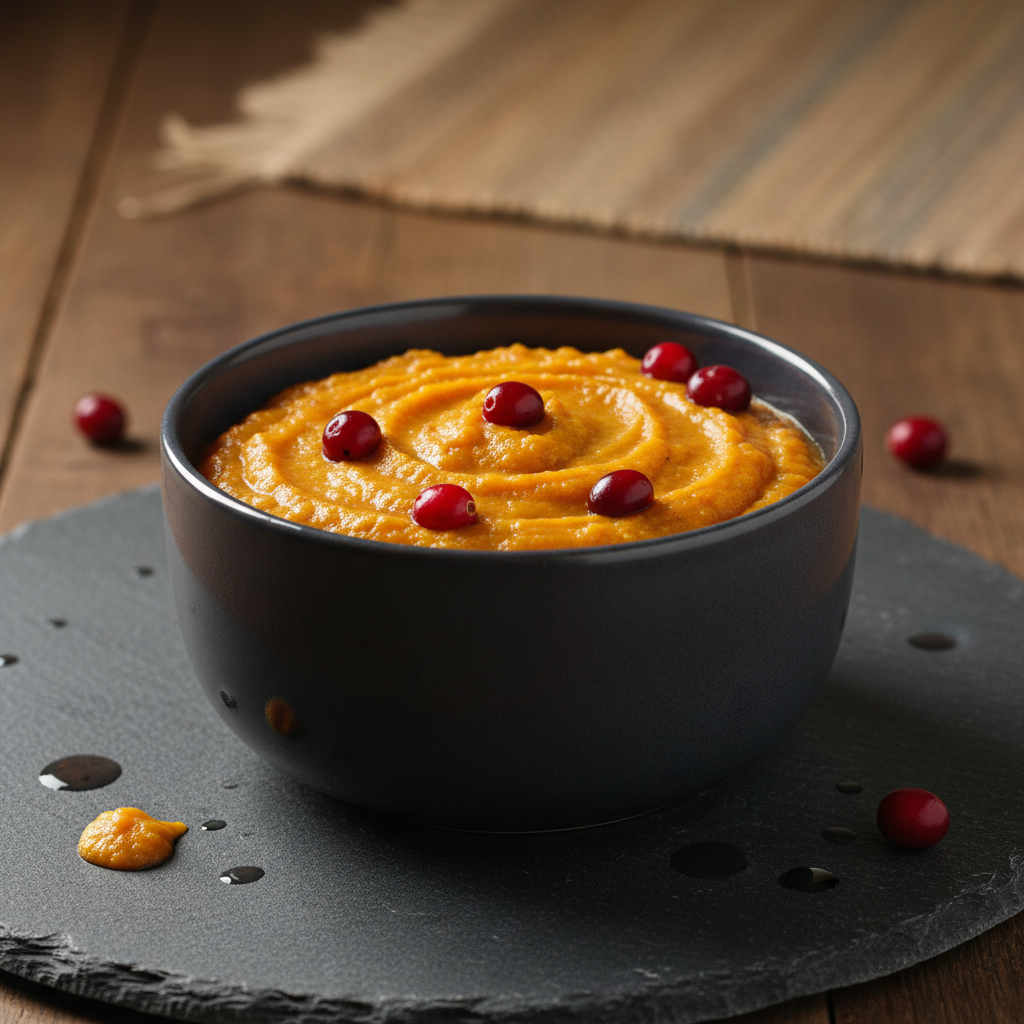
Ready to get a little gourmet? Duck is another excellent novel protein for dogs with allergies, and pumpkin is a superstar ingredient for digestive health. This purée is rich, flavorful, and incredibly beneficial for your dog’s gut.
Ingredients:
- 1 lb boneless duck breast, skin removed and finely diced
- 1/2 cup 100% pure pumpkin purée (not pie filling)
- 1/4 cup cranberries (fresh or unsweetened dried)
- 1/2 cup water or low-sodium chicken broth
- 1 teaspoon coconut oil
Instructions:
- Heat coconut oil in a skillet over medium-high heat. Add the diced duck and cook until browned on all sides.
- Add the water/broth to the skillet to deglaze the pan, scraping up any tasty browned bits.
- Reduce heat to low, stir in the pumpkin purée and cranberries.
- Cover and simmer for 15 minutes, allowing the flavors to meld and the duck to become very tender.
- Remove from heat and let cool. The mixture will be thick and rich. You can serve it as is or purée it for a smoother texture.
Pros & Cons
| Pros | Cons |
|---|---|
| Duck is a novel protein, great for allergy management | Duck meat is one of the more expensive options |
| Pumpkin is fantastic for regulating digestion (both constipation and diarrhea) | Finding boneless duck breast can be challenging |
| Unique, gourmet flavor that dogs love | Cranberries can be tart; use sparingly |
Verdict:
A luxurious and highly effective recipe for dogs with both protein allergies and sensitive stomachs. The combination of duck and pumpkin is a powerhouse for digestive health, making it worth the extra effort and cost.
7. Sunrise Scramble with Egg
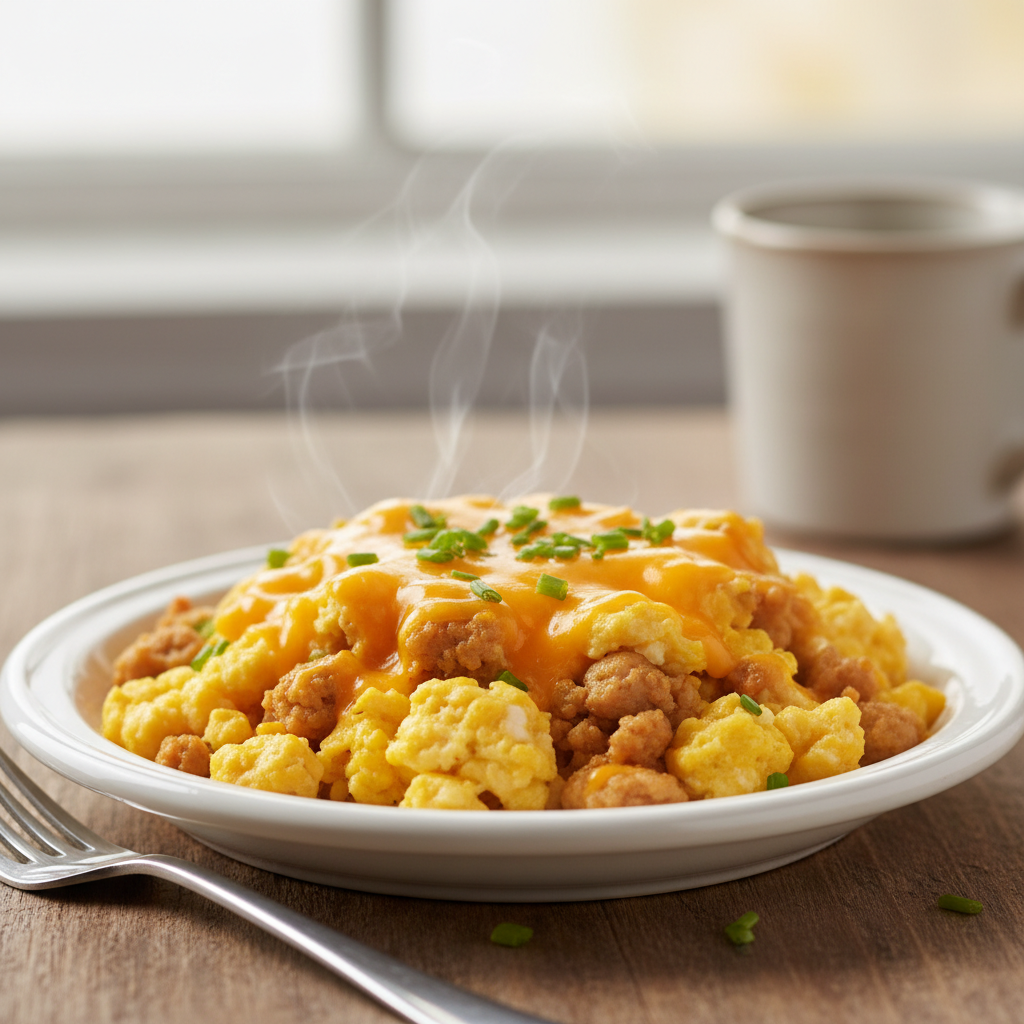
Who says gourmet meals are just for dinner? This breakfast-inspired scramble is a wonderful special treat or a great meal for a dog who needs a little extra protein boost. It’s quick, easy, and mimics Cesar’s breakfast-flavored offerings.
Ingredients:
- 1/4 lb ground chicken or turkey
- 2 large eggs
- 1 tablespoon finely shredded low-fat cheddar cheese
- 1 teaspoon olive oil
- 2 tablespoons water
Instructions:
- Heat the olive oil in a small non-stick skillet over medium heat. Add the ground chicken and cook until fully browned.
- In a small bowl, whisk the eggs and water together.
- Pour the egg mixture over the cooked chicken in the skillet.
- Gently stir and scramble the eggs with the chicken until the eggs are fully cooked.
- Remove from heat and sprinkle with the shredded cheese. Let it cool completely before serving.
Pros & Cons
| Pros | Cons |
|---|---|
| Extremely fast to cook, ready in minutes | Should be served as a treat or part of a rotational diet, not a daily staple |
| Eggs are a fantastic source of digestible protein | Some dogs can have sensitivities to dairy (cheese) |
| Highly appealing to even the fussiest eaters | Lower in vegetable content than other recipes |
Verdict:
This is the perfect ‘brunch’ recipe for a lazy Sunday morning with your pup. It’s not designed to be a complete and balanced daily meal on its own, but it’s an incredibly tasty and protein-packed special treat that will have your dog begging for more.
Your Guide to Crafting the Perfect Homemade Meal
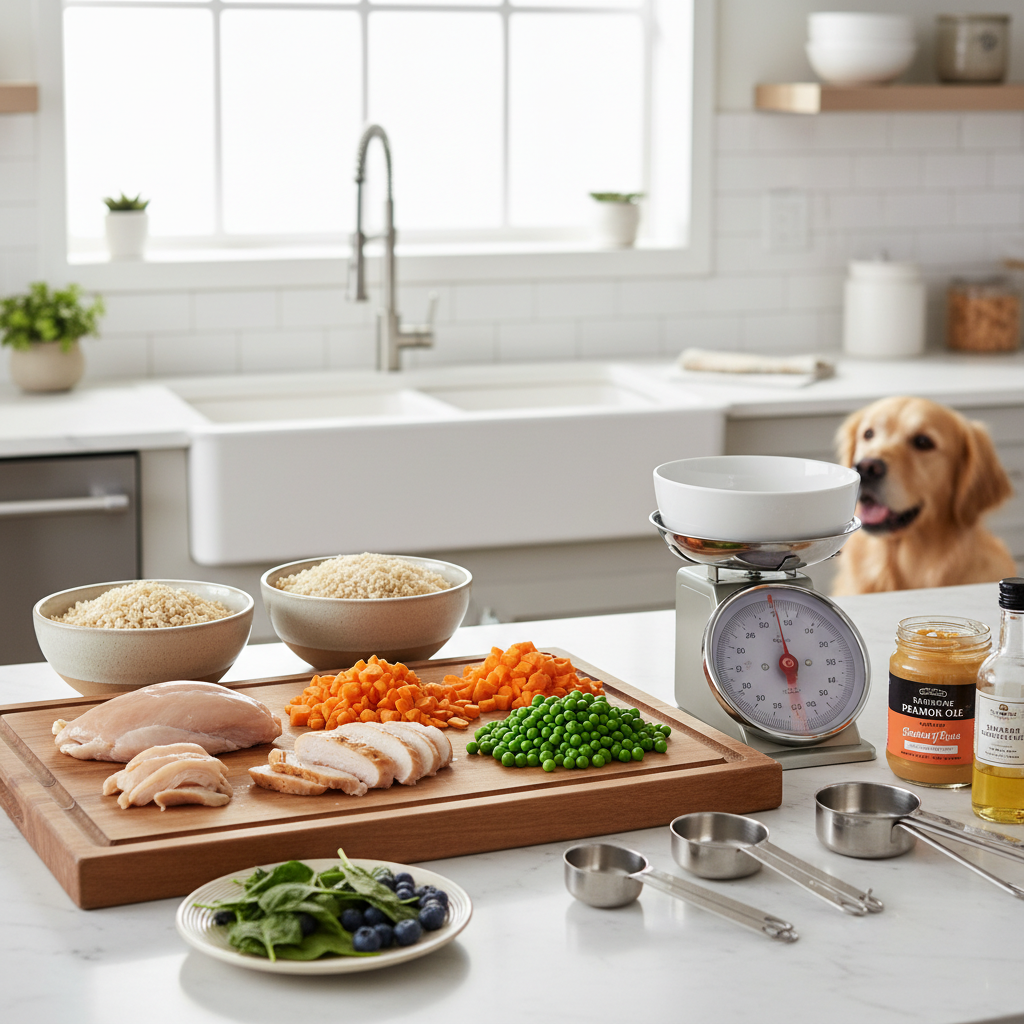
Switching to homemade dog food is a rewarding journey, but it’s important to do it right. It’s more than just mixing meat and veggies in a bowl. Here are some key things to keep in mind to ensure your pup’s meals are safe and nutritious.
Talk to Your Vet First
This is the most crucial step. Before you make any significant changes to your dog’s diet, consult your veterinarian or a veterinary nutritionist. They can help you understand your dog’s specific nutritional needs based on their age, breed, size, and health status. They can also recommend essential supplements, like calcium, that might be missing from a homemade diet.
Achieving Nutritional Balance
A balanced canine diet typically includes:
- Protein: (Chicken, beef, turkey, fish, lamb) The foundation of the meal.
- Complex Carbohydrates: (Brown rice, quinoa, sweet potatoes, oatmeal) For energy and fiber.
- Vegetables: (Carrots, peas, green beans, spinach, pumpkin) For vitamins, minerals, and fiber.
- Healthy Fats: (Flaxseed oil, coconut oil, fish oil) Essential for skin, coat, and brain health.
- Essential Nutrients: This is where supplements come in. Homemade diets often lack sufficient calcium and other minerals. Your vet can recommend a good multivitamin or specific supplements to round out the meal.
Ingredients to ALWAYS Avoid
Many human foods are toxic to dogs. Never include these in your recipes:
- Onions, garlic, chives
- Chocolate
- Grapes and raisins
- Avocado
- Macadamia nuts
- Xylitol (an artificial sweetener found in many products)
- Alcohol or caffeine
Proper Storage and Portion Control
Homemade dog food doesn’t have the preservatives of commercial food. You can typically store it in an airtight container in the refrigerator for 3-4 days. For larger batches, portion it out into freezer-safe containers or bags and freeze for up to 3 months. Thaw it in the refrigerator overnight before serving. Portion sizes depend entirely on your dog’s caloric needs. A good starting point is to use a pet calorie calculator online and then adjust based on your dog’s weight and body condition.
Frequently Asked Questions About Homemade Dog Food

How long can I store this homemade dog food?
You can store these recipes in an airtight container in the refrigerator for up to 4 days. For longer storage, you can freeze individual portions for up to 3 months. A great tip is to use an ice cube tray or silicone muffin molds to freeze perfect small-dog portions!
Do I need to add supplements to these recipes?
It is highly recommended. While these recipes are healthy, they may not be 100% nutritionally complete for long-term feeding on their own. The most common deficiency in homemade diets is calcium. Please consult your veterinarian about the best multivitamin or calcium supplement to add to ensure your dog gets everything they need to thrive.
Can I substitute ingredients in these recipes?
Absolutely! That’s the beauty of homemade. If your dog doesn’t like carrots, try zucchini. If you don’t have sweet potato, pumpkin is a great substitute. Just be sure that any ingredient you swap in is safe for dogs. When it comes to proteins, you can easily swap chicken for turkey or beef for lamb, which is great for a rotational diet to prevent boredom and potential allergies.
Conclusion
Making your own copycat Cesar dog food is a fantastic way to show your love and provide your furry friend with a delicious, wholesome meal. You get the peace of mind of knowing exactly what’s in their bowl, and they get a dinner that’s bursting with fresh flavor and nutrients. These seven recipes are a great starting point, offering variety in proteins and ingredients to keep mealtime exciting.
Remember, the most important ingredient is your commitment to your dog’s health. Always work with your vet to ensure their diet is balanced and complete. Happy cooking, and enjoy the happy tail wags that are sure to follow!