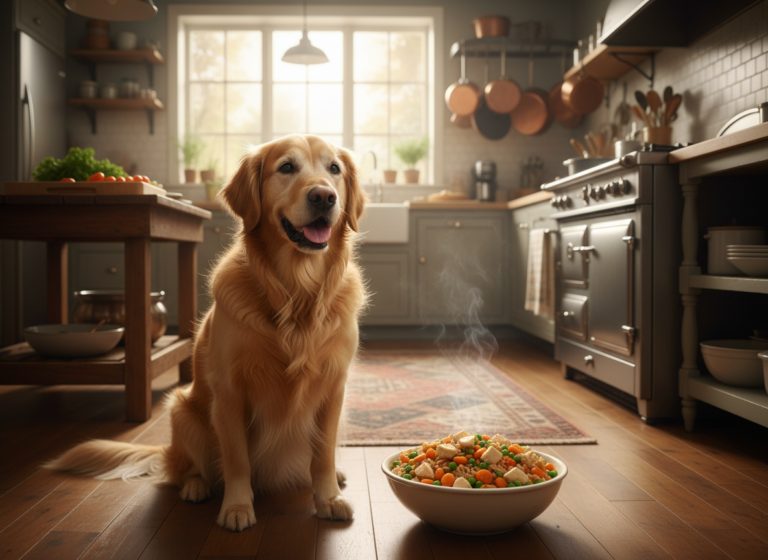
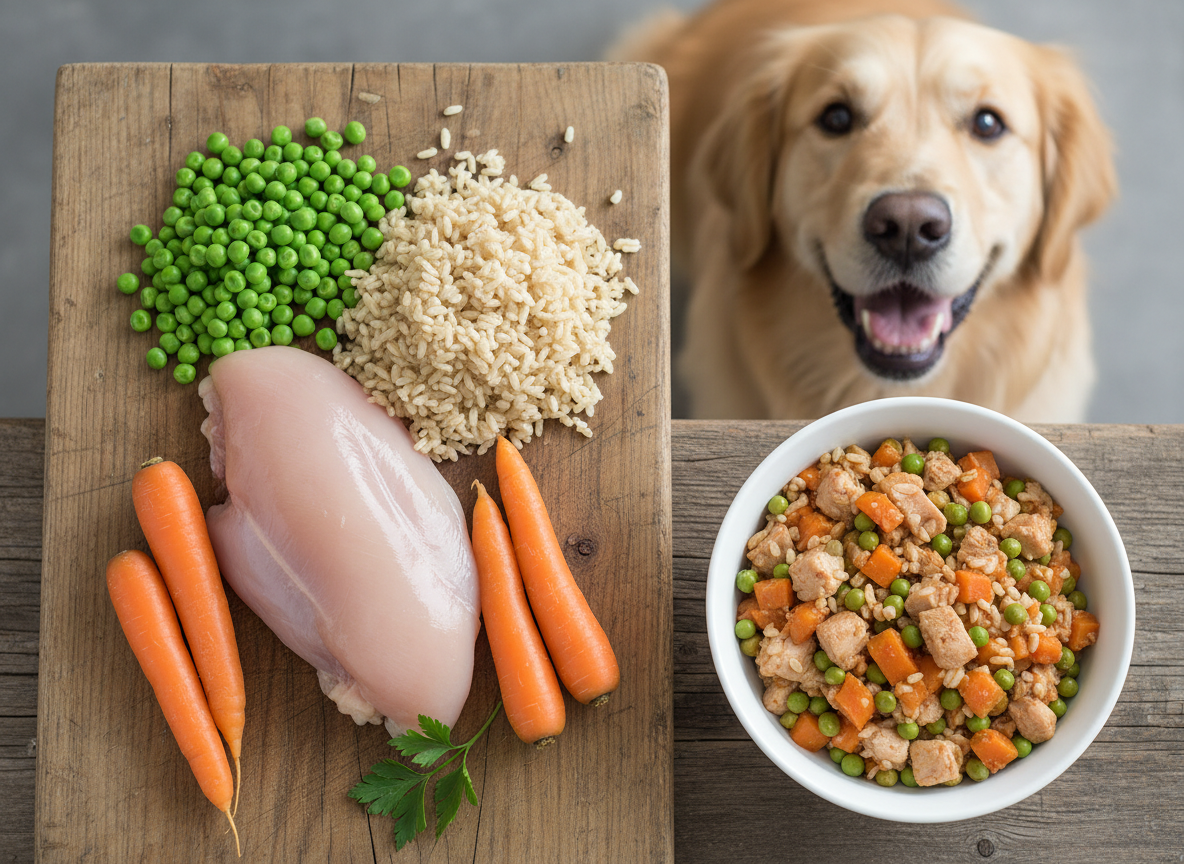
13 DIY Copycat Blue Buffalo Recipes Better Than Store Bought
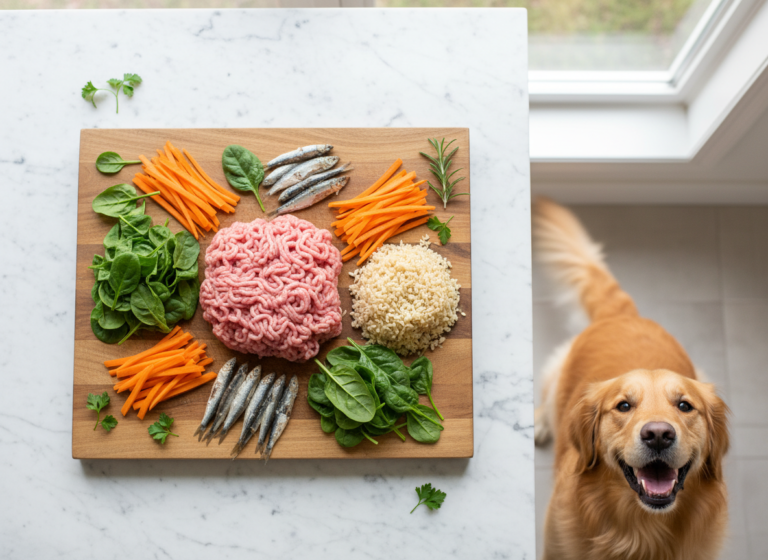
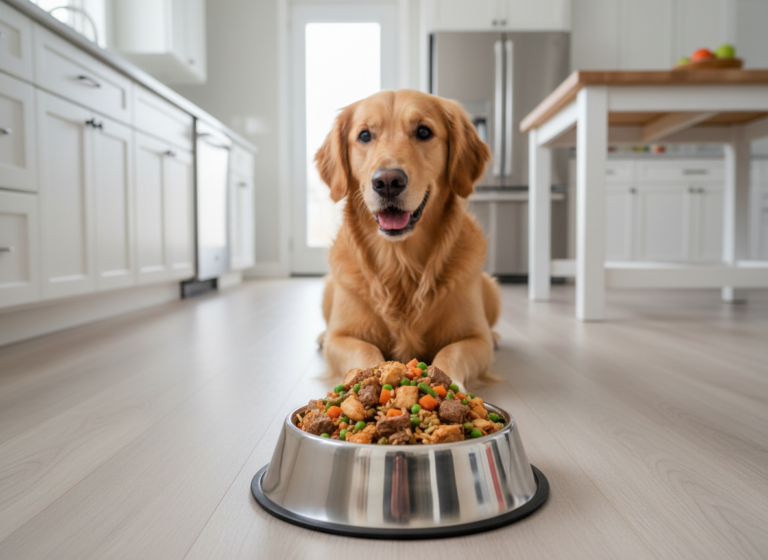
Welcome, fellow dog lovers! If you’re like us, you want the absolute best for your furry family member. You read labels, research brands, and maybe you’ve even chosen premium foods like Blue Buffalo for their commitment to quality ingredients. But have you ever thought about taking it one step further? Making your dog’s food at home gives you ultimate control over every single morsel that goes into their bowl. You can ensure freshness, avoid fillers, and tailor meals specifically to your pup’s needs and tastes.
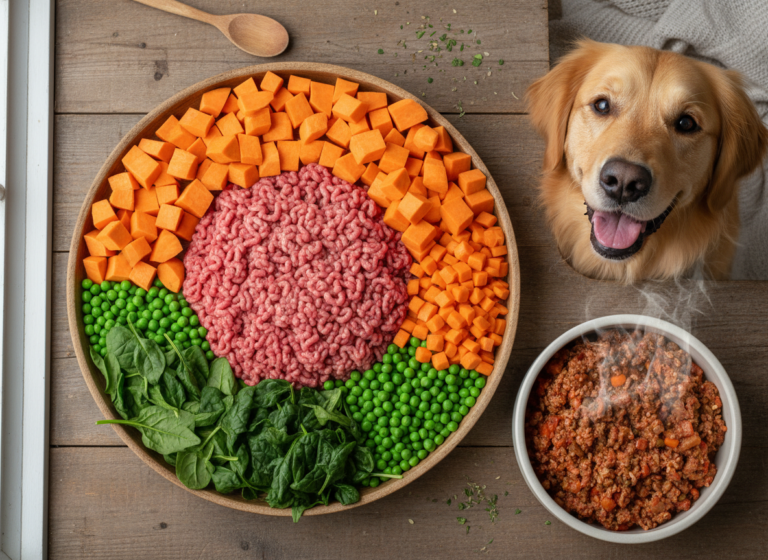
Inspired by the wholesome, natural philosophy of Blue Buffalo, we’ve curated 13 amazing DIY copycat recipes that you can whip up in your own kitchen. From hearty stews to gentle, limited-ingredient diets, there’s something here for every pup. Let’s get cooking!
Quick Recipe Comparison
| Recipe Name | Main Protein | Primary Carb | Best For |
|---|---|---|---|
| Classic Chicken & Brown Rice | Chicken | Brown Rice | Adult Dogs |
| Hearty Beef & Barley Stew | Beef | Barley | Active Dogs |
| Savory Salmon & Sweet Potato | Salmon | Sweet Potato | Dogs with Skin Sensitivities |
| Lean Turkey & Oatmeal Delight | Turkey | Oatmeal | Weight Management |
| Gentle Lamb & Rice Dinner | Lamb | White Rice | Dogs with Sensitive Stomachs |
| Duck & Potato Adventure | Duck | Potato | Dogs with Poultry Allergies |
| Puppy’s First Chicken & Veggies | Chicken | Brown Rice | Puppies |
| Senior’s Gentle Fish & Quinoa | Cod/Whitefish | Quinoa | Senior Dogs |
| Grain-Free Chicken & Pea | Chicken | Peas & Lentils | Grain-Free Diets |
| Bison & Root Vegetable Mash | Bison | Carrots & Parsnips | High-Energy Breeds |
| Small Breed Turkey & Rice Medley | Turkey | Brown Rice | Small Breeds |
| Hearty Rabbit & Pumpkin | Rabbit | Pumpkin | Novel Protein Diets |
| Simple Cod & Green Bean Bowl | Cod | Green Beans | Limited Ingredient Diets |
1. Classic Chicken & Brown Rice Dinner
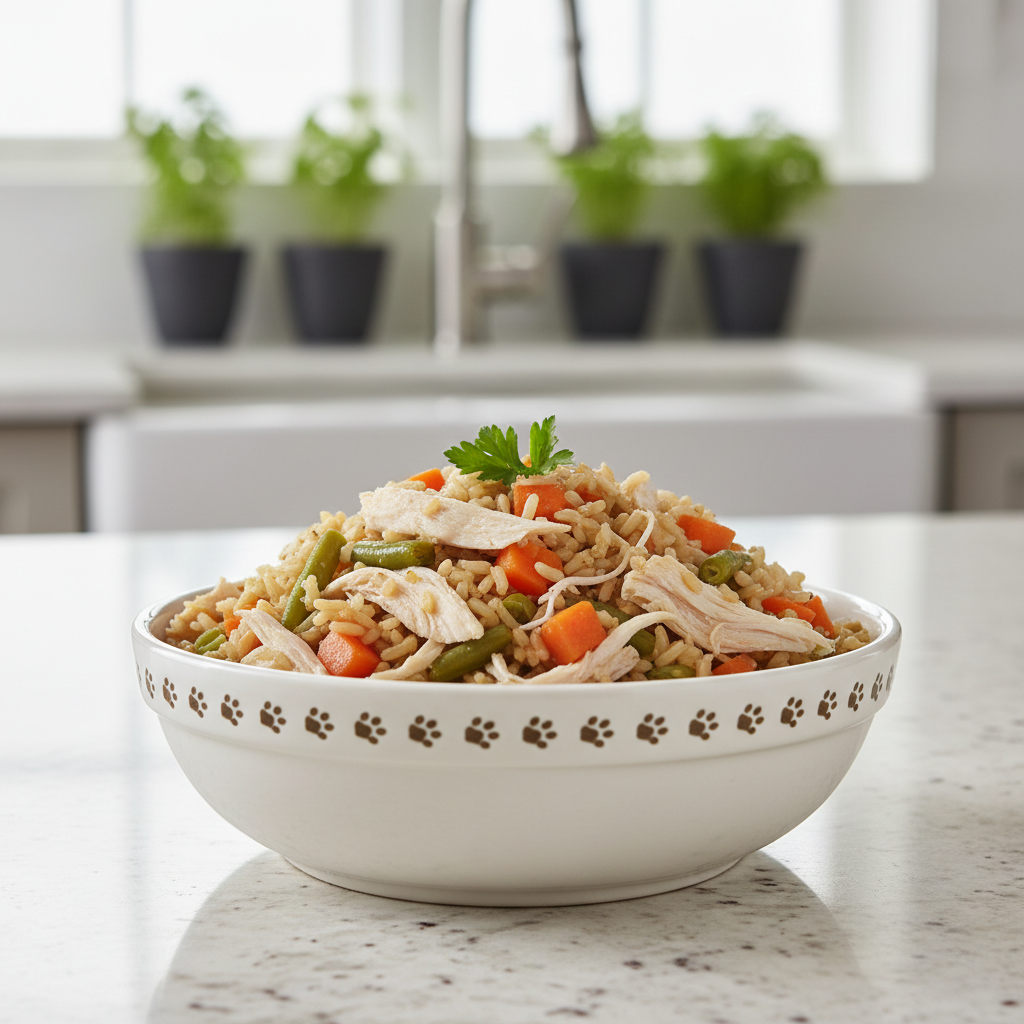
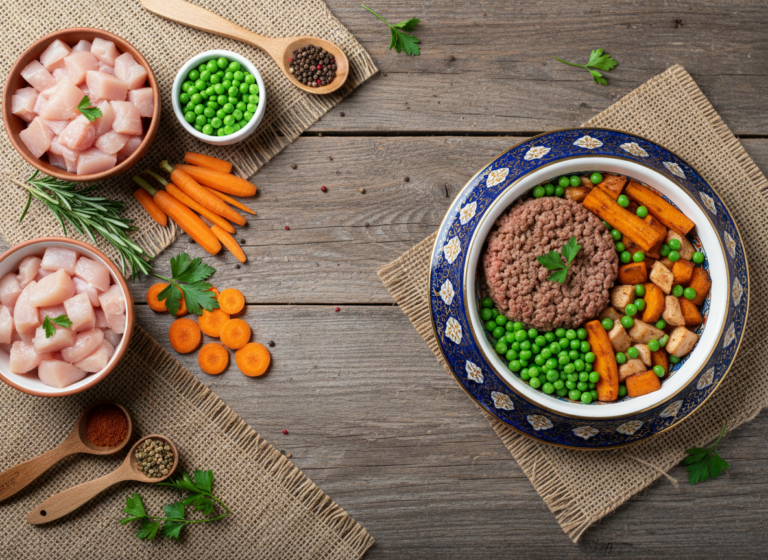
Inspired by Blue Buffalo’s Life Protection Formula, this recipe is a timeless classic for a reason. It’s a balanced, wholesome meal packed with lean protein, healthy carbohydrates, and essential nutrients from fresh vegetables. It’s a fantastic starting point for any home-cooking journey.
Ingredients:
- 3 lbs boneless, skinless chicken breast or thighs, cooked and shredded
- 2 cups cooked brown rice
- 1 cup chopped carrots
- 1 cup green beans, chopped
- 1/2 cup peas (fresh or frozen)
- 4 cups water or low-sodium chicken broth
- 1 tablespoon olive oil or fish oil (for healthy fats)
Instructions:
- In a large stockpot, bring the water or broth to a boil.
- Add the chopped carrots and green beans and cook for about 10 minutes until tender-crisp.
- Stir in the cooked chicken, cooked brown rice, and peas.
- Reduce heat and let it simmer for 5-10 minutes, allowing the flavors to meld.
- Remove from heat and stir in the olive oil or fish oil.
- Let the mixture cool completely before serving.
Pros & Cons
Pros
|
Cons
|
Verdict:
This recipe is a perfect all-rounder for healthy adult dogs with no known poultry allergies. It provides a fantastic balance of macronutrients for sustained energy and overall health.
2. Hearty Beef & Barley Stew
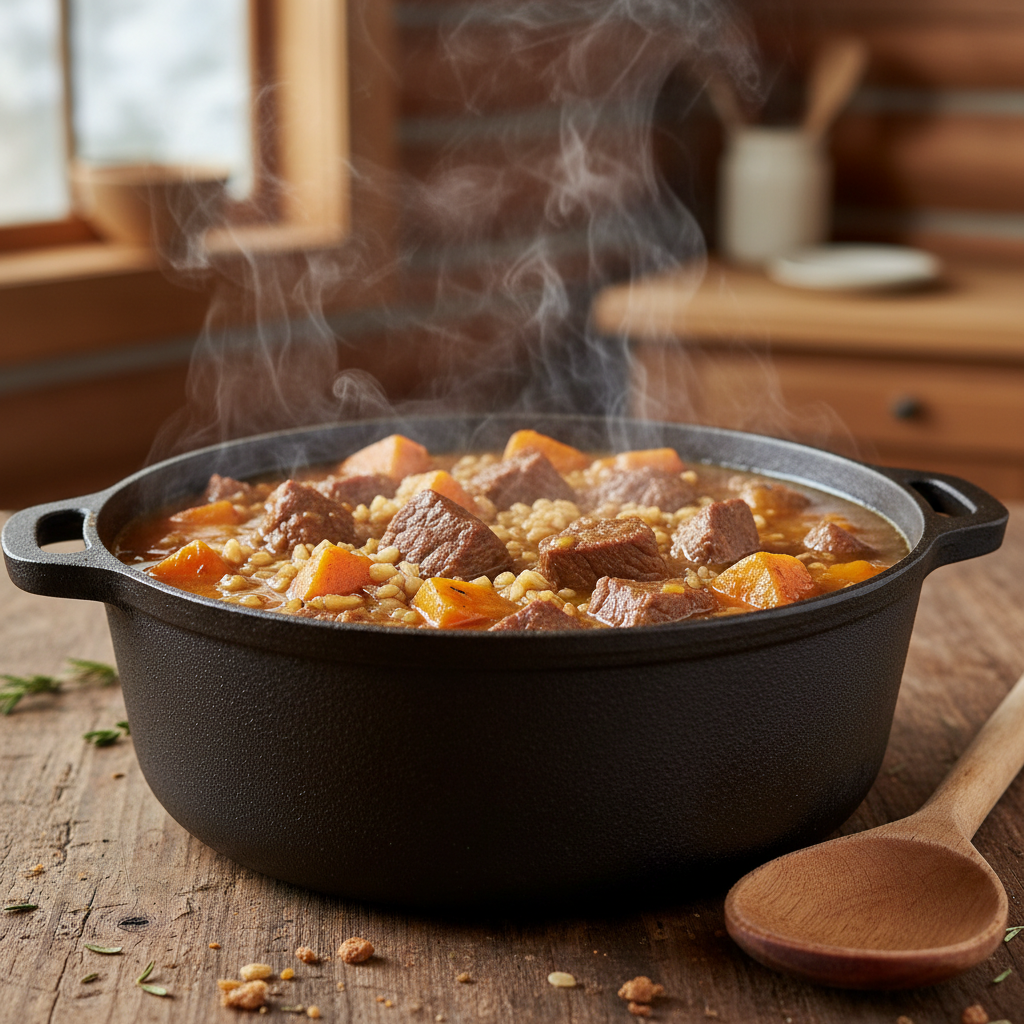
For the active pup who loves a rich, savory meal, this beef and barley stew is a winner. It’s reminiscent of the hearty flavors found in the Blue Buffalo Wilderness line, designed to fuel your dog’s adventures with iron-rich beef and slow-release energy from barley.
Ingredients:
- 2 lbs beef stew meat, cut into small cubes
- 1 cup pearled barley, cooked
- 1 cup diced sweet potatoes
- 1/2 cup chopped celery
- 1/2 cup chopped carrots
- 6 cups low-sodium beef broth
- 1 tablespoon coconut oil
- A pinch of dried parsley
Instructions:
- In a large pot, heat the coconut oil and brown the beef cubes on all sides.
- Add the beef broth, sweet potatoes, celery, and carrots. Bring to a boil, then reduce heat and simmer for about 30-40 minutes, or until the beef and vegetables are tender.
- Stir in the cooked barley and parsley.
- Simmer for another 5 minutes.
- Allow the stew to cool completely before serving.
Pros & Cons
Pros
|
Cons
|
Verdict:
This stew is tailor-made for active, high-energy adult dogs who need a calorie-dense meal to support their lifestyle. It’s also great for enticing picky eaters with its rich aroma and flavor.
3. Savory Salmon & Sweet Potato
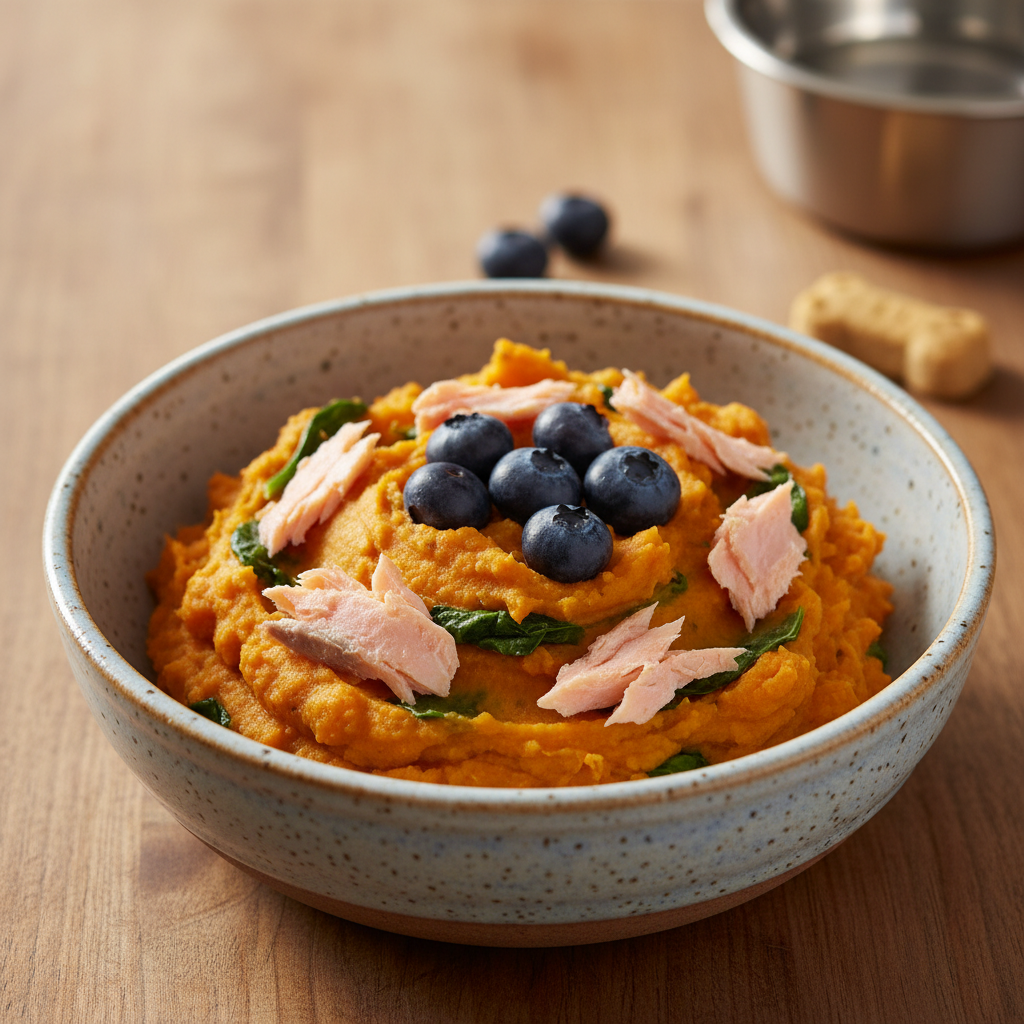
If your dog struggles with a dull coat or itchy skin, this recipe, inspired by Blue Buffalo Basics, could be a game-changer. Salmon is packed with Omega-3 fatty acids, which are renowned for their anti-inflammatory properties and ability to promote healthy skin and a shiny coat.
Ingredients:
- 2 lbs salmon fillet, skin removed, baked or poached and flaked
- 3 cups sweet potato, cooked and mashed
- 1 cup steamed spinach, chopped
- 1/2 cup blueberries (a great source of antioxidants)
- 2 tablespoons flaxseed oil
Instructions:
- In a large bowl, gently combine the flaked salmon and mashed sweet potato.
- Fold in the chopped spinach and blueberries.
- Drizzle the flaxseed oil over the mixture and stir gently to combine everything.
- Serve once cooled to room temperature.
Pros & Cons
Pros
|
Cons
|
Verdict:
This is the ideal meal for dogs with skin sensitivities, allergies, or those who could simply use a boost for their coat. The limited-ingredient profile makes it easy to digest and gentle on the system.
4. Lean Turkey & Oatmeal Delight

Modeled after Blue Buffalo’s Healthy Weight formula, this recipe is perfect for pups who need to shed a few pounds or maintain a lean physique. Ground turkey is a fantastic low-fat protein, and oatmeal provides soluble fiber that helps dogs feel full and satisfied for longer.
Ingredients:
- 2.5 lbs lean ground turkey
- 2 cups cooked oatmeal (use plain, rolled oats)
- 1 cup chopped zucchini
- 1 cup finely chopped apples (no seeds or core)
- 1/4 cup unsweetened cranberries
- 1 tablespoon fish oil
Instructions:
- In a large skillet, cook the ground turkey over medium heat until browned. Drain off any excess fat.
- Stir in the chopped zucchini and apple, and cook for another 5 minutes until they soften.
- In a large bowl, combine the turkey mixture with the cooked oatmeal and cranberries.
- Stir in the fish oil.
- Let it cool completely before portioning and serving.
Pros & Cons
Pros
|
Cons
|
Verdict:
This recipe is perfect for less active dogs, senior dogs, or any pup on a weight management plan. It’s delicious and satisfying without packing on the pounds.
5. Gentle Lamb & Rice Dinner

For dogs with sensitive stomachs or allergies to common proteins like chicken or beef, lamb is an excellent alternative. This recipe, similar to the lamb formula in the Blue Buffalo Life Protection line, uses gentle ingredients like white rice and pumpkin to soothe the digestive system.
Ingredients:
- 2 lbs ground lamb
- 3 cups cooked white rice
- 1 cup pumpkin puree (100% pure pumpkin, not pie filling)
- 1/2 cup steamed and chopped broccoli florets
- 1 tablespoon safflower oil
Instructions:
- Cook the ground lamb in a skillet over medium heat until browned. Drain the excess fat thoroughly.
- In a large mixing bowl, combine the cooked lamb, white rice, and pumpkin puree.
- Stir in the chopped broccoli.
- Drizzle with safflower oil and mix until everything is well combined.
- Serve at room temperature.
Pros & Cons
Pros
|
Cons
|
Verdict:
This is an outstanding choice for dogs with sensitive stomachs or known allergies to chicken or beef. The simple, gentle ingredients make it highly digestible and soothing.
6. Duck & Potato Adventure
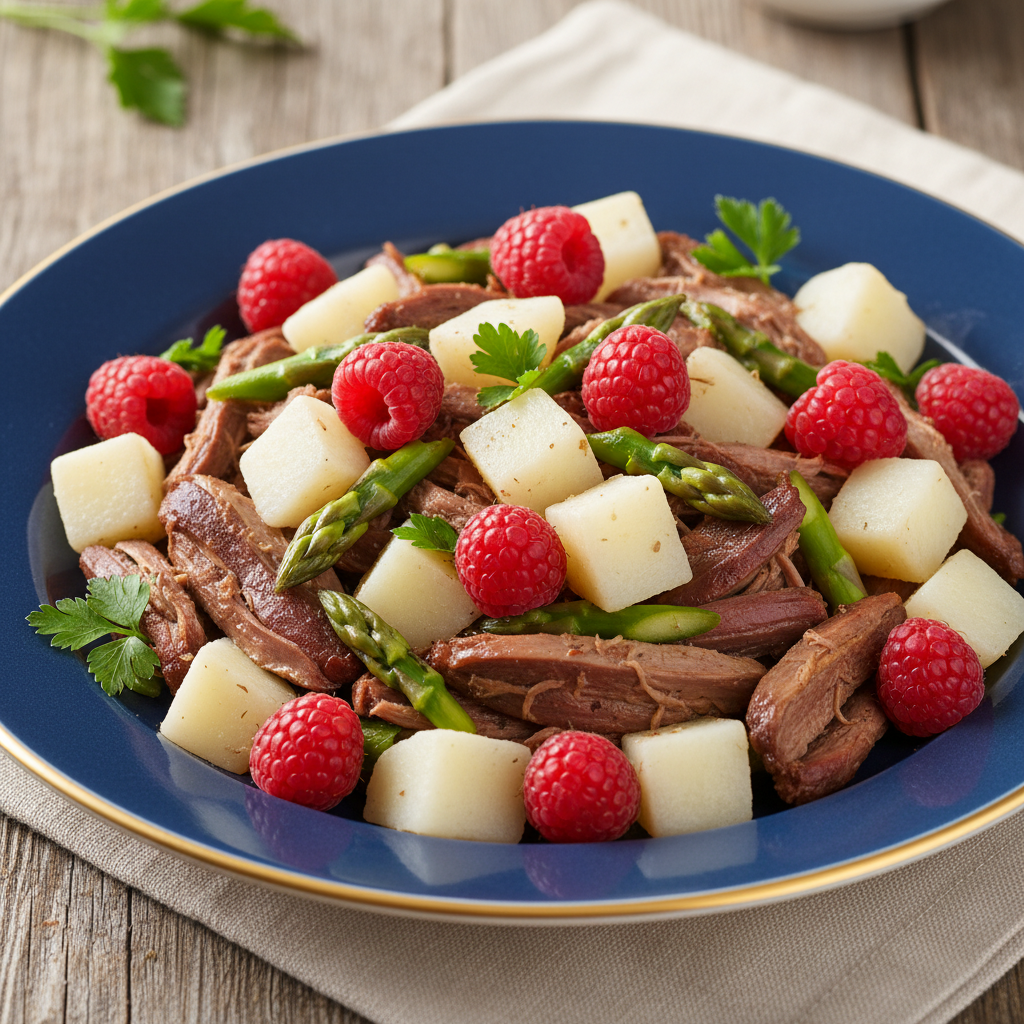
Take a walk on the wild side with this duck and potato recipe, inspired by the novel protein formulas in the Blue Buffalo Wilderness line. Duck is a rich, flavorful protein that many dogs have never been exposed to, making it a perfect choice for an elimination diet or simply for a pup who deserves a gourmet meal.
Ingredients:
- 2 lbs duck breast, skin removed, cooked and shredded
- 3 cups potatoes, boiled and cubed
- 1 cup steamed asparagus, chopped
- 1/2 cup raspberries
- 1 tablespoon olive oil
Instructions:
- Ensure the duck is fully cooked and shredded into bite-sized pieces.
- In a large bowl, combine the shredded duck with the cubed potatoes.
- Gently fold in the chopped asparagus and raspberries.
- Drizzle with olive oil and mix to combine.
- Serve once cooled.
Pros & Cons
Pros
|
Cons
|
Verdict:
This gourmet recipe is ideal for dogs with common protein allergies or for pet parents who want to provide a rotational diet with diverse protein sources. It’s a rich and delicious treat.
7. Puppy’s First Chicken & Veggies
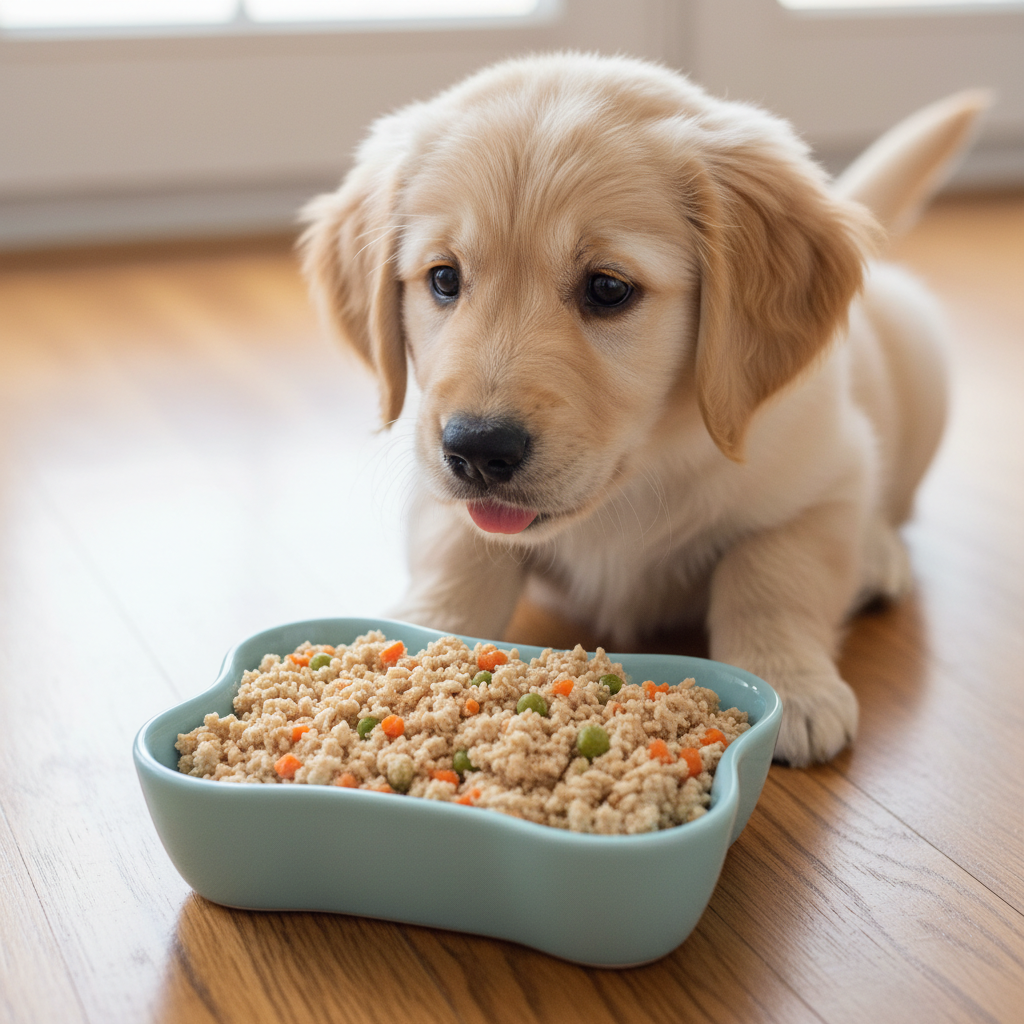
Growing puppies have unique nutritional needs. This recipe, modeled after Blue Buffalo’s Puppy formula, includes extra protein for development and DHA-rich fish oil for brain and eye health. The ingredients are finely chopped to make them easy for little mouths to eat.
Ingredients:
- 2 lbs ground chicken
- 1.5 cups cooked brown rice
- 1/2 cup finely shredded carrots
- 1/2 cup peas
- 1/2 cup plain, full-fat yogurt (for calcium)
- 1 tablespoon high-quality fish oil (for DHA)
Instructions:
- Cook the ground chicken thoroughly in a skillet and drain any fat.
- In a large bowl, mix the cooked chicken with the brown rice, carrots, and peas.
- Once the mixture has cooled to room temperature, stir in the yogurt and fish oil.
- Mix well and serve in appropriate puppy-sized portions.
Pros & Cons
Pros
|
Cons
|
Verdict:
This is a wonderful starter meal for puppies being weaned or as a supplement to their regular puppy food. Always consult your vet to ensure your growing puppy’s complex nutritional needs are being met.
8. Senior’s Gentle Fish & Quinoa
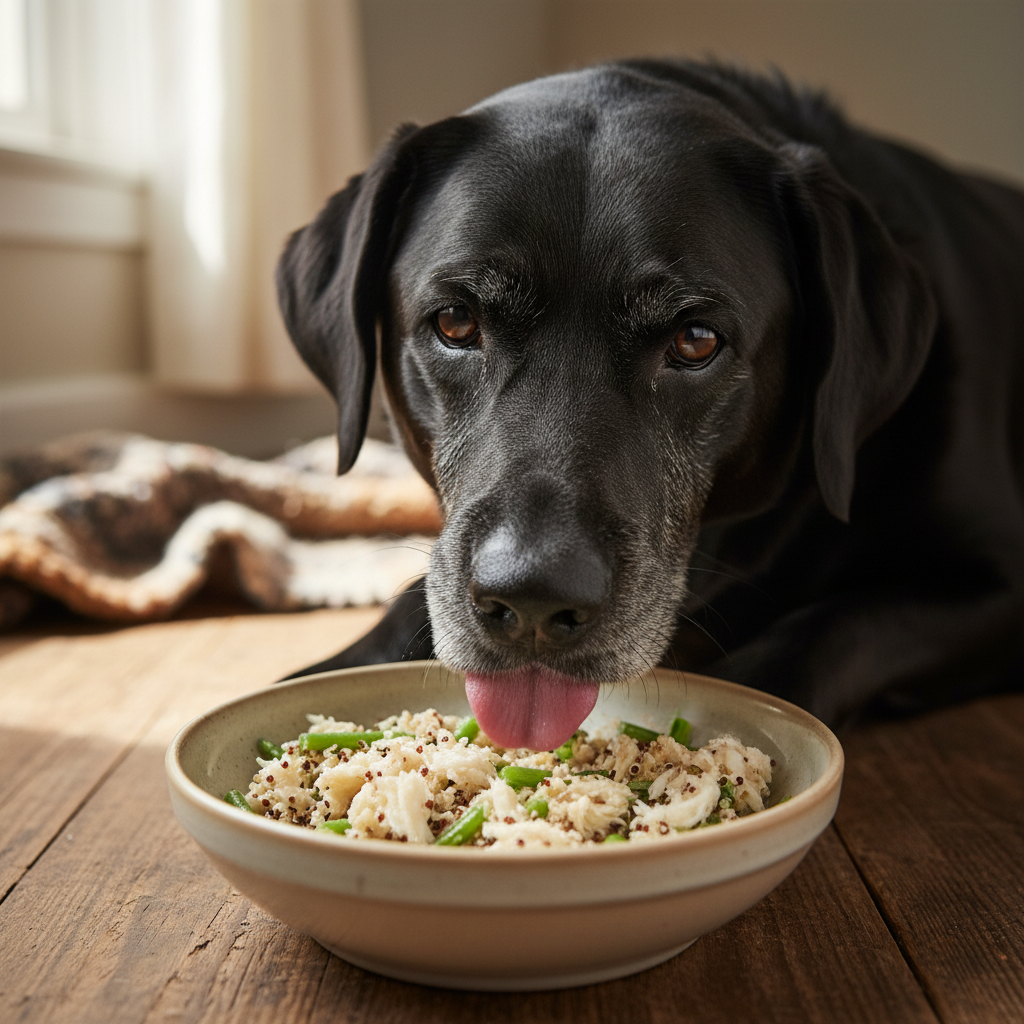
Older dogs often benefit from a diet that’s easy to digest and supports joint health. This recipe, inspired by Blue Buffalo’s Senior formulas, uses gentle whitefish, anti-inflammatory Omega-3s, and joint-supporting glucosamine from natural sources like green-lipped mussels (optional but recommended).
Ingredients:
- 2 lbs cod or other whitefish, baked and flaked
- 2 cups cooked quinoa
- 1 cup steamed green beans, chopped
- 1/2 cup chopped parsley (for fresh breath)
- 1 tablespoon coconut oil
- Optional: 1 tsp green-lipped mussel powder for joint support
Instructions:
- In a large bowl, gently mix the flaked fish and cooked quinoa.
- Stir in the chopped green beans and parsley.
- Add the coconut oil and the optional green-lipped mussel powder.
- Combine everything gently and serve when cool.
Pros & Cons
Pros
|
Cons
|
Verdict:
This is the perfect meal for senior dogs, especially those with dental issues, arthritis, or sensitive digestion. It’s a gentle, nutritious way to support them in their golden years.
9. Grain-Free Chicken & Pea

For dogs on a grain-free diet, this recipe mimics Blue Buffalo’s Freedom line. It uses peas and lentils as the primary carbohydrate source, providing energy and fiber without any grains. It’s a simple, high-protein meal that’s great for dogs with grain sensitivities.
Ingredients:
- 3 lbs boneless, skinless chicken breast, cooked and diced
- 1.5 cups cooked green lentils
- 1 cup cooked green peas
- 1 cup chopped spinach
- 1/2 cup blueberries
- 2 tablespoons olive oil
Instructions:
- In a large mixing bowl, combine the diced chicken, cooked lentils, and green peas.
- Stir in the chopped spinach until it’s well distributed.
- Gently fold in the blueberries.
- Drizzle with olive oil and mix to combine.
- Serve at room temperature.
Pros & Cons
Pros
|
Cons
|
Verdict:
This recipe is an excellent choice for dogs with confirmed grain allergies or sensitivities, as advised by a veterinarian. It’s a hearty, protein-packed meal that will keep them full and happy.
10. Bison & Root Vegetable Mash

Channel your dog’s inner wolf with this robust recipe inspired by the more exotic blends of Blue Buffalo Wilderness. Bison is a lean, novel protein that’s rich in flavor, paired perfectly with earthy root vegetables for a truly satisfying meal.
Ingredients:
- 2 lbs ground bison
- 2 cups chopped and boiled carrots
- 1 cup chopped and boiled parsnips
- 1/2 cup fresh or frozen cranberries
- 1 tablespoon flaxseed oil
- A pinch of rosemary
Instructions:
- Cook the ground bison in a large skillet until browned. Drain any excess fat.
- In a food processor, lightly pulse the boiled carrots and parsnips to create a chunky mash. Don’t over-process.
- In a large bowl, combine the cooked bison with the root vegetable mash.
- Stir in the cranberries, flaxseed oil, and a pinch of rosemary.
- Mix well and allow to cool before serving.
Pros & Cons
Pros
|
Cons
|
Verdict:
Perfect for high-energy dogs, dogs with poultry or beef allergies, or for the pampered pup who enjoys a taste of the wild. This is a truly special-occasion meal that’s packed with nutrition.
11. Small Breed Turkey & Rice Medley

Small breed dogs have faster metabolisms and smaller mouths. This recipe, inspired by Blue Buffalo’s Small Breed formula, features calorie-dense ingredients and is chopped into a fine medley that’s easy for tiny jaws to manage.
Ingredients:
- 2 lbs ground turkey
- 1.5 cups cooked brown rice
- 1/2 cup finely shredded sweet potato
- 1/2 cup finely chopped broccoli
- 1/4 cup plain yogurt
- 1 teaspoon fish oil
Instructions:
- Cook the ground turkey and drain the fat.
- In a bowl, combine the turkey, rice, shredded sweet potato, and chopped broccoli. Mix very well to ensure all ingredients are evenly distributed.
- Once the mixture is cool, stir in the yogurt and fish oil.
- The final texture should be a fine, well-mixed medley.
Pros & Cons
Pros
|
Cons
|
Verdict:
This is the perfect everyday meal for small breed dogs. It provides the concentrated energy they need in a delicious and easy-to-eat format.
12. Hearty Rabbit & Pumpkin
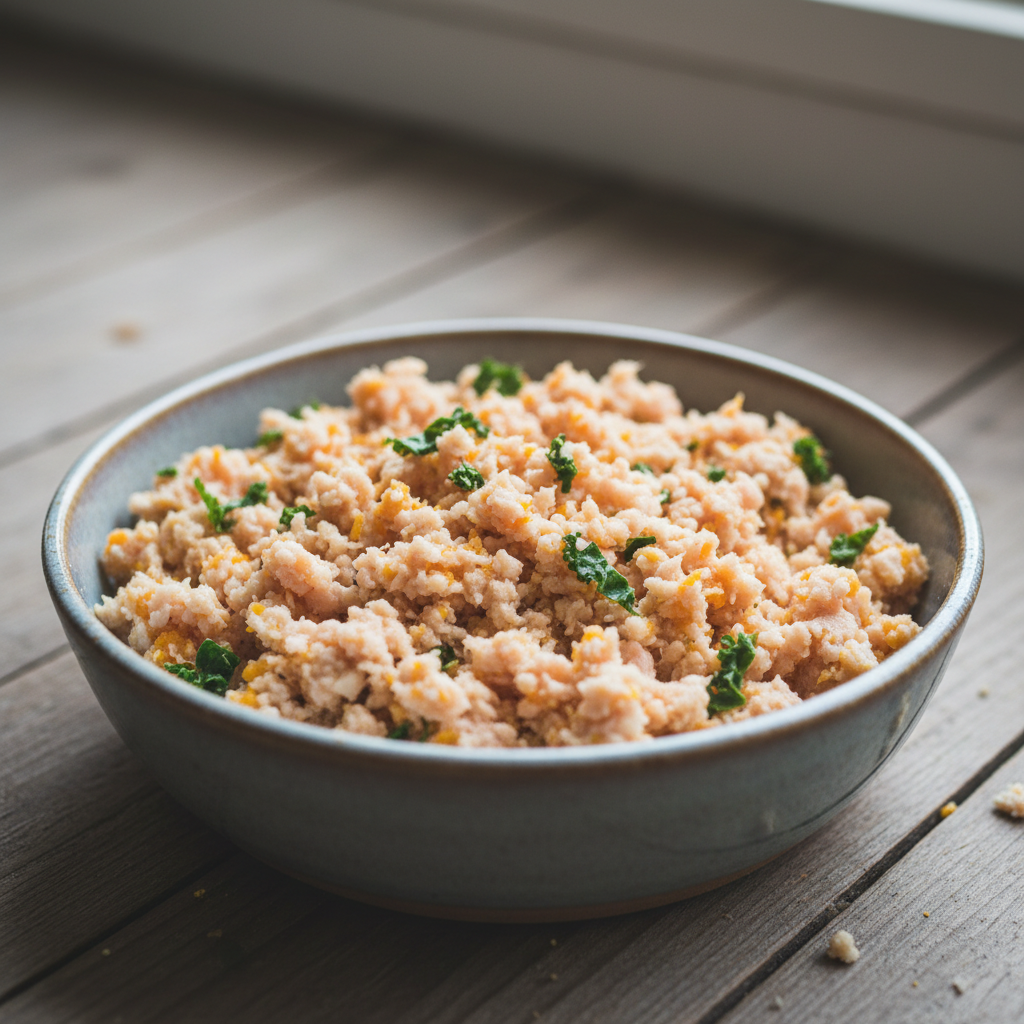
Another fantastic novel protein option, rabbit is a lean, all-white meat that’s low in cholesterol and high in protein. Paired with digestive-friendly pumpkin, this recipe is perfect for dogs with multiple food sensitivities or gastrointestinal issues.
Ingredients:
- 2 lbs ground rabbit (or whole rabbit, cooked and deboned)
- 2 cups pumpkin puree
- 1 cup cooked quinoa
- 1/2 cup chopped kale, steamed
- 1 tablespoon sunflower oil
Instructions:
- Cook the ground rabbit thoroughly in a skillet. It’s very lean, so you may need a little water to prevent sticking. Drain any fat.
- In a large bowl, mix the cooked rabbit with the pumpkin puree and cooked quinoa.
- Stir in the steamed kale.
- Mix in the sunflower oil until everything is well combined.
- Serve when cool.
Pros & Cons
Pros
|
Cons
|
Verdict:
An ideal choice for dogs on a strict elimination diet or for those with persistent digestive problems. It’s a gentle, lean, and highly nutritious meal.
13. Simple Cod & Green Bean Bowl

When you need a truly basic, limited-ingredient diet, this recipe is your answer. Inspired by the simplest of the Blue Buffalo Basics line, it uses just a few wholesome ingredients, making it perfect for pinpointing allergies or giving a stressed digestive system a break.
Ingredients:
- 3 lbs cod fillets, baked or steamed and flaked
- 3 cups steamed green beans, roughly chopped
- 1 tablespoon of fish oil (for essential fatty acids)
Instructions:
- This one is as simple as it gets. In a large bowl, gently combine the flaked cod and chopped green beans.
- Drizzle the fish oil over the top.
- Toss gently to mix, and serve.
Pros & Cons
Pros
|
Cons
|
Verdict:
This recipe is best used as a short-term ‘reset’ for a dog with an upset stomach or as a base for an elimination diet under veterinary supervision. It’s clean, simple, and incredibly gentle.
Your Guide to Cooking Nutritious Homemade Dog Food
Switching to homemade dog food is an amazing act of love, but it comes with responsibility. Unlike commercial kibble, which is fortified with a precise balance of vitamins and minerals, homemade food requires a bit more thought to ensure it’s nutritionally complete. Here are some key things to keep in mind:
1. Talk to Your Vet
This is the most important step. Before you make any major changes to your dog’s diet, consult your veterinarian or a board-certified veterinary nutritionist. They can help you formulate a diet that is balanced and appropriate for your dog’s specific age, breed, size, and health condition.
2. The Nutrient Balance
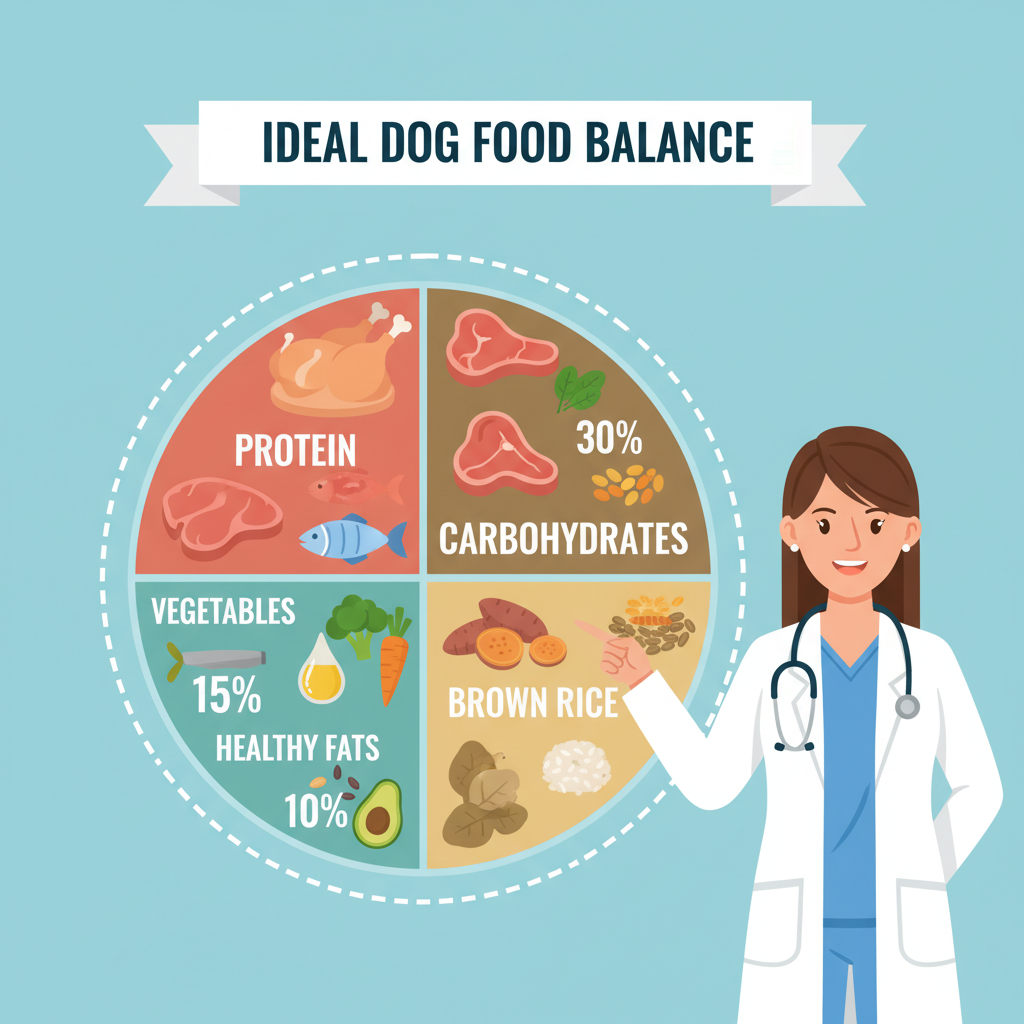
A healthy dog diet generally consists of a balance of protein, fat, carbohydrates, and essential vitamins and minerals. A good rule of thumb for a basic recipe is:
- 40-50% Protein: Cooked lean meats, poultry, or fish.
- 25-30% Carbohydrates: Cooked grains like brown rice or oatmeal, or vegetables like sweet potatoes.
- 20-30% Vegetables & Fruits: Carrots, peas, spinach, blueberries, etc., provide essential vitamins and fiber.
- A small amount of healthy fats: Fish oil, flaxseed oil, or olive oil.
3. Essential Supplements
It’s very difficult to meet all of your dog’s micronutrient needs through food alone. Most homemade diets will require supplementation. A canine-specific multivitamin and a calcium source are often necessary to fill the gaps. Again, your vet is the best person to guide you on which supplements your dog needs.
4. Foods to ALWAYS Avoid
Many human foods are toxic to dogs. Never include these in your recipes:
- Onions, garlic, chives
- Chocolate
- Grapes and raisins
- Macadamia nuts
- Xylitol (artificial sweetener)
- Alcohol
- Cooked bones (they can splinter)
5. Proper Storage and Portioning
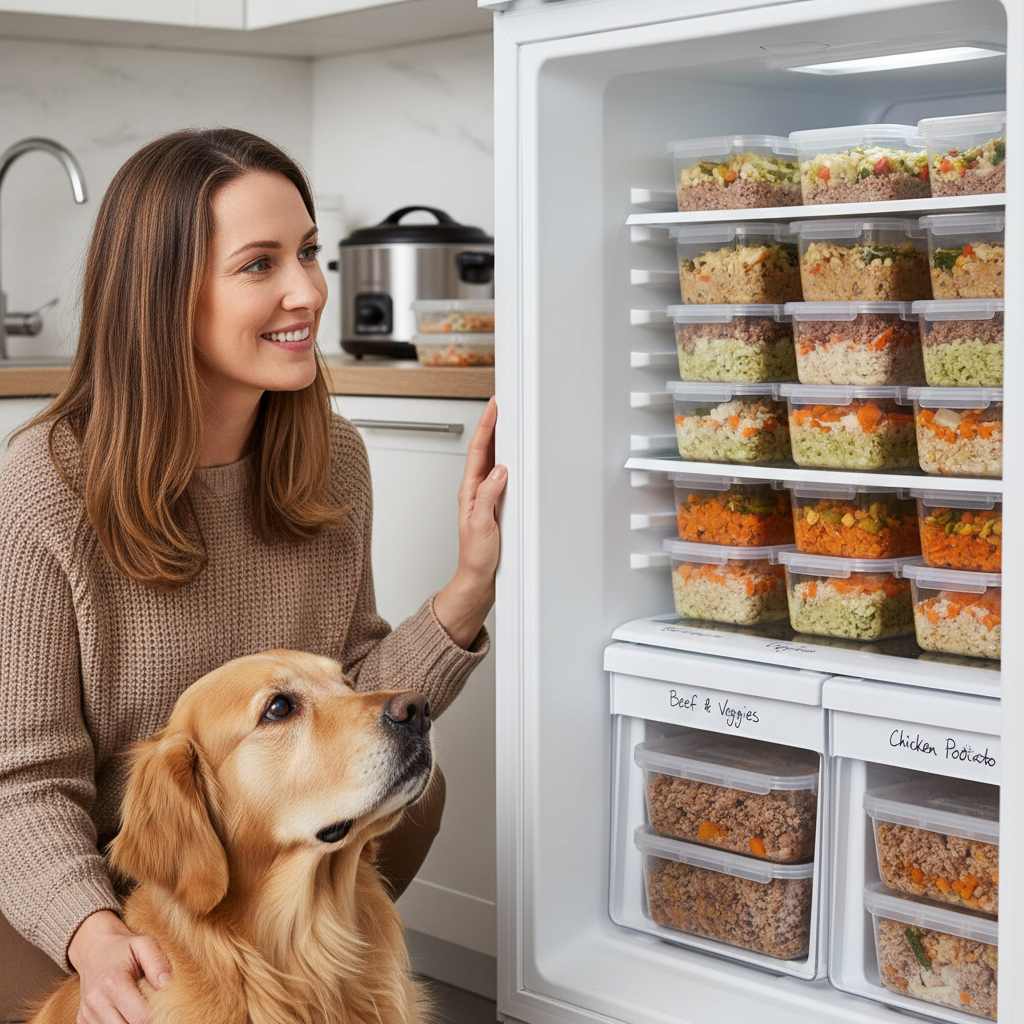
Homemade dog food has no preservatives, so it has a much shorter shelf life. It will typically last 3-4 days in the refrigerator. You can freeze larger batches in pre-portioned, airtight containers for up to 3 months. Thaw frozen portions in the refrigerator overnight before serving. Portion size depends entirely on your dog’s weight, age, and activity level. Use an online calculator as a starting point and adjust based on your dog’s body condition.
Frequently Asked Questions About DIY Dog Food
How do I transition my dog to homemade food?
Don’t switch cold turkey! A sudden change can cause digestive upset. Transition gradually over 7-10 days. Start by mixing 25% new food with 75% old food for a few days. Then move to a 50/50 mix, then 75/25, and finally 100% homemade food. Monitor your dog’s stool and energy levels throughout the process.
Can I make these recipes in bulk?
Absolutely! Batch cooking is a huge time-saver. You can cook a large batch of any of these recipes and freeze them in individual meal portions. This makes daily feeding as easy as thawing and serving. Just be sure to use freezer-safe, airtight containers to prevent freezer burn.
Do I need to add supplements to these recipes?
For long-term feeding, yes, it’s highly likely. While these recipes are packed with nutrients from whole foods, they may not meet 100% of the AAFCO standards for complete and balanced nutrition over time. A good canine multivitamin and a calcium supplement are often recommended. Please consult your veterinarian to determine the exact supplements and dosages your specific dog needs to thrive on a homemade diet.
How do I know the right portion size for my dog?
The general guideline is to feed 2-3% of your dog’s ideal body weight per day. For example, a 50-pound dog would eat 1 to 1.5 pounds of food daily. However, this varies greatly based on metabolism and activity level. The best way to judge is by monitoring your dog’s physical condition. You should be able to feel their ribs but not see them, and they should have a visible waist when viewed from above. Adjust portions as needed to maintain a healthy weight.
Conclusion
Embarking on a homemade dog food journey is one of the most rewarding things you can do for your pet. It allows you to provide fresh, high-quality meals made with love and without any of the questionable fillers or preservatives found in some commercial foods. These 13 Blue Buffalo-inspired recipes are a fantastic starting point, offering a variety of flavors and nutritional profiles to suit almost any dog.
Remember, the key to success is balance and partnership with your veterinarian. With a little planning and preparation, you can transform your dog’s mealtime from a routine into a daily celebration of health and happiness. Happy cooking, and here’s to many more happy, healthy years with your best friend!