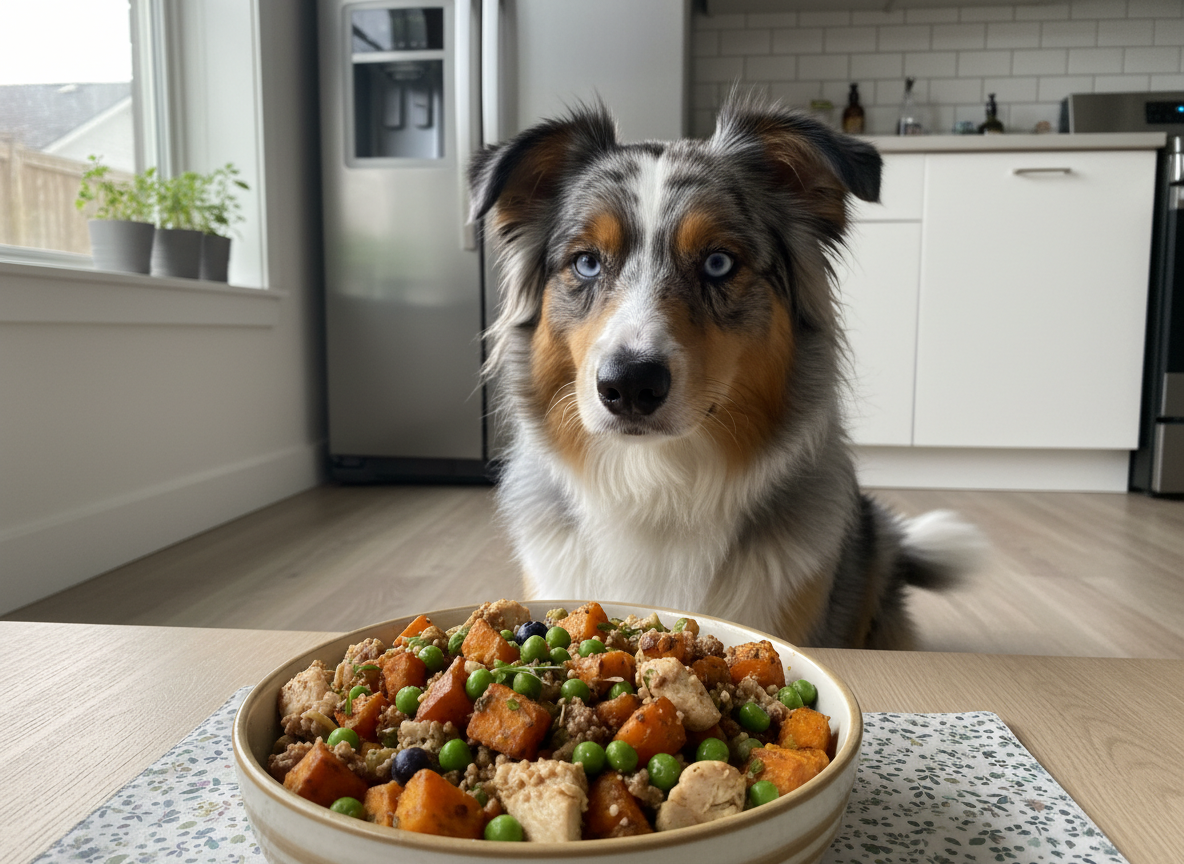
7 High-Energy Homemade Food for Australian Shepherds
Australian Shepherds are more than just stunningly beautiful dogs; they’re intelligent, athletic, and packed with an almost unbelievable amount of energy. Keeping these working dogs happy and healthy means fueling their bodies with the right stuff. While commercial kibble is convenient, have you ever wondered exactly what’s in it? Making your dog’s food at home puts you in complete control, allowing you to provide fresh, high-quality, and nutrient-dense meals tailored to your Aussie’s active lifestyle.
Switching to a homemade diet can feel like a big step, but it doesn’t have to be complicated. We’ve whipped up seven fantastic recipes that are not only easy to prepare but are also packed with the protein, complex carbs, and healthy fats your Aussie needs to thrive. Before we dive in, here’s a quick look at our top picks!
Quick Comparison of Our Favorite Recipes
| Recipe Name | Primary Protein | Best For | Approx. Prep & Cook Time |
|---|---|---|---|
| The Aussie Power Bowl | Ground Beef | Muscle Building & Sustained Energy | 30 Minutes |
| Lean Machine Chicken & Rice | Chicken Breast | Sensitive Stomachs & Lean Muscle | 25 Minutes |
| Brain & Coat Booster Salmon | Salmon | Healthy Skin, Shiny Coat & Brain Function | 25 Minutes |
| Hearty Turkey & Barley Stew | Ground Turkey | A Warming, Filling Meal | 40 Minutes |
| Iron-Rich Lamb & Lentil Loaf | Ground Lamb | Boosting Iron & Digestive Health | 50 Minutes (includes baking) |
| Sunrise Scramble | Eggs | A Protein-Packed Breakfast | 15 Minutes |
| The Gut-Friendly Mash | Sardines | Digestive Health & Nutrient Density | 15 Minutes |
1. The Aussie Power Bowl (Beef & Sweet Potato)
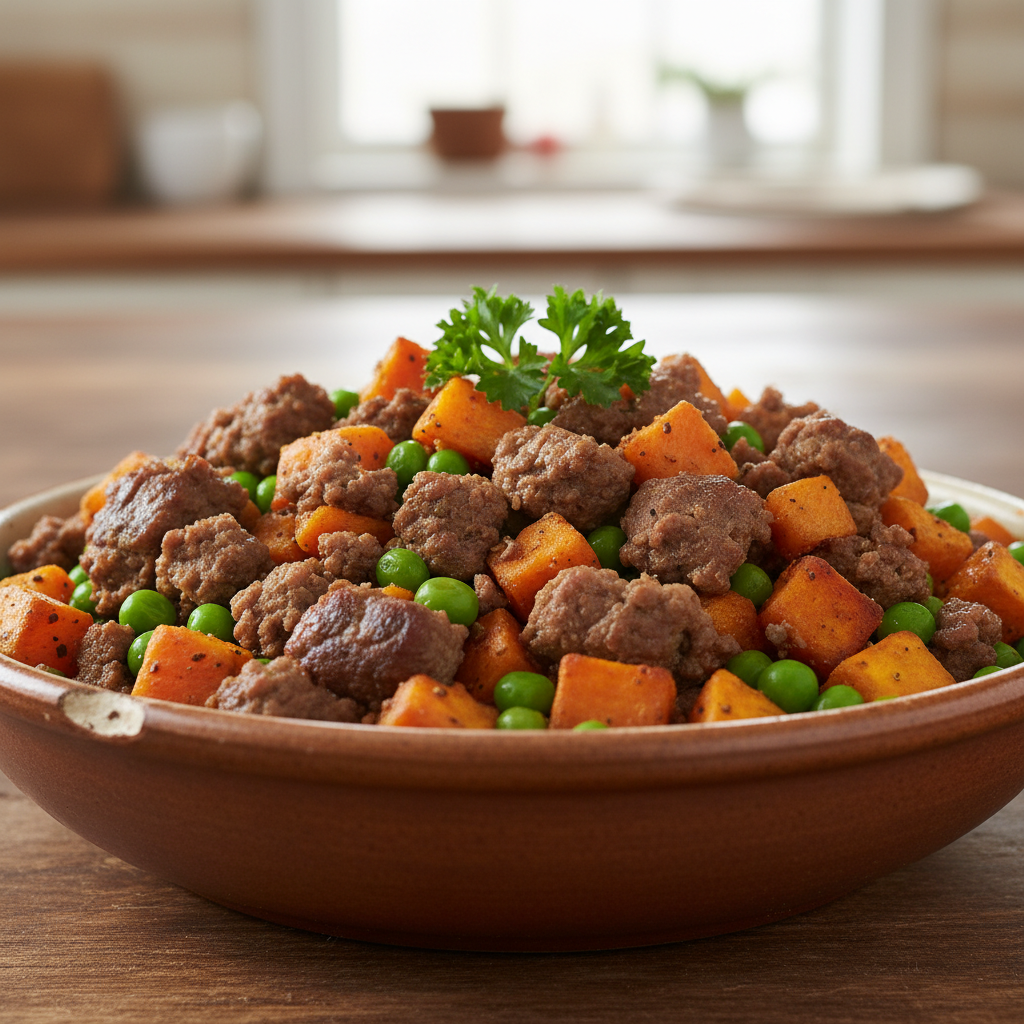
This recipe is a classic for a reason. It combines high-quality protein for muscle maintenance with complex carbohydrates for long-lasting energy. Beef is an excellent source of zinc and iron, while sweet potatoes are packed with vitamins and fiber. It’s a powerhouse meal perfect for the Aussie who spends their days herding, running, and playing.
Ingredients:
- 1 lb lean ground beef (90/10 or leaner)
- 1 large sweet potato, peeled and diced
- 1 cup frozen peas
- 1 cup chopped carrots
- 1/2 cup spinach
- 2 tablespoons olive oil or coconut oil
- 4 cups water or low-sodium beef broth
Instructions:
- In a large pot or Dutch oven, heat the olive oil over medium-high heat. Add the ground beef and cook until browned, breaking it up with a spoon.
- Drain off any excess fat from the pot.
- Add the diced sweet potato, carrots, and water/broth to the pot. Bring to a boil, then reduce the heat, cover, and simmer for about 15-20 minutes, or until the vegetables are tender.
- Stir in the frozen peas and spinach and cook for another 2-3 minutes until the spinach has wilted and the peas are heated through.
- Remove from heat and let it cool completely before serving. You can mash it slightly for easier digestion if you prefer.
Pros & Cons
| Pros | Cons |
|---|---|
| Excellent for building and maintaining lean muscle mass. | Beef can be a common allergen for some dogs. |
| Sweet potatoes provide sustained energy without blood sugar spikes. | Higher in fat content than poultry-based recipes. |
| Easy to make in large batches and freeze for later. |
Verdict:
This is the ideal meal for a highly active adult Australian Shepherd without any known beef sensitivities. It provides the perfect balance of protein and carbs to fuel long days of activity and support muscle recovery.
2. Lean Machine Chicken & Rice

When you think of a simple, wholesome meal for a dog, chicken and rice often comes to mind. This recipe elevates that classic combo into a nutritionally complete meal. Chicken is a fantastic source of lean protein, and brown rice offers digestible fiber and carbohydrates. We’ve also added veggies for a vitamin boost, making it a great choice for Aussies with slightly more sensitive stomachs.
Ingredients:
- 2 boneless, skinless chicken breasts (about 1 lb), cubed
- 1 cup brown rice
- 1 cup chopped green beans
- 1 cup chopped zucchini
- 1 tablespoon flaxseed oil
- 6 cups water
Instructions:
- In a large pot, combine the chicken, brown rice, and water. Bring to a boil.
- Once boiling, reduce the heat to low, cover the pot, and let it simmer for about 20 minutes, or until the rice is cooked and has absorbed most of the water.
- Add the chopped green beans and zucchini to the pot. Cover and cook for another 5-7 minutes, until the vegetables are tender-crisp.
- Remove from the heat and let it cool. Before serving, stir in the flaxseed oil, which is a great source of Omega-3 fatty acids.
- Shred the chicken with two forks to ensure it’s evenly distributed throughout the meal.
Pros & Cons
| Pros | Cons |
|---|---|
| Highly digestible and gentle on the stomach. | Lower in fat, which may not be ideal for extremely active working dogs. |
| Chicken is a lean, affordable protein source. | Some dogs can have sensitivities to chicken. |
| Well-balanced for everyday energy needs. | Brown rice can be bulky; ensure your dog tolerates grains well. |
Verdict:
Perfect for the average family Aussie who enjoys daily walks, training sessions, and games of fetch. It’s a reliable, easy-to-digest meal that provides consistent energy without being too rich.
3. Brain & Coat Booster Salmon Bake
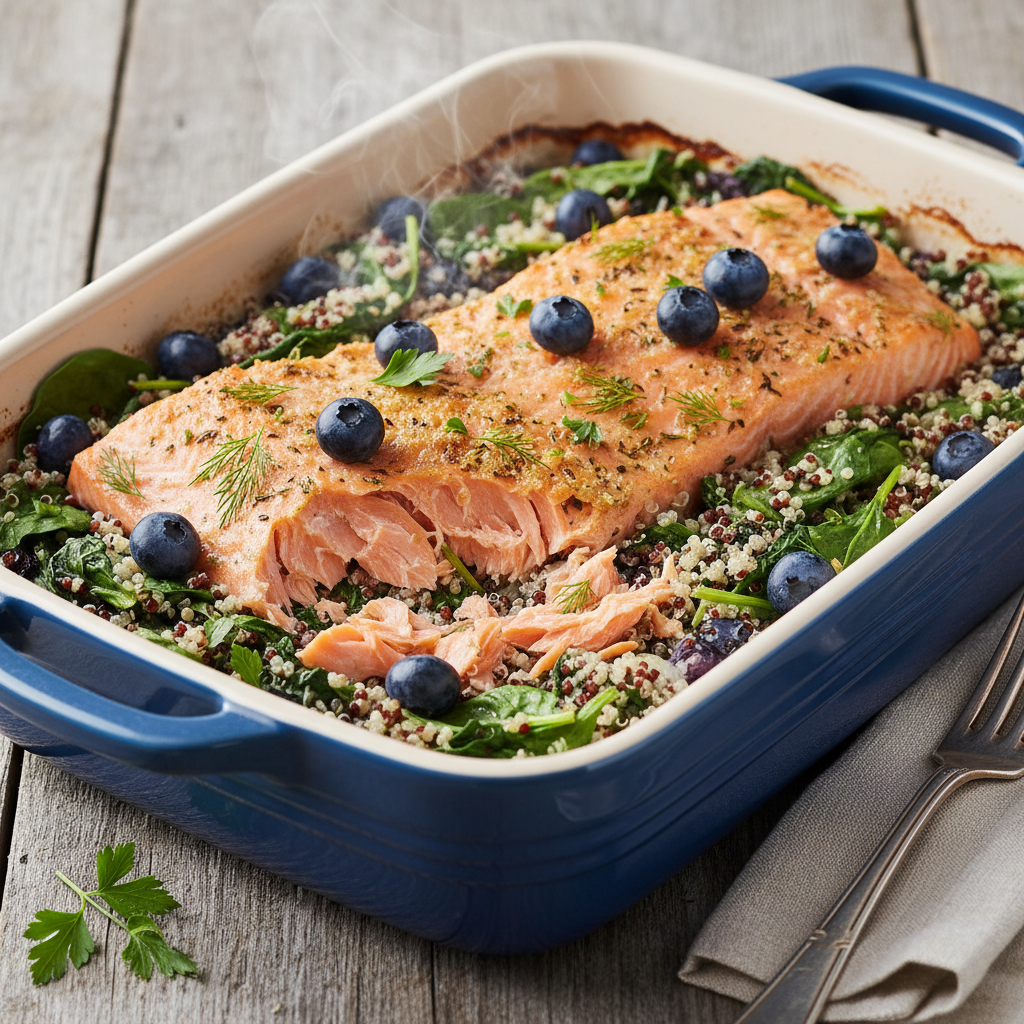
Want your Aussie’s beautiful coat to be the talk of the dog park? This recipe is your secret weapon. Salmon is loaded with Omega-3 and Omega-6 fatty acids, which are superstars for skin and coat health. They also support cognitive function—perfect for a breed as smart as the Australian Shepherd! Quinoa is a complete protein, and blueberries add a punch of antioxidants.
Ingredients:
- 1 lb salmon fillet, skin removed
- 1 cup quinoa, rinsed
- 2 cups water or low-sodium vegetable broth
- 1 cup spinach, packed
- 1/2 cup blueberries (fresh or frozen)
- 1 tablespoon coconut oil, melted
Instructions:
- Preheat your oven to 400°F (200°C). Place the salmon fillet in a baking dish. Drizzle with melted coconut oil.
- Bake for 12-15 minutes, or until the salmon is cooked through and flakes easily with a fork.
- While the salmon is baking, cook the quinoa. In a medium saucepan, combine the rinsed quinoa and water/broth. Bring to a boil, then reduce heat, cover, and simmer for about 15 minutes until the liquid is absorbed.
- Once the salmon and quinoa are cooked, let them cool.
- In a large bowl, flake the salmon into smaller pieces. Add the cooked quinoa, spinach, and blueberries. Gently mix everything together until well combined. The residual heat will wilt the spinach.
Pros & Cons
| Pros | Cons |
|---|---|
| Incredibly rich in Omega-3s for a shiny coat and healthy joints. | Salmon can be more expensive than other proteins. |
| Supports brain health, ideal for this intelligent breed. | The fishy smell might linger in your kitchen! |
| Quinoa is a gluten-free, high-protein grain alternative. | Some dogs may not enjoy the taste of fish. |
Verdict:
This is a fantastic choice for any Aussie, but it’s particularly beneficial for dogs who may be experiencing dry skin, a dull coat, or joint stiffness. It’s a gourmet meal that boosts both beauty and brains.
4. Hearty Turkey & Barley Stew
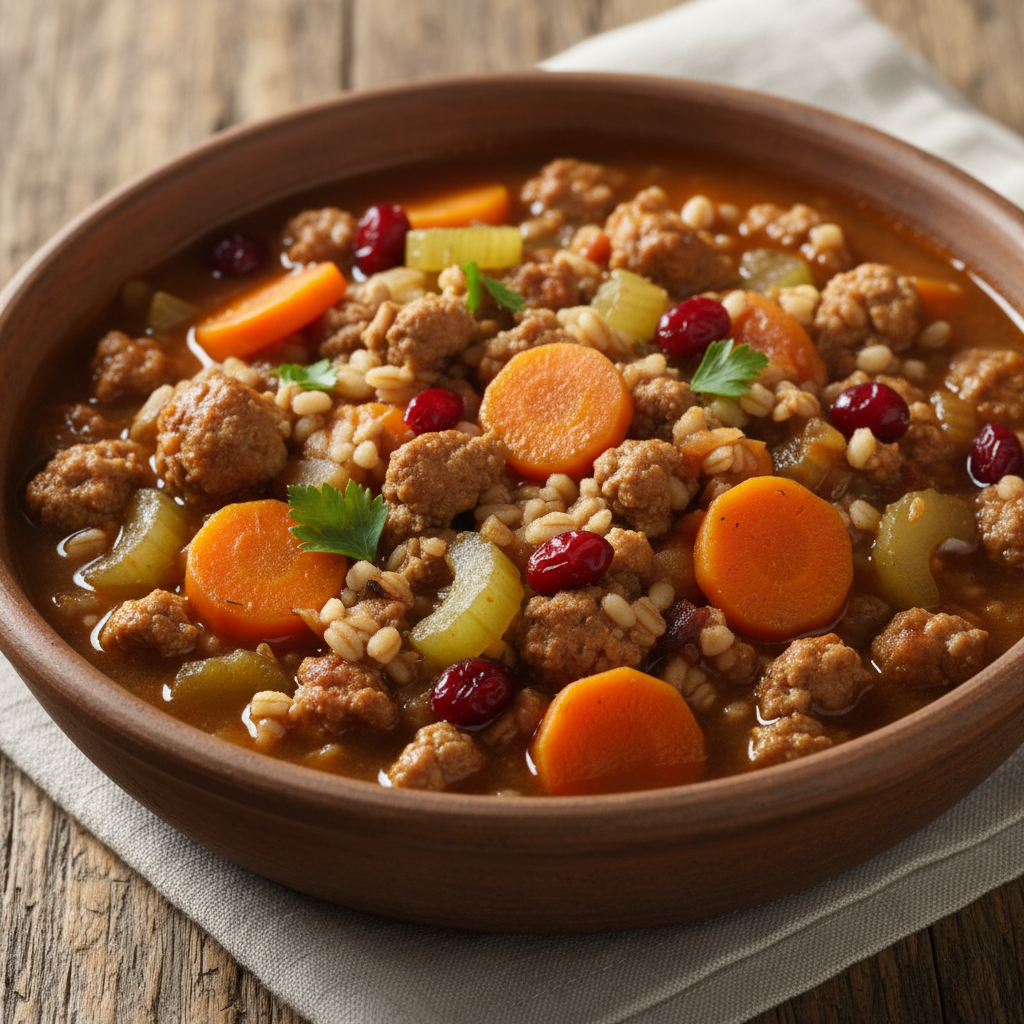
On a chilly day, nothing beats a warm, hearty stew—and your dog will agree! This recipe uses ground turkey, a lean protein that’s easy on the digestive system. Barley is a fantastic, low-glycemic grain that provides slow-release energy, preventing those energy spikes and crashes. It’s a comforting, rib-sticking meal that will keep your Aussie satisfied.
Ingredients:
- 1 lb ground turkey
- 1/2 cup pearl barley, rinsed
- 1 cup diced celery
- 1 cup diced carrots
- 1/2 cup cranberries (fresh or unsweetened dried)
- 6 cups water or low-sodium turkey/chicken broth
- 1 tablespoon olive oil
Instructions:
- In a large stockpot, heat the olive oil over medium heat. Add the ground turkey and cook until browned.
- Add the rinsed barley, carrots, celery, and water/broth to the pot. Stir to combine.
- Bring the stew to a boil, then reduce the heat to a simmer. Cover and cook for 30-35 minutes, stirring occasionally, until the barley is tender.
- Stir in the cranberries and cook for another 5 minutes.
- Allow the stew to cool to a safe temperature before serving. It will have a thick, stew-like consistency that dogs love.
Pros & Cons
| Pros | Cons |
|---|---|
| Turkey is a lean and highly digestible protein source. | Barley is a grain, which may not be suitable for grain-free diets. |
| Barley provides excellent fiber for digestive health. | Takes a bit longer to cook than some other recipes. |
| A comforting, hydrating meal perfect for colder months. |
Verdict:
This stew is an excellent option for adult and senior Aussies, providing warmth, hydration, and steady energy. It’s also great for dogs that need a little extra fiber in their diet to keep things regular.
5. Iron-Rich Lamb & Lentil Loaf

Think of this as a savory meatloaf, but made just for your pup! Lamb is a novel protein for many dogs, making it a great choice if you suspect sensitivities to more common meats like chicken or beef. It’s also rich in iron. Lentils are a nutritional powerhouse, offering plant-based protein, fiber, and essential minerals. This loaf is easy to slice and serve, and it holds up well for storage.
Ingredients:
- 1 lb ground lamb
- 1 cup cooked red lentils
- 1 egg, beaten
- 1/2 cup rolled oats
- 1/2 cup grated zucchini
- 1/4 cup chopped parsley
Instructions:
- Preheat your oven to 350°F (175°C). Grease a standard loaf pan.
- In a large bowl, combine the ground lamb, cooked lentils, beaten egg, rolled oats, grated zucchini, and chopped parsley.
- Use your hands to mix all the ingredients together until they are just combined. Be careful not to overmix.
- Press the mixture evenly into the prepared loaf pan.
- Bake for 35-40 minutes, or until the loaf is cooked through and firm to the touch.
- Let the loaf cool completely in the pan before slicing and serving. You can store slices in the fridge or freezer.
Pros & Cons
| Pros | Cons |
|---|---|
| Lamb is a great novel protein for dogs with allergies. | Ground lamb can be fatty; be sure to buy a lean variety. |
| Lentils provide a huge boost of fiber and plant-based nutrients. | The loaf format requires baking time. |
| Easy to portion and store. | Some dogs may experience gas from the high lentil content. |
Verdict:
This recipe is perfect for the Aussie owner looking for a convenient, freezable meal option. It’s especially good for dogs who could benefit from a novel protein source or need an iron boost in their diet.
6. Sunrise Scramble (Egg & Oatmeal)

Who says homemade meals are just for dinner? Start your active Aussie’s day off right with a protein-packed breakfast. Eggs are one of nature’s most complete protein sources, and they’re full of vitamins and minerals. Oatmeal provides soluble fiber for digestive health and a slow release of energy to power their morning zoomies. It’s quick, easy, and a delicious way to fuel up for a day of adventure.
Ingredients:
- 3 whole eggs
- 1/2 cup rolled oats, cooked into oatmeal
- 1/4 cup cottage cheese (low-fat)
- 1 tablespoon chopped parsley
- A splash of water
Instructions:
- First, prepare the oatmeal according to package directions using water (not milk) and let it cool slightly.
- In a bowl, whisk the eggs with a splash of water and the chopped parsley.
- Heat a non-stick skillet over medium heat (no oil or butter needed). Pour in the egg mixture and scramble until cooked through.
- In your dog’s bowl, combine the cooked oatmeal, scrambled eggs, and cottage cheese.
- Mix everything together and let it cool to a safe temperature before serving.
Pros & Cons
| Pros | Cons |
|---|---|
| Extremely quick and easy to prepare. | Not designed to be a complete meal for every day; best as a special breakfast. |
| Eggs are a highly bioavailable and complete protein. | Some dogs can be sensitive to dairy (cottage cheese). |
| Gentle on the stomach and great for a morning energy boost. |
Verdict:
This is the perfect breakfast or light meal for an active day. Serve it before a big hike or a trip to the dog park. It’s also a great option for older dogs or those recovering from an upset stomach who need something nutritious but easy to digest.
7. The Gut-Friendly Mash (Sardine & Pumpkin)

This recipe might not sound appealing to you, but your dog will go crazy for it! Sardines are tiny nutritional bombs, packed with Omega-3s, Vitamin D, and calcium. Because they are small and have a short lifespan, they don’t accumulate heavy metals like larger fish. Pumpkin is a miracle food for dogs, renowned for its ability to soothe digestive upset and promote regularity. This mash is a fantastic supplemental meal or topper to boost your dog’s overall health.
Ingredients:
- 1 can (3.75 oz) sardines packed in water, no salt added
- 1/2 cup 100% pure pumpkin puree (not pie filling)
- 1/2 cup cooked kale or spinach, finely chopped
- 1 hard-boiled egg, chopped
Instructions:
- Open the can of sardines and drain most of the water.
- In a bowl, mash the sardines with a fork. It’s okay to include the soft, edible bones—they are a great source of calcium!
- Add the pumpkin puree, chopped kale/spinach, and chopped hard-boiled egg to the bowl.
- Stir everything together until you have a thick, well-combined mash.
- Serve immediately as a meal or as a kibble topper.
Pros & Cons
| Pros | Cons |
|---|---|
| Excellent for digestive health and promoting firm stools. | Very strong, fishy smell. |
| Sardines are an incredible source of Omega-3s and calcium. | Best used as a supplemental meal or topper, not a daily staple. |
| Incredibly simple with no cooking required (if using pre-cooked egg). | The texture might be unusual for some picky eaters. |
Verdict:
This mash is a must-have recipe for any dog owner. It’s the perfect meal to have on hand for days when your Aussie’s tummy seems a little off. It’s also a fantastic, nutrient-dense topper to add to any meal once or twice a week for a health boost.
A Smart Shopper’s Guide to Homemade Dog Food Ingredients

Creating balanced meals for your Aussie is all about choosing the right building blocks. When you’re at the grocery store, think like a canine nutritionist! Here’s what to focus on to ensure your homemade meals are both delicious and nutritionally sound.
Choosing Your Core Components
- Lean Proteins: This is the star of the show for your active Aussie. Look for high-quality sources like lean ground beef, chicken breast, turkey, salmon, lamb, and eggs. Protein is essential for building and repairing muscle.
- Complex Carbohydrates: These provide the fuel for all that running and playing. Opt for nutrient-dense, slow-release carbs like sweet potatoes, brown rice, barley, quinoa, and rolled oats. They provide sustained energy without the crash.
- Healthy Fats: Fats are crucial for brain function, joint health, and a glossy coat. Great sources include fish oil, flaxseed oil, coconut oil, and the natural fats found in proteins like salmon.
- Vitamins & Minerals: This is where fruits and veggies come in. Carrots, peas, green beans, spinach, kale, blueberries, and pumpkin are all fantastic additions. They provide essential fiber, vitamins, and antioxidants.
Important: Foods to Always Avoid
While making food at home is wonderful, it’s critical to know what’s dangerous for dogs. Never include these ingredients in your recipes:
- Onions, Garlic, Chives
- Grapes and Raisins
- Chocolate
- Macadamia Nuts
- Avocado
- Xylitol (an artificial sweetener found in many human foods)
- Cooked Bones (they can splinter and cause serious injury)
A final, crucial note: Always consult with your veterinarian or a veterinary nutritionist before making a long-term switch to a homemade diet. They can help you ensure the meals are complete and balanced for your specific dog’s age, weight, and activity level, and may recommend a vitamin/mineral supplement to fill any gaps.
Frequently Asked Questions About Homemade Aussie Diets

How much homemade food should I feed my Australian Shepherd?
This is a great question! The general rule of thumb is to feed your dog about 2-3% of their ideal body weight per day. For a 50-pound Australian Shepherd, this would be 1 to 1.5 pounds of food daily, split into two meals. However, this can vary greatly based on their age, metabolism, and activity level. It’s best to start with this guideline, monitor your dog’s weight and body condition, and adjust the amount as needed. Your vet can give you the most accurate recommendation.
Do I need to add supplements to a homemade diet?
Most likely, yes. While these recipes are packed with nutrients, it can be very difficult to achieve the perfect balance of all essential vitamins and minerals, especially calcium and phosphorus, through food alone. To ensure your Aussie isn’t missing anything crucial, it’s highly recommended to talk to your vet about adding a good quality multivitamin and mineral supplement designed for dogs on homemade diets.
Can I make these meals in big batches and freeze them?
Absolutely! Batch cooking is a huge time-saver. Most of these recipes (especially the stews, loaves, and beef/chicken dishes) freeze beautifully. You can prepare a week’s or even a month’s worth of food at once. Just portion the cooled food into freezer-safe containers or bags, and you’ll have ready-to-go meals. Simply thaw a portion in the refrigerator the night before you need it.
Conclusion
Giving your Australian Shepherd a homemade diet is a wonderful way to show your love and take an active role in their health and well-being. By using fresh, wholesome ingredients, you provide them with the high-octane fuel they need to live their best, most energetic life. These seven recipes are a fantastic starting point for your culinary journey together.
Remember, the best diet is one that works for your specific dog. Don’t be afraid to see which proteins and veggies your Aussie enjoys the most. And most importantly, always keep an open line of communication with your veterinarian to ensure your homemade meals are as nutritious as they are delicious. Happy cooking, and here’s to many more happy, tail-wagging mealtimes!