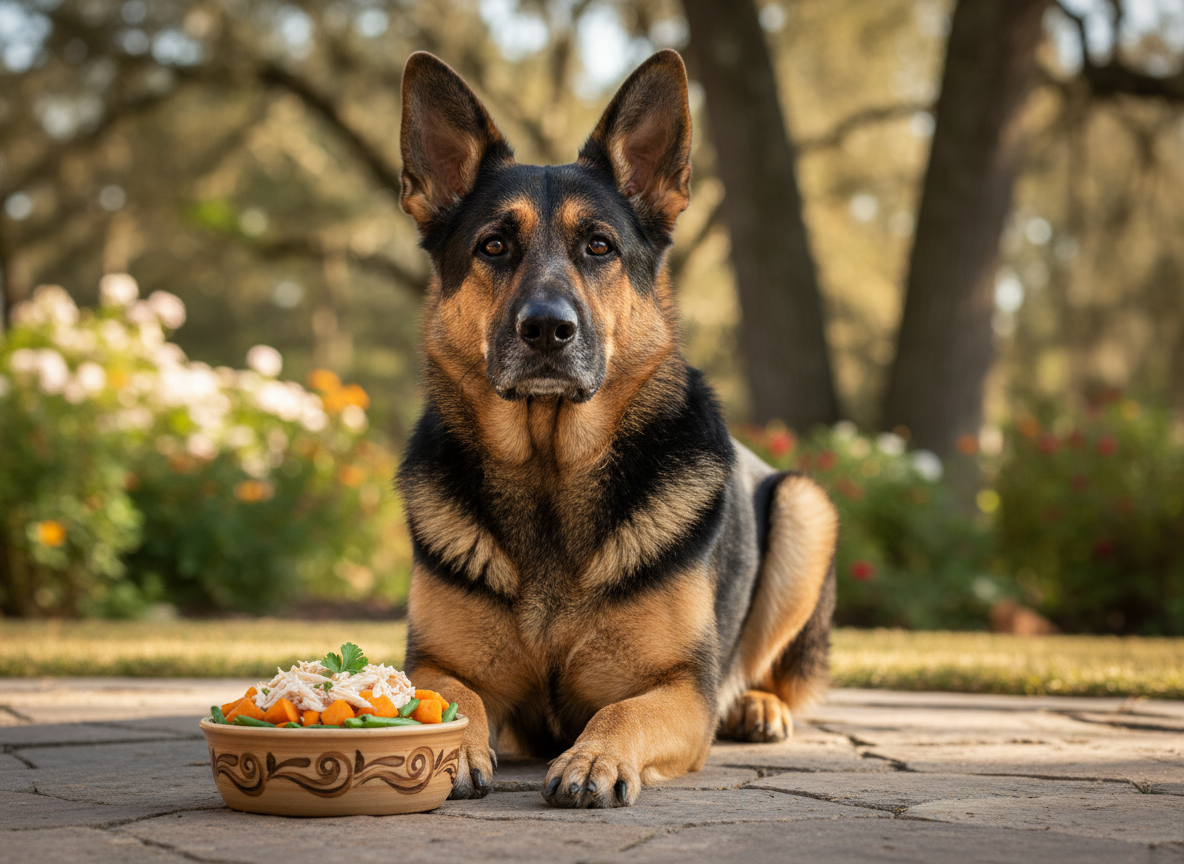
7 Homemade German Shepherd Dog Food Recipes for Muscle Growth
German Shepherds are more than just pets; they’re loyal companions, intelligent workers, and powerful athletes. To keep these incredible dogs in peak condition, their diet needs to be top-notch, especially when it comes to building and maintaining lean muscle mass. While commercial kibble has its place, a homemade diet gives you complete control over every single ingredient that goes into their bowl. You can ensure they get high-quality protein, complex carbs for energy, and essential nutrients without any of the fillers or artificial additives found in some store-bought foods.
Switching to a homemade diet can seem daunting, but it’s an incredibly rewarding way to invest in your GSD’s health. In this guide, we’ve crafted 7 delicious and nutritionally balanced recipes specifically designed to support muscle growth in German Shepherds. Let’s get cooking for your canine friend!
Quick Comparison of Our Muscle-Building Recipes
| Recipe Name | Primary Protein | Approx. Prep Time | Key Benefits |
|---|---|---|---|
| Power-Packed Chicken & Quinoa | Chicken | 30 mins | Lean muscle repair, easily digestible |
| Hearty Beef & Sweet Potato Stew | Beef | 45 mins | Rich in iron, sustained energy release |
| Joint-Support Salmon & Rice | Salmon | 25 mins | Omega-3s for joint and coat health |
| Lean Turkey & Oatmeal Delight | Turkey | 35 mins | Low-fat protein, good for sensitive stomachs |
| Allergy-Friendly Lamb & Lentils | Lamb | 50 mins | Novel protein source, high in fiber |
| Protein Boost Egg Scramble | Eggs & Cottage Cheese | 15 mins | Quick protein boost, great as a meal topper |
| The Ultimate GSD Goulash | Mixed (Beef & Chicken Liver) | 60 mins | Nutrient-dense, rich in vitamins and minerals |
1. Power-Packed Chicken & Quinoa Bowl
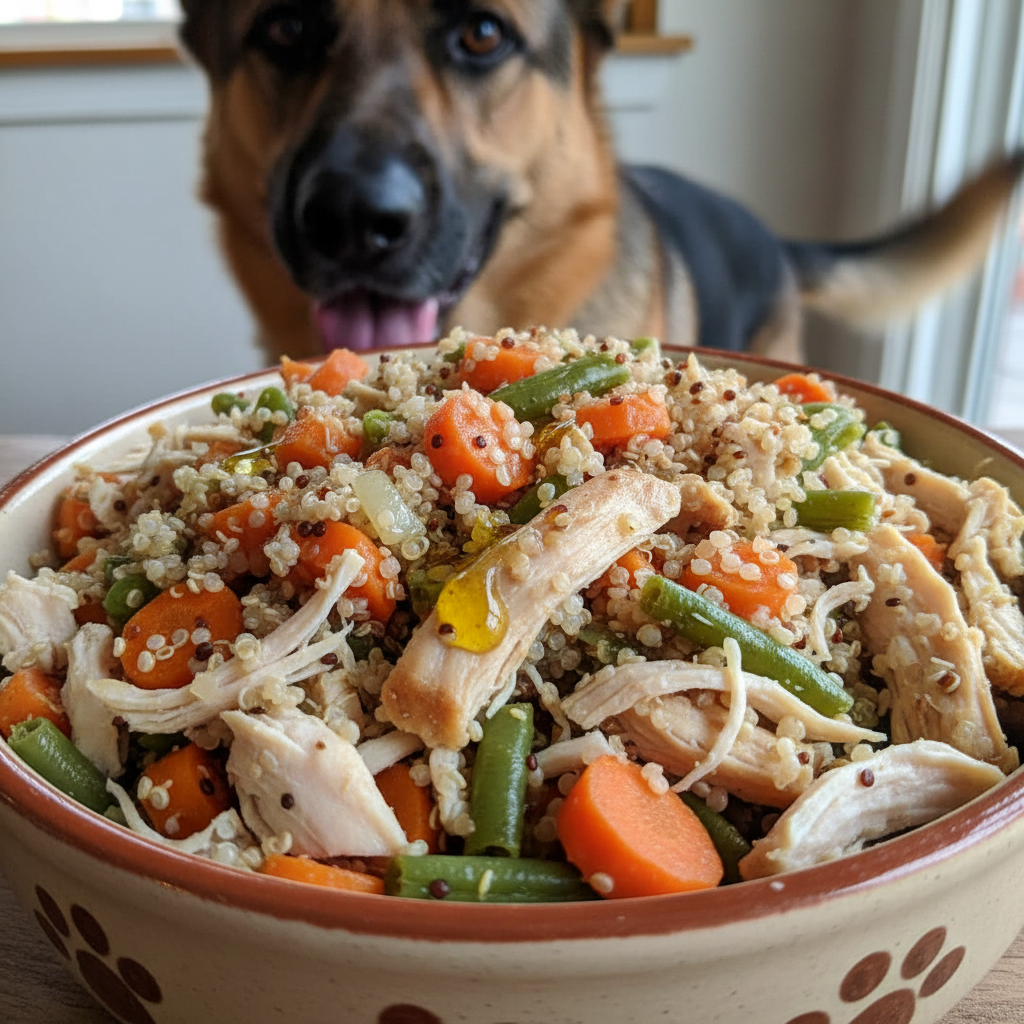
This recipe is a fantastic starting point for any GSD owner. Chicken is a lean, high-quality protein that’s easy for most dogs to digest, providing the essential amino acids needed for muscle repair and growth. Quinoa, a complete protein itself, serves as a gluten-free carbohydrate source for sustained energy during training and play.
Ingredients:
- 2 lbs boneless, skinless chicken breast, cubed
- 1 cup uncooked quinoa, rinsed
- 2 cups water or low-sodium chicken broth
- 1 cup chopped carrots
- 1 cup green beans, trimmed and chopped
- 1 tablespoon olive oil or coconut oil
- Optional: 1/4 cup chopped parsley for fresh breath
Instructions:
- In a large pot or Dutch oven, heat the olive oil over medium-high heat. Add the cubed chicken and cook until lightly browned on all sides.
- Add the water or broth, rinsed quinoa, carrots, and green beans to the pot. Stir to combine.
- Bring the mixture to a boil, then reduce the heat to low, cover, and let it simmer for about 20-25 minutes, or until the quinoa is cooked, the vegetables are tender, and the liquid is absorbed.
- Remove from heat and let it cool completely. Fluff with a fork and stir in the fresh parsley if using.
- Serve according to your dog’s weight and activity level. Store leftovers in an airtight container in the refrigerator for up to 4 days.
Pros and Cons
Pros
|
Cons
|
Verdict:
This is the perfect all-rounder recipe for active adult German Shepherds. It’s balanced, easy on the stomach, and provides a fantastic foundation for a healthy, muscle-supporting diet.
2. Hearty Beef & Sweet Potato Stew
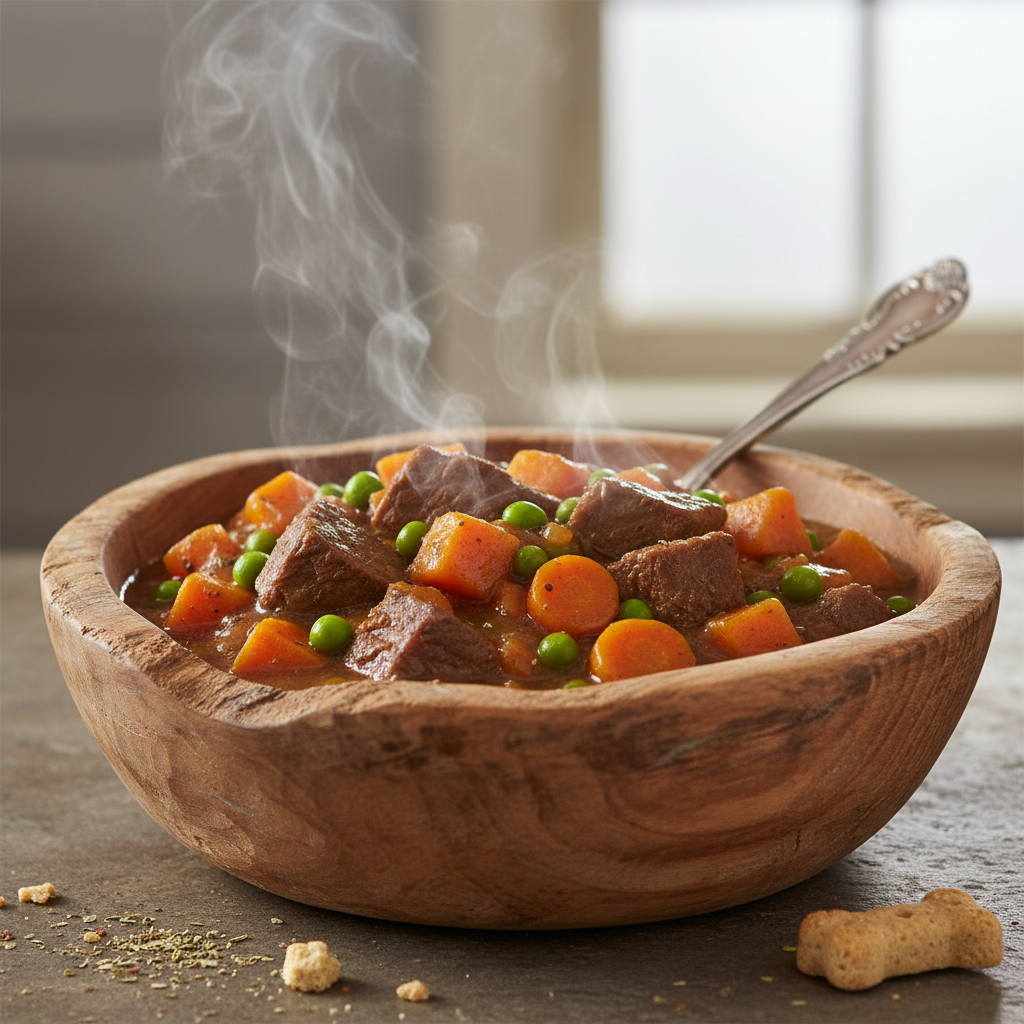
For the GSD that needs a little more substance, this beef and sweet potato stew is a winner. Beef is an excellent source of protein, iron, and zinc, which are vital for energy and a healthy immune system. Sweet potatoes are a nutritional powerhouse, offering complex carbohydrates for slow-release energy, fiber for digestive health, and a host of vitamins.
Ingredients:
- 2 lbs lean ground beef or stewing beef
- 2 medium sweet potatoes, peeled and diced
- 1 cup frozen peas
- 2 carrots, peeled and chopped
- 4 cups water or low-sodium beef broth
- 2 tablespoons flaxseed oil (add after cooking)
Instructions:
- In a large stockpot, brown the ground beef over medium heat. If using stewing beef, brown it in a little olive oil. Drain off any excess fat.
- Add the sweet potatoes, carrots, and water or beef broth to the pot. Bring to a boil.
- Reduce heat, cover, and simmer for about 30-35 minutes, or until the beef is cooked through and the vegetables are tender.
- Stir in the frozen peas and cook for another 5 minutes.
- Remove from the heat and allow the stew to cool down to a safe temperature.
- Stir in the flaxseed oil just before serving. This preserves the beneficial omega fatty acids.
Pros and Cons
Pros
|
Cons
|
Verdict:
Ideal for highly active German Shepherds, working dogs, or those needing to gain healthy weight. This nutrient-dense stew provides the fuel needed for demanding physical activity and robust muscle development.
3. Joint-Support Salmon & Brown Rice
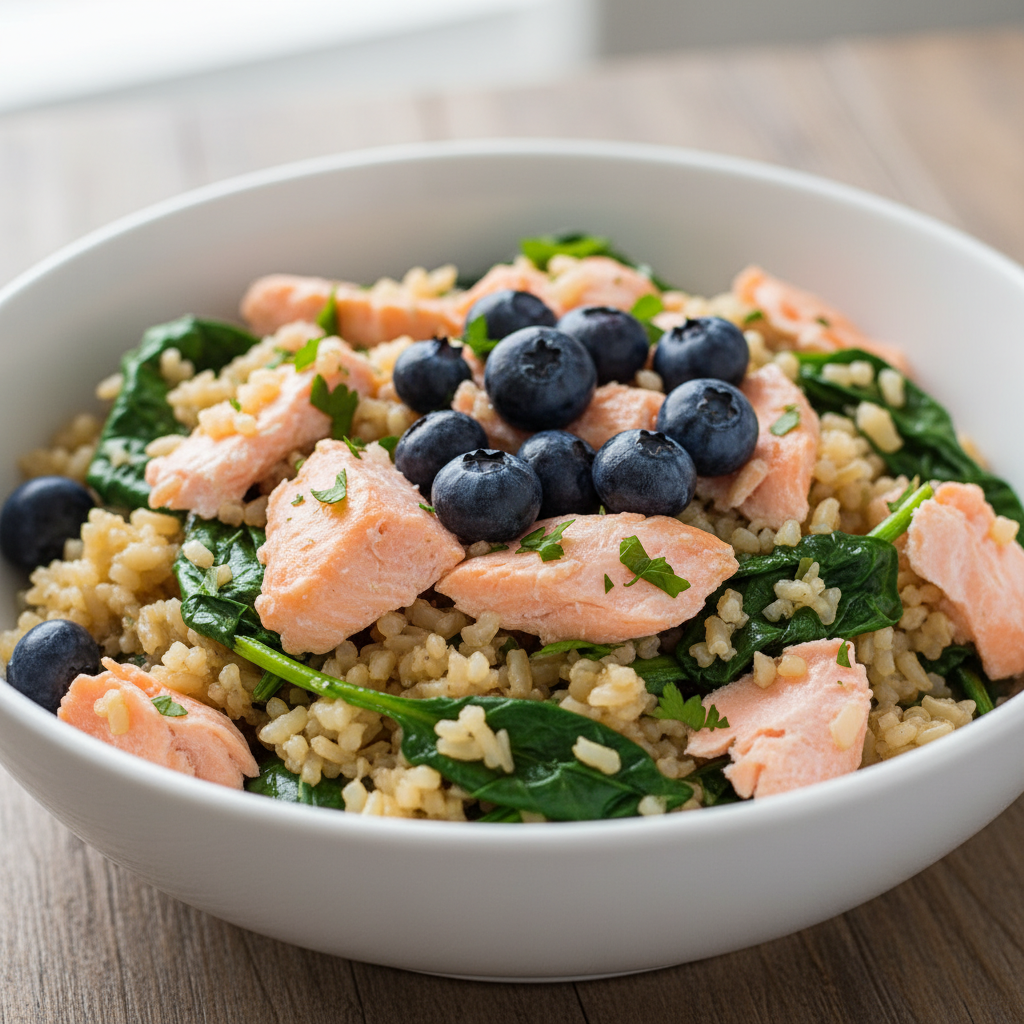
German Shepherds are prone to joint issues like hip and elbow dysplasia, making this recipe a fantastic choice for supporting long-term mobility. Salmon is loaded with Omega-3 fatty acids, which are powerful anti-inflammatories that promote joint health, a shiny coat, and healthy skin. Brown rice adds essential fiber and B vitamins.
Ingredients:
- 1.5 lbs salmon fillet, skin removed
- 1 cup uncooked brown rice
- 2 cups water or vegetable broth
- 1 cup chopped spinach
- 1/2 cup blueberries (a great antioxidant)
- 1 tablespoon coconut oil
Instructions:
- Cook the brown rice according to package directions using water or vegetable broth for extra flavor.
- While the rice is cooking, heat the coconut oil in a skillet over medium heat. Add the salmon fillet and cook for 4-6 minutes per side, or until it’s cooked through and flakes easily with a fork.
- Remove the salmon from the skillet and set it aside to cool. Once cool, flake it into bite-sized pieces, making sure to remove any bones.
- In the last 5 minutes of the rice cooking, stir in the chopped spinach so it wilts.
- In a large bowl, combine the cooked rice and spinach mixture, the flaked salmon, and the blueberries. Mix gently.
- Serve once the mixture has cooled to room temperature.
Pros and Cons
Pros
|
Cons
|
Verdict:
This recipe is a must-try for any GSD, but it’s particularly beneficial for senior dogs or those with a predisposition to joint problems. It’s a proactive way to support their mobility and overall wellness while still providing great protein for muscle maintenance.
4. Lean Turkey & Oatmeal Delight
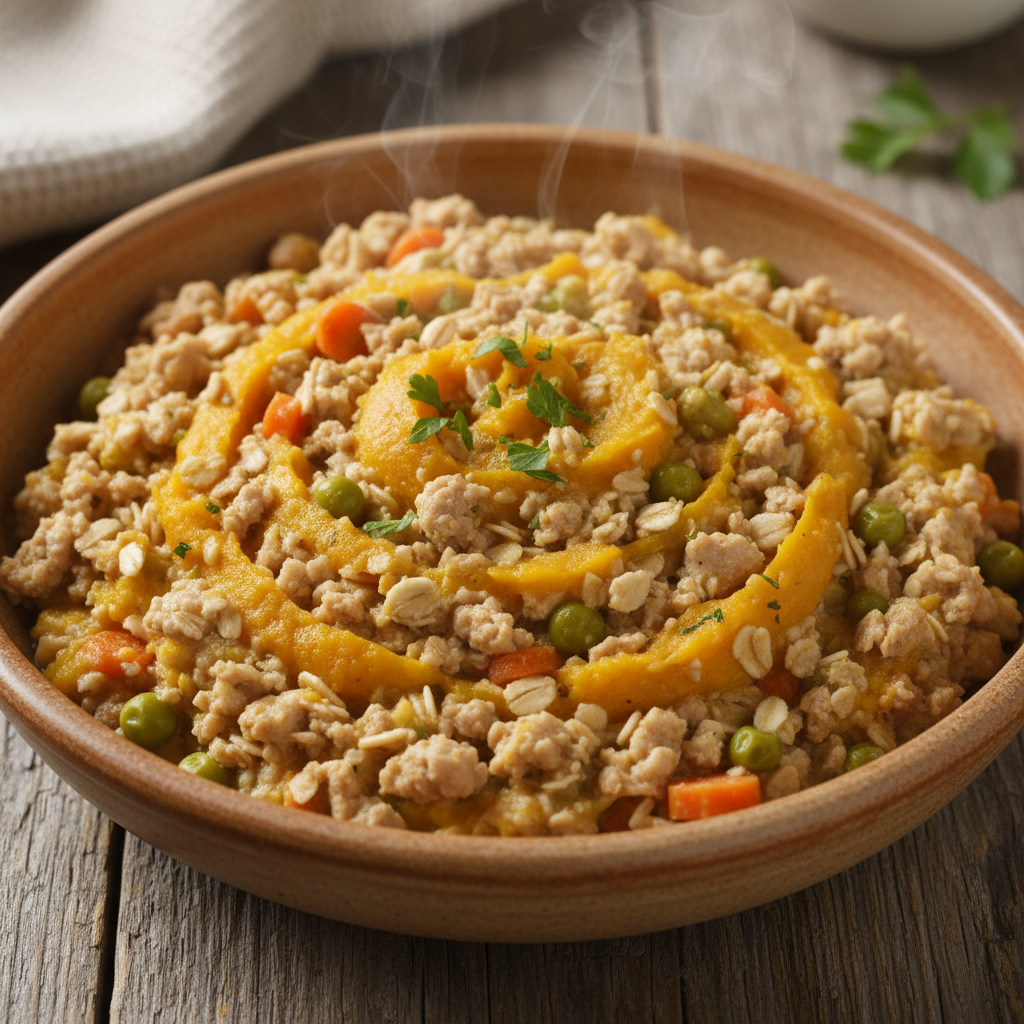
If your German Shepherd has a sensitive stomach or is prone to pancreatitis, this low-fat turkey and oatmeal recipe is a gentle yet effective option for muscle building. Turkey is an incredibly lean protein source, and oatmeal is a soothing, high-fiber grain that aids in digestion and provides steady energy.
Ingredients:
- 2 lbs ground turkey (93/7 or leaner)
- 1 cup rolled oats (not instant)
- 4 cups water
- 1 cup finely grated zucchini (squeeze out excess water)
- 1/2 cup pure pumpkin puree (not pie filling)
- A pinch of ginger (optional, aids digestion)
Instructions:
- In a large pot, cook the ground turkey over medium heat until it’s no longer pink. Break it up with a spoon as it cooks. Drain any fat.
- Add the water and rolled oats to the pot with the cooked turkey. Bring to a simmer.
- Cook for 10-15 minutes, stirring occasionally, until the oats are soft and have absorbed most of the water.
- Stir in the grated zucchini, pumpkin puree, and ginger (if using). Cook for another 2-3 minutes until the zucchini is tender.
- Remove from heat and let the mixture cool completely before serving. The consistency should be like a thick porridge.
Pros and Cons
Pros
|
Cons
|
Verdict:
This is the go-to recipe for German Shepherds with sensitive digestive systems or those who need a lower-fat diet. It’s gentle, nourishing, and still provides the protein they need to stay strong and healthy.
5. Allergy-Friendly Lamb & Lentil Stew
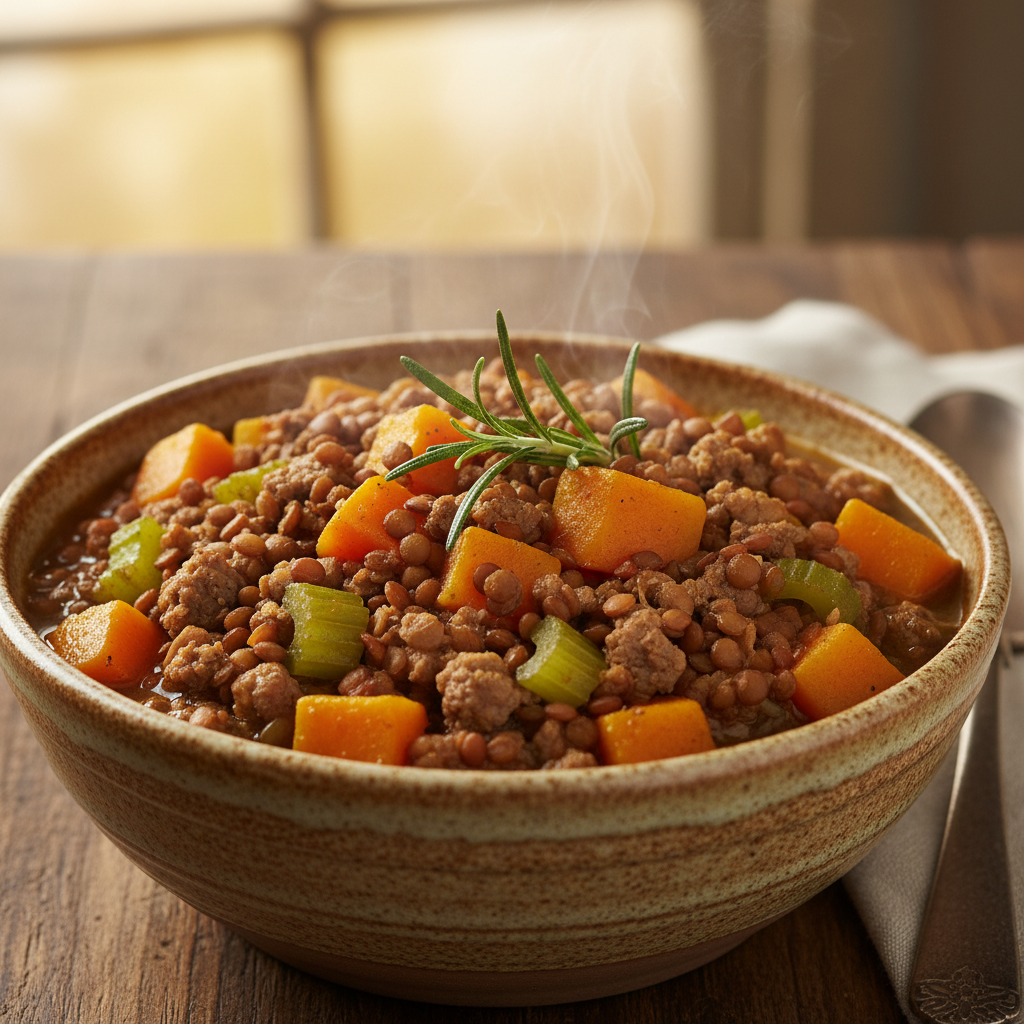
Food allergies, often to common proteins like chicken or beef, can be a problem for some GSDs. Lamb is a ‘novel protein’ for many dogs, making it a great choice for an elimination diet or for dogs with known sensitivities. Lentils are a fantastic legume, packed with protein, fiber, and iron, making this a robust and hypoallergenic meal.
Ingredients:
- 2 lbs ground lamb or lamb stew meat
- 1 cup red or green lentils, rinsed
- 4 cups low-sodium beef or vegetable broth
- 1 cup chopped celery
- 1 cup chopped butternut squash
- 1 tablespoon fresh rosemary, finely chopped
Instructions:
- In a large pot or Dutch oven, brown the ground lamb over medium heat. Drain the excess fat.
- Add the broth, rinsed lentils, celery, butternut squash, and rosemary to the pot.
- Bring to a boil, then reduce the heat, cover, and simmer for 40-45 minutes, or until the lentils are soft and the squash is tender.
- If the stew is too thick, you can add a little more water or broth to reach your desired consistency.
- Let it cool completely before serving. The flavors will meld as it cools.
Pros and Cons
Pros
|
Cons
|
Verdict:
An excellent choice for GSDs with suspected or confirmed food allergies to more common proteins. This hearty, flavorful stew provides all the building blocks for muscle growth without the common allergens.
6. Protein Boost Egg & Cottage Cheese Scramble
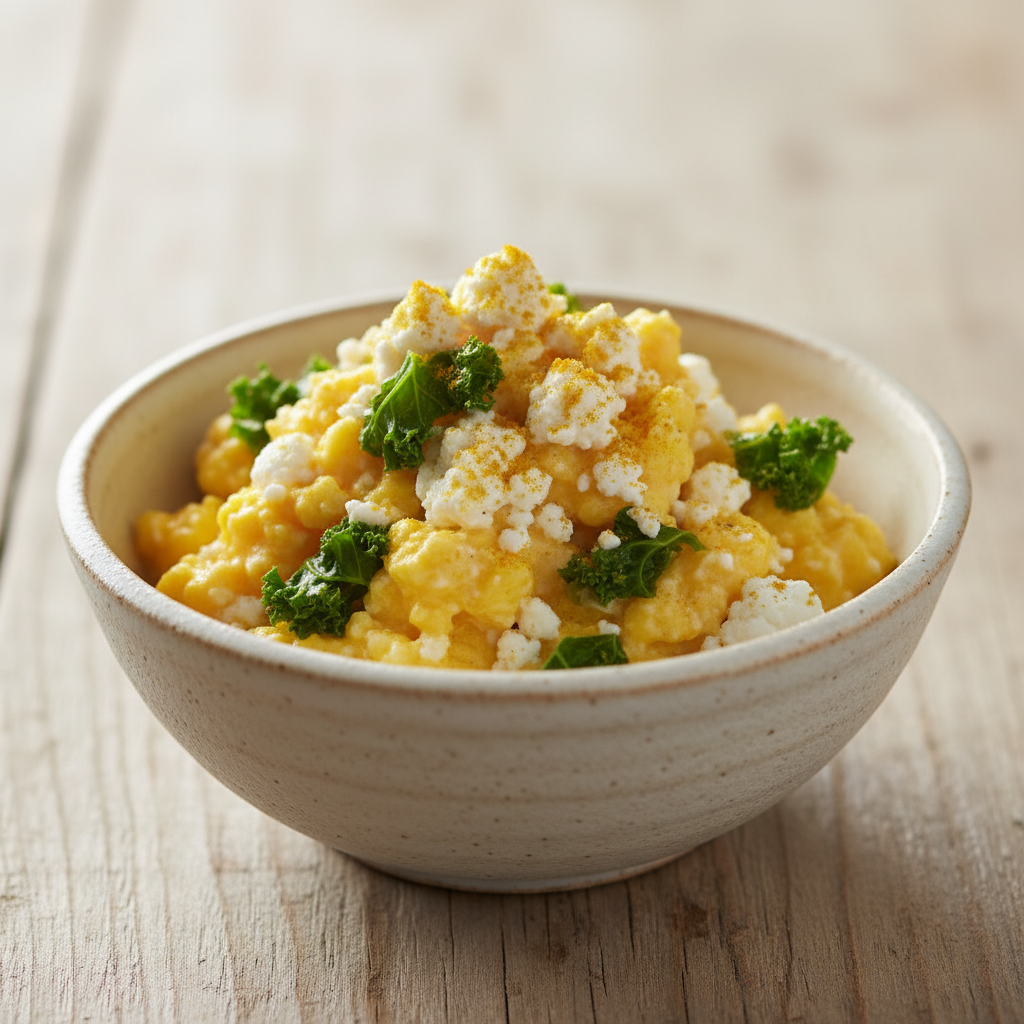
This recipe isn’t intended as a full-time meal but serves as an incredible protein-packed breakfast, a post-workout recovery meal, or a topper to boost the protein content of another meal. Eggs are a perfect protein, containing all the essential amino acids. Cottage cheese is rich in casein protein, which digests slowly, feeding muscles over a longer period.
Ingredients:
- 4 large eggs
- 1/2 cup low-fat cottage cheese
- 1 teaspoon coconut oil or butter
- 1/4 cup finely chopped kale or spinach (optional)
- A sprinkle of turmeric (anti-inflammatory)
Instructions:
- In a bowl, whisk the eggs until the yolks and whites are combined. Stir in the cottage cheese and turmeric.
- Heat the coconut oil or butter in a non-stick skillet over medium-low heat.
- If using kale or spinach, add it to the pan and let it wilt for a minute.
- Pour the egg and cottage cheese mixture into the skillet.
- Cook, stirring gently with a spatula, until the eggs are fully cooked but still soft. Avoid overcooking.
- Remove from the heat and let it cool before serving.
Pros and Cons
Pros
|
Cons
|
Verdict:
Perfect for supplementing your GSD’s diet on training days or when they need an extra protein kick. It’s a simple, fast, and highly effective way to support their muscle development and recovery.
7. The Ultimate GSD Goulash
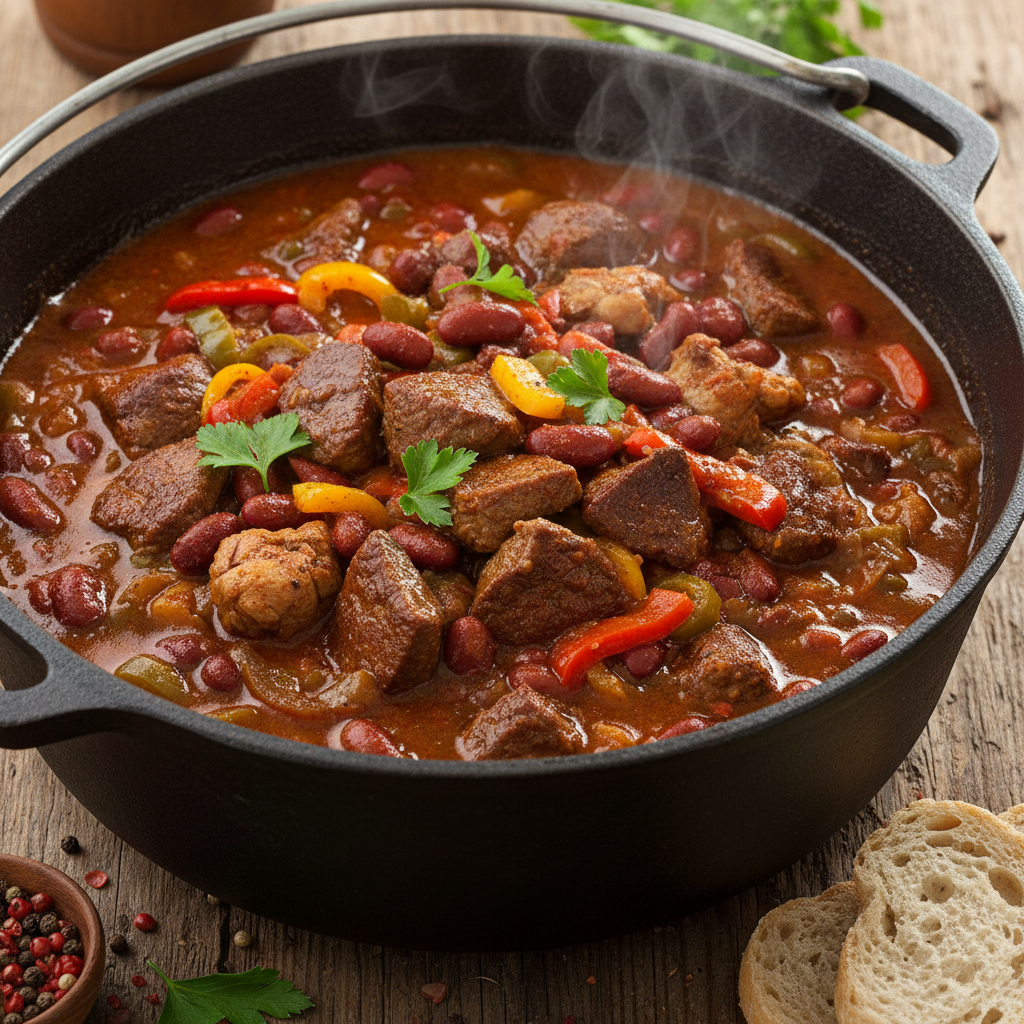
This is the powerhouse recipe for when you want to give your GSD a bit of everything. It combines lean beef with nutrient-dense organ meat like chicken liver, which is packed with Vitamin A, iron, and B vitamins. A variety of vegetables ensures a broad spectrum of nutrients for ultimate health and muscle support.
Ingredients:
- 1.5 lbs lean ground beef
- 1/2 lb chicken livers, finely chopped
- 1 can (15 oz) kidney beans, rinsed and drained
- 1 cup chopped carrots
- 1 cup chopped bell peppers (any color)
- 1 can (15 oz) diced tomatoes, no salt added
- 2 cups low-sodium beef broth
- 1 teaspoon dried oregano
Instructions:
- In a large stockpot, brown the ground beef over medium heat. Drain excess fat.
- Add the chopped chicken livers and cook for another 2-3 minutes until they are no longer pink.
- Stir in the carrots, bell peppers, kidney beans, diced tomatoes (with their juice), beef broth, and oregano.
- Bring the mixture to a boil, then reduce the heat to low, cover, and let it simmer for at least 45 minutes to an hour, allowing the flavors to meld and the vegetables to become very tender.
- Let the goulash cool completely before serving. It will thicken as it cools.
Pros and Cons
Pros
|
Cons
|
Verdict:
For the owner who wants to provide the most nutritionally diverse meal possible, this goulash is the ultimate choice. It’s a feast that supports not just muscle growth, but the entire well-being of your German Shepherd from the inside out.
Your Guide to Homemade Nutrition & FAQs
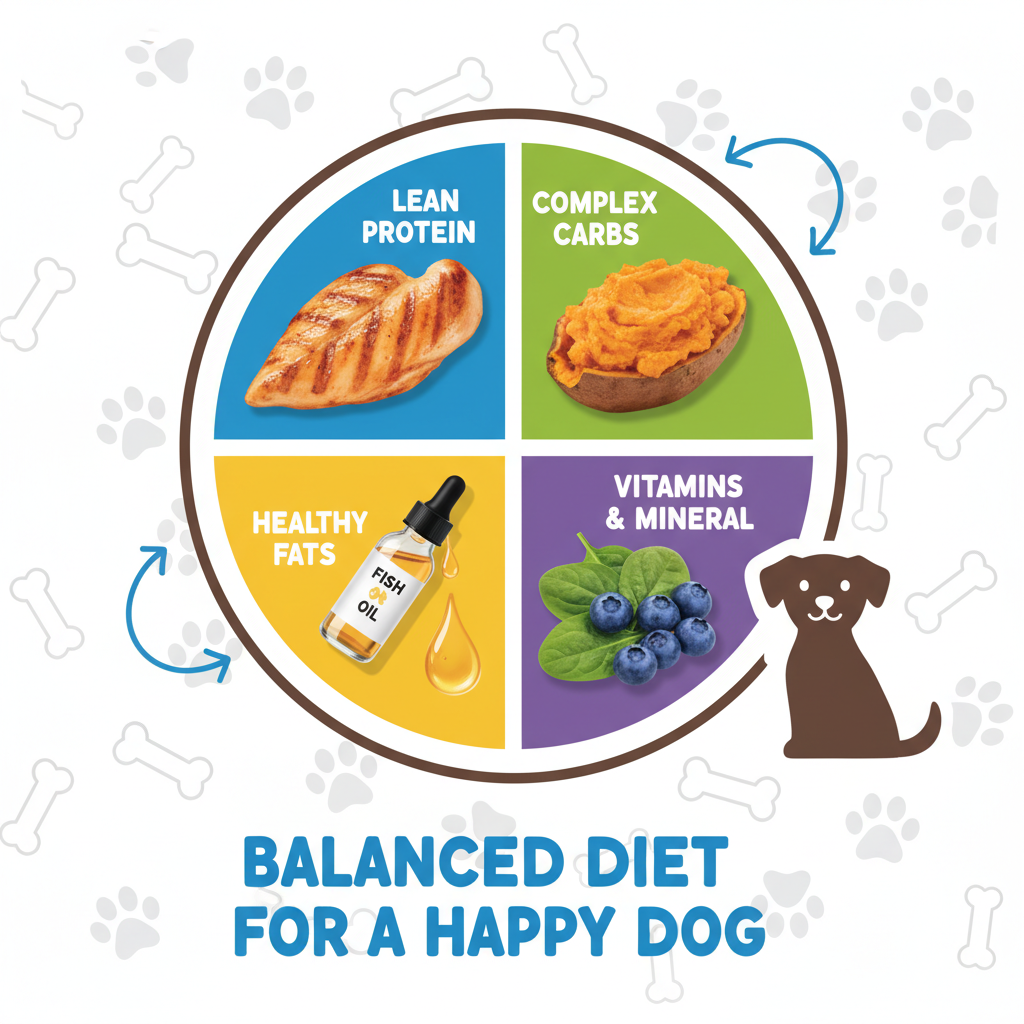
Key Nutritional Pillars for a Muscular GSD
When making food for your German Shepherd, it’s not just about mixing ingredients; it’s about creating a balanced meal. Here’s what to focus on:
- High-Quality Protein: This is non-negotiable for muscle growth. Aim for lean sources like chicken, turkey, beef, fish, and eggs. Protein should make up a significant portion of their meal.
- Complex Carbohydrates: Dogs need carbs for energy. Opt for slow-release carbs like sweet potatoes, brown rice, quinoa, and oatmeal. These prevent energy spikes and keep your GSD fueled for longer.
- Healthy Fats: Fats are crucial for brain function, skin and coat health, and absorbing certain vitamins. Good sources include fish oil, flaxseed oil, and coconut oil. Remember, GSDs need fat, but not in excess.
- Vitamins & Minerals: This is where vegetables and fruits come in. Carrots, green beans, spinach, blueberries, and pumpkin are all excellent additions that provide essential nutrients for overall health.
- Calcium: Especially important for large breeds like GSDs to support their strong bone structure. Good sources include plain yogurt or cottage cheese in moderation, or a vet-approved calcium supplement.
Foods to ALWAYS Avoid
Never include these toxic ingredients in your dog’s homemade food: onions, garlic, grapes, raisins, chocolate, xylitol (an artificial sweetener), macadamia nuts, and avocado.
Frequently Asked Questions
How much homemade food should I feed my German Shepherd?
This varies greatly based on age, weight, and activity level. A general guideline is to feed 2-3% of their ideal body weight per day. For a 75-pound GSD, this would be 1.5 to 2.25 pounds of food daily, split into two meals. However, you must monitor your dog’s body condition and adjust amounts accordingly. It’s always best to consult your vet for a precise recommendation.
Can I make these recipes in bulk and freeze them?
Absolutely! All of these recipes are perfect for batch cooking. Cook a large pot on the weekend, portion it into daily servings in freezer-safe bags or containers, and you’re set for the week. Just thaw a portion in the refrigerator the night before you need it. This is a huge time-saver.
Do I need to add supplements to these homemade meals?
While these recipes are designed to be balanced, long-term homemade diets can sometimes lack certain micronutrients. It is highly recommended to consult with a veterinarian or a canine nutritionist. They may suggest adding a high-quality canine multivitamin or a specific calcium supplement to ensure all nutritional bases are covered for a complete and balanced diet.
Conclusion
Embarking on a homemade food journey for your German Shepherd is a wonderful act of love. It allows you to provide fresh, wholesome, and targeted nutrition that can help them build strong muscles, maintain a healthy weight, and live a vibrant, active life. These seven recipes offer a variety of flavors and benefits, giving you a fantastic starting point to find what your GSD loves best.
Remember, every dog is an individual. Pay attention to how your dog responds to their new diet, and don’t hesitate to make adjustments. Most importantly, always partner with your veterinarian before making any significant changes to your dog’s diet. They can provide invaluable guidance to ensure the meals you lovingly prepare are perfectly balanced for your magnificent companion. Happy cooking!