13 Light Tilapia Dog Food Recipes for Easy Digestion
Hey there, fellow pet parents! We all want the absolute best for our four-legged family members, and that starts with what’s in their food bowl. If you’ve noticed your pup has a sensitive tummy or is getting a bit picky with their regular kibble, you might be exploring new, gentler options. Enter tilapia! This mild, white fish is a fantastic source of lean protein and omega-3 fatty acids, and it’s often much easier to digest than heavier proteins like beef or even chicken.
Making your dog’s food at home can seem daunting, but it’s a wonderful way to control every single ingredient, ensuring your pup gets a wholesome, fresh meal without any weird fillers or preservatives. To help you get started, we’ve whipped up 13 light and easy tilapia recipes that are perfect for dogs with delicate digestive systems. From simple mashes to hearty stews, there’s something here for every pup’s palate. Let’s get cooking!
1. The Simplest Start: Poached Tilapia & Rice
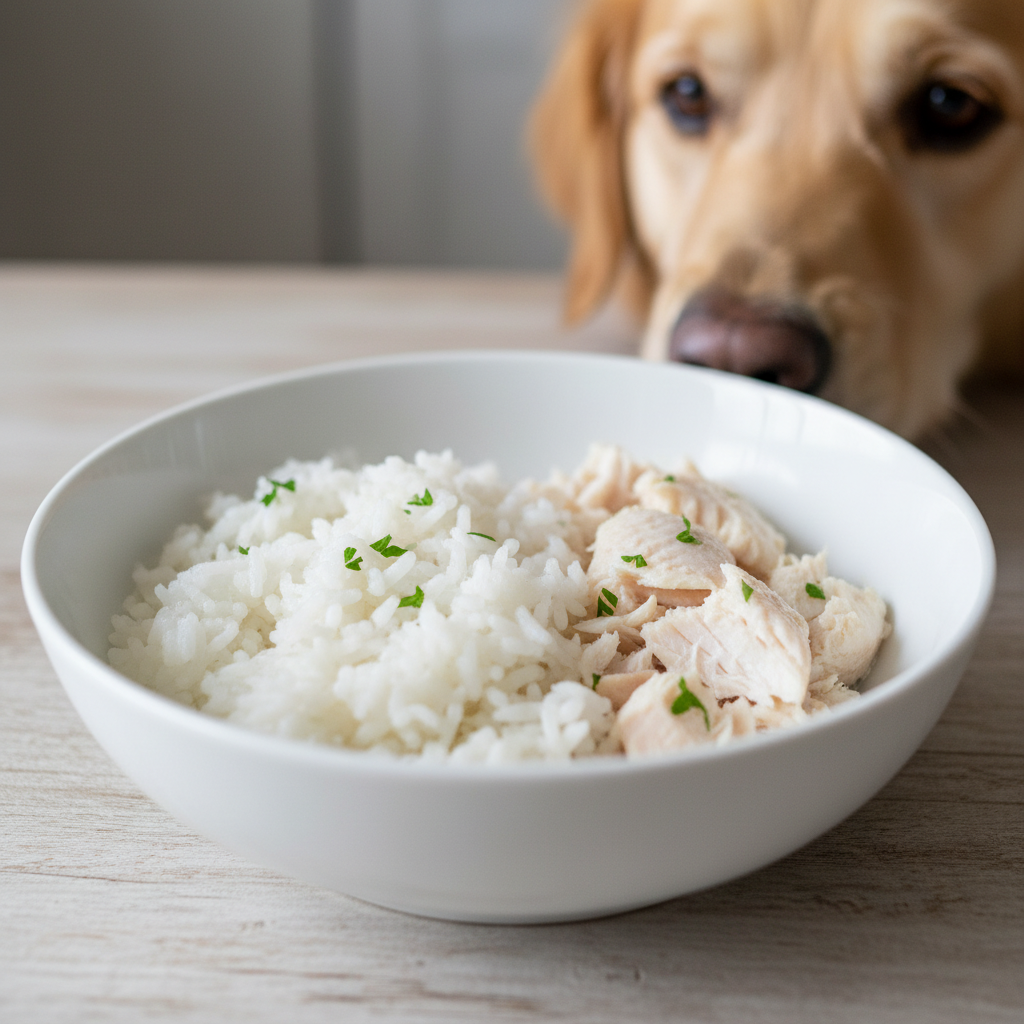
This is the quintessential ‘bland diet’ recipe, perfect for dogs recovering from an upset stomach or for those just being introduced to fish. It’s incredibly simple, gentle, and provides a great balance of lean protein and easy-to-digest carbohydrates.
Ingredients:
- 1 boneless, skinless tilapia fillet (about 4-6 oz)
- 1/2 cup cooked white rice
- 2 cups water or unsalted chicken/vegetable broth
Instructions:
- Place the tilapia fillet in a small pot with the water or broth.
- Bring the liquid to a gentle simmer. Do not boil, as this can make the fish tough.
- Poach the fish for about 8-10 minutes, or until it is opaque and flakes easily with a fork.
- Remove the fish from the pot and let it cool completely. Double-check for any missed bones.
- Flake the cooled fish into small pieces and mix it thoroughly with the cooked white rice.
- Serve a small portion to your dog once it’s at room temperature.
Pros & Cons
| Pros | Cons |
|---|---|
| Extremely easy to digest | Not nutritionally complete for long-term feeding |
| Very fast to prepare | Lacks vegetables and added nutrients |
| Ideal for sensitive stomachs | May be too ‘bland’ for very picky eaters |
Verdict:
This recipe is the perfect starting point for any dog with digestive issues. It’s best used as a temporary meal for a few days to help their system reset before reintroducing more complex ingredients.
2. Tilapia & Sweet Potato Mash
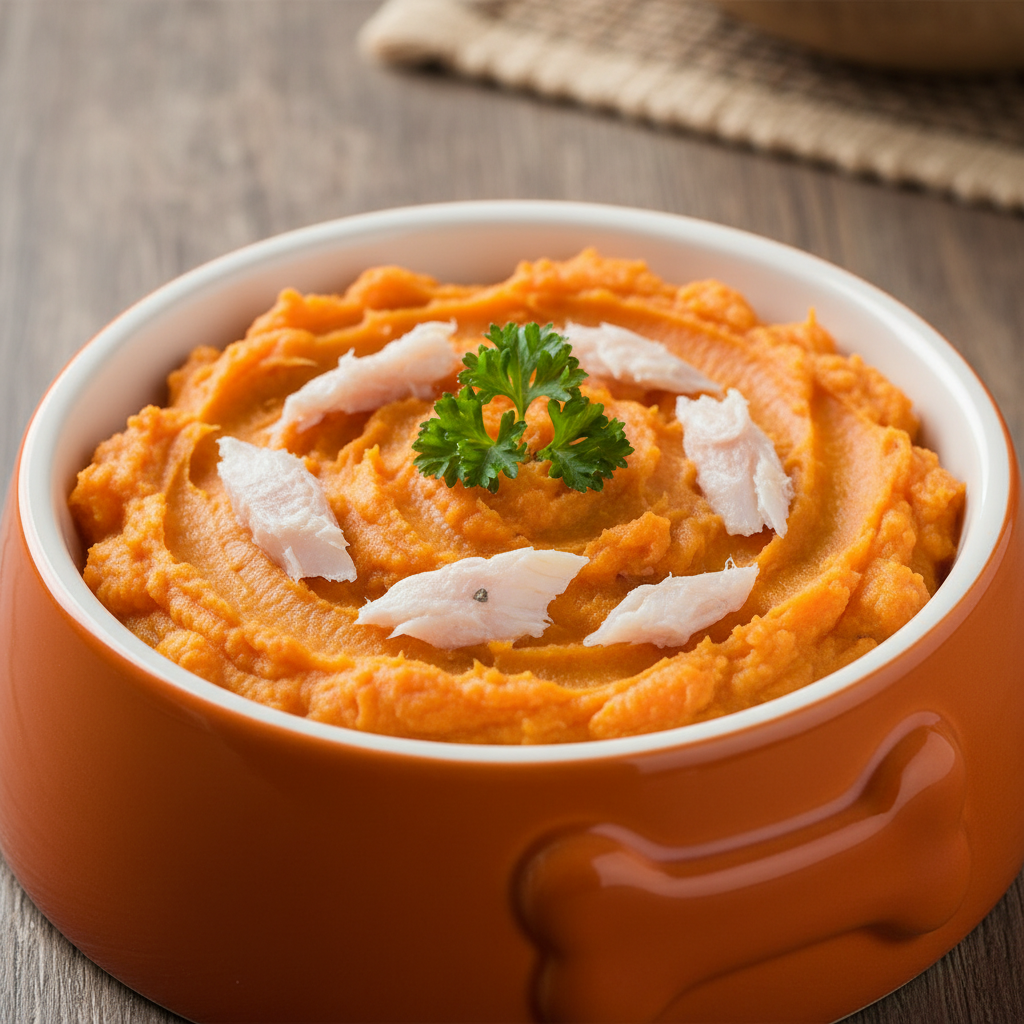
Sweet potatoes are a powerhouse of nutrition for dogs, packed with fiber, vitamins, and antioxidants. Paired with tilapia, this mash is both delicious and incredibly beneficial for digestive health. The natural sweetness is also a big hit with most pups!
Ingredients:
- 1 boneless, skinless tilapia fillet
- 1 medium sweet potato, peeled and cubed
- 1 teaspoon of coconut oil (optional)
- Water for boiling
Instructions:
- Boil the cubed sweet potato in water until it’s very tender (about 15-20 minutes).
- While the sweet potato is boiling, you can bake or pan-sear the tilapia. To bake, wrap it in foil and cook at 400°F (200°C) for 12-15 minutes. To pan-sear, use a little coconut oil over medium heat for 3-4 minutes per side. Ensure it’s cooked through.
- Drain the sweet potato and mash it with a fork.
- Let the tilapia cool, then flake it into the mashed sweet potato.
- Mix everything together thoroughly. Serve when cool.
Pros & Cons
| Pros | Cons |
|---|---|
| Rich in fiber and Vitamin A | Higher in natural sugars due to the sweet potato |
| Great for promoting firm stools | Takes a bit longer due to boiling/baking time |
| Naturally sweet and palatable | Needs added supplements for a complete diet |
Verdict:
An excellent choice for dogs who need more fiber in their diet. It’s a tasty, nutrient-dense meal that feels like a special treat while being super healthy.
3. Tilapia, Quinoa & Green Bean Bowl
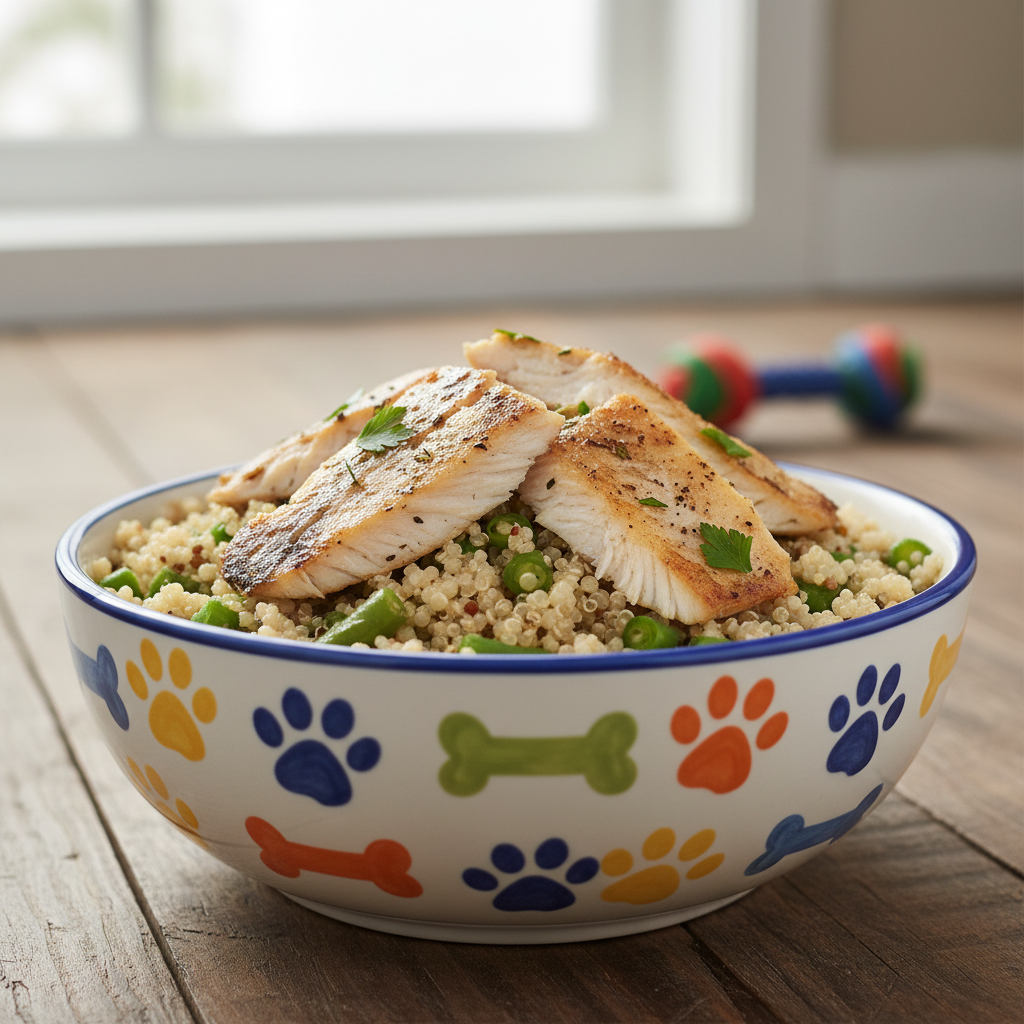
Looking for a gluten-free grain alternative? Quinoa is a complete protein and a great source of energy. Combined with the snap of fresh green beans and lean tilapia, this recipe is a balanced and textured meal your dog will love.
Ingredients:
- 1 boneless, skinless tilapia fillet
- 1/2 cup cooked quinoa
- 1/4 cup chopped green beans (steamed or boiled)
- 1 tablespoon of finely chopped parsley
Instructions:
- Cook the quinoa according to package directions and let it cool.
- Steam or boil the chopped green beans until they are tender-crisp, then let them cool.
- Poach or bake the tilapia until it flakes easily. Let it cool completely.
- In a bowl, combine the flaked tilapia, cooked quinoa, and green beans.
- Sprinkle with fresh parsley for added vitamins and to freshen breath. Mix well before serving.
Pros & Cons
| Pros | Cons |
|---|---|
| Gluten-free and high in protein | Quinoa must be rinsed well to remove saponins |
| Green beans add fiber and crunch | Some dogs may not enjoy the texture of quinoa |
| Well-balanced meal base | Requires cooking three separate components |
Verdict:
This is a fantastic, well-rounded meal for active dogs who need sustained energy. It’s also a great option for dogs with sensitivities to more common grains like wheat or corn.
4. Baked Tilapia with Carrots & Peas
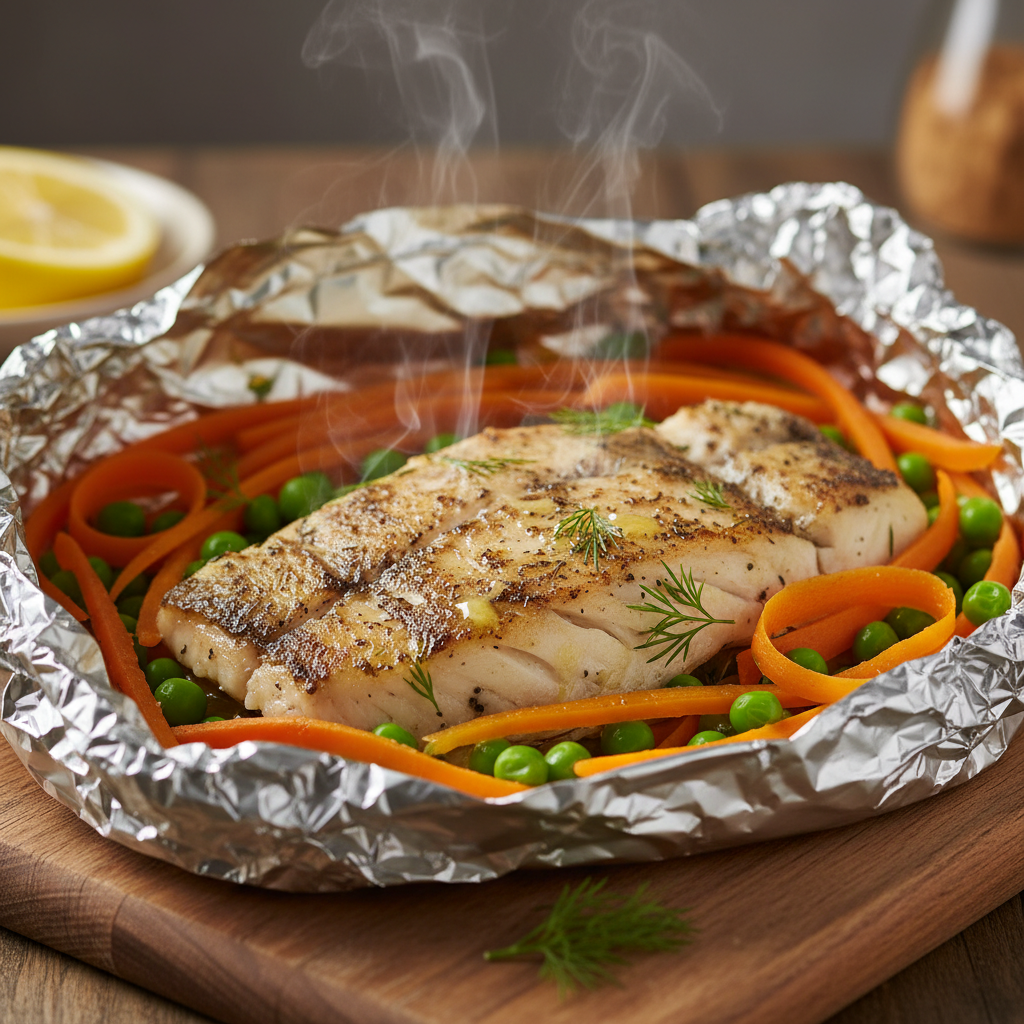
A classic combination that never fails! Baking the ingredients together in a foil packet seals in the moisture and flavor, creating a tender, aromatic meal. Carrots provide beta-carotene, and peas offer a nice boost of plant-based protein.
Ingredients:
- 1 boneless, skinless tilapia fillet
- 1/4 cup shredded carrots
- 1/4 cup green peas (fresh or frozen and thawed)
- A drizzle of olive oil
Instructions:
- Preheat your oven to 375°F (190°C).
- Tear off a large piece of aluminum foil. Place the tilapia fillet in the center.
- Scatter the shredded carrots and peas over and around the fish.
- Drizzle a small amount of olive oil over the top.
- Fold the foil over to create a sealed packet.
- Bake for 15-20 minutes, or until the fish is cooked through and the vegetables are tender.
- Let it cool completely before opening the packet. Flake the fish and mix everything together before serving.
Pros & Cons
| Pros | Cons |
|---|---|
| Easy one-packet cleanup | Requires oven usage |
| Baking retains nutrients well | Foil packets can be hot and steamy when opened |
| Classic, dog-friendly flavors | Needs to be supplemented for long-term feeding |
Verdict:
Perfect for the pet parent who loves a ‘set it and forget it’ recipe. The foil packet method makes for a juicy, flavorful meal with minimal effort and cleanup.
5. Tilapia & Oatmeal Breakfast Bowl
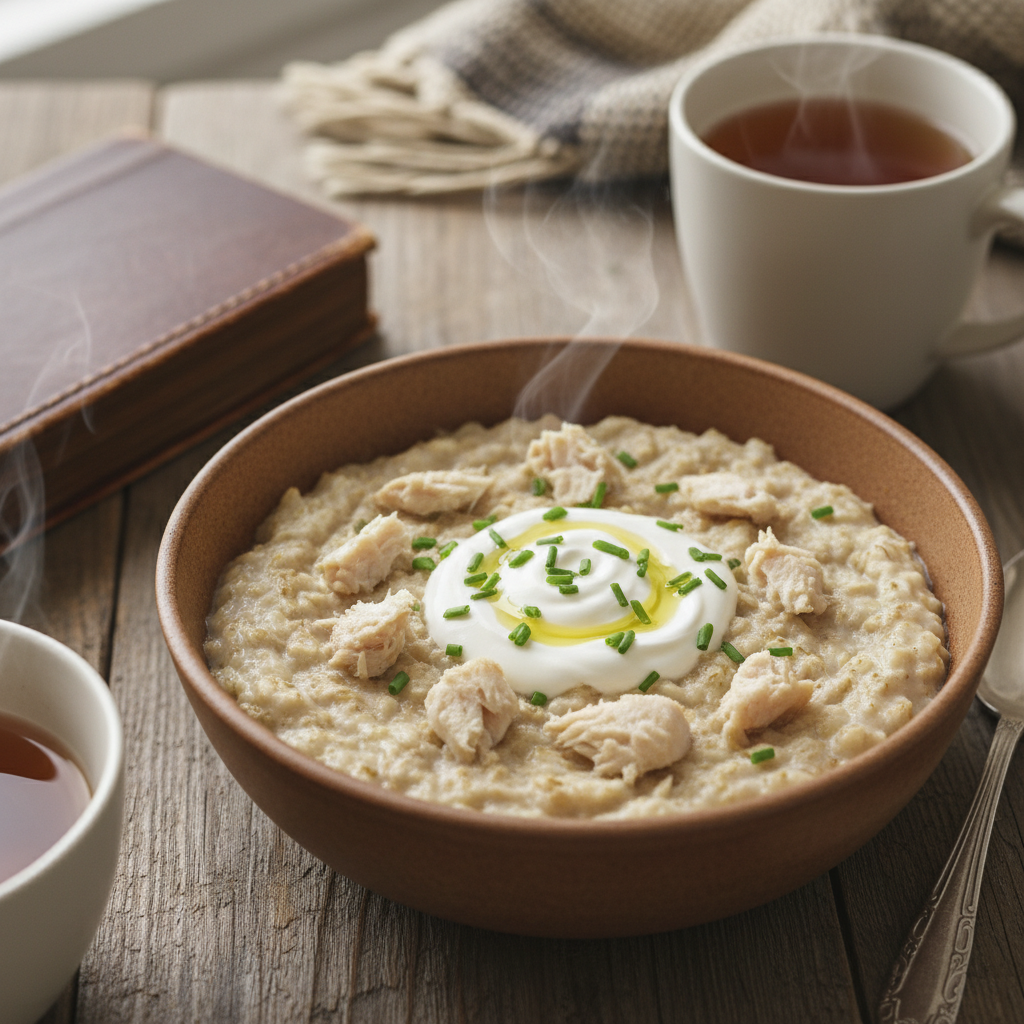
Why should humans have all the fun at breakfast? This oatmeal bowl is a warm and comforting way to start your dog’s day. Oats are a great source of soluble fiber, which is beneficial for digestion and can help regulate blood sugar.
Ingredients:
- 1/2 small tilapia fillet, cooked and flaked
- 1/4 cup rolled oats (not instant)
- 1/2 cup water
- 1 tablespoon of plain yogurt or kefir (optional, for probiotics)
Instructions:
- In a small saucepan, bring the water to a boil.
- Stir in the rolled oats, reduce the heat, and simmer for about 5 minutes, stirring occasionally, until the water is absorbed.
- Remove from heat and let the oatmeal cool down to a safe temperature.
- Stir in the pre-cooked, flaked tilapia.
- If using, top with a dollop of plain yogurt or kefir before serving.
Pros & Cons
| Pros | Cons |
|---|---|
| Great source of soluble fiber | Some dogs may be sensitive to dairy (yogurt) |
| Warm and comforting, especially for older dogs | Oatmeal can be bland without the fish |
| Very easy to prepare in minutes | Best served fresh and warm |
Verdict:
An ideal breakfast for a chilly morning or for senior dogs who might appreciate a softer, warmer meal. The added probiotics from yogurt are a great digestive bonus!
6. Tilapia, Pumpkin & Ginger Puree
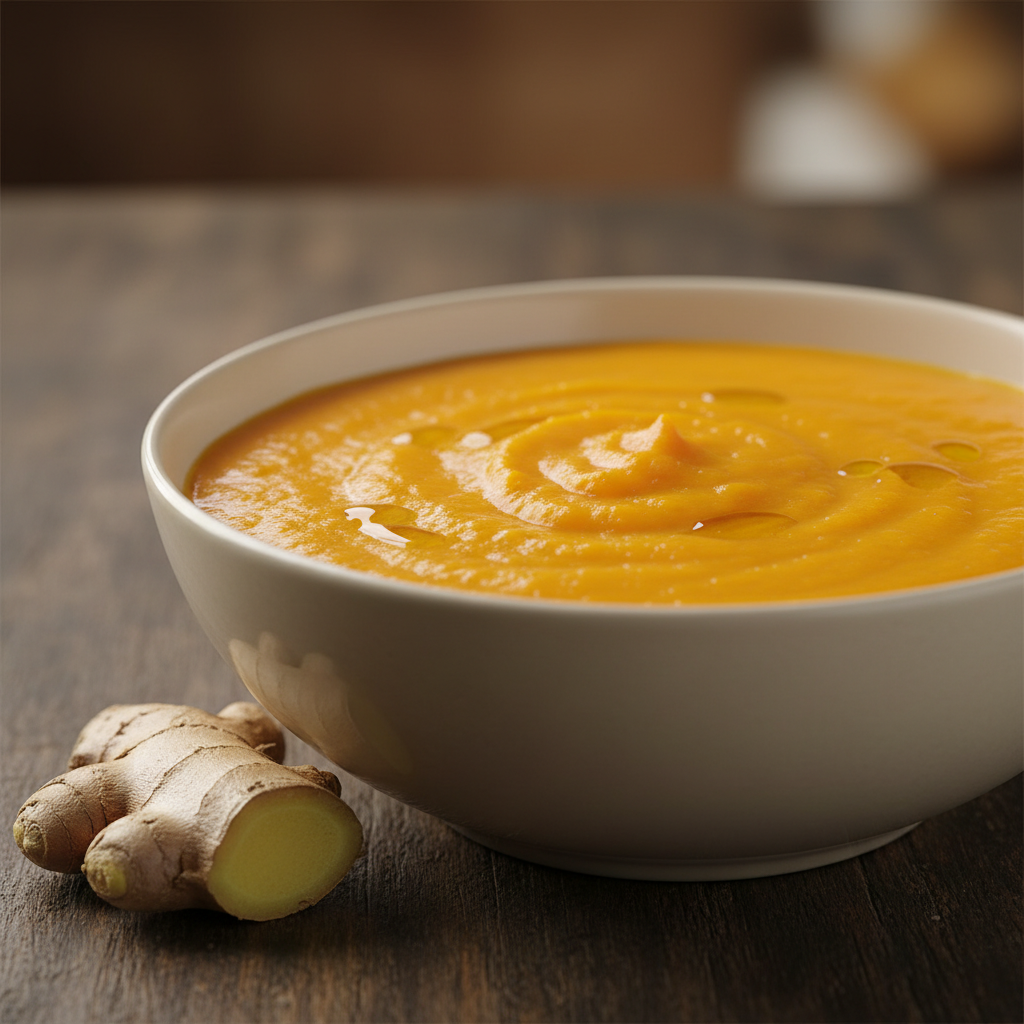
This recipe is the ultimate stomach-soother. Pumpkin is famous for its ability to regulate digestion (helping with both constipation and diarrhea), while a tiny amount of ginger can help quell nausea. It’s a gentle, healing puree for when your pup feels under the weather.
Ingredients:
- 1 boneless, skinless tilapia fillet, cooked
- 1/4 cup 100% pure pumpkin puree (not pie filling)
- 1/8 teaspoon freshly grated ginger
- A few tablespoons of water or unsalted broth, as needed
Instructions:
- Ensure the tilapia is fully cooked (poached or baked is best) and cooled.
- Place the cooked tilapia, pumpkin puree, and grated ginger into a blender or food processor.
- Blend until smooth. If the mixture is too thick, add a tablespoon of water or broth at a time until you reach a desired consistency.
- Serve in small amounts. This can also be used as a tasty topper for their regular food.
Pros & Cons
| Pros | Cons |
|---|---|
| Excellent for settling upset stomachs | Ginger should be used in very small quantities |
| Hydrating and easy to lap up | Not a complete meal, more of a supplement |
| Pumpkin is a digestive superfood | The puree texture might not appeal to all dogs |
Verdict:
This is less of a full meal and more of a therapeutic food. It’s the perfect thing to offer a dog with a gurgly tummy or one who is refusing to eat their regular food.
7. Frozen Tilapia & Blueberry Pupsicles
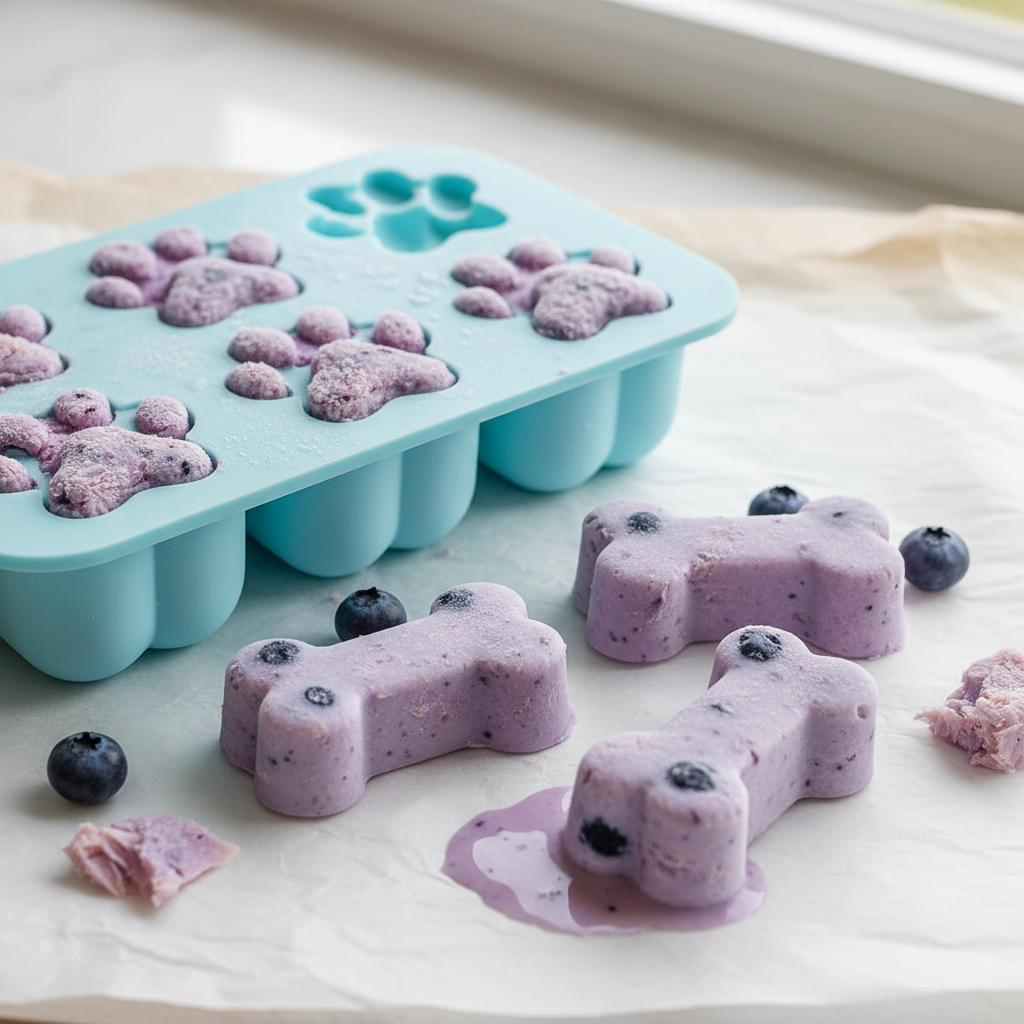
A fun, cooling treat for a hot day! These pupsicles are not only refreshing but also packed with antioxidants from the blueberries. They’re a great way to provide hydration and a little protein boost in a novel form.
Ingredients:
- 1 tilapia fillet, cooked and flaked
- 1/4 cup fresh or frozen blueberries
- 1/2 cup plain yogurt or water
Instructions:
- In a blender, combine the cooked tilapia, blueberries, and yogurt or water.
- Blend until the mixture is mostly smooth. A few small chunks of blueberry are fine.
- Pour the mixture into an ice cube tray or silicone molds.
- Freeze for at least 4 hours, or until solid.
- Pop one out and let your dog enjoy a cool treat!
Pros & Cons
| Pros | Cons |
|---|---|
| Hydrating and refreshing treat | This is a treat, not a meal replacement |
| Packed with antioxidants | Can be messy as it melts |
| Very easy to make in batches | Requires freezer space and several hours to set |
Verdict:
The perfect healthy and homemade treat for summer. It’s a fantastic alternative to store-bought frozen treats that might contain sugar or artificial ingredients.
8. Tilapia & Zucchini Stir-Fry
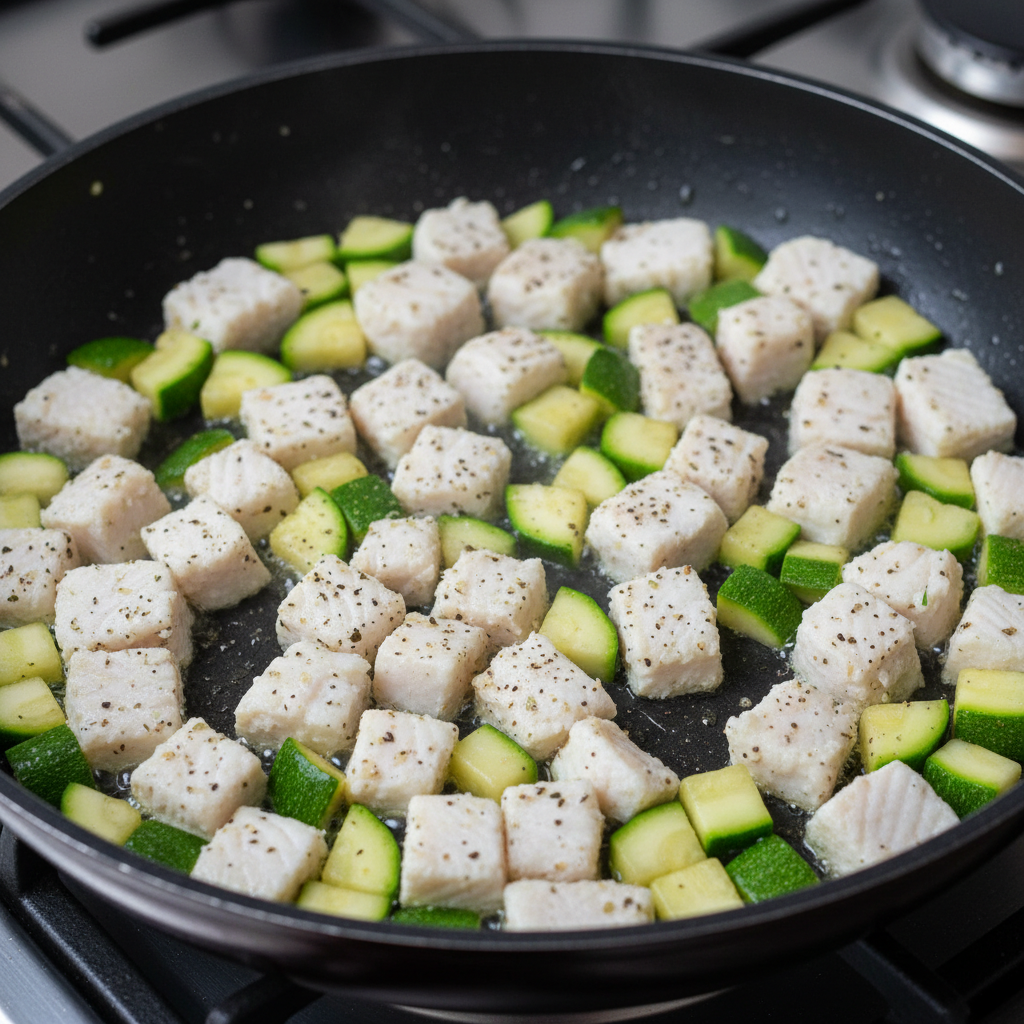
A dog-safe ‘stir-fry’ that provides hydration and low-calorie bulk from the zucchini. This is a great recipe for dogs on a weight management plan, as it’s filling without being heavy on calories. Just remember, no onions or garlic!
Ingredients:
- 1 tilapia fillet, cut into bite-sized chunks
- 1/2 small zucchini, chopped
- 1 teaspoon of olive oil or coconut oil
- A splash of water
Instructions:
- Heat the oil in a non-stick skillet over medium heat.
- Add the chopped zucchini and cook for 3-4 minutes until it starts to soften.
- Add the tilapia chunks to the pan. Cook for another 4-5 minutes, stirring gently, until the tilapia is opaque and cooked through.
- Add a splash of water and stir to get any tasty browned bits off the bottom of the pan.
- Let the ‘stir-fry’ cool completely before serving.
Pros & Cons
| Pros | Cons |
|---|---|
| Low-calorie and hydrating | Not nutritionally complete on its own |
| Great for weight management | Requires active cooking time at the stove |
| Zucchini is a good source of Vitamin C | Can become watery if overcooked |
Verdict:
A wonderful, light meal topper for dogs needing to watch their weight. It adds bulk and nutrients to their regular food without adding a lot of fat or calories.
9. Tilapia & Brown Rice Casserole
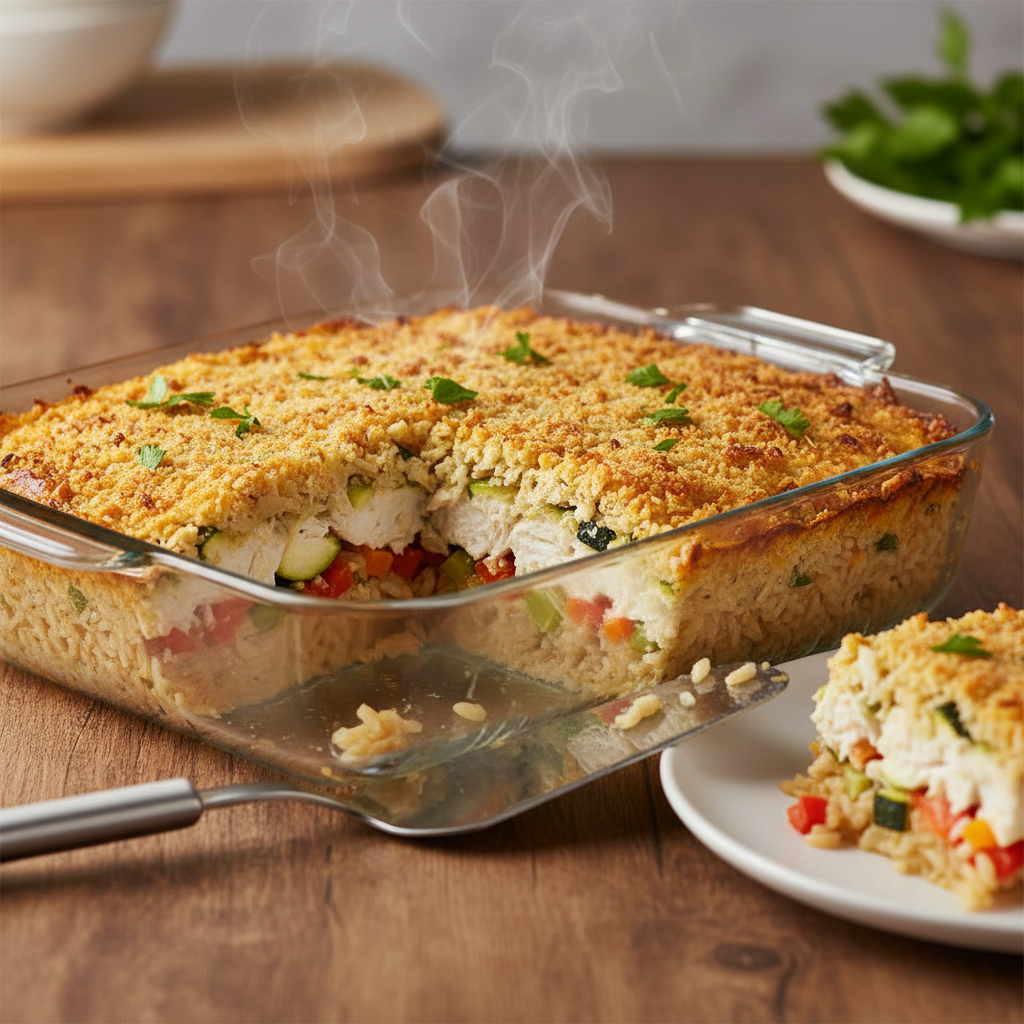
This is a heartier, baked recipe that you can make in a larger batch to last for a few meals. Brown rice offers more fiber than white rice, and baking it all together as a casserole makes the flavors meld beautifully.
Ingredients:
- 2 boneless, skinless tilapia fillets
- 1 cup cooked brown rice
- 1/2 cup finely chopped carrots
- 1/2 cup peas
- 1 egg, beaten
- 1/2 cup water or unsalted broth
Instructions:
- Preheat oven to 350°F (175°C).
- In a mixing bowl, flake the raw tilapia fillets with a fork.
- Add the cooked brown rice, carrots, peas, and the beaten egg. Mix everything together well.
- Press the mixture into a small, lightly oiled baking dish (like a loaf pan).
- Pour the water or broth over the top.
- Bake for 30-35 minutes, or until the casserole is firm and cooked through.
- Let it cool completely, then slice into serving portions.
Pros & Cons
| Pros | Cons |
|---|---|
| Can be made in a batch for several meals | Longer prep and baking time |
| More fibrous than simple rice dishes | Some dogs find brown rice harder to digest than white |
| Egg adds extra protein and nutrients | Requires refrigeration and should be used within 3 days |
Verdict:
An excellent meal-prep option for busy pet parents. This hearty casserole provides a more complete nutritional profile than simpler recipes and is great for dogs with robust appetites.
10. Dehydrated Tilapia Jerky Treats
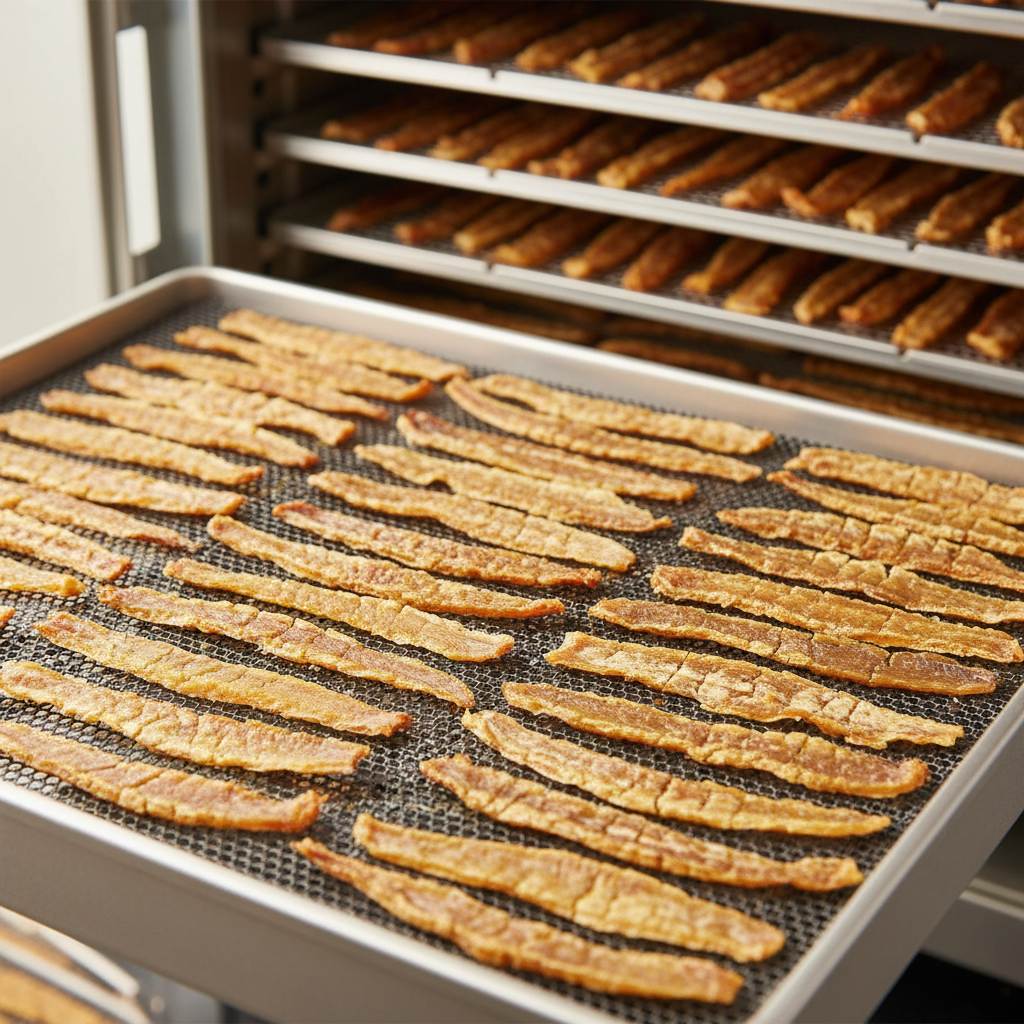
Why buy expensive, single-ingredient fish treats when you can make them at home? This jerky is a high-value, crunchy treat that dogs go crazy for. All you need is fish and a dehydrator or an oven set to a very low temperature.
Ingredients:
- 2-3 boneless, skinless tilapia fillets
Instructions:
- Slice the tilapia fillets into thin, even strips (about 1/4 inch thick). Slicing is easier if the fish is partially frozen.
- For a Dehydrator: Place the strips in a single layer on the dehydrator trays. Dehydrate at 145°F (63°C) for 4-6 hours, or until brittle and completely dry.
- For an Oven: Arrange the strips on a wire rack placed over a baking sheet. Set your oven to its lowest temperature (usually 170-200°F or 75-95°C). Prop the oven door open slightly with a wooden spoon to allow moisture to escape. Bake for 3-5 hours, flipping halfway through, until completely dry and crispy.
- Let the jerky cool completely before storing in an airtight container.
Pros & Cons
| Pros | Cons |
|---|---|
| Single-ingredient, healthy treat | Requires a dehydrator or several hours of oven time |
| Stores well for weeks in an airtight container | Your house will smell like fish while they’re drying |
| High-value reward for training | This is a treat, not a meal |
Verdict:
For the dedicated DIY pet parent, these jerky treats are a fantastic, healthy alternative to store-bought options. They are perfect for training or as a special crunchy snack.
11. Tilapia & Spinach Scramble
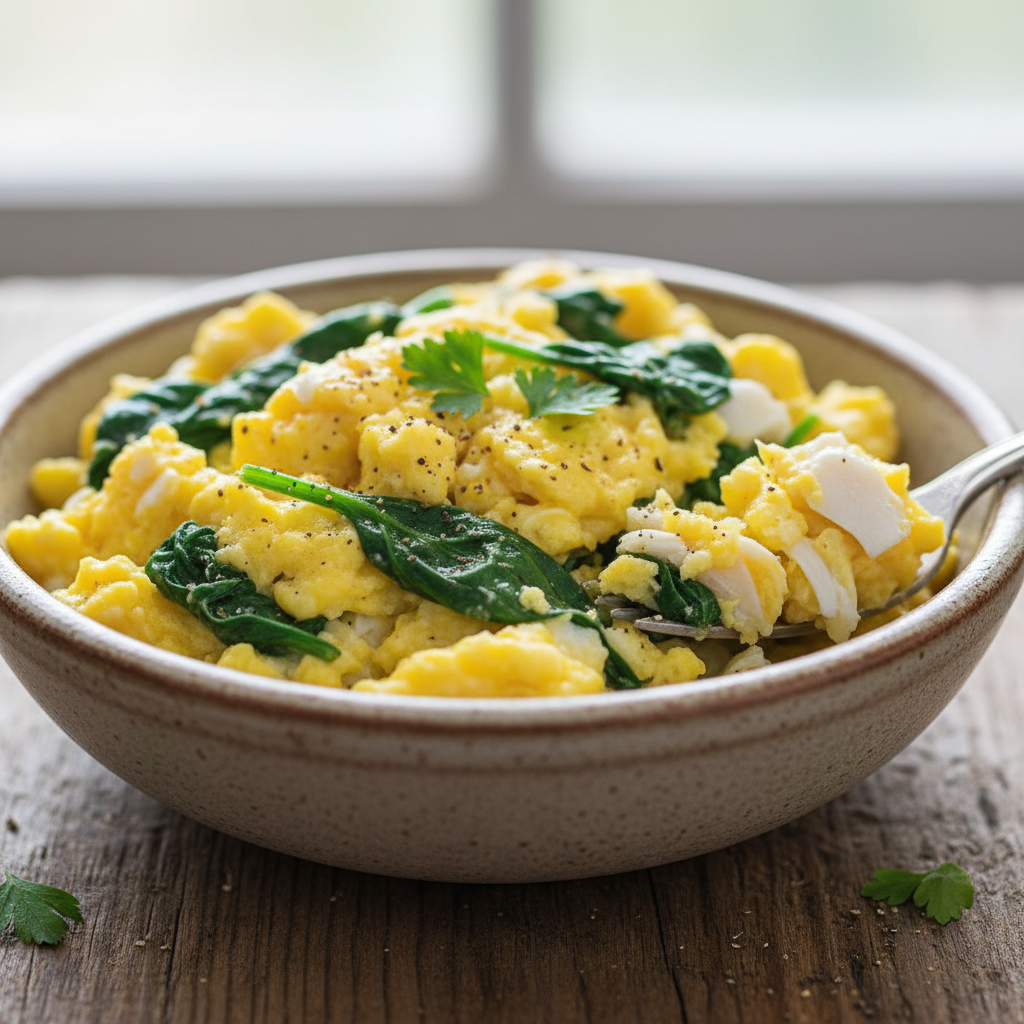
A protein-packed scramble that’s great for a nutritious meal any time of day. Eggs are a fantastic source of amino acids, and spinach adds iron and vitamins. It’s quick, easy, and full of goodness.
Ingredients:
- 1 egg
- 1/4 cup cooked and flaked tilapia
- A small handful of fresh spinach, chopped
- 1 teaspoon of water
Instructions:
- Whisk the egg and water together in a small bowl.
- Heat a small non-stick skillet over medium-low heat. No oil is needed if your pan is truly non-stick.
- Add the chopped spinach and let it wilt for about 30 seconds.
- Pour in the egg mixture and gently scramble with a spatula.
- When the eggs are almost set, stir in the flaked tilapia and cook for another minute until everything is heated through and the eggs are fully cooked.
- Let it cool before serving.
Pros & Cons
| Pros | Cons |
|---|---|
| Very high in protein | Some dogs have egg sensitivities |
| Cooks in under 5 minutes | Spinach should be given in moderation |
| Nutrient-dense with vitamins from spinach | Best served immediately |
Verdict:
A quick and powerful nutritional punch. This scramble is perfect as a meal topper or a small, standalone meal for dogs who need an extra protein boost.
12. Tilapia, Apple & Kale Bowl
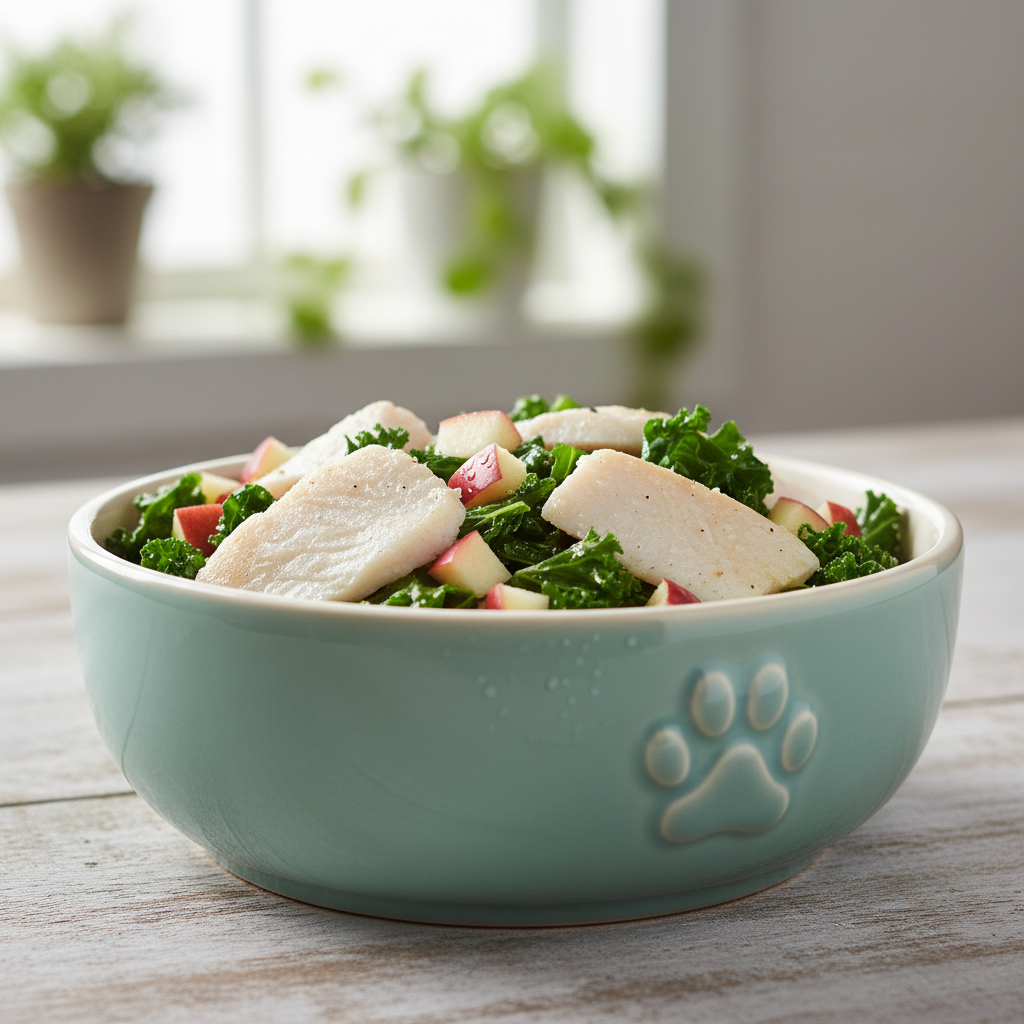
This ‘salad’ bowl for dogs combines the benefits of fish with the fiber of kale and the sweet crunch of apple. It’s a refreshing and nutrient-rich option. Just be sure to lightly steam the kale to make it easier to digest and remove the core and seeds from the apple.
Ingredients:
- 1 boneless, skinless tilapia fillet, cooked and flaked
- 2-3 kale leaves, stems removed, finely chopped and lightly steamed
- 1/4 apple, cored, seeded, and finely diced
Instructions:
- Lightly steam the chopped kale for 2-3 minutes until it’s bright green and slightly tender. Drain and let it cool.
- Ensure your apple is cored and free of all seeds, then dice it into small, manageable pieces.
- In a bowl, gently toss the cooled, flaked tilapia with the steamed kale and diced apple.
- Serve as a refreshing meal or a tasty topper.
Pros & Cons
| Pros | Cons |
|---|---|
| Rich in antioxidants and vitamins | Apple core and seeds are toxic to dogs and must be removed |
| Provides interesting textures and flavors | Kale can cause gas in some dogs if given in large amounts |
| Low in fat and calories | Requires careful prep of ingredients |
Verdict:
A great choice for adding variety and a blast of vitamins to your dog’s diet. The mix of flavors and textures is often a big hit with curious canine foodies.
13. Hearty Tilapia & Lentil Stew
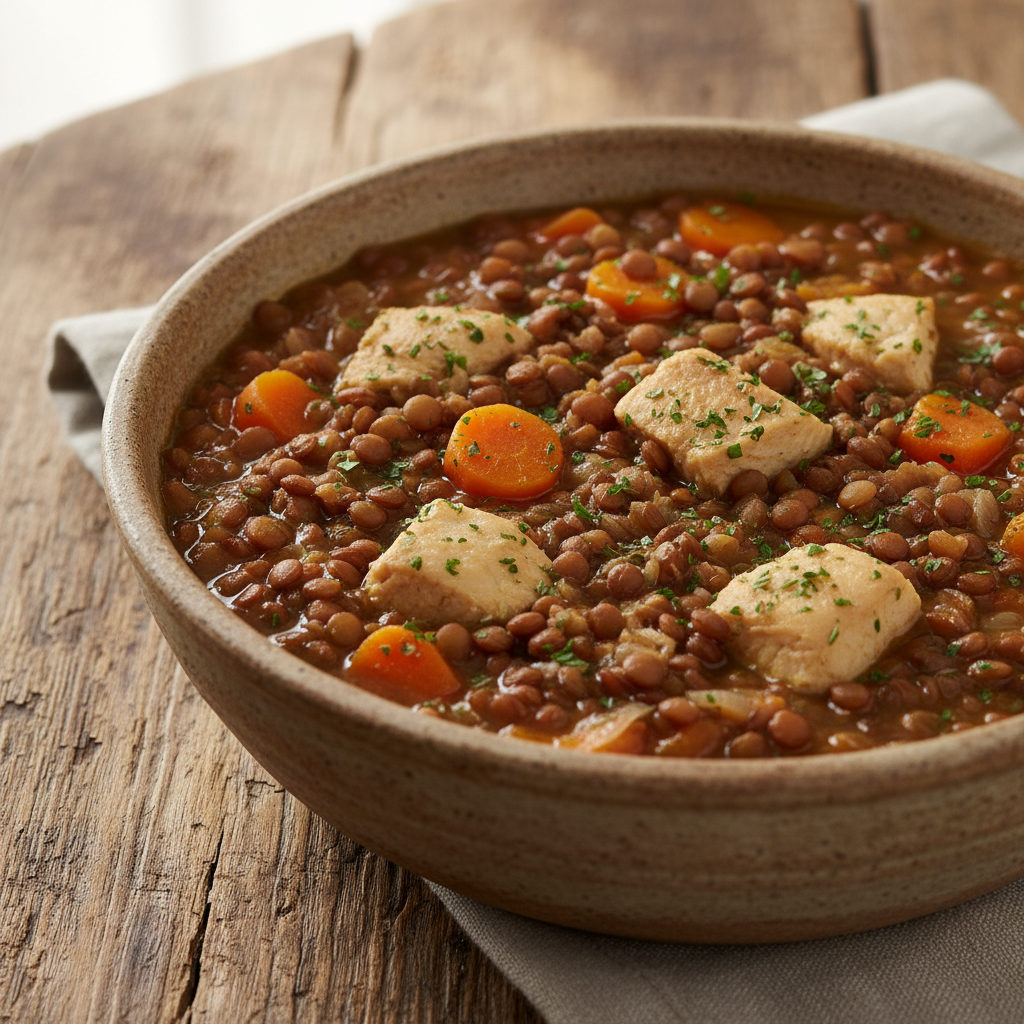
For a truly hearty and filling meal, this lentil stew is a winner. Lentils are packed with protein, fiber, and iron. This slow-simmered stew is warming, nutritious, and incredibly satisfying for hungry pups.
Ingredients:
- 1 tilapia fillet
- 1/4 cup red or brown lentils, rinsed
- 1/2 cup chopped carrots
- 1.5 cups water or unsalted broth
- 1 teaspoon of dried parsley
Instructions:
- In a medium pot, combine the rinsed lentils, chopped carrots, and water/broth.
- Bring to a boil, then reduce the heat, cover, and simmer for about 20-25 minutes, or until the lentils and carrots are tender.
- Gently place the tilapia fillet on top of the lentil mixture. Replace the cover and let it steam for the final 8-10 minutes of cooking, until the fish is opaque.
- Remove the pot from the heat. Take out the fish, flake it with a fork, and then return it to the pot.
- Stir in the dried parsley and let the stew cool to a safe temperature before serving.
Pros & Cons
| Pros | Cons |
|---|---|
| Very filling and high in fiber and protein | Lentils can cause gas in some dogs initially |
| Economical and nutritious | Takes longer to cook than other recipes |
| One-pot meal makes for easy cleanup | Best to introduce lentils slowly into a dog’s diet |
Verdict:
This is the ultimate comfort food for dogs. It’s a fantastic, budget-friendly option for providing a warm, filling, and nutritionally dense meal, especially during colder months.
A Guide to Safely Cooking Tilapia for Your Dog
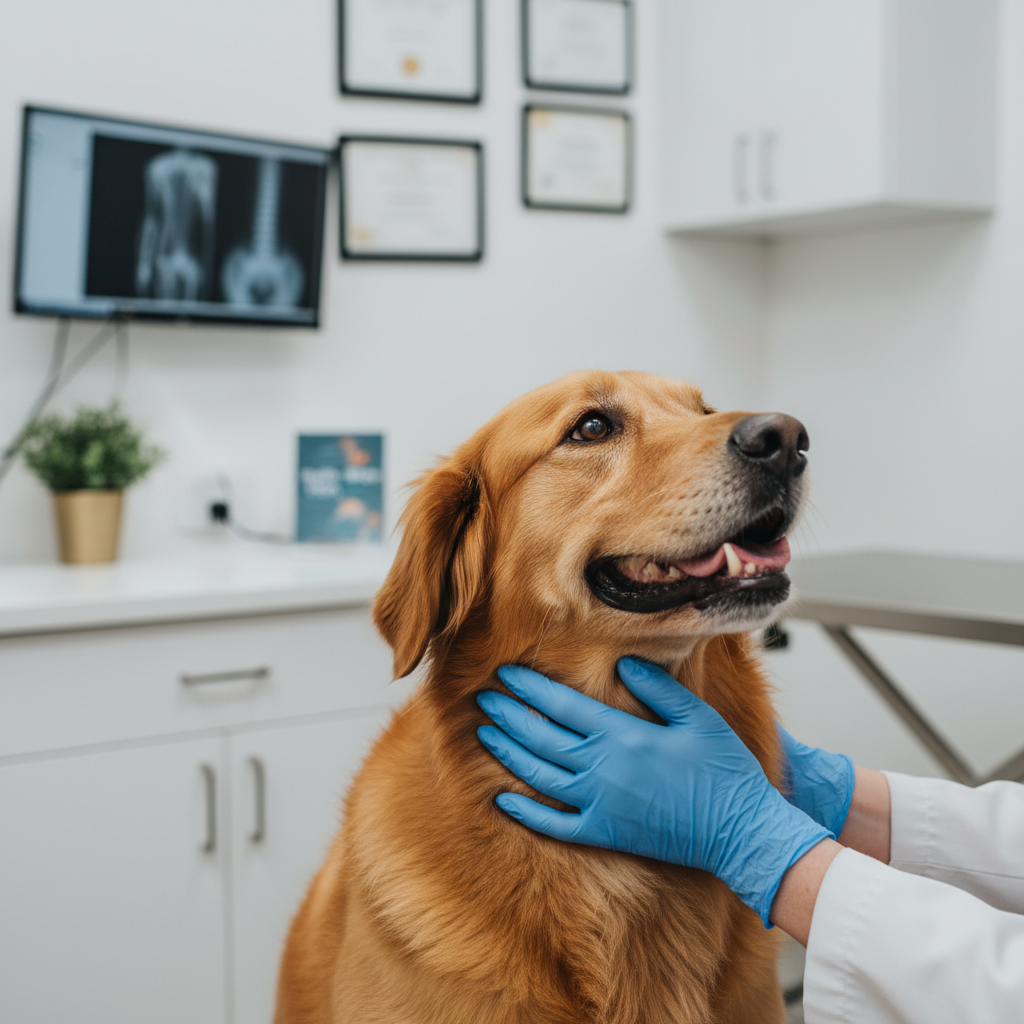
Switching to homemade meals is exciting, but it comes with responsibility. Keeping a few key principles in mind will ensure your culinary creations are both delicious and safe for your best friend.
Always Talk to Your Vet
Before making any significant changes to your dog’s diet, including adding homemade meals, it’s crucial to consult your veterinarian or a veterinary nutritionist. They can help you ensure the recipes meet your dog’s specific nutritional needs, especially if they have underlying health conditions.
Cook It Plain and Simple
When cooking for your dog, resist the urge to add the seasonings you’d use for yourself. Onions, garlic, excessive salt, and many common spices are toxic to dogs. The best methods for cooking tilapia are poaching, baking, or steaming. Always cook fish thoroughly to kill any potential bacteria or parasites.
Absolutely NO Bones
This is non-negotiable. Fish bones are brittle and can be a serious choking hazard or cause internal perforation. Always use boneless fillets, and even then, it’s a good practice to run your fingers or a fork through the cooked fish one last time to catch any tiny bones that might have been missed.
Introduce New Foods Slowly
Even with gentle ingredients, a sudden diet change can upset your dog’s stomach. Start by mixing a small amount of the new homemade food with their regular food. Gradually increase the proportion of the new food over a week to allow their digestive system to adapt.
Strive for Balance
While these recipes are healthy, most are not ‘nutritionally complete’ for long-term, exclusive feeding. A complete canine diet requires a specific balance of proteins, fats, carbohydrates, vitamins, and minerals. Use these recipes as a supplement, a special meal, or as a base that you can enhance with a veterinarian-approved canine multivitamin or supplement powder to fill any nutritional gaps.
Frequently Asked Questions
Is tilapia safe for dogs every day?
In moderation, cooked tilapia can be a safe and healthy part of a dog’s diet. However, it shouldn’t be the only thing they eat. Variety is key to a balanced nutritional profile. Feeding it as part of a rotation with other proteins and ensuring the overall diet is nutritionally complete (with guidance from a vet) is the best approach.
How should I cook tilapia for my dog?
The best methods are poaching, steaming, or baking without any oils, salt, or spices. These methods keep the fish lean and ensure it’s cooked through safely. Avoid frying, as the added fats can cause digestive upset or contribute to pancreatitis.
Can dogs eat tilapia skin?
It’s best to avoid it. While the skin contains some beneficial fats, it can also be higher in fat, which might be too rich for some dogs. More importantly, fish scales can be a choking hazard and are difficult to digest. Always use skinless fillets for safety and easy digestion.
What are the signs of a food allergy in dogs?
Fish allergies are less common than allergies to other proteins, but they can happen. Signs of a food allergy can include itchy skin (especially on paws, ears, and belly), recurrent ear infections, hot spots, vomiting, or diarrhea. If you notice any of these signs after introducing a new food, stop feeding it and consult your vet.
Conclusion
There you have it—13 simple, light, and delicious ways to incorporate tilapia into your dog’s diet! From soothing purees to hearty casseroles, cooking for your pup can be a rewarding experience that strengthens your bond and gives you peace of mind about what they’re eating. Remember, the golden rules are to keep it simple, cook it thoroughly, and always check with your vet before making big dietary changes. Happy cooking, and here’s to happy, healthy tummies for our beloved companions!