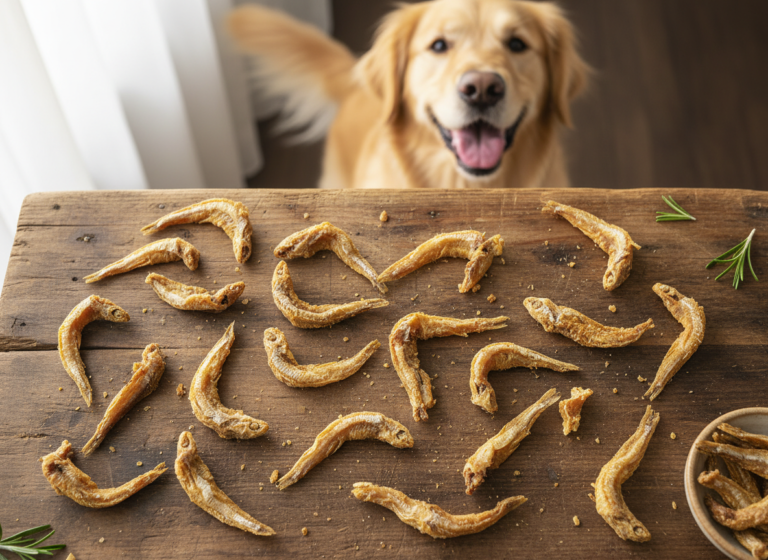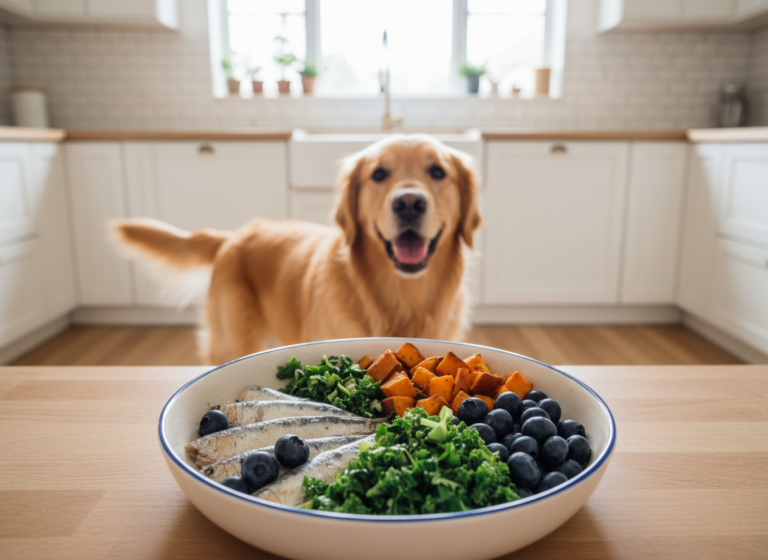

13 Salmon and Quinoa Dog Food Recipes for Shiny Coats
As pet parents, we all want our dogs to look and feel their absolute best. And let’s be honest, nothing says ‘healthy dog’ quite like a shiny, soft, and radiant coat. While grooming plays a part, the real secret to a gleaming coat starts from within—in their food bowl! That’s where the dynamic duo of salmon and quinoa comes in. Salmon is a powerhouse of omega-3 fatty acids, which are superstars for reducing inflammation and promoting skin health. Quinoa, a complete protein, provides all the essential amino acids your dog needs for strong muscles and a healthy body.
Making your dog’s food at home can be an incredibly rewarding experience. You control every single ingredient, ensuring there are no mysterious fillers or artificial additives. To help you get started on this culinary journey for your canine companion, we’ve curated 13 delicious and easy-to-follow recipes. Let’s get cooking!
Quick Comparison of Our Top Recipes
| Recipe Name | Prep & Cook Time | Best For | Key Benefit |
|---|---|---|---|
| 1. The Classic Salmon & Quinoa Bowl | 30 Minutes | All Life Stages | Balanced Nutrition |
| 2. Veggie-Packed Delight | 35 Minutes | Extra Vitamins | Antioxidant Boost |
| 3. Senior Support Stew | 40 Minutes | Older Dogs | Joint Health |
| 4. Puppy Power Mash | 25 Minutes | Growing Puppies | Growth & Development |
| 5. Anti-Inflammatory Blend | 30 Minutes | Active or Arthritic Dogs | Reduces Inflammation |
| 6. Weight Management Loaf | 50 Minutes | Overweight Dogs | Portion Control |
| 7. Picky Eater’s Pâté | 30 Minutes | Fussy Dogs | Irresistible Texture |
| 8. Tropical Skin Soother | 25 Minutes | Dogs with Dry Skin | Hydrates Skin |
| 9. Hearty Winter Stew | 45 Minutes | Cold Weather Comfort | Warming & Nourishing |
| 10. Quick & Easy Skillet | 20 Minutes | Busy Pet Parents | One-Pan Meal |
| 11. Green Goddess Bowl | 30 Minutes | Detox & Health | Leafy Green Power |
| 12. Crunchy Coat-Boosting Topper | 2+ Hours (Dehydrating) | Supplementing Kibble | Enhances Regular Food |
| 13. Soothing Tummy Blend | 35 Minutes | Sensitive Stomachs | Gentle Digestion |
1. The Classic Salmon & Quinoa Bowl
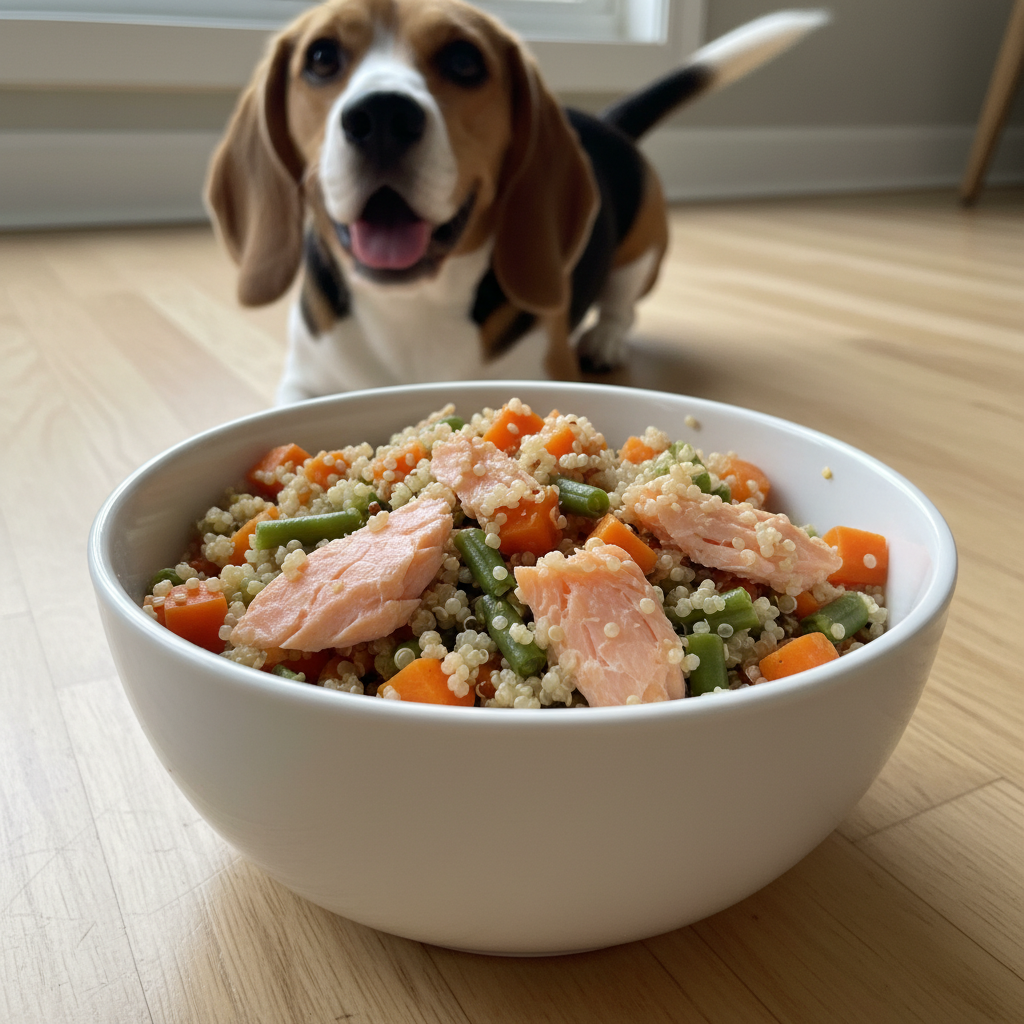
This is the foundational recipe that started it all. It’s simple, balanced, and provides a fantastic baseline for your dog’s nutritional needs. It’s easy to make and a guaranteed tail-wagger.
Ingredients:
- 1 cup cooked quinoa (be sure to rinse thoroughly before cooking)
- 6 oz cooked salmon fillet, deboned and flaked
- 1/2 cup steamed carrots, diced
- 1/2 cup steamed green beans, chopped
- 1 tablespoon olive oil or fish oil
Instructions:
- Cook the quinoa according to package directions and let it cool.
- Bake or poach the salmon until it’s cooked through. Remove any skin and bones, then flake it with a fork.
- Steam the carrots and green beans until tender-crisp.
- In a large bowl, combine the cooked quinoa, flaked salmon, carrots, and green beans.
- Drizzle with olive oil or fish oil and mix gently to combine. Serve once cooled to room temperature.
Pros and Cons
Pros
|
Cons
|
Verdict:
Perfect for any healthy adult dog, this recipe is the ideal starting point for pet parents new to homemade dog food.
2. Veggie-Packed Delight
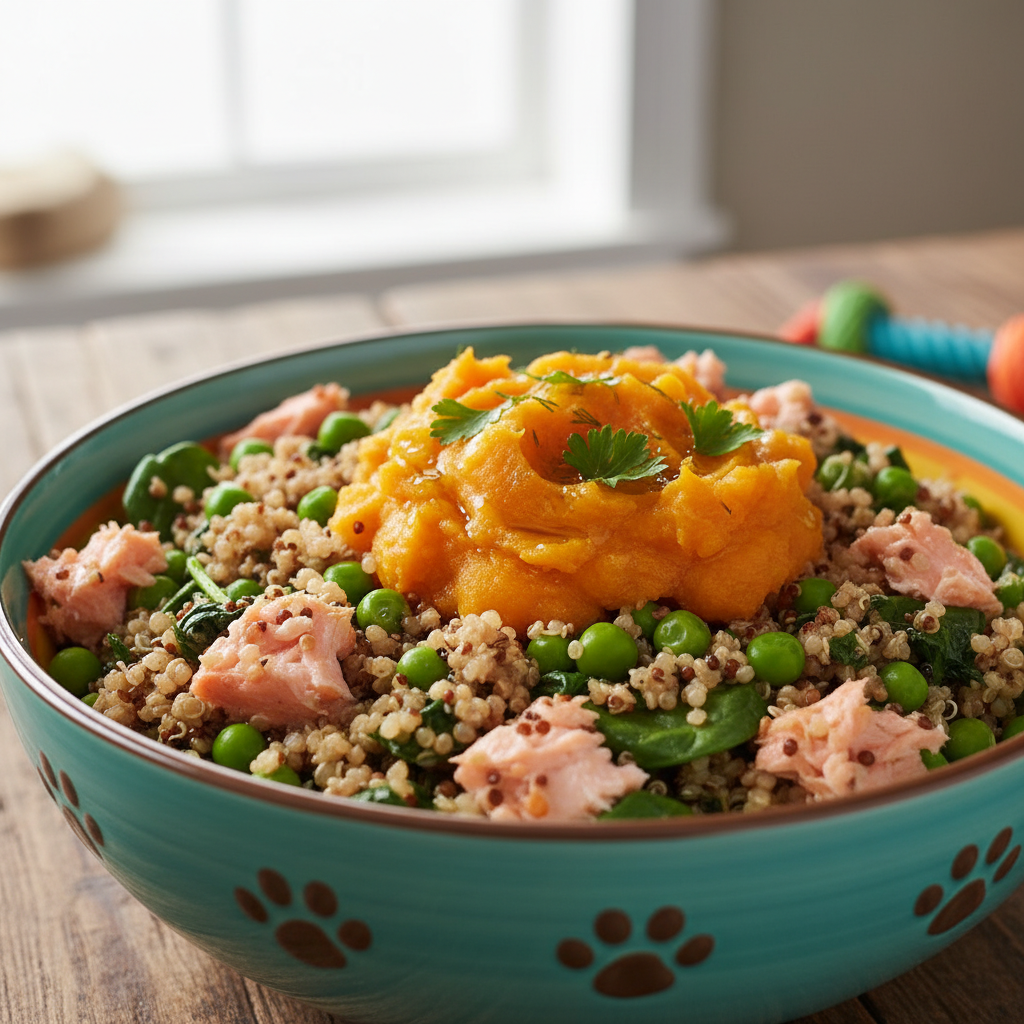
Want to sneak some more vitamins and antioxidants into your pup’s diet? This recipe is loaded with dog-safe vegetables that provide a boost of fiber, vitamins, and minerals for overall health.
Ingredients:
- 1 cup cooked quinoa
- 6 oz cooked salmon, flaked
- 1/4 cup steamed sweet potato, mashed
- 1/4 cup steamed peas
- 1/4 cup finely chopped spinach
- 1 teaspoon coconut oil
Instructions:
- Prepare the quinoa and salmon as described in the classic recipe.
- Steam the sweet potato until very soft, then mash it. Steam the peas.
- Wilt the spinach in a pan with a tiny bit of water for 30 seconds.
- Combine all ingredients in a bowl: quinoa, salmon, mashed sweet potato, peas, and spinach.
- Mix in the coconut oil for extra skin-soothing benefits. Serve cool.
Pros and Cons
Pros
|
Cons
|
Verdict:
An excellent choice for dogs who need more fiber in their diet or for owners who want to maximize the nutritional value of each meal.
3. Senior Support Stew
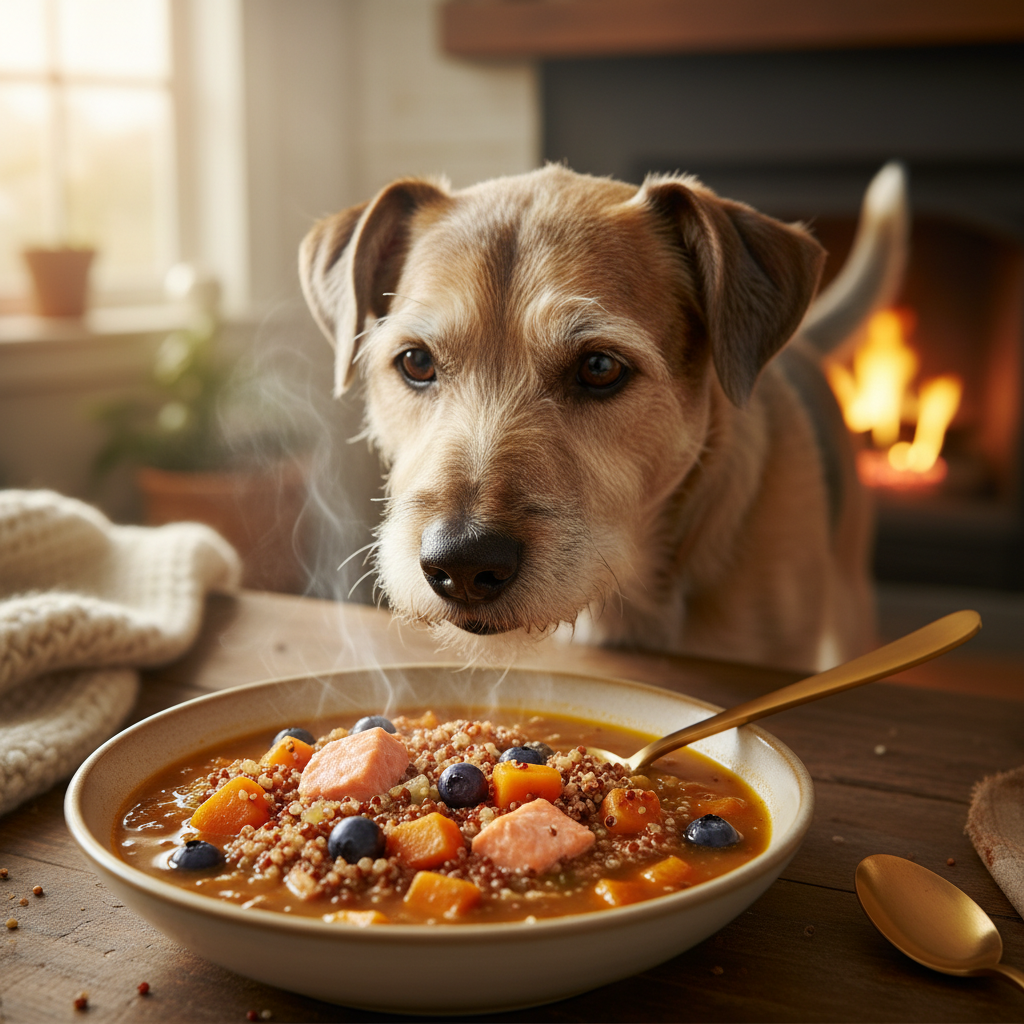
Older dogs have different needs. This recipe is softer in texture, making it easier to chew, and includes ingredients known to support joint health and cognitive function in our golden-oldie companions.
Ingredients:
- 1 cup cooked quinoa
- 6 oz cooked salmon, flaked
- 1/2 cup chopped sweet potatoes, boiled until very soft
- 1/4 cup blueberries (a great antioxidant)
- 1/2 cup low-sodium chicken or bone broth
- 1 teaspoon turmeric powder
Instructions:
- Cook the quinoa and salmon.
- Boil the sweet potatoes until they are fork-tender.
- In a bowl, gently mash the sweet potatoes with the flaked salmon.
- Stir in the cooked quinoa, blueberries, and turmeric powder.
- Add the broth to create a soft, stew-like consistency. Let it cool completely before serving.
Pros and Cons
Pros
|
Cons
|
Verdict:
The perfect meal for senior dogs, offering joint support, easy digestion, and a delicious taste they’ll love.
4. Puppy Power Mash

Growing puppies need specific nutrients for healthy development. This recipe is formulated with extra calcium and is mashed to a texture that’s perfect for tiny mouths and developing teeth.
Ingredients:
- 1 cup cooked quinoa
- 6 oz cooked salmon, finely flaked
- 1/2 cup full-fat plain cottage cheese or yogurt (for calcium)
- 1/4 cup finely grated carrots
- 1 hard-boiled egg, mashed
Instructions:
- Cook quinoa and salmon. Ensure the salmon is flaked into very small pieces.
- Hard-boil an egg, peel it, and mash it thoroughly.
- In a bowl, combine the quinoa, salmon, mashed egg, cottage cheese/yogurt, and grated carrots.
- Mix until it forms a uniform, soft mash. Serve in smaller, more frequent portions suitable for a puppy.
Pros and Cons
Pros
|
Cons
|
Verdict:
A fantastic, nutrient-dense meal to support the rapid growth and high energy levels of a young puppy. Always consult your vet for puppy nutrition plans.
5. Anti-Inflammatory Blend
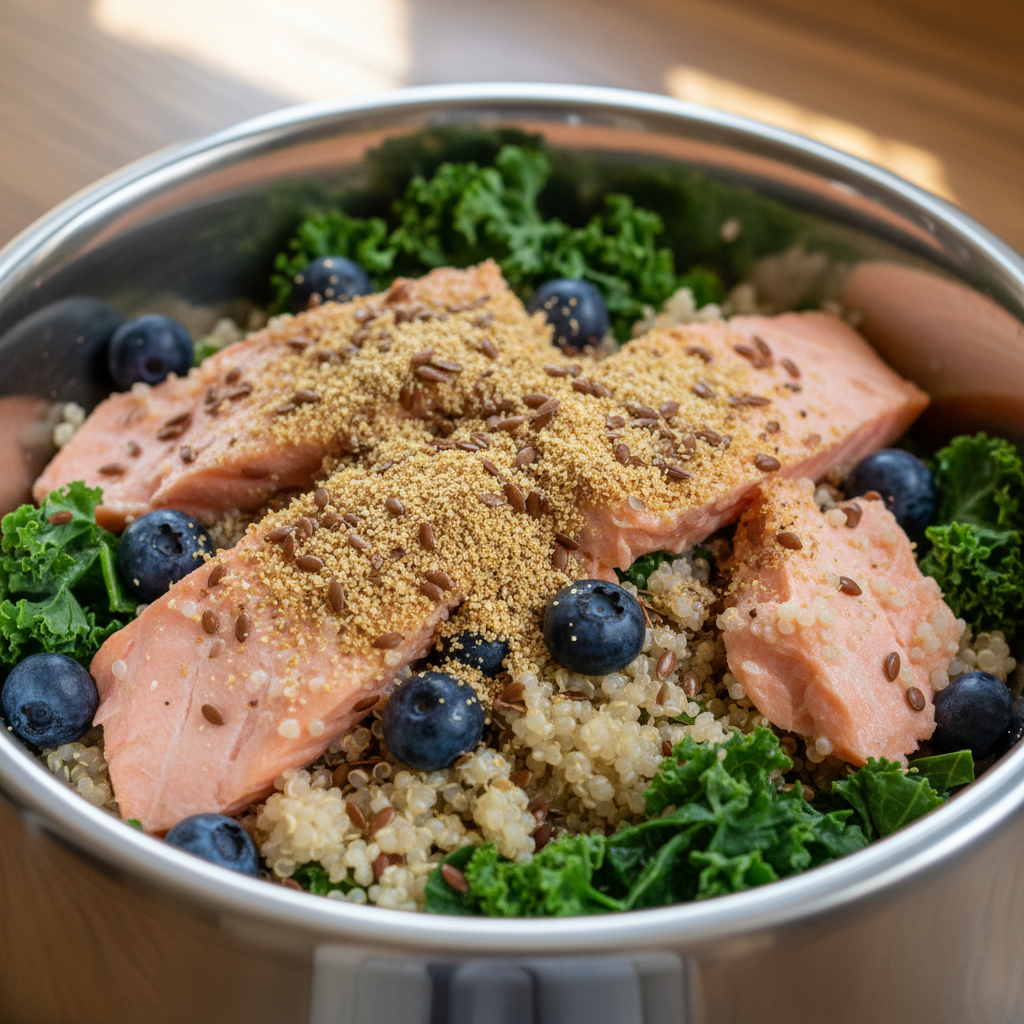
For active dogs, or those suffering from allergies or arthritis, inflammation can be a major issue. This recipe incorporates natural anti-inflammatory ingredients to help soothe their system from the inside out.
Ingredients:
- 1 cup cooked quinoa
- 6 oz cooked salmon, flaked
- 1/2 cup chopped kale, lightly steamed
- 1/4 cup blueberries
- 1 tablespoon ground flaxseed
- 1/2 teaspoon ginger, freshly grated
Instructions:
- Prepare the quinoa and salmon.
- Lightly steam the kale until it’s bright green and slightly tender.
- In a bowl, combine the quinoa, salmon, kale, and blueberries.
- Sprinkle the ground flaxseed and grated ginger over the top.
- Mix well and serve.
Pros and Cons
Pros
|
Cons
|
Verdict:
Ideal for athletic dogs, senior dogs with arthritis, or any pup that could benefit from a natural anti-inflammatory boost in their diet.
6. Weight Management Loaf
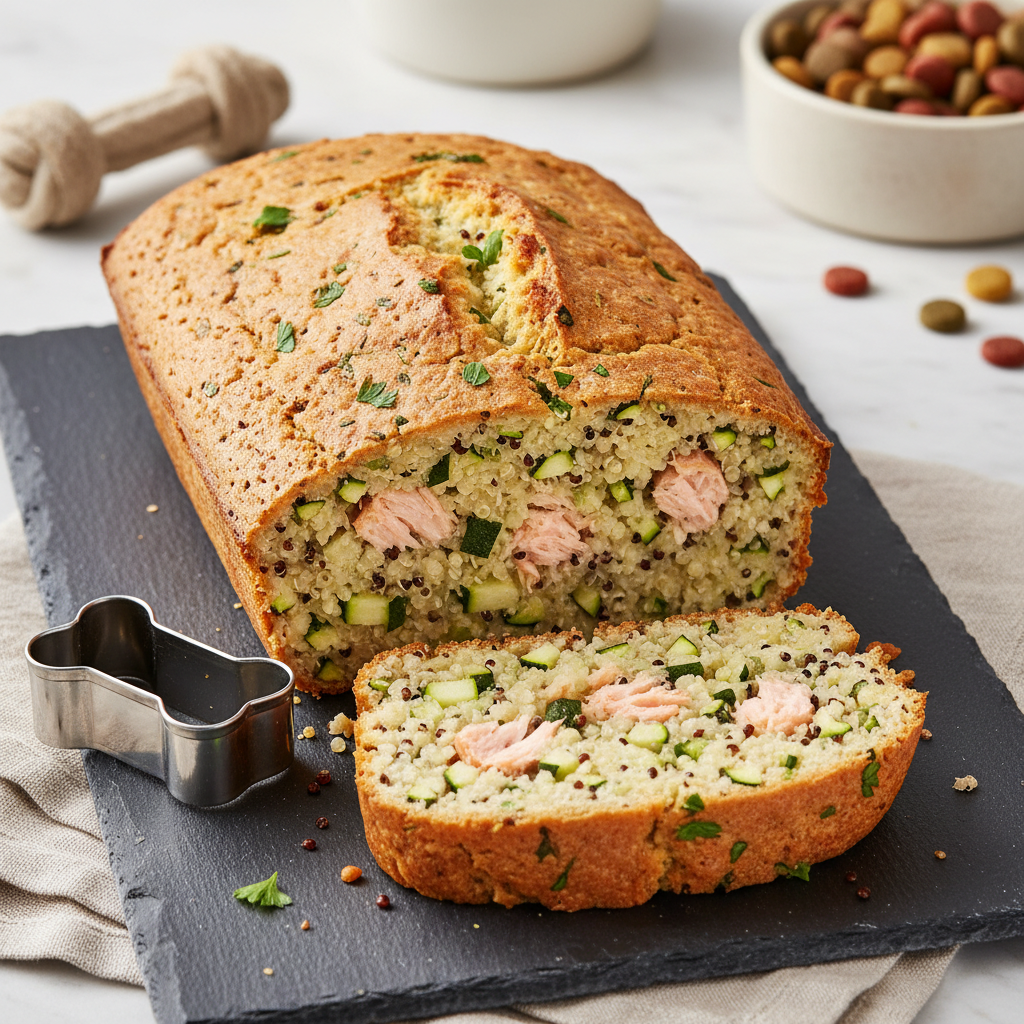
Portion control is key for dogs needing to shed a few pounds. Baking the ingredients into a loaf makes it easy to slice and serve consistent portions. This recipe is higher in fiber to help your dog feel full and satisfied.
Ingredients:
- 1 cup cooked quinoa
- 1 lb ground salmon (or finely chopped salmon fillet)
- 2 eggs, beaten
- 1 cup chopped zucchini, moisture squeezed out
- 1/2 cup rolled oats
- 1 tablespoon chopped parsley
Instructions:
- Preheat your oven to 375°F (190°C).
- In a large bowl, combine the ground salmon, cooked quinoa, beaten eggs, zucchini, oats, and parsley.
- Mix thoroughly until all ingredients are evenly distributed.
- Press the mixture into a lightly greased loaf pan.
- Bake for 35-45 minutes, or until the loaf is firm and cooked through.
- Let it cool completely before slicing and serving.
Pros and Cons
Pros
|
Cons
|
Verdict:
A brilliant solution for pet parents managing their dog’s weight. The easy-to-serve slices take the guesswork out of feeding time.
7. Picky Eater’s Pâté
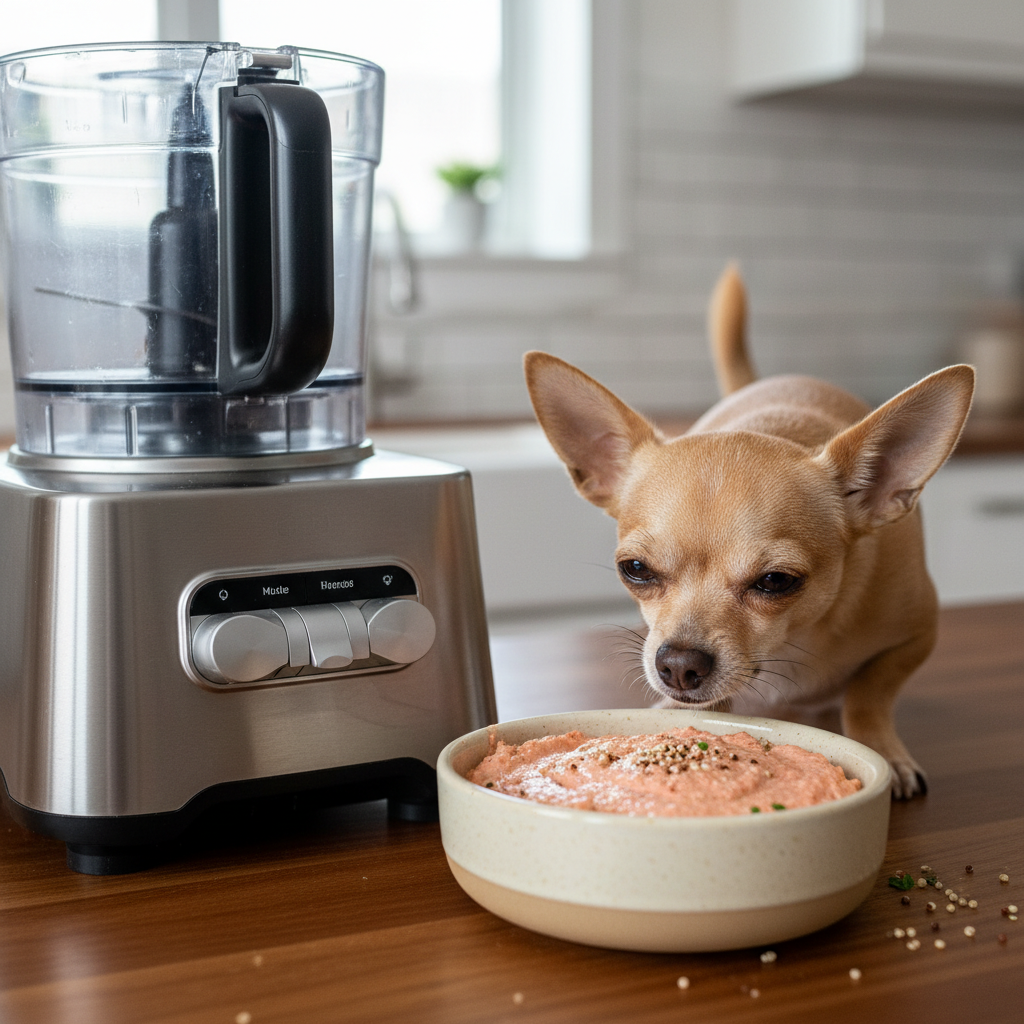
Do you have a fussy eater on your hands? Texture can make all the difference. This recipe blends all the healthy ingredients into a smooth, irresistible pâté that even the most discerning canine critic will have a hard time resisting.
Ingredients:
- 1 cup cooked quinoa
- 6 oz cooked salmon, flaked
- 1/4 cup steamed carrots
- 2 tablespoons low-sodium chicken broth
- 1 teaspoon nutritional yeast (for a cheesy, savory flavor)
Instructions:
- Cook the quinoa, salmon, and carrots until everything is soft.
- Place all ingredients—quinoa, salmon, carrots, broth, and nutritional yeast—into a food processor or high-powered blender.
- Blend until the mixture reaches a smooth, pâté-like consistency. You can add a little more broth if needed to get the right texture.
- Serve as a standalone meal or as a tempting topper on their regular food.
Pros and Cons
Pros
|
Cons
|
Verdict:
This smooth and savory pâté is a game-changer for picky dogs or those with dental problems who struggle with harder foods.
8. Tropical Skin Soother
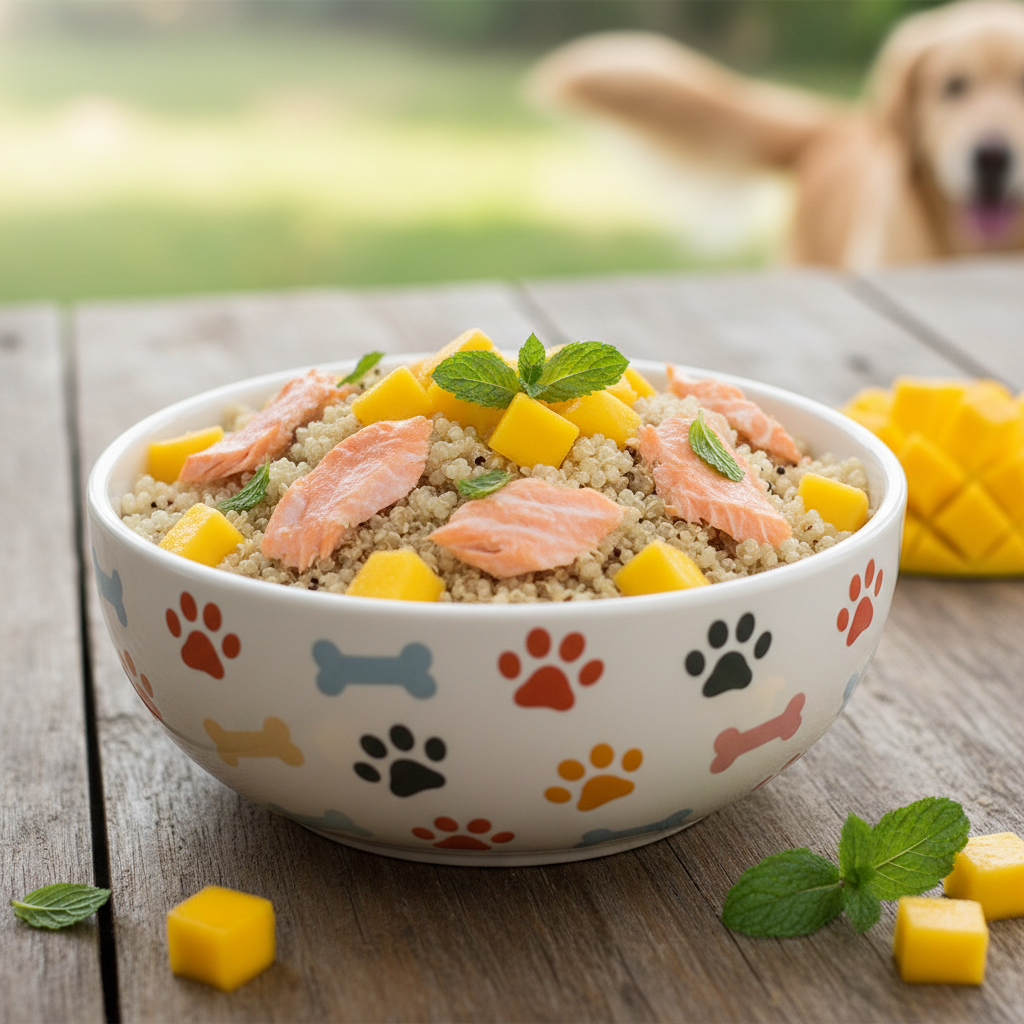
Give your dog’s skin an extra dose of hydration and healthy fats with this tropical-inspired recipe. Coconut and mango are not only delicious but also offer unique benefits for skin and coat health.
Ingredients:
- 1 cup cooked quinoa
- 6 oz cooked salmon, flaked
- 1/4 cup finely diced mango (no skin or pit)
- 1 tablespoon organic, cold-pressed coconut oil
- A few leaves of fresh mint, finely chopped (optional, for fresh breath)
Instructions:
- Prepare the quinoa and salmon and let them cool.
- In a bowl, gently mix the flaked salmon and quinoa.
- Stir in the diced mango and chopped mint.
- Melt the coconut oil (if solid) and drizzle it over the mixture, then toss to coat everything evenly.
Pros and Cons
Pros
|
Cons
|
Verdict:
A fantastic, flavourful option for dogs with dry, itchy skin or a dull coat, providing a delicious taste of the tropics.
9. Hearty Winter Stew
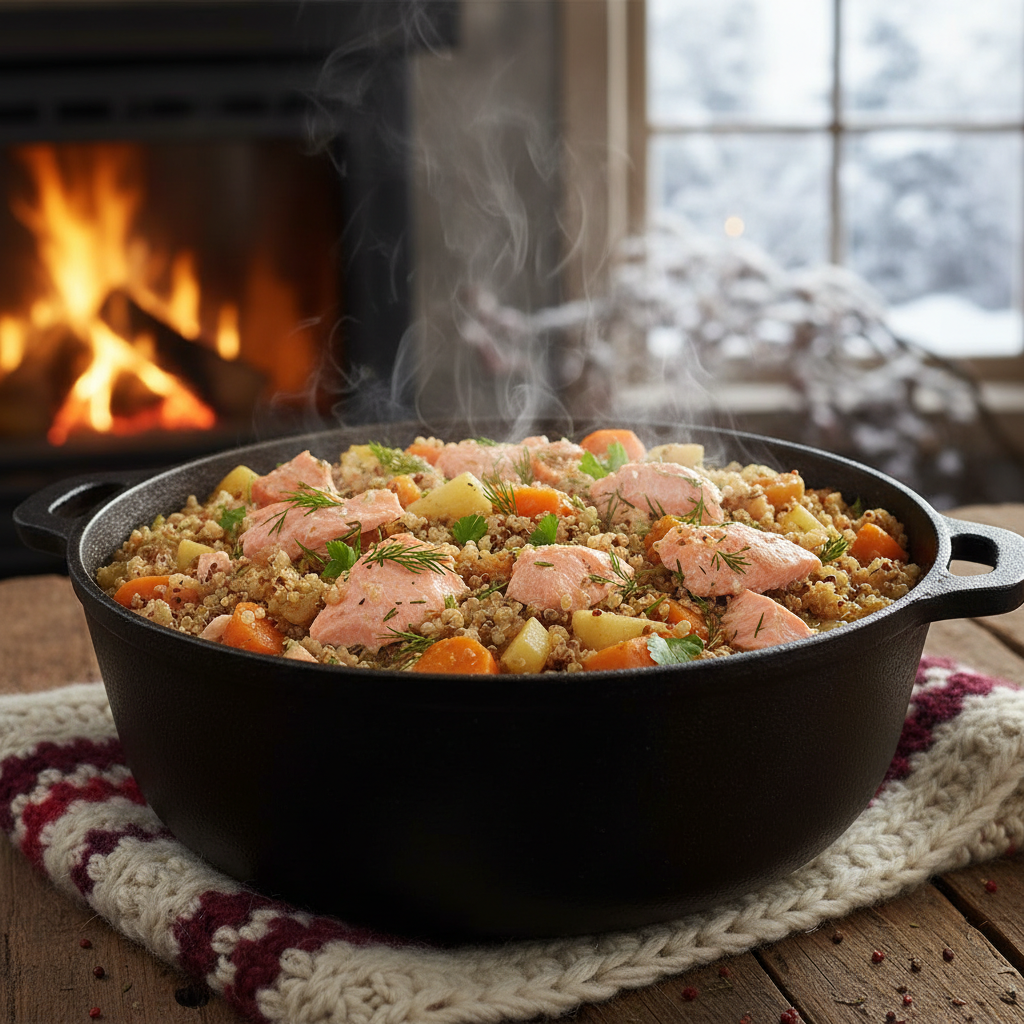
When the weather gets chilly, a warm and hearty stew is the ultimate comfort food. This recipe uses root vegetables and a rich broth to create a nourishing meal that will warm your pup from the inside out.
Ingredients:
- 1 cup cooked quinoa
- 6 oz cooked salmon, in chunks
- 1/2 cup diced carrots
- 1/2 cup diced parsnips
- 1 cup low-sodium beef or vegetable broth
- 1 teaspoon dried rosemary
Instructions:
- In a pot, bring the broth to a simmer. Add the carrots and parsnips and cook for 10-15 minutes until tender.
- Add the cooked quinoa, salmon chunks, and rosemary to the pot.
- Stir everything together and let it simmer for another 2-3 minutes for the flavors to meld.
- Let the stew cool to a safe, lukewarm temperature before serving.
Pros and Cons
Pros
|
Cons
|
Verdict:
The perfect, soul-warming meal for a cold winter’s day, packed with hearty root vegetables and savory flavor.
10. Quick & Easy Skillet
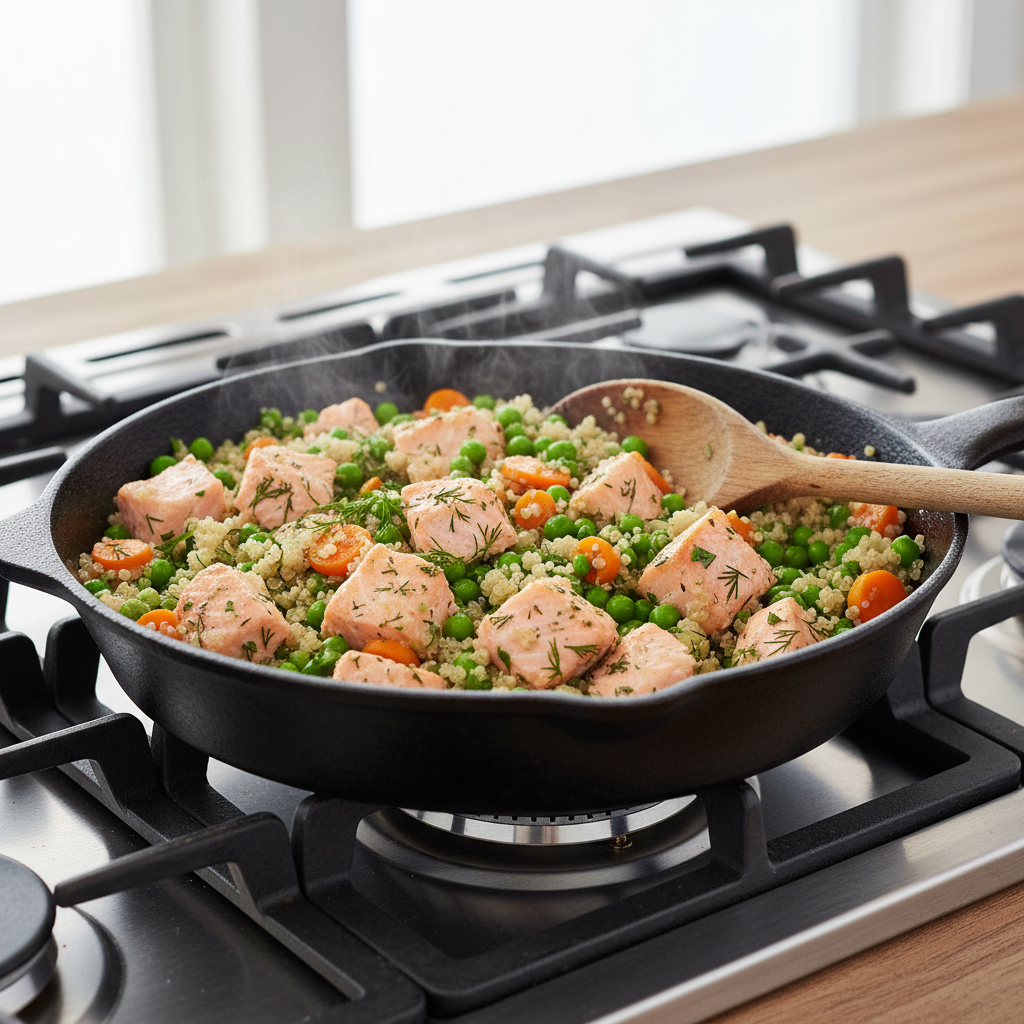
For those busy weeknights when you want to give your dog a fresh meal without all the fuss. This one-pan recipe minimizes cleanup and gets a healthy dinner in their bowl in under 20 minutes.
Ingredients:
- 6 oz salmon fillet, cut into small cubes
- 1/2 cup uncooked quinoa, rinsed
- 1 cup water or low-sodium broth
- 1 cup frozen peas and carrots blend
- 1 tablespoon olive oil
Instructions:
- Heat the olive oil in a skillet or pan with a lid over medium-high heat. Add the salmon cubes and cook for 2-3 minutes until lightly browned.
- Add the rinsed quinoa and water/broth to the skillet. Stir and bring to a boil.
- Once boiling, reduce the heat to low, cover the skillet, and let it simmer for 15 minutes.
- Stir in the frozen peas and carrots, cover again, and cook for another 5 minutes, or until the quinoa is cooked and the liquid is absorbed.
- Fluff with a fork and let it cool completely before serving.
Pros and Cons
Pros
|
Cons
|
Verdict:
A lifesaver for busy pet parents who don’t want to compromise on providing a fresh, homemade meal for their dog.
11. Green Goddess Bowl
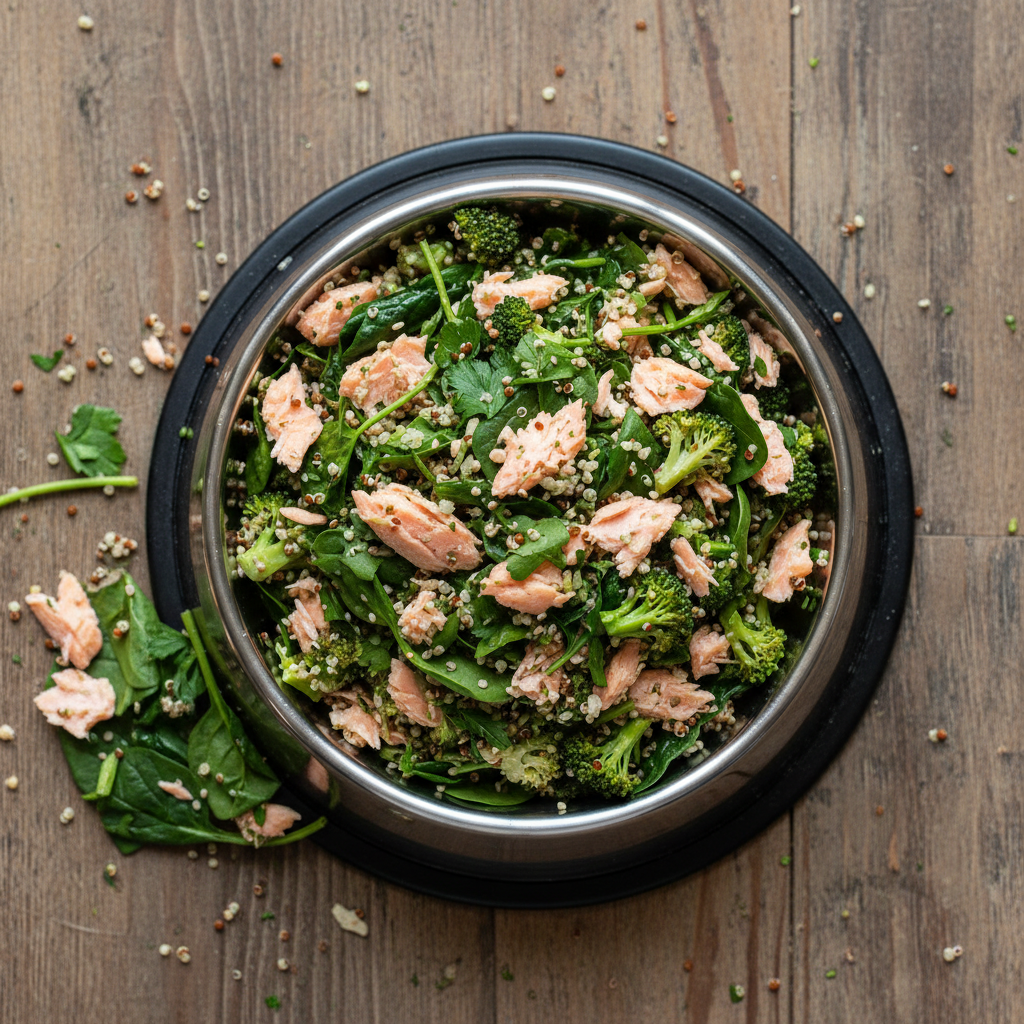
Go green with this bowl packed full of chlorophyll-rich ingredients. Leafy greens and green veggies are fantastic for detoxification and providing a wide array of micronutrients for your dog’s overall vitality.
Ingredients:
- 1 cup cooked quinoa
- 6 oz cooked salmon, flaked
- 1/2 cup steamed broccoli florets, chopped small
- 1/4 cup finely chopped parsley
- A handful of fresh spinach, wilted
Instructions:
- Cook the quinoa and salmon.
- Steam the broccoli florets until tender, then chop them into bite-sized pieces.
- Wilt the spinach in a hot pan for 30 seconds.
- Combine the quinoa, salmon, broccoli, wilted spinach, and fresh parsley in a bowl.
- Mix gently and serve.
Pros and Cons
Pros
|
Cons
|
Verdict:
An incredibly healthy, nutrient-dense meal for the health-conscious pet owner looking to boost their dog’s vitamin intake and vitality.
12. Crunchy Coat-Boosting Topper
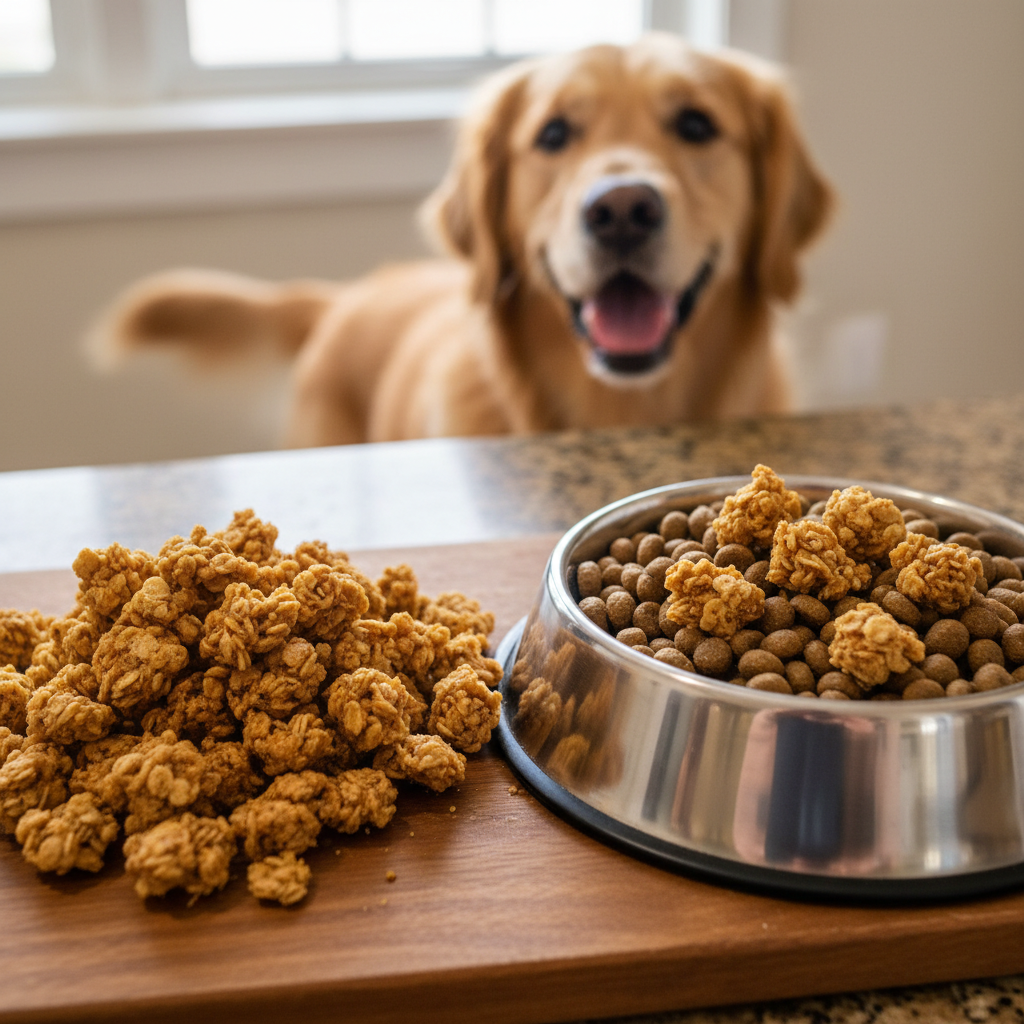
Not ready to switch to a fully homemade diet? No problem! This recipe creates a crunchy, dehydrated topper you can sprinkle over your dog’s existing kibble to add the coat-boosting benefits of salmon and quinoa.
Ingredients:
- 1 cup cooked quinoa
- 1 lb raw salmon fillet, skin removed
- 1/4 cup ground flaxseed
Instructions:
- Preheat your oven to its lowest temperature (usually around 170-200°F or 75-95°C) or use a dehydrator.
- In a food processor, blend the raw salmon into a paste.
- In a bowl, mix the salmon paste, cooked quinoa, and ground flaxseed until a thick, dough-like mixture forms.
- Spread the mixture thinly and evenly on a baking sheet lined with parchment paper.
- Bake/dehydrate for 2-4 hours, or until the mixture is dry and brittle. The time will vary greatly depending on your oven/dehydrator.
- Once cooled, break the brittle into small, kibble-sized pieces. Store in an airtight container.
Pros and Cons
Pros
|
Cons
|
Verdict:
The perfect solution for pet owners who want to add a powerful nutritional punch and the benefits of salmon to their dog’s current diet without a complete overhaul.
13. Soothing Tummy Blend
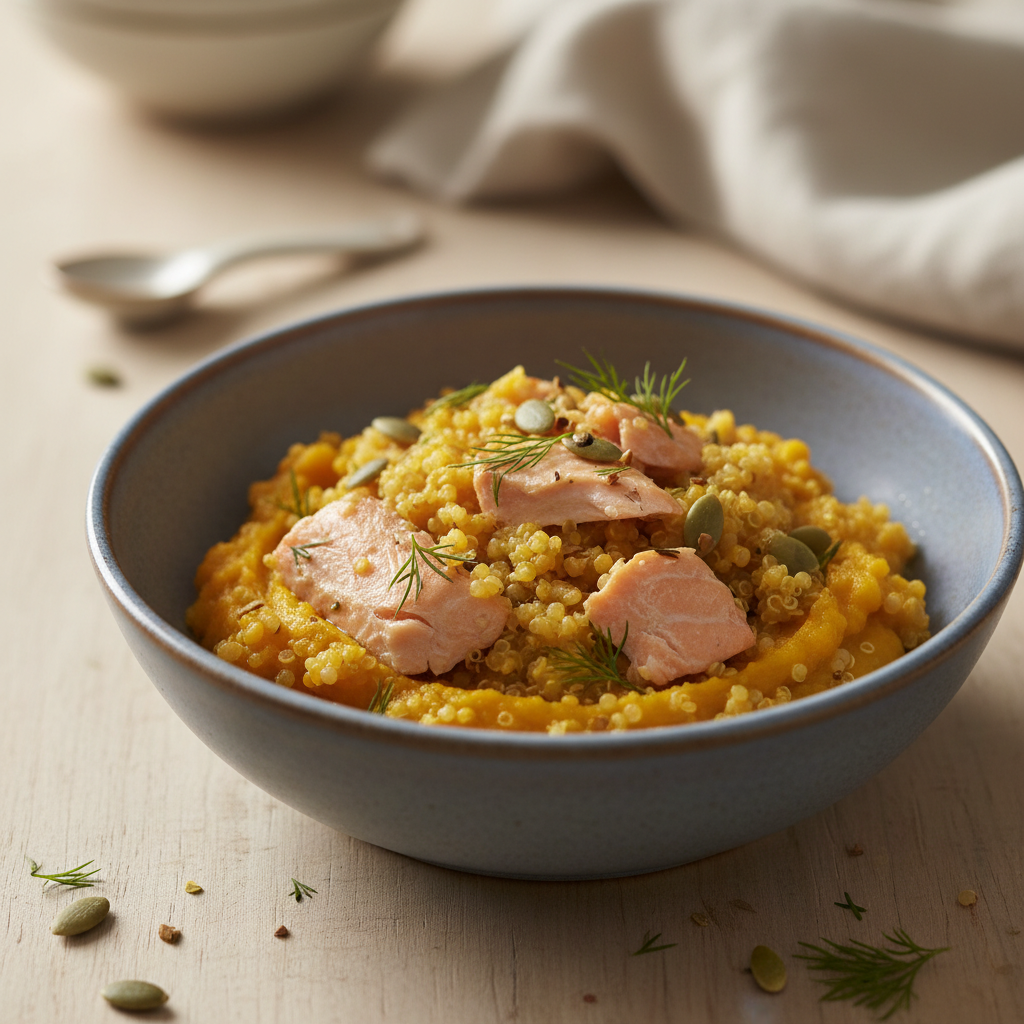
If your dog has a sensitive stomach, this gentle and easily digestible recipe can help. Pumpkin is a well-known digestive aid, and ginger can help soothe nausea, making this a comforting meal for a tender tummy.
Ingredients:
- 1 cup cooked quinoa
- 6 oz poached salmon, flaked (poaching is a gentle cooking method)
- 1/2 cup pure pumpkin puree (NOT pumpkin pie filling)
- 1/2 teaspoon freshly grated ginger
Instructions:
- To poach the salmon, place it in a pan and add just enough water to cover it. Bring to a gentle simmer and cook for about 10 minutes until opaque. Let it cool and flake it.
- Cook the quinoa as usual.
- In a bowl, gently mix the poached salmon, cooked quinoa, pumpkin puree, and grated ginger.
- The mixture will be soft and moist. Serve at room temperature.
Pros and Cons
Pros
|
Cons
|
Verdict:
An excellent choice for dogs experiencing temporary digestive upset or for those who generally have a sensitive stomach. It’s a bland diet with a nutritional twist.
Your Guide to Homemade Salmon & Quinoa Meals
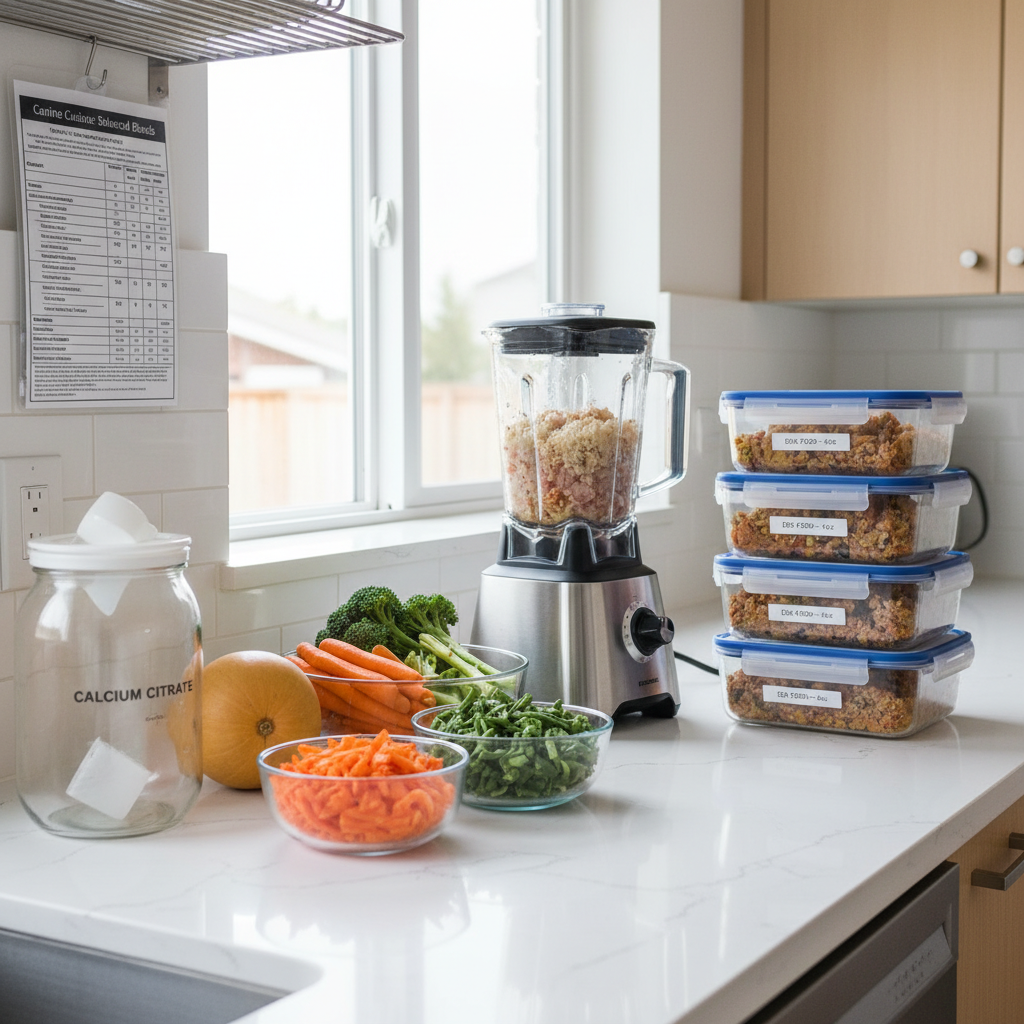
Switching to homemade dog food is a big step, but it’s incredibly rewarding. Here are a few key things to keep in mind to ensure you’re doing it safely and effectively for your beloved pet.
Why Salmon and Quinoa?
We’ve touched on it, but let’s dive deeper. Salmon is rich in omega-3 fatty acids (specifically EPA and DHA), which are vital for reducing inflammation, supporting brain function, and giving that coat an incredible shine. Quinoa is a fantastic carb source because it’s a ‘complete protein,’ meaning it contains all nine essential amino acids. It’s also gluten-free and a good source of fiber.
Choosing Quality Ingredients
- Salmon: Opt for wild-caught salmon when possible, as it typically has a better fatty acid profile and fewer contaminants than some farmed varieties. If using canned salmon, choose one packed in water with no added salt. ALWAYS ensure the salmon is deboned.
- Quinoa: It’s crucial to rinse quinoa thoroughly before cooking. It has a natural coating called saponin which can be bitter and may cause stomach upset in some dogs.
- Vegetables: Fresh or frozen vegetables are both great choices. Avoid canned vegetables with added salt. Ensure all vegetables you use are dog-safe (no onions, garlic, or avocado!).
The Importance of Balance and Vet Consultation
While these recipes are healthy, they are not all formulated to be 100% nutritionally complete for long-term, exclusive feeding on their own. Homemade diets can easily become deficient in certain minerals, like calcium and zinc. It is absolutely critical to consult with your veterinarian or a veterinary nutritionist before making a full switch to a homemade diet. They can help you formulate a plan, recommend necessary supplements (like a vitamin/mineral blend or calcium source), and ensure the diet is appropriate for your dog’s specific age, breed, and health status.
Storage and Safety
You can prepare these meals in batches to save time. Store the food in airtight containers in the refrigerator for up to 3-4 days. For longer storage, you can freeze individual portions for up to 3 months. Always thaw frozen food in the refrigerator, not on the counter, to prevent bacterial growth.
Frequently Asked Questions

Can I use canned salmon instead of fresh fillets?
Yes, you absolutely can! Canned salmon is a convenient and often more affordable option. Just be sure to choose a variety packed in water with no salt added. Drain it well and flake it just as you would a fresh fillet.
Is quinoa really safe for all dogs?
For the vast majority of dogs, quinoa is perfectly safe and healthy. It’s a gluten-free seed that’s easy to digest. However, as with any new food, it’s best to introduce it slowly. The key is to rinse it very well before cooking to remove the saponins. If your dog shows any signs of digestive upset, it might not be the right grain for them.
How much of this homemade food should I feed my dog?
This is a critical question that depends entirely on your dog’s weight, age, and activity level. A general rule of thumb is to feed about 2-3% of their ideal body weight in total food per day, but this is just a starting point. The best and safest approach is to consult your veterinarian. They can calculate your dog’s specific caloric needs and give you precise feeding guidelines.
My dog is a picky eater and turned their nose up at the recipe. What can I do?
Don’t give up! First, try warming the food slightly, as this can enhance the aroma and make it more appealing. You can also try mixing a very small amount of the new food with their old food, gradually increasing the ratio over a week or two. Sometimes, a different texture works better; if you made a chunky stew, try the pâté recipe instead. A sprinkle of nutritional yeast or a few drops of fish oil can also make the meal more enticing.
Conclusion
There you have it—13 wonderful ways to incorporate the coat-boosting power of salmon and quinoa into your dog’s diet! From simple bowls to hearty stews and special-needs formulas, there’s a recipe here for every pup and every pet parent. Making your dog’s food at home is an act of love, giving you complete control over their nutrition and a firsthand look at the quality ingredients they’re consuming.
Remember, the journey to a healthier coat and a happier dog is a marathon, not a sprint. Start with a recipe that looks good to you, introduce it slowly, and always keep an open line of communication with your veterinarian to ensure your dog’s diet is balanced and complete. Happy cooking, and here’s to many more years of shiny coats and happy, healthy companions!