13 Novel Alligator Dog Food Recipes for Allergies
Hey there, fellow pet parent! If you’re reading this, chances are you’ve been on the frustrating merry-go-round of dog food allergies. The constant scratching, the upset tummies, the endless vet visits… it’s exhausting for you and miserable for your furry best friend. You’ve likely tried everything from chicken to beef to lamb, only to find your pup is still suffering. What if I told you there’s a solution swimming under the radar? Let’s talk about alligator.
Yes, you read that right! Alligator is a fantastic ‘novel protein,’ which means it’s an ingredient most dogs have never been exposed to. This makes it an excellent choice for pups with sensitivities to common proteins. It’s lean, packed with nutrients, and can be a game-changer for your dog’s health. To help you on this culinary adventure, we’ve compiled 13 delicious and easy-to-make alligator recipes your allergic pup is sure to love.
Quick Comparison of Our Gator Recipes
| Recipe Name | Best For | Key Feature |
|---|---|---|
| Gator & Sweet Potato Mash | Sensitive Stomachs | Simple & Digestible |
| Alligator & Quinoa Patties | Meal Prepping | Easy to Portion |
| Cajun Gator Gumbo (Dog-Safe) | Picky Eaters | Flavorful & Aromatic |
| Gator & Blueberry Bites | Senior Dogs | Antioxidant-Rich |
| Slow-Cooker Gator Stew | Busy Pet Parents | Set It & Forget It |
| Dehydrated Gator Jerky | Training Treats | Single Ingredient |
| Alligator & Pumpkin Puree | Digestive Health | High in Fiber |
| Gator, Kale & Carrot Medley | Boosting Immunity | Vitamin-Packed |
| Alligator & Brown Rice Loaf | Hearty Appetites | Bake & Slice |
| Frozen Gator Pupsicles | Hot Summer Days | Cooling & Hydrating |
| Alligator & Lentil Soup | Weight Management | Lean & Filling |
| Pan-Seared Gator Medallions | Special Occasions | Gourmet Meal |
| Gator & Oatmeal Breakfast | A Healthy Start | Unique Morning Meal |
Disclaimer: Always consult with your veterinarian before making any changes to your dog’s diet, especially when dealing with allergies. They can help ensure the recipes are balanced and appropriate for your dog’s specific needs.
1. The Bayou Gator & Sweet Potato Mash
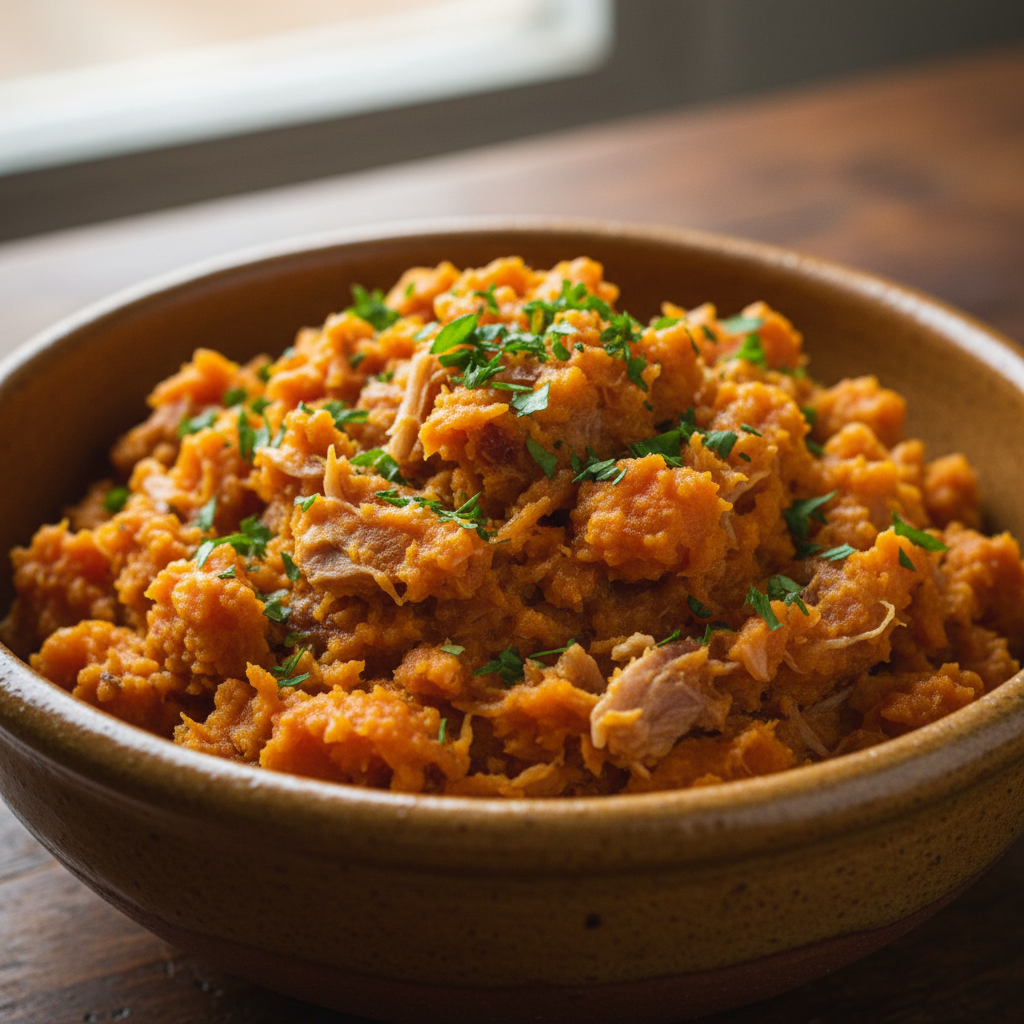
Let’s start with a classic! This recipe is simple, gentle on the stomach, and a perfect introduction to alligator meat. Sweet potatoes are a fantastic source of dietary fiber and vitamins, making this a powerhouse meal for sensitive pups.
Ingredients:
- 1 lb ground alligator meat
- 2 large sweet potatoes, peeled and cubed
- 1 tablespoon coconut oil
- 1/2 cup water or low-sodium bone broth
- 1 teaspoon dried parsley (optional)
Instructions:
- In a large pot, boil the sweet potato cubes until they are fork-tender. Drain and set aside.
- While the potatoes are boiling, melt the coconut oil in a large skillet over medium heat. Add the ground alligator meat and cook until browned, breaking it up with a spoon.
- Drain any excess fat from the skillet.
- In a large bowl, combine the cooked alligator, boiled sweet potatoes, and parsley. Mash everything together until well-combined. Add the water or bone broth to reach your desired consistency.
- Allow it to cool completely before serving.
Pros & Cons
| Pros | Cons |
|---|---|
| Extremely easy to digest | Alligator meat can be pricey |
| Limited ingredients reduce allergy risk | May not be calorie-dense enough for very active dogs |
| Great for dogs with poultry or beef allergies | Requires access to a specialty meat supplier |
Verdict:
This recipe is the perfect starting point for any dog new to novel proteins. It’s ideal for dogs with very sensitive stomachs or those on a limited ingredient diet trial.
2. Alligator & Quinoa Patties
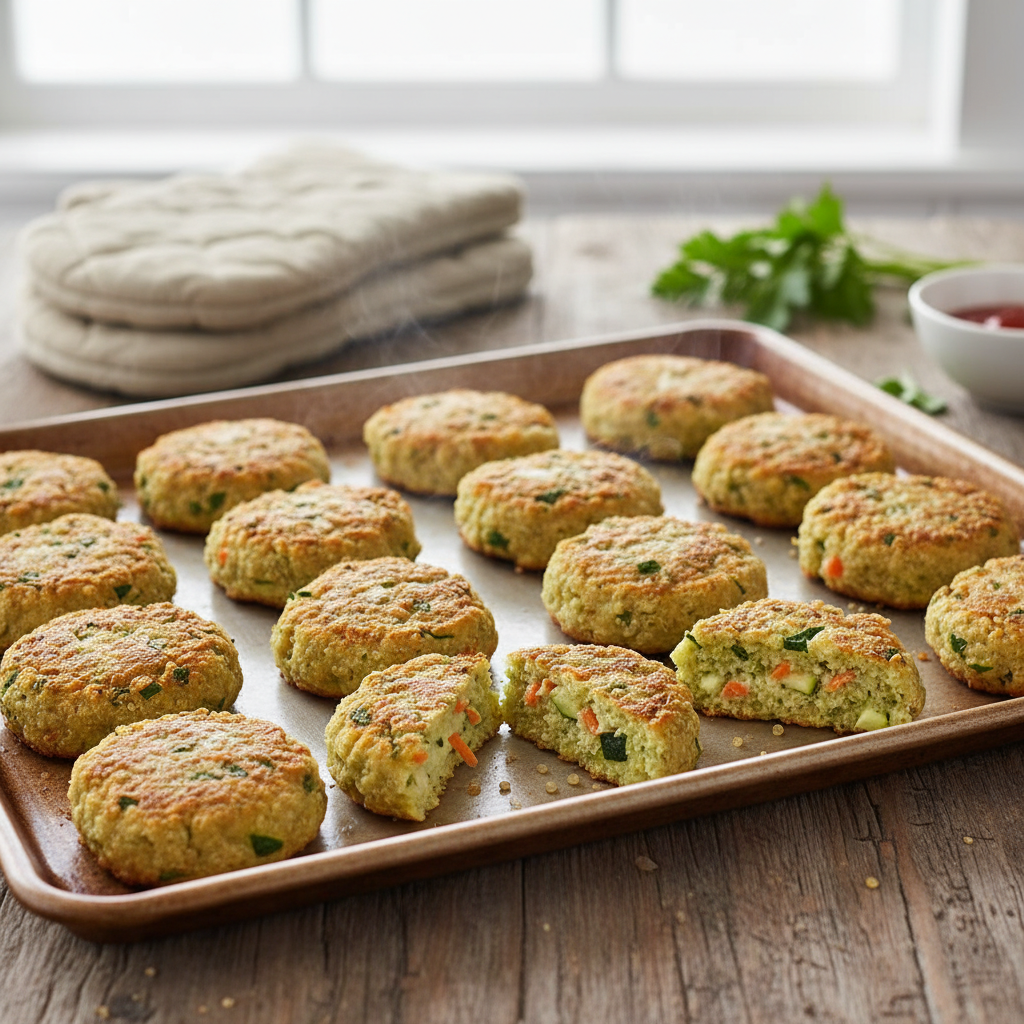
These patties are fantastic for meal prep! You can make a big batch and store them in the fridge or freezer. Quinoa is a complete protein, offering all essential amino acids, and it’s gluten-free, making it a great carb source for allergic dogs.
Ingredients:
- 1 lb ground alligator meat
- 1 cup cooked quinoa
- 1 large egg, beaten
- 1/4 cup finely chopped carrots
- 1/4 cup finely chopped zucchini
- 1 tablespoon olive oil
Instructions:
- Preheat your oven to 375°F (190°C) and line a baking sheet with parchment paper.
- In a large bowl, mix the ground alligator, cooked quinoa, beaten egg, chopped carrots, and chopped zucchini until thoroughly combined.
- Form the mixture into small, palm-sized patties and place them on the prepared baking sheet.
- Lightly brush the tops of the patties with olive oil.
- Bake for 20-25 minutes, or until the patties are cooked through and slightly browned on top.
- Let them cool completely before serving or storing.
Pros & Cons
| Pros | Cons |
|---|---|
| Perfect for portion control and meal prep | Some dogs can have trouble digesting quinoa |
| Nutritionally balanced with protein, carbs, and veggies | More prep time involved than a simple mash |
| Freezer-friendly for long-term storage | Can be a bit dry if overcooked |
Verdict:
Ideal for the busy pet owner who wants to prepare healthy, homemade meals in advance. These patties are a well-rounded meal for most adult dogs.
3. Cajun Gator Gumbo (Dog-Safe)
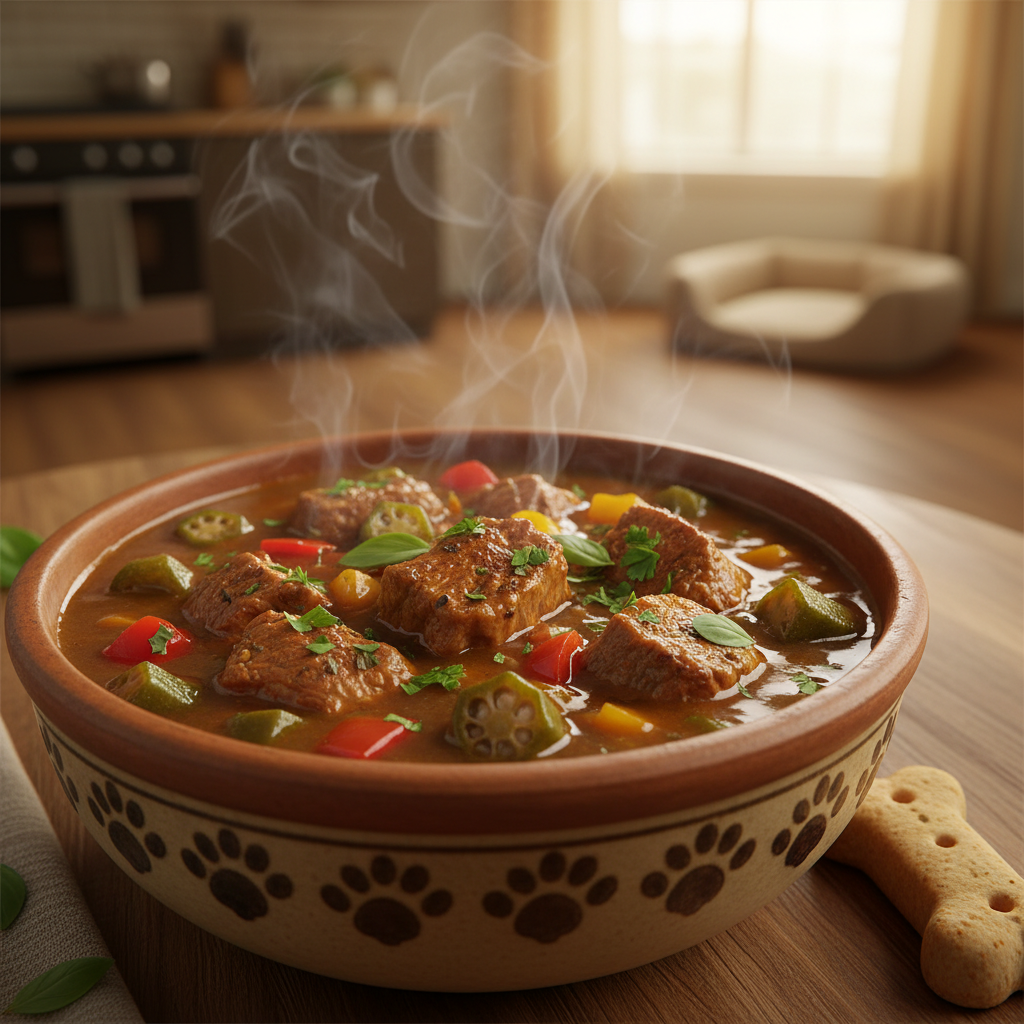
Bring a taste of Louisiana to your dog’s bowl with this fun, flavorful, and completely dog-safe gumbo. We’ve skipped the spicy stuff and focused on a rich, savory stew that will entice even the pickiest of eaters.
Ingredients:
- 1 lb alligator tenderloin, cut into small cubes
- 4 cups low-sodium chicken or beef broth
- 1/2 cup chopped okra
- 1/2 cup chopped bell pepper (any color but red is sweet)
- 1/2 cup brown rice
- 1 tablespoon olive oil
Instructions:
- In a large pot or Dutch oven, heat the olive oil over medium-high heat. Add the alligator cubes and sear on all sides.
- Add the broth, okra, and bell pepper to the pot. Bring to a boil, then reduce heat and simmer for 30 minutes.
- Stir in the brown rice, cover the pot, and continue to simmer for another 20-25 minutes, or until the rice is cooked and has absorbed most of the liquid.
- The gumbo should be thick and stew-like. Let it cool to a safe temperature before serving.
Pros & Cons
| Pros | Cons |
|---|---|
| Highly aromatic and appealing to picky dogs | Longer cooking time |
| Hydrating due to high liquid content | Okra can have a slimy texture that some dogs dislike |
| Contains beneficial vegetables like okra and peppers | Requires careful sourcing of low-sodium broth |
Verdict:
This is the go-to recipe for the fussy pup who turns their nose up at everything else. The rich aroma and savory flavor are hard to resist.
4. Gator & Blueberry Bites
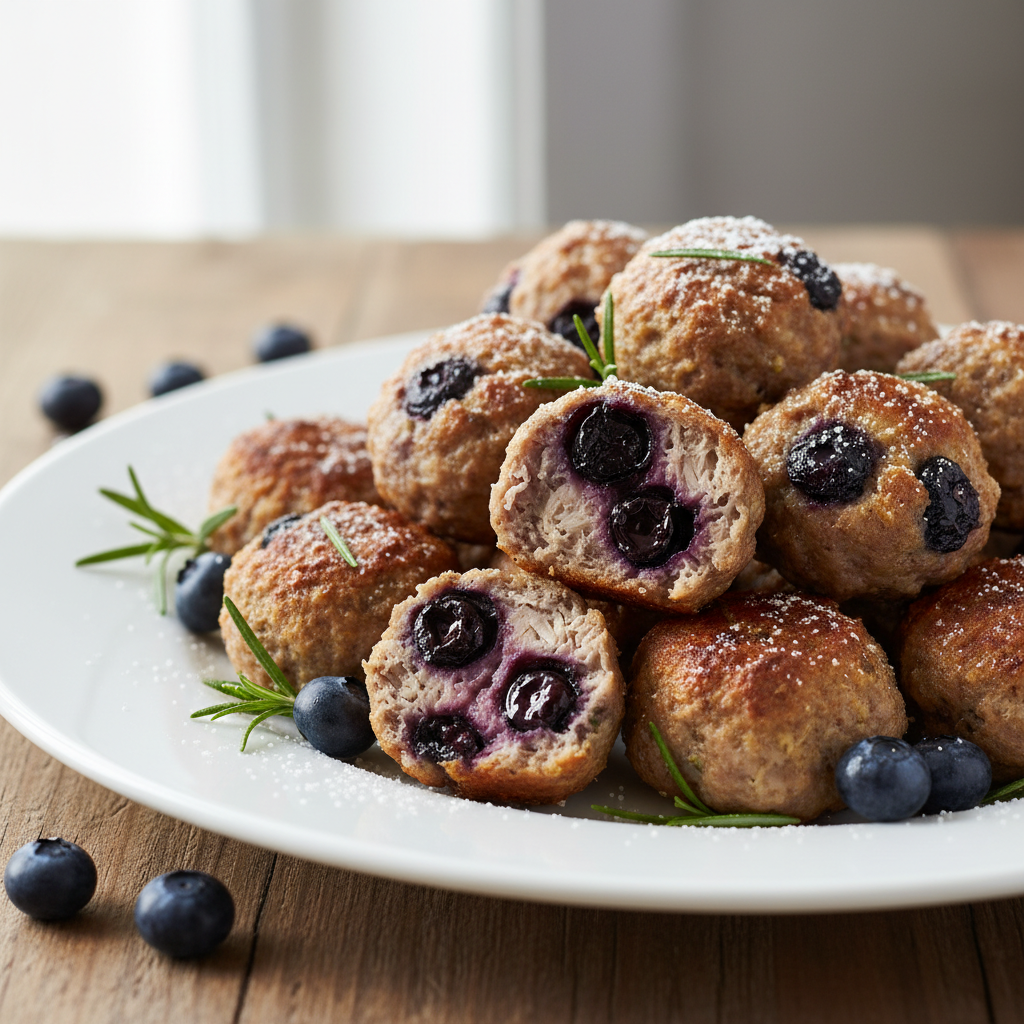
Perfect as a meal topper or a special treat, these bites combine the lean protein of alligator with the antioxidant power of blueberries. Antioxidants are great for supporting your dog’s immune system and cognitive health, especially in their senior years.
Ingredients:
- 1 lb ground alligator meat
- 1/2 cup fresh or frozen blueberries
- 1/4 cup oat flour (simply blend rolled oats in a blender)
- 1 egg
Instructions:
- Preheat your oven to 350°F (175°C). Line a baking sheet with parchment paper.
- In a bowl, gently mix the ground alligator, blueberries, oat flour, and egg. Be careful not to crush all the blueberries.
- Roll the mixture into small, meatball-sized bites and place them on the baking sheet.
- Bake for 15-20 minutes, until cooked through.
- Allow to cool completely. These can be stored in the fridge for up to 4 days.
Pros & Cons
| Pros | Cons |
|---|---|
| Packed with antioxidants from blueberries | Blueberries can stain carpets if dropped |
| Great for cognitive and immune support | Not a complete meal on its own; best as a topper or treat |
| Easy to make and portion | Some dogs may not like the sweet/savory combination |
Verdict:
An excellent choice for senior dogs or any pup needing an immune system boost. Use them as a high-value reward or mix them into their regular food for an extra punch of nutrition.
5. Slow-Cooker Alligator & Root Veggies Stew
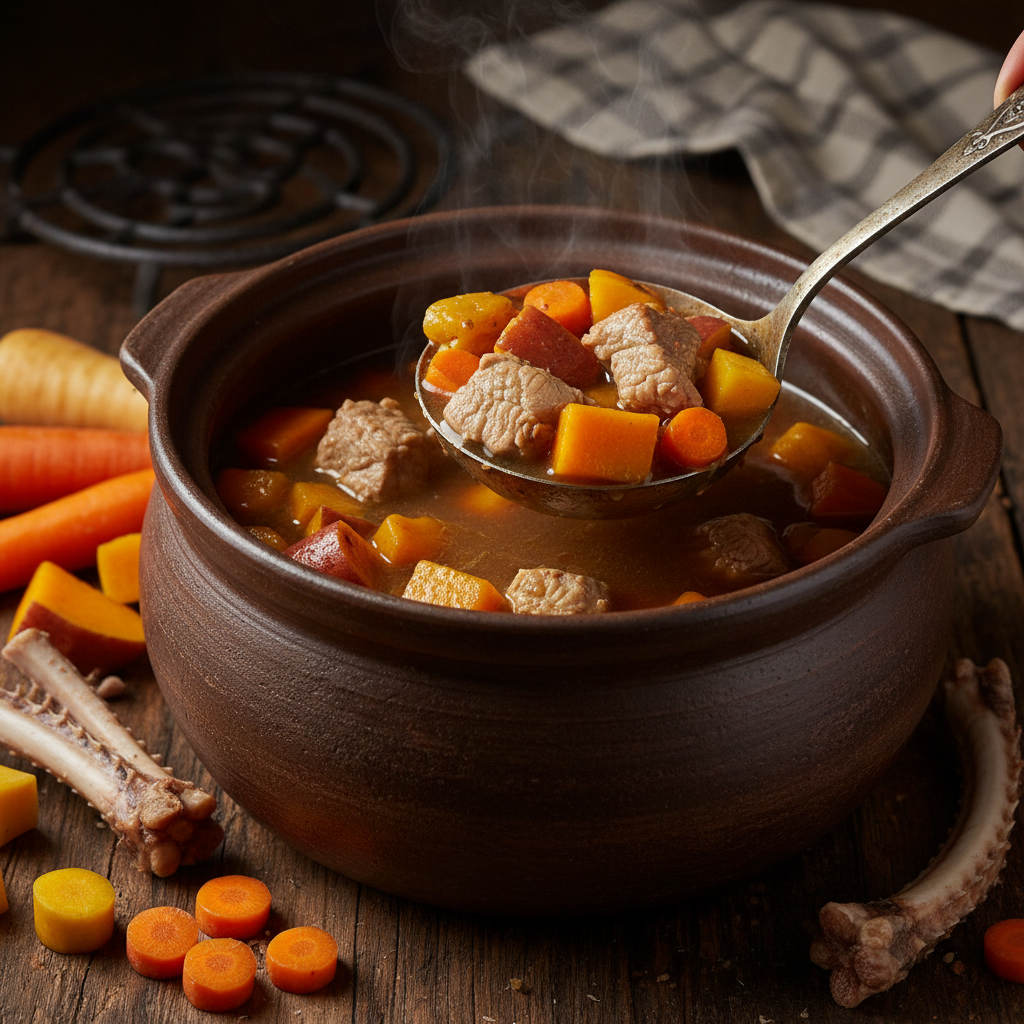
For the pet parent who loves a ‘set it and forget it’ meal, the slow cooker is your best friend. This hearty stew tenderizes the alligator meat and melds the flavors of root vegetables for a comforting and nutritious meal.
Ingredients:
- 1.5 lbs alligator stew meat, cut into 1-inch chunks
- 2 carrots, peeled and chopped
- 1 large parsnip, peeled and chopped
- 1 cup cubed butternut squash
- 4 cups water or low-sodium bone broth
- 1 tablespoon fresh rosemary, chopped
Instructions:
- Place the alligator meat, carrots, parsnip, and butternut squash into the slow cooker.
- Pour the water or bone broth over the ingredients and sprinkle with rosemary.
- Stir gently to combine.
- Cover and cook on low for 6-8 hours or on high for 3-4 hours, until the meat is tender and the vegetables are soft.
- Stir the stew, breaking up any large chunks of meat. Let it cool significantly before serving.
Pros & Cons
| Pros | Cons |
|---|---|
| Minimal effort required | Requires a slow cooker |
| Makes the house smell amazing! | Long cook time means you need to plan ahead |
| Creates incredibly tender meat that’s easy to eat | Can become mushy if overcooked |
Verdict:
This is the ultimate comfort food for dogs, perfect for a cold day. It’s especially good for older dogs or those with dental issues, as the ingredients become very soft and easy to chew.
6. Dehydrated Alligator Jerky Treats
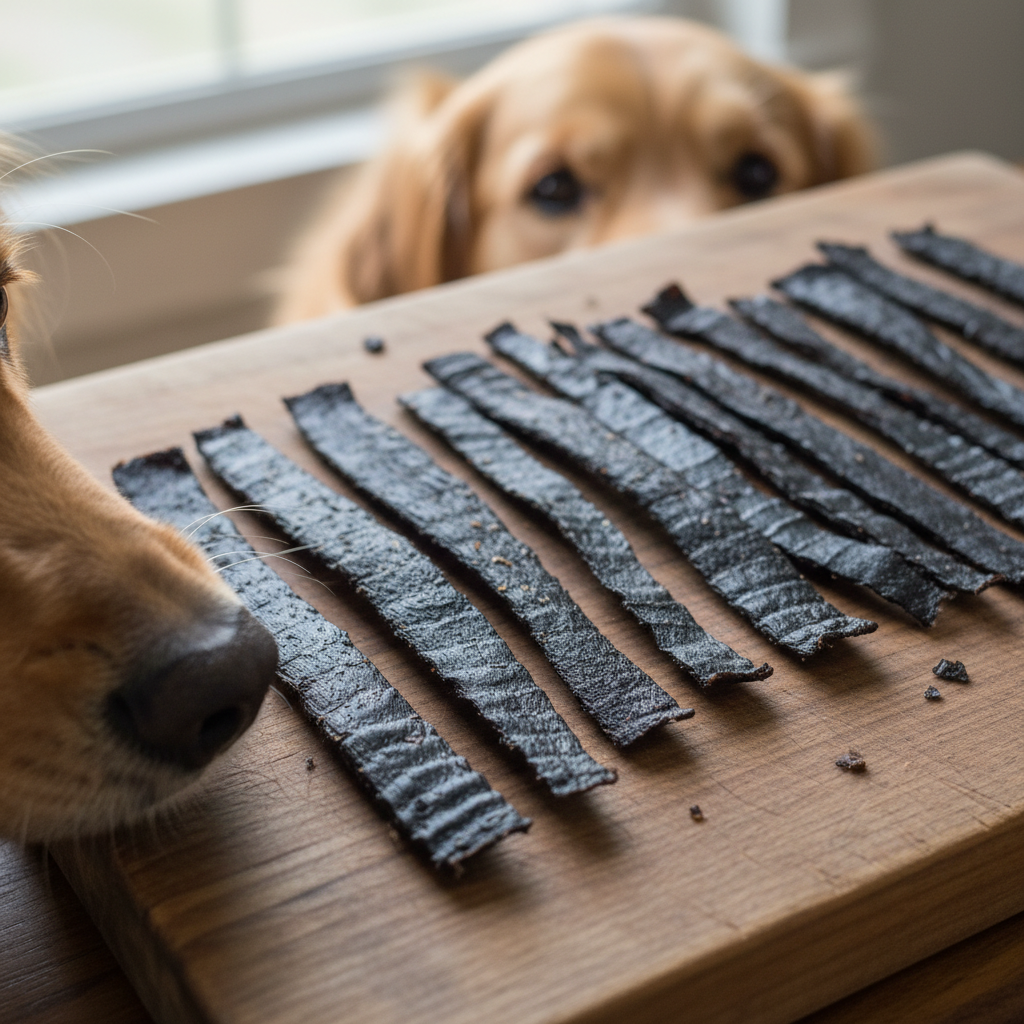
Why buy expensive, store-bought jerky when you can make your own single-ingredient treats at home? This recipe is as simple as it gets and creates a high-value, chewy treat that dogs go crazy for.
Ingredients:
- 1 lb alligator tenderloin or other lean cut
Instructions:
- Slice the alligator meat against the grain into very thin strips, about 1/8 to 1/4 inch thick. For easier slicing, you can partially freeze the meat for about an hour.
- Arrange the strips in a single layer on your dehydrator trays.
- Dehydrate at 160°F (70°C) for 4-8 hours, or until the jerky is dry and tough. The time will vary based on the thickness of your slices and your dehydrator model.
- If you don’t have a dehydrator, you can use an oven. Place strips on a wire rack over a baking sheet and bake at the lowest possible temperature (usually 170-200°F or 75-95°C) with the oven door slightly ajar for 3-6 hours.
- Let the jerky cool completely before storing it in an airtight container.
Pros & Cons
| Pros | Cons |
|---|---|
| Single-ingredient, perfect for elimination diets | Requires a dehydrator for best results |
| No additives or preservatives | Time-consuming process |
| Long shelf life if stored properly | Can be expensive to make due to the cost of alligator meat |
Verdict:
This is the purest way to give your dog alligator. It’s the ultimate high-value training treat for dogs with severe allergies, as you know exactly what’s in it: 100% alligator.
7. Alligator & Pumpkin Puree
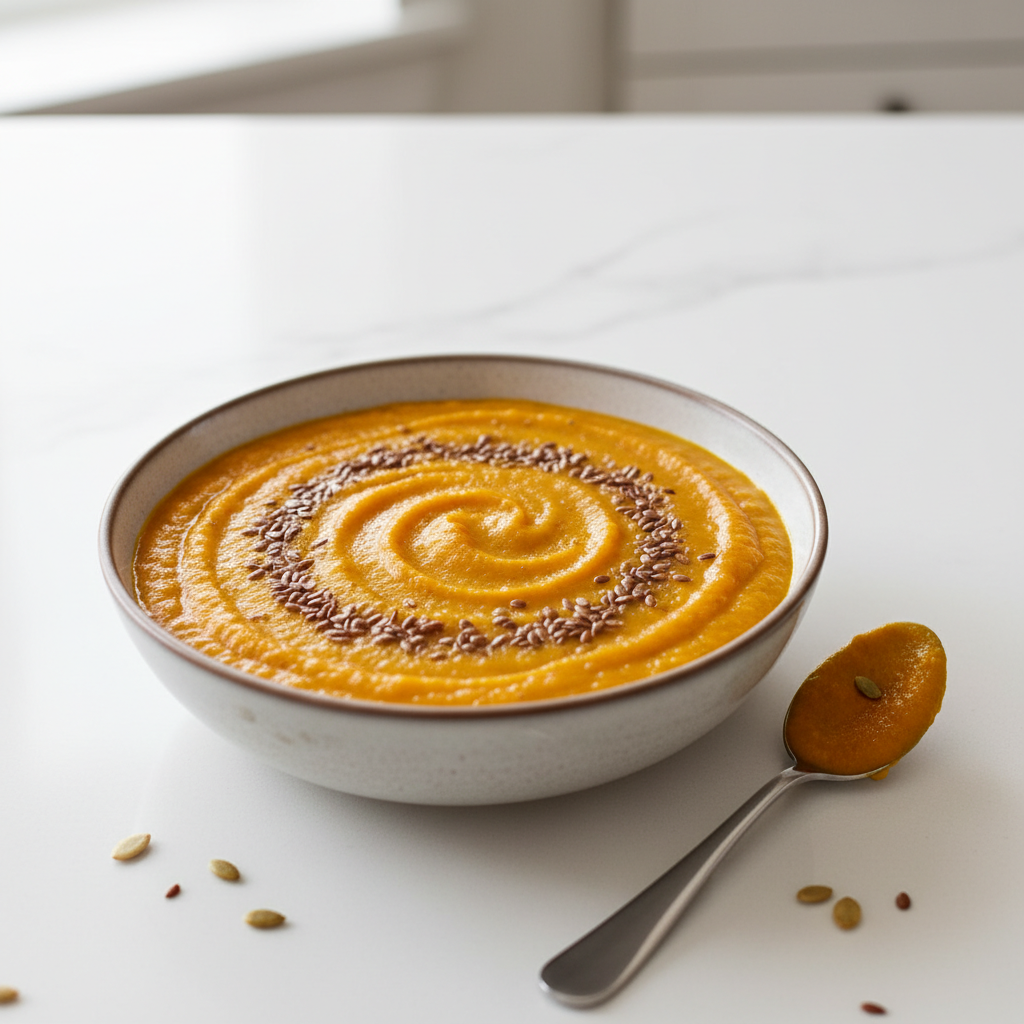
Tummy troubles? Pumpkin is a superfood for canine digestive health. It’s packed with soluble fiber, which can help with both constipation and diarrhea. Combined with lean alligator protein, this recipe is a soothing balm for a troubled gut.
Ingredients:
- 1 lb ground alligator meat
- 1 can (15 oz) plain pumpkin puree (NOT pumpkin pie filling)
- 1/2 cup cooked oatmeal
- 1 tablespoon ground flaxseed
Instructions:
- In a skillet, cook the ground alligator over medium heat until browned. Drain all excess fat.
- In a large bowl, combine the cooked alligator, pumpkin puree, cooked oatmeal, and ground flaxseed.
- Stir until everything is well-mixed into a thick, puree-like consistency.
- Serve once cooled to room temperature.
Pros & Cons
| Pros | Cons |
|---|---|
| Excellent for regulating digestion | The texture can be off-putting for some dogs |
| Very easy and quick to prepare | High fiber content may cause gas initially |
| Low in fat and gentle on the stomach | Must use 100% pure pumpkin, not pie filling |
Verdict:
This is a must-try for any dog experiencing digestive upset. It’s a bland, soothing, and nutritious meal that can help get their system back on track.
8. Gator, Kale & Carrot Medley
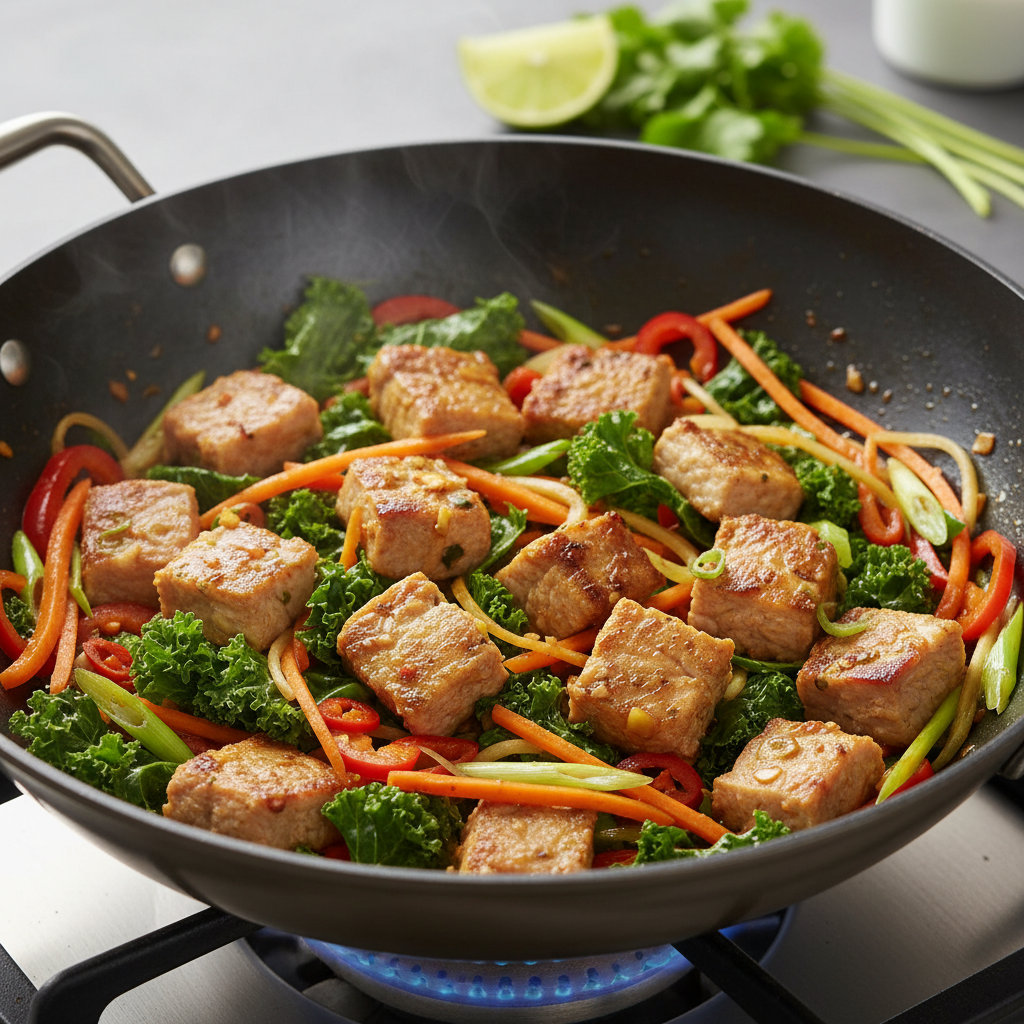
Want to pack as many vitamins as possible into one meal? This medley is your answer. Kale is loaded with vitamins K, A, and C, while carrots provide a healthy dose of beta-carotene. It’s a colorful, nutrient-dense meal for a vibrant, healthy pup.
Ingredients:
- 1 lb alligator meat, cubed
- 2 cups chopped kale, stems removed
- 1 cup shredded carrots
- 1 tablespoon olive oil
- 1/2 cup water
Instructions:
- Heat olive oil in a large pan or wok over medium-high heat. Add the alligator cubes and cook until lightly browned.
- Add the shredded carrots and kale to the pan. Sauté for 2-3 minutes until the kale begins to wilt.
- Pour in the water, reduce the heat to low, cover, and let it steam for 5-7 minutes, until the vegetables are tender and the alligator is cooked through.
- Stir and let it cool before serving.
Pros & Cons
| Pros | Cons |
|---|---|
| Extremely high in vitamins and minerals | Kale can cause gas in some dogs if not introduced slowly |
| Bright and colorful, appealing appearance | Some dogs dislike the taste or texture of leafy greens |
| Quick to cook in one pan | Requires fresh vegetables which can spoil quickly |
Verdict:
A fantastic ‘health boost’ meal. It’s great for active dogs or any pup whose diet could use an extra kick of green goodness and vital nutrients.
9. Alligator & Brown Rice Loaf
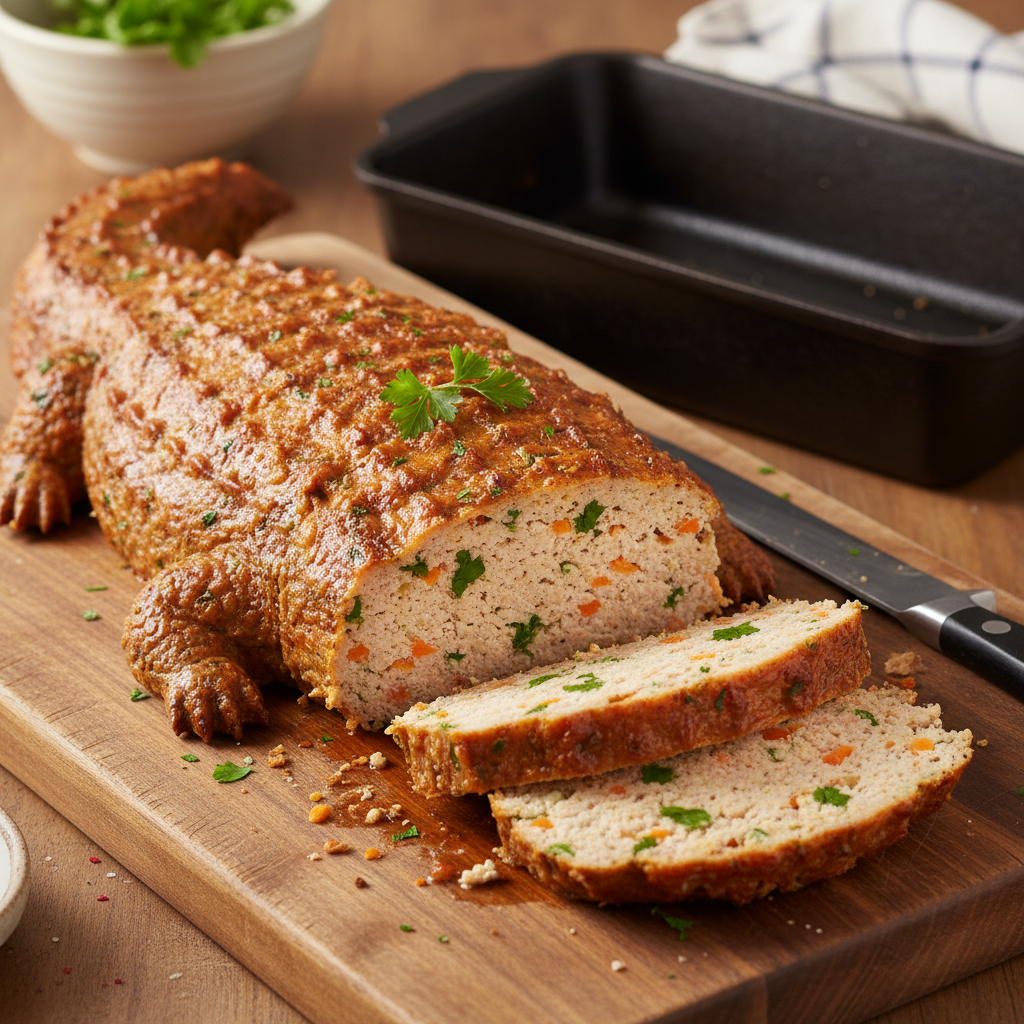
Think of it as a meatloaf for your dog! This bakeable loaf is easy to slice and serve, making portioning a breeze. Brown rice provides sustained energy, and the loaf format is a nice change of pace from typical wet or mushy dog food.
Ingredients:
- 1.5 lbs ground alligator
- 1 cup cooked brown rice
- 2 eggs, beaten
- 1/2 cup finely grated carrots
- 1/4 cup chopped parsley
Instructions:
- Preheat your oven to 350°F (175°C). Grease a standard loaf pan.
- In a large bowl, combine the ground alligator, cooked brown rice, beaten eggs, grated carrots, and parsley.
- Mix with your hands until all ingredients are evenly distributed.
- Press the mixture firmly into the prepared loaf pan.
- Bake for 45-55 minutes, or until the loaf is firm and cooked through.
- Let the loaf cool in the pan for at least 15 minutes before turning it out and slicing. Cool completely before serving.
Pros & Cons
| Pros | Cons |
|---|---|
| Very easy to portion and store | Longer baking time |
| Less messy than stews or mashes | Can be dry if not enough moisture is included |
| Great for dogs who need a hearty, filling meal | Requires oven use |
Verdict:
Perfect for large-breed dogs or those with a hearty appetite. The sliceable format makes it incredibly convenient for owners who like to plan meals for the week.
10. Frozen Gator & Coconut Oil Pupsicles
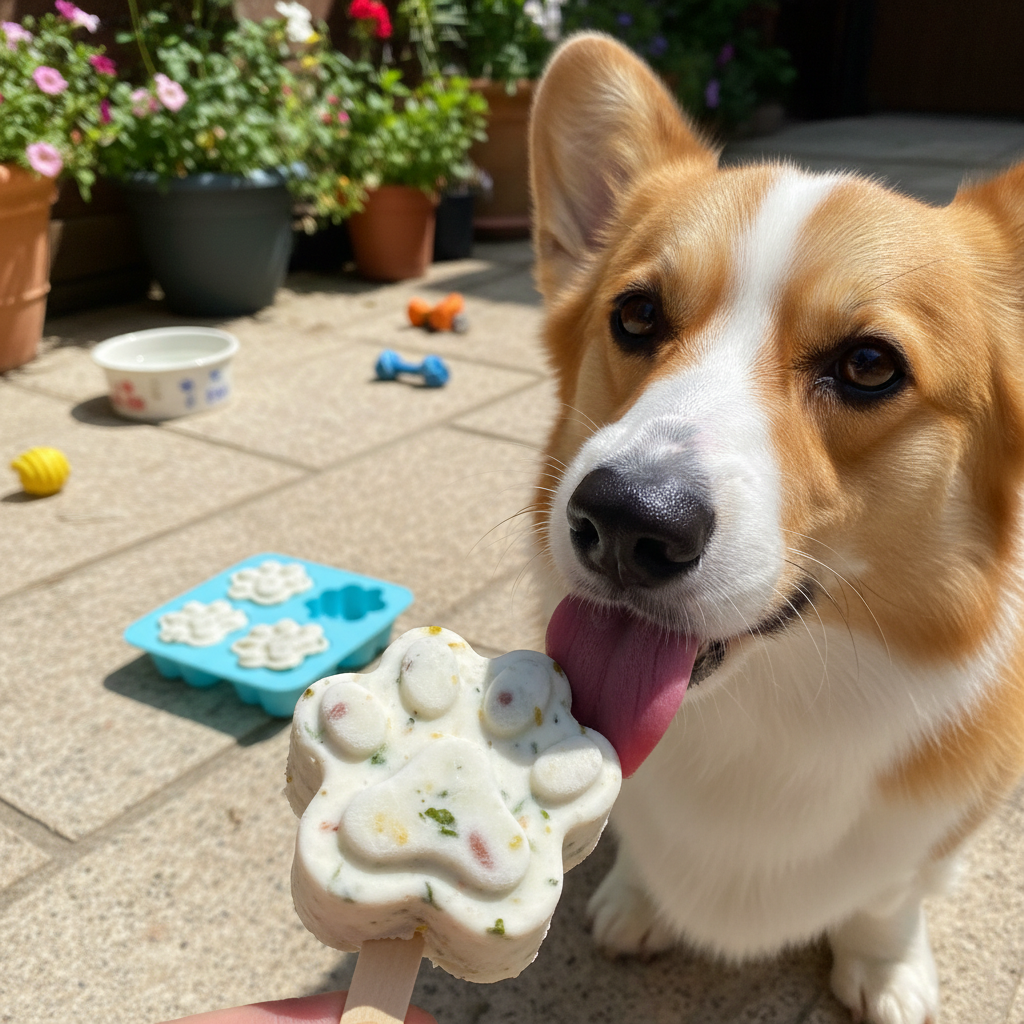
On a hot day, nothing beats a cool treat. These ‘pupsicles’ are not only refreshing but also packed with benefits. Coconut oil is great for skin and coat health, which is often a concern for dogs with allergies.
Ingredients:
- 1/2 lb cooked alligator meat, finely shredded or minced
- 1/2 cup plain, unsweetened yogurt or kefir
- 1/4 cup melted coconut oil
- Silicone molds or ice cube trays
Instructions:
- In a bowl, mix the cooked alligator meat, yogurt/kefir, and melted coconut oil.
- Spoon the mixture into your silicone molds or ice cube trays.
- If using larger molds, you can stick a dog-safe chew (like a carrot stick) into the center to act as a ‘popsicle stick’.
- Freeze for at least 4 hours, or until solid.
- Pop them out of the molds and serve as a refreshing treat.
Pros & Cons
| Pros | Cons |
|---|---|
| Excellent for cooling down on hot days | Not a meal, strictly a treat |
| Coconut oil promotes healthy skin and coat | Can be messy as it melts |
| Very easy to make with no cooking required (if using pre-cooked meat) | Some dogs are sensitive to dairy (yogurt/kefir) |
Verdict:
A fantastic summer treat or a soothing snack for a teething puppy. The added coconut oil gives a little boost to skin health, making it a smart indulgence for allergic dogs.
11. Alligator & Lentil Soup
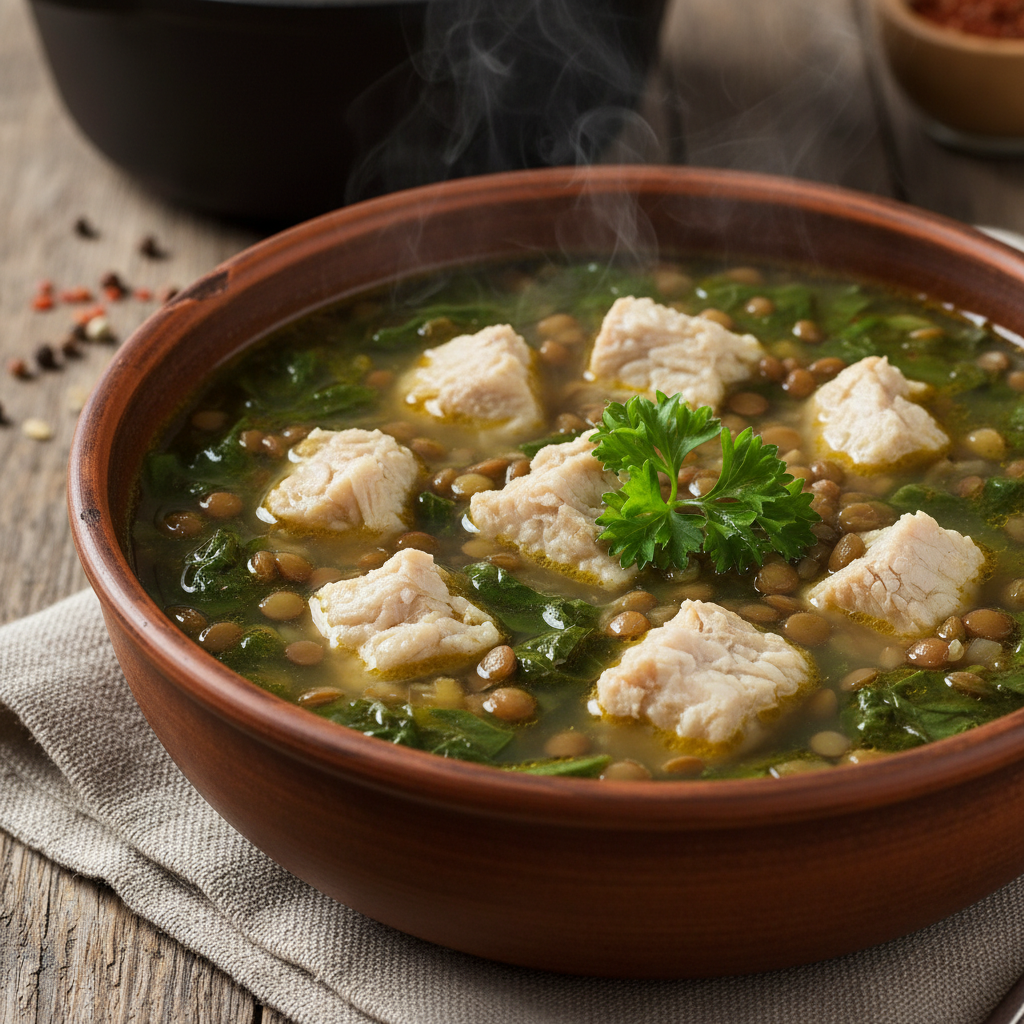
Lentils are an underrated gem in dog nutrition. They’re high in protein, fiber, and iron. This hearty soup is a lean, filling meal that’s great for dogs who need to watch their weight without feeling hungry.
Ingredients:
- 1 lb alligator meat, cubed
- 1/2 cup red or brown lentils, rinsed
- 4 cups low-sodium bone broth
- 1 cup chopped spinach
- 1/2 cup diced celery
Instructions:
- In a large pot, add the alligator meat, rinsed lentils, bone broth, and diced celery.
- Bring to a boil, then reduce the heat, cover, and simmer for 30-40 minutes, or until the lentils are soft and the meat is tender.
- Remove from heat and stir in the chopped spinach. Let it sit for 5 minutes to allow the spinach to wilt.
- Let the soup cool to a safe temperature before serving.
Pros & Cons
| Pros | Cons |
|---|---|
| High in fiber and protein, very filling | Lentils can cause gas in dogs not used to them |
| Great for weight management diets | Has a soupy consistency which some dogs don’t prefer |
| Economical, as lentils are inexpensive | Requires a longer simmer time |
Verdict:
An excellent choice for dogs on a diet or those who need a low-fat, high-fiber meal. It’s a warm and satisfying dish that keeps them full and happy.
12. Pan-Seared Gator Medallions with Zucchini
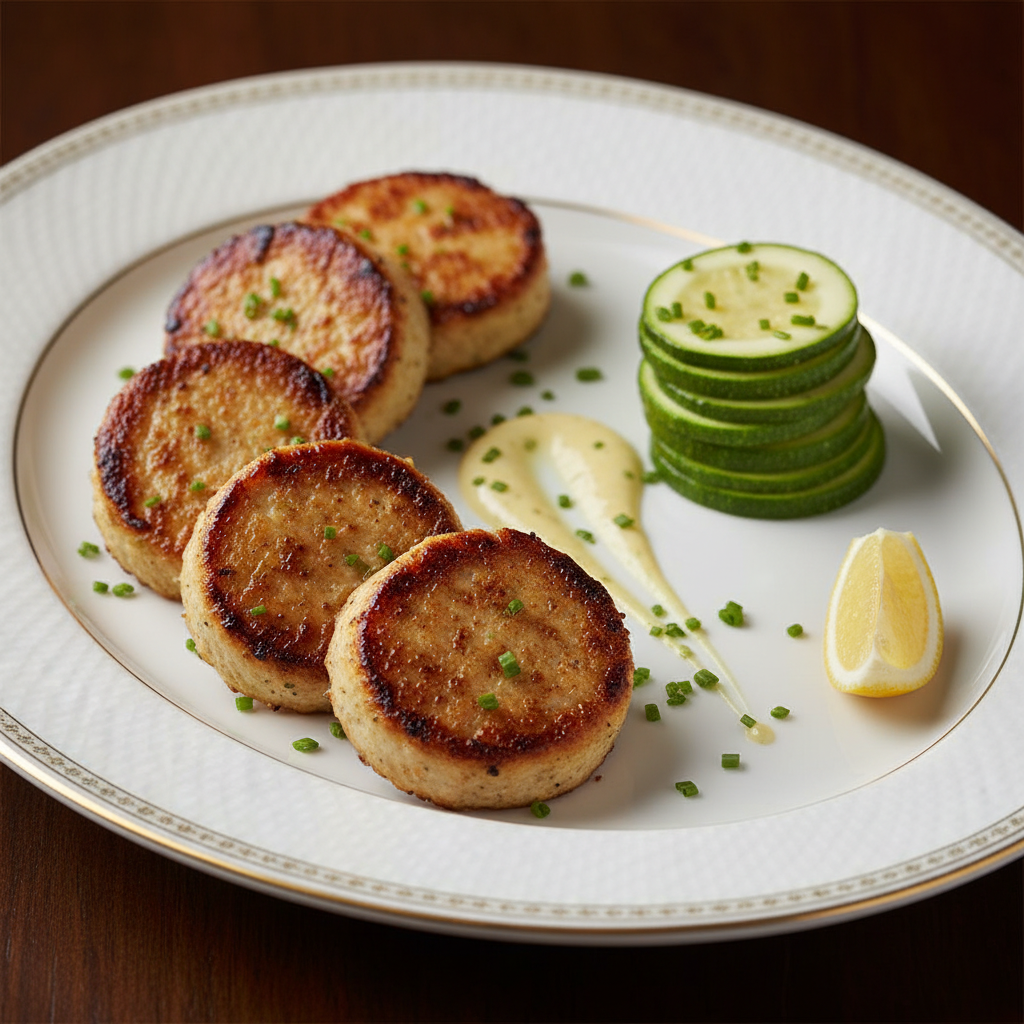
Feeling fancy? This gourmet meal is surprisingly easy to make and perfect for a special occasion like your dog’s birthday. A quick sear locks in the flavor of the alligator, and zucchini adds a dose of vitamins and moisture.
Ingredients:
- 1 lb alligator tenderloin, cut into 1/2-inch thick medallions
- 1 medium zucchini, thinly sliced
- 1 tablespoon olive oil
- A sprinkle of dried oregano
Instructions:
- Pat the alligator medallions dry with a paper towel.
- Heat the olive oil in a non-stick skillet over medium-high heat.
- Place the medallions in the hot pan, being careful not to overcrowd it. Sear for 2-3 minutes per side, until cooked through. Remove from the pan and set aside.
- In the same pan, add the sliced zucchini and cook for 3-4 minutes, until tender-crisp.
- Chop the cooked medallions into bite-sized pieces and mix with the zucchini. Sprinkle with oregano and let it cool before serving.
Pros & Cons
| Pros | Cons |
|---|---|
| Quick cooking time | Requires a more expensive cut of alligator (tenderloin) |
| Looks and feels like a gourmet meal | More hands-on cooking required |
| Minimal ingredients, great for sensitive dogs | Easy to overcook the meat, making it tough |
Verdict:
For the pampered pooch who deserves the best. This is a simple yet elegant meal that’s perfect for celebrating milestones or just showing your dog some extra love.
13. Gator & Oatmeal Breakfast Bowl
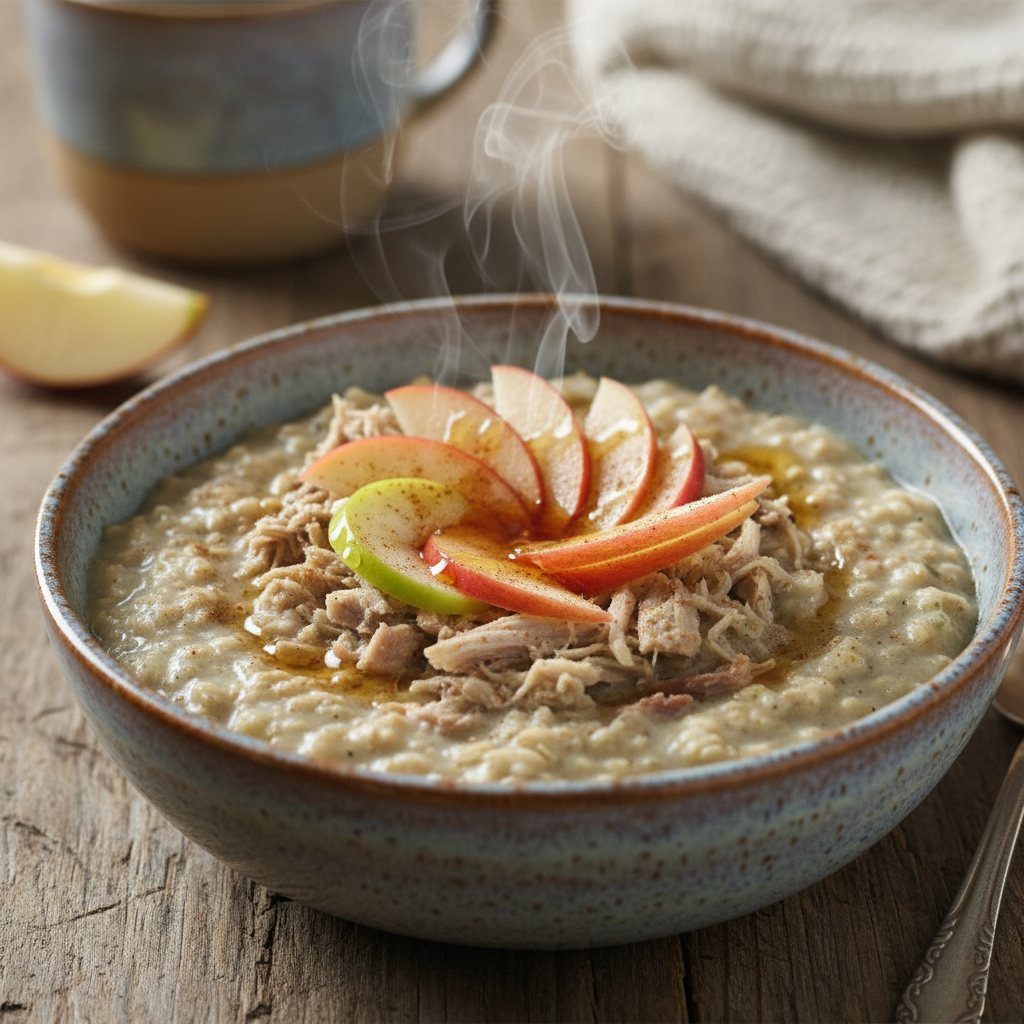
Who says dogs can’t enjoy a special breakfast? Oatmeal is a great source of soluble fiber, and this warm, comforting bowl is a wonderful way to start your allergic pup’s day, especially if they have a sensitive stomach in the morning.
Ingredients:
- 1/2 lb ground alligator meat
- 1/2 cup rolled oats
- 1.5 cups water
- 1 tablespoon of dog-safe bone broth powder (optional, for flavor)
- A few slices of dog-safe fruit like apple or banana for topping
Instructions:
- In a small saucepan, cook the ground alligator meat over medium heat until browned. Drain any fat.
- Add the water, rolled oats, and bone broth powder (if using) to the saucepan with the cooked meat.
- Bring to a gentle simmer and cook for 5-7 minutes, stirring occasionally, until the oats are cooked and have absorbed the liquid.
- Remove from heat and let it cool to a safe temperature.
- Serve in a bowl, topped with a few slices of apple or banana.
Pros & Cons
| Pros | Cons |
|---|---|
| Great for a warm, gentle start to the day | Not all dogs are accustomed to a breakfast-style meal |
| Oatmeal is soothing for the digestive tract | Can be sticky and a bit messy to eat |
| Easily customizable with different fruit toppings | Must ensure oats are well-cooked to be digestible |
Verdict:
A unique and comforting meal for dogs with sensitive morning tummies. It provides a slow release of energy to get them through their morning walk and playtime.
Conclusion
A Buyer’s Guide to Cooking with Alligator
Venturing into the world of alligator meat for your dog can feel a little daunting, but it’s simpler than you think! Here are a few things to keep in mind:
- Sourcing: Look for reputable suppliers of exotic meats online or at specialty butcher shops. Ensure the meat is human-grade and farmed, which is often more sustainable. You can typically buy it ground, as tenderloin, or in stew-sized chunks.
- Cost: Be prepared for a higher price tag. Alligator is a specialty item, and its cost reflects that. Buying in bulk, when possible, can sometimes reduce the price per pound.
- Handling: Treat alligator meat just as you would chicken. Keep it refrigerated or frozen, and always wash your hands, utensils, and surfaces after handling it raw to prevent cross-contamination.
- Nutritional Balance: While these recipes are healthy, they are not all formulated to be 100% nutritionally complete for long-term daily feeding on their own. It’s crucial to talk to a veterinarian or a canine nutritionist to ensure your dog’s diet is balanced. They may recommend adding a vitamin and mineral supplement.
Frequently Asked Questions
- Is alligator meat really good for dogs with allergies?
- Yes! For many dogs, allergies are triggered by common proteins like chicken, beef, or dairy that they’ve been exposed to over time. Alligator is a ‘novel’ protein, meaning most dogs have never eaten it before, so their body is unlikely to have an allergic response to it. It’s also a lean source of protein, which is great for their overall health.
- What does alligator meat taste like? Will my dog eat it?
- Alligator has a mild flavor, often described as a cross between chicken and fish, with a firm texture. Most dogs find it quite palatable! Its unique taste can be very enticing, especially for picky eaters who are bored with their usual food.
- Where can I even buy alligator meat?
- You won’t find it at your average grocery store. Your best bet is to search online for ‘exotic meat suppliers’ or ‘alligator meat for sale’. Many reputable farms ship frozen meat directly to consumers. You can also check with local specialty butchers.
Final Thoughts
Switching to a novel protein like alligator can feel like a huge step, but the relief it can bring to an itchy, uncomfortable dog is immeasurable. These 13 recipes offer a variety of ways to introduce this amazing protein into your pup’s diet, from simple mashes to gourmet treats. Remember to have fun in the kitchen, always consult your vet, and watch with joy as your dog finally gets to enjoy a delicious, itch-free meal. Happy cooking!