
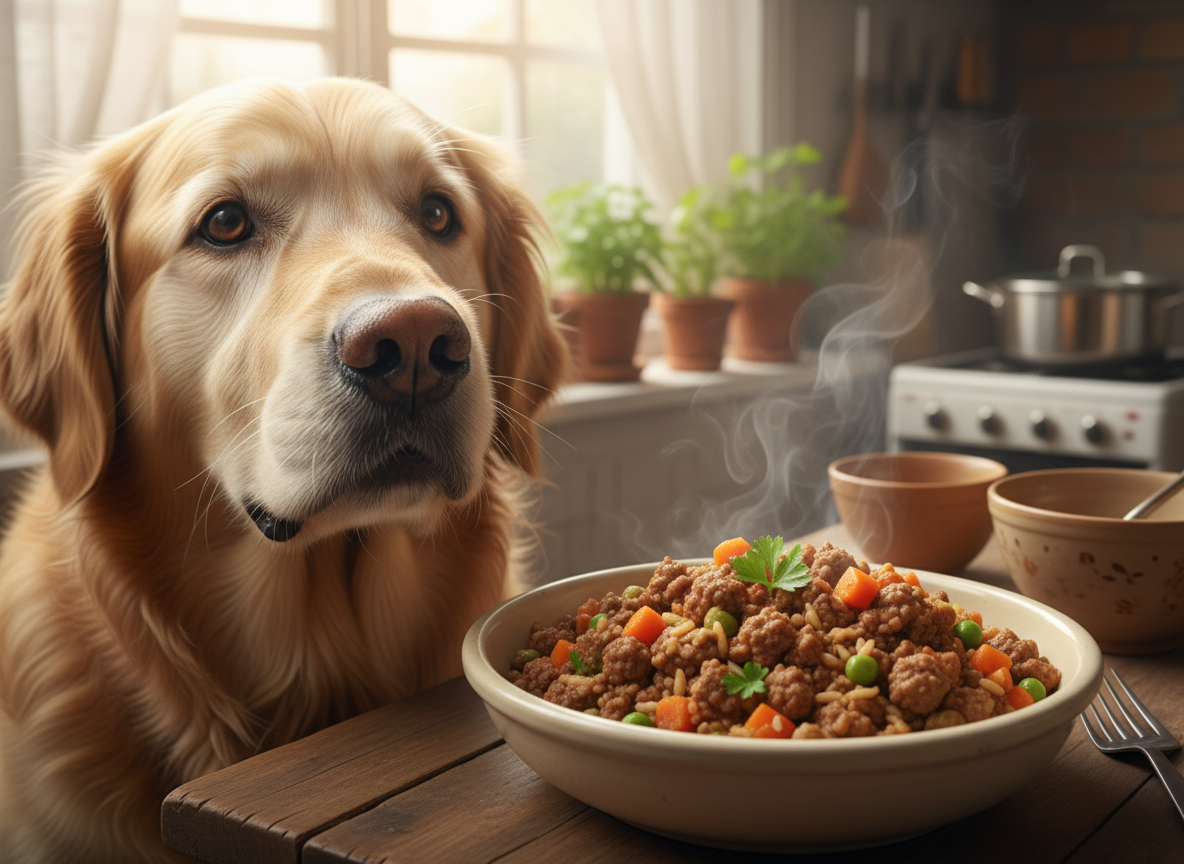
7 Kidney Friendly Dog Food Recipes for Senior Pups
Watching our beloved canine companions enter their golden years is a bittersweet journey. We cherish every moment, but we also become more attuned to their changing health needs. If your senior pup has been diagnosed with kidney issues, you know the worry that comes with it. The good news? You have a powerful ally in their fight: nutrition. A carefully managed diet is one of the most effective ways to support kidney function, slow disease progression, and improve your dog’s quality of life.
Commercial prescription diets are a great option, but sometimes our picky seniors turn their noses up at them. That’s where homemade cooking can be a lifesaver! By preparing your dog’s meals, you have complete control over every ingredient, ensuring they get a low-phosphorus, moderate-protein, and moisture-rich diet that’s also incredibly tasty. We’ve put together seven simple, kidney-friendly recipes that are perfect for senior pups. Let’s get cooking for your best friend!
Quick Comparison of Recipes
| Recipe Name | Primary Protein | Key Benefit | Approx. Prep & Cook Time |
|---|---|---|---|
| Simple Chicken & Rice Delight | Chicken Breast | Highly digestible and gentle on the stomach | 30 Minutes |
| Hearty Beef & Sweet Potato Mash | Lean Ground Beef | Rich in flavor to entice picky eaters | 40 Minutes |
| Gentle Turkey & Pumpkin Bowl | Ground Turkey | Excellent for digestive health | 35 Minutes |
| Flaky Whitefish & Green Bean Medley | Cod or Tilapia | Packed with anti-inflammatory Omega-3s | 25 Minutes |
| Sunrise Egg & Oatmeal Scramble | Eggs | Highest quality protein with low phosphorus | 15 Minutes |
| Savory Lamb & Barley Stew | Ground Lamb | A novel protein source for dogs with sensitivities | 45 Minutes |
| Cooling Cottage Cheese & Carrot Mix | Low-Fat Cottage Cheese | No-cook option, great for hydration | 10 Minutes |
Important Note: Always consult your veterinarian or a veterinary nutritionist before making any changes to your dog’s diet, especially when managing a health condition like kidney disease. These recipes are intended as a starting point, and your vet can help you tailor them to your dog’s specific needs, including recommending necessary supplements like calcium or B-vitamins.
1. Simple Chicken & Rice Delight
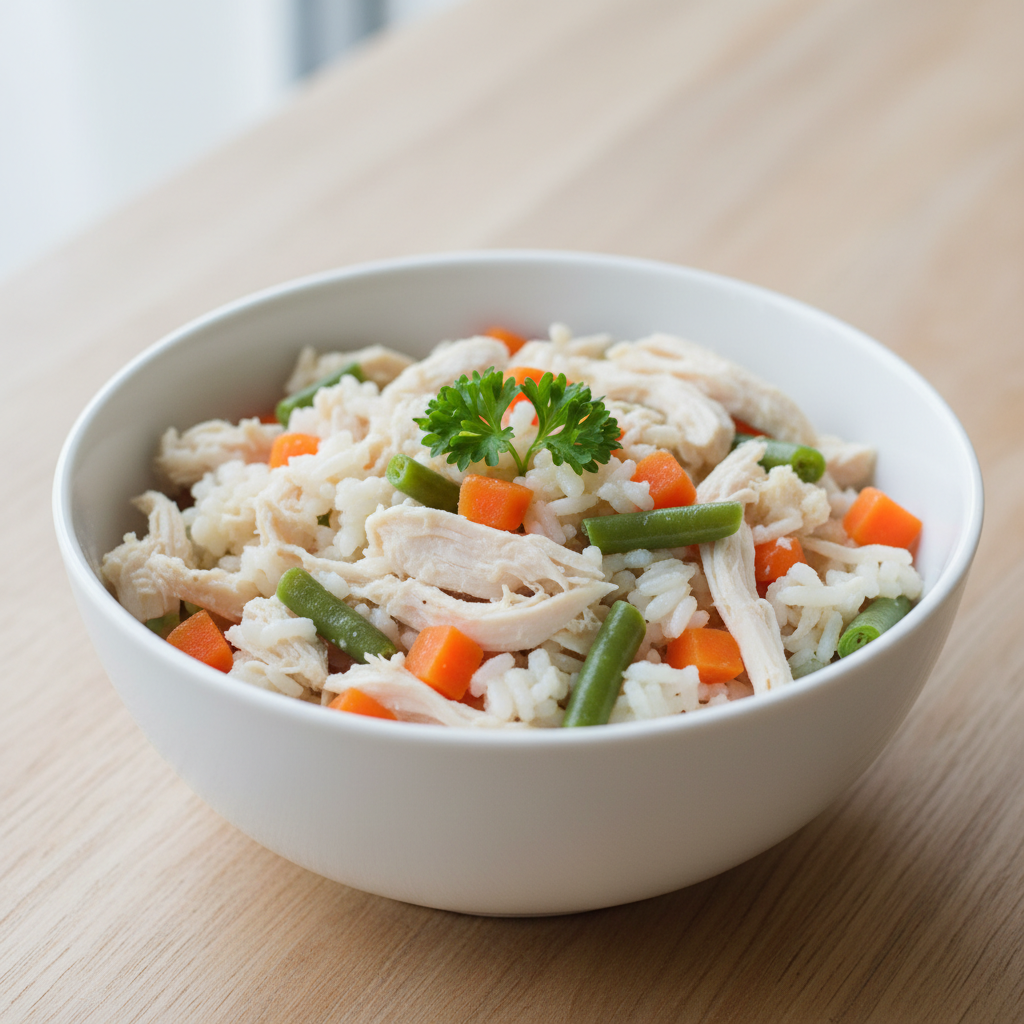
This recipe is the gold standard for a gentle, easy-to-digest meal. It’s bland enough for sensitive stomachs but tasty enough to tempt a waning appetite. White rice is low in phosphorus, and boiled chicken provides high-quality protein without overworking the kidneys.
Ingredients:
- 1/2 cup boneless, skinless chicken breast, boiled and shredded
- 1 1/2 cups cooked white rice (cooked in unsalted water)
- 1/4 cup finely chopped carrots, boiled until very soft
- 1/4 cup finely chopped green beans, boiled until very soft
- 1 tablespoon fish oil (rich in Omega-3s)
Instructions:
- Cook the white rice according to package directions, but do not add any salt.
- While the rice is cooking, boil the chicken breast until it is fully cooked. Let it cool, then shred it into small, manageable pieces.
- Boil the chopped carrots and green beans until they are very tender and easily mashed with a fork.
- In a large bowl, combine the cooked rice, shredded chicken, and boiled vegetables.
- Drizzle the fish oil over the mixture and stir gently to combine everything.
- Serve lukewarm. Store any leftovers in an airtight container in the refrigerator for up to 3 days.
Pros and Cons
Pros
|
Cons
|
Verdict:
This is the perfect starting recipe for any senior dog transitioning to a homemade diet. It’s gentle, safe, and provides a solid foundation for kidney support.
2. Hearty Beef & Sweet Potato Mash
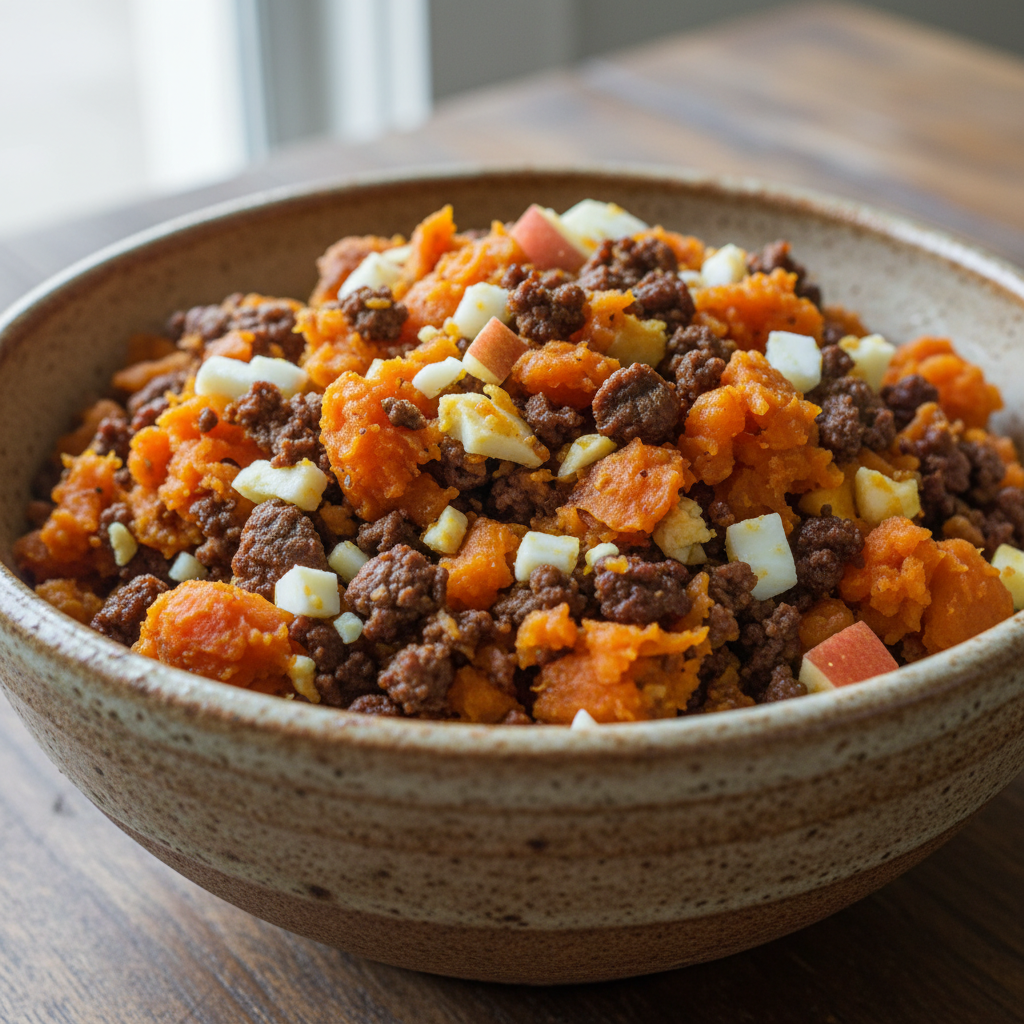
For the senior pup who still loves a rich, meaty flavor, this beef and sweet potato recipe is a fantastic choice. We use lean ground beef to control fat content, and sweet potatoes offer a low-phosphorus, vitamin-packed carbohydrate source that’s more nutrient-dense than white rice.
Ingredients:
- 1/4 lb lean ground beef (90% lean or higher)
- 1 cup sweet potato, peeled, cubed, and boiled
- 1/2 cup apples, peeled, cored, and finely diced
- 1 hard-boiled egg, chopped (excellent low-phosphorus protein)
- 1 teaspoon olive oil
Instructions:
- Boil the sweet potato cubes until they are fork-tender. Drain and mash them thoroughly.
- While the potatoes are boiling, cook the lean ground beef in a skillet over medium heat until browned. Drain off ALL excess fat. This step is crucial for kidney health.
- In a bowl, mix the cooked ground beef, mashed sweet potato, diced apple, and chopped hard-boiled egg.
- Stir in the olive oil for some healthy fats.
- Combine well and serve when cool. This recipe can also be stored in the fridge for up to 3 days.
Pros and Cons
Pros
|
Cons
|
Verdict:
An excellent option for tempting a senior dog with a poor appetite. The rich flavor of beef combined with the sweetness of apple and potato is often irresistible.
3. Gentle Turkey & Pumpkin Bowl

Turkey is another wonderful lean protein, and when paired with pumpkin, it becomes a digestive powerhouse. Pumpkin is fantastic for regulating bowel movements, which can be a common issue in senior dogs. It’s also low in calories and a good source of fiber.
Ingredients:
- 1/4 lb ground turkey
- 1/2 cup plain canned pumpkin (100% pumpkin, not pie filling)
- 1 cup cooked oatmeal (cooked with water)
- 1/4 cup boiled and mashed zucchini
- 1 tablespoon flaxseed oil
Instructions:
- Cook the ground turkey in a non-stick skillet until no longer pink. Drain any excess fat thoroughly.
- Prepare the oatmeal according to package instructions, using only water.
- In a mixing bowl, combine the cooked turkey, canned pumpkin, cooked oatmeal, and mashed zucchini.
- Drizzle with flaxseed oil, which is a great source of Omega-3 and Omega-6 fatty acids.
- Stir until everything is evenly distributed. Serve at room temperature.
Pros and Cons
Pros
|
Cons
|
Verdict:
This is the go-to recipe for senior dogs who struggle with both kidney issues and digestive upset. It’s soothing, nutritious, and supportive of a healthy gut.
4. Flaky Whitefish & Green Bean Medley
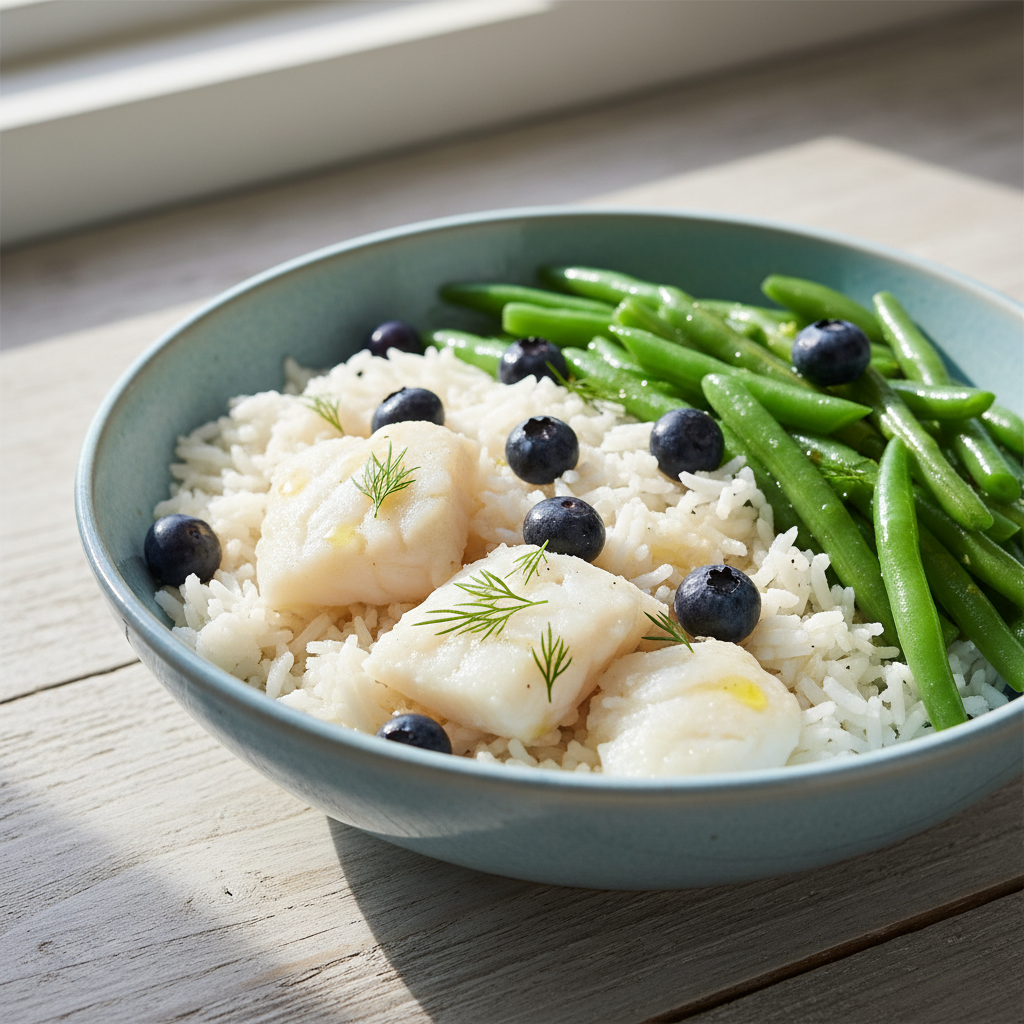
Fish is a fantastic protein source for dogs with kidney disease because it’s packed with anti-inflammatory Omega-3 fatty acids. These fatty acids can help reduce inflammation in the kidneys. We use a simple whitefish like cod or tilapia, which is naturally low in phosphorus.
Ingredients:
- 4 oz cod or tilapia fillet, baked or steamed
- 1 1/2 cups cooked white rice
- 1/2 cup green beans, steamed and chopped
- 1 tablespoon coconut oil (unrefined)
- A few blueberries for an antioxidant boost
Instructions:
- Cook the fish fillet by either baking it at 375°F (190°C) for 10-15 minutes or steaming it until it’s opaque and flakes easily with a fork. Avoid using any salt or seasonings.
- Let the fish cool, then flake it into small pieces, being careful to remove any potential bones.
- Cook the white rice as per package directions without salt.
- In a bowl, gently mix the flaked fish, cooked rice, and chopped green beans.
- Melt the coconut oil and drizzle it over the food.
- Top with a few fresh blueberries just before serving.
Pros and Cons
Pros
|
Cons
|
Verdict:
Ideal for dogs needing extra anti-inflammatory support. The Omega-3s in this recipe are a huge benefit for aging joints as well as kidneys.
5. Sunrise Egg & Oatmeal Scramble
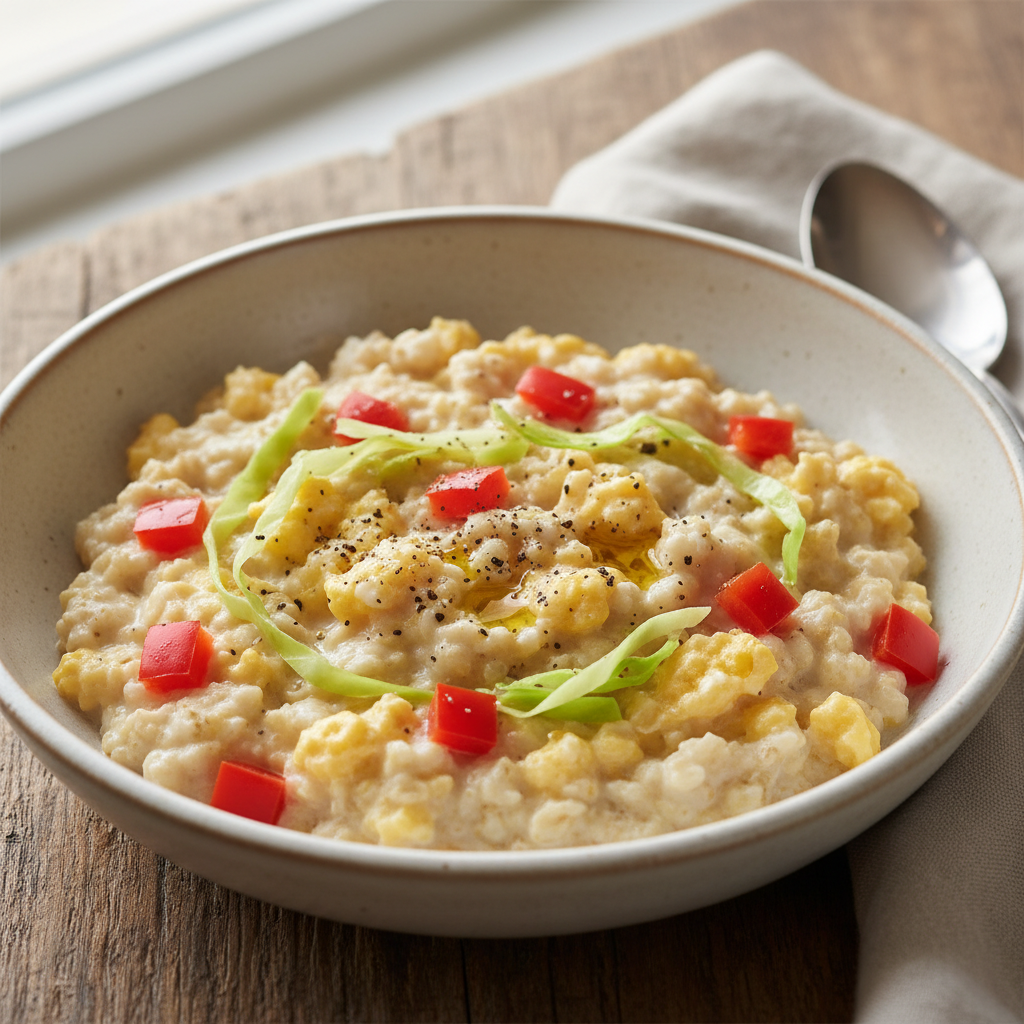
Eggs are considered a ‘perfect protein’ because they contain all the essential amino acids. For dogs with kidney disease, egg whites are particularly fantastic as they are very high in protein but incredibly low in phosphorus. This breakfast-for-dinner recipe is a real treat!
Ingredients:
- 2 large eggs, scrambled (or 4 egg whites for an ultra-low phosphorus option)
- 1 cup cooked oatmeal
- 1/4 cup finely shredded cabbage, lightly steamed
- 1/4 cup diced red bell pepper, lightly steamed
- 1 teaspoon of high-quality fish oil
Instructions:
- Cook the oatmeal with water until it’s soft and creamy. Set aside.
- Lightly steam the shredded cabbage and diced red bell pepper until just tender. This makes them easier to digest.
- In a non-stick pan without oil or butter, scramble the eggs until fully cooked. If using only egg whites, scramble them until they are opaque.
- Combine the cooked oatmeal, steamed vegetables, and scrambled eggs in a bowl.
- Mix in the fish oil and serve warm.
Pros and Cons
Pros
|
Cons
|
Verdict:
This is a top-tier choice for dogs on a strict phosphorus-restricted diet. It’s a simple, powerful meal that delivers high-quality nutrition without taxing the kidneys.
6. Savory Lamb & Barley Stew

For dogs who might have developed sensitivities to common proteins like chicken or beef, lamb can be a great alternative. It’s a novel protein for many dogs. Paired with barley, a low-phosphorus grain, and root vegetables, this makes for a comforting and hearty stew.
Ingredients:
- 1/4 lb ground lamb
- 1 cup cooked pearl barley
- 1/4 cup parsnips, peeled and finely diced
- 1/4 cup butternut squash, peeled and finely diced
- 2 tablespoons plain, unsweetened yogurt (for probiotics)
- Water or unsalted chicken broth for simmering
Instructions:
- In a skillet, brown the ground lamb. Drain all the fat very carefully.
- In a small pot, add the cooked lamb, diced parsnips, and butternut squash. Add just enough water or unsalted broth to cover the ingredients.
- Bring to a simmer and cook for 15-20 minutes, or until the vegetables are very soft.
- Cook the pearl barley separately according to package directions.
- Remove the stew from the heat and let it cool down. Stir in the cooked barley.
- Just before serving, swirl in the plain yogurt. Do not add the yogurt while the stew is hot, as it can kill the beneficial bacteria.
Pros and Cons
Pros
|
Cons
|
Verdict:
A wonderful, warming meal for the senior dog who needs a change of pace from the usual proteins. It’s especially good for cooler weather and for dogs who need help maintaining their weight.
7. Cooling Cottage Cheese & Carrot Mix
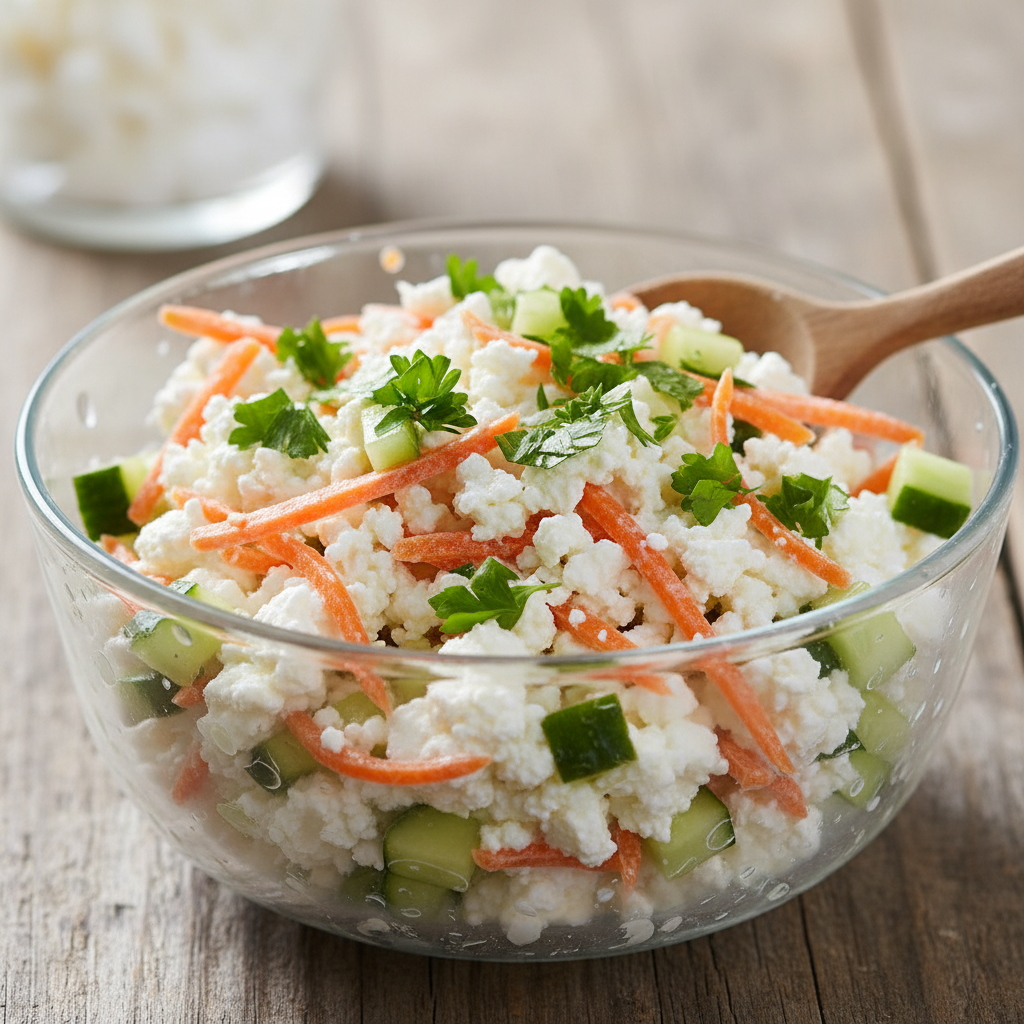
Need a quick, no-cook option for a warm day or when you’re short on time? This recipe is a lifesaver. Low-fat cottage cheese is a surprising source of high-quality protein that’s also low in phosphorus. Plus, its high moisture content is fantastic for keeping your senior pup hydrated.
Ingredients:
- 1/2 cup low-fat cottage cheese
- 1/4 cup finely shredded carrots
- 1/4 cup finely diced cucumber (peeled and seeds removed)
- 1 tablespoon chopped parsley (aids in fresh breath!)
- 1 teaspoon honey (for a touch of sweetness and energy)
Instructions:
- This one is as simple as it gets! In a bowl, add the cottage cheese, shredded carrots, diced cucumber, and chopped parsley.
- Drizzle the honey over the top.
- Stir everything together until well combined.
- Serve immediately. This recipe is best made fresh and doesn’t store as well as the cooked options.
Pros and Cons
Pros
|
Cons
|
Verdict:
The perfect meal for a hot summer day, a quick lunch, or for the pet parent who is short on time. Its high water content is a major bonus for kidney health.
A Pet Parent’s Guide to Kidney-Friendly Cooking

Switching to a homemade diet can feel like becoming a personal chef and nutritionist overnight! Don’t worry, it’s simpler than it sounds. The key is to focus on a few core principles. Here’s what you need to know when preparing meals for a dog with kidney concerns.
The Importance of Low Phosphorus
This is the number one rule of a kidney diet. Healthy kidneys are responsible for filtering phosphorus from the blood. When they’re not working well, phosphorus levels can build up and cause further damage. Your goal is to provide nutrients without adding excess phosphorus. Foods to limit include organ meats, dairy (except low-fat cottage cheese in moderation), certain fish like sardines, and bone meal.
High-Quality, Moderate Protein
It’s a myth that dogs with kidney disease need extremely low protein. They need less protein, but the protein they do get must be of very high quality. High-quality proteins (like eggs, chicken, and lean beef) create fewer waste products for the kidneys to filter. The idea is to meet their amino acid needs without making the kidneys work overtime to process waste.
Omega-3 Fatty Acids are Your Friend
Found in sources like fish oil, flaxseed oil, and certain types of fish, Omega-3s have natural anti-inflammatory properties. This can help reduce inflammation within the kidneys, potentially slowing the progression of the disease and making your dog feel better overall.
Moisture is Key
Kidney disease can make dogs more susceptible to dehydration. Homemade diets are naturally high in moisture compared to dry kibble, which is a huge advantage. You can also add a little extra water or unsalted broth to their meals to ensure they’re getting plenty of fluids to help flush their system.
What to Avoid
Keep meals simple and clean. Avoid high-sodium foods (no table scraps!), artificial preservatives, colors, and flavors. Onions and garlic are toxic to dogs and should never be included. Grapes and raisins are also highly toxic and can cause acute kidney failure.
Frequently Asked Questions

Can I just buy prescription kidney-friendly kibble instead?
Absolutely! Commercial prescription diets formulated for renal support are an excellent, well-balanced choice. They are developed by veterinary nutritionists to meet all the specific requirements for kidney disease. The main reason pet owners turn to homemade recipes is when their dog becomes a picky eater and refuses the prescription food. Homemade food can be more palatable and entice a dog with a poor appetite to eat.
How do I transition my senior dog to a new homemade diet?
Slow and steady wins the race. A sudden diet change can cause digestive upset. Start by mixing a small amount of the new homemade food (about 25%) with their old food (75%). Over the course of 7-10 days, gradually increase the amount of new food while decreasing the amount of the old food until you have fully transitioned.
How much of this food should I feed my dog?
This is a critical question to discuss with your veterinarian. The right portion size depends on your dog’s weight, age, activity level, and the specific caloric content of the recipe. Your vet can calculate your dog’s daily caloric needs and help you determine the appropriate serving size to maintain a healthy weight.
Do I need to add supplements to these recipes?
Almost certainly, yes. While these recipes provide a great foundation, they are not 100% nutritionally complete for long-term feeding on their own. Homemade diets often lack certain vitamins and minerals, especially calcium. Your veterinarian or a veterinary nutritionist will recommend a specific vitamin/mineral supplement and potentially a phosphorus binder to add to the food to ensure it is balanced and therapeutic.
Conclusion
Embarking on a homemade diet journey for your senior pup is an incredible act of love. It allows you to provide a delicious, targeted, and nourishing meal that can make a real difference in their health and happiness during their golden years. Remember, each recipe here is a template—a starting point for you and your vet to build upon. The most important ingredient in any of these meals is the care you put into making them.
Always keep the lines of communication open with your veterinarian. They are your partner in this process and can provide the guidance needed to ensure your dog’s diet is perfectly balanced. Here’s to many more happy, comfortable, and delicious mealtimes with your furry best friend!