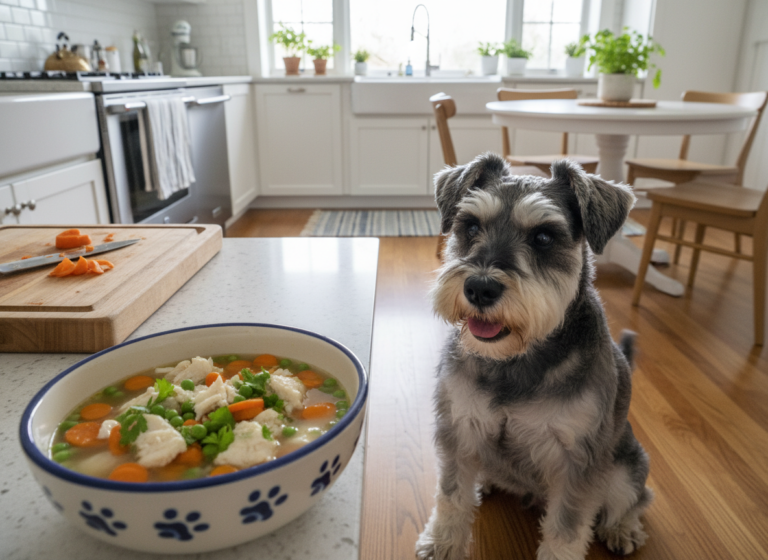

7 Low Copper Dog Food Recipes for Liver Support
Seeing your furry best friend struggle with liver issues can be heartbreaking. As a pet parent, you want to do everything in your power to help them feel better, and one of the most critical steps you can take is managing their diet. The liver is a powerhouse organ, responsible for filtering toxins and metabolizing nutrients. When it’s compromised, certain minerals, especially copper, can accumulate and cause further damage.
That’s where low-copper dog food comes in. These specialized diets are formulated to reduce the liver’s workload, provide easily digestible nutrients, and prevent toxic mineral buildup. But navigating the world of therapeutic diets can be confusing. Which one is right for your pup? Don’t worry, we’re here to help! We’ve researched and reviewed the top options to make your decision easier. Let’s find the perfect meal to get that tail wagging again.
Quick Comparison of Our Top Picks
| Product | Key Feature | Food Type | Best For |
|---|---|---|---|
| Hill’s Prescription Diet l/d | Clinically tested formula | Dry Kibble / Canned | Veterinarian-recommended primary care |
| Royal Canin Hepatic | Vegetable-based proteins | Dry Kibble / Canned | Dogs sensitive to animal proteins |
| Purina Pro Plan HP Hepatic | High energy density | Dry Kibble | Maintaining weight and energy |
| JustFoodForDogs Hepatic Support | Human-grade fresh ingredients | Fresh Frozen | Picky eaters who need fresh food |
| Rayne Restrict-CKD & Hepatic | Dual kidney & liver support | Dry Kibble / Canned | Dogs with multiple health concerns |
| DIY Low-Copper Diet | Complete ingredient control | Homemade | Owners working with a nutritionist |
| Forza10 Actiwet Hepatic | Botanical-infused wet food | Canned (Pâté) | Boosting hydration and palatability |
1. Hill’s Prescription Diet l/d Liver Care
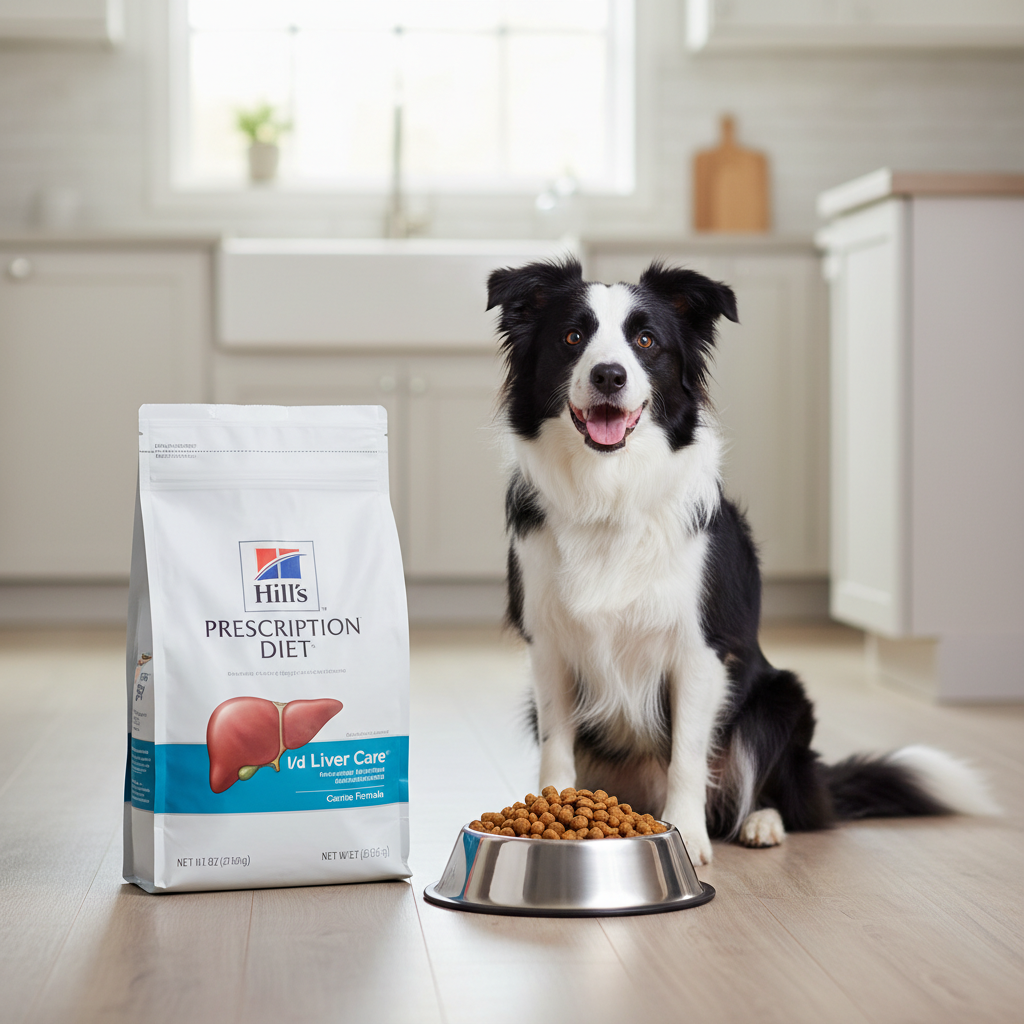
When it comes to therapeutic diets, Hill’s Prescription Diet is often the first name that comes to mind, and for good reason. The l/d Liver Care formula is one of the most commonly prescribed foods by veterinarians for dogs with liver conditions. It’s the result of extensive scientific research aimed at supporting liver function and regeneration.
Ingredient Analysis: The primary goal of this food is to reduce the liver’s workload. It achieves this with highly digestible proteins, carbohydrates, and fats. The protein sources are primarily egg product, chicken fat, and soybean meal, which are easier for a compromised liver to process than red meats. It’s intentionally low in copper to prevent accumulation in the liver cells. Additionally, it’s packed with a clinically proven blend of antioxidants, including Vitamin E and Vitamin C, to help neutralize free radicals and support a healthy immune system. L-carnitine is also included to help convert fat into energy efficiently, preventing fat buildup in the liver.
Sourcing and Formulation: Developed by nutritionists and veterinarians, this food is manufactured in the USA with ingredients from North America and Europe. It’s a ‘prescription diet,’ meaning you can only purchase it with authorization from your vet, ensuring your dog is getting the appropriate medical supervision.
Pros & Cons
| Pros | Cons |
|---|---|
| Clinically proven to support liver health | Requires a veterinarian’s prescription |
| Controlled low levels of copper | Higher price point than standard kibble |
| High in L-carnitine and antioxidants | Some dogs may not like the taste |
| Available in both dry and canned formulas | Contains corn and soy, which some owners prefer to avoid |
Verdict: Hill’s Prescription Diet l/d is the gold standard for dogs with a confirmed liver disease diagnosis. If your veterinarian has recommended a therapeutic diet, this is a trusted, science-backed choice that directly addresses the nutritional needs of a compromised liver.
2. Royal Canin Veterinary Diet Adult Hepatic
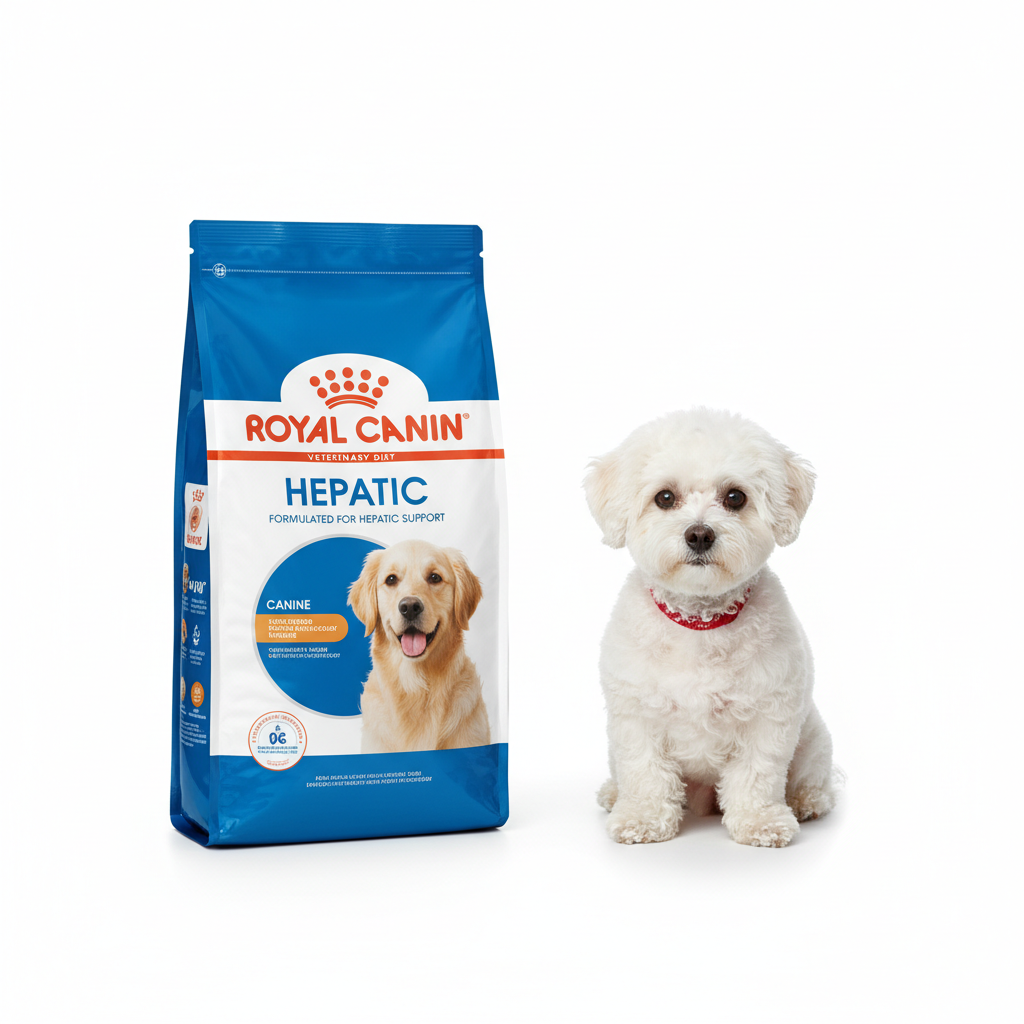
Royal Canin is another heavyweight in the veterinary diet world, and their Hepatic formula offers a unique approach to liver support. It’s specifically designed to be highly palatable and energy-dense, which is crucial for dogs who may have a poor appetite due to their condition.
Ingredient Analysis: A key feature of the Royal Canin Hepatic diet is its reliance on vegetable-based proteins, primarily soy protein isolate. This is significant because vegetable proteins are often easier for a sick liver to process, producing fewer ammonia byproducts than many animal proteins. The formula is, of course, very low in copper and supplemented with zinc, which can help block copper absorption. It also contains a specific blend of antioxidants to support cellular health and a high energy content, allowing you to feed smaller, less taxing meals while still meeting your dog’s caloric needs.
Sourcing and Formulation: Royal Canin places a heavy emphasis on precise nutrient profiles tailored to specific health conditions. Like Hill’s, this is a prescription diet formulated by a team of experts and requires a vet’s approval. They have strict quality control measures in place at their manufacturing facilities worldwide.
Pros & Cons
| Pros | Cons |
|---|---|
| Vegetable protein source is gentle on the liver | Also requires a vet prescription |
| Highly palatable for dogs with poor appetites | Relatively expensive |
| High energy density for smaller meal sizes | Soy protein can be a concern for dogs with allergies |
| Available in dry and canned versions | Some owners question the use of brewer’s rice as a primary ingredient |
Verdict: Royal Canin Hepatic is an excellent choice for dogs with liver disease, especially those who are picky eaters, have lost weight, or may be sensitive to traditional animal proteins. Its unique formulation offers a fantastic alternative to other prescription diets.
3. Purina Pro Plan Veterinary Diets HP Hepatic
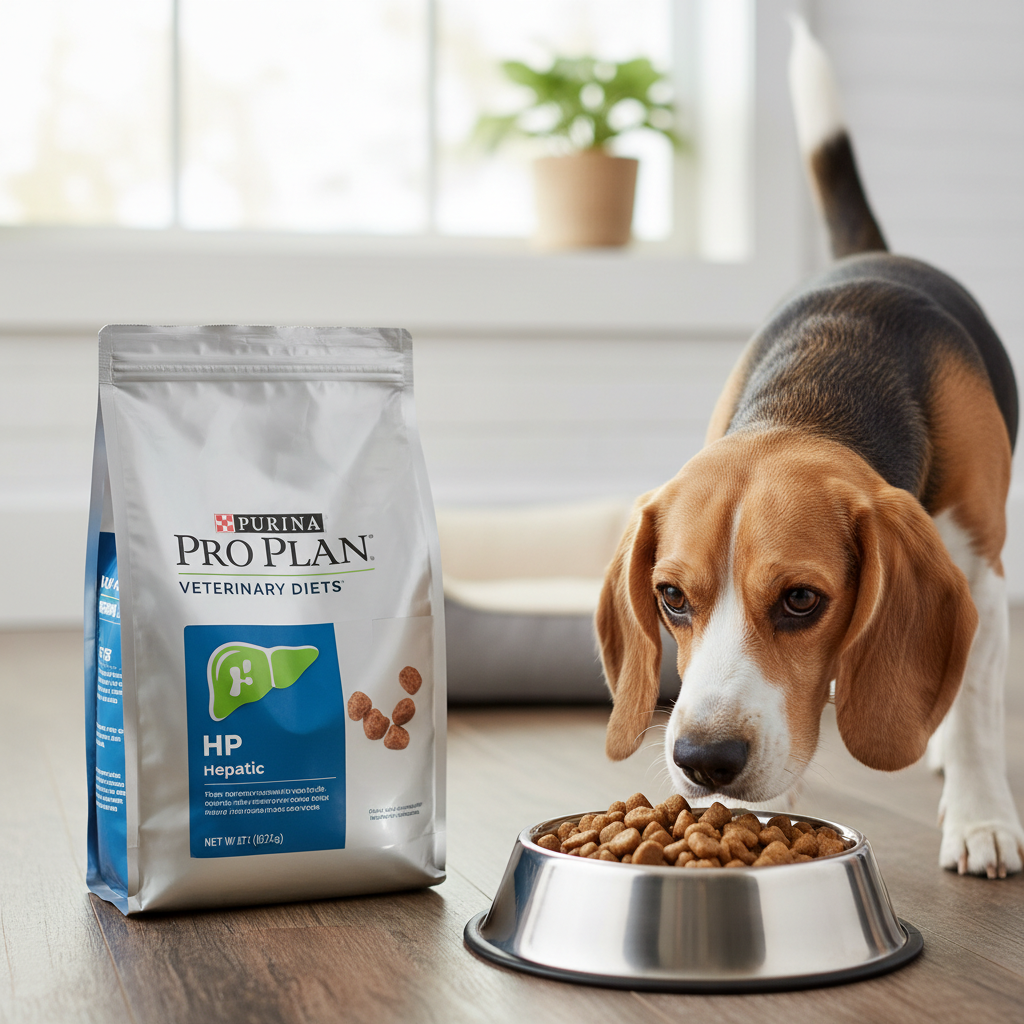
Purina’s entry into the therapeutic liver support space is a strong one. The Pro Plan Veterinary Diets HP Hepatic formula is crafted to provide complete and balanced nutrition while meeting the specific needs of dogs with liver conditions. It focuses on high-quality, digestible ingredients to nourish your dog without overtaxing their system.
Ingredient Analysis: This diet features a moderate level of high-quality protein to help maintain muscle mass while reducing the production of metabolic toxins from protein digestion. The sources are chosen for their high digestibility. Like its competitors, it has restricted copper levels to minimize accumulation in the liver. It is also rich in antioxidants and contains medium-chain triglycerides (MCTs), a type of fat that is easily absorbed and used for energy, providing a readily available fuel source that bypasses some of the liver’s metabolic work.
Sourcing and Formulation: Purina is a well-established brand with a deep commitment to pet nutrition research. The HP Hepatic formula is part of their veterinary-exclusive line, meaning it’s sold only with a vet’s recommendation. They conduct extensive feeding trials and quality checks to ensure the safety and efficacy of their therapeutic diets.
Pros & Cons
| Pros | Cons |
|---|---|
| Contains MCTs for an easily accessible energy source | Only available with a vet’s authorization |
| Moderate protein level to maintain muscle | Currently only available in a dry kibble formula |
| Formulated for high digestibility | The main ingredient is whole grain corn, which can be a negative for some owners |
| Trusted brand with extensive research backing | May be less palatable to some dogs compared to canned options |
Verdict: Purina Pro Plan HP Hepatic is a solid, reliable choice for managing canine liver disease. It’s particularly well-suited for dogs who need an easy-to-digest energy source to maintain a healthy weight and activity level while on a copper-restricted diet.
4. JustFoodForDogs Hepatic Support Low Fat (Fresh Frozen)

For pet parents who prefer to feed fresh, whole foods, JustFoodForDogs offers a fantastic prescription-level option. Their Hepatic Support diet moves away from processed kibble and provides a gently cooked meal made from ingredients you can actually see. This can be a game-changer for picky eaters who turn their noses up at dry food.
Ingredient Analysis: This recipe is built on a foundation of cod, sweet potatoes, and white rice—all highly digestible and gentle on the system. Cod is a lean, high-quality protein, and the recipe is formulated to be low in both fat and copper. It includes other whole-food ingredients like spinach, kale, and apples, providing natural sources of vitamins and antioxidants. Crucially, it’s fortified with a specific nutrient blend designed by veterinarians to meet the needs of dogs with liver disease, ensuring it’s a complete and balanced meal.
Sourcing and Formulation: JustFoodForDogs prides itself on using 100% USDA-certified, human-grade ingredients prepared in their own open-to-the-public kitchens. The recipes are developed by a team of veterinarians, including a board-certified nutritionist. Like the other therapeutic diets, this one requires a prescription from your vet.
Pros & Cons
| Pros | Cons |
|---|---|
| Made with fresh, human-grade ingredients | Significantly more expensive than kibble |
| Extremely palatable for picky dogs | Requires freezer space for storage and must be thawed before serving |
| No preservatives or artificial fillers | Shorter shelf life once thawed |
| High moisture content is good for hydration | Requires a prescription |
Verdict: If your budget allows and you have a picky dog with liver issues, the JustFoodForDogs Hepatic Support diet is an outstanding choice. It offers all the benefits of a fresh, whole-food diet with the scientific rigor and safety of a veterinary-prescribed meal.
5. Rayne Clinical Nutrition Restrict-CKD & Hepatic Support
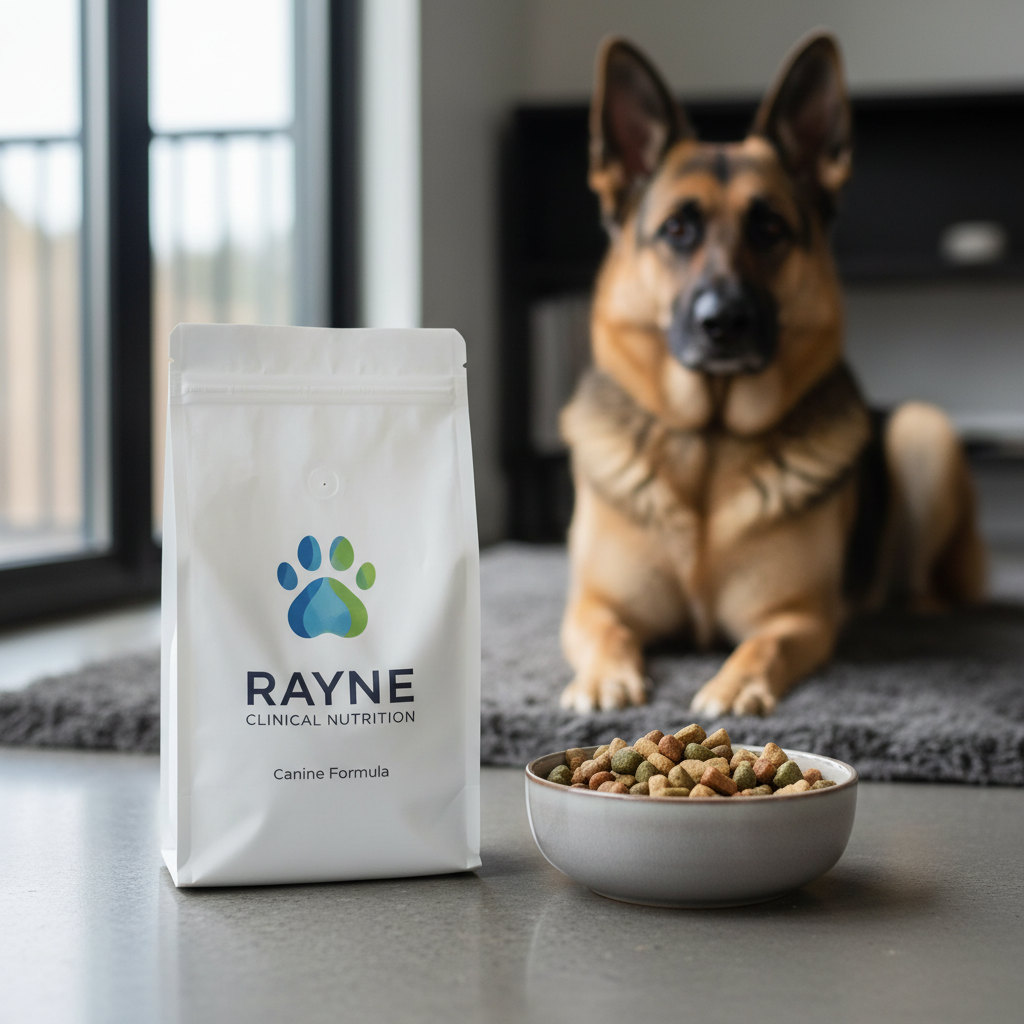
Sometimes, health issues in our dogs are complex and interconnected. Rayne Clinical Nutrition addresses this with their Restrict-CKD & Hepatic formula, designed to support both kidney (Chronic Kidney Disease) and liver health simultaneously. This is a whole-food-based diet that often uses novel proteins, making it a great option for dogs with multiple sensitivities.
Ingredient Analysis: Rayne’s approach is to use simple, limited ingredients to minimize potential allergens and digestive upset. This formula typically uses pork and whole egg as its primary protein sources, which are highly digestible and less common in dog foods. It features controlled levels of high-quality protein, phosphorus (for kidney health), sodium, and, of course, copper. The carbohydrate sources are often simple and easy to digest, like sweet potato or tapioca. The focus is on providing complete nutrition without stressing the dog’s compromised organ systems.
Sourcing and Formulation: Rayne is a partnership between veterinarians, nutritionists, and a sustainable food production company. They emphasize using whole-food ingredients and are another prescription-based brand, ensuring that pets on their diets are under veterinary care.
Pros & Cons
| Pros | Cons |
|---|---|
| Dual-purpose formula for both liver and kidney issues | Prescription required |
| Uses novel proteins, good for dogs with common allergies | May not be as widely available as larger brands |
| Based on whole-food ingredients | Can be on the more expensive side |
| Available in dry and canned forms | The specific formula may change based on ingredient availability |
Verdict: Rayne Restrict-CKD & Hepatic is the ideal solution for the complex canine patient dealing with both liver and kidney problems. Its whole-food approach and use of novel proteins also make it a top contender for dogs with food sensitivities on top of their organ issues.
6. The Veterinarian-Approved DIY Low-Copper Diet
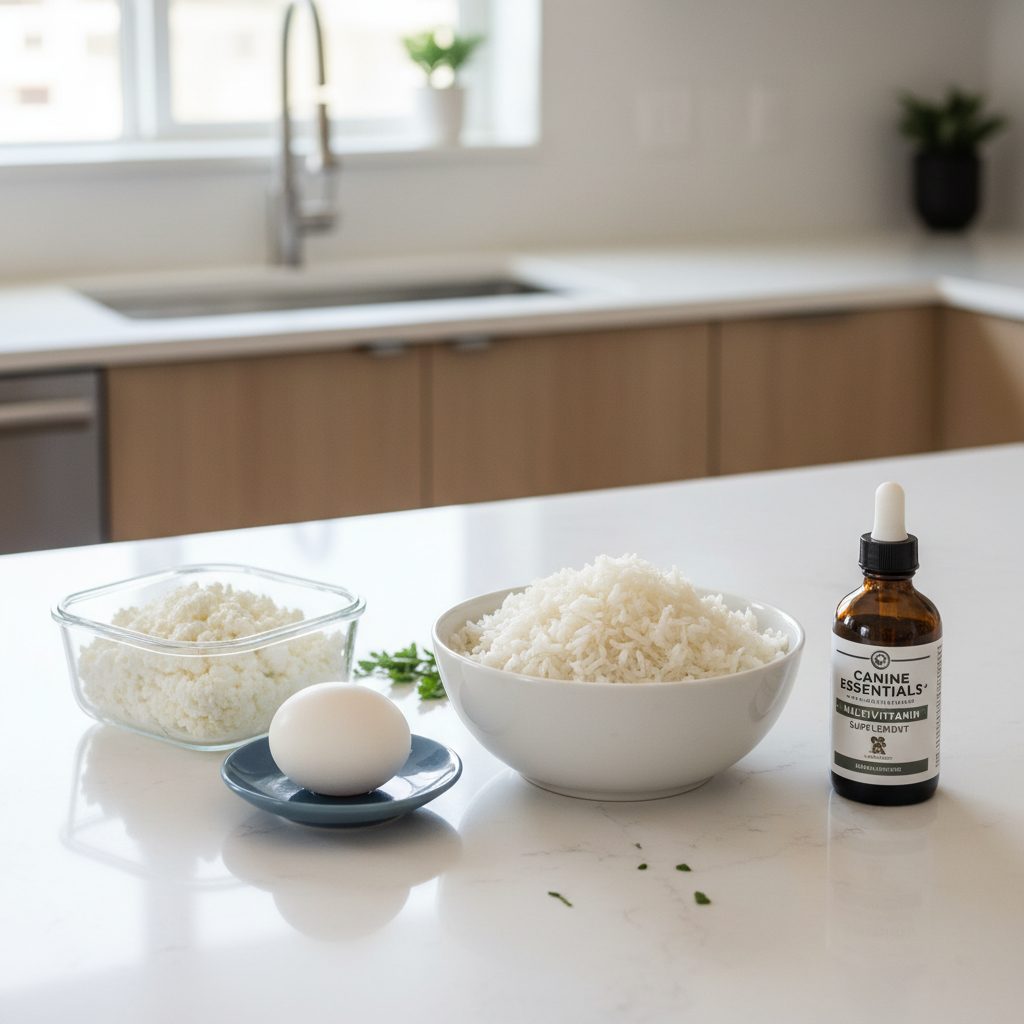
For the ultimate control over what goes into your dog’s bowl, a carefully formulated homemade diet can be an option. The title of this section is critical: ‘Veterinarian-Approved.’ Attempting to create a low-copper diet on your own without expert guidance is extremely dangerous and can lead to severe nutritional deficiencies.
Ingredient & Formulation: A homemade hepatic diet is typically built around a base of easily digestible protein and carbohydrates. Common ingredients include:
- Protein: Cottage cheese, boiled eggs, or whitefish like cod or tilapia. These are low in copper and easy on the liver.
- Carbohydrates: Boiled white rice or potato. These provide energy without complex fibers that can be hard to digest.
- Fats: A small amount of a specific oil, as recommended by your vet.
- Crucial Supplements: This is the non-negotiable part. You will need to add a specific vitamin and mineral supplement, such as Balance IT, to make the meal complete and balanced. You will also need to add a source of zinc to help block copper absorption. A veterinary nutritionist will calculate the exact amounts of every single ingredient and supplement your specific dog needs.
The Process: You would work directly with a veterinary nutritionist. They will analyze your dog’s medical records, weight, and age to create a precise recipe. You are then responsible for sourcing high-quality ingredients and preparing the meals exactly as instructed.
Pros & Cons
| Pros | Cons |
|---|---|
| Total control over ingredient quality and sourcing | Requires consultation with a veterinary nutritionist (can be costly) |
| Ideal for dogs with numerous allergies or extreme pickiness | Extremely time-consuming to prepare |
| No preservatives, fillers, or artificial ingredients | High risk of nutritional imbalance if not followed perfectly |
| Can be highly palatable and fresh | Can be more expensive than commercial diets in the long run |
Verdict: A DIY diet is for the truly dedicated pet owner who has the time, resources, and commitment to work closely with a professional. When done correctly, it can be a wonderful way to manage a dog’s liver disease, but it should never be undertaken lightly or without expert supervision.
7. Forza10 Nutraceutic Actiwet Hepatic Support (Canned)
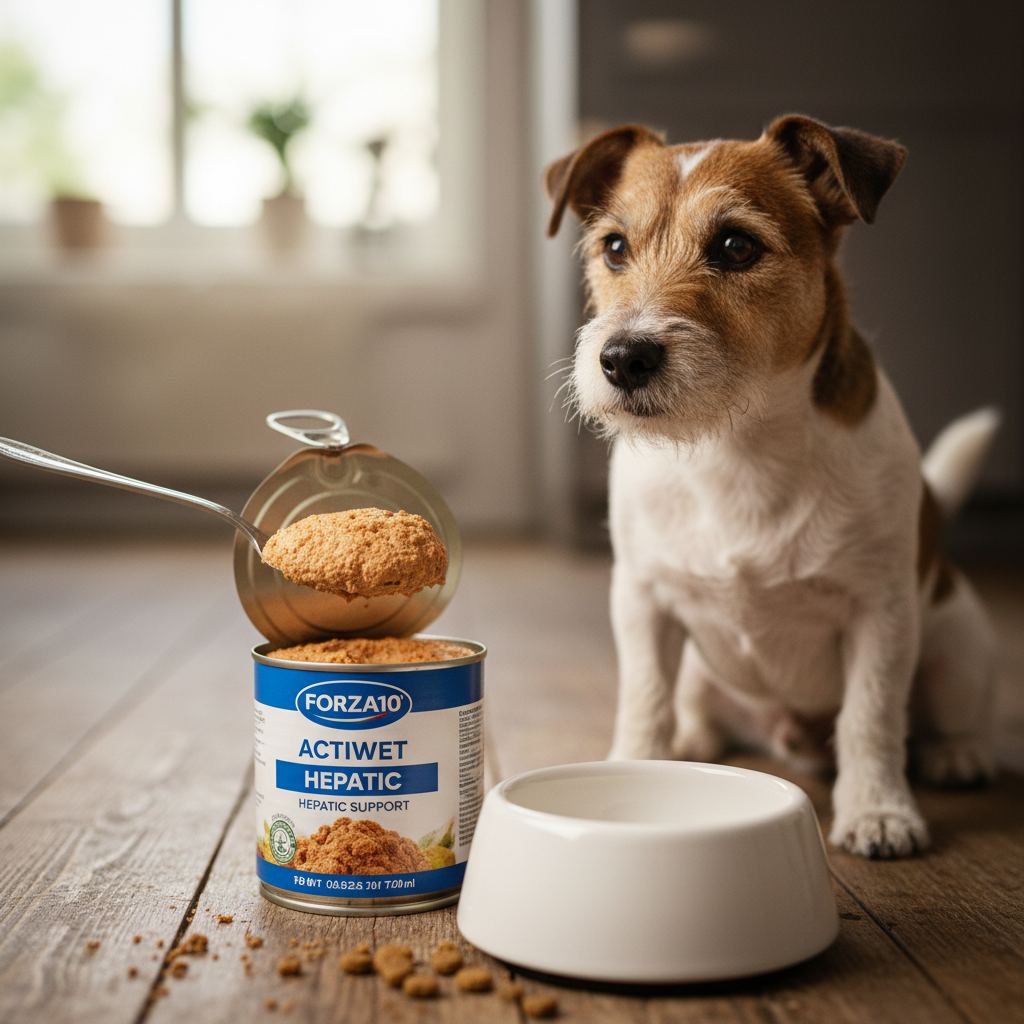
Forza10 offers a unique, ‘nutraceutical’ approach, blending traditional diet formulation with the power of botanical extracts. Their Actiwet Hepatic Support is a canned food that’s great for adding moisture to your dog’s diet and tempting those with a weak appetite. It’s an over-the-counter option, but you should still consult your vet before switching.
Ingredient Analysis: The primary protein source is hydrolyzed fish protein, which is broken down into smaller components, making it highly digestible and hypoallergenic. It’s a single-protein source formula, which is excellent for dogs with sensitivities. The recipe is, of course, low in copper. What makes Forza10 stand out is the inclusion of therapeutic plant and fruit extracts, such as dandelion, artichoke, and milk thistle. These botanicals have been traditionally used to support liver detoxification and function. While not a replacement for medical treatment, they offer an added layer of natural support.
Sourcing and Formulation: Forza10 is an Italian company that focuses on clean ingredients, often sourcing their fish from the pristine waters of Iceland. Their philosophy is to address food intolerances as the root cause of many chronic conditions.
Pros & Cons
| Pros | Cons |
|---|---|
| Includes beneficial botanical extracts for liver support | Being an over-the-counter food, copper levels may not be as strictly low as prescription diets |
| High moisture content in the pâté is great for hydration | Hydrolyzed protein flavor isn’t appealing to all dogs |
| Single, hydrolyzed protein source is good for allergies | Only available in a wet food format |
| Does not require a prescription (but vet consult is still vital) | May be harder to find in local stores compared to major brands |
Verdict: Forza10 Actiwet Hepatic Support is an excellent choice for pet parents interested in a more holistic approach. It’s a great option to use as a primary meal or a topper for a prescription kibble to boost palatability and hydration, especially for dogs with known food sensitivities.
A Pet Parent’s Guide to Choosing Low-Copper Dog Food

Choosing the right food is more than just picking one from a list. Understanding the ‘why’ behind the formulation will empower you to make the best decision with your vet. Here’s what to look for:
Why Copper is the Culprit
In a healthy dog, the liver processes copper from their diet, using what it needs and excreting the rest. In dogs with certain liver diseases or a genetic predisposition (like Copper Storage Disease, common in breeds like Bedlington Terriers and Labradors), the liver can’t get rid of excess copper. It builds up to toxic levels, causing inflammation, cell damage, and eventually liver failure. A low-copper diet is designed to stop adding fuel to the fire.
Reading the Nutritional Label
Look at the ‘Guaranteed Analysis’ on the bag. For therapeutic diets, manufacturers will often list the copper content, usually in mg/kg. Your vet can tell you the target range for your dog’s specific condition. Don’t just look for ‘low copper’ claims; look for the numbers.
The Importance of Protein
A sick liver struggles to process protein byproducts like ammonia. Hepatic diets use protein that is both high-quality and highly digestible. This means the body can use it efficiently with less waste. Sources like egg, dairy (cottage cheese), soy, and certain fish are often used because they are easier on the liver than red meats like beef or lamb.
Antioxidants and Other Helpers
Liver disease creates a lot of oxidative stress. Ingredients rich in antioxidants like Vitamin E, Vitamin C, and zinc are vital. Zinc does double duty: it’s an antioxidant and it also helps reduce copper absorption in the gut. L-carnitine is another beneficial supplement that helps the body use fat for energy, reducing fat accumulation in the liver.
Prescription vs. Over-the-Counter
For a diagnosed liver condition, a prescription diet is almost always the safest and most effective choice. These foods have undergone extensive research and clinical trials, and their nutrient levels (especially copper) are strictly controlled and guaranteed. Over-the-counter ‘liver support’ foods can be helpful, but they may not be restrictive enough for a seriously ill dog. Always, always work with your veterinarian. They are your most important partner in managing your dog’s health.
Frequently Asked Questions About Liver Support Diets

1. Can I just feed my dog less of their regular food to reduce copper intake?
Absolutely not. This is a dangerous approach that will lead to malnutrition. Your dog would miss out on essential proteins, fats, vitamins, and other minerals they need to stay strong. Therapeutic diets are carefully formulated to be low in copper while still providing complete and balanced nutrition for all other bodily needs.
2. Are there any treats that are safe for a dog on a hepatic diet?
Yes, but you have to be very careful as many commercial treats are high in copper and protein. Organ meats like liver treats are a definite no-no. Safe options often include small pieces of certain fruits and vegetables like apples, carrots, or green beans. Some companies make specific low-protein or therapeutic treats. The best rule is to ask your veterinarian for a list of approved snacks to ensure you don’t undo the good work of the special diet.
3. How long will my dog need to be on a low-copper diet?
In most cases, a therapeutic liver diet is a lifelong commitment. Conditions like chronic hepatitis or copper storage disease require permanent dietary management to keep the liver as healthy as possible and prevent further damage. Your vet will monitor your dog’s progress through regular blood work and may make adjustments, but you should plan on the special diet being a permanent part of your dog’s care plan.
Conclusion
Navigating a liver disease diagnosis with your beloved dog is a journey, but you are not alone. Making an informed dietary choice is one of the most profound ways you can contribute to their well-being and quality of life. From clinically-proven kibbles and innovative fresh foods to specialized wet foods and carefully managed homemade recipes, there are more options than ever to support your pup’s liver health.
Remember, the most important member of your team is your veterinarian. They can provide a definitive diagnosis and help you select the food that perfectly matches your dog’s specific needs. Choosing the right food is a powerful act of love, and with the right nutrition, you can help your best friend enjoy many more happy, comfortable years by your side.