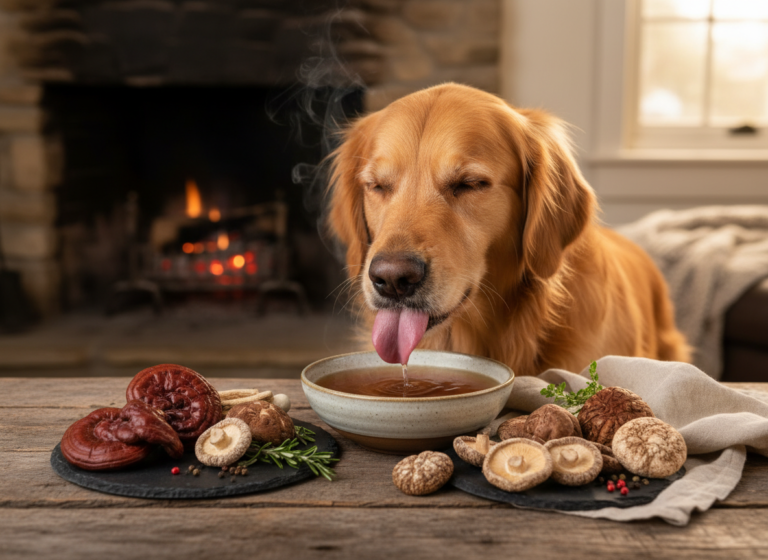

13 High Iron Dog Food Recipes for Anemic Pets
Seeing your usually bouncy, tail-wagging best friend become lethargic and weak is every pet owner’s nightmare. If your vet has diagnosed your dog with anemia, you’re likely looking for every possible way to help them recover. Anemia, a condition characterized by a deficiency of red blood cells or hemoglobin, can rob your dog of their energy. While veterinary treatment is the absolute first and most critical step, nutrition plays a massive supporting role in their recovery journey.
Iron is the superstar mineral when it comes to building healthy red blood cells. Supplementing your dog’s diet with iron-rich foods can help their body produce what it needs to fight anemia and get that pep back in their step. That’s where these homemade recipes come in! We’ve cooked up 13 delicious, easy-to-make meals packed with iron and other essential nutrients.
Important Note: Always consult with your veterinarian before making any significant changes to your dog’s diet, especially when dealing with a medical condition like anemia. These recipes are intended to supplement, not replace, professional veterinary care and advice. Your vet can help you ensure these meals are balanced and appropriate for your dog’s specific needs.
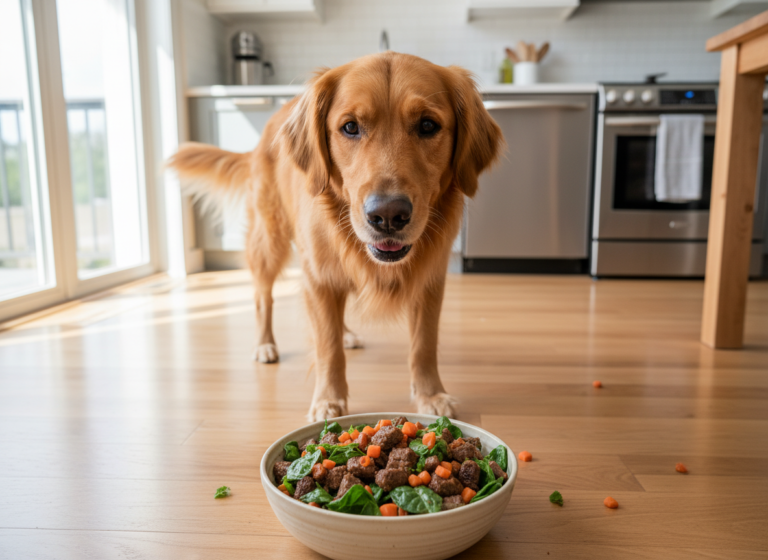
1. Beef Liver & Spinach Power Bowl
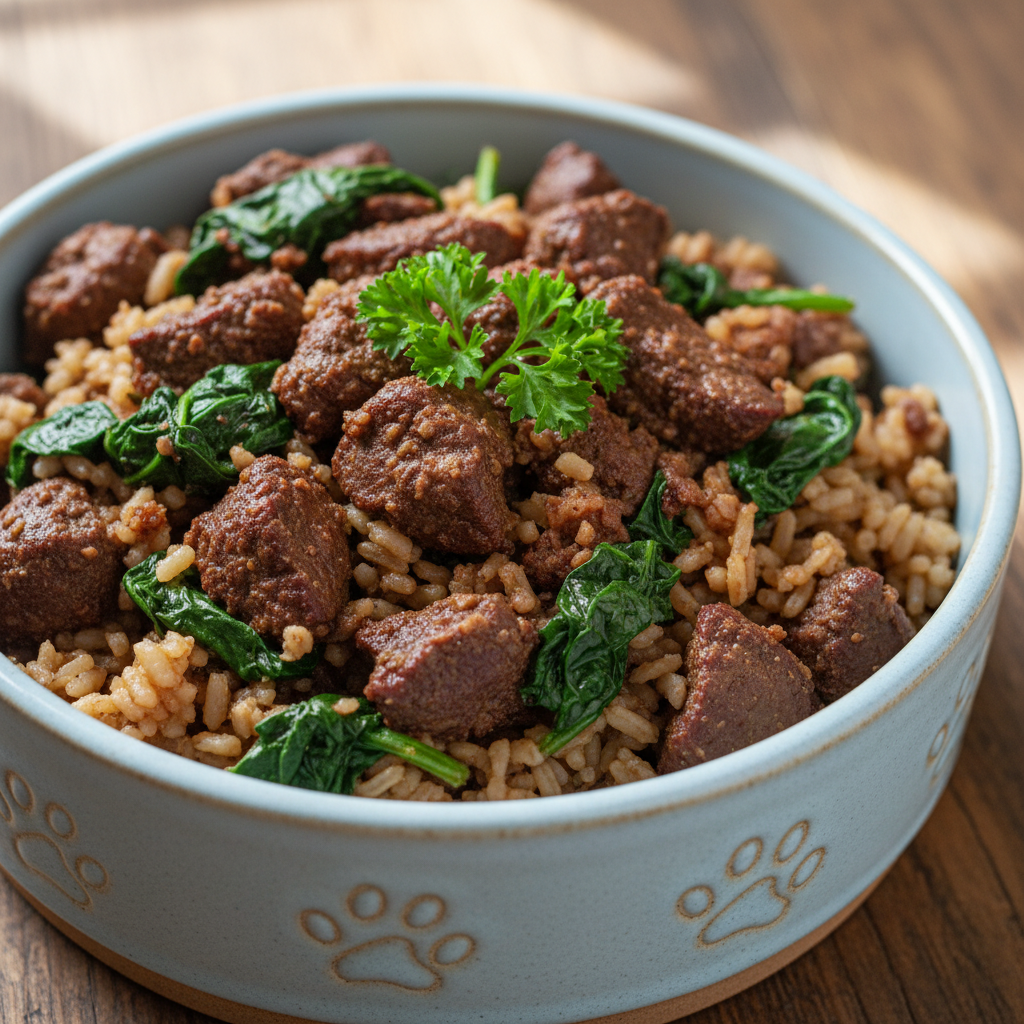
This is the classic, go-to recipe for an iron boost, and for good reason. Beef liver is one of the most nutrient-dense foods on the planet, boasting an incredible amount of bioavailable iron. Paired with spinach, another iron-rich plant source, this bowl is a powerhouse for red blood cell production.
Ingredients:
- 1/2 cup cooked beef liver, finely chopped
- 1 cup cooked brown rice
- 1/2 cup steamed and chopped spinach
- 1 tablespoon of olive oil
- 1/4 cup of water or low-sodium beef broth
Instructions:
- Cook the beef liver by boiling or pan-searing until just cooked through. Avoid overcooking to retain nutrients. Let it cool and then chop it into small, bite-sized pieces.
- Prepare the brown rice and steam the spinach according to package directions.
- In a bowl, combine the chopped liver, cooked rice, and steamed spinach.
- Drizzle with olive oil and add the water or broth to create a little moisture, making it more palatable.
- Mix everything thoroughly and serve once cooled to room temperature.
Pros and Cons
| Pros | Cons |
|---|---|
| Extremely high in bioavailable iron | Some dogs may not like the strong taste of liver |
| Simple and quick to prepare | Liver is very rich; introduce slowly to avoid stomach upset |
| Provides other essential nutrients like Vitamin A and B12 | Not a complete and balanced meal for long-term use without supplements |
Verdict:
This is the perfect starting recipe for most dogs needing a significant iron boost. It’s simple, potent, and a great way to introduce organ meats into their diet.
2. Sardine & Kale Scramble
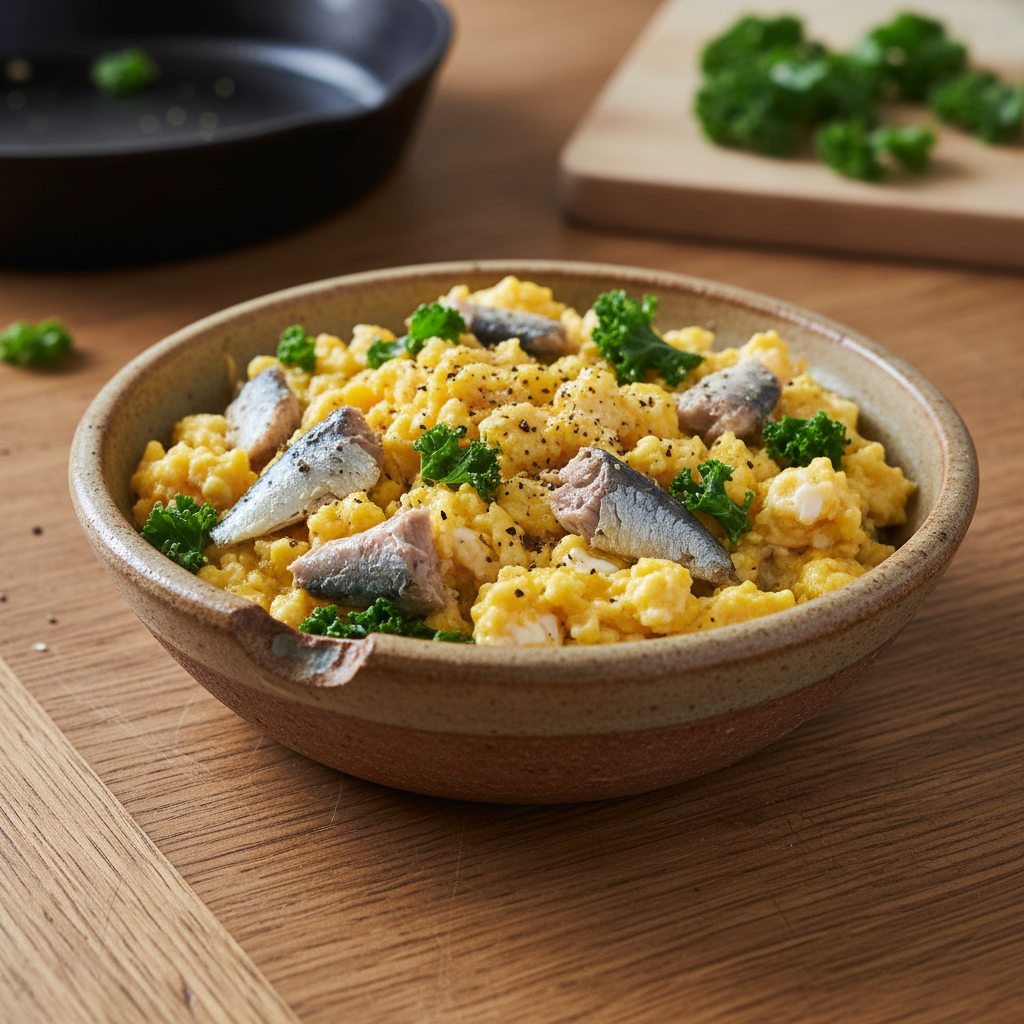
Sardines are tiny fish with a huge nutritional profile! They are packed with iron, omega-3 fatty acids, and calcium. This recipe combines them with eggs, another great source of iron and protein, and kale for an extra vitamin kick.
Ingredients:
- 1 can (3.75 oz) of sardines packed in water, no salt added
- 2 large eggs
- 1/4 cup finely chopped kale, stems removed
- 1 teaspoon coconut oil
Instructions:
- Lightly scramble the two eggs in a pan with a teaspoon of coconut oil over medium heat.
- While the eggs are still slightly runny, add the entire can of sardines (including the water) and the chopped kale.
- Use a spatula to break up the sardines and mix everything together.
- Continue to cook for another 1-2 minutes until the eggs are fully cooked and the kale is slightly wilted.
- Let it cool completely before serving.
Pros and Cons
| Pros | Cons |
|---|---|
| Rich in iron and anti-inflammatory Omega-3s | Very strong fishy smell |
| Easy for dogs to digest | Sardines can be high in sodium; choose ‘no salt added’ versions |
| Bones in sardines provide extra calcium | Some dogs may be picky about fish |
Verdict:
An excellent choice for dogs who enjoy fishy flavors. The added benefit of omega-3s makes it great for skin, coat, and joint health in addition to combating anemia.
3. Chicken Giblet & Quinoa Stew
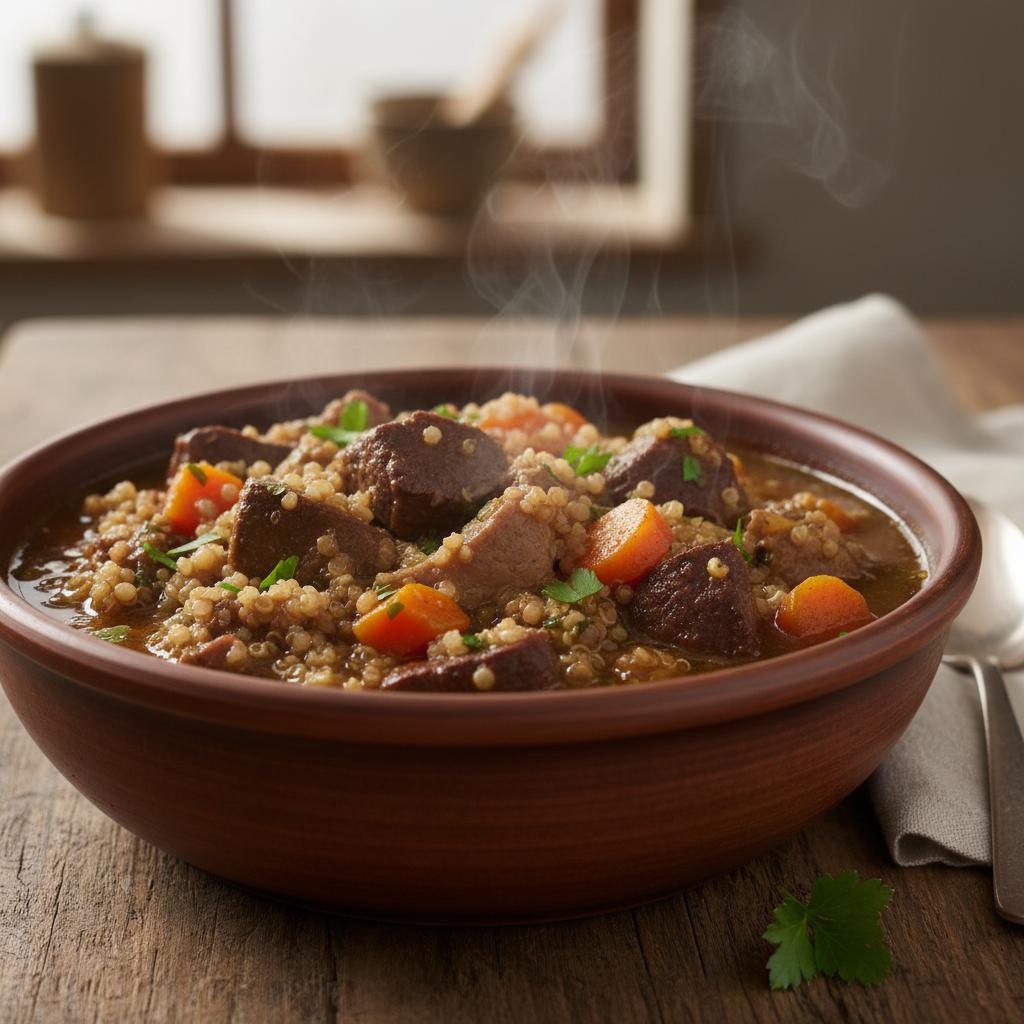
Don’t throw away those giblets! Chicken hearts, gizzards, and livers are nutritional goldmines, especially rich in iron and B vitamins. This stew combines them with quinoa, a complete protein, for a hearty and healing meal.
Ingredients:
- 1/2 cup mixed chicken giblets (hearts, gizzards, liver), chopped
- 1/2 cup cooked quinoa
- 1/4 cup chopped carrots
- 1/4 cup chopped celery
- 2 cups of water or low-sodium chicken broth
Instructions:
- In a small pot, add the chopped giblets, carrots, celery, and water/broth.
- Bring to a boil, then reduce the heat and let it simmer for 20-25 minutes, or until the giblets are tender.
- Remove from heat. Stir in the pre-cooked quinoa.
- Allow the stew to cool to a safe temperature before serving. You can shred the larger giblet pieces if needed.
Pros and Cons
| Pros | Cons |
|---|---|
| Utilizes an inexpensive but highly nutritious part of the chicken | Giblets can be hard to find unless you buy a whole chicken |
| Quinoa is a gluten-free and complete protein source | Requires some simmering time |
| Easy to make in a larger batch and freeze | Texture might be unusual for some dogs initially |
Verdict:
A budget-friendly and incredibly effective recipe for boosting iron levels. The stew format is gentle on the stomach and highly palatable for most dogs.
4. Turkey & Lentil Loaf
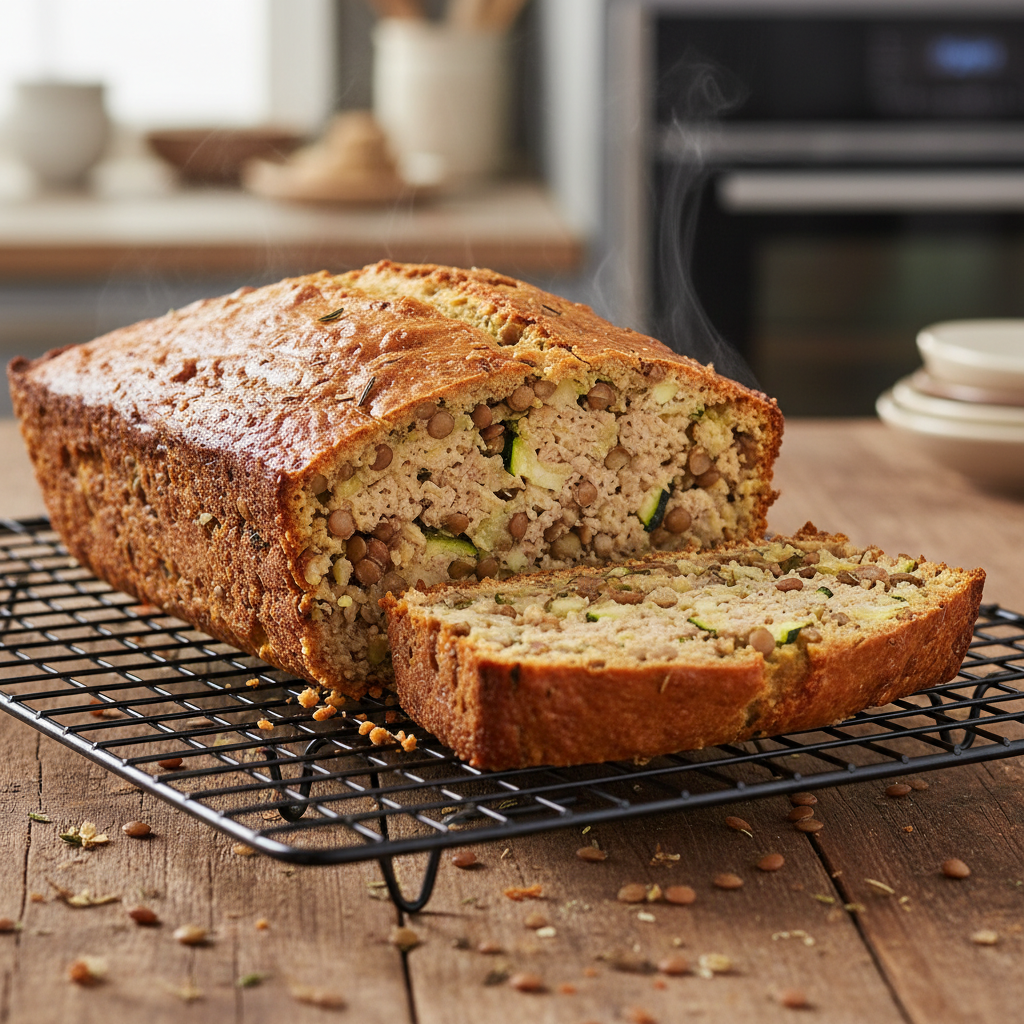
This ‘meatloaf’ for dogs is a fantastic way to combine the iron from lean ground turkey with the power of lentils, a plant-based iron champion. It’s easy to slice and serve, and it stores well in the fridge.
Ingredients:
- 1 lb lean ground turkey
- 1/2 cup cooked red lentils
- 1 egg
- 1/4 cup rolled oats
- 1/4 cup finely grated zucchini
Instructions:
- Preheat your oven to 375°F (190°C).
- In a large bowl, combine the ground turkey, cooked lentils, egg, oats, and grated zucchini.
- Mix with your hands until everything is well combined, but don’t overmix.
- Press the mixture into a lightly greased loaf pan.
- Bake for 40-45 minutes, or until the loaf is cooked through and browned on top.
- Let it cool completely, then slice and serve.
Pros and Cons
| Pros | Cons |
|---|---|
| Great for batch cooking and meal prep | Longer cooking time due to baking |
| Combines animal and plant-based iron sources | Some dogs may have sensitivities to grains (oats) |
| Easy to portion and store | Requires oven use |
Verdict:
Perfect for busy pet owners who want to prep a few days’ worth of iron-rich meals at once. It’s a satisfying and nutrient-dense option that feels like a special treat.
5. Duck & Sweet Potato Mash
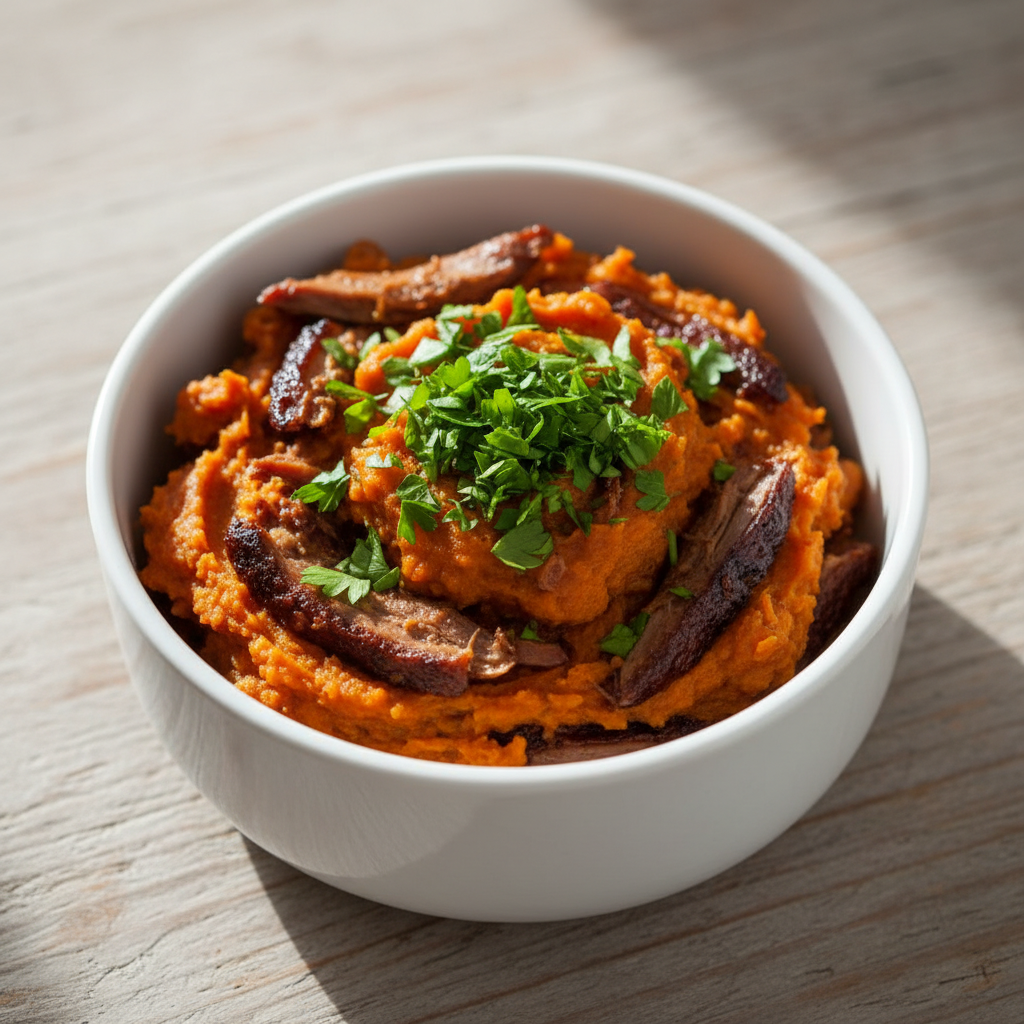
For dogs with sensitivities to common proteins like chicken or beef, duck is an excellent alternative. It’s a rich, dark meat that’s a good source of iron. Sweet potato adds fiber, vitamins, and a touch of sweetness dogs love.
Ingredients:
- 1/2 lb ground duck or duck breast, cooked and shredded
- 1 cup mashed sweet potato
- 1 tablespoon of melted duck fat or coconut oil
- A pinch of dried parsley
Instructions:
- Cook the duck meat thoroughly (pan-sear or bake). If using ground duck, cook it in a pan until no longer pink. If using breast, bake and then shred the meat.
- Boil or bake a sweet potato until tender, then mash it.
- In a bowl, combine the cooked duck, mashed sweet potato, and melted fat/oil.
- Sprinkle with parsley and mix well. Serve warm.
Pros and Cons
| Pros | Cons |
|---|---|
| Excellent novel protein for dogs with allergies | Duck can be more expensive and harder to find than other proteins |
| Sweet potato is great for digestive health | Higher in fat than some other poultry options |
| Simple recipe with few ingredients | Preparation involves cooking two main components separately |
Verdict:
The ideal choice for anemic dogs who also struggle with food allergies or sensitivities. It’s a rich, flavorful meal that provides iron without common allergens.
6. Clam & Brown Rice Risotto

Did you know clams are one of the best dietary sources of iron available? They contain an incredible amount! This dog-friendly ‘risotto’ is a unique and potent way to get this essential mineral into your pup’s diet.
Ingredients:
- 1 can (6.5 oz) of minced or chopped clams in juice/water, no spices
- 1 cup cooked brown rice
- 1/4 cup of the clam juice from the can
- 1 tablespoon chopped fresh parsley (rich in Vitamin C, which helps iron absorption)
Instructions:
- Drain the clams, reserving 1/4 cup of the juice. Ensure the clams are plain and not in a seasoned sauce.
- In a bowl, mix the cooked brown rice with the drained clams.
- Pour the reserved clam juice over the mixture and stir to combine. This adds flavor and moisture.
- Stir in the fresh parsley just before serving.
Pros and Cons
| Pros | Cons |
|---|---|
| Exceptionally high iron content from the clams | Unusual flavor and texture that some dogs might reject |
| Very easy and fast to assemble with canned clams | Must use plain clams, not smoked or seasoned versions |
| Parsley adds Vitamin C to aid iron absorption | Potential for shellfish allergies, though rare in dogs |
Verdict:
For the adventurous canine palate, this recipe offers a massive iron punch. It’s one of the quickest meals to prepare on this list, making it great for a fast, nutritious boost.
7. Venison & Pumpkin Puree
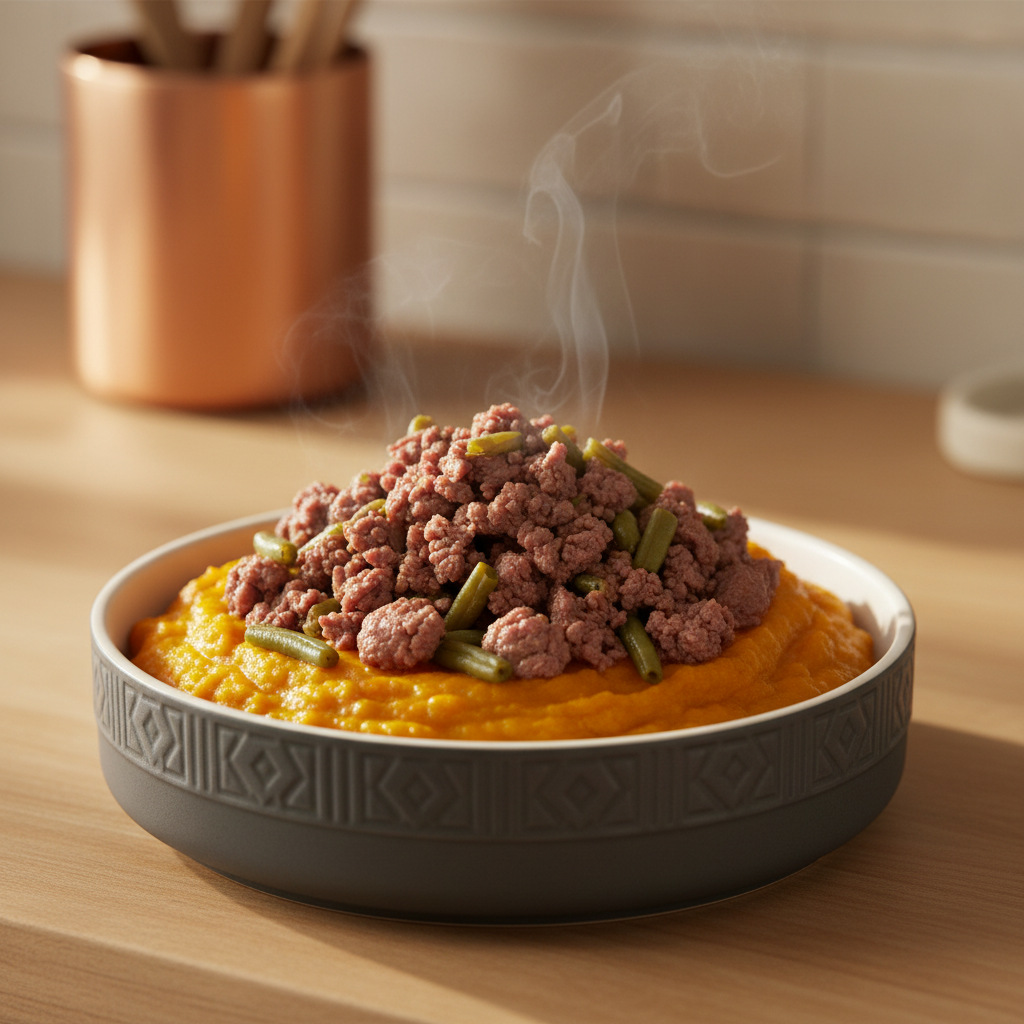
Venison, or deer meat, is a lean, iron-rich red meat that serves as another fantastic novel protein. Combining it with pumpkin puree not only adds flavor but also provides soluble fiber, which is excellent for digestive regularity.
Ingredients:
- 1/2 lb ground venison, cooked
- 1/2 cup 100% pure pumpkin puree (not pie filling)
- 1/4 cup steamed green beans, chopped
- 1 teaspoon flaxseed oil
Instructions:
- Cook the ground venison in a skillet over medium heat until browned. Drain any excess fat.
- In a mixing bowl, combine the cooked venison, pumpkin puree, and chopped green beans.
- Drizzle with flaxseed oil, which provides healthy omega fatty acids.
- Stir until everything is evenly mixed. Serve once cooled.
Pros and Cons
| Pros | Cons |
|---|---|
| Lean source of high-quality, iron-rich protein | Venison can be very expensive and difficult to source |
| Pumpkin is excellent for digestive health | Gamey flavor may not appeal to all dogs |
| Good for dogs with poultry or beef allergies | Requires careful sourcing to ensure quality |
Verdict:
A gourmet option for anemic dogs, especially those with sensitive stomachs or allergies to more common meats. The combination of lean protein and digestive-aiding pumpkin is a win-win.
8. Egg & Beef Heart Hash
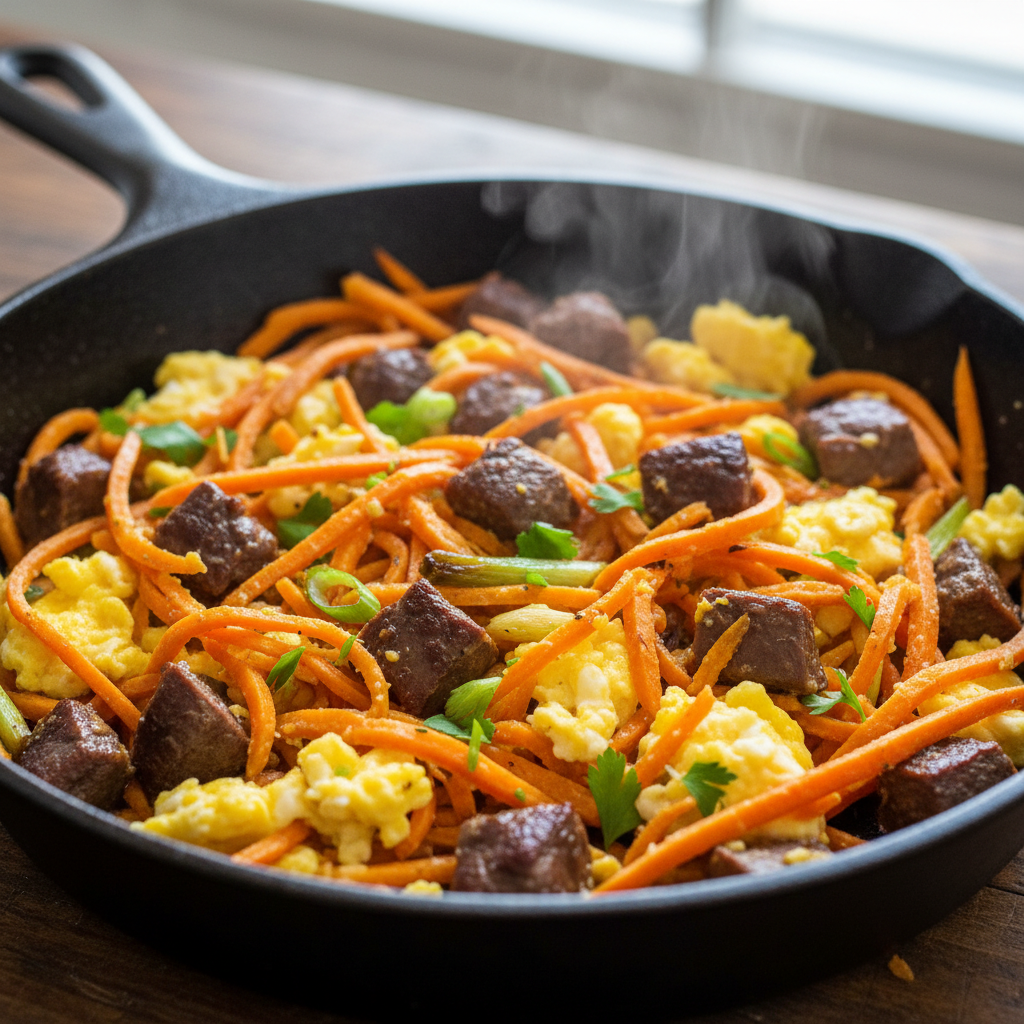
Beef heart is a surprisingly lean muscle meat that is packed with iron, B-vitamins, and taurine. This hash combines its powerful benefits with the easily digestible protein and iron from scrambled eggs for a breakfast-style feast.
Ingredients:
- 1/4 lb beef heart, trimmed and finely diced
- 2 large eggs, scrambled
- 1/4 cup finely shredded sweet potato
- 1 teaspoon olive oil
Instructions:
- In a skillet, heat the olive oil over medium-high heat. Add the diced beef heart and shredded sweet potato.
- Sauté for 5-7 minutes, until the beef heart is cooked through and the sweet potato is tender.
- Push the heart and potato mixture to one side of the pan and scramble the eggs on the other.
- Once the eggs are cooked, gently toss everything together to create a hash.
- Let it cool before serving to your eager pup.
Pros and Cons
| Pros | Cons |
|---|---|
| Beef heart is an economical and incredibly nutritious organ meat | Handling and dicing raw heart can be off-putting for some owners |
| High in taurine, which is excellent for heart health | The texture of organ meat can be a learning curve for some dogs |
| Quick to cook in a single pan | Must ensure heart is trimmed of excess sinew and fat |
Verdict:
A fantastic, nutrient-dense meal for active dogs needing to rebuild their strength. It provides a concentrated source of iron and other vital nutrients for cardiovascular and overall health.
9. Lamb & Barley Bake

Lamb is another iron-rich red meat that many dogs find irresistible. This casserole-style bake combines it with hearty barley and iron-boosting carrots for a wholesome, oven-baked meal that will make your whole house smell delicious.
Ingredients:
- 1 lb ground lamb
- 1/2 cup cooked pearl barley
- 1/2 cup shredded carrots
- 1 egg
- 1 tablespoon of tomato paste (for a little lycopene and moisture)
Instructions:
- Preheat your oven to 350°F (175°C).
- In a mixing bowl, combine the ground lamb, cooked barley, shredded carrots, egg, and tomato paste.
- Mix thoroughly and press the mixture into a small casserole dish or a few large ramekins.
- Bake for 25-30 minutes, or until the lamb is fully cooked.
- Let it cool significantly before breaking it up and serving.
Pros and Cons
| Pros | Cons |
|---|---|
| Highly palatable flavor for picky eaters | Lamb is a fattier meat; drain excess grease after cooking |
| Easy to bake a large batch for later | Barley contains gluten, not suitable for gluten-sensitive dogs |
| Carrots provide Vitamin A and beta-carotene | Requires a longer cooking time in the oven |
Verdict:
A comforting, hearty meal perfect for dogs who love rich flavors. It’s a great way to sneak in healthy grains and vegetables to support their recovery.
10. Mackerel & Broccoli Mix

Mackerel is an oily fish that’s not only a good source of iron but is also off-the-charts in omega-3 fatty acids. Paired with steamed broccoli, which contains both iron and vitamin C, this is a synergistic meal for health.
Ingredients:
- 1 can (4 oz) of mackerel in water, no salt added
- 1/2 cup steamed and chopped broccoli florets
- 1/2 cup cooked millet or quinoa
Instructions:
- Steam the broccoli florets until tender-crisp, then chop them into small, manageable pieces.
- Cook the millet or quinoa according to package instructions.
- In a bowl, flake the mackerel with a fork.
- Add the chopped broccoli and cooked grain to the bowl.
- Mix everything gently until well combined. Serve at room temperature.
Pros and Cons
| Pros | Cons |
|---|---|
| Extremely high in beneficial omega-3s | Strong fishy odor can linger |
| Broccoli provides both iron and Vitamin C for absorption | Broccoli can cause gas in some dogs; introduce it slowly |
| Simple, no-cook protein source (canned mackerel) | Oily fish can be rich, so portion size is key |
Verdict:
A fantastic choice for boosting not just iron levels but also for promoting a healthy coat and reducing inflammation. The combination of nutrients works together to maximize absorption and benefits.
11. Bison & Beetroot Bites
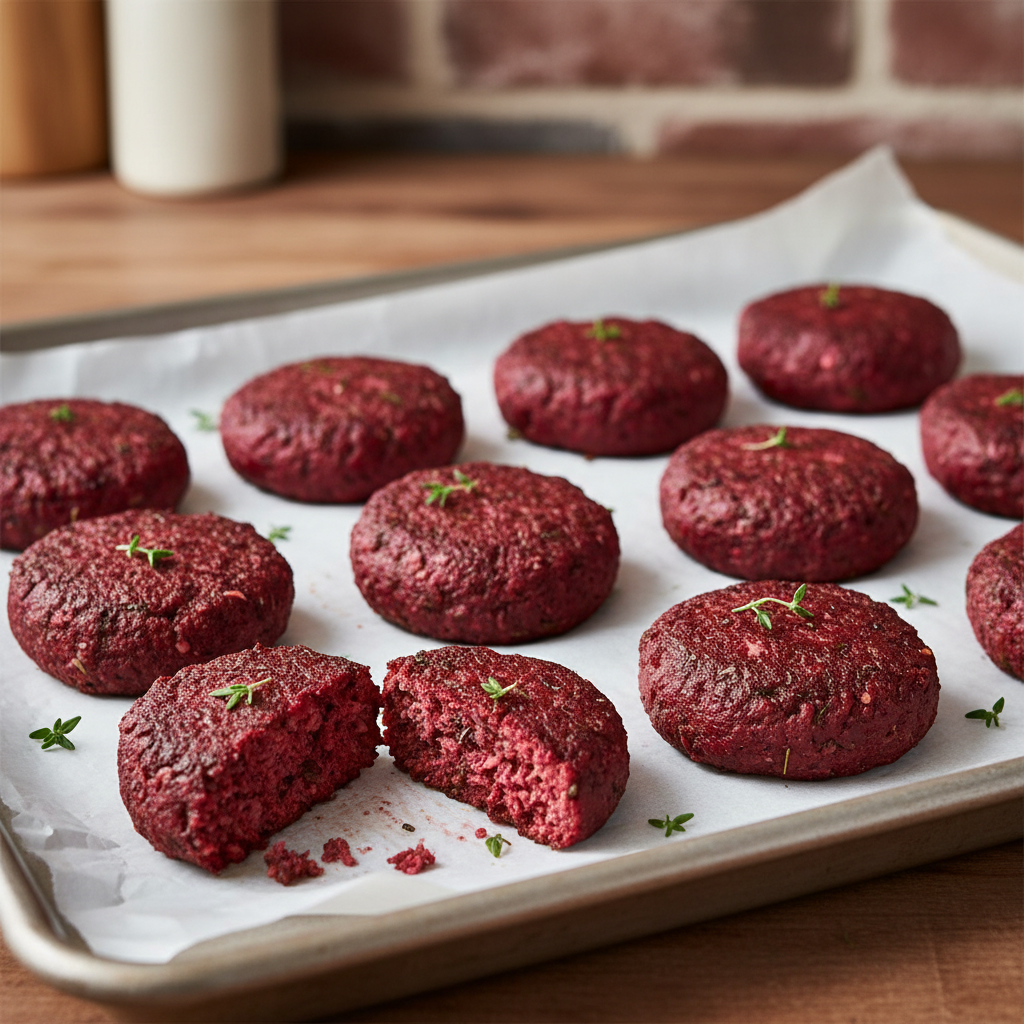
Bison is a leaner alternative to beef but still packs a powerful iron punch. Beets contain iron and are known for their blood-building properties. These ingredients come together in easy-to-make ‘bites’ or patties.
Ingredients:
- 1 lb ground bison
- 1/4 cup cooked and pureed beetroot
- 1 egg
- 2 tablespoons of almond flour (as a binder)
Instructions:
- Preheat your oven to 400°F (200°C).
- In a bowl, combine the ground bison, beetroot puree, egg, and almond flour. Your hands are the best tool for this!
- Form the mixture into small, meatball-sized bites or small patties and place them on a parchment-lined baking sheet.
- Bake for 15-20 minutes, or until cooked through.
- Let them cool completely. They can be served whole or crumbled over other food.
Pros and Cons
| Pros | Cons |
|---|---|
| Bison is a very lean and iron-dense red meat | Can be one of the most expensive proteins available |
| Beetroot adds earthy flavor and blood-supporting nutrients | Beets can turn a dog’s urine or stool reddish, which can be alarming if you’re not expecting it! |
| Easy to portion as treats or a meal topper | Requires baking and forming into bites |
Verdict:
A premium, high-impact recipe for dogs who need a serious iron boost without the extra fat. These bites are also perfect for training or as a nutritious snack.
12. Pork & Parsley Patties

Ground pork is a flavorful and iron-rich option that is often overlooked in homemade dog food. Fresh parsley isn’t just a garnish; it’s full of vitamin C and vitamin K, which help with iron absorption and blood clotting.
Ingredients:
- 1 lb ground pork
- 1/4 cup finely chopped fresh parsley
- 1 small apple, grated (core and seeds removed)
Instructions:
- In a mixing bowl, combine the ground pork, chopped parsley, and grated apple.
- Form the mixture into thin patties, about 3-4 inches in diameter.
- Pan-fry the patties in a non-stick skillet over medium heat for about 4-5 minutes per side, until cooked through and nicely browned.
- Drain on a paper towel to remove excess fat.
- Crumble or serve whole once fully cooled.
Pros and Cons
| Pros | Cons |
|---|---|
| Pork is a cost-effective and palatable protein | Must be cooked thoroughly to be safe for consumption |
| Parsley and apple add a boost of vitamins and freshness | Higher in fat than poultry or venison; drain well |
| Quick to cook in a skillet | Pan-frying can be messier than baking |
Verdict:
A simple, savory, and effective recipe for dogs who enjoy pork. The addition of apple adds a touch of sweetness and fiber, making these patties a well-rounded meal component.
13. Oxtail & Carrot Slow Cooker Special
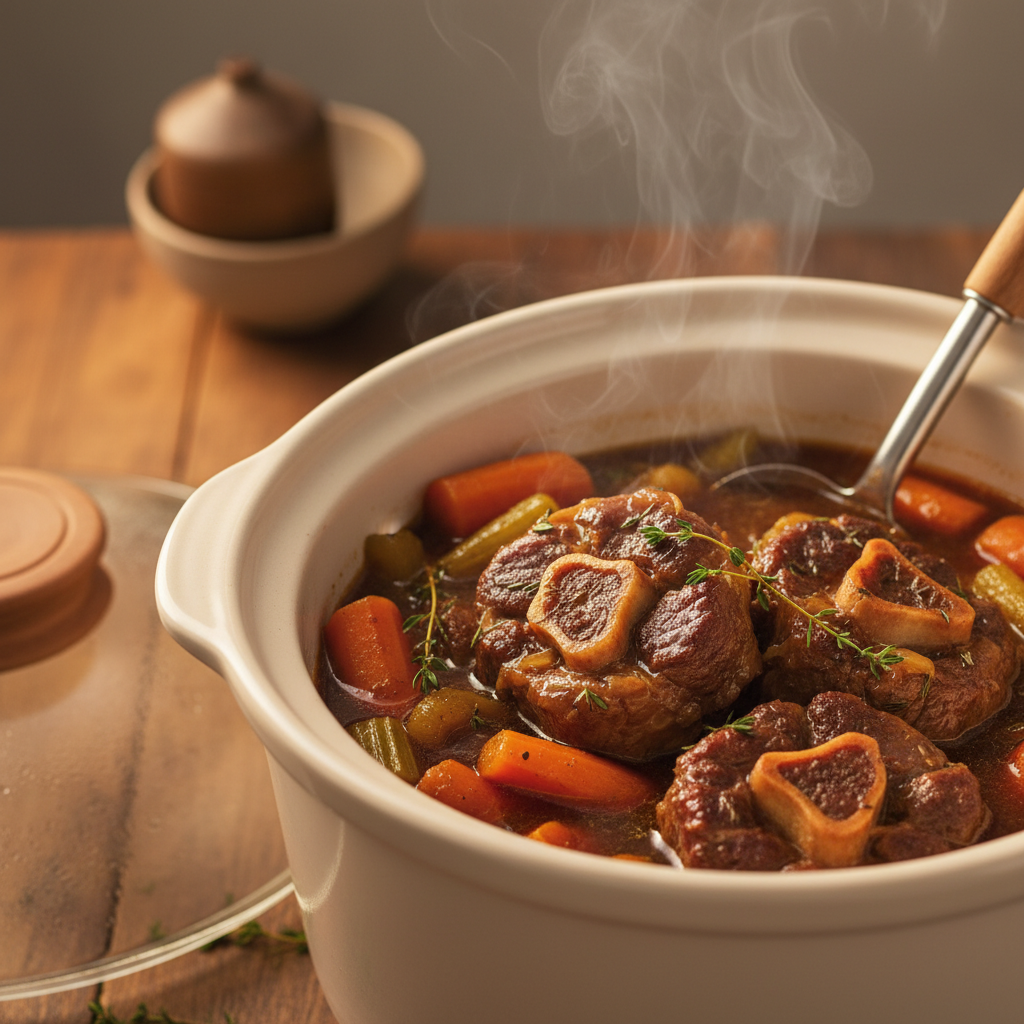
Oxtail is rich in iron, collagen, and healthy fats from the bone marrow. Slow cooking makes the meat incredibly tender and creates a nutrient-dense broth that’s perfect for anemic dogs. This is the ultimate ‘set it and forget it’ recipe.
Ingredients:
- 1 lb oxtail pieces
- 2 large carrots, roughly chopped
- 1 celery stalk, roughly chopped
- 4 cups of water
Instructions:
- Place the oxtail pieces, carrots, and celery in the bottom of a slow cooker.
- Add enough water to cover the ingredients, about 4 cups.
- Cook on low for 8-10 hours or on high for 4-5 hours.
- Once done, the meat will be falling off the bone. Remove the oxtail pieces and let them cool.
- Separate the meat from the bones. DISCARD ALL BONES. Cooked bones are dangerous for dogs.
- Strain the broth to remove the cooked vegetables. You can mash the carrots and add them back in if you like.
- Serve the shredded oxtail meat with a generous ladle of the warm, nutrient-rich broth.
Pros and Cons
| Pros | Cons |
|---|---|
| Incredibly rich in iron, collagen, and marrow | Requires a very long cooking time | CRITICAL to remove all bones before serving
| Oxtail can be fatty; you can chill the broth and skim the fat if needed
Verdict:The ultimate comfort food for a dog in recovery. This slow-cooked meal is gentle, deeply nutritious, and provides both food and hydration to help your pet heal.
|