
13 High Iron Dog Food Recipes for Anemic Pets
Hey there, fellow pet parent! Seeing your furry best friend feeling sluggish and unwell is heartbreaking. If your vet has diagnosed your dog with anemia, you’re likely looking for every possible way to help them get back on their paws. Anemia, a condition where the body doesn’t have enough healthy red blood cells, can often be managed and improved with a proper diet, and a key player in that diet is iron.
Iron is essential for producing hemoglobin, the protein in red blood cells that carries oxygen throughout the body. Without enough iron, your dog can feel weak, tired, and breathless. While veterinary treatment is paramount, supporting your pup with nutrient-dense, homemade meals can make a world of difference. That’s why we’ve dug in and compiled 13 delicious, iron-rich recipes you can make right at home. Before we dive into the full list, here’s a quick peek at some of our favorites.
Quick Comparison
| Recipe Name | Main Protein | Key Iron Source | Best For |
|---|---|---|---|
| Beef & Spinach Power Bowl | Ground Beef | Beef, Spinach | All-around nutrition |
| Chicken Liver & Kale Delight | Chicken Livers | Chicken Livers | Maximum iron boost |
| Sardine & Pumpkin Mash | Sardines | Sardines, Pumpkin Seeds | Sensitive stomachs |
| Turkey & Lentil Stew | Ground Turkey | Turkey, Lentils | Lean protein option |
Important Note: Always consult with your veterinarian before making any significant changes to your dog’s diet, especially when dealing with a medical condition like anemia. They can help you tailor these recipes to your dog’s specific needs and ensure they receive a balanced diet.
1. Beef & Spinach Power Bowl

This recipe is a classic for a reason. Beef is an excellent source of heme iron, which is the most easily absorbed type. Paired with spinach, a non-heme iron powerhouse, this bowl delivers a one-two punch against iron deficiency.
Ingredients:
- 1 lb lean ground beef
- 2 cups fresh spinach, chopped
- 1 cup cooked brown rice
- 1/2 cup carrots, shredded
- 1 tablespoon olive oil
Instructions:
- In a large skillet, cook the ground beef over medium heat until browned. Drain off any excess fat.
- Stir in the chopped spinach and shredded carrots, cooking until the spinach has wilted.
- Add the cooked brown rice and olive oil to the skillet, mixing everything together thoroughly.
- Let the mixture cool completely before serving to your pup.
Pros & Cons
Pros:
|
Cons:
|
Verdict: This is a fantastic, well-rounded meal for most dogs needing an iron boost. It’s simple for pet parents to prepare and highly palatable for picky eaters.
2. Chicken Liver & Kale Delight
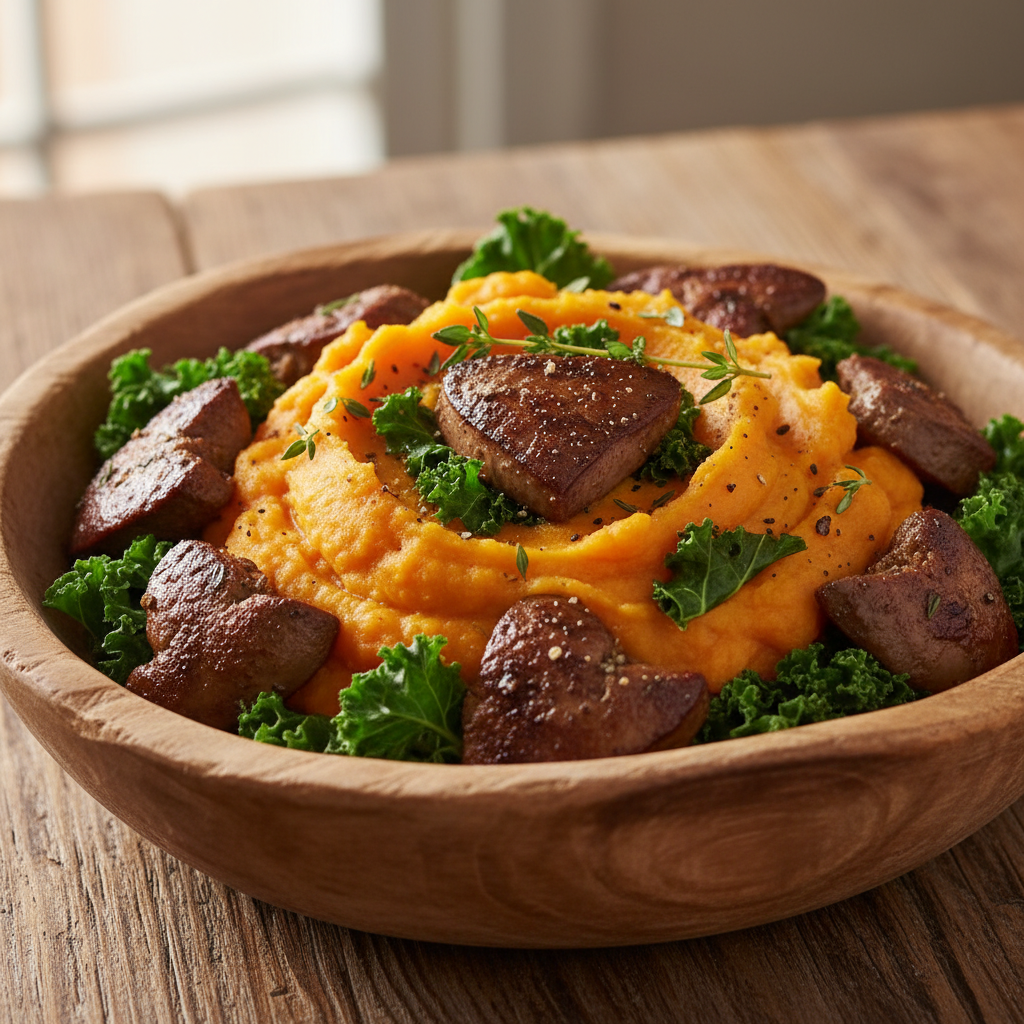
When it comes to iron, organ meats are king, and chicken livers are one of the most concentrated sources you can find. They are packed not only with iron but also with Vitamin A and B vitamins. Kale adds extra nutrients and fiber.
Ingredients:
- 1/2 lb chicken livers, rinsed and chopped
- 1 cup kale, stems removed and chopped
- 1 sweet potato, peeled and diced
- 1 tablespoon coconut oil
- 2 cups water
Instructions:
- In a medium pot, bring the water to a boil. Add the diced sweet potato and cook until tender, about 10-15 minutes.
- While the sweet potato cooks, heat the coconut oil in a skillet and lightly sauté the chicken livers until just cooked through. Don’t overcook them.
- Drain the sweet potatoes and mash them lightly.
- Add the cooked chicken livers and chopped kale to the pot with the sweet potatoes. Stir until the kale wilts from the residual heat.
- Allow to cool completely before serving.
Pros & Cons
Pros:
|
Cons:
|
Verdict: This is a super-charged iron meal, ideal for dogs with significant anemia under a vet’s supervision. Due to its richness, it’s best served in smaller quantities or mixed with their regular food initially.
3. Sardine & Pumpkin Mash
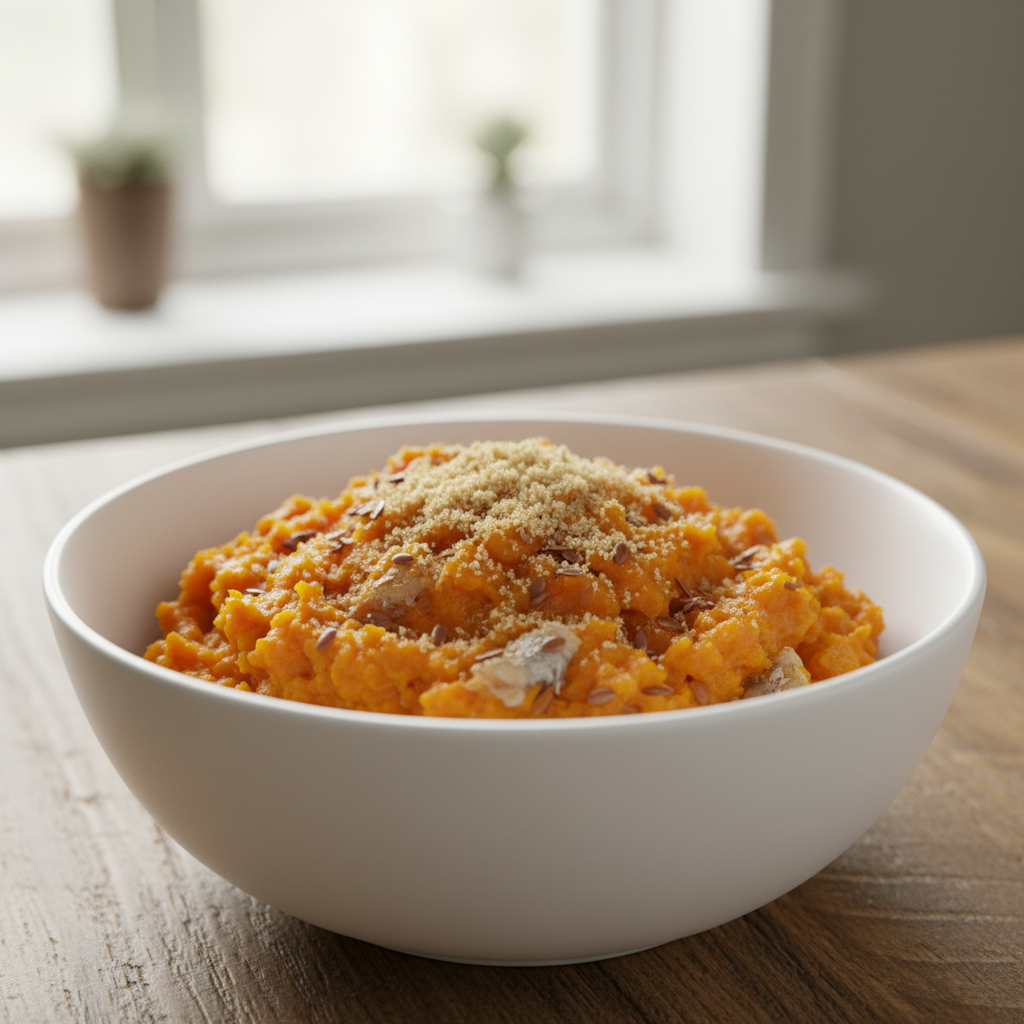
Don’t turn your nose up at this one! Sardines are tiny nutritional powerhouses. They are rich in iron, omega-3 fatty acids (great for skin and coat), and calcium. Pumpkin is fantastic for digestive health, making this a gentle yet effective meal.
Ingredients:
- 1 can (3.75 oz) sardines packed in water, no salt added
- 1/2 cup pure pumpkin puree (not pie filling)
- 1/2 cup cooked oatmeal
- 1 tablespoon ground flaxseed
Instructions:
- In a bowl, combine the entire can of sardines (including the soft bones for calcium) with the pumpkin puree.
- Mash the sardines with a fork and mix well with the pumpkin.
- Stir in the cooked oatmeal and ground flaxseed until everything is well incorporated.
- Serve immediately. This recipe is best made fresh.
Pros & Cons
Pros:
|
Cons:
|
Verdict: Perfect for dogs with sensitive stomachs or those who need an anti-inflammatory boost along with their iron. Its simplicity makes it a great option for busy pet parents.
4. Turkey & Lentil Stew

A hearty and warming stew that’s both comforting and packed with nutrients. Ground turkey is a leaner alternative to beef but still a good source of heme iron. Lentils are a fantastic source of plant-based iron and fiber, helping to keep your dog full and regular.
Ingredients:
- 1 lb ground turkey
- 1/2 cup red lentils, rinsed
- 1 cup chopped green beans
- 1/2 cup chopped celery
- 4 cups low-sodium chicken or beef broth
Instructions:
- In a large pot or Dutch oven, brown the ground turkey over medium heat.
- Add the rinsed lentils, green beans, celery, and broth to the pot.
- Bring the mixture to a boil, then reduce the heat, cover, and simmer for 25-30 minutes, or until the lentils are soft.
- Stir occasionally to prevent sticking.
- Let the stew cool to a safe temperature before serving.
Pros & Cons
Pros:
|
Cons:
|
Verdict: An excellent choice for dogs who need a lower-fat, high-iron diet. This stew freezes well, making it convenient for meal prepping.
5. Duck & Egg Scramble

Looking for something different? Duck is a novel protein, which can be great for dogs with allergies to more common meats like chicken or beef. It’s also a rich source of iron. Eggs add another layer of easily digestible protein and iron.
Ingredients:
- 1/2 lb ground duck
- 2 whole eggs
- 1/4 cup finely chopped parsley (rich in Vitamin C to aid iron absorption)
- 1 teaspoon olive oil
Instructions:
- Heat the olive oil in a non-stick skillet over medium heat. Add the ground duck and cook until browned, breaking it up with a spoon.
- Whisk the two eggs in a small bowl. Push the cooked duck to one side of the pan and pour the eggs into the other.
- Scramble the eggs until cooked, then mix them together with the duck.
- Remove from heat and stir in the fresh parsley.
- Allow to cool before serving.
Pros & Cons
Pros:
|
Cons:
|
Verdict: A fantastic, quick-to-make option for dogs with food sensitivities who need an iron-rich meal. The added parsley is a thoughtful touch for maximizing nutrient absorption.
6. Lamb & Broccoli Mix

Lamb is another iron-rich red meat that many dogs find irresistible. It’s packed with essential amino acids and zinc in addition to iron. Broccoli adds a dose of vitamins C and K, plus fiber. The vitamin C is especially helpful for absorbing the iron from the lamb.
Ingredients:
- 1 lb ground lamb
- 1 cup broccoli florets, steamed and chopped
- 1/2 cup cooked quinoa
- 1 tablespoon safflower oil
Instructions:
- In a skillet, cook the ground lamb over medium heat until browned. Drain the excess fat.
- In a large bowl, combine the cooked lamb, steamed and chopped broccoli, and cooked quinoa.
- Drizzle with the safflower oil and mix everything together.
- Serve once cooled to a safe temperature.
Pros & Cons
Pros:
|
Cons:
|
Verdict: A flavorful and nutrient-dense meal for active dogs who can handle a slightly richer protein. The combination of lamb and broccoli is great for a holistic nutritional boost.
7. Bison & Sweet Potato Hash
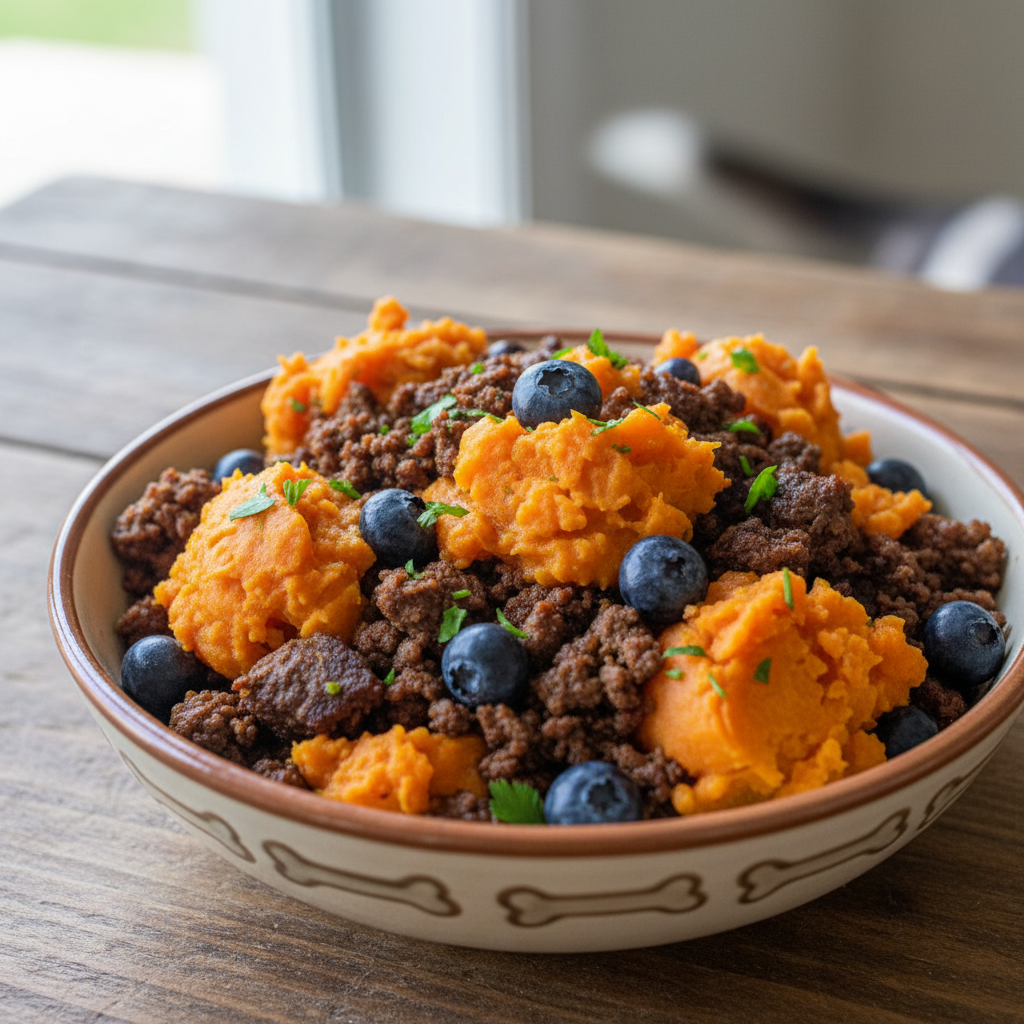
Bison is a wonderfully lean red meat that packs more iron and protein per ounce than beef, with less fat and fewer calories. This makes it a superior choice for anemic dogs, especially those needing to watch their weight. Sweet potatoes provide complex carbs for sustained energy.
Ingredients:
- 1 lb ground bison
- 1 large sweet potato, cooked and mashed
- 1/2 cup blueberries (for antioxidants)
- 1 tablespoon hemp seed oil
Instructions:
- Cook the ground bison in a skillet over medium-high heat until fully browned. Drain any fat.
- In a mixing bowl, combine the cooked bison with the mashed sweet potato.
- Gently fold in the fresh blueberries.
- Drizzle with hemp seed oil and mix gently.
- Serve once cooled.
Pros & Cons
Pros:
|
Cons:
|
Verdict: This is a premium, lean, and highly effective meal for boosting iron levels. It’s particularly good for dogs with sensitivities or those on a weight management plan.
8. Clam & Quinoa Porridge
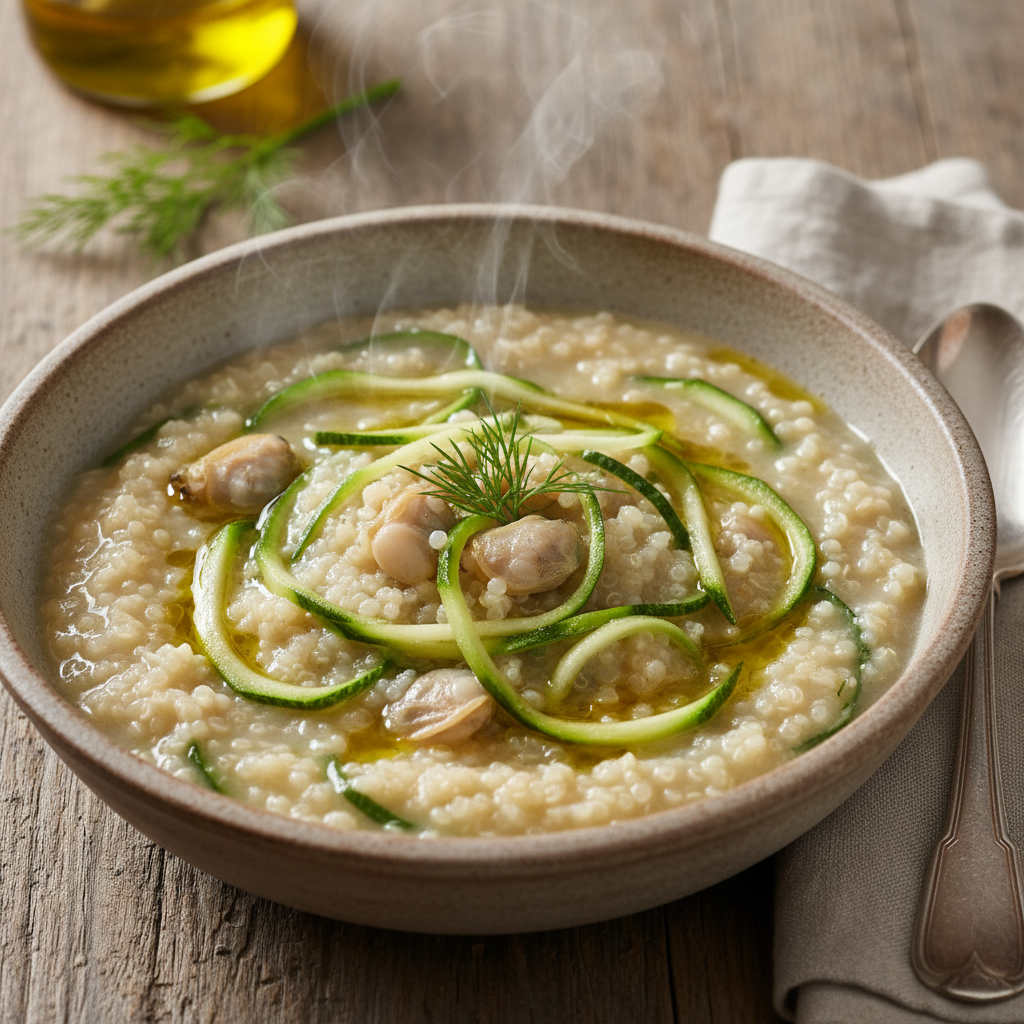
Did you know that clams are one of the most iron-rich foods on the planet? Just a few ounces can provide a significant iron boost. Canned clams are an easy and accessible way to add this superfood to your dog’s diet. This porridge is gentle and easy to digest.
Ingredients:
- 1 can (6.5 oz) chopped clams in juice, no salt added
- 1 cup cooked quinoa
- 1/4 cup finely grated zucchini
- 1 teaspoon dried kelp powder (for extra minerals)
Instructions:
- In a bowl, combine the entire can of clams with their juice, the cooked quinoa, and the grated zucchini.
- Sprinkle in the kelp powder and stir everything together until well-mixed.
- The residual heat from the quinoa will slightly warm the other ingredients.
- Serve this mild ‘porridge’ as a meal or a topper.
Pros & Cons
Pros:
|
Cons:
|
Verdict: An unconventional but incredibly potent iron source. This recipe is perfect for pet parents willing to try something new to give their dog a serious nutritional advantage.
9. Venison & Beetroot Blend

Venison (deer meat) is another lean, iron-rich red meat that serves as a fantastic novel protein. Beets contain iron and are also known to support liver health, which is crucial for processing nutrients and filtering blood. This is a powerful, earthy blend for your canine companion.
Ingredients:
- 1 lb ground venison
- 1/2 cup cooked beetroot, pureed or finely diced
- 1/2 cup cooked barley
- 1 tablespoon flaxseed oil
Instructions:
- Brown the ground venison in a skillet over medium heat. Drain excess fat.
- In a large bowl, mix the cooked venison, beetroot, and cooked barley.
- Drizzle with the flaxseed oil and stir to combine.
- The beetroot will give the entire meal a vibrant red color. Let it cool before serving.
Pros & Cons
Pros:
|
Cons:
|
Verdict: A gourmet, nutrient-dense option for dogs with allergies or for pet parents looking to provide a varied and robust diet to combat anemia.
10. Pork & Molasses Meal
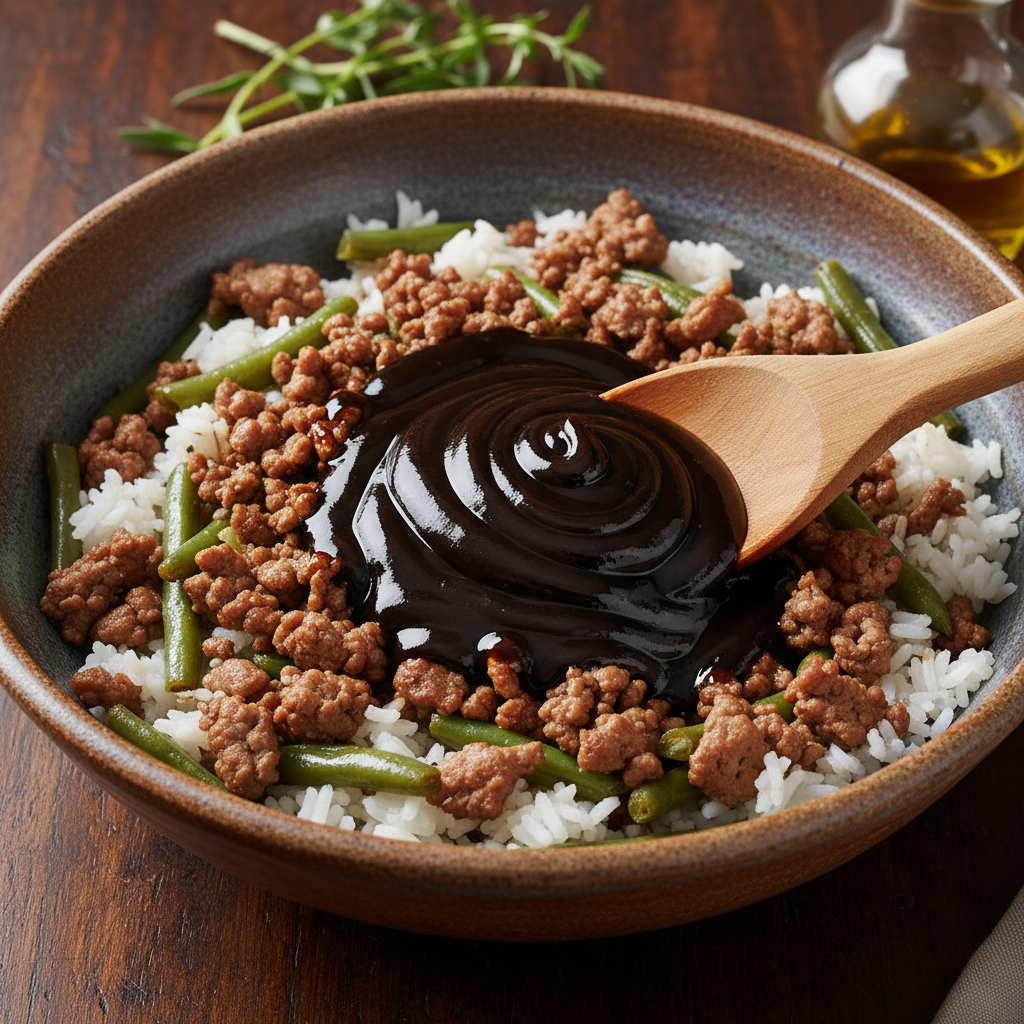
Pork is a flavorful meat that’s a good source of iron. The secret ingredient here is blackstrap molasses. Just a small amount adds a significant, easily absorbable iron boost, along with calcium and B vitamins. It’s a slightly sweet treat that works hard.
Ingredients:
- 1 lb ground pork
- 1 cup chopped green beans
- 1/2 cup cooked brown rice
- 1 teaspoon blackstrap molasses (unsulphured)
Instructions:
- Cook the ground pork in a skillet until browned. Drain the fat.
- Stir in the green beans and cook for another 3-4 minutes until they are bright green and tender-crisp.
- In a bowl, combine the pork and bean mixture with the cooked brown rice.
- Drizzle the blackstrap molasses over the top and mix thoroughly to ensure it’s evenly distributed.
- Cool completely before serving.
Pros & Cons
Pros:
|
Cons:
|
Verdict: A budget-friendly and surprisingly effective recipe thanks to the addition of blackstrap molasses. It’s a great choice for picky eaters who enjoy a hint of sweetness.
11. Mackerel & Green Pea Casserole
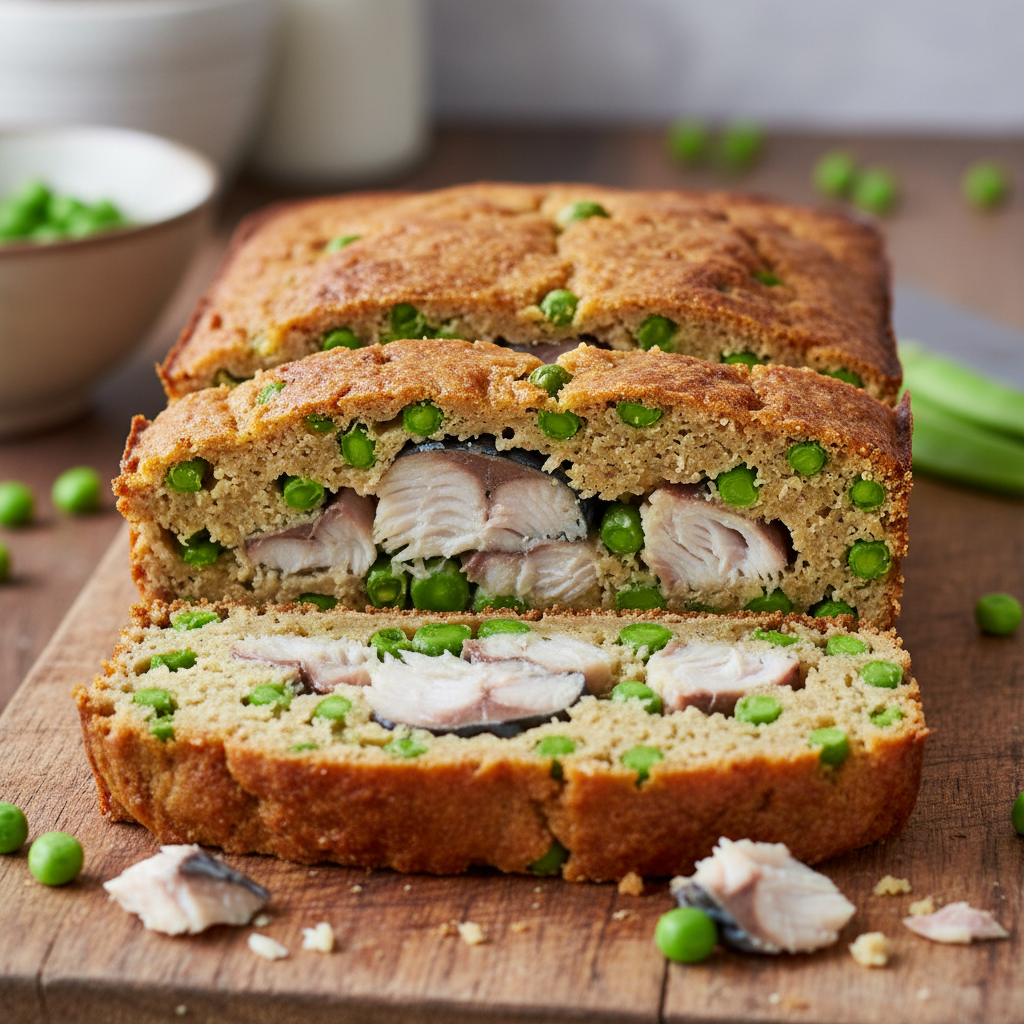
Mackerel is an oily fish, similar to sardines but larger, that is loaded with iron and anti-inflammatory omega-3 fatty acids. Paired with green peas, which provide a surprising amount of plant-based iron and fiber, this ‘casserole’ is both healthy and satisfying.
Ingredients:
- 1 can (15 oz) mackerel in water, drained
- 1 cup frozen green peas, thawed
- 1 egg, whisked
- 1/4 cup rolled oats (uncooked)
Instructions:
- Preheat your oven to 375°F (190°C).
- In a bowl, flake the mackerel with a fork.
- Add the thawed peas, whisked egg, and rolled oats. Mix until everything is well combined.
- Press the mixture into a small, greased loaf pan or a few muffin tins.
- Bake for 20-25 minutes, or until the egg is set and the top is golden brown.
- Let it cool completely, then slice or serve as ‘muffins’.
Pros & Cons
Pros:
|
Cons:
|
Verdict: A creative and convenient baked recipe that’s perfect for making ahead. The loaf or muffin format makes portion control simple and is great for dogs who prefer a firmer food texture.
12. Organ Meat Medley
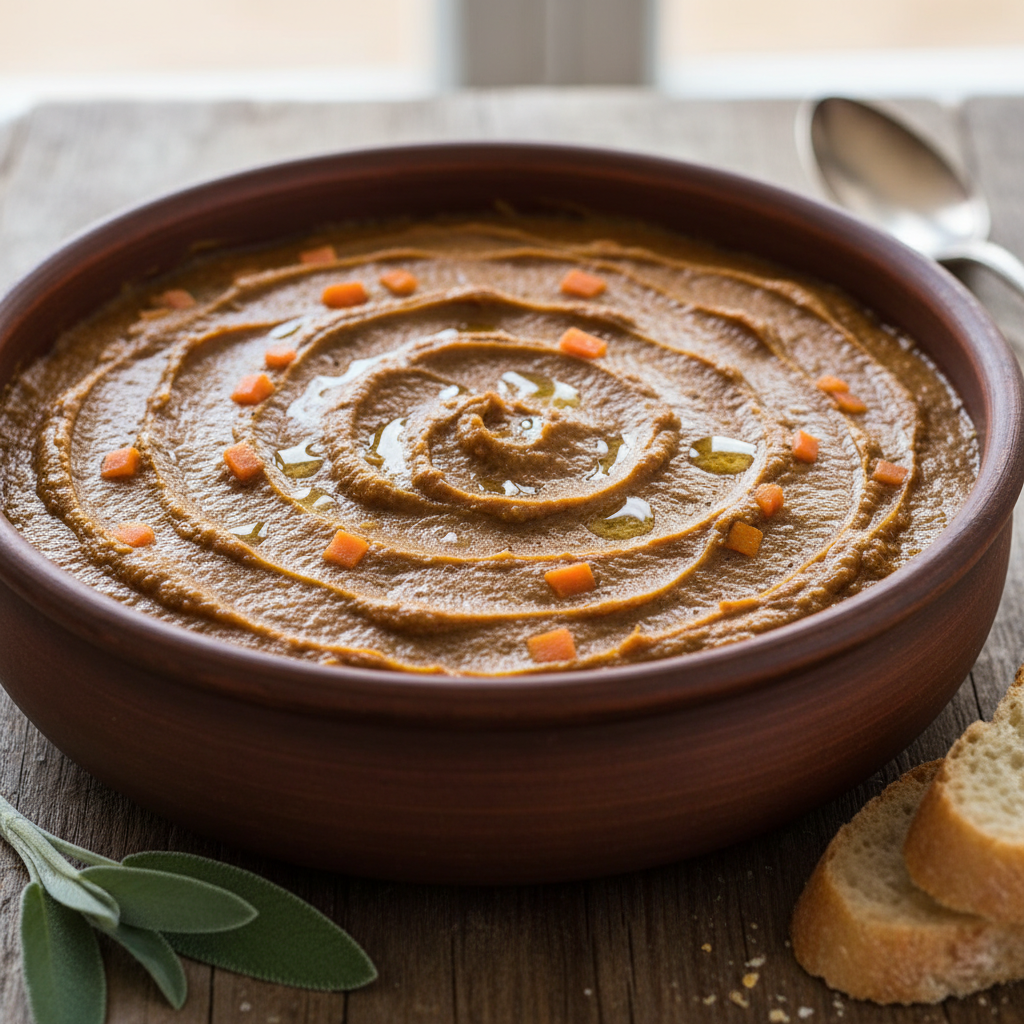
This recipe is the ultimate iron booster for the adventurous canine. It combines several types of organ meats to provide a spectrum of nutrients. Beef heart is rich in iron and CoQ10, while kidney provides vitamins A and B. It’s a dense, powerful meal.
Ingredients:
- 1/2 lb beef liver, chopped
- 1/2 lb beef heart, chopped
- 1 cup finely chopped carrots
- 1 cup pureed pumpkin
Instructions:
- In a pot, add the chopped liver and heart with just enough water to cover them.
- Bring to a simmer and cook for about 10-15 minutes, until the meats are cooked through.
- Drain the meat (you can save the broth to pour over food later).
- Allow the meat to cool, then finely chop it or pulse it in a food processor for a smoother texture.
- In a large bowl, mix the processed organ meats with the chopped carrots and pumpkin puree.
Pros & Cons
Pros:
|
Cons:
|
Verdict: This is the heavy-hitter for severe anemia cases, to be used with your vet’s guidance. It’s less of a daily meal and more of a potent supplement to be added in small amounts to your dog’s regular food.
13. Kangaroo & Red Bell Pepper Stir-fry

For a truly unique and hypoallergenic option, kangaroo meat is an outstanding choice. It’s an incredibly lean red meat that’s higher in iron than beef. Red bell peppers are included because they are one of the best sources of Vitamin C, which dramatically increases the absorption of iron from the meat.
Ingredients:
- 1 lb ground kangaroo
- 1/2 red bell pepper, finely diced
- 1/2 cup cooked millet
- 1 tablespoon coconut oil
Instructions:
- Heat the coconut oil in a skillet over medium-high heat.
- Add the ground kangaroo and cook until browned.
- Add the diced red bell pepper and sauté for 3-5 minutes until slightly softened but still vibrant.
- Remove from heat and stir in the cooked millet.
- Let it cool down before serving this exotic dish to your lucky pup.
Pros & Cons
Pros:
|
Cons:
|
Verdict: This is a top-tier, specialized recipe for dogs with extensive food allergies who need a serious iron boost. It’s a clean, simple, and highly effective meal if you can source the ingredients.
A Pet Parent’s Guide to High-Iron Ingredients
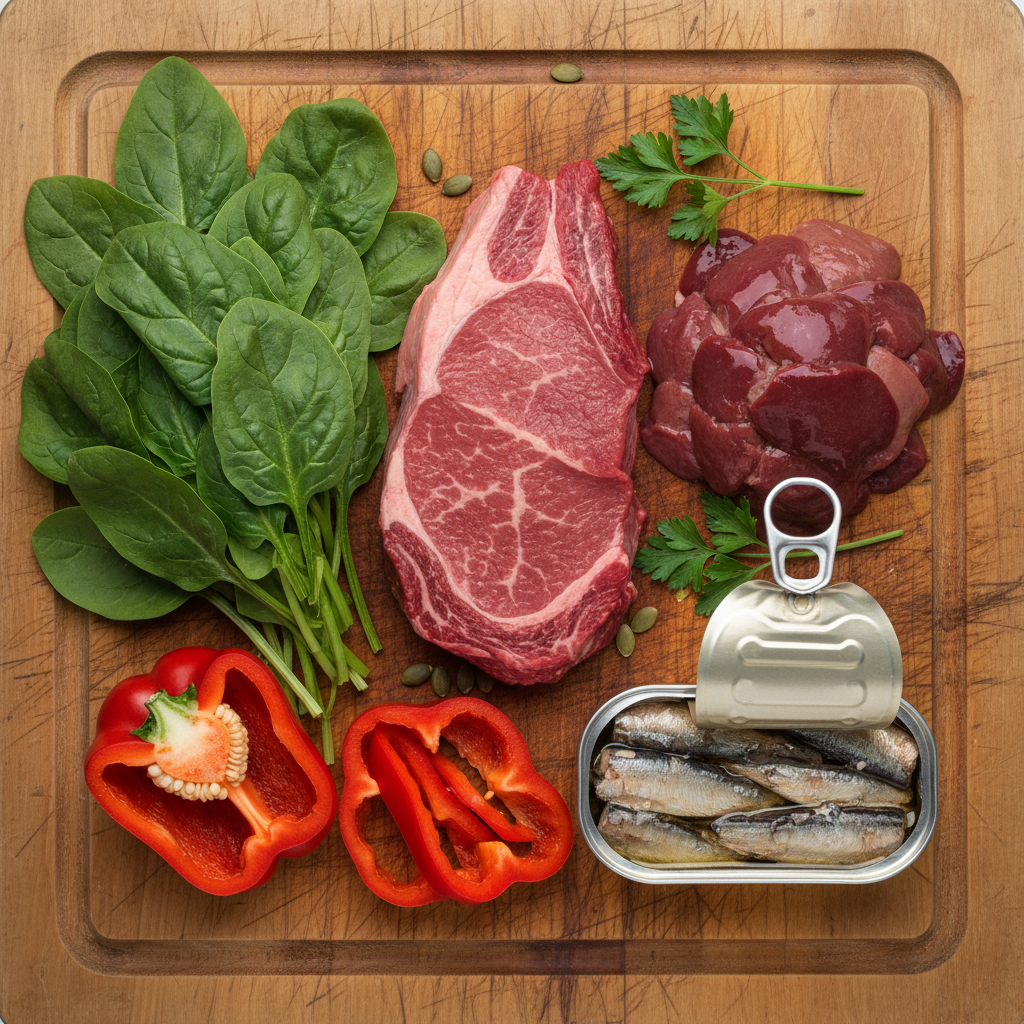
Whipping up these recipes is a great start, but understanding the ‘why’ behind the ingredients can empower you to make even better choices for your anemic pup. Here’s what to look for when building an iron-rich diet.
Heme vs. Non-Heme Iron
This is the most important concept to grasp. Iron comes in two forms:
- Heme Iron: Found in animal products like red meat, poultry, fish, and especially organ meats. This type of iron is highly bioavailable, meaning the body can absorb and use it very easily. It’s your number one weapon against anemia.
- Non-Heme Iron: Found in plant-based sources like spinach, kale, lentils, beans, and seeds. While still beneficial, this iron is not absorbed as efficiently as heme iron.
The best strategy is to build meals around a strong heme iron source and supplement it with non-heme iron sources.
The Power of Vitamin C
Vitamin C is iron’s best friend. It dramatically increases the absorption of non-heme iron. When you’re including ingredients like lentils or spinach, always try to pair them with a Vitamin C-rich food. Great dog-safe options include:
- Red bell peppers
- Broccoli
- Kale
- Parsley
- Blueberries
Top Iron-Rich Foods for Dogs
- Organ Meats: Beef liver, chicken liver, heart, and kidney are at the top of the list. They are incredibly nutrient-dense but should be fed in moderation (around 5% of the total diet) due to their richness.
- Red Meats: Beef, bison, lamb, and venison are all excellent sources of heme iron.
- Shellfish: Clams, mussels, and oysters are surprisingly packed with iron. Canned versions (in water, no salt) are an easy addition.
- Oily Fish: Sardines, mackerel, and salmon provide iron along with anti-inflammatory omega-3s.
- Poultry: Duck and turkey (especially dark meat) are good sources.
- Legumes & Veggies: Lentils, spinach, kale, and green beans offer valuable non-heme iron and other vitamins.
Always remember to cook meats thoroughly to avoid harmful bacteria, and introduce any new food slowly to monitor for digestive upset.
Frequently Asked Questions

Q: How can I tell if my dog is anemic?
A: While a definitive diagnosis must come from your vet (usually through a blood test), common signs of anemia in dogs include pale gums and eyelids, lethargy or weakness, rapid breathing, lack of appetite, and a faster-than-normal heart rate. If you notice any of these signs, a vet visit is crucial.
Q: Can I just give my dog an iron supplement instead of changing their diet?
A: You should never give your dog an iron supplement without the explicit direction of a veterinarian. Iron toxicity is a serious and dangerous condition. Vets will only recommend supplements if there is a severe deficiency, and they will prescribe a specific dosage. For most cases of mild, diet-responsive anemia, improving their food is the safest and most effective first step.
Q: How long will it take to see an improvement in my dog after starting a high-iron diet?
A: It can take several weeks to a few months to see significant improvement in your dog’s red blood cell count. You might notice an increase in their energy levels and a healthier pink color returning to their gums within a few weeks. Your vet will likely want to do follow-up blood tests to monitor their progress and ensure the diet is working effectively.
Q: Are there any foods I should avoid feeding my anemic dog?
A: Foods high in calcium can interfere with iron absorption. While calcium is essential, avoid giving calcium supplements or large amounts of dairy at the same time as an iron-rich meal. Some compounds in tea, coffee, and certain grains can also inhibit iron absorption, but these are not typically a major part of a dog’s diet anyway. The most important thing to avoid is any food toxic to dogs, such as onions, garlic, grapes, and chocolate.
Conclusion
Taking on the role of your dog’s personal chef can feel like a big responsibility, but it’s also incredibly rewarding. By preparing these fresh, iron-rich meals, you’re providing targeted nutrition that can genuinely help your anemic pup feel stronger, more energetic, and more like their happy self. From the powerhouse organ meat medleys to the simple and gentle sardine mashes, there’s a recipe here to suit every palate and every pet parent’s comfort level in the kitchen.
Remember, this journey is a partnership between you, your dog, and your veterinarian. Use these recipes as a tool, always keeping your vet in the loop to ensure your dog is getting the balanced and effective care they need. Here’s to rosy gums, wagging tails, and the wonderful power of a loving, home-cooked meal!