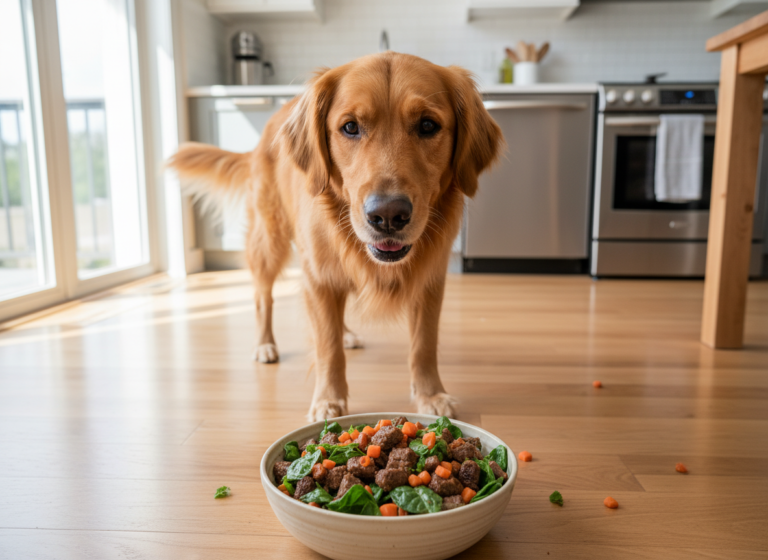

13 Yeast Free Dog Food Recipes for Itchy Paws and Skin
Hey there, fellow dog lover! Is there anything more heart-wrenching than watching your furry companion suffer from relentless itching? That constant scratching, licking, and chewing at their paws can drive both you and your pup crazy. While allergies and fleas are common culprits, there’s another sneaky suspect that often flies under the radar: yeast. A systemic yeast overgrowth, often fueled by sugary and starchy ingredients in commercial dog foods, can lead to chronic skin inflammation, ear infections, and those dreaded itchy paws.
The good news? You have the power to help right from your own kitchen! Switching to a diet free of yeast-promoting ingredients can be a total game-changer. By focusing on lean proteins, low-glycemic veggies, and healthy fats, you can help starve the yeast and restore balance to your dog’s system. We’ve compiled 13 delicious and vet-approved-in-principle (but always check with your own!) recipes that are simple to make and packed with skin-soothing nutrients. Get ready to see your dog’s tail wag with relief!
Quick Comparison of Our Top Picks
| Recipe Name | Primary Protein | Key Benefit | Best For |
|---|---|---|---|
| Salmon & Sweet Potato Surprise | Salmon | Omega-3 Rich for Skin | Dogs needing a coat boost |
| Turkey & Pumpkin Mash | Turkey | Gentle on Digestion | Dogs with sensitive stomachs |
| Beef & Broccoli Bowl | Beef | Iron-Rich & Energizing | Active or working dogs |
| Chicken & Zucchini Stir-Fry | Chicken | Lean & Low-Calorie | Weight management |
1. Salmon & Sweet Potato Surprise

This recipe is an absolute powerhouse for skin and coat health. Salmon is loaded with anti-inflammatory Omega-3 fatty acids, which are superstars at calming irritated skin. We pair it with sweet potato (in moderation), a low-glycemic carb source that’s packed with vitamins, and spinach for an extra nutrient boost.
Ingredients:
- 1 lb salmon fillet, skin removed
- 1 medium sweet potato, peeled and diced
- 2 cups fresh spinach
- 1 tablespoon coconut oil
- 1/4 cup water
Instructions:
- Cook the diced sweet potato by boiling or steaming until tender. Mash it lightly.
- While the sweet potato cooks, heat the coconut oil in a skillet over medium heat. Cook the salmon fillet for 3-4 minutes per side, until it flakes easily with a fork.
- Remove the salmon from the pan and flake it into bite-sized pieces.
- In the same pan, add the spinach and 1/4 cup of water. Cook until the spinach is wilted, about 2 minutes.
- In a large bowl, gently combine the flaked salmon, mashed sweet potato, and wilted spinach. Let it cool completely before serving.
Pros & Cons:
Pros:
|
Cons:
|
Verdict:
This is the ultimate meal for any dog suffering from dry, flaky, or inflamed skin. The high Omega-3 content provides direct relief and promotes a lustrous, healthy coat.
2. Turkey & Pumpkin Mash

If your itchy dog also has a sensitive tummy, this recipe is for you. Ground turkey is a lean, easily digestible protein, while pumpkin is famous for its ability to regulate digestion. Ginger adds a gentle, anti-inflammatory touch.
Ingredients:
- 1 lb lean ground turkey
- 1 cup pumpkin puree (100% pure pumpkin, not pie filling)
- 1 cup chopped green beans
- 1/2 cup chopped carrots
- 1 teaspoon ground ginger
- 1 tablespoon olive oil
Instructions:
- Heat olive oil in a large skillet or pot. Add the ground turkey and cook until browned, breaking it up with a spoon.
- Drain any excess fat.
- Add the chopped carrots, green beans, and ginger to the pot. Cook for 5-7 minutes until the vegetables start to soften.
- Stir in the pumpkin puree and cook for another 2 minutes until everything is heated through.
- Allow the mixture to cool to room temperature before serving.
Pros & Cons:
Pros:
|
Cons:
|
Verdict:
Perfect for dogs with both skin sensitivities and digestive issues. This bland, yet nutritious, meal is calming from the inside out.
3. Beef & Broccoli Bowl

For the active dog that needs a hearty, energizing meal, this beef and broccoli bowl delivers. Beef provides essential amino acids and iron, while broccoli offers fiber and vitamin C. We’re using coconut oil here for its antifungal properties, which directly combat yeast.
Ingredients:
- 1 lb ground beef (90% lean)
- 1 cup broccoli florets, chopped small
- 1/2 cup blueberries (a low-sugar fruit)
- 1 tablespoon coconut oil, melted
- A pinch of dried parsley
Instructions:
- In a skillet, cook the ground beef over medium heat until fully browned. Drain off the fat.
- While the beef is cooking, steam or lightly boil the broccoli florets until tender-crisp. Avoid overcooking to retain nutrients.
- In a large mixing bowl, combine the cooked beef, steamed broccoli, and fresh blueberries.
- Drizzle the melted coconut oil and sprinkle the parsley over the mixture. Stir to combine.
- Serve once cooled to a safe temperature.
Pros & Cons:
Pros:
|
Cons:
|
Verdict:
An excellent choice for active dogs without beef sensitivities. The combination of high protein and antifungal coconut oil makes it a great yeast-fighting meal.
4. Chicken & Zucchini Stir-Fry

This light and lean recipe is fantastic for dogs who need to watch their weight. Chicken is a classic lean protein, and zucchini is a low-calorie, hydrating vegetable. The addition of apple cider vinegar can help balance the body’s pH, creating a less hospitable environment for yeast.
Ingredients:
- 1 lb boneless, skinless chicken breast, cubed
- 1 medium zucchini, chopped
- 1/2 red bell pepper, chopped
- 1 tablespoon olive oil
- 1 teaspoon apple cider vinegar (with ‘the mother’)
Instructions:
- Heat the olive oil in a large skillet. Add the cubed chicken and cook until it’s no longer pink inside.
- Add the chopped zucchini and red bell pepper to the skillet. Sauté for 5-8 minutes, until the vegetables are tender.
- Remove the skillet from the heat. Drizzle the apple cider vinegar over the mixture and stir to combine.
- Let the stir-fry cool down completely before serving to your pup.
Pros & Cons:
Pros:
|
Cons:
|
Verdict:
Ideal for overweight dogs or those on a calorie-controlled diet. The ingredients are simple, lean, and specifically chosen to help combat yeast overgrowth.
5. Sardine & Kale Scramble
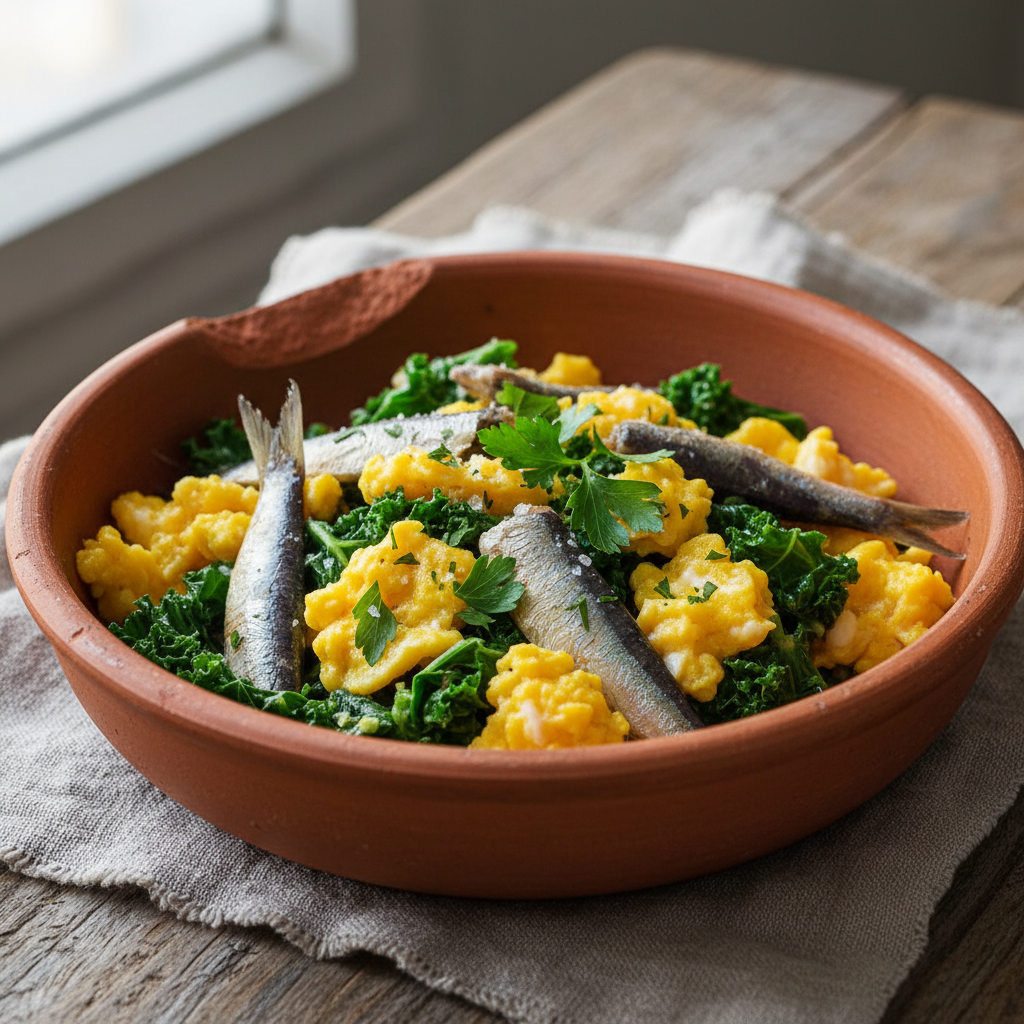
Don’t turn your nose up at this one! Sardines are one of nature’s best sources of Omega-3s, and they’re also sustainable and low in mercury. Paired with nutrient-dense kale and protein-packed eggs, this scramble is a nutritional bomb for your dog’s skin.
Ingredients:
- 1 can (3.75 oz) sardines packed in water, no salt added
- 2 large eggs
- 1 cup chopped kale, stems removed
- 1 teaspoon coconut oil
Instructions:
- Heat coconut oil in a non-stick skillet over medium heat. Add the chopped kale and sauté until it begins to wilt.
- Crack the eggs into the skillet with the kale. Scramble them with a spatula until cooked through.
- Remove from heat. Mash the sardines (including the soft bones for calcium!) and fold them into the egg and kale mixture.
- Serve this ‘stinky but delicious’ meal once it has cooled.
Pros & Cons:
Pros:
|
Cons:
|
Verdict:
A fantastic meal topper or occasional meal for a powerful anti-inflammatory boost. It’s especially good for small dogs where a whole can of sardines provides a significant dose of goodness.
6. Lamb & Asparagus Stew
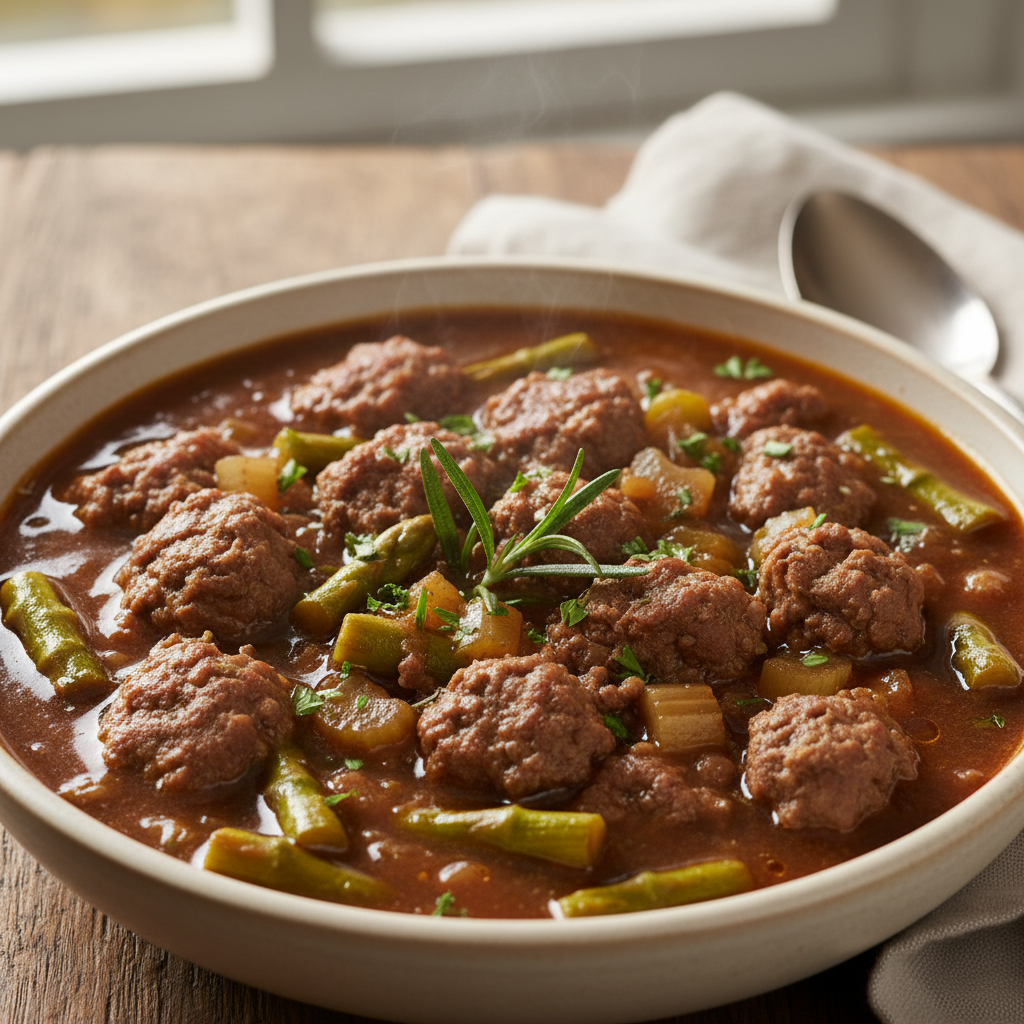
Lamb is a novel protein for many dogs, making it a great option if you suspect your pup has sensitivities to more common proteins like chicken or beef. Asparagus provides prebiotic fiber, which helps feed the good bacteria in the gut, crowding out yeast.
Ingredients:
- 1 lb ground lamb
- 1 cup chopped asparagus
- 1/2 cup chopped celery
- 2 cups bone broth (no onion or garlic)
- 1 tablespoon fresh rosemary, chopped
Instructions:
- In a large pot, brown the ground lamb over medium heat. Drain the excess fat.
- Add the chopped asparagus, celery, rosemary, and bone broth to the pot.
- Bring the mixture to a boil, then reduce the heat, cover, and let it simmer for 20 minutes, or until the vegetables are tender.
- Remove from heat and let the stew cool completely. You can shred the lamb further if desired.
Pros & Cons:
Pros:
|
Cons:
|
Verdict:
This is a wonderful choice for dogs with suspected food allergies contributing to their yeast issues. It’s a gut-soothing, hearty meal that feels like a special treat.
7. Duck & Green Bean Delight

Here’s another fantastic novel protein option. Duck is rich in flavor and iron, and many dogs find it irresistible. Green beans are a simple, low-calorie source of fiber and vitamins that won’t feed yeast. A hint of turmeric adds powerful anti-inflammatory properties.
Ingredients:
- 1 lb ground duck
- 2 cups fresh green beans, trimmed and chopped
- 1/4 cup cranberries (unsweetened)
- 1/2 teaspoon turmeric
- 1 tablespoon flaxseed oil
Instructions:
- Cook the ground duck in a skillet over medium heat until browned. Duck releases a lot of fat, so be sure to drain it thoroughly.
- While the duck cooks, steam or boil the green beans until tender.
- In a mixing bowl, combine the cooked duck, green beans, and unsweetened cranberries.
- Sprinkle with turmeric and drizzle with flaxseed oil (a great source of Omega-3s).
- Mix well and serve once cool.
Pros & Cons:
Pros:
|
Cons:
|
Verdict:
A gourmet, allergy-friendly meal for the discerning pup. It’s perfect for owners who want to provide a varied diet and harness the natural anti-inflammatory power of turmeric.
8. Bison & Bell Pepper Medley
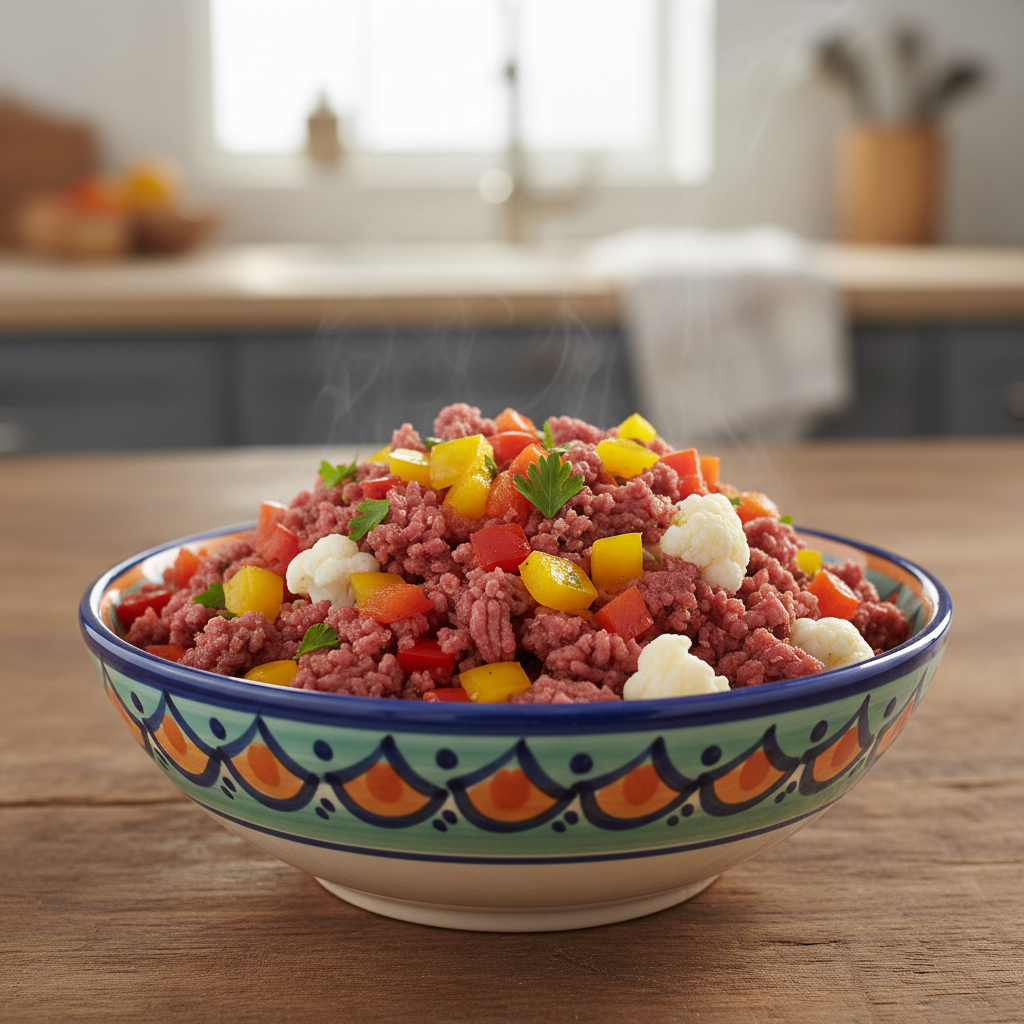
Bison is a wonderfully lean red meat alternative that’s lower in fat and cholesterol than beef. It’s paired here with colorful bell peppers, which are packed with antioxidants and Vitamin C to support a healthy immune system—a key part of keeping yeast in check.
Ingredients:
- 1 lb ground bison
- 1 cup mixed bell peppers (red, yellow, orange), chopped
- 1 cup chopped cauliflower
- 1 tablespoon hemp seed oil
- A pinch of oregano
Instructions:
- In a skillet, cook the ground bison until browned. It’s very lean, so there will be little fat to drain.
- Add the chopped bell peppers and cauliflower to the skillet. Cook for about 7-10 minutes, until the vegetables are softened. You can add a splash of water to help them steam.
- Remove from the heat and transfer to a bowl.
- Stir in the hemp seed oil and oregano. Let it cool before serving.
Pros & Cons:
Pros:
|
Cons:
|
Verdict:
An excellent, lean, and nutrient-dense meal for dogs who might be sensitive to beef but enjoy red meat. It’s a great immune-boosting recipe.
9. Rabbit & Carrot Puree

Rabbit is the ultimate novel protein, as it’s very rarely associated with allergies in dogs. This makes it an ideal choice for an elimination diet. This recipe is a simple puree, making it incredibly easy for dogs of all ages—from puppies to seniors—to eat and digest.
Ingredients:
- 1 lb ground rabbit
- 2 cups carrots, chopped
- 1 cup bone broth
- 1 tablespoon fresh parsley, chopped
Instructions:
- In a pot, combine the ground rabbit, carrots, and bone broth.
- Bring to a simmer and cook for about 15-20 minutes, until the rabbit is cooked through and the carrots are very tender.
- Carefully transfer the mixture to a blender or use an immersion blender. Blend until you reach a smooth, puree-like consistency.
- Stir in the fresh parsley.
- Allow it to cool significantly before serving. This can be served as a full meal or as a topper.
Pros & Cons:
Pros:
|
Cons:
|
Verdict:
The go-to recipe for dogs with severe allergies and sensitivities. Its limited-ingredient profile and easy-to-digest nature make it perfect for getting to the bottom of food-related issues.
10. Cod & Spinach Patties
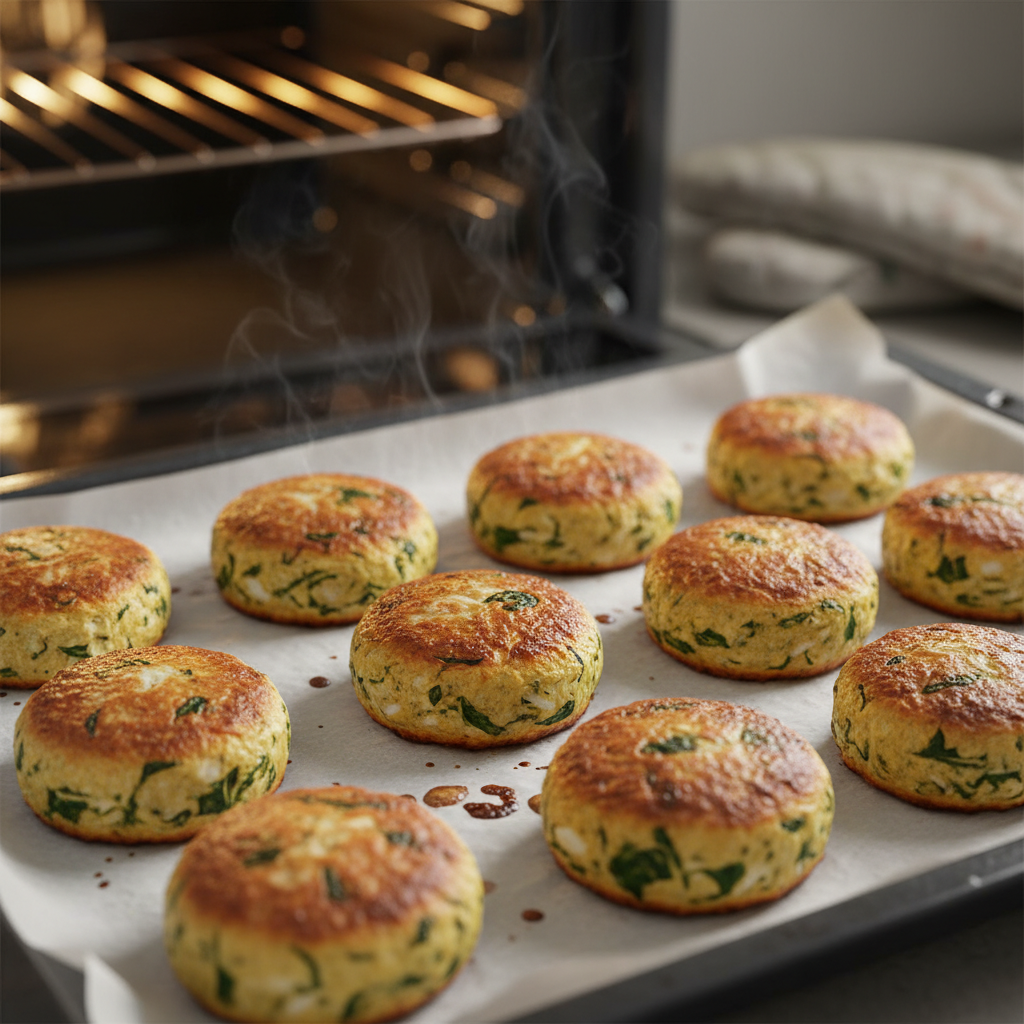
Whitefish like cod is a fantastic lean protein that’s also a good source of Omega-3s. These easy-to-make patties are great for meal prep. You can make a big batch and store them in the fridge or freezer. The egg acts as a binder, and spinach adds a dose of iron and vitamins.
Ingredients:
- 1 lb cod fillets, uncooked
- 1 large egg
- 1 cup fresh spinach, finely chopped
- 1/4 cup unsweetened coconut flakes (binder)
Instructions:
- Preheat your oven to 375°F (190°C) and line a baking sheet with parchment paper.
- In a food processor, pulse the cod fillets until they are roughly ground.
- Transfer the ground cod to a mixing bowl. Add the egg, finely chopped spinach, and coconut flakes. Mix until well combined.
- Form the mixture into small patties, about 2-3 inches in diameter, and place them on the prepared baking sheet.
- Bake for 15-20 minutes, or until the patties are firm and cooked through.
- Let them cool completely before serving.
Pros & Cons:
Pros:
|
Cons:
|
Verdict:
Perfect for the busy pet owner who wants the benefits of a homemade diet without daily cooking. These patties are a convenient and healthy option.
11. Pork & Cauliflower Rice

Pork is a flavorful protein that many dogs love. In this recipe, we’re using it as a base for a ‘rice’ bowl, but instead of starchy, yeast-feeding rice, we’re using finely chopped cauliflower. It’s a clever way to provide bulk and nutrients without the carbs.
Ingredients:
- 1 lb ground pork
- 2 cups cauliflower florets, ‘riced’ in a food processor
- 1 cup chopped kale
- 1 tablespoon olive oil
- 1/4 teaspoon dried sage
Instructions:
- Heat the olive oil in a large skillet. Add the ground pork and cook until browned, breaking it apart. Drain any excess fat.
- Add the riced cauliflower and chopped kale to the skillet with the pork.
- Cook, stirring frequently, for about 5-7 minutes, until the cauliflower is tender and the kale is wilted.
- Sprinkle with sage and stir to combine.
- Serve warm after it has cooled to a safe temperature.
Pros & Cons:
Pros:
|
Cons:
|
Verdict:
A fantastic grain-free, low-carb meal for dogs who enjoy a heartier texture. It mimics a classic ‘meat and rice’ dish in a much healthier, yeast-unfriendly way.
12. Venison & Brussels Sprout Hash
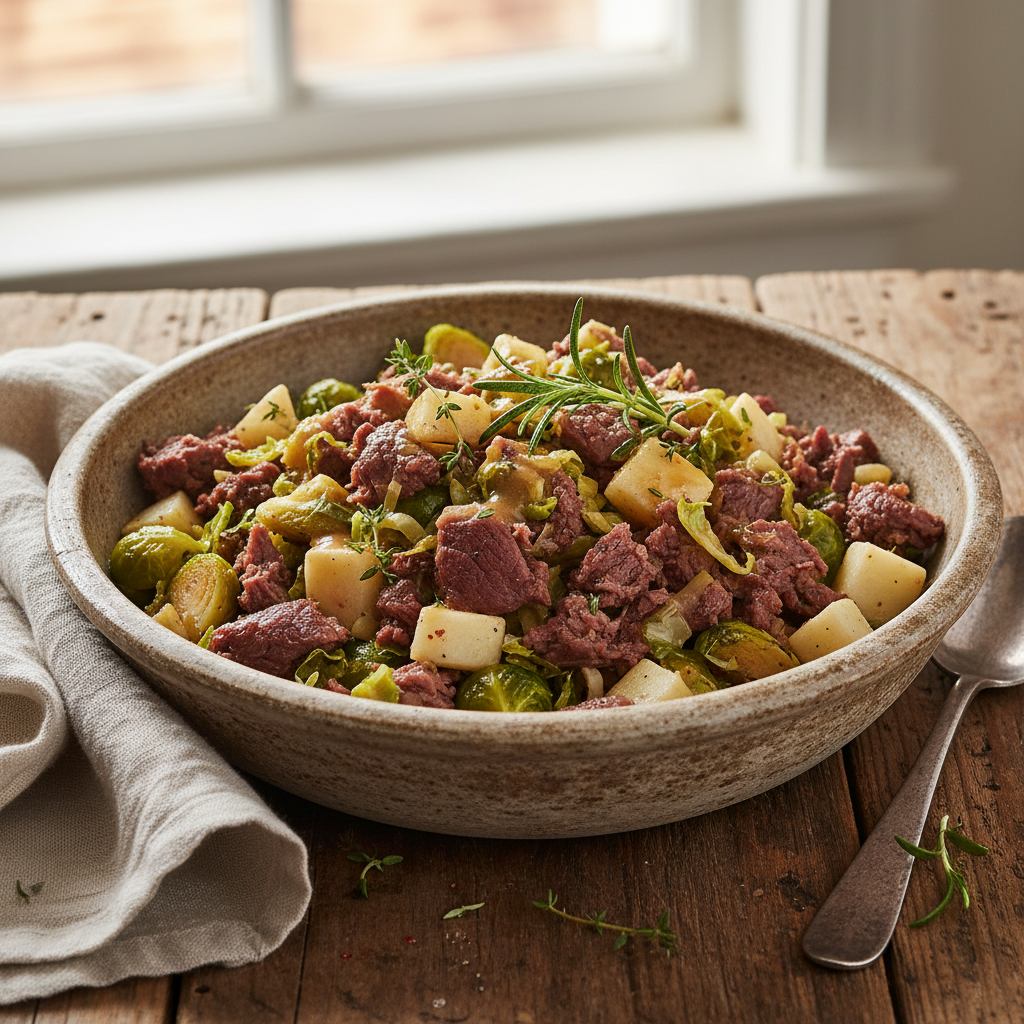
For the truly adventurous pup, venison (deer meat) is an extremely lean and nutrient-rich novel protein. Brussels sprouts are little green powerhouses, packed with antioxidants and fiber. This hash is a unique and healthy meal for any dog, especially those with multiple food sensitivities.
Ingredients:
- 1 lb ground venison
- 1 cup Brussels sprouts, trimmed and shredded
- 1/2 cup chopped parsnips
- 1 tablespoon coconut oil
- A pinch of thyme
Instructions:
- Heat coconut oil in a skillet. Add the ground venison and cook until browned.
- Add the shredded Brussels sprouts and chopped parsnips to the skillet.
- Cook for 8-10 minutes, stirring occasionally, until the vegetables are tender.
- Sprinkle with thyme and mix everything together.
- Let it cool before serving this wild feast.
Pros & Cons:
Pros:
|
Cons:
|
Verdict:
The ultimate elimination diet recipe for dogs who have reacted to almost everything else. It’s a clean, lean, and highly nutritious meal that’s about as far from yeast-feeding ingredients as you can get.
13. Quail & Butternut Squash Bake
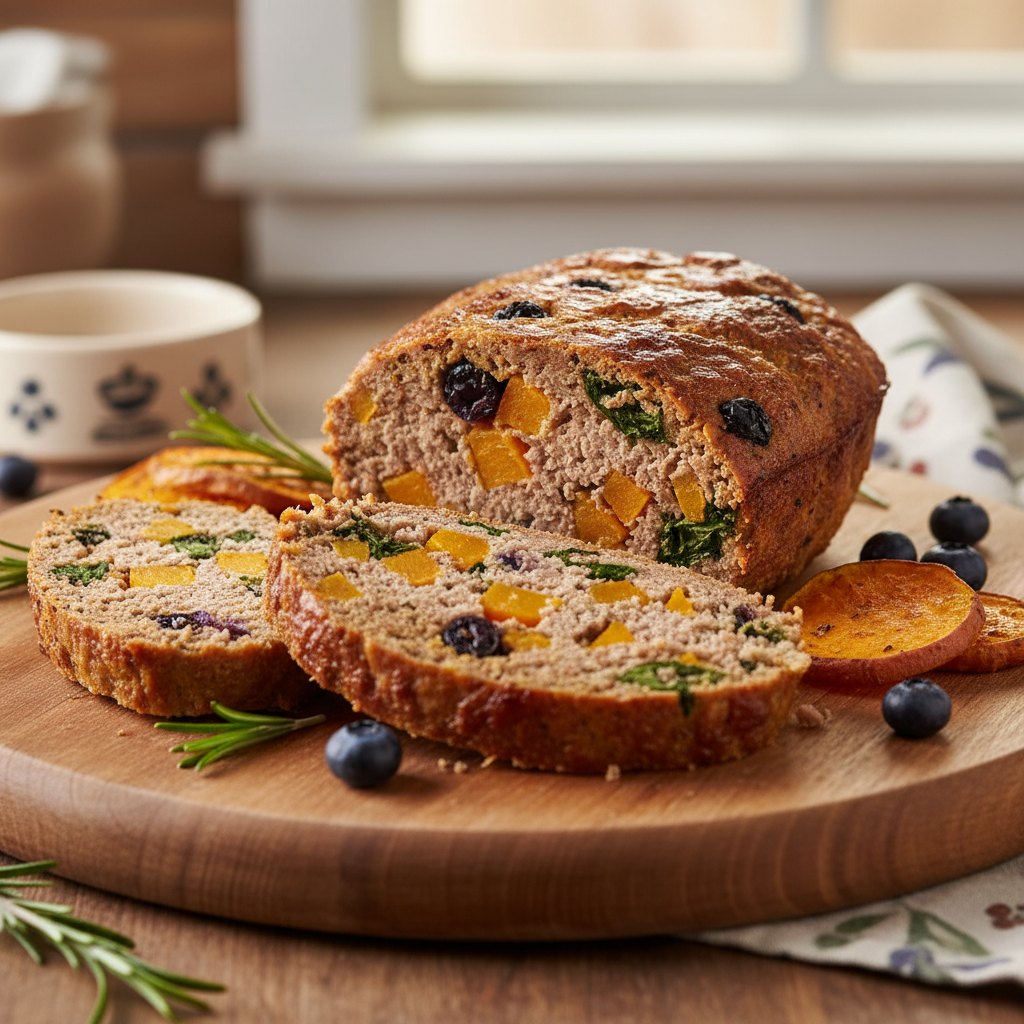
Quail is a small bird that offers another novel protein source, and it’s particularly good for smaller dogs. Butternut squash is a low-glycemic vegetable that provides vitamins A and C. This simple bake is easy to portion and serve.
Ingredients:
- 1 lb ground quail (or whole quail, deboned and ground)
- 1 cup cooked butternut squash, mashed
- 1/2 cup chopped spinach
- 1 egg, lightly beaten
Instructions:
- Preheat your oven to 350°F (175°C). Lightly grease a small loaf pan or muffin tin.
- In a bowl, combine the ground quail, mashed butternut squash, chopped spinach, and beaten egg. Mix thoroughly.
- Press the mixture into your prepared pan.
- Bake for 25-30 minutes for a loaf pan, or 15-20 minutes for muffins, until cooked through.
- Let the bake cool completely before slicing and serving.
Pros & Cons:
Pros:
|
Cons:
|
Verdict:
A wonderful, easy-to-serve recipe for dogs with allergies, especially smaller breeds. The muffin tin option is perfect for creating pre-portioned meals for the week.
Your Guide to Crafting the Perfect Yeast-Free Dog Diet

Switching to a homemade diet can feel daunting, but it’s all about knowing which ingredients to embrace and which to avoid. Think of yourself as your dog’s personal chef on a mission to fight yeast! Here’s what you need to know.
What to Include: The Yeast-Fighting All-Stars
- Lean Proteins: Chicken, turkey, beef, salmon, cod, lamb, and novel proteins like duck or bison should be the star of the meal.
- Low-Glycemic Vegetables: Focus on leafy greens (spinach, kale), broccoli, cauliflower, green beans, zucchini, and bell peppers. These provide nutrients without the sugar rush that feeds yeast.
- Healthy Fats: Coconut oil is a must-have for its antifungal properties (specifically caprylic acid). Omega-3-rich oils like salmon oil, flaxseed oil, or hemp seed oil are fantastic for reducing inflammation.
- Low-Sugar Fruits (in moderation): Berries like blueberries and cranberries are packed with antioxidants and are low in sugar, making them a safe treat.
- Helpful Herbs & Spices: Parsley, ginger, and turmeric all have beneficial properties, from freshening breath to reducing inflammation.
What to Avoid: The Yeast-Feast Ingredients
- Sugars: This is the number one fuel for yeast. Avoid honey, molasses, and sugary fruits like bananas or mangoes.
- Starchy Vegetables: White potatoes, corn, and peas are high in starch, which the body converts to sugar. Opt for sweet potatoes or butternut squash in strict moderation.
- Grains: All grains, including ‘healthy’ ones like oats, quinoa, and brown rice, are carbohydrates that can feed a yeast overgrowth. A truly yeast-free diet is a grain-free one.
- Dairy: Many dogs are lactose intolerant, and the sugars in dairy (lactose) can contribute to the problem.
Transitioning Your Dog Safely
Never switch your dog’s food cold turkey! This can cause major digestive upset. Start by mixing a small amount of the new homemade food (about 25%) with their old food (75%). Over the course of 7-10 days, gradually increase the amount of new food while decreasing the old food until you’ve fully transitioned. Keep an eye on their stool for any signs of distress.
Most Importantly: Always consult with your veterinarian or a veterinary nutritionist before making any significant changes to your dog’s diet. They can help you ensure the recipes are balanced and meet all of your dog’s specific nutritional needs.
Frequently Asked Questions About Yeast-Free Diets

1. Can’t I just buy yeast-free kibble?
While some commercial foods are marketed as ‘limited ingredient’ or ‘grain-free,’ it’s very difficult to find a kibble that is truly free of starches and sugars. The high-heat extrusion process used to make kibble requires binders, which are almost always starchy ingredients like potatoes, peas, or tapioca. A homemade or fresh food diet gives you complete control over every single ingredient, ensuring it’s truly yeast-unfriendly.
2. How long will it take to see results from a yeast-free diet?
Patience is key! It took time for the yeast overgrowth to develop, and it will take time to resolve. You may start to see a reduction in itching and inflammation within a few weeks, but it can take 2-3 months to see the full benefits as your dog’s system rebalances and their skin and coat heal. Consistency is the most important factor.
3. Is a grain-free diet the same as a yeast-free diet?
Not necessarily. While a yeast-free diet is always grain-free, a grain-free diet is not always yeast-free. Many grain-free commercial foods simply replace grains with other high-starch ingredients like potatoes, lentils, and chickpeas, which still break down into sugar and can feed yeast. A true yeast-free diet is low in all forms of starch and sugar, not just grains.
4. Do I need to add supplements to these recipes?
For long-term feeding, yes. Homemade diets, while full of fresh nutrients, can lack certain essential vitamins and minerals found in fortified commercial foods. It’s crucial to work with your vet or a veterinary nutritionist to add a good quality canine multivitamin and a calcium source to ensure the diet is complete and balanced for your dog’s life stage.
Conclusion
Taking control of your dog’s diet is one of the most empowering things you can do as a pet owner. While it requires a bit more effort than scooping kibble, the potential reward—a happy, comfortable, and itch-free dog—is worth every minute spent in the kitchen. These 13 recipes offer a fantastic starting point for providing your pup with a delicious, whole-food diet designed to starve yeast and soothe their skin from the inside out.
Remember to introduce any new food slowly and always keep the lines of communication open with your veterinarian. They are your partner in ensuring your dog’s health and happiness. Here’s to fewer scratches, healthier skin, and many more happy, tail-wagging years with your best friend!