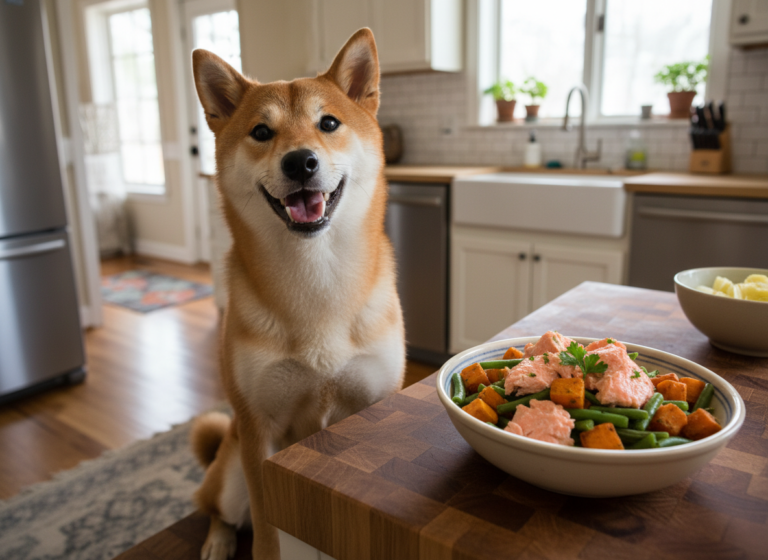
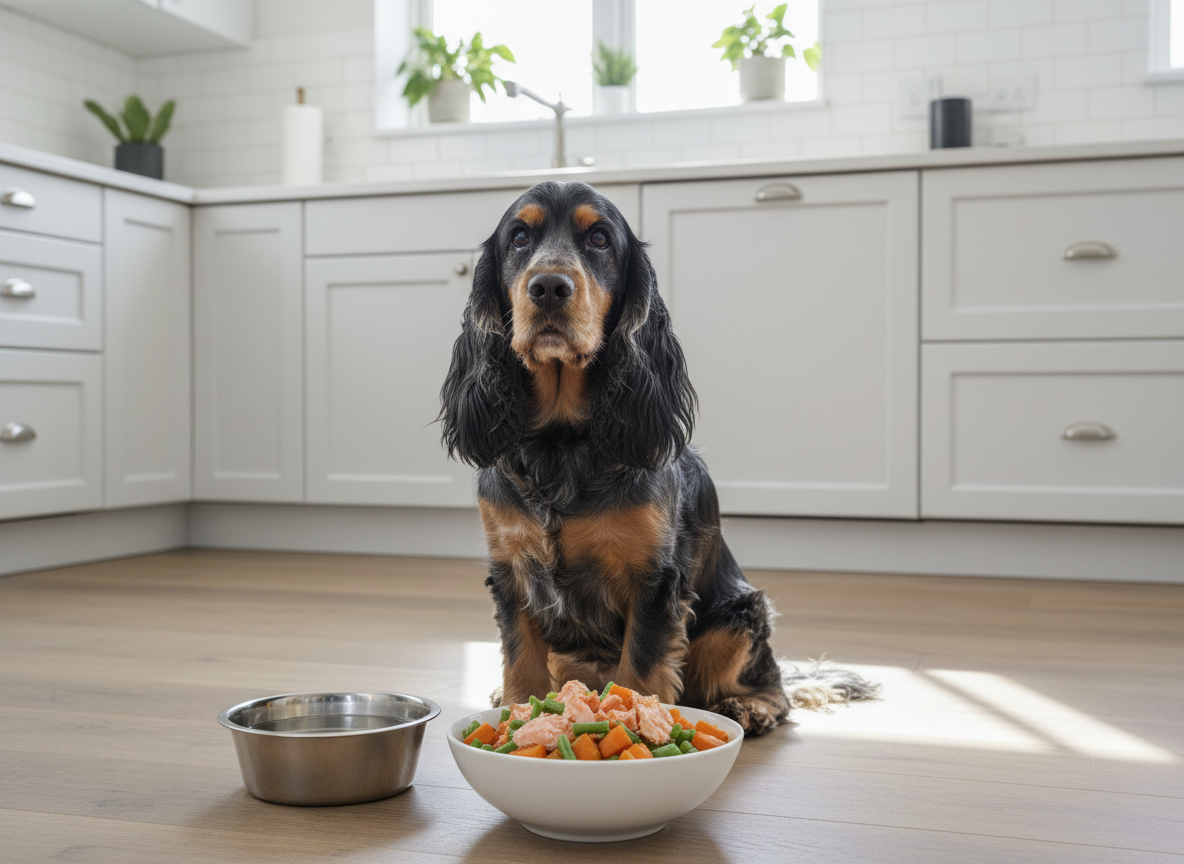
7 Ear-Health Promoting Homemade Food for Cocker Spaniels
There’s nothing quite like the soulful eyes and velvety, floppy ears of a Cocker Spaniel. They are the picture of canine elegance and charm. But as any seasoned Cocker parent knows, those beautiful ears can be a source of constant worry. Their structure, while adorable, creates a warm, moist environment that can be a breeding ground for yeast and bacteria, leading to painful and recurring ear infections.
While regular cleaning and vet check-ups are non-negotiable, did you know that what’s in your dog’s bowl can play a massive role in their ear health? Many chronic ear issues are linked to underlying inflammation and food sensitivities. By taking control of their diet with wholesome, homemade food, you can provide targeted nutrients that fight inflammation, support a healthy immune system, and reduce the likelihood of flare-ups. Ready to turn your kitchen into your pup’s favorite health-food cafe? Let’s dive in!
Quick Comparison of Our Ear-Healthy Recipes
| Recipe Name | Key Ear-Health Ingredients | Best For |
|---|---|---|
| Salmon & Sweet Potato Mash | Omega-3s, Beta-Carotene | Maximum anti-inflammatory power |
| Turkey & Cranberry Delight | Lean Protein, Proanthocyanidins | Dogs needing a low-fat diet |
| Chicken & Quinoa with Greens | Lean Protein, Antioxidants | An all-around balanced, nutrient-dense meal |
| Beef & Blueberry Bowl | Iron, Antioxidants (Anthocyanins) | Active dogs needing an antioxidant boost |
| Sardine & Pumpkin Power-Up | Omega-3s, Prebiotic Fiber | Supporting both gut and skin health |
| Lamb & Rosemary Stew | Novel Protein, Antimicrobial Herbs | Dogs with suspected poultry or beef sensitivities |
| Coconut & Veggie Stir-fry | Lauric Acid, Phytonutrients | Pups prone to yeast-related ear issues |
1. Salmon & Sweet Potato Mash
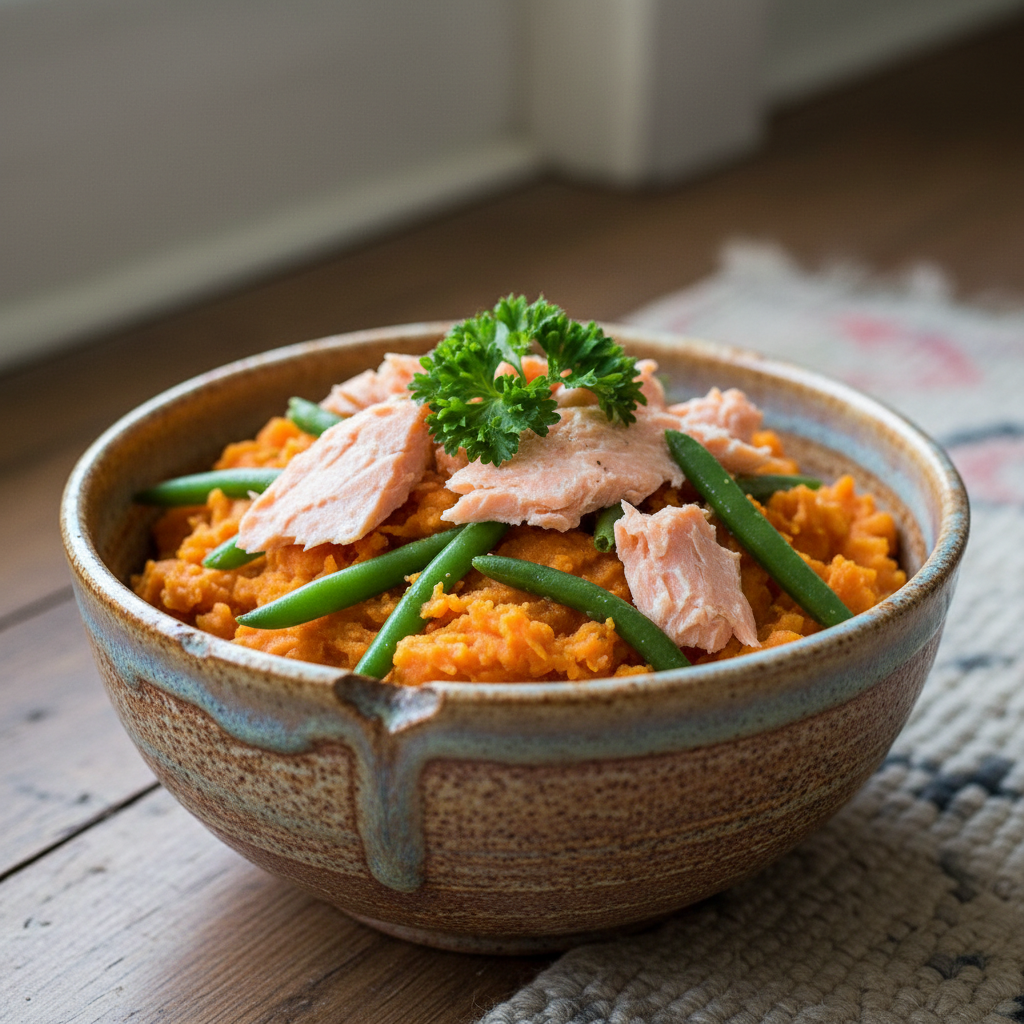
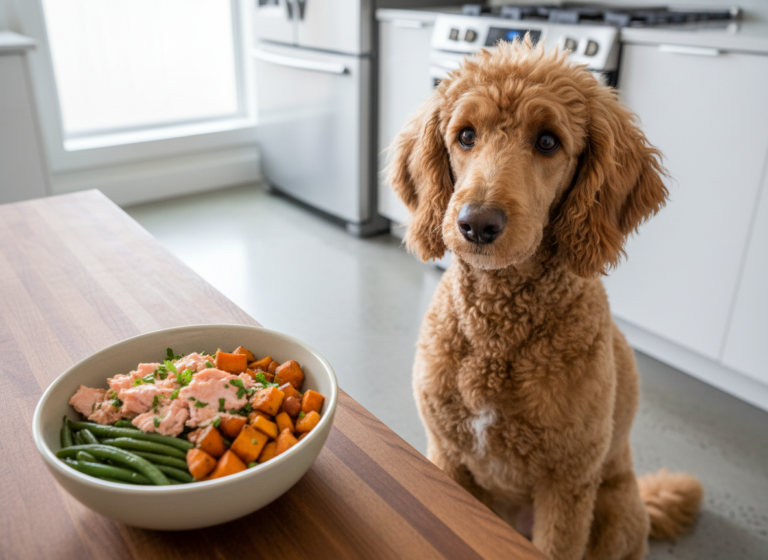
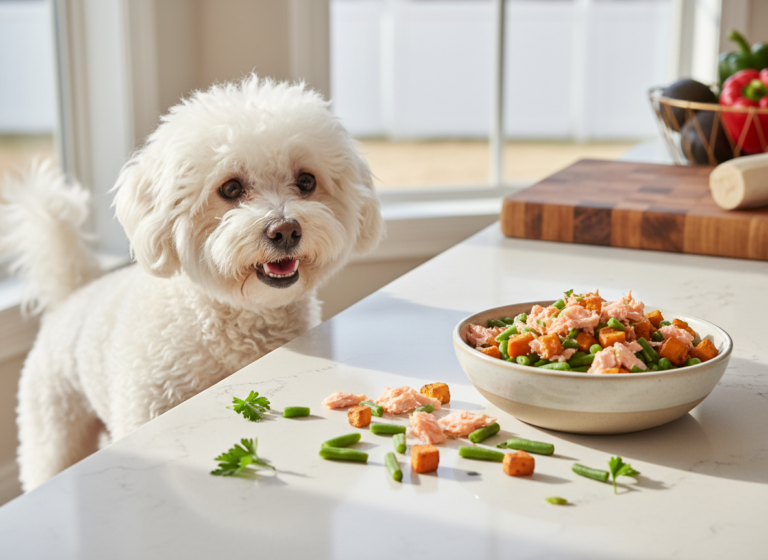
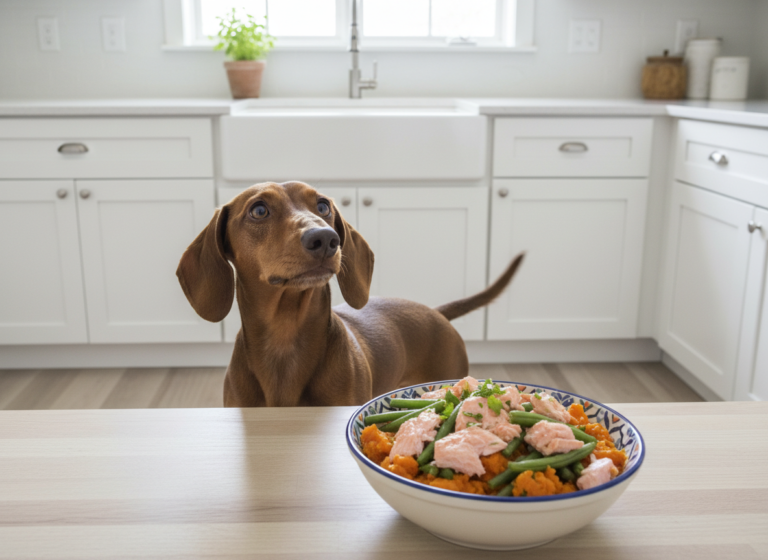
This recipe is the heavyweight champion of anti-inflammatory meals. Salmon is packed with Omega-3 fatty acids (EPA and DHA), which are scientifically proven to help reduce inflammation throughout the body—including in those sensitive ear canals. Sweet potatoes are a fantastic source of beta-carotene, an antioxidant that supports the immune system, and fiber for healthy digestion.
Ingredients:
- 6 ounces boneless, skinless salmon fillet
- 1 medium sweet potato, peeled and cubed
- 1/2 cup green beans, trimmed and chopped
- 1 teaspoon flaxseed oil or fish oil
- 1/4 cup water or unsalted bone broth
Instructions:
- Place the cubed sweet potato in a pot with water and bring to a boil. Cook for about 15-20 minutes, or until fork-tender. Drain and set aside.
- While the sweet potato is cooking, you can bake or poach the salmon. To bake, place it on a piece of parchment paper and cook at 400°F (200°C) for 12-15 minutes until it flakes easily. To poach, gently simmer it in water for about 10 minutes.
- Steam or lightly boil the green beans until they are tender-crisp, about 5-7 minutes.
- In a large bowl, mash the cooked sweet potato. Flake the cooked salmon into the bowl, add the cooked green beans, and drizzle with the flaxseed or fish oil.
- Add a little water or bone broth to reach a desired consistency. Mix everything together well and let it cool completely before serving.
Pros & Cons
| Pros | Cons |
|---|---|
| Extremely high in anti-inflammatory Omega-3s. | Fresh salmon can be more expensive than other proteins. |
| Great for both skin and coat health. | Some dogs may be sensitive to rich, oily fish. |
| Sweet potato is a gentle, complex carbohydrate. | Has a strong fishy smell (which your dog will love!). |
The Verdict
This is the ultimate meal for a Cocker Spaniel in the midst of an inflammatory flare-up or for long-term prevention. If your primary goal is to tackle inflammation head-on, this recipe is your go-to.
2. Turkey & Cranberry Delight

Think Thanksgiving dinner, but make it for your pup’s ears! Ground turkey is a wonderful lean protein that’s less likely to cause sensitivities than chicken or beef for some dogs. The star here, though, is the cranberry. These little red berries are known for their urinary tract benefits, but they also contain compounds called proanthocyanidins, which can help prevent bacteria from adhering to cell walls, and they offer a nice antioxidant punch.
Ingredients:
- 1 pound ground turkey
- 1/2 cup cooked brown rice or oatmeal
- 1/4 cup plain, unsweetened cranberries (fresh or frozen, not dried)
- 1/2 cup chopped carrots
- 1 tablespoon chopped fresh parsley
Instructions:
- In a large skillet, cook the ground turkey over medium heat until browned. Drain off any excess fat.
- While the turkey is cooking, boil the carrots until tender.
- In a large bowl, combine the cooked turkey, cooked brown rice or oatmeal, boiled carrots, cranberries, and fresh parsley.
- Mash the cranberries slightly to release their juices.
- Mix everything thoroughly and allow it to cool to room temperature before serving.
Pros & Cons
| Pros | Cons |
|---|---|
| Turkey is a lean, easily digestible protein. | Cranberries can be tart, so some picky eaters might object. |
| Cranberries provide unique antioxidant benefits. | Ensure cranberries are unsweetened, as added sugar is bad for yeast. |
| Low in fat, making it suitable for dogs needing weight management. | Brown rice, while healthy, can be an allergen for a small number of dogs. |
The Verdict
This is a fantastic option for dogs who need a leaner diet or those who might have sensitivities to richer proteins. It’s a great, balanced meal that offers a different kind of antioxidant support than berry-based recipes.
3. Chicken & Quinoa with Greens
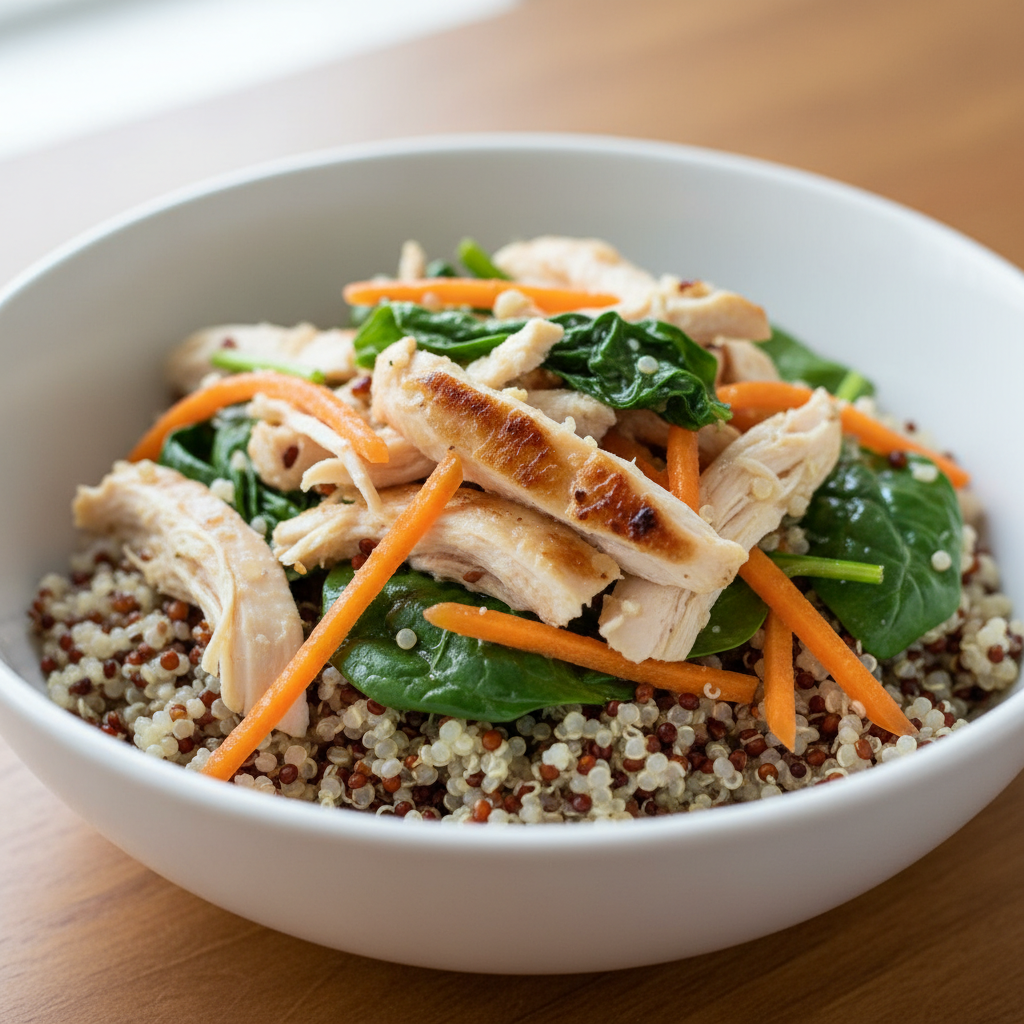
This is a classic ‘clean eating’ recipe for your dog. Chicken is a popular and accessible lean protein. We’re pairing it with quinoa, a complete protein seed that provides all essential amino acids and is a great gluten-free carbohydrate source. To top it off, we add powerful greens like spinach or kale, which are loaded with vitamins and antioxidants to support a robust immune system.
Ingredients:
- 1 boneless, skinless chicken breast, cooked and shredded
- 1/2 cup cooked quinoa
- 1 cup fresh spinach or kale, finely chopped
- 1 small carrot, grated
- A drizzle of olive oil
Instructions:
- Cook the chicken breast by boiling or baking until it’s fully cooked. Let it cool and then shred it with two forks.
- Cook the quinoa according to package directions.
- In a pan over medium-low heat, add a drizzle of olive oil. Add the chopped spinach/kale and grated carrot, and sauté for just 2-3 minutes until the greens are wilted. This makes them easier to digest.
- In a bowl, combine the shredded chicken, cooked quinoa, and wilted greens/carrot mixture.
- Stir everything together until well-combined. Serve once it has cooled down.
Pros & Cons
| Pros | Cons |
|---|---|
| Well-balanced with lean protein, complex carbs, and veggies. | Chicken is a common allergen for some dogs; be watchful. |
| Quinoa is a nutrient-dense, gluten-free grain alternative. | Quinoa must be rinsed thoroughly before cooking to remove saponins. |
| Leafy greens provide a powerful vitamin and antioxidant boost. | Spinach is high in oxalates, so it’s best served in moderation. |
The Verdict
This recipe is an excellent all-around maintenance meal for a generally healthy dog. It covers all the nutritional bases while providing a solid dose of immune-supporting ingredients to help keep ear issues at bay.
4. Beef & Blueberry Bowl
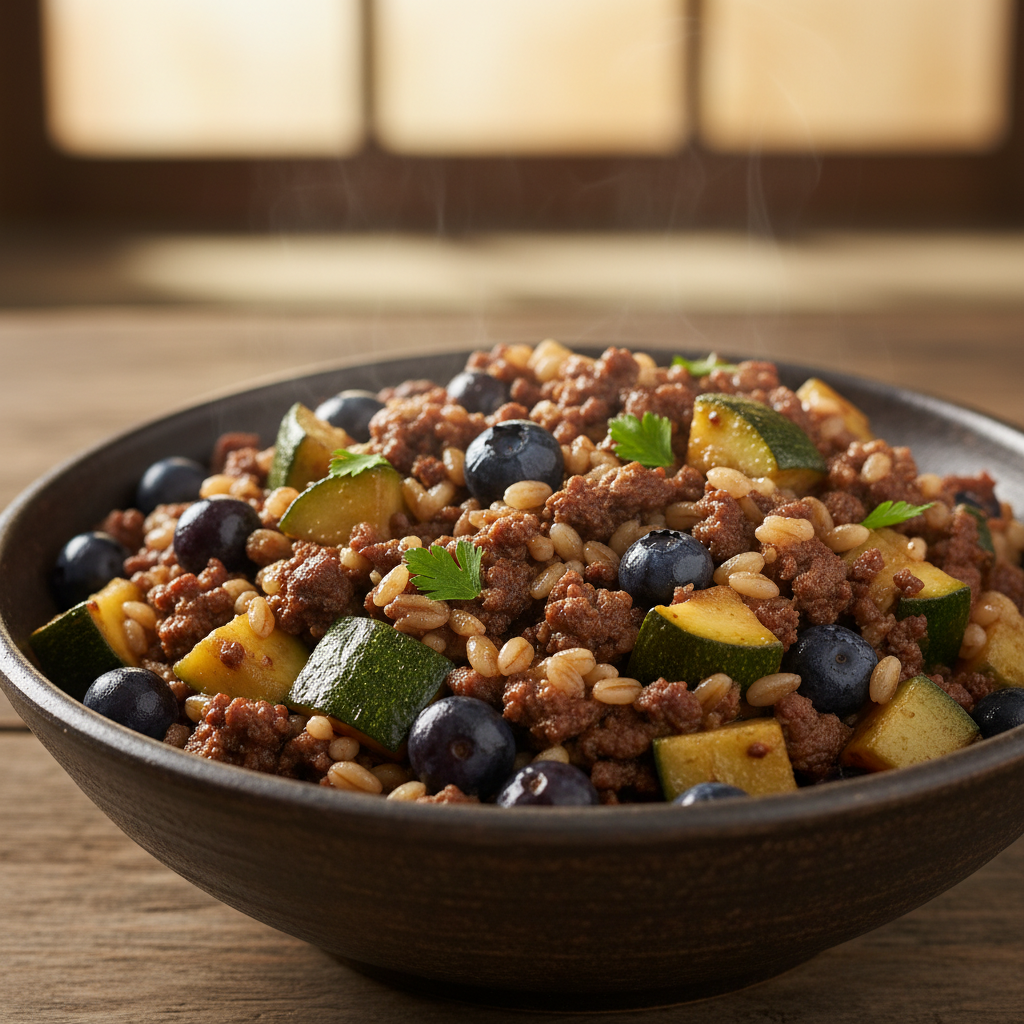
For the more active Cocker Spaniel, this hearty beef bowl provides the iron and protein needed for energy, with a superfruit twist. Beef is rich in zinc, which is vital for immune function. The real stars for ear health here are the blueberries. They are bursting with antioxidants called anthocyanins, which give them their deep blue color and help fight oxidative stress and inflammation in the body.
Ingredients:
- 1 pound lean ground beef
- 1/2 cup cooked barley
- 1/3 cup fresh or frozen blueberries
- 1/2 cup chopped zucchini
- 1 teaspoon of dried kelp powder (optional, for minerals)
Instructions:
- In a skillet, brown the ground beef over medium heat. Drain the excess fat thoroughly.
- Cook the barley according to the package instructions.
- Lightly steam or boil the chopped zucchini until just tender.
- In a large mixing bowl, combine the cooked beef, barley, and zucchini.
- Gently fold in the blueberries. If using frozen, you can add them directly to the warm mixture to thaw.
- Sprinkle with kelp powder if using, and mix well. Let it cool completely before serving to your eager pup.
Pros & Cons
| Pros | Cons |
|---|---|
| Blueberries are one of the most powerful antioxidant sources available. | Beef can be a trigger for dogs with red meat sensitivities. |
| Hearty and satisfying for active or larger Cocker Spaniels. | Ensure you buy lean ground beef to control the fat content. |
| Beef provides essential iron and zinc for overall health. | Barley contains gluten, so this recipe is not for gluten-sensitive dogs. |
The Verdict
This is a perfect recipe for the Cocker Spaniel who loves a rich, meaty flavor. It’s an excellent choice for providing a massive antioxidant boost to help the body’s natural defense systems, which is key for preventing infections.
5. Sardine & Pumpkin Power-Up

Don’t turn your nose up at this one! Your dog will go crazy for it. Canned sardines (packed in water, no salt added) are an incredibly affordable and potent source of Omega-3 fatty acids. They are even more concentrated than salmon in some cases. We pair them with pure canned pumpkin (not pie filling!), which is a prebiotic fiber powerhouse. It feeds the good bacteria in your dog’s gut, and a healthy gut is the foundation of a strong immune system.
Ingredients:
- 1 can (3.75 oz) sardines packed in water, no salt added
- 1/2 cup pure canned pumpkin
- 1/2 cup cooked lentils
- 1 hard-boiled egg, chopped
Instructions:
- This is the easiest recipe of the bunch! Open the can of sardines and drain most, but not all, of the water.
- In a bowl, mash the sardines with a fork.
- Add the canned pumpkin, cooked lentils, and the chopped hard-boiled egg.
- Mix everything together until it’s well combined. That’s it! Serve it up.
Pros & Cons
| Pros | Cons |
|---|---|
| Extremely high in Omega-3s at a very low cost. | Very, very fishy smell. Your kitchen will smell like the sea! |
| Pumpkin is fantastic for digestive health and regularity. | The texture can be a bit mushy, which not all dogs prefer. |
| Incredibly simple and quick to prepare—no cooking required. | Sardines are rich; introduce slowly to avoid digestive upset. |
The Verdict
This is a super-boost meal, perfect for adding to your dog’s rotation once or twice a week. It’s particularly good for dogs whose ear problems seem linked to overall digestive issues or for when you need a quick, nutrient-dense meal without a lot of prep time.
6. Lamb & Rosemary Stew

If you suspect food allergies are the root cause of your Cocker’s ear woes, trying a novel protein is a great first step. Lamb is a protein that many dogs haven’t been exposed to, making it less likely to trigger a reaction. We’re adding rosemary, a fragrant herb that doesn’t just add flavor; it contains natural antimicrobial and antioxidant properties that can help create an inhospitable environment for yeast and bacteria.
Ingredients:
- 1 pound lamb stew meat, cut into small cubes
- 1 cup cubed butternut squash
- 1/2 cup peas (fresh or frozen)
- 1 teaspoon finely chopped fresh rosemary
- 2 cups water or unsalted beef broth
Instructions:
- In a large pot or Dutch oven, brown the lamb cubes over medium-high heat.
- Add the water or broth, bring to a simmer, then reduce the heat to low, cover, and cook for about 1 hour, or until the lamb is tender.
- Add the cubed butternut squash and chopped rosemary to the pot. Continue to simmer for another 20-25 minutes until the squash is soft.
- Stir in the peas and cook for a final 5 minutes.
- Remove from heat and let the stew cool completely. You can shred the lamb further if desired before serving.
Pros & Cons
| Pros | Cons |
|---|---|
| Lamb is a great novel protein for an elimination diet. | Lamb can be a fattier meat; trim excess fat before cooking. |
| Rosemary offers natural antimicrobial benefits. | This recipe takes longer to cook due to the stewing time. |
| A warm, comforting stew that’s great for picky eaters. | Butternut squash is high in fiber, which is good, but can cause gas if introduced too quickly. |
The Verdict
This is the number one choice for a dog with suspected food sensitivities to common proteins like chicken or beef. It’s a gentle, warming, and flavorful meal that actively works to soothe the system while providing excellent nutrition.
7. Coconut & Veggie Stir-fry

This recipe specifically targets yeast, a very common culprit in Cocker ear infections. The magic ingredient is virgin coconut oil. It’s rich in lauric acid, which has been shown to have natural anti-fungal and anti-bacterial properties. We’ll gently stir-fry it with a lean protein and colorful, low-sugar vegetables like bell peppers and broccoli for a crunchy, healthy, yeast-fighting meal.
Ingredients:
- 6 ounces of protein, cubed (chicken, turkey, or pork)
- 1 tablespoon virgin coconut oil
- 1/4 cup chopped red bell pepper
- 1/4 cup broccoli florets, chopped small
- 1/4 cup shredded cabbage
Instructions:
- In a wok or large skillet, melt the coconut oil over medium heat.
- Add the cubed protein and cook until it’s browned and cooked through.
- Add the broccoli and bell pepper to the skillet. Stir-fry for 5-7 minutes until they are tender-crisp.
- Toss in the shredded cabbage and cook for another 1-2 minutes until it just begins to wilt.
- Remove from heat, let it cool to a safe temperature, and serve.
Pros & Cons
| Pros | Cons |
|---|---|
| Coconut oil contains lauric acid, known for its anti-fungal properties. | Coconut oil is high in saturated fat and calories, so use in moderation. |
| Low in carbohydrates and sugars, which can feed yeast. | Broccoli can cause gas in some dogs. |
| Quick to cook and full of crunchy, fresh vegetables. | Some dogs may not like the taste of coconut oil. |
The Verdict
If you and your vet suspect that yeast is the primary villain behind your dog’s ear troubles, this recipe is an excellent addition to your arsenal. It’s a low-carb, targeted meal designed to create an internal environment where yeast can’t thrive.
A Pup Parent’s Guide to Ear-Healthy Ingredients
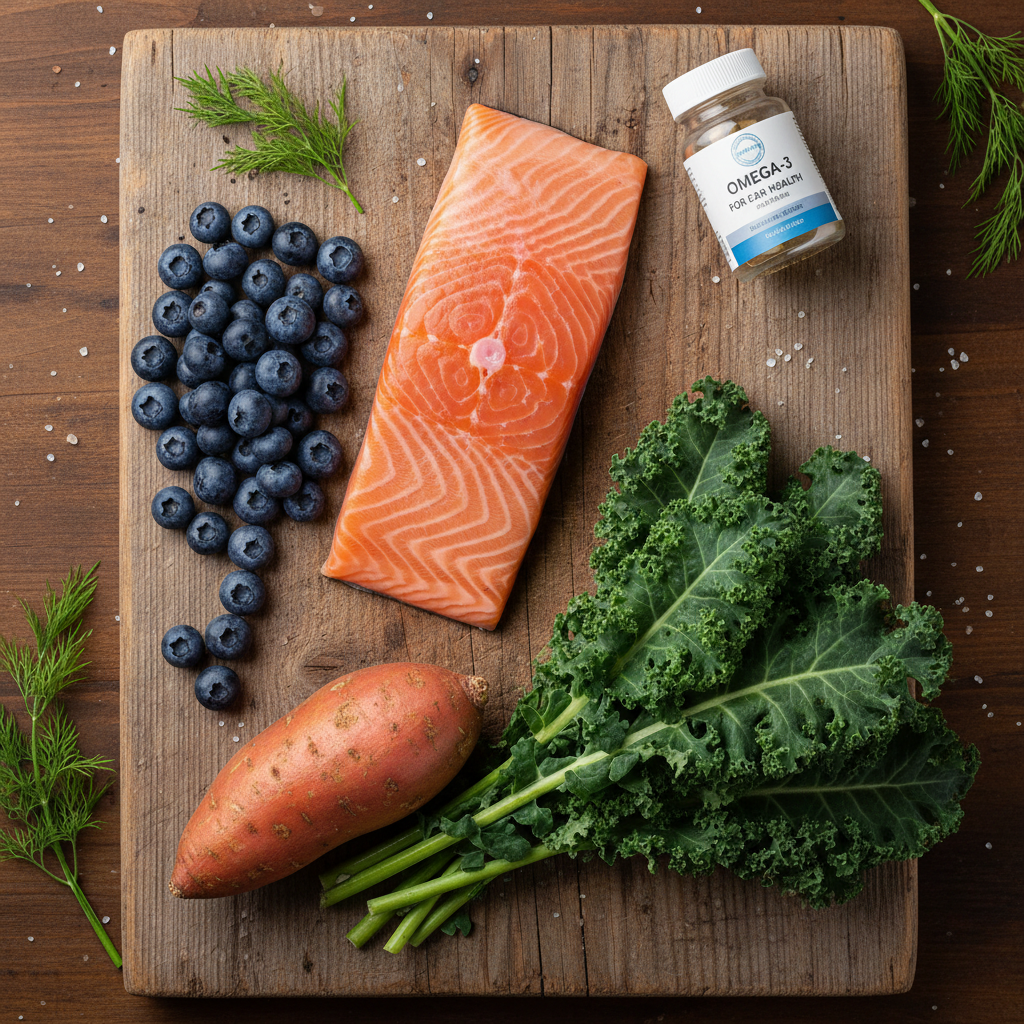
Making the switch to homemade food is a fantastic step, but understanding why certain ingredients work is key to your long-term success. When you’re at the grocery store or modifying these recipes, keep these principles in mind.
The Power of Omega-3 Fatty Acids
Think of Omega-3s as your dog’s internal firefighting squad. Found in oily fish (salmon, sardines, mackerel), flaxseed, and chia seeds, these fatty acids, particularly EPA and DHA, are incredible at reducing inflammation. Since ear infections are fundamentally an inflammatory response, a diet rich in Omega-3s can help calm the entire system down, making flare-ups less severe and less frequent.
Load Up on Antioxidants
Antioxidants are molecules that protect your dog’s cells from damage caused by free radicals. This cellular stress can weaken the immune system. By feeding your dog antioxidant-rich foods like blueberries, cranberries, leafy greens (kale, spinach), and colorful vegetables (carrots, sweet potatoes, bell peppers), you’re giving their immune system the tools it needs to function optimally and fight off potential pathogens before they can take hold in the ears.
Gut Health Equals Ear Health
The connection between the gut and the immune system is profound. A significant portion of your dog’s immune system resides in their gut. When the gut microbiome is out of balance, it can lead to systemic issues, including skin and ear problems. Probiotic foods like plain yogurt or kefir (in small, dairy-tolerated amounts) can introduce beneficial bacteria. Prebiotic foods, like pumpkin and lentils, act as food for those good bacteria, helping them thrive.
Identifying and Avoiding Allergens
Chronic ear infections are one of the most common signs of a food allergy or sensitivity. The body’s reaction to an allergen often manifests in the skin and ears. Common culprits include wheat, corn, soy, and sometimes even common proteins like chicken and beef. If your dog’s ear problems persist despite a clean diet, it might be time to talk to your vet about an elimination diet, using a novel protein like lamb, duck, or venison to identify the trigger.
A Crucial Note: Talk to Your Vet!
This is the most important part. Before making any major changes to your dog’s diet, you must consult with your veterinarian or a board-certified veterinary nutritionist. Homemade diets need to be carefully balanced to ensure your dog receives all the essential vitamins and minerals they need to thrive. Your vet can help you formulate a complete and balanced plan, recommend necessary supplements (like calcium or specific vitamin blends), and ensure this new diet is appropriate for your dog’s specific health needs.
Frequently Asked Questions

How quickly will I see an improvement in my Cocker Spaniel’s ears?
Patience is key! Dietary changes don’t work overnight. It can take anywhere from 4 to 12 weeks to see a noticeable improvement in chronic conditions like ear infections. The body needs time to reduce systemic inflammation and for new, healthy cells to grow. Stick with it consistently for the best results.
Are there any supplements I should add to these homemade meals?
Almost certainly, yes. While these recipes are full of healthy whole foods, they are not formulated to be 100% nutritionally complete for long-term feeding on their own. The most common additions needed are a calcium source (to balance the phosphorus in meat) and a comprehensive vitamin/mineral blend designed for homemade dog food. This is a critical conversation to have with your veterinarian or a canine nutritionist to ensure there are no nutritional gaps in your dog’s diet.
Can I just add these ingredients to my dog’s current kibble?
You can! This is often called ‘topping’ or ‘mixing.’ Adding a spoonful of the Sardine & Pumpkin Power-Up or some of the Salmon & Sweet Potato Mash to their existing food can be a great way to boost their intake of Omega-3s and other beneficial nutrients without committing to a full homemade diet. It’s a fantastic way to enhance their current food and still provide some of these ear-healthy benefits.
How do I properly store homemade dog food?
Treat it like you would your own food. You can store these meals in airtight containers in the refrigerator for up to 3-4 days. For longer storage, portion out the meals into freezer-safe bags or containers and freeze them. They can be stored in the freezer for up to 3 months. To serve, simply thaw a portion in the refrigerator overnight. Never leave homemade food out at room temperature for more than a couple of hours.
Conclusion
Taking charge of your Cocker Spaniel’s diet is one of the most empowering and proactive steps you can take for their long-term health, especially when it comes to those troublesome ears. By focusing on anti-inflammatory, antioxidant-rich, and high-quality whole foods, you’re not just feeding them a meal; you’re providing the building blocks for a resilient immune system and a healthier body from the inside out.
Remember, these recipes are a wonderful starting point. Feel free to rotate proteins and vegetables to provide variety and a wider range of nutrients. Always keep an open line of communication with your vet to ensure your homemade food journey is safe, balanced, and perfectly tailored to your beloved companion. Here’s to happier, healthier ears and many more years of joyful companionship with your floppy-eared friend!