
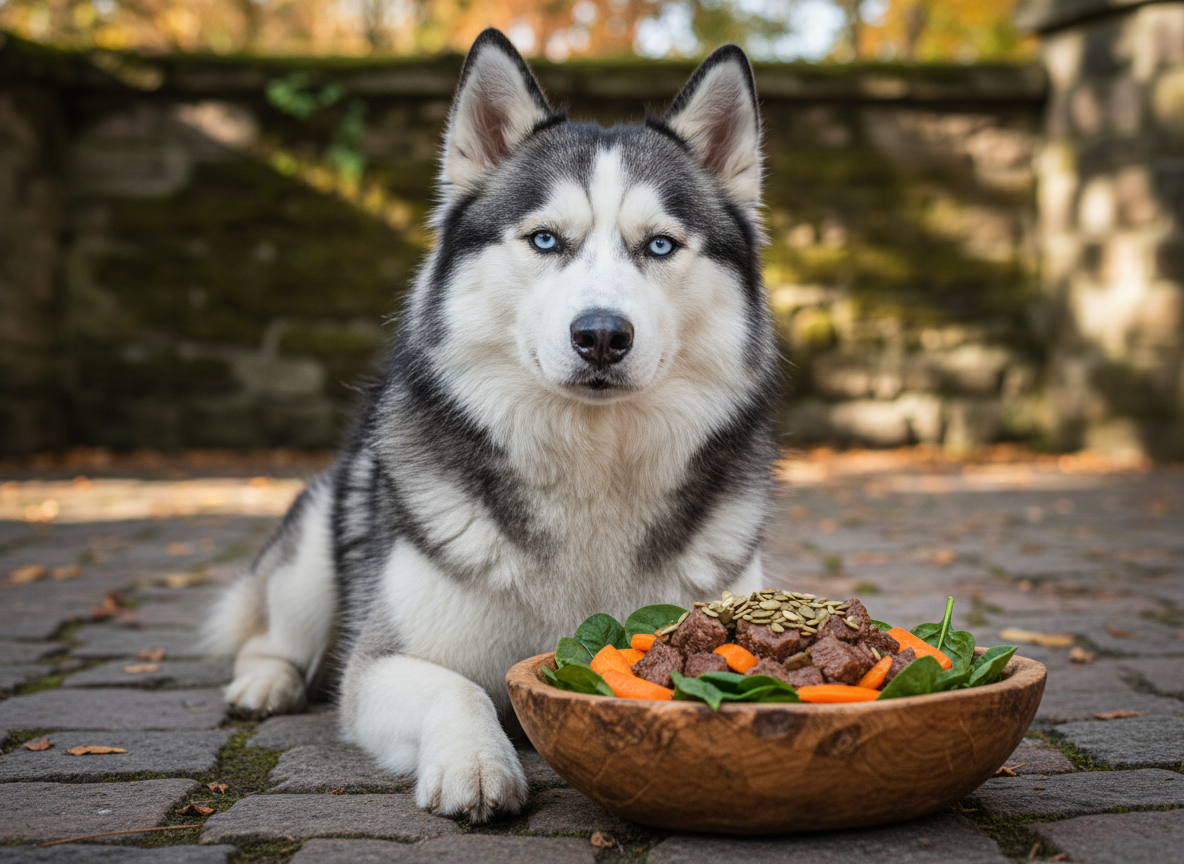
13 Zinc-Rich Homemade Food for Huskies
Hey there, fellow Husky parent! If you’re anything like us, you’re completely captivated by your Husky’s majestic coat and striking eyes. But keeping that wolf-like beauty in top condition requires more than just regular brushing. Nutrition plays a massive role, and one mineral that is particularly crucial for our Husky pals is zinc.
Huskies are one of the breeds genetically predisposed to a condition called zinc-responsive dermatosis, which means they can have trouble absorbing this essential nutrient. A deficiency can lead to a dull coat, hair loss, and crusty sores around the eyes, nose, and paws. But don’t worry! Ensuring your pup gets enough zinc can be both easy and delicious.
We’re diving deep into 13 fantastic zinc-rich foods you can easily incorporate into your Husky’s homemade meals or use as a topper for their regular kibble. Let’s get that coat shining and that tail wagging!
Quick Comparison of Zinc-Rich Foods
| Food Item | Primary Zinc Source | Best For |
|---|---|---|
| Lean Beef | Animal | Muscle building & picky eaters |
| Lamb | Animal | Dogs with beef sensitivities |
| Pumpkin Seeds | Plant | Digestive health & skin support |
| Oysters | Animal (Shellfish) | A powerful, occasional zinc boost |
| Lentils | Plant | Fiber and plant-based protein |
| Dark Meat Chicken | Animal | An affordable, everyday option |
| Spinach | Plant | Adding vitamins and minerals |
| Plain Yogurt | Animal (Dairy) | Gut health and a moderate zinc source |
| Eggs | Animal | A complete protein powerhouse |
| Sardines | Animal (Fish) | Omega-3s for skin & coat health |
| Pork Loin | Animal | A lean, alternative protein |
| Hemp Seeds | Plant | Healthy fats and easy digestion |
| Plain Kefir | Animal (Dairy) | A probiotic-packed zinc source |
1. Lean Beef & Beef Liver
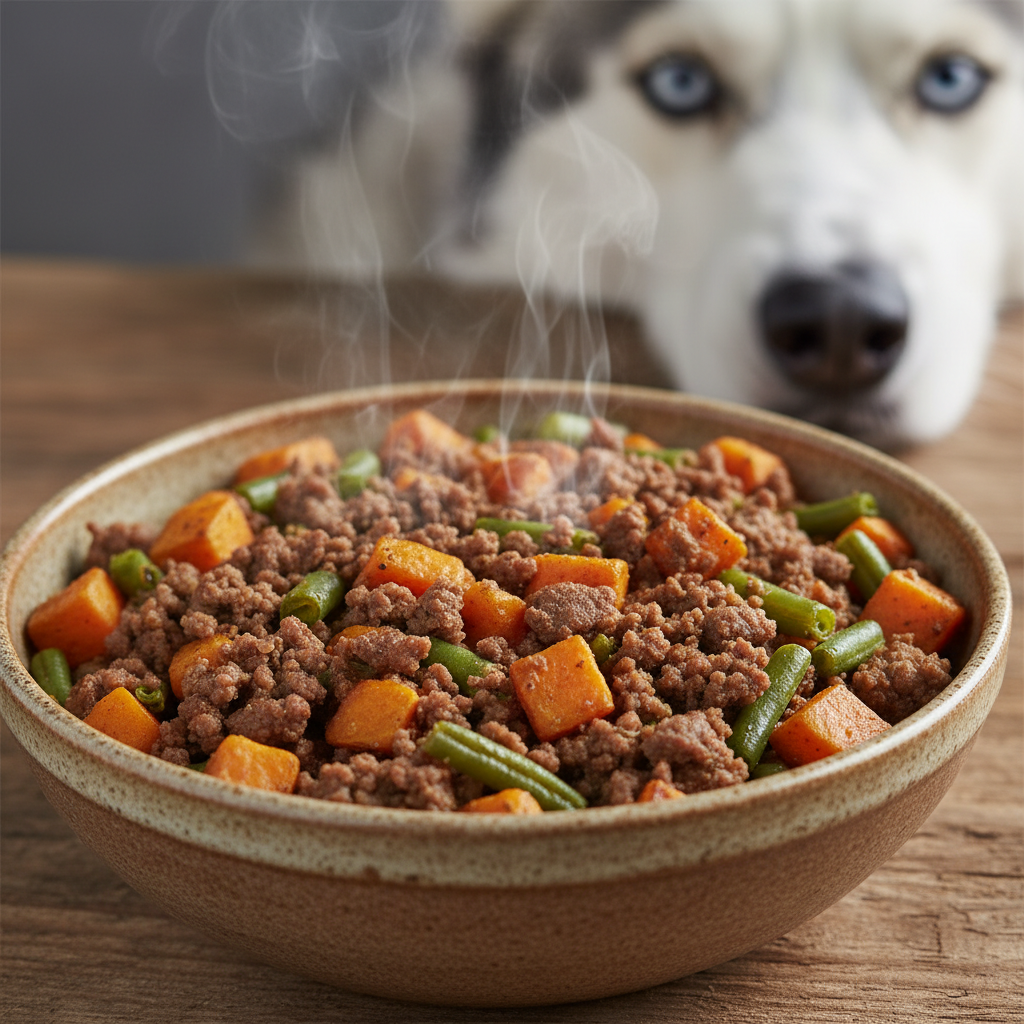
When it comes to packing a zinc punch, you can’t go wrong with beef. It’s a classic for a reason! Red meat, particularly lean ground beef and nutrient-dense organs like liver, is loaded with highly bioavailable zinc. This means your Husky’s body can absorb and use it much more efficiently than zinc from plant sources.
The Details: Beef provides not just zinc, but also iron for healthy blood, B vitamins for energy, and high-quality protein to support those powerful Husky muscles. Beef liver is even more concentrated in nutrients, so a little goes a long way. When preparing beef, always cook it thoroughly to eliminate harmful bacteria. You can lightly pan-fry ground beef (draining any excess fat) or boil small chunks until cooked through. For liver, a small, cooked portion once or twice a week is plenty.
Pros & Cons
| Pros | Cons |
| ✓ Highly bioavailable zinc | ✗ Can be more expensive than poultry |
| ✓ Excellent source of protein and iron | ✗ Some dogs may have sensitivities to beef |
| ✓ Extremely palatable for picky eaters | ✗ Higher fat cuts need to be avoided |
The Verdict: Lean beef is a fantastic staple for most active Huskies. It’s perfect for building muscle and providing a zinc source that even the fussiest eaters will devour. Just be mindful of the cut to keep the fat content in check.
2. Lamb
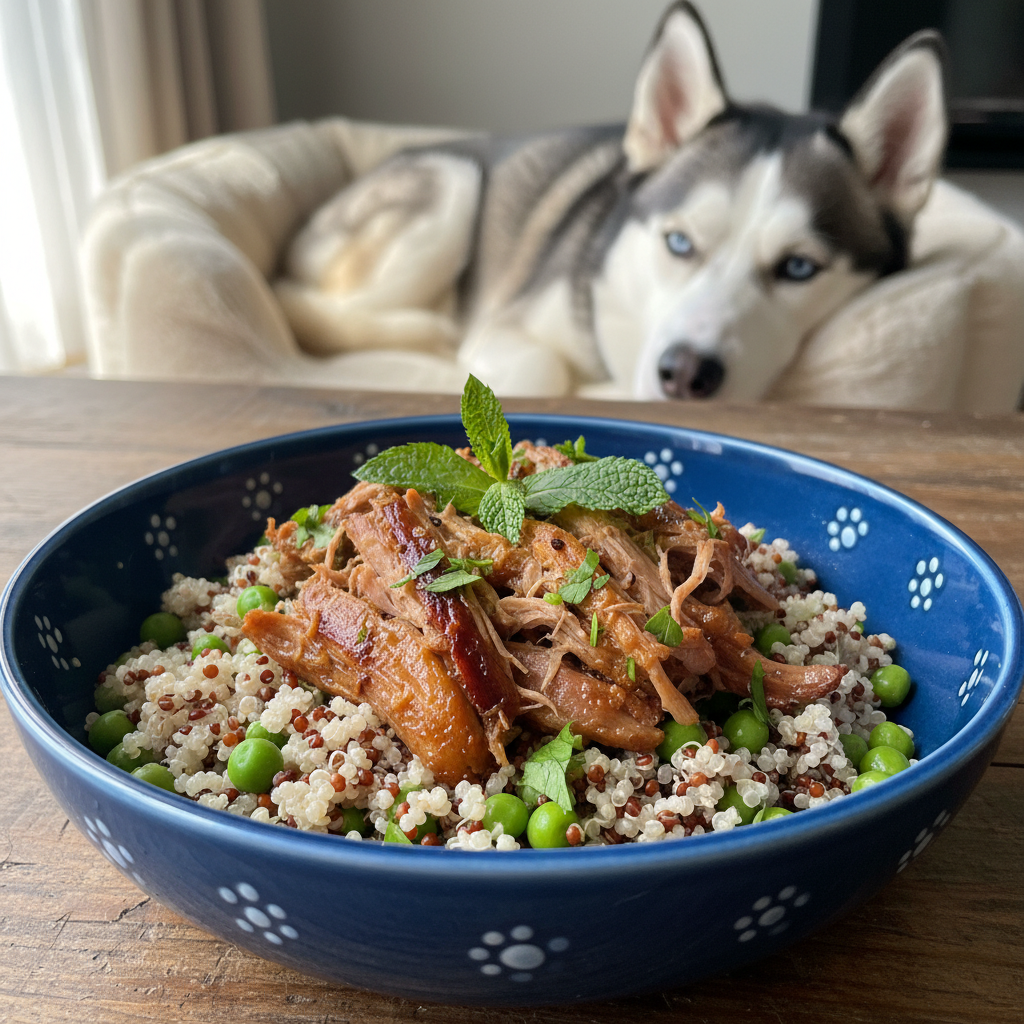
If your Husky turns up their nose at beef or has a sensitivity to it, lamb is an excellent alternative. It’s another red meat that boasts a significant amount of easily absorbable zinc, making it a great choice for supporting skin and coat health.
The Details: Lamb is often considered a ‘novel protein,’ which can be beneficial for dogs with common food allergies. Like beef, it’s rich in essential amino acids, iron, and B vitamins, particularly B12. When choosing lamb for your dog, opt for leaner cuts like the leg or loin. You can prepare it by grounding it, dicing it into small chunks, and cooking it thoroughly by boiling or roasting. Always serve it plain, without any seasonings you’d use for yourself.
Pros & Cons
| Pros | Cons |
| ✓ Great zinc source for dogs with beef allergies | ✗ Typically more expensive than beef or chicken |
| ✓ Rich in high-quality protein | ✗ Can have a higher fat content; requires careful selection |
| ✓ Highly palatable and flavorful | ✗ Not as widely available as other meats |
The Verdict: Lamb is the perfect zinc-rich choice for the sensitive Husky. If your pup has a delicate stomach or known allergies to other proteins, lamb offers a delicious and nutritionally powerful alternative.
3. Pumpkin Seeds
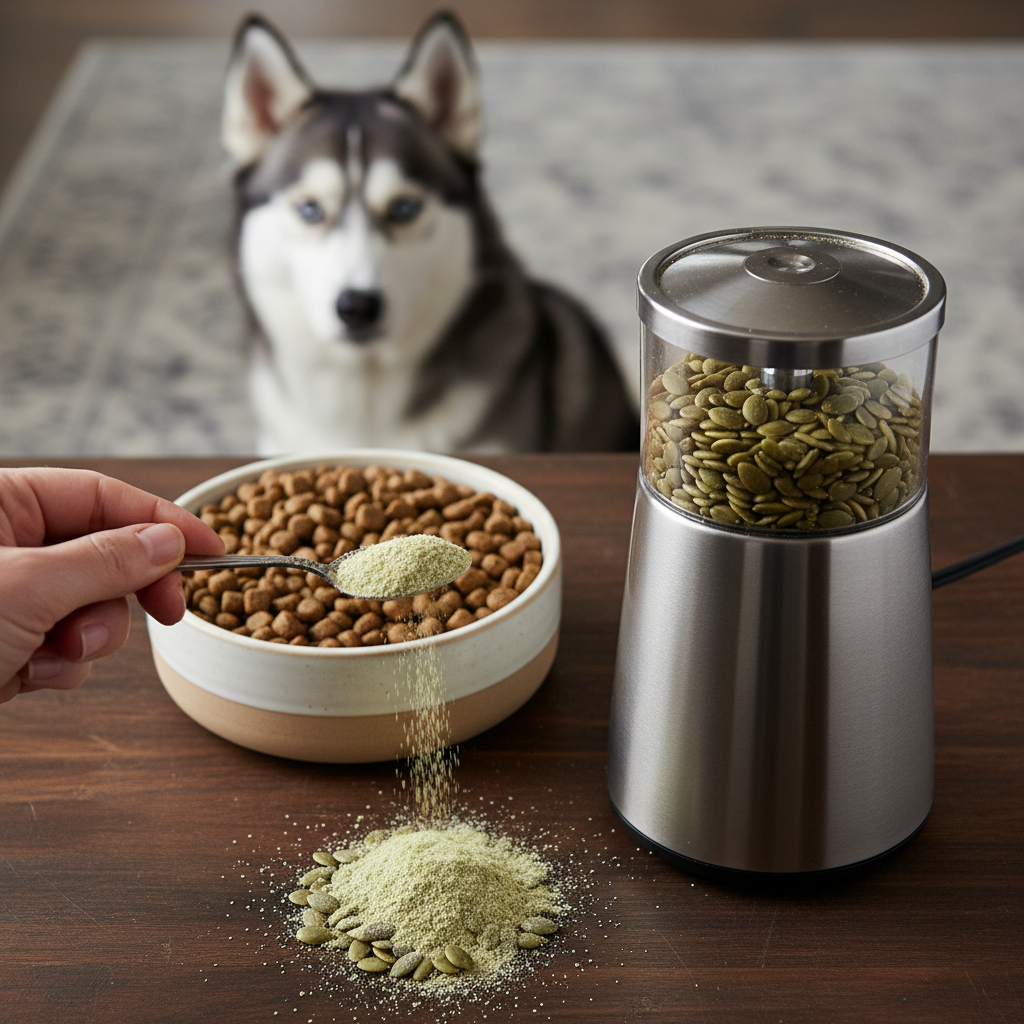
Don’t underestimate the power of these little green seeds! Pumpkin seeds are one of the best plant-based sources of zinc you can find. They’re a fantastic addition to your Husky’s diet, not just for their mineral content but for their other amazing health benefits too.
The Details: Beyond zinc, pumpkin seeds are packed with fiber, which aids in digestive health, and healthy fats. To serve them, you must prepare them correctly. Always use raw, unsalted, organic pumpkin seeds. They need to be ground into a fine powder before serving, as whole seeds can be difficult to digest and may pass through your dog’s system without any nutrient absorption. A coffee grinder or high-powered blender works perfectly. You can then sprinkle this powder (about 1 teaspoon for a medium-to-large dog) over their regular food.
Pros & Cons
| Pros | Cons |
| ✓ Excellent plant-based source of zinc | ✗ Must be ground before serving for digestion |
| ✓ High in fiber for digestive regularity | ✗ Zinc is less bioavailable than from meat |
| ✓ Supports urinary health | ✗ Should be given in moderation due to calorie density |
The Verdict: Pumpkin seed powder is an easy and effective booster for any Husky’s meal, especially for dogs who need extra digestive support alongside their zinc intake. It’s a simple, plant-powered way to enhance their diet.
4. Oysters

When it comes to zinc, oysters are the undisputed champion. They contain more zinc per serving than any other food on the planet! While they aren’t an everyday food, a small, occasional oyster treat can provide a significant zinc boost for your Husky.
The Details: It is absolutely critical how you serve oysters. They MUST be cooked, and you should only use oysters canned in water with no salt added. Raw shellfish can contain harmful bacteria like Vibrio, which can be dangerous for dogs. A single, small cooked oyster once a week or so is more than enough for a powerful zinc supplement. Never use smoked, pickled, or seasoned oysters. Think of them as a potent, occasional vitamin boost rather than a regular meal component.
Pros & Cons
| Pros | Cons |
| ✓ The most potent source of zinc available | ✗ Must be cooked and served carefully |
| ✓ Also contains iron, selenium, and vitamin B12 | ✗ Not suitable as a regular food item |
| ✓ A unique and special treat | ✗ Some dogs may not like the texture or taste |
The Verdict: Oysters are for the well-informed Husky owner looking to provide a powerful, targeted zinc supplement on an occasional basis. They are perfect for giving your dog’s system a supercharged boost, especially if you suspect their levels are low.
5. Lentils
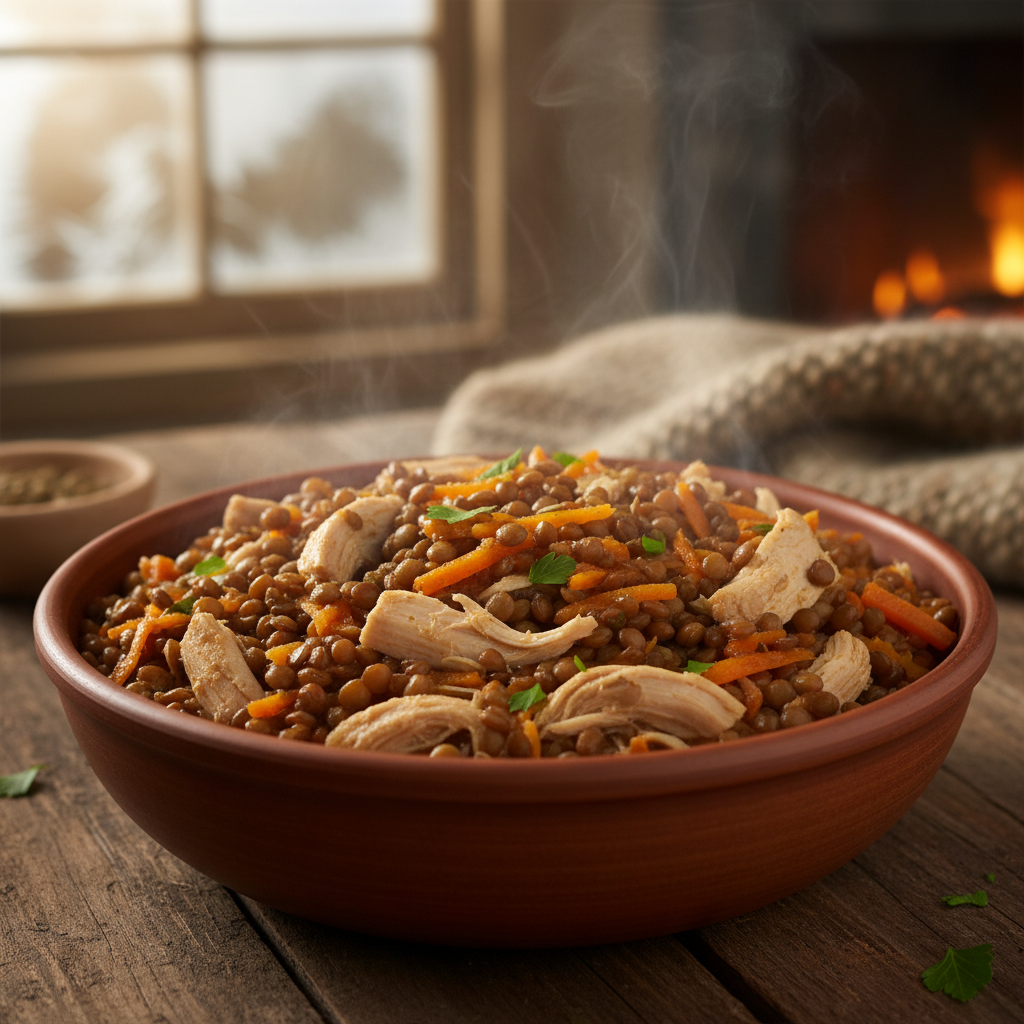
Let’s talk legumes! Lentils are a fantastic, budget-friendly way to add both plant-based protein and zinc to your Husky’s bowl. These little powerhouses are also loaded with fiber, iron, and folate, making them a well-rounded nutritional addition.
The Details: Lentils are easy to prepare. Simply rinse them and boil them in plain water until they are soft and mushy, which makes them easy for your dog to digest. Red or brown lentils tend to cook faster and break down more easily. Start by adding a small spoonful to your dog’s food and gradually increase the amount to ensure it doesn’t cause any digestive upset. Because they are so high in fiber, too much too soon can lead to gas.
Pros & Cons
| Pros | Cons |
| ✓ Good source of zinc, fiber, and iron | ✗ High fiber content can cause gas if introduced too quickly |
| ✓ Inexpensive and easy to prepare | ✗ Contains phytates which can slightly inhibit zinc absorption |
| ✓ Great source of plant-based protein | ✗ Not a complete protein source on its own |
The Verdict: Lentils are a great choice for bulking up meals with healthy nutrients and fiber. They’re ideal for the budget-conscious owner or for adding variety and a plant-based zinc source to a diet rich in animal proteins.
6. Dark Meat Chicken & Chicken Liver
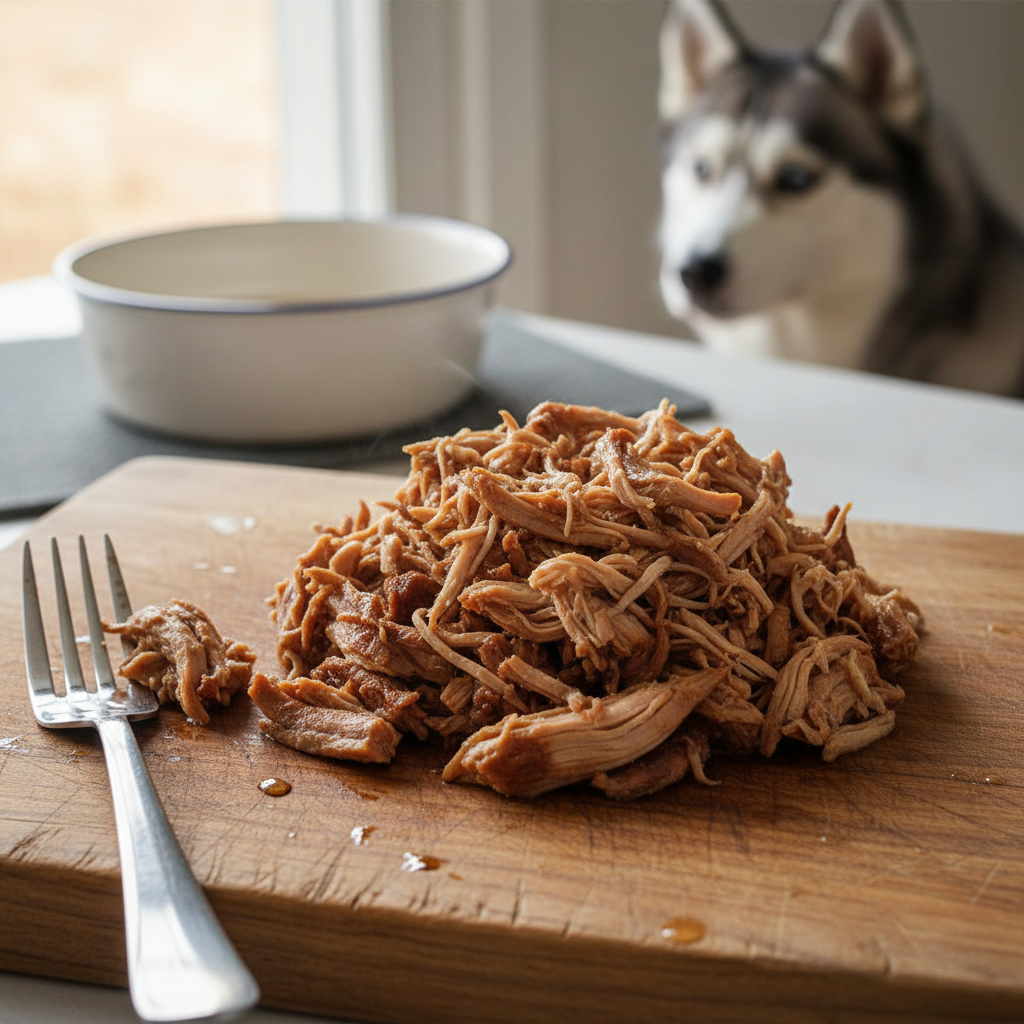
Chicken is a go-to protein for many dog owners, and for good reason. It’s affordable, easy to find, and highly digestible. For the best zinc content, you’ll want to focus on the dark meat (thighs and legs) and the liver.
The Details: While chicken breast is leaner, the dark meat contains more zinc, iron, and taurine, which is essential for heart health. Chicken liver, like beef liver, is a concentrated source of nutrients and should be given in moderation. Always cook chicken thoroughly to an internal temperature of 165°F (74°C) to kill any potential salmonella. You can boil it and shred it, or bake it and dice it. Remember to remove all bones, as cooked chicken bones are brittle and can be a dangerous choking hazard.
Pros & Cons
| Pros | Cons |
| ✓ Affordable and widely available | ✗ Lower in zinc compared to red meats |
| ✓ Easily digestible for most dogs | ✗ Chicken is a common allergen for some dogs |
| ✓ Dark meat is rich in healthy fats and taurine | ✗ Cooked bones are extremely dangerous |
The Verdict: Dark meat chicken is the perfect everyday protein for a homemade diet. It provides a solid baseline of zinc and other essential nutrients without breaking the bank, making it a reliable and healthy choice for your Husky.
7. Spinach
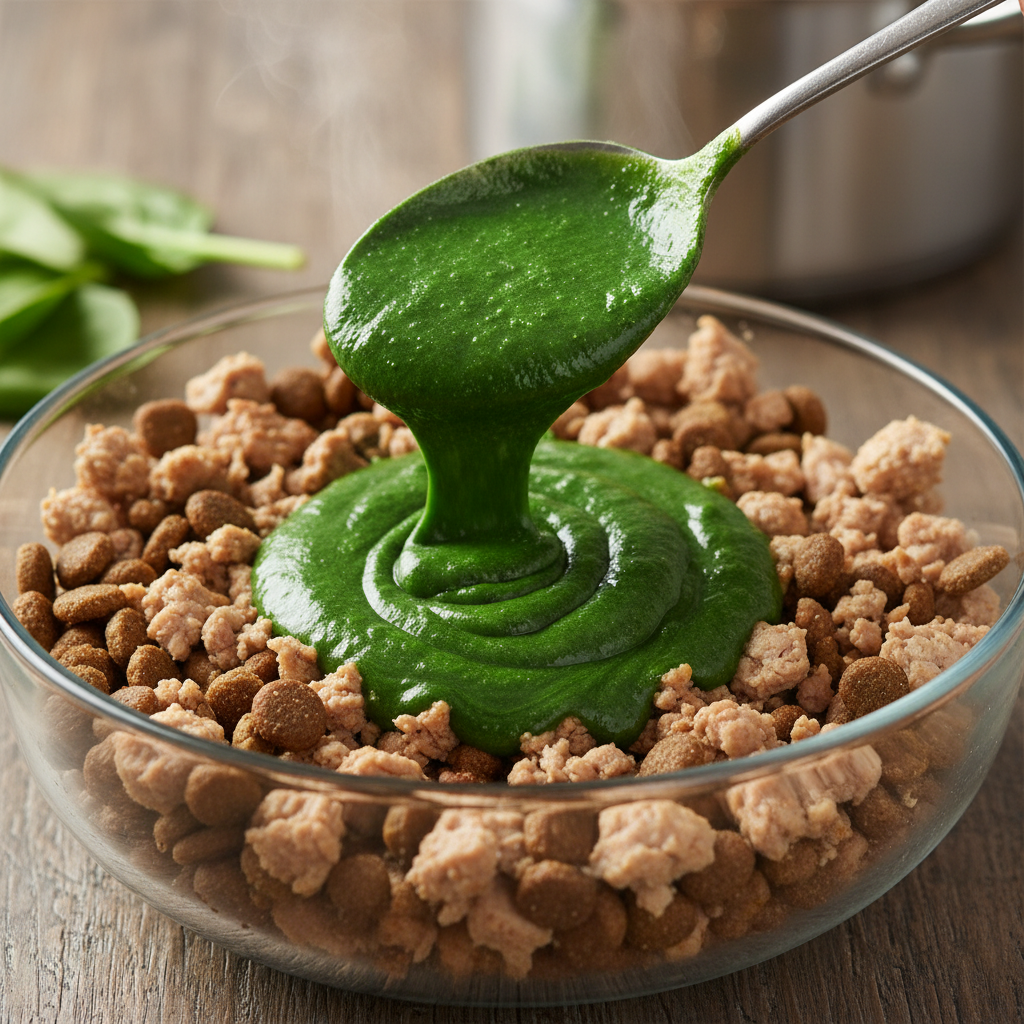
Move over, Popeye! Your Husky can benefit from the power of spinach, too. This leafy green is a great way to add a variety of vitamins and minerals to their diet, including a respectable amount of zinc.
The Details: Spinach is also rich in iron, fiber, and vitamins A, C, and K. To make it digestible for your dog, it’s best to lightly steam or blanch the spinach and then chop it finely or puree it. This process helps break down the cell walls, making the nutrients more accessible. However, spinach is high in oxalates, which can be an issue for dogs with kidney problems. For a healthy Husky, serving it in moderation (a spoonful or two mixed into their food) a few times a week is perfectly safe and beneficial.
Pros & Cons
| Pros | Cons |
| ✓ Good source of plant-based zinc and iron | ✗ High in oxalates; not for dogs with kidney issues |
| ✓ Packed with vitamins and antioxidants | ✗ Must be cooked and chopped/pureed for digestion |
| ✓ Low in calories and fat | ✗ Large quantities can cause digestive upset |
The Verdict: Spinach is a wonderful ‘green booster’ for a healthy, active Husky. It’s an easy way to add a blast of nutrients, including zinc, to their meals, adding color, flavor, and health benefits.
8. Plain, Unsweetened Yogurt

A dollop of yogurt can be a tasty and beneficial treat for your Husky. Not only does it contain a moderate amount of zinc, but it’s also famous for its probiotics, which are fantastic for maintaining a healthy gut.
The Details: The key is to choose the right kind of yogurt. It must be plain, unsweetened, and free from any artificial sweeteners, especially xylitol, which is toxic to dogs. Full-fat or Greek yogurt often has a higher concentration of nutrients and a creamier texture that dogs love. The live and active cultures (probiotics) help support a balanced microbiome in your dog’s digestive system. A tablespoon or two on top of their food is a great serving size.
Pros & Cons
| Pros | Cons |
| ✓ Contains probiotics for gut health | ✗ Not suitable for lactose-intolerant dogs |
| ✓ Good source of calcium and protein | ✗ Must choose plain varieties with no sweeteners |
| ✓ A tasty and easy-to-add food topper | ✗ Moderate zinc source, not as potent as meat |
The Verdict: Plain yogurt is a dual-action hero, offering a decent zinc boost while actively supporting your Husky’s digestive health. It’s perfect for dogs who could use a little extra help with digestion or as a simple, healthy food enhancer.
9. Eggs
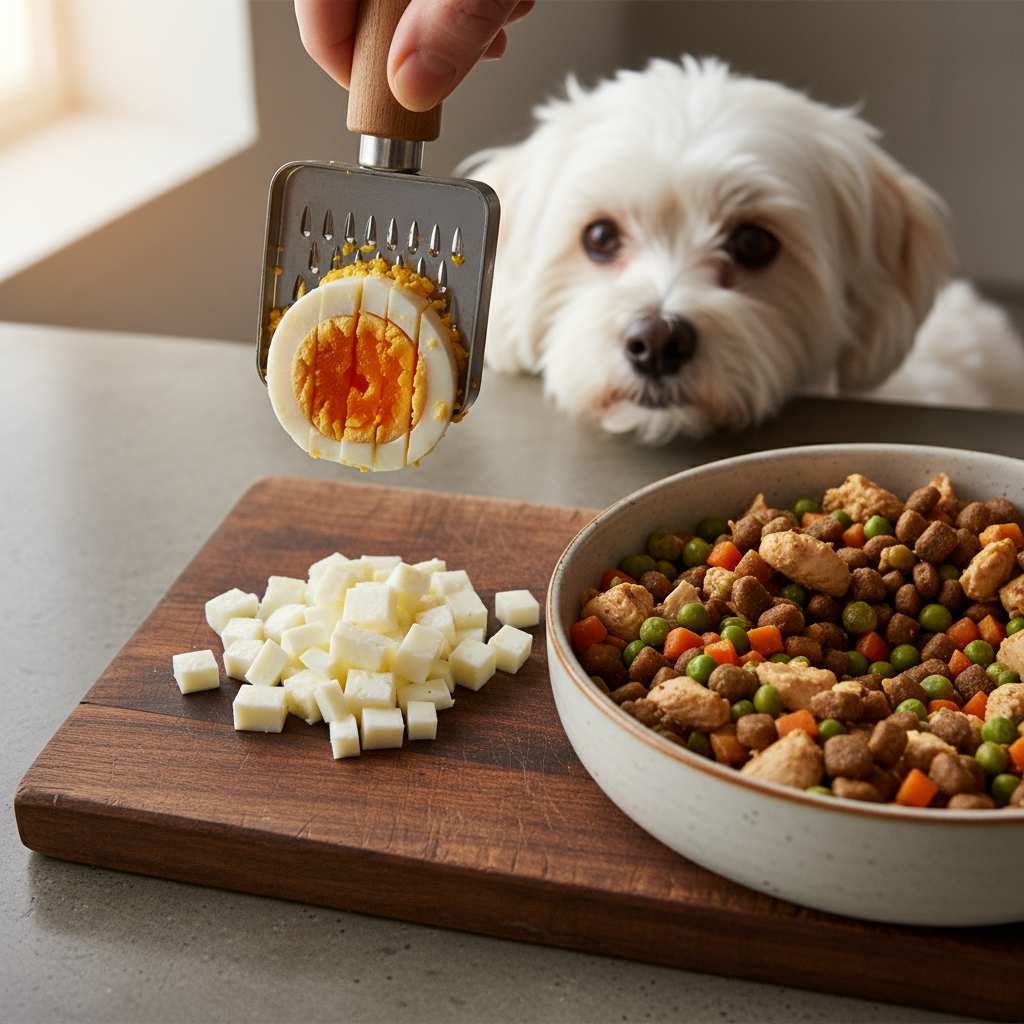
The humble egg is a true nutritional masterpiece. It’s often called the ‘perfect protein’ because it contains all the essential amino acids. And yes, the yolk is a good source of zinc!
The Details: Eggs are packed with vitamins and minerals, including Vitamin D, selenium, and choline. You can serve eggs to your Husky either scrambled or hard-boiled, but always make sure they are fully cooked. While some people advocate for raw eggs, the risk of salmonella and biotin deficiency (from a protein in raw egg whites) makes cooked eggs the safer choice. One egg a few times a week is a great addition to a balanced diet.
Pros & Cons
| Pros | Cons |
| ✓ A complete and affordable protein source | ✗ Should be cooked to avoid salmonella risk |
| ✓ Egg yolks are a good source of zinc | ✗ High in cholesterol; should be given in moderation |
| ✓ Highly digestible and palatable | ✗ Some dogs can have an allergy to eggs |
The Verdict: Eggs are an easy, affordable, and nutrient-dense way to supplement your Husky’s diet. They’re perfect for providing a high-quality protein boost and a healthy dose of zinc, all in one neat little package.
10. Sardines
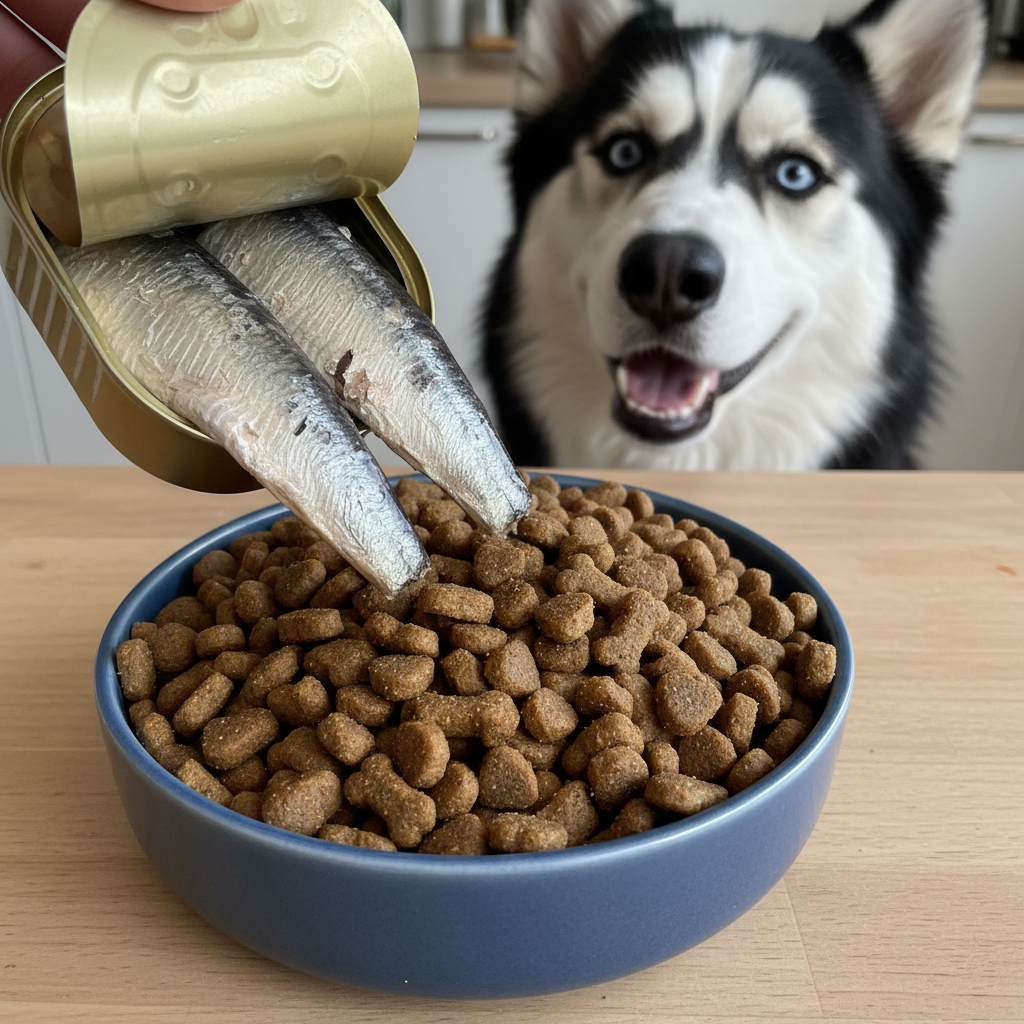
These little fish pack a mighty nutritional punch! Sardines are not only a source of zinc, but they are also swimming in Omega-3 fatty acids, which are superstars for reducing inflammation and promoting a shiny, healthy coat.
The Details: When buying sardines for your Husky, look for those packed in water with no salt added. Avoid sardines packed in oil, mustard, or any other sauce. You can serve them whole or mash them up into your dog’s food. Because they are small fish, they have lower levels of mercury compared to larger fish like tuna. One or two sardines a couple of times a week is a great way to reap their benefits.
Pros & Cons
| Pros | Cons |
| ✓ Excellent source of Omega-3 fatty acids | ✗ Can have a strong, fishy odor |
| ✓ Good source of zinc, calcium, and vitamin D | ✗ Must buy varieties packed in water with no salt |
| ✓ Low in mercury compared to other fish | ✗ Can be high in calories if given too often |
The Verdict: Sardines are the ultimate skin and coat food. If your Husky’s coat is your primary concern, the combination of zinc and Omega-3s in sardines makes them an unparalleled addition to their diet.
11. Pork Loin

Often overlooked in the world of dog food, pork can be a lean, healthy, and zinc-rich protein source when the right cut is chosen. Lean pork loin is a fantastic alternative to more common meats.
The Details: Pork is rich in thiamine (Vitamin B1), which is crucial for metabolism and brain function. When preparing pork, choose a lean cut like tenderloin or loin chops, and trim away any visible fat. It’s essential to cook pork thoroughly to an internal temperature of 145°F (63°C) to eliminate the risk of trichinosis, a parasite that can be found in undercooked pork. Never feed your dog processed pork products like bacon or sausage, which are high in fat and sodium.
Pros & Cons
| Pros | Cons |
| ✓ Good source of zinc and thiamine | ✗ Must be cooked thoroughly to be safe |
| ✓ A less common protein, good for variety | ✗ Fatty cuts and processed versions are unhealthy |
| ✓ Very flavorful for picky dogs | ✗ Not as nutrient-dense as organ meats |
The Verdict: Lean pork loin is a great rotational protein to keep your Husky’s meals interesting and diverse. It provides a solid zinc profile and is perfect for owners who want to offer a variety of healthy, cooked meats.
12. Hemp Seeds
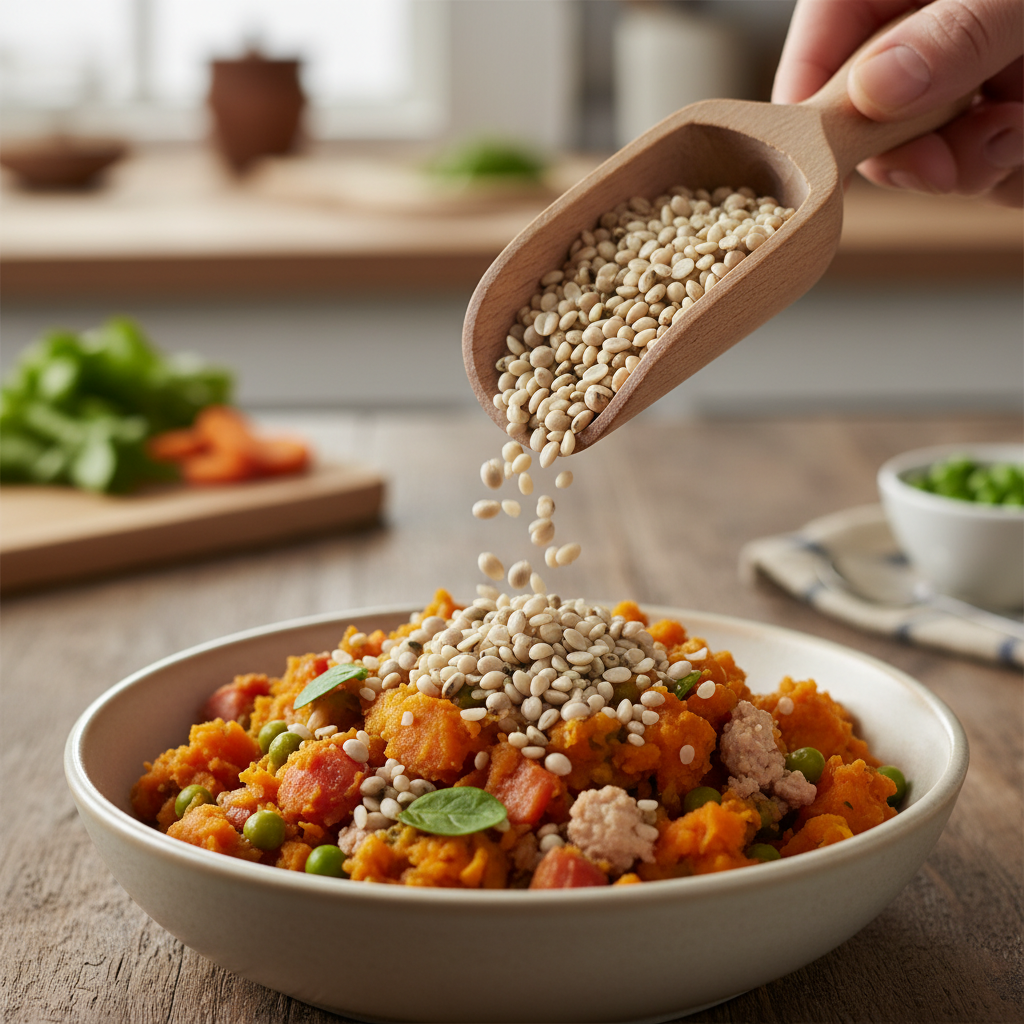
Here’s another super seed to add to your list! Hemp seeds (or hemp hearts) offer a wonderful balance of healthy fats, protein, and, of course, zinc. They have an almost perfect ratio of omega-6 to omega-3 fatty acids, which helps fight inflammation.
The Details: Hemp hearts are the shelled version of the seed, and they are soft and easy to digest, so they don’t need to be ground up like pumpkin seeds. They are a great source of plant-based protein and are gentle on the digestive system. You can sprinkle a teaspoon or two over your Husky’s food daily. And don’t worry—hemp seeds contain no THC and are perfectly safe and legal for your furry friend.
Pros & Cons
| Pros | Cons |
| ✓ Balanced omega-3 and omega-6 fatty acids | ✗ More expensive than some other seeds |
| ✓ Easily digestible plant-based protein | ✗ Lower zinc content than top animal sources |
| ✓ Good source of zinc and magnesium | ✗ Can go rancid; store in a cool, dark place |
The Verdict: Hemp seeds are an excellent choice for promoting overall wellness, particularly for skin health and reducing inflammation. They are a gentle, plant-based way to add zinc and a host of other benefits to your Husky’s daily meal.
13. Plain Kefir
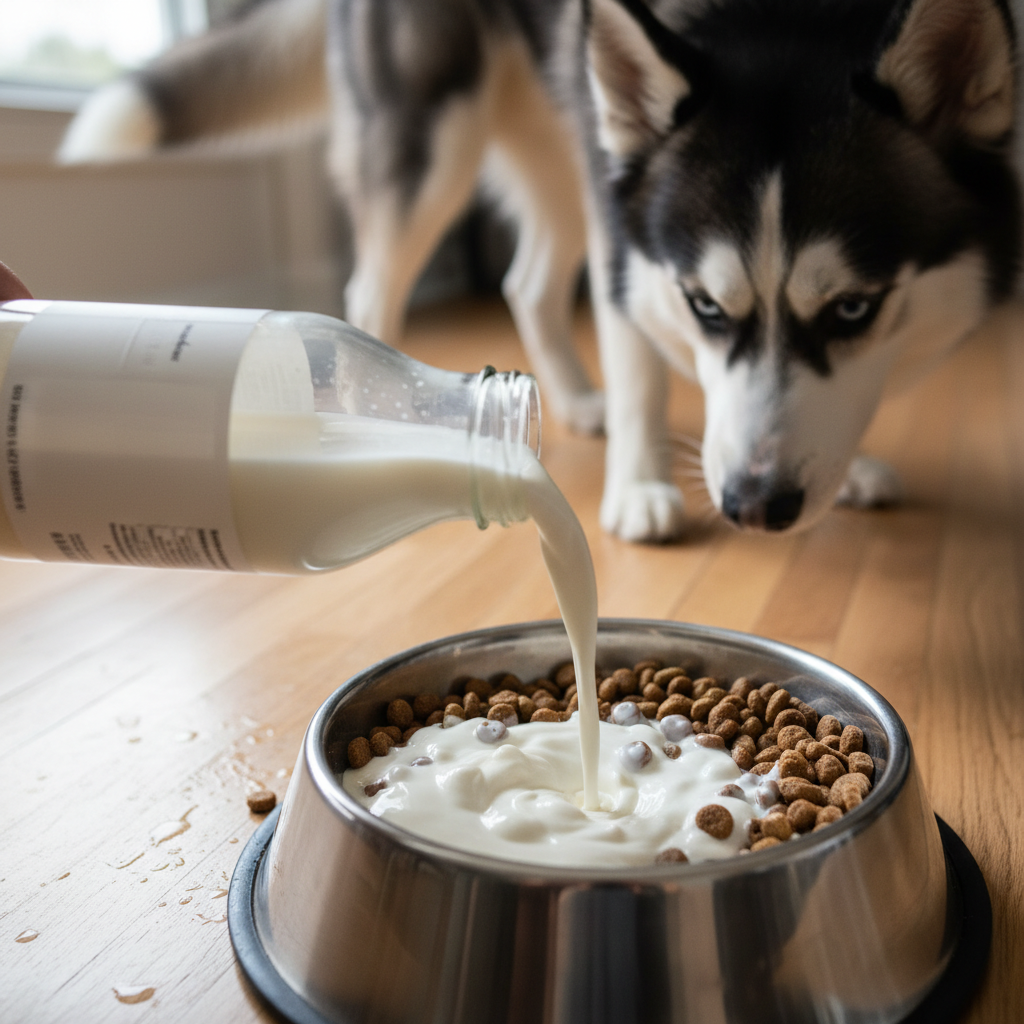
Think of kefir as yogurt’s supercharged cousin. This fermented milk drink is teeming with even more diverse strains of beneficial probiotics than yogurt, and it’s also a source of zinc, calcium, and B vitamins.
The Details: Kefir’s fermentation process breaks down much of the lactose, making it easier to digest for some dogs who are sensitive to dairy. Its liquid form makes it incredibly easy to pour over kibble or mix into a homemade meal. As with yogurt, always choose the plain, unsweetened version. Start with a small amount (a tablespoon or so) to let your dog’s system adjust to the powerful probiotics.
Pros & Cons
| Pros | Cons |
| ✓ Packed with a wide variety of probiotics | ✗ Can cause digestive upset if too much is given at once |
| ✓ Easier to digest than regular milk | ✗ Still contains some lactose, not for all dogs |
| ✓ Supports immune and digestive health | ✗ Must be plain and unsweetened |
The Verdict: Kefir is the go-to choice for Husky owners focused on maximizing gut health. The combination of zinc and a powerful probiotic punch makes it an outstanding supplement for whole-body wellness, starting from the inside out.
A Husky Parent’s Guide to Zinc-Rich Ingredients
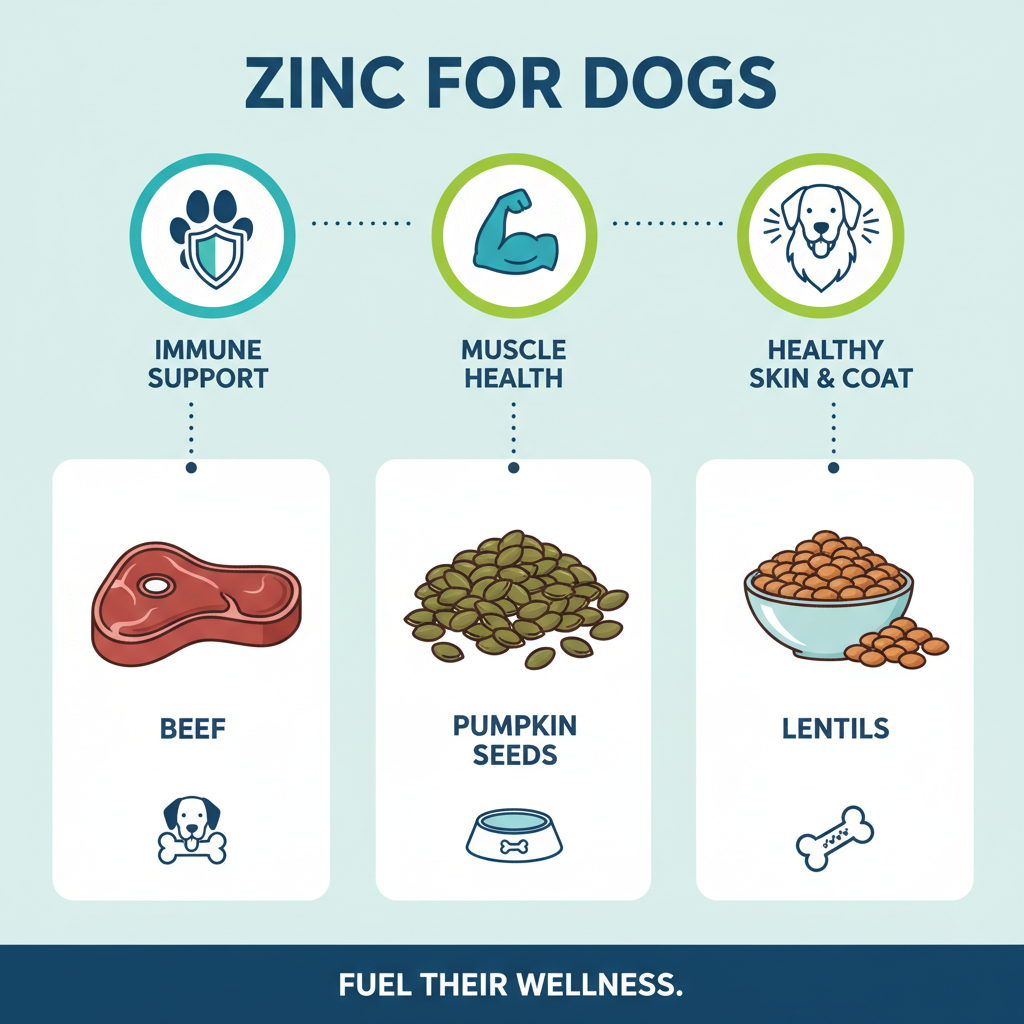
Now that you have a great list of foods, how do you put it all together? Adding zinc-rich foods isn’t just about piling them on; it’s about creating balance. Here’s what to keep in mind:
- Bioavailability is Key: As you’ve seen, animal sources of zinc (like beef and lamb) are generally more ‘bioavailable,’ meaning they are easier for your dog’s body to absorb and use. Plant sources are great, but they also contain compounds called phytates that can slightly inhibit zinc absorption. It’s best to use a mix of both.
- Balance with Copper: Zinc and copper work together in the body. A diet that is excessively high in zinc can interfere with copper absorption. This is why whole foods are so great—they usually contain a natural balance of nutrients. If you’re ever considering a zinc supplement (which you should only do under veterinary guidance), your vet will also ensure copper levels are managed.
- Variety is the Spice of Life: Don’t just stick to one zinc source. Rotating proteins like beef, lamb, and fish, and adding in different seeds and veggies, provides a much broader spectrum of nutrients for your Husky’s overall health.
- Talk to Your Vet: This is the golden rule. Before making any major changes to your dog’s diet, especially if you suspect a deficiency, have a conversation with your veterinarian or a board-certified veterinary nutritionist. They can help you formulate a diet that is complete, balanced, and perfectly suited to your individual dog’s needs.
Frequently Asked Questions About Zinc for Huskies

Navigating your Husky’s nutritional needs can bring up a few questions. Here are some of the most common ones we hear about zinc.
- 1. How do I know if my Husky has a zinc deficiency?
- While only a vet can diagnose it, common signs of zinc-responsive dermatosis in Huskies include hair loss (especially around the eyes, muzzle, and paws), a dull and brittle coat, and thick, crusty, or cracked skin on their paw pads or nose. They might also seem lethargic or have a poor appetite. If you see these signs, a vet visit is essential.
- 2. Can I give my Husky a human zinc supplement?
- No, you should never give your dog a human supplement without explicit veterinary direction. Human supplements are formulated for human bodies and can easily lead to zinc toxicity in dogs, which can cause severe vomiting, diarrhea, and organ damage. Your vet can prescribe a supplement that is dosed appropriately for your dog’s weight and needs if required.
- 3. How much zinc does my Husky need?
- The specific daily requirement depends on your Husky’s age, weight, and activity level. The Association of American Feed Control Officials (AAFCO) sets minimum requirements for commercial dog foods. For an adult dog, this is around 120 mg of zinc per kg of food. The best approach is to feed a balanced diet using zinc-rich whole foods and consult your vet to ensure their overall diet is meeting their needs.
Conclusion
Providing your Husky with enough zinc is fundamental to their health, happiness, and that stunning coat we all admire. As we’ve explored, you don’t have to look far to find incredible, zinc-rich whole foods that can easily be added to their diet. From the powerhouse proteins in beef and lamb to the mighty plant-based goodness of pumpkin seeds and lentils, there are so many delicious ways to support your pup’s well-being.
Remember, the goal is always balance. A varied diet full of fresh, high-quality ingredients is the best foundation for a long and vibrant life. Always use these foods as part of a complete nutritional plan, and never hesitate to partner with your veterinarian to make the best choices for your unique and wonderful Husky. Happy cooking!