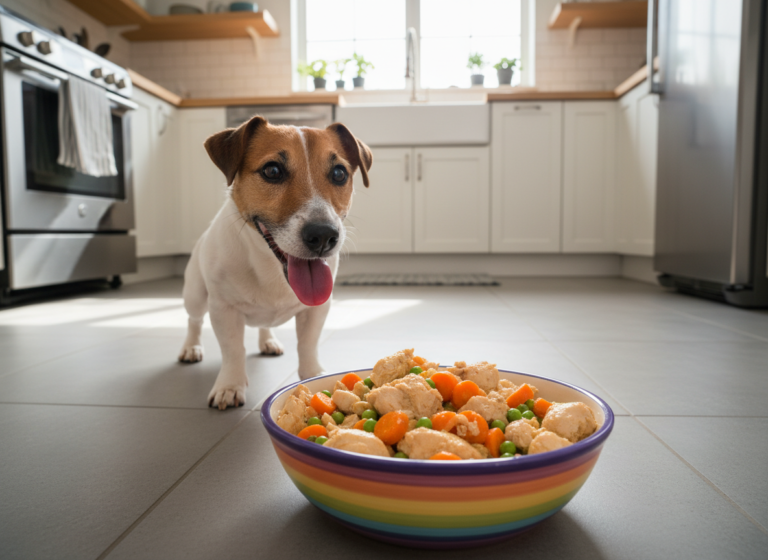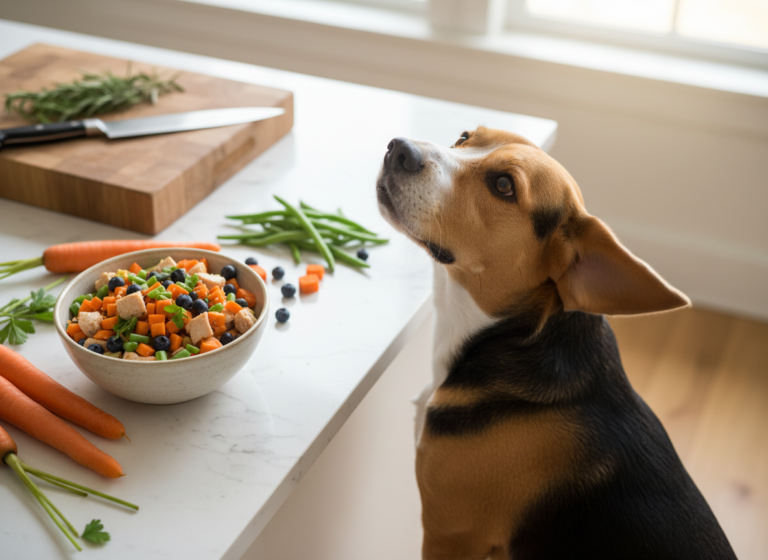

21 Balanced Homemade Labrador Retriever Dog Food Recipes
Hey there, fellow Lab lover! If you’re reading this, you probably know that Labrador Retrievers aren’t just pets; they’re furry, four-legged family members with boundless energy and even bigger appetites. And just like with any family member, you want to give them the absolute best. That often leads to a big question: what’s really in their food bowl? If you’ve ever considered taking control of your Lab’s diet, you’re in the right place!
Switching to homemade dog food can be an incredible journey. It allows you to provide fresh, whole-food ingredients, avoid fillers and preservatives, and tailor meals specifically to your dog’s needs—whether they’re a growing pup, a senior slowing down, or a Lab with a sensitive tummy. It’s a way to show your love that goes straight to their belly! In this guide, we’ll walk you through 21 delicious and nutritionally balanced recipes that will have your Labrador’s tail wagging with excitement. Let’s get cooking!
Quick Recipe Comparison
| Recipe Name | Main Protein | Best For | Approx. Prep Time |
|---|---|---|---|
| Classic Chicken & Rice Delight | Chicken | Sensitive Stomachs | 30 mins |
| Hearty Beef & Sweet Potato Stew | Beef | Active Adults | 45 mins |
| Salmon & Quinoa Power Bowl | Salmon | Skin & Coat Health | 35 mins |
| Lean Turkey & Veggie Medley | Turkey | Weight Management | 40 mins |
| Senior’s Gentle Fish & Pumpkin | Whitefish | Senior Dogs | 25 mins |
1. Classic Chicken & Rice Delight

This is the go-to recipe for a reason! It’s simple, gentle on the stomach, and a favorite among pups. It’s the perfect introductory meal to homemade cooking or for when your Lab’s tummy feels a bit off.
Ingredients:
- 2 boneless, skinless chicken breasts, boiled and shredded
- 1 cup cooked brown rice
- 1/2 cup carrots, finely diced and steamed
- 1/2 cup green beans, chopped and steamed
- 1 tablespoon coconut oil
- 1/4 cup chicken broth (low-sodium, no onion/garlic)
Instructions:
- Cook the brown rice according to package directions.
- Boil chicken breasts until fully cooked, then shred the meat.
- Steam the carrots and green beans until tender.
- In a large bowl, combine the shredded chicken, cooked rice, and steamed vegetables.
- Drizzle with coconut oil and a little chicken broth to add moisture. Mix well and let it cool completely before serving.
Pros & Cons
Pros:
|
Cons:
|
Verdict:
An excellent choice for dogs with sensitive stomachs or as a short-term meal to help with recovery from gastrointestinal issues. Always consult your vet.
2. Hearty Beef & Sweet Potato Stew

This rich and flavorful stew is packed with protein and energy, perfect for the active Labrador. Sweet potatoes are a fantastic source of vitamins and fiber, making this a well-rounded and satisfying meal.
Ingredients:
- 1 lb lean ground beef
- 1 large sweet potato, peeled and cubed
- 1 cup frozen peas
- 1/2 cup chopped celery
- 2 tablespoons olive oil
- 3 cups water or low-sodium beef broth
Instructions:
- In a large pot or Dutch oven, brown the ground beef in olive oil. Drain excess fat.
- Add the cubed sweet potato, celery, and water/broth.
- Bring to a boil, then reduce heat and simmer for 20-25 minutes, or until the sweet potato is tender.
- Stir in the frozen peas and cook for another 5 minutes.
- Let the stew cool completely before serving.
Pros & Cons
Pros:
|
Cons:
|
Verdict:
Ideal for active, adult Labradors without weight issues who need a substantial meal to fuel their adventures.
3. Salmon & Quinoa Power Bowl

Want to give your Lab a shiny, healthy coat? This recipe is your answer. Salmon is loaded with Omega-3 fatty acids, which are fantastic for skin, coat, and joint health. Quinoa is a complete protein and a great gluten-free carbohydrate source.
Ingredients:
- 1/2 lb salmon fillet, baked or poached and flaked
- 1 cup cooked quinoa
- 1/2 cup chopped spinach, lightly wilted
- 1/4 cup blueberries
- 1 teaspoon fish oil (from a reputable source)
Instructions:
- Cook the quinoa according to package directions. Let cool.
- Cook the salmon by baking or poaching until it flakes easily with a fork. Remove any bones.
- In a bowl, gently mix the flaked salmon, cooked quinoa, wilted spinach, and blueberries.
- Drizzle with fish oil just before serving for an extra Omega-3 boost.
Pros & Cons
Pros:
|
Cons:
|
Verdict:
Perfect for Labradors with dry skin, dull coats, or those needing extra joint support. A true superfood meal!
4. Lean Turkey & Veggie Medley

For the Lab who needs to watch their waistline, this low-fat, high-fiber recipe is a lifesaver. Ground turkey is a lean protein source, and the mix of veggies adds nutrients and bulk without a lot of calories.
Ingredients:
- 1 lb lean ground turkey
- 1 cup chopped green beans
- 1 cup chopped zucchini
- 1/2 cup pumpkin puree (100% pure pumpkin, not pie filling)
- 1 teaspoon dried parsley
Instructions:
- In a skillet, cook the ground turkey until no longer pink. Drain any fat.
- Add the green beans and zucchini to the skillet and cook for 5-7 minutes until tender-crisp.
- Remove from heat and stir in the pumpkin puree and parsley.
- Allow to cool thoroughly before portioning out for your pup.
Pros & Cons
Pros:
|
Cons:
|
Verdict:
An excellent choice for overweight Labradors or those prone to weight gain. It helps them feel full while consuming fewer calories.
5. Lamb & Barley Feast

Lamb is a fantastic novel protein for dogs who may have sensitivities to more common meats like chicken or beef. Paired with hearty barley, this makes for a robust and delicious meal.
Ingredients:
- 1 lb ground lamb
- 1 cup cooked pearl barley
- 1/2 cup grated carrots
- 1/2 cup chopped parsley
- 1 tablespoon flaxseed oil
Instructions:
- Cook the barley according to its instructions.
- In a skillet, brown the ground lamb and drain the excess fat.
- In a large bowl, combine the cooked lamb, barley, grated carrots, and chopped parsley.
- Drizzle with flaxseed oil and mix well. Serve once cooled.
Pros & Cons
Pros:
|
Cons:
|
Verdict:
A great rotational protein to add variety to your dog’s diet or for Labs with common protein allergies.
6. Puppy’s First Porridge (Chicken & Oatmeal)

Growing Labrador puppies need nutrient-dense, easy-to-digest food. This soft porridge is perfect for their developing digestive systems and provides the building blocks they need to grow up strong and healthy.
Ingredients:
- 1/2 lb ground chicken
- 1 cup cooked oatmeal (cooked with water, not milk)
- 1/4 cup full-fat plain yogurt or cottage cheese
- 1 hard-boiled egg, mashed
- A balanced puppy vitamin/mineral supplement (as directed by your vet)
Instructions:
- Cook the ground chicken thoroughly. Drain fat.
- Prepare the oatmeal with water until it’s a soft, porridge-like consistency.
- In a bowl, mix the cooked chicken, oatmeal, mashed egg, and yogurt/cottage cheese.
- Sprinkle in the vet-recommended puppy supplement and stir to combine. Serve warm, but not hot.
Pros & Cons
Pros:
|
Cons:
|
Verdict:
A fantastic starter meal for weaned Labrador puppies, but it is absolutely essential to work with your veterinarian to ensure it meets all their complex nutritional requirements for growth.
7. Senior’s Gentle Fish & Pumpkin

Older Labs benefit from easily digestible meals that support their joints and cognitive function. This recipe uses gentle whitefish and soothing pumpkin, making it perfect for the golden years.
Ingredients:
- 1 lb cod or tilapia fillets, poached
- 1 cup pumpkin puree (100% pure)
- 1/2 cup cooked brown rice
- 1/2 cup steamed peas
- 1 teaspoon turmeric powder (for anti-inflammatory benefits)
Instructions:
- Gently poach the fish fillets in a small amount of water until they flake easily.
- In a bowl, flake the cooked fish and combine it with the pumpkin puree, cooked rice, and steamed peas.
- Sprinkle with turmeric powder and mix gently.
- Serve at room temperature.
Pros & Cons
Pros:
|
Cons:
|
Verdict:
An ideal meal for senior Labradors, especially those with arthritis, sensitive digestion, or slowing metabolisms.
8. Grain-Free Beef & Lentil Loaf

For dogs on a grain-free diet, this meatloaf-style recipe is a huge hit. Lentils provide fiber and protein, while the loaf form makes it easy to portion and store.
Ingredients:
- 1.5 lbs lean ground beef
- 1 cup cooked red lentils
- 2 eggs, beaten
- 1 cup finely chopped carrots and celery
- 1/2 cup rolled oats (use certified gluten-free if needed) or almond flour
- 1/4 cup chopped parsley
Instructions:
- Preheat your oven to 350°F (175°C).
- In a large bowl, combine all ingredients and mix thoroughly with your hands.
- Press the mixture into a loaf pan.
- Bake for 45-55 minutes, or until the center is cooked through.
- Let it cool completely, then slice and serve.
Pros & Cons
Pros:
|
Cons:
|
Verdict:
A wonderful grain-free option that feels like a special treat. It’s perfect for meal-preppers who want to have healthy portions ready to go.
9. Turkey & Cranberry Crockpot Recipe

Let your slow cooker do the work! This recipe is a ‘set it and forget it’ meal that results in a tender, juicy, and delicious dinner for your Lab. The cranberries add a boost of antioxidants.
Ingredients:
- 1.5 lbs ground turkey
- 1 cup chopped sweet potatoes
- 1 cup chopped carrots
- 1/2 cup fresh or frozen cranberries (unsweetened)
- 1/2 cup frozen green beans
- 2 cups water or low-sodium turkey broth
Instructions:
- Place all ingredients into the slow cooker.
- Stir to combine.
- Cook on low for 6-8 hours or on high for 3-4 hours, until the turkey is cooked and vegetables are tender.
- Stir everything together, breaking up the turkey, and let it cool before serving.
Pros & Cons
Pros:
|
Cons:
|
Verdict:
Perfect for busy pet owners who want to provide a healthy, homemade meal without spending a lot of time in the kitchen.
10. Sardine & Egg Scramble

This is a quick, potent meal packed with Omega-3s, protein, and calcium. Sardines are an incredible superfood for dogs. This makes a great supplemental meal or a special breakfast treat.
Ingredients:
- 1 can (3.75 oz) sardines packed in water, no salt added
- 2 eggs
- 1 tablespoon chopped parsley
- A splash of water
Instructions:
- In a non-stick skillet, lightly scramble the two eggs with a splash of water until just cooked.
- Remove from heat. Add the entire can of sardines (including the water) and the chopped parsley.
- Mash everything together with a fork.
- Serve once it has cooled down.
Pros & Cons
Pros:
|
Cons:
|
Verdict:
An amazing weekly supplement to your Lab’s regular diet to provide a concentrated boost of essential fatty acids and nutrients.
11. Chicken Liver & Brown Rice Pâté
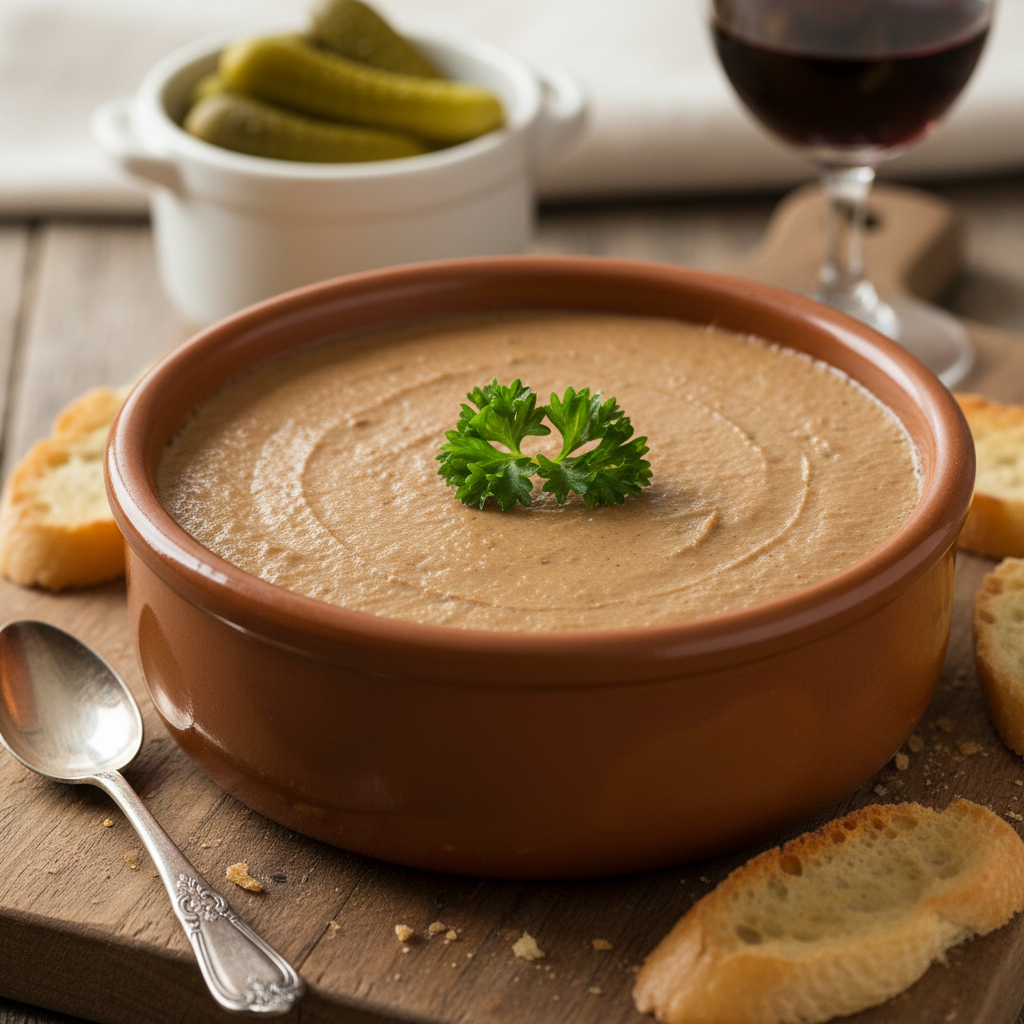
Organ meats like liver are incredibly nutrient-dense, packed with Vitamin A, iron, and B vitamins. This pâté-style meal is rich and often irresistible to dogs.
Ingredients:
- 1/2 lb chicken livers
- 1 cup cooked brown rice
- 1/2 cup steamed carrots
- 1/4 cup water or chicken broth
Instructions:
- Sauté the chicken livers in a pan with a little water until cooked through (about 5-7 minutes). They should not be pink inside.
- In a blender or food processor, combine the cooked livers, brown rice, and steamed carrots.
- Add the water or broth and blend until it forms a smooth pâté. Add more liquid if needed to reach the desired consistency.
- Cool and serve.
Pros & Cons
Pros:
|
Cons:
|
Verdict:
A nutrient-packed meal that should be fed as part of a rotational diet, not as the sole meal every day. It’s great for adding a vitamin boost.
12. Ground Beef & Green Bean Casserole
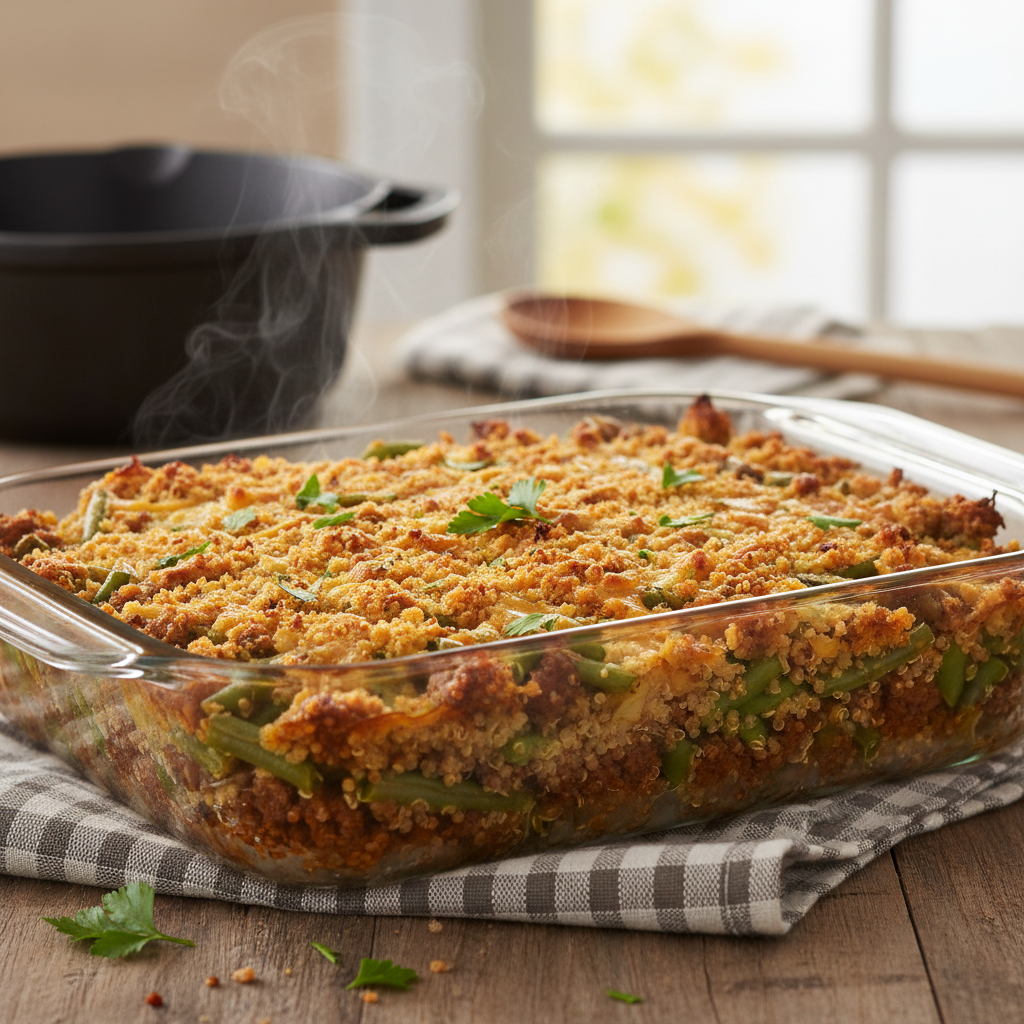
A dog-friendly take on a classic comfort food. This casserole is simple, satisfying, and full of goodness. Green beans are a low-calorie, high-fiber veggie that Labs love.
Ingredients:
- 1 lb lean ground beef
- 1.5 cups chopped green beans (fresh or frozen)
- 1 cup cooked quinoa or brown rice
- 1 egg, beaten
- 1/4 cup plain Greek yogurt (as a creamy binder)
Instructions:
- Preheat oven to 375°F (190°C).
- In a skillet, brown the ground beef and drain the fat.
- In a large bowl, mix the cooked beef, green beans, cooked grain, egg, and Greek yogurt.
- Spread the mixture into a greased 8×8 inch baking dish.
- Bake for 20-25 minutes until set. Cool before slicing and serving.
Pros & Cons
Pros:
|
Cons:
|
Verdict:
A delicious and hearty meal for an active adult Labrador, perfect for making ahead of time for the week.
13. Venison & Root Vegetable Mix
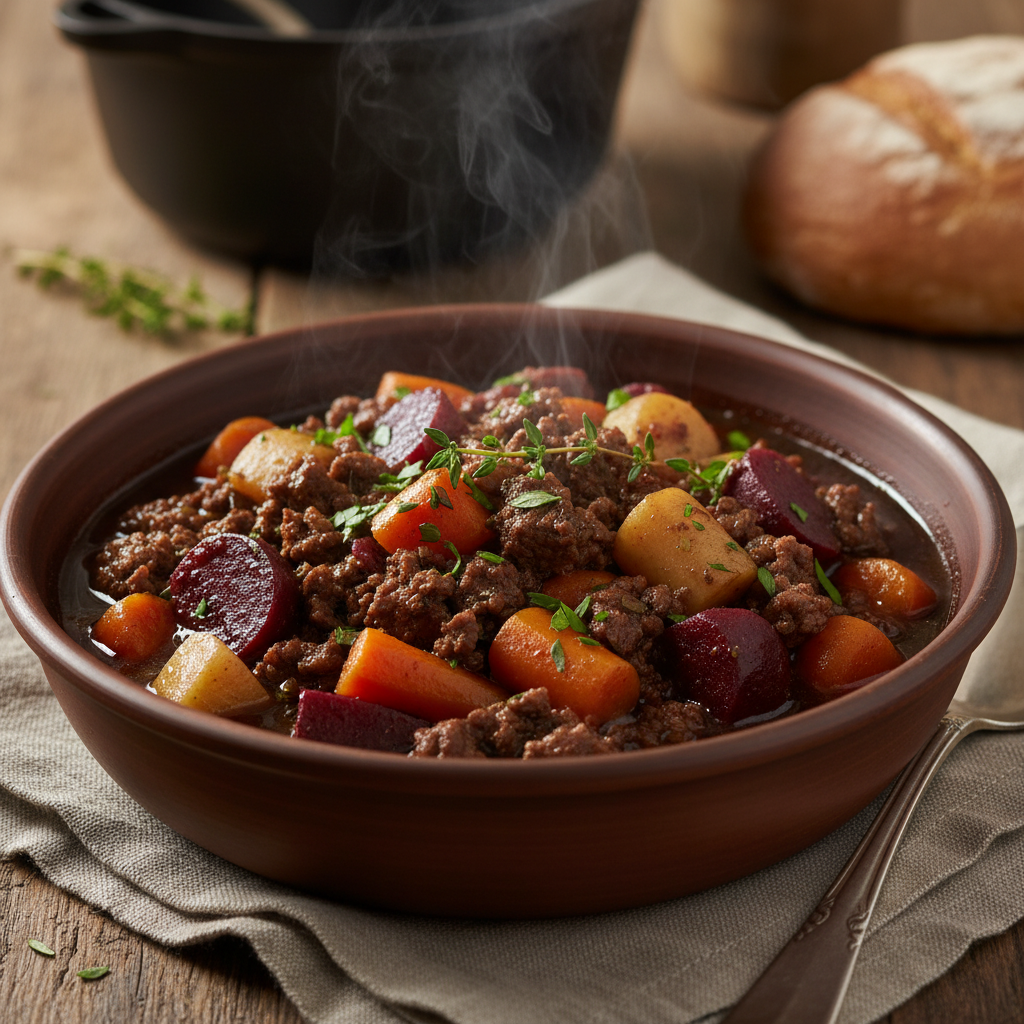
Venison (deer meat) is an excellent novel protein that’s low in fat and high in iron and B vitamins. It’s a great choice for dogs with allergies or for adding some exciting variety.
Ingredients:
- 1 lb ground venison
- 1 cup cubed parsnips
- 1 cup cubed carrots
- 1/2 cup chopped beets
- 2 tablespoons olive oil
- 1 cup water or beef broth
Instructions:
- In a large pot, brown the ground venison in olive oil.
- Add the parsnips, carrots, beets, and water/broth.
- Bring to a simmer, then cover and cook for 25-30 minutes until the vegetables are fork-tender.
- Mash slightly if desired and let it cool completely.
Pros & Cons
Pros:
|
Cons:
|
Verdict:
A fantastic gourmet option for dogs with allergies to common proteins or for owners who want to feed a varied, lean diet.
14. Duck & Pear Puree
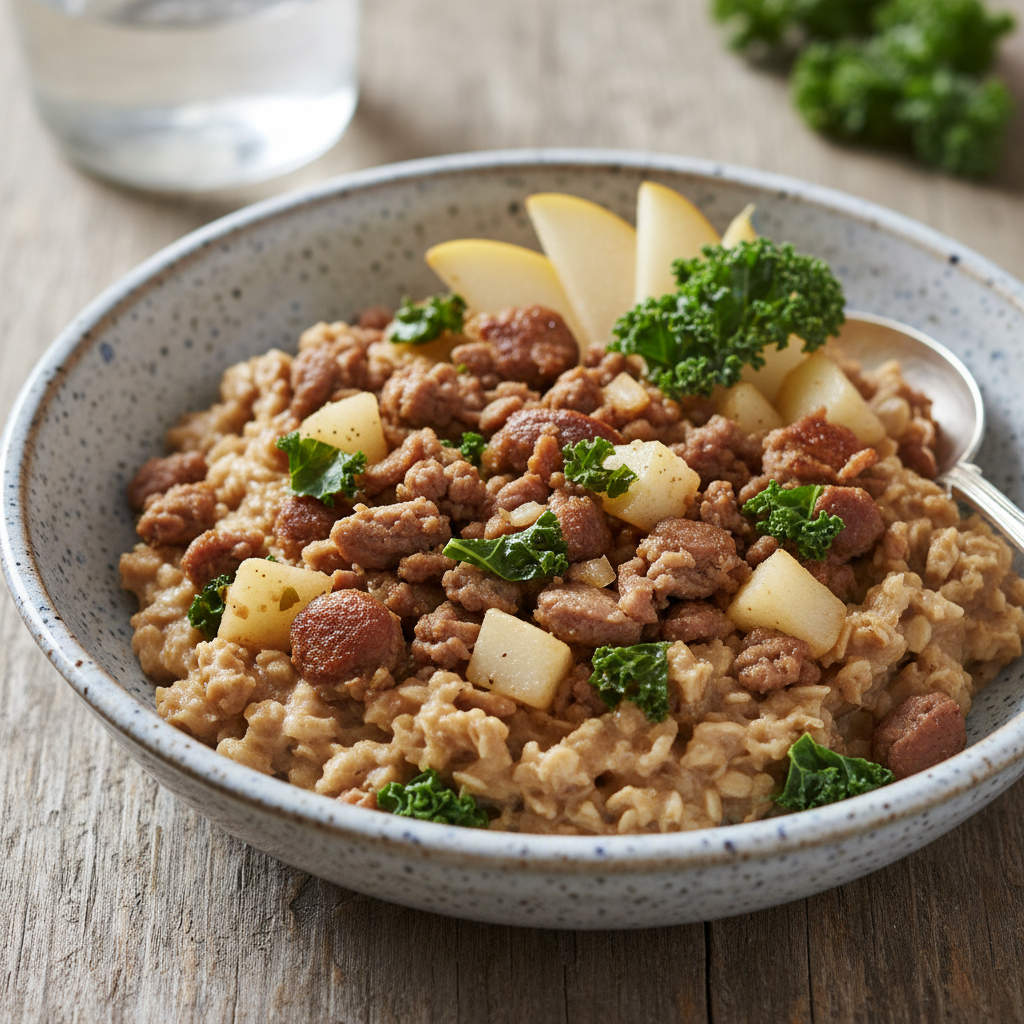
Another wonderful novel protein, duck is rich and flavorful. Paired with the gentle fiber of pears, this makes for a unique and easily digestible meal.
Ingredients:
- 1 lb ground duck
- 1 ripe pear, cored and chopped (no seeds!)
- 1/2 cup cooked oatmeal
- 1/2 cup chopped kale, lightly steamed
Instructions:
- Cook the ground duck in a skillet until browned. Duck is fatty, so be sure to drain the excess fat thoroughly.
- In a bowl, combine the cooked duck, chopped pear, oatmeal, and steamed kale.
- For a smoother consistency, you can pulse it a few times in a food processor.
- Serve once cooled to a safe temperature.
Pros & Cons
Pros:
|
Cons:
|
Verdict:
A gourmet meal for the discerning Labrador, especially one who needs a novel protein source to combat food sensitivities.
15. Cottage Cheese & Veggie Bowl
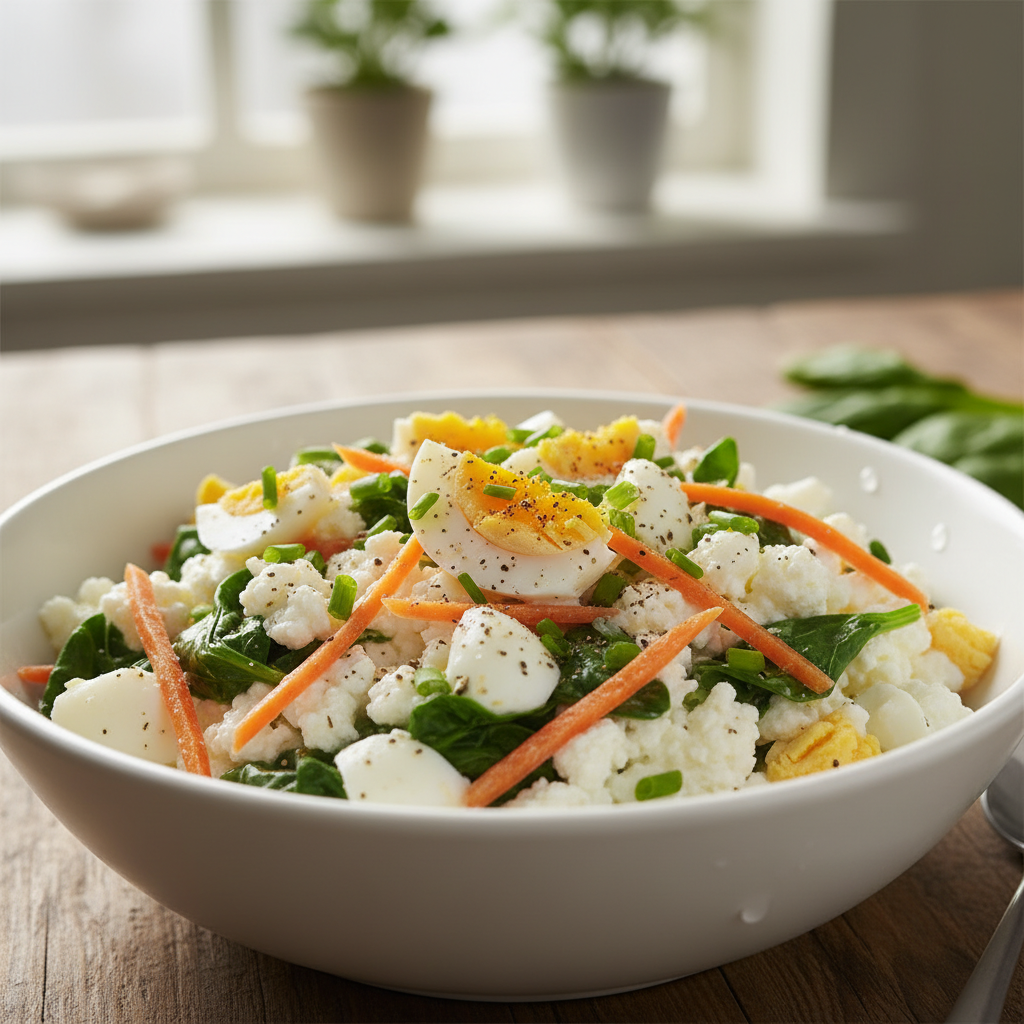
Looking for a meat-light or bland diet option? This simple bowl is packed with protein from cottage cheese and eggs, and it’s very gentle on the digestive system.
Ingredients:
- 1 cup low-fat cottage cheese
- 1 hard-boiled egg, chopped
- 1/2 cup finely grated carrots
- 1/4 cup steamed and chopped spinach
Instructions:
- In a bowl, simply combine all the ingredients: cottage cheese, chopped egg, grated carrots, and spinach.
- Mix well and serve immediately.
Pros & Cons
Pros:
|
Cons:
|
Verdict:
An excellent temporary meal for a dog recovering from a stomach bug or as a light, occasional meal. It should not be a long-term staple without veterinary consultation and supplementation.
16. Senior Lab Joint Support Stew
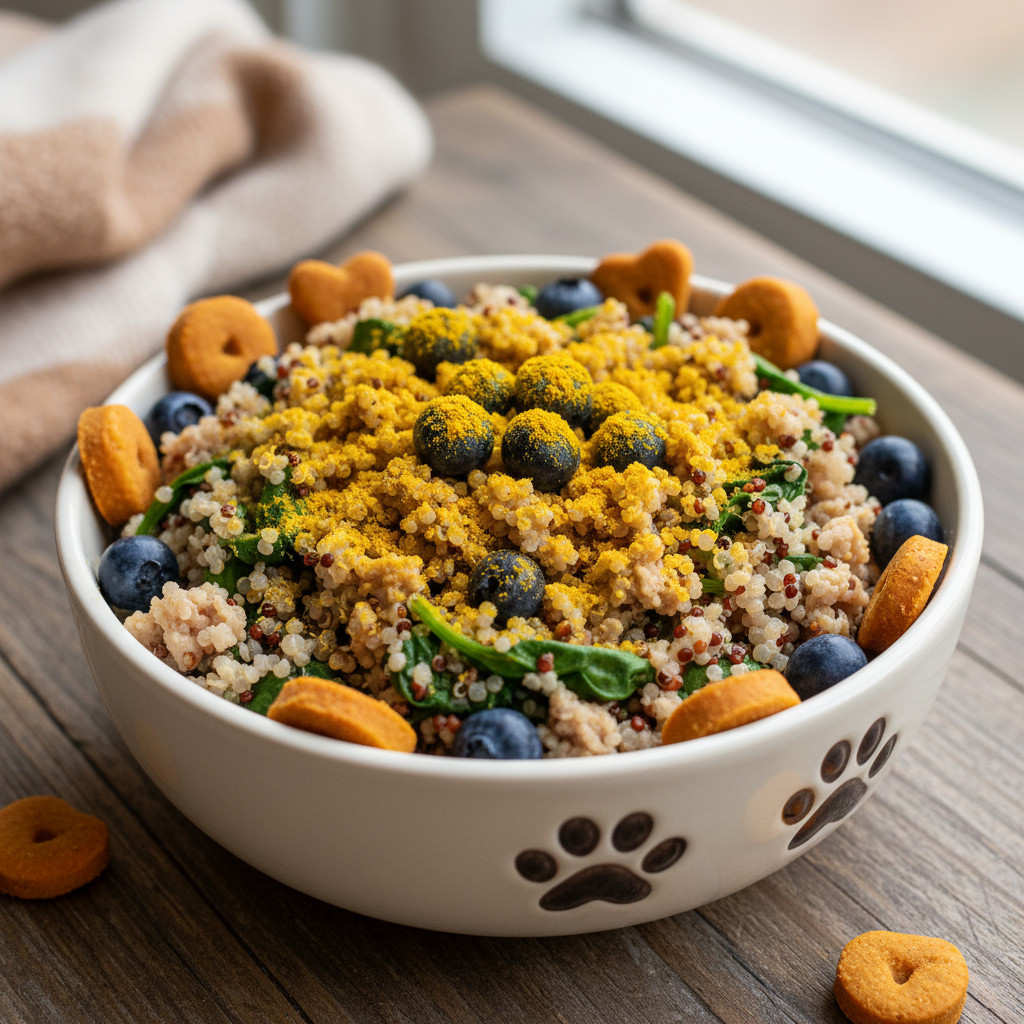
This recipe is specifically designed with the senior Lab’s joints in mind. It includes ingredients known for their anti-inflammatory properties to help keep your old friend comfortable and mobile.
Ingredients:
- 1 lb ground turkey
- 1/2 cup blueberries
- 1/2 cup chopped spinach
- 1 cup cooked quinoa
- 1 tablespoon coconut oil
- 1 teaspoon turmeric
- 1/2 teaspoon ground ginger
Instructions:
- Cook the ground turkey and drain the fat.
- In a large bowl, combine the cooked turkey with the cooked quinoa, spinach, and blueberries.
- Drizzle with coconut oil and sprinkle with turmeric and ginger.
- Stir gently to combine and serve when cool.
Pros & Cons
Pros:
|
Cons:
|
Verdict:
A purpose-built meal for senior Labradors to help naturally support their aging joints and overall wellness.
17. High-Energy Chicken & Pasta
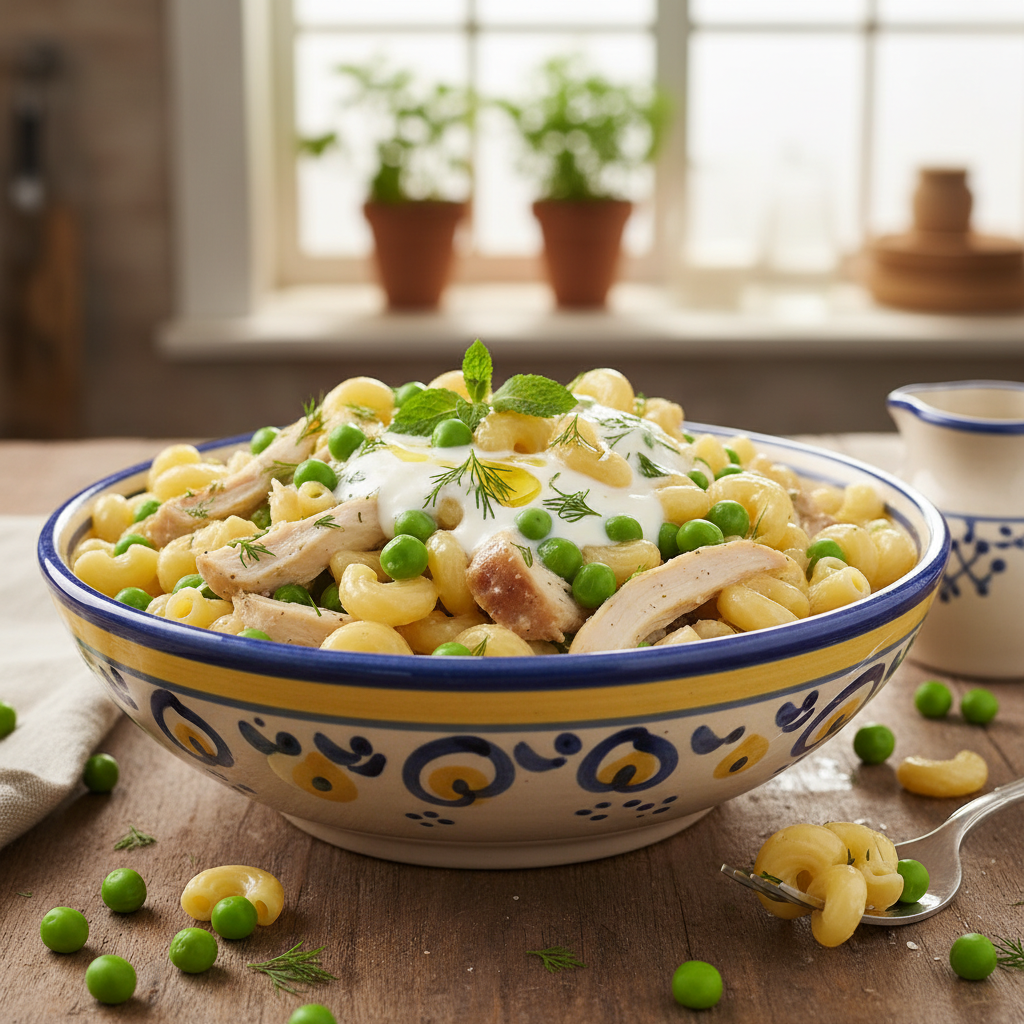
For the highly active Labrador—the dock diver, the agility star, the tireless fetch champion—this meal provides easily accessible carbohydrates for quick energy.
Ingredients:
- 1 lb shredded boiled chicken
- 1.5 cups cooked whole wheat pasta (like macaroni or rotini)
- 1/2 cup plain Greek yogurt
- 1/2 cup steamed peas
- A drizzle of olive oil
Instructions:
- Boil and shred the chicken. Cook the pasta according to package directions.
- In a bowl, combine the chicken, pasta, and peas.
- Stir in the Greek yogurt to create a creamy sauce and drizzle with olive oil for healthy fats.
- Mix well and serve after cooling.
Pros & Cons
Pros:
|
Cons:
|
Verdict:
The perfect pre- or post-activity meal for sporting or working Labradors who need to replenish their energy stores quickly.
18. Hypoallergenic Lamb & Rice

A simple, limited-ingredient recipe designed for dogs with sensitive systems and potential allergies. Using a novel protein (lamb) and a single carbohydrate source (rice) minimizes the chance of a reaction.
Ingredients:
- 1 lb ground lamb
- 2 cups cooked white rice
- 1 cup boiled and mashed carrots
- 1 tablespoon sunflower oil
Instructions:
- Brown the ground lamb and drain all excess fat.
- Boil the carrots until very soft, then mash them.
- Cook the white rice until soft.
- In a bowl, mix the lamb, rice, and mashed carrots.
- Stir in the sunflower oil for essential fatty acids. Serve when cool.
Pros & Cons
Pros:
|
Cons:
|
Verdict:
An excellent starting point for a Labrador with suspected food allergies or a very sensitive digestive tract. It’s bland, simple, and gentle.
19. Pork & Apple Sauce Mash

Pork is another great protein source that dogs often love. Paired with unsweetened applesauce, it creates a sweet and savory combination that’s both delicious and nutritious.
Ingredients:
- 1 lb ground pork
- 1 cup unsweetened applesauce
- 1 cup cooked sweet potato, mashed
- 1/2 cup steamed green beans, chopped
Instructions:
- Cook the ground pork thoroughly in a skillet, breaking it into small pieces. Drain the fat well.
- In a large bowl, combine the cooked pork with the applesauce, mashed sweet potato, and chopped green beans.
- Mix until everything is well incorporated.
- Let it cool before serving up this tasty mash.
Pros & Cons
Pros:
|
Cons:
|
Verdict:
A flavorful and fun recipe to add to your rotation for adult Labradors without fat sensitivities or pancreatitis history.
20. Mackerel & Spinach Scramble
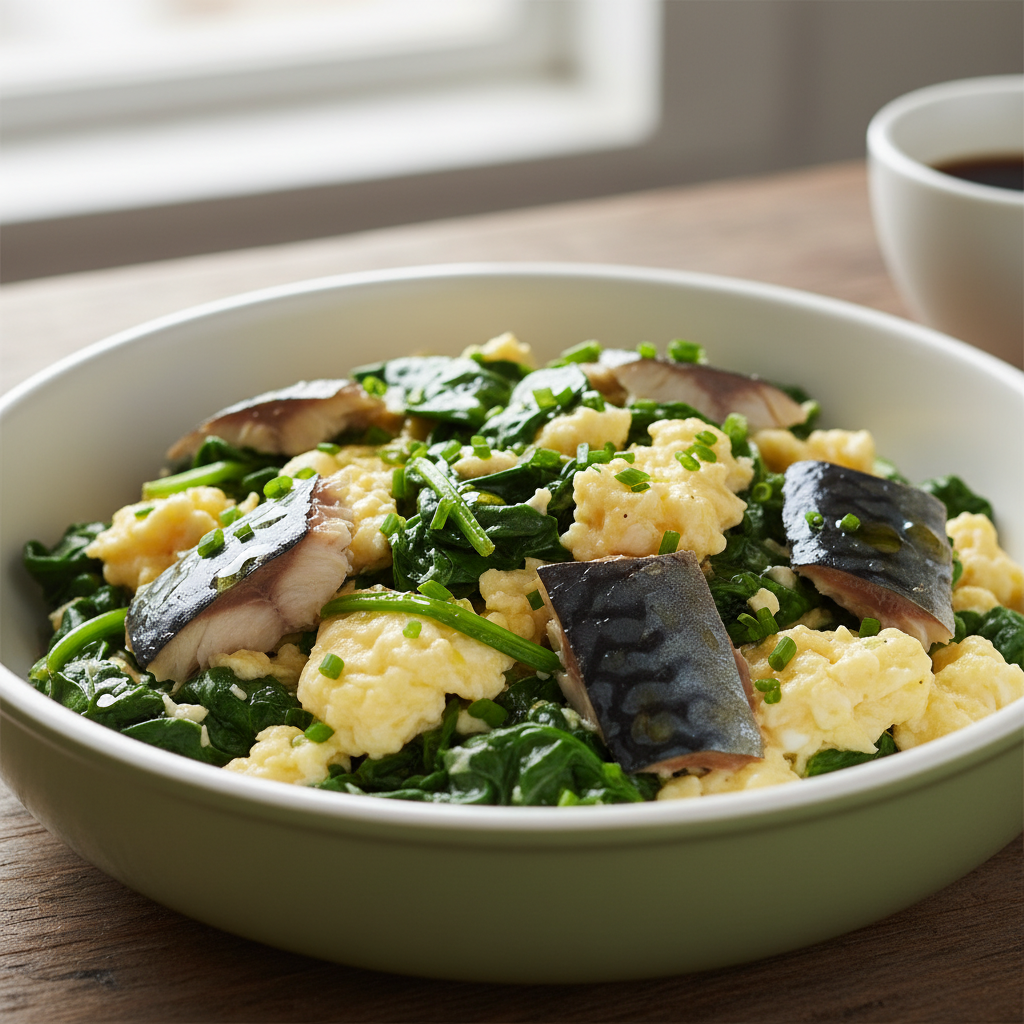
Mackerel is an oily fish, making it one of the best natural sources of Omega-3s. This powerful scramble is a nutritional powerhouse for your Lab’s brain, joints, and skin.
Ingredients:
- 1 can (15 oz) mackerel in water, no salt added, drained
- 2 eggs, scrambled
- 1 cup fresh spinach, wilted
- 1/4 cup cooked barley
Instructions:
- In a bowl, flake the canned mackerel.
- Lightly scramble the eggs and wilt the spinach in the same pan.
- Combine the mackerel, scrambled eggs, wilted spinach, and cooked barley.
- Mix gently and serve when cool.
Pros & Cons
Pros:
|
Cons:
|
Verdict:
A superfood meal for any age, but particularly beneficial for seniors needing cognitive and joint support. Use as a supplement or occasional meal.
21. Beef Heart & Kale Superfood Mix

Don’t be shy about organ meats! Beef heart is a lean, muscular organ that is packed with taurine, CoQ10, and B-vitamins, all of which are vital for your dog’s cardiovascular health.
Ingredients:
- 1 lb beef heart, trimmed and finely chopped
- 1 cup finely chopped kale, lightly steamed
- 1 cup cooked lentils
- 1 tablespoon flaxseed oil
Instructions:
- You can either lightly sear the chopped beef heart in a pan for a few minutes or serve it raw if you are comfortable with raw feeding practices and sourcing.
- In a bowl, combine the beef heart, steamed kale, and cooked lentils.
- Drizzle with flaxseed oil and mix thoroughly.
- Serve immediately (if seared, wait for it to cool).
Pros & Cons
Pros:
|
Cons:
|
Verdict:
A fantastic, nutrient-packed meal for adult Labradors that provides a host of benefits, particularly for heart health. A great addition to a varied homemade diet.
A Guide to Crafting the Perfect Homemade Meal for Your Lab

Switching to a homemade diet is exciting, but it comes with responsibility. A Labrador’s nutritional needs are complex, and ‘eyeballing it’ won’t cut it. Here’s what you need to focus on to ensure your pup’s meals are delicious AND balanced.
The Core Components
- High-Quality Protein (40-50%): This is the cornerstone. Think lean muscle meats (chicken, turkey, beef, lamb), fish, and eggs. Organ meats like liver and heart are fantastic in moderation (about 5-10% of the diet).
- Complex Carbohydrates (25-30%): Carbs provide energy. Opt for nutrient-rich sources like sweet potatoes, brown rice, oatmeal, barley, quinoa, and lentils. These also provide essential fiber for digestive health.
- Healthy Fats (10-15%): Fat is not the enemy! It’s crucial for energy, brain function, and healthy skin. Good sources include fish oil, flaxseed oil, coconut oil, and the natural fats present in proteins like salmon and duck.
- Vegetables & Fruits (10-20%): This is where the vitamins, minerals, and antioxidants come from. Carrots, green beans, peas, spinach, kale, blueberries, and pumpkin are all excellent choices for your Lab.
The Calcium Question
One of the most common mistakes in homemade diets is failing to provide enough calcium. Meat and vegetables alone won’t meet your dog’s needs. You must add a calcium source. This can be a high-quality calcium supplement, or finely crushed eggshells (after baking them to sterilize). Always discuss the correct amount with your vet.
Foods to ALWAYS Avoid
Some human foods are toxic to dogs. Never include these in your recipes:
- Onions, garlic, chives, and leeks
- Grapes and raisins
- Chocolate
- Macadamia nuts
- Xylitol (an artificial sweetener found in many products)
- Cooked bones (they can splinter)
- Alcohol and caffeine
The Golden Rule: Talk to Your Vet
Before you make the switch, have a serious conversation with your veterinarian or a board-certified veterinary nutritionist. They can help you formulate a diet that is perfectly balanced for your specific Labrador’s age, weight, activity level, and any health conditions. They can also recommend the right supplements to fill any nutritional gaps. Happy cooking!
Frequently Asked Questions About Homemade Lab Food

1. How much homemade food should I feed my Labrador?
This is a critical question! A general guideline is to feed 2-3% of your dog’s ideal body weight per day. For a 70-pound Labrador, this would be 1.4 to 2.1 pounds of food daily, divided into two meals. However, this varies greatly based on activity level, age, and metabolism. The best way to know is to monitor your dog’s body condition. You should be able to feel their ribs but not see them. Adjust portions as needed and consult your vet for a precise recommendation.
2. Can I make large batches and freeze them?
Absolutely! Meal prepping is one of the best ways to make a homemade diet manageable. You can cook a week’s or even a month’s worth of food at once. Portion it out into daily or single-meal servings in freezer-safe bags or containers. This saves a ton of time and ensures you always have a healthy meal ready. To serve, simply thaw a portion in the refrigerator overnight or gently warm it.
3. Are there any supplements I absolutely must add?
Most likely, yes. It’s very difficult to create a perfectly balanced diet that meets 100% of the AAFCO nutrient profiles through food alone. The most common deficiencies in homemade diets are calcium, essential fatty acids (Omega-3 and 6), iodine, and certain vitamins like D and E. A balanced vitamin and mineral supplement designed for homemade diets is often recommended. A high-quality fish oil is also a great addition for its anti-inflammatory benefits. This is a non-negotiable topic to discuss with your vet to ensure there are no nutritional gaps.
4. Is homemade food more expensive than buying kibble?
It can be, but it depends on the ingredients you choose. Using premium proteins like venison or salmon will be more expensive than a high-quality kibble. However, if you use more affordable proteins like chicken or ground turkey and buy vegetables and grains in bulk, the cost can be quite comparable to feeding a premium commercial dog food. Think of it as an investment in your dog’s long-term health, which could potentially save you money on vet bills down the road.
Conclusion
Whew, what a culinary adventure! We’ve journeyed through 21 recipes, from simple stews to gourmet loaves, all designed with your Labrador’s health and happiness in mind. Embarking on a homemade food journey for your pet is a true act of love. It gives you unparalleled control over their nutrition and deepens the bond you share every time you fill their bowl.
Remember, the key to success is balance. Variety is the spice of life, so don’t be afraid to rotate through different recipes to provide a wide range of nutrients. Most importantly, keep an open line of communication with your veterinarian. They are your best partner in ensuring your furry friend’s diet is complete, balanced, and perfectly suited to them.
So, tie on that apron, pull out the chopping board, and get ready to see some of the most enthusiastic tail wags of your life. Your Labrador is in for a treat! Happy cooking!