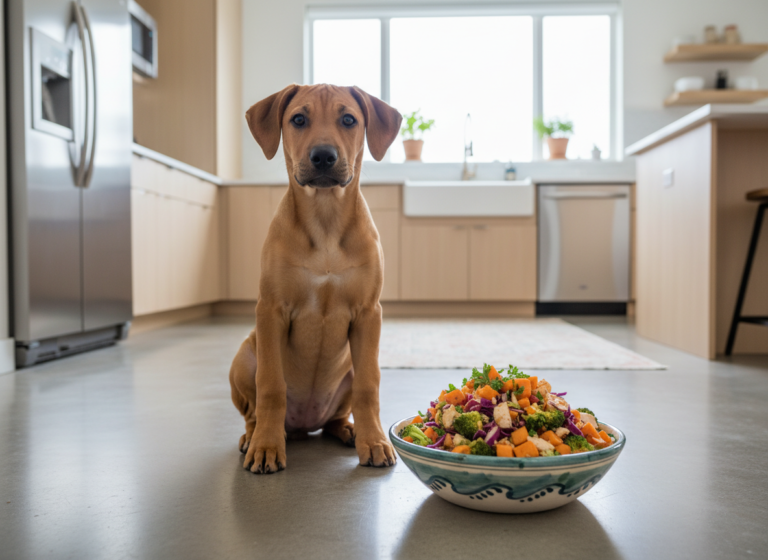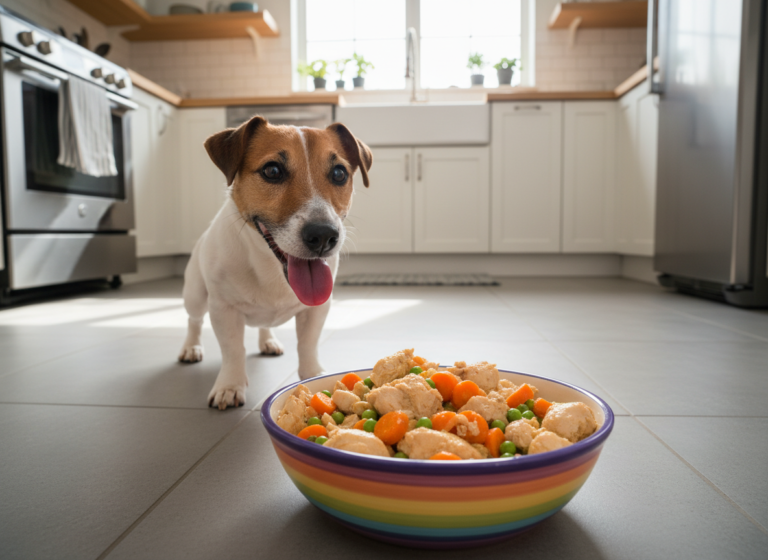
13 Hypoallergenic Homemade Food for Poodles with Sensitive Skin
Welcome, fellow Poodle parent! If you’re here, chances are you know the struggle all too well: the endless scratching, the red and irritated skin, the frustrating vet visits. Poodles, with their glorious curls, are unfortunately prone to skin sensitivities and allergies. While commercial foods have options, sometimes the best solution is found right in your own kitchen.
Switching to a homemade diet can feel daunting, but it gives you complete control over every single ingredient that goes into your furry friend’s bowl. This means you can eliminate common triggers and pack their meals with skin-soothing nutrients. We’ve compiled 13 delicious and simple hypoallergenic recipes specifically with your sensitive Poodle in mind. Let’s get cooking and bring some much-needed relief to your best friend!
Quick Comparison of Our Top Recipes
| Recipe | Main Protein | Key Benefit | Best For |
|---|---|---|---|
| Salmon & Sweet Potato Mash | Salmon | Omega-3 Boost | Dry, flaky skin |
| Duck & Pear Delight | Duck | Novel Protein | Suspected poultry allergies |
| Lamb & Oatmeal Soother | Lamb | Gentle on the stomach | GI and skin issues |
| Turkey & Quinoa Bowl | Turkey | Lean & easy to digest | Weight management |
| Rabbit & Pumpkin Puree | Rabbit | Highly Novel Protein | Severe allergies |
| Cod & Zucchini Medley | Cod | Low-Fat Fish Option | Pancreatitis-prone dogs |
| Pork & Butternut Squash Stew | Pork | Rich in B Vitamins | Boosting energy levels |
| Sardine & Kale Power Mix | Sardines | Maximum Omega-3s | Dull coats and inflammation |
| Goat & Lentil Loaf | Goat | Unique & Lean Protein | Adventurous eaters |
| Venison & Blueberry Blend | Venison | Antioxidant-Rich | Immune system support |
| Bison & Green Bean Casserole | Bison | Iron-Rich Protein | Active or anemic dogs |
| Kangaroo & Carrot Mash | Kangaroo | Ultra-Lean & Hypoallergenic | Dogs with multiple protein allergies |
| Tofu & Brown Rice Scramble | Tofu | Vegetarian Option | Meat protein sensitivities |
Important Note: Always consult with your veterinarian or a veterinary nutritionist before making significant changes to your dog’s diet. They can help ensure the recipes are balanced and meet your Poodle’s specific nutritional needs.
1. Simple Salmon & Sweet Potato Mash

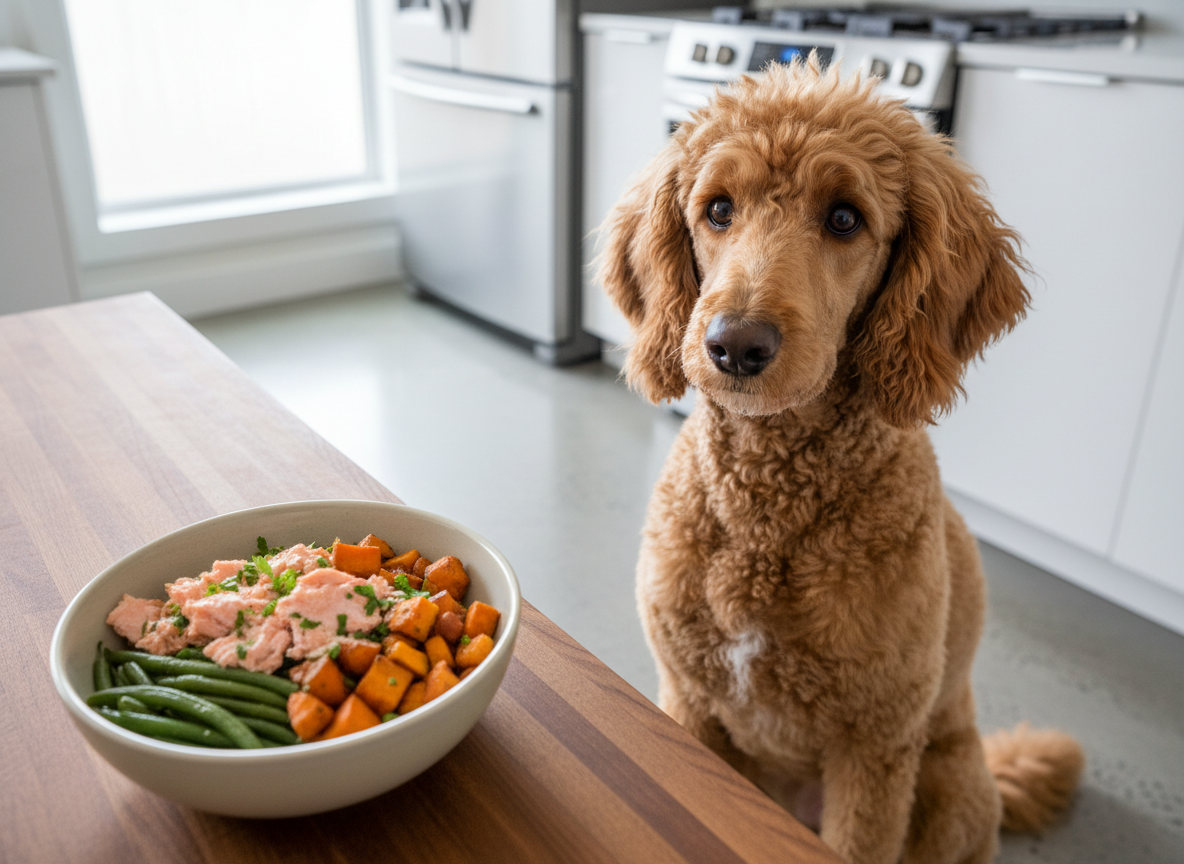
This recipe is a powerhouse for skin health. Salmon is loaded with Omega-3 fatty acids (EPA and DHA), which are nature’s anti-inflammatories. They help calm irritated skin, reduce itchiness, and promote a shiny, healthy coat. Sweet potatoes are a fantastic, easily digestible carbohydrate source, rich in Vitamin A, which is crucial for skin repair and maintenance.
Ingredients:
- 1 lb salmon fillet, skinless and boneless
- 2 medium sweet potatoes, peeled and chopped
- 1 cup green beans, trimmed and chopped
- 1 tablespoon olive oil or coconut oil
- 1/4 cup water
Instructions:
- Boil or steam the chopped sweet potatoes until they are fork-tender. Drain and mash them.
- While the potatoes cook, heat the oil in a pan over medium heat. Cook the salmon fillet for about 4-6 minutes per side, until it’s cooked through. Let it cool slightly, then flake it with a fork.
- Steam the green beans until they are tender-crisp.
- In a large bowl, gently combine the mashed sweet potatoes, flaked salmon, and steamed green beans. Add the water to create a moister consistency if needed.
- Allow to cool completely before serving.
| Pros | Cons |
|---|---|
| Excellent source of Omega-3s | Salmon can be more expensive than other proteins. |
| Easy to digest | Some dogs may not like the taste of fish. |
| Simple, limited ingredients | Requires deboning fish carefully if not buying fillets. |
Verdict:
This is the perfect starting recipe for any Poodle with dry, flaky, or inflamed skin. The high concentration of Omega-3s provides direct, targeted relief for common skin ailments.
2. Duck & Pear Delight
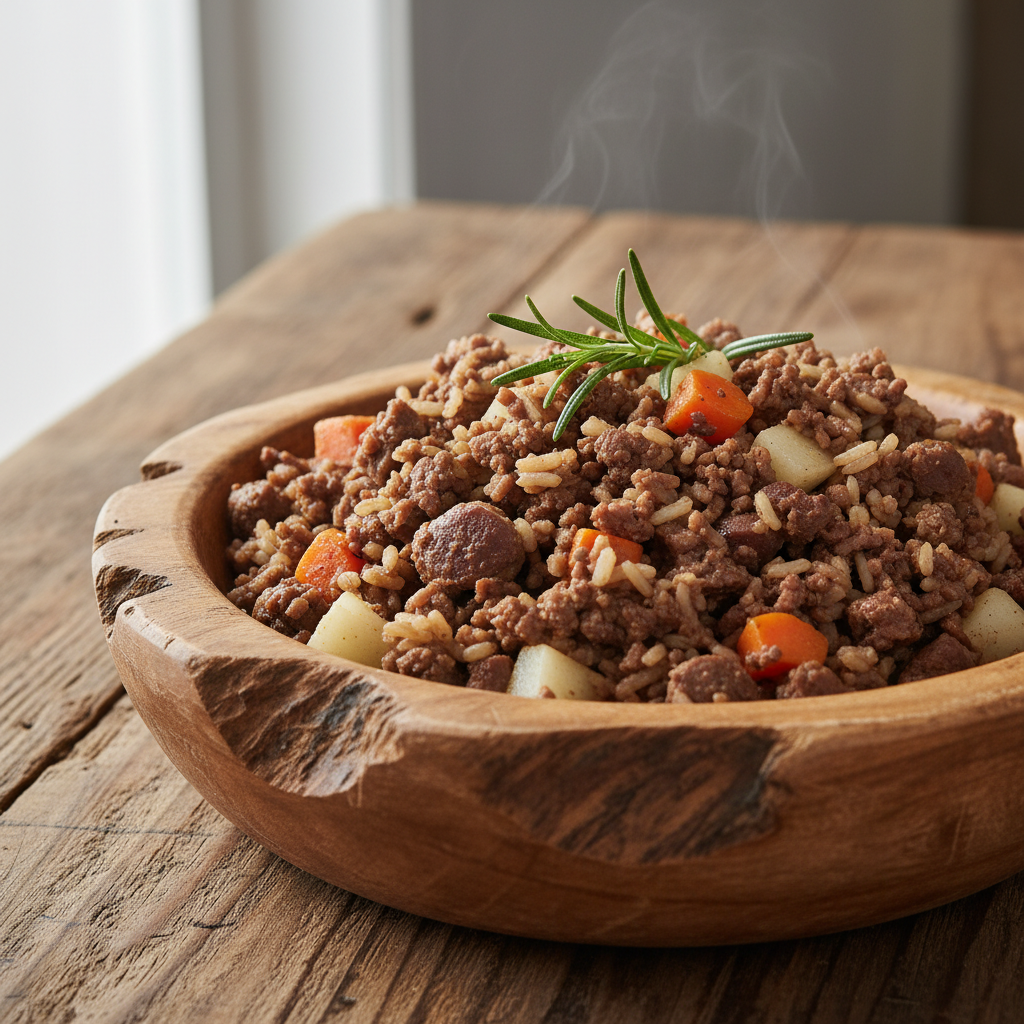
If you suspect your Poodle has an allergy to common proteins like chicken or beef, duck is an excellent ‘novel protein’ to try. Many dogs with food sensitivities have never been exposed to duck, so their immune system is less likely to react. Pears add a touch of sweetness and are a good source of fiber and vitamin C, while rosemary has natural anti-inflammatory properties.
Ingredients:
- 1 lb ground duck
- 1 cup cooked brown rice or quinoa
- 1/2 pear, cored and finely chopped
- 1/2 cup chopped carrots
- 1 teaspoon dried rosemary
Instructions:
- In a large skillet, cook the ground duck over medium heat until browned. Drain off most of the excess fat.
- Add the chopped carrots to the skillet with the duck and cook for another 5-7 minutes until the carrots are tender.
- Remove from heat and stir in the cooked brown rice, finely chopped pear, and dried rosemary.
- Mix everything together thoroughly.
- Let it cool to room temperature before serving.
| Pros | Cons |
|---|---|
| Novel protein is great for elimination diets. | Ground duck can be harder to find in regular grocery stores. |
| Rich flavor that many dogs love. | Duck is a fattier meat, so drain fat well. |
| Pears add beneficial fiber and vitamins. | Not all dogs enjoy the taste of fruit in their food. |
Verdict:
This recipe is ideal for the Poodle who has tried everything else. If chicken, beef, and lamb based foods still cause flare-ups, the novel protein in duck might be the key to calm skin.
3. Lamb & Oatmeal Soother

Lamb is another protein that is often well-tolerated by dogs with sensitivities. This recipe pairs it with oatmeal, which isn’t just a filler. Colloidal oatmeal is famous for its skin-soothing properties (think oatmeal baths!), and consuming it can also help calm internal inflammation. Spinach adds a dose of iron and antioxidants for overall health.
Ingredients:
- 1 lb ground lamb
- 1 cup cooked oatmeal (cooked in water, no sugar or salt)
- 1 cup fresh spinach, finely chopped
- 1 tablespoon flaxseed oil
Instructions:
- Cook the ground lamb in a skillet over medium heat until browned. Drain the excess fat.
- While the lamb is cooking, prepare the oatmeal according to package directions, using only water.
- Once the lamb is cooked, turn off the heat and stir in the fresh, chopped spinach. The residual heat will wilt it perfectly.
- In a large bowl, combine the lamb and spinach mixture with the cooked oatmeal.
- Drizzle the flaxseed oil over the top and mix well. Flaxseed oil is another great source of Omega-3s.
- Serve once cooled.
| Pros | Cons |
|---|---|
| Oatmeal is known to be gentle and soothing. | Some dogs can be sensitive to grains, even oatmeal. |
| Lamb is a less common allergen than chicken or beef. | Lamb can be a richer, fattier meat. |
| Flaxseed oil adds a plant-based Omega-3 boost. | Spinach should be given in moderation due to oxalates. |
Verdict:
A fantastic choice for Poodles who have both sensitive skin and a sensitive stomach. The combination of lamb and oatmeal is gentle, nourishing, and specifically designed to soothe from the inside out.
4. Turkey & Quinoa Bowl
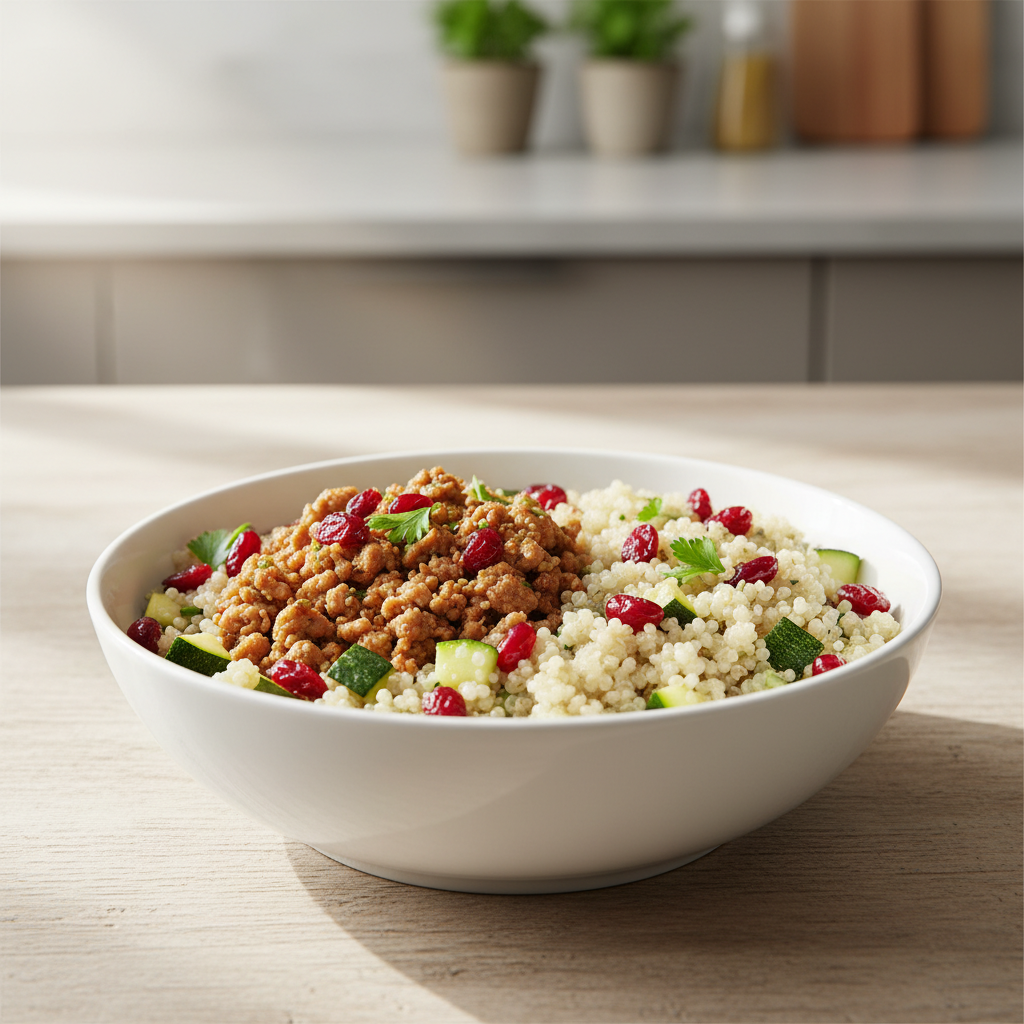
For Poodles who need a leaner option, turkey is a fantastic choice. It’s easy to digest and lower in fat than many other proteins. We’re pairing it with quinoa, a gluten-free seed that’s a complete protein, meaning it contains all nine essential amino acids. Cranberries provide a boost of antioxidants and are known to support urinary tract health, a nice secondary benefit!
Ingredients:
- 1 lb ground turkey
- 1 cup cooked quinoa
- 1/2 cup chopped zucchini
- 1/4 cup unsweetened dried cranberries or fresh cranberries
- 1 tablespoon coconut oil
Instructions:
- Heat coconut oil in a skillet and cook the ground turkey until it’s no longer pink.
- Add the chopped zucchini and cook for 5-7 minutes until softened.
- If using fresh cranberries, add them in the last few minutes of cooking to let them soften and pop.
- Remove from heat. In a bowl, mix the turkey and zucchini mixture with the cooked quinoa.
- If using dried cranberries, stir them in now.
- Let the mixture cool completely before serving to your pup.
| Pros | Cons |
|---|---|
| Lean protein is great for weight management. | While less common, some dogs can be allergic to turkey. |
| Quinoa is a nutrient-dense, gluten-free carbohydrate. | Quinoa must be rinsed thoroughly before cooking to remove saponins. |
| Cranberries offer added health benefits. | Cranberries add sugar, so use in moderation. |
Verdict:
Perfect for the Poodle that needs to watch their weight or has a slightly more sensitive digestive system. This lean, clean, and powerful bowl is both gentle and satisfying.
5. Rabbit & Pumpkin Puree
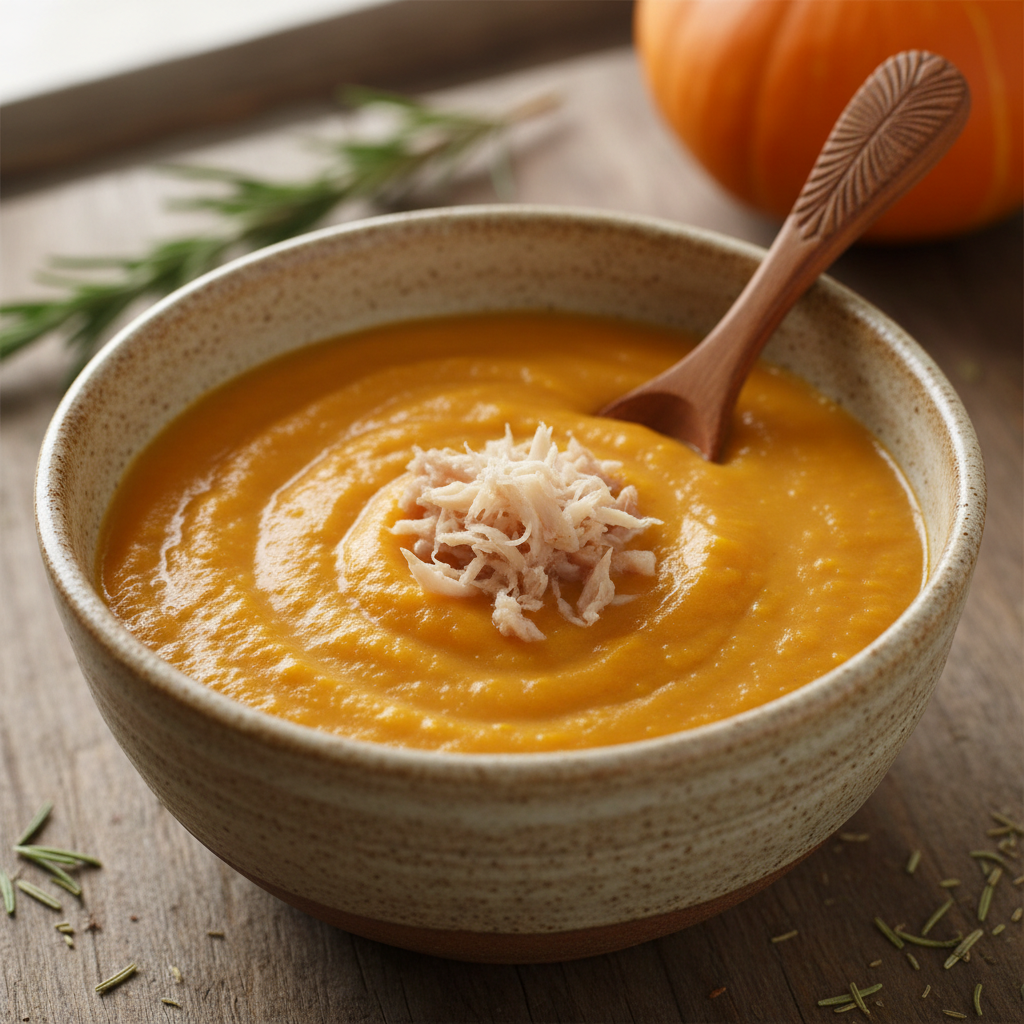
When you’ve tried everything and your Poodle is still reacting, it’s time to bring out the ultimate novel protein: rabbit. It is extremely rare for a dog to have an allergy to rabbit. It’s also a very lean meat. Pumpkin is a digestive superstar, packed with fiber that helps regulate the gut, which is often linked to skin health. It’s a simple, two-ingredient powerhouse for elimination diets.
Ingredients:
- 1 lb ground rabbit (or whole rabbit, deboned and cooked)
- 1 cup 100% pure pumpkin puree (not pie filling)
- Optional: A sprinkle of cinnamon (anti-inflammatory)
Instructions:
- If using ground rabbit, cook it in a skillet until browned. Drain any fat. If using whole rabbit, you can boil or roast it until cooked through, then remove the meat from the bones and shred it.
- In a bowl, mix the cooked rabbit meat with the pumpkin puree until it’s well combined.
- If desired, add a small sprinkle of cinnamon and mix again.
- Serve at room temperature. This recipe is very rich, so start with a smaller portion.
| Pros | Cons |
|---|---|
| Extremely hypoallergenic novel protein. | Rabbit can be very difficult to find and is expensive. |
| Pumpkin is excellent for digestive health. | The texture can be very soft, which some dogs dislike. |
| Incredibly simple with minimal ingredients. | May not be a long-term sustainable recipe due to cost/availability. |
Verdict:
This is the go-to recipe for Poodles with severe, persistent allergies where other proteins have failed. It’s the ultimate elimination diet meal to help calm a highly reactive system and pinpoint other potential allergens.
6. Cod & Zucchini Medley

Whitefish like cod is another great option for sensitive dogs. It’s low in fat, easy to digest, and provides quality protein and Omega-3s, though typically less than fattier fish like salmon. Zucchini is a low-calorie vegetable that provides hydration and essential vitamins, while ginger is a well-known natural anti-inflammatory that can soothe both the gut and skin.
Ingredients:
- 1 lb cod fillets, boneless and skinless
- 2 medium zucchinis, grated or finely chopped
- 1 cup cooked white rice
- 1/2 teaspoon freshly grated ginger
- 1 tablespoon olive oil
Instructions:
- You can either bake or steam the cod fillets until they are opaque and flake easily with a fork. Let cool and flake into small pieces.
- In a pan, heat the olive oil and sauté the zucchini and grated ginger for about 5 minutes until the zucchini is soft.
- In a large mixing bowl, combine the flaked cod, sautéed zucchini and ginger, and the cooked white rice.
- Mix gently until all ingredients are evenly distributed.
- Serve when cool.
| Pros | Cons |
|---|---|
| Very low in fat, ideal for sensitive stomachs. | Lower in Omega-3s compared to salmon or sardines. |
| Easily digestible protein source. | Has a distinct fishy smell that might linger in your kitchen. |
| Ginger adds a natural anti-inflammatory kick. | White rice is a simple carb; brown rice offers more nutrients. |
Verdict:
An excellent choice for older Poodles or those with pancreatitis or other conditions requiring a low-fat diet. It’s gentle, soothing, and provides all the necessary nutrients without the richness of other meats.
7. Pork & Butternut Squash Stew
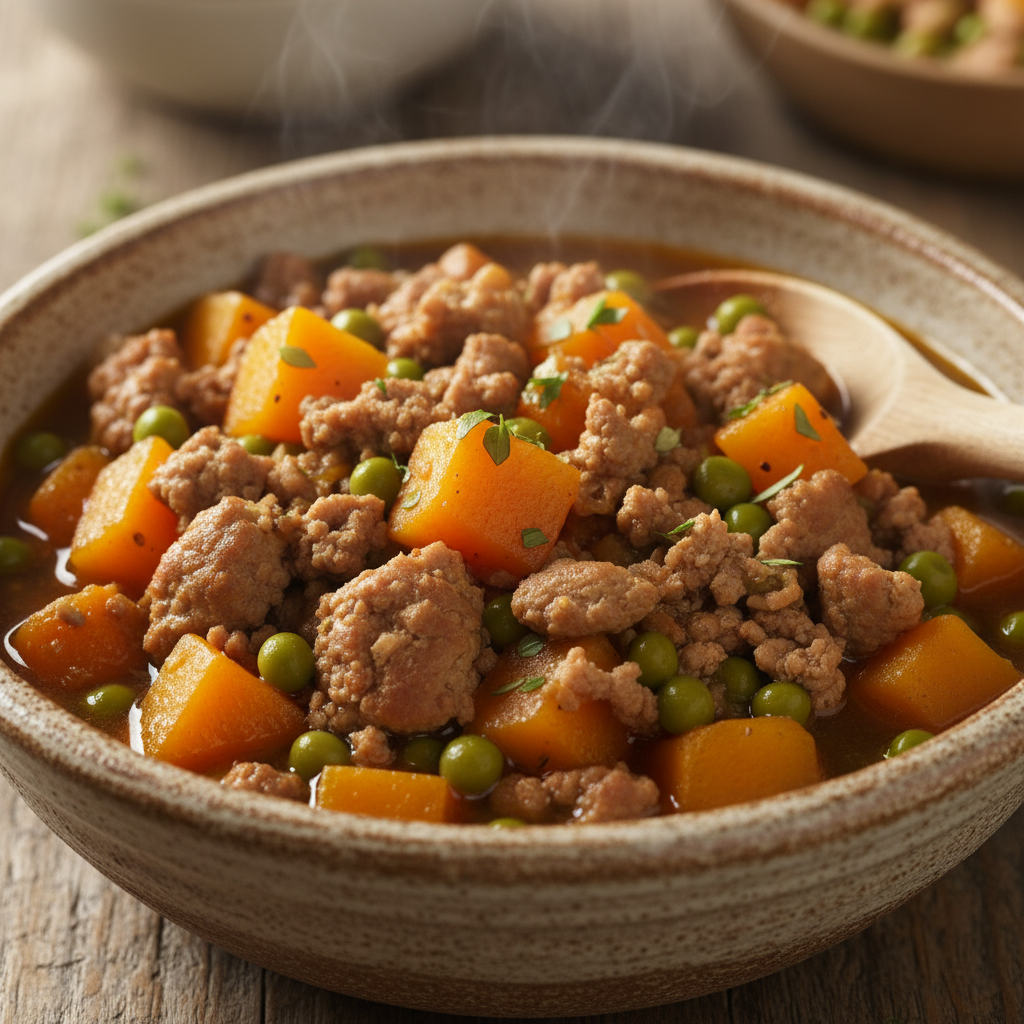
Pork is often overlooked in dog food, but it can be a great option for dogs with poultry allergies. It’s rich in essential amino acids and B vitamins. Butternut squash is a nutritional superstar, loaded with vitamins A, C, and E, as well as antioxidants that fight inflammation and support the immune system. This hearty stew is perfect for cooler months.
Ingredients:
- 1 lb ground pork
- 2 cups butternut squash, peeled and cubed
- 1/2 cup peas (fresh or frozen)
- 1 teaspoon dried sage (aids digestion)
- 2 cups water or low-sodium bone broth
Instructions:
- In a large pot or Dutch oven, brown the ground pork over medium heat. Drain excess fat.
- Add the cubed butternut squash, sage, and water/broth to the pot. Bring to a boil, then reduce heat, cover, and simmer for 15-20 minutes, or until the squash is tender.
- Slightly mash some of the squash cubes against the side of the pot to thicken the stew.
- Stir in the peas and cook for another 2-3 minutes.
- Remove from heat and let it cool completely. The liquid will thicken as it cools.
| Pros | Cons |
|---|---|
| Pork is a flavorful alternative protein. | Pork must be cooked thoroughly to be safe. |
| Butternut squash is packed with skin-supporting vitamins. | The stew format can be messier for some dogs. |
| Hearty and satisfying meal. | Peas can be a trigger for a small number of dogs. |
Verdict:
A wonderful, warming meal for the Poodle who needs a break from poultry. The combination of savory pork and sweet, nutrient-dense squash is often a huge hit with picky eaters.
8. Sardine & Kale Power Mix
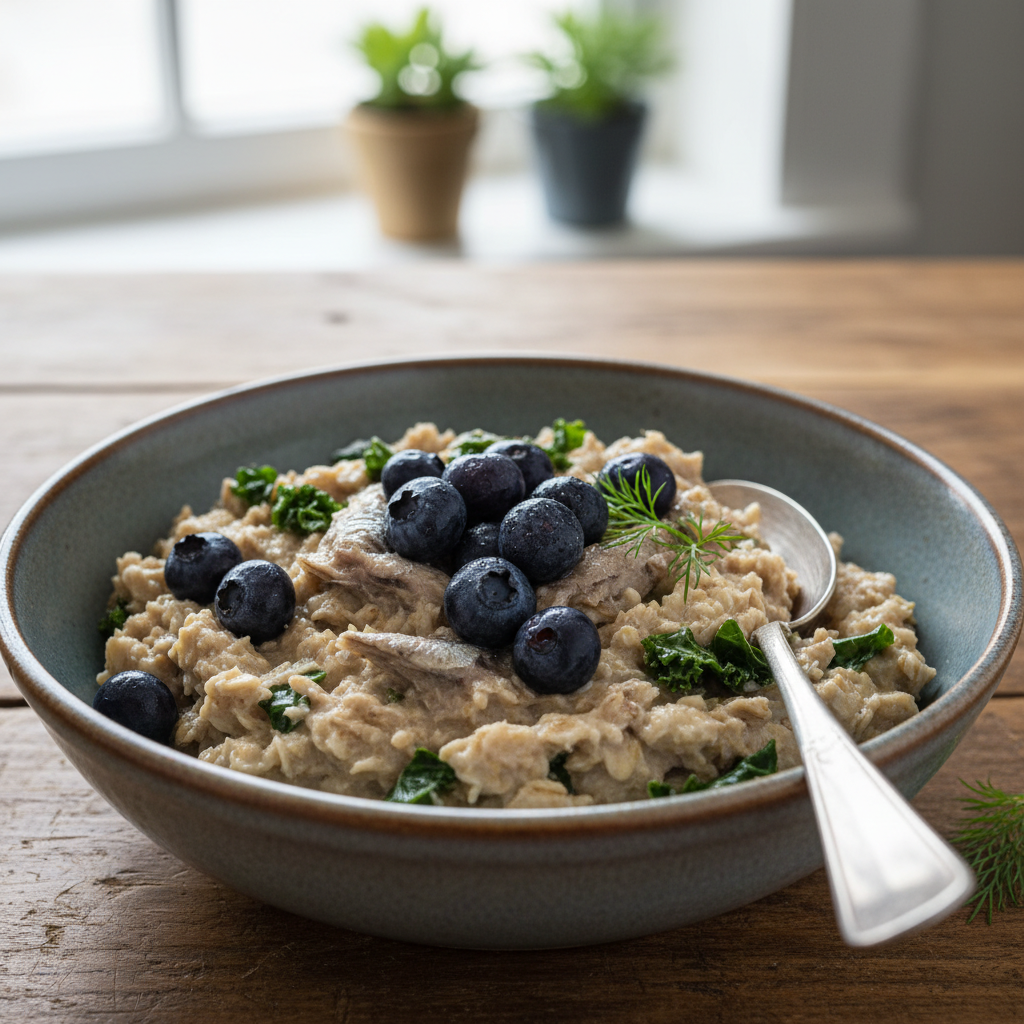
Don’t be afraid of sardines! These tiny fish are one of the most concentrated sources of Omega-3 fatty acids available. They are a true superfood for skin and coat health. Because they are small and low on the food chain, they have very low levels of mercury. Kale adds a blast of vitamins K and C, while blueberries provide powerful antioxidants to combat cellular damage.
Ingredients:
- 2 cans (approx. 4 oz each) of sardines packed in water, no salt added
- 1 cup cooked oatmeal
- 1/2 cup finely chopped kale (stems removed)
- 1/4 cup fresh blueberries
Instructions:
- Drain the water from the cans of sardines. You can lightly mash them with a fork if you wish.
- In a bowl, combine the sardines (and the oil/water they came in, if it’s just water or olive oil) with the cooked oatmeal.
- Stir in the finely chopped kale and the fresh blueberries.
- Mix until everything is evenly incorporated.
- This recipe is very rich and is best served as a meal topper or in smaller portions.
| Pros | Cons |
|---|---|
| Extremely high in anti-inflammatory Omega-3s. | Very strong, fishy odor. |
| Sardines are an inexpensive protein source. | Too rich for some dogs; best to start with small amounts. |
| Packed with antioxidants from kale and blueberries. | The appearance might not be appealing to the human chef! |
Verdict:
This is less of a daily meal and more of a ‘superfood supplement’ meal. It’s perfect for Poodles with severe inflammation, arthritis, or a very dull coat that needs a serious nutritional boost.
9. Goat & Lentil Loaf
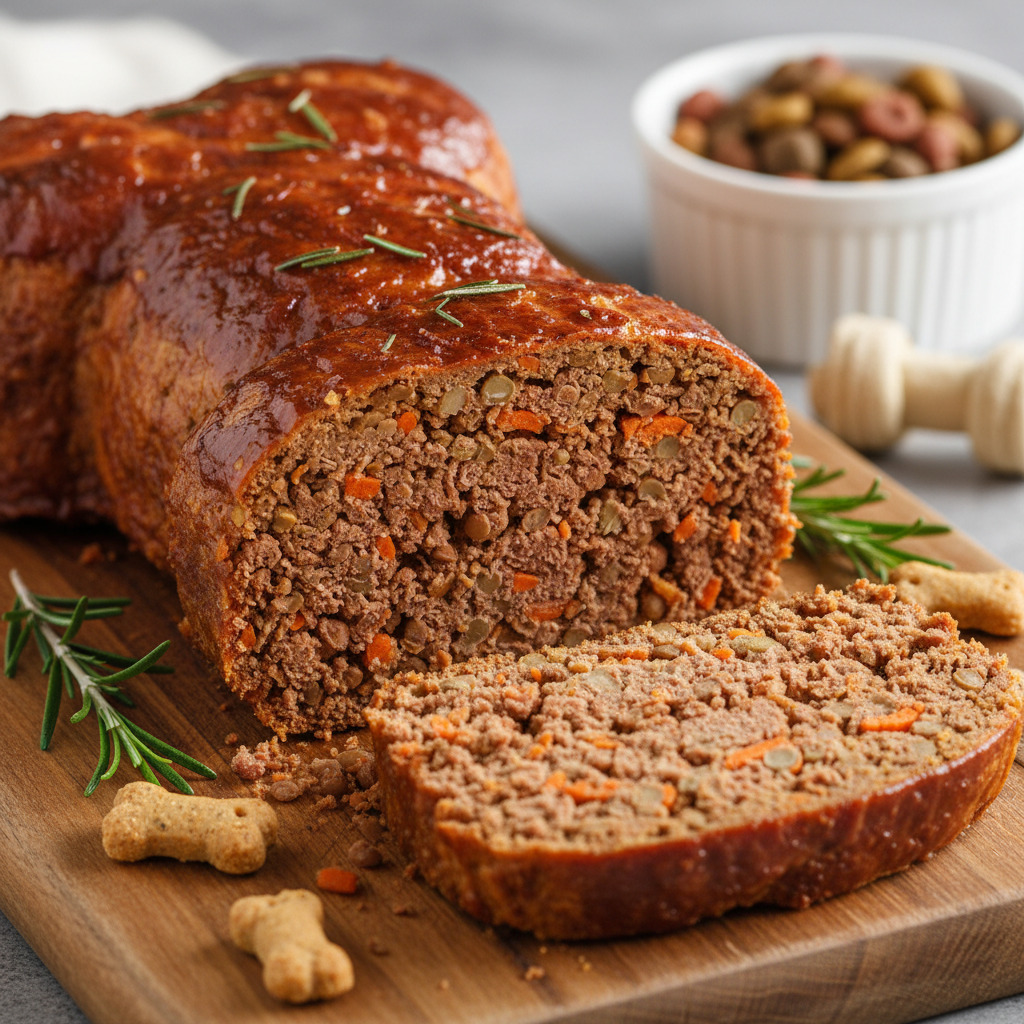
Here’s another fantastic novel protein: goat! It’s a lean red meat that is lower in fat and cholesterol than beef or lamb, and it’s highly sustainable. For dogs with multiple red meat sensitivities, goat can be a game-changer. Lentils are a great source of fiber, protein, and iron. This recipe bakes into a loaf that’s easy to slice and portion.
Ingredients:
- 1 lb ground goat
- 1 cup cooked lentils (brown or green)
- 1 egg, beaten
- 1/2 cup grated carrots
- 1/4 cup chopped fresh parsley
Instructions:
- Preheat your oven to 375°F (190°C).
- In a large bowl, combine the ground goat, cooked lentils, beaten egg, grated carrots, and parsley.
- Mix with your hands until all ingredients are well combined, but don’t overmix.
- Press the mixture firmly into a standard loaf pan.
- Bake for 40-50 minutes, or until the center is cooked through.
- Let the loaf cool completely in the pan before slicing and serving.
| Pros | Cons |
|---|---|
| Goat is a lean, hypoallergenic red meat alternative. | Ground goat can be very hard to source. |
| Lentils provide excellent plant-based protein and fiber. | Legumes like lentils can cause gas in some dogs. |
| Loaf format is easy to store and portion. | Requires oven baking, which takes longer. |
Verdict:
For the Poodle parent who likes to meal prep. This recipe is perfect for dogs who can’t tolerate common meats and need a novel, lean red meat source. It’s also great for adventurous pups ready to try something new.
10. Venison & Blueberry Blend
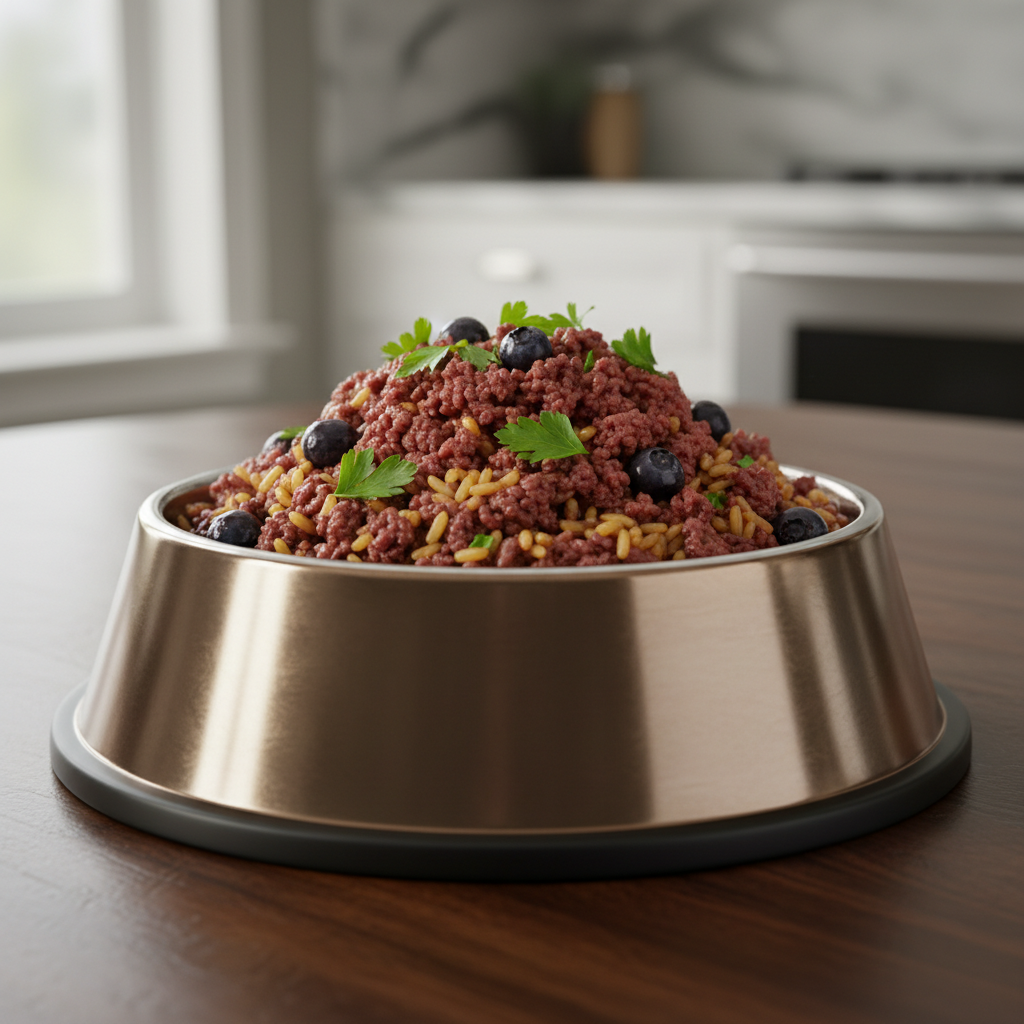
Venison (deer meat) is another excellent novel protein that’s rich in iron and B vitamins but leaner than beef. It has a robust flavor that many dogs adore. Pairing it with blueberries creates an antioxidant powerhouse. Antioxidants help protect the skin from damage caused by free radicals and support a healthy immune system, which is key to managing allergies.
Ingredients:
- 1 lb ground venison
- 1 cup cooked brown rice
- 1/2 cup fresh or frozen blueberries
- 1/4 cup chopped parsley
- 1 tablespoon safflower oil
Instructions:
- In a skillet, cook the ground venison over medium heat until browned. Drain any excess fat.
- Remove from heat and let it cool for a few minutes.
- In a large bowl, combine the cooked venison, cooked brown rice, blueberries, and chopped parsley.
- Drizzle with the safflower oil (high in linoleic acid, which is great for skin) and mix to combine.
- Serve at room temperature.
| Pros | Cons |
|---|---|
| Rich, flavorful novel protein. | Venison is typically one of the most expensive proteins. |
| Blueberries provide a powerful antioxidant boost. | The rich flavor might be too much for very sensitive stomachs. |
| Safflower oil is excellent for skin and coat health. | Can be difficult to find consistently at all butchers or stores. |
Verdict:
This is a premium meal for the Poodle needing serious immune system support. The combination of lean, iron-rich venison and antioxidants makes it ideal for highly active dogs or those recovering from illness.
11. Bison & Green Bean Casserole
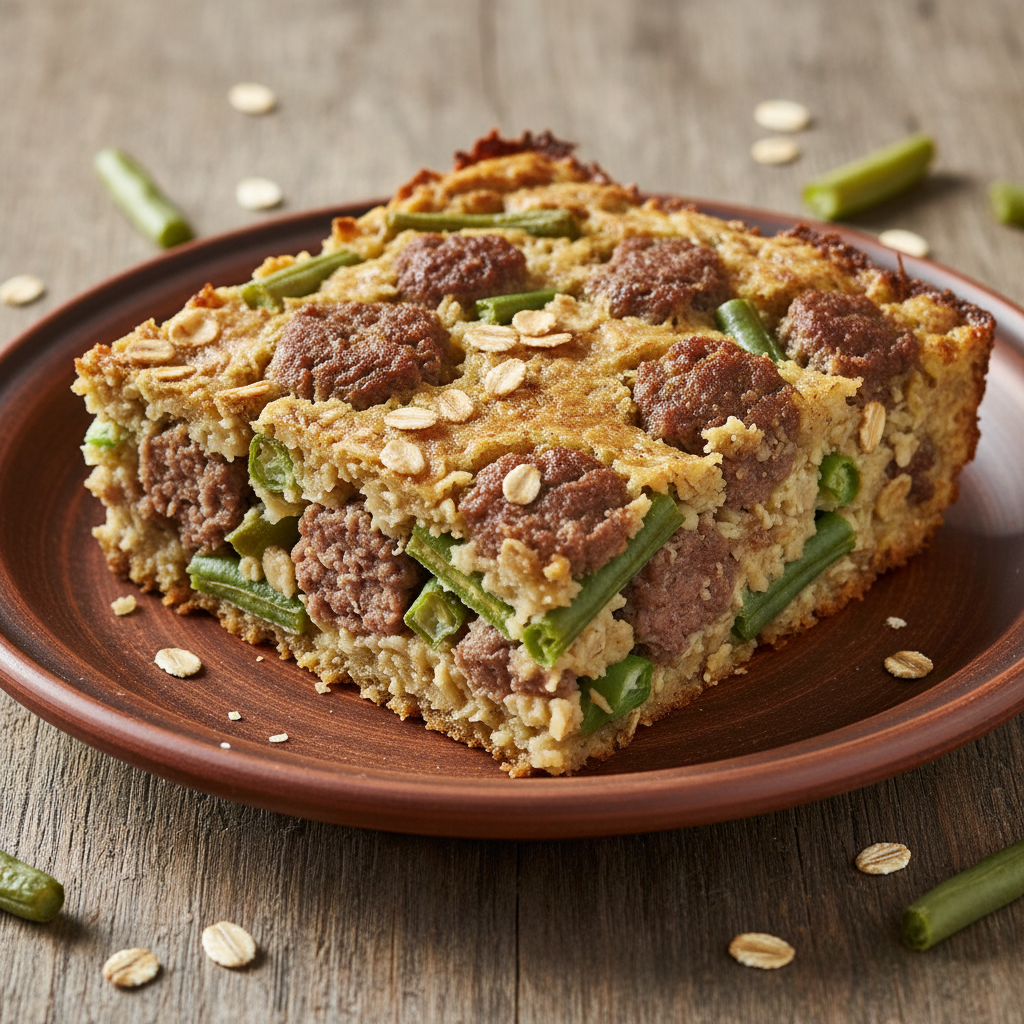
Bison is a fantastic alternative to beef. While related, its protein structure is different enough that many dogs with beef allergies can tolerate it well. It’s leaner than beef but packed with iron and B12. This simple ‘casserole’ style meal is straightforward and uses green beans for fiber and vitamins without adding too many carbohydrates.
Ingredients:
- 1 lb ground bison
- 2 cups chopped green beans (fresh or frozen)
- 1/2 cup rolled oats (uncooked)
- 1 egg, beaten
- 1/4 cup water
Instructions:
- Preheat oven to 350°F (175°C).
- In a large bowl, mix the ground bison, chopped green beans, rolled oats, and beaten egg.
- Add the water and mix until everything is just combined.
- Press the mixture into an 8×8 inch baking dish.
- Bake for 30-40 minutes, until the center is cooked through and the top is browned.
- Let it cool completely before cutting into squares and serving.
| Pros | Cons |
|---|---|
| Great alternative for beef-sensitive dogs. | Bison is more expensive and less available than beef. |
| Lower in fat and calories than beef. | Requires baking, adding to prep time. |
| Easy to make in a large batch and portion out. | Some dogs are sensitive to oats. |
Verdict:
A perfect meal-prep recipe for active Poodles who have sensitivities to beef but still enjoy the taste of red meat. It’s hearty, satisfying, and nutritionally dense.
12. Kangaroo & Carrot Mash
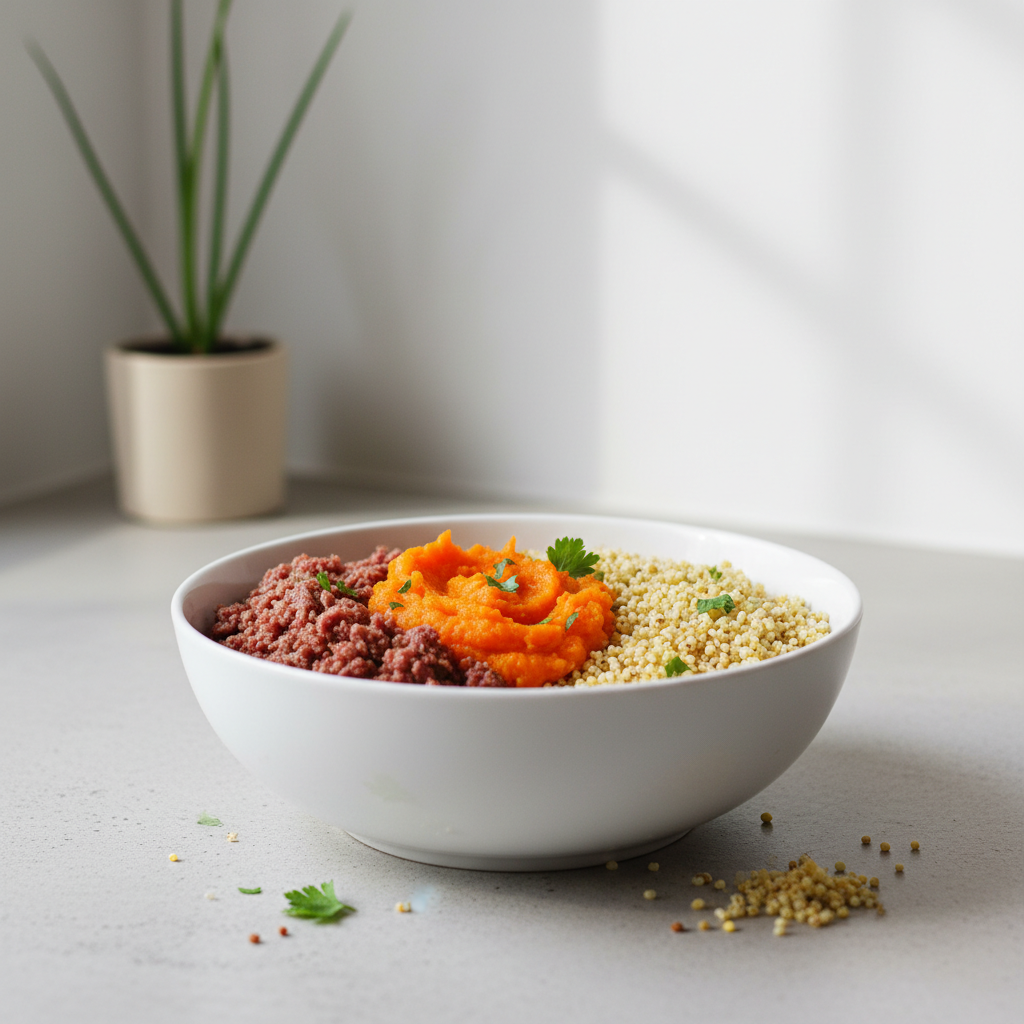
For the most severely allergic dogs, kangaroo is often the protein of last resort recommended by veterinarians. It is the quintessential novel protein, as it’s almost certain your dog has never encountered it. It is incredibly lean and rich in Conjugated Linoleic Acid (CLA), which has anti-inflammatory properties. Carrots provide beta-carotene for healthy skin and eyes.
Ingredients:
- 1 lb ground kangaroo meat
- 2 large carrots, peeled and chopped
- 1 cup cooked millet or buckwheat
- 1 tablespoon hemp seed oil
Instructions:
- Boil or steam the chopped carrots until very tender. Mash them with a fork or in a food processor.
- In a skillet, cook the ground kangaroo until browned. It’s very lean, so it will cook quickly.
- In a bowl, combine the cooked kangaroo, mashed carrots, and cooked millet/buckwheat.
- Drizzle with hemp seed oil (an excellent source of balanced omegas) and mix well.
- Serve once cooled.
| Pros | Cons |
|---|---|
| The ultimate novel protein for extreme allergies. | Extremely expensive and very difficult to source. |
| Very lean and high in beneficial CLA. | The gamey taste may not be accepted by all dogs. |
| Hemp seed oil provides a unique fatty acid profile. | Availability is a major issue for long-term feeding. |
Verdict:
This recipe is reserved for Poodles under veterinary guidance who are on a strict elimination diet due to multiple, severe protein allergies. It’s a highly effective but often temporary solution due to cost and sourcing challenges.
13. Tofu & Brown Rice Scramble
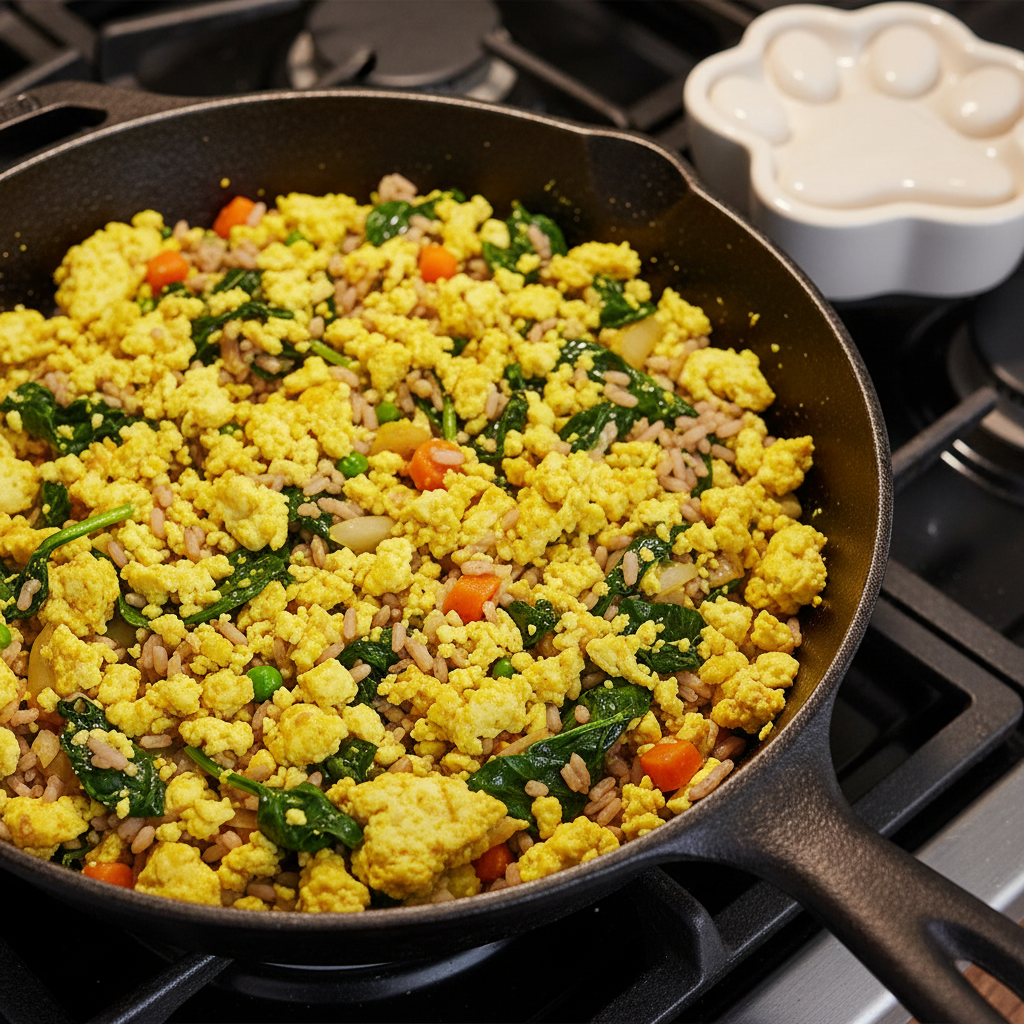
Can dogs be vegetarian? For some with extreme meat protein allergies, a carefully balanced vegetarian diet can be a lifesaver. Tofu (firm or extra-firm) is a good source of plant-based protein. Nutritional yeast adds a cheesy, savory flavor that dogs love, and it’s packed with B vitamins. Turmeric is a potent natural anti-inflammatory.
Ingredients:
- 1 block (14 oz) firm or extra-firm tofu, pressed and crumbled
- 1 cup cooked brown rice
- 1/2 cup chopped spinach
- 1 tablespoon nutritional yeast
- 1/2 teaspoon turmeric
- 1 tablespoon olive oil
Instructions:
- Press the tofu block for at least 15 minutes to remove excess water. Crumble it with your hands.
- Heat olive oil in a skillet over medium heat. Add the crumbled tofu and turmeric. Sauté for 5-7 minutes, until it starts to get slightly golden.
- Add the chopped spinach and cook until wilted.
- Remove from heat and stir in the cooked brown rice and nutritional yeast.
- Mix well and serve when cool.
| Pros | Cons |
|---|---|
| Excellent for dogs with allergies to all meat proteins. | Requires careful balancing to ensure all amino acid needs are met. |
| Tofu is inexpensive and widely available. | Some dogs can be allergic to soy. |
| Turmeric is a powerful anti-inflammatory. | Must be discussed with a vet to ensure nutritional completeness. |
Verdict:
A specialized option for Poodles who have been diagnosed with allergies to multiple animal proteins. This recipe should only be used in close consultation with a veterinarian or veterinary nutritionist to ensure your Poodle’s diet remains complete and balanced.
A Poodle Parent’s Guide to Hypoallergenic Ingredients

Navigating the world of hypoallergenic cooking can feel like being a detective. The goal is to find nutritious ingredients that don’t trigger your Poodle’s immune system. Here’s what to look for and what to avoid.
What to Look For:
- Novel Proteins: These are proteins your dog has likely never eaten before. Think duck, rabbit, venison, bison, or kangaroo. The lack of prior exposure means there’s less chance of an allergic reaction.
- Omega-3 Rich Fish: Salmon, sardines, and cod are packed with anti-inflammatory omega-3 fatty acids. These are your secret weapon against itchy, inflamed skin.
- Easily Digestible Carbs: Instead of wheat or corn, opt for sweet potatoes, pumpkin, butternut squash, oatmeal, quinoa, or brown rice. These provide energy and fiber without common allergens.
- Skin-Boosting Veggies & Fruits: Carrots, green beans, spinach, kale, and blueberries are loaded with vitamins and antioxidants that support skin health and overall immunity.
- Healthy Fats: A drizzle of olive oil, coconut oil, flaxseed oil, or safflower oil can add beneficial fatty acids that improve coat shine and skin moisture.
What to Avoid (Common Allergens):
- Beef & Chicken: These are the most common protein allergens in dogs simply because they are in so many commercial dog foods.
- Dairy: Many dogs are lactose intolerant, which can manifest as both digestive upset and skin issues.
- Wheat & Corn: These grains are frequent culprits in food sensitivities and offer limited nutritional value compared to other carbohydrate sources.
- Soy: While we included a soy-based recipe for specific cases, soy is a common allergen for many dogs.
- Eggs: Though a great source of protein, some dogs can develop an allergy to eggs.
The key is simplicity. Start with a recipe that has very few ingredients (like the Rabbit & Pumpkin). If your Poodle does well, you can slowly introduce one new ingredient at a time to see how they react. This will help you build a ‘safe list’ of foods you know your pup can enjoy without a reaction.
Frequently Asked Questions

How do I transition my Poodle to a homemade diet?
Slow and steady wins the race! Start by mixing a small amount (about 25%) of the new homemade food with 75% of their old food. Do this for 2-3 days. If all is well (no tummy upset), move to a 50/50 mix for another 2-3 days. Then, go to 75% new and 25% old. After about a week to 10 days, you should be able to transition to 100% homemade food. This gradual process helps their digestive system adapt.
How much homemade food should I feed my Poodle?
This is a critical question and varies based on your Poodle’s age, weight, and activity level. A general guideline is to feed 2-3% of their ideal body weight per day. For a 50-pound Poodle, this would be 1 to 1.5 pounds of food daily, divided into two meals. However, this is just a starting point. It is highly recommended to consult your vet. They can calculate the precise caloric needs for your specific dog to prevent weight gain or loss.
Is homemade food nutritionally complete?
This is the most important consideration. While these recipes are designed with healthy ingredients, long-term homemade diets can sometimes lack specific vitamins and minerals, especially calcium. To ensure the diet is balanced for long-term feeding, you MUST talk to your vet or a veterinary nutritionist. They will likely recommend adding a high-quality vitamin and mineral supplement specifically designed for homemade dog food to fill any nutritional gaps.
How should I store the homemade food?
You can store the prepared food in airtight containers in the refrigerator for up to 3-4 days. For longer storage, these recipes are perfect for freezing! You can portion out daily or single-meal servings into freezer bags or containers. They will keep well in the freezer for up to 3 months. Simply thaw a portion in the refrigerator overnight before serving.
Conclusion
Embarking on a homemade food journey for your Poodle is an incredible act of love. It requires a bit more effort, but the potential reward—a happy, comfortable, and itch-free companion—is worth every minute spent in the kitchen. By taking control of their diet, you’re providing fresh, wholesome nutrition tailored to their unique needs.
Remember, the recipes here are a starting point. Pay close attention to your dog, celebrate the small victories, and don’t hesitate to work closely with your vet to create the perfect plan. Here’s to a future filled with healthy skin, shiny coats, and joyful, tail-wagging mealtimes for your beloved Poodle!