7 High-Calorie Homemade Food For Saint Bernards Recipes
Welcoming a Saint Bernard into your home is like adding a four-legged, furry mountain of love. These gentle giants are known for their calm demeanor and incredible loyalty. But powering such a large and noble breed requires some serious fuel! Due to their massive size and thick coats, Saint Bernards have specific dietary needs, often requiring a higher calorie intake to maintain a healthy weight and energy level, especially if they are active.
While high-quality commercial kibble is a great option, many pet parents are turning to homemade meals to have complete control over what their best friend eats. Cooking for your dog allows you to use fresh, whole-food ingredients, avoid nasty fillers and preservatives, and tailor meals to your dog’s specific tastes and health needs. It can also be a wonderful bonding experience!
Ready to put on your chef’s hat? We’ve gathered seven fantastic, high-calorie homemade recipes that are perfect for your Saint Bernard. Let’s get cooking!
Quick Comparison of Recipes
| Recipe Name | Primary Protein | Key Calorie Source | Best For |
|---|---|---|---|
| The ‘Gentle Giant’ Beef & Barley Bowl | Ground Beef | Beef Fat & Barley | Sustained Energy & Muscle |
| ‘Alpine Chicken & Rice Powerhouse’ | Chicken Thighs | Chicken Fat & Rice | Sensitive Stomachs |
| ‘Hearty Lamb & Oatmeal Feast’ | Ground Lamb | Lamb Fat & Oatmeal | Dogs with Allergies |
| ‘Fisherman’s Friend Salmon & Quinoa’ | Salmon | Healthy Fats & Quinoa | Joint & Coat Health |
| ‘Turkey & Pumpkin Gut-Health Gobbler’ | Ground Turkey | Brown Rice & Turkey | Digestive Support |
| ‘Supercharged Egg & Cottage Cheese Scramble’ | Eggs & Dairy | Eggs & Cottage Cheese | Quick Meal or Topper |
| The Ultimate ‘Satin Balls’ Weight-Gain Wonder | Raw Ground Beef | Fat, Molasses, Grains | Rapid Weight Gain |
1. The ‘Gentle Giant’ Beef & Barley Bowl
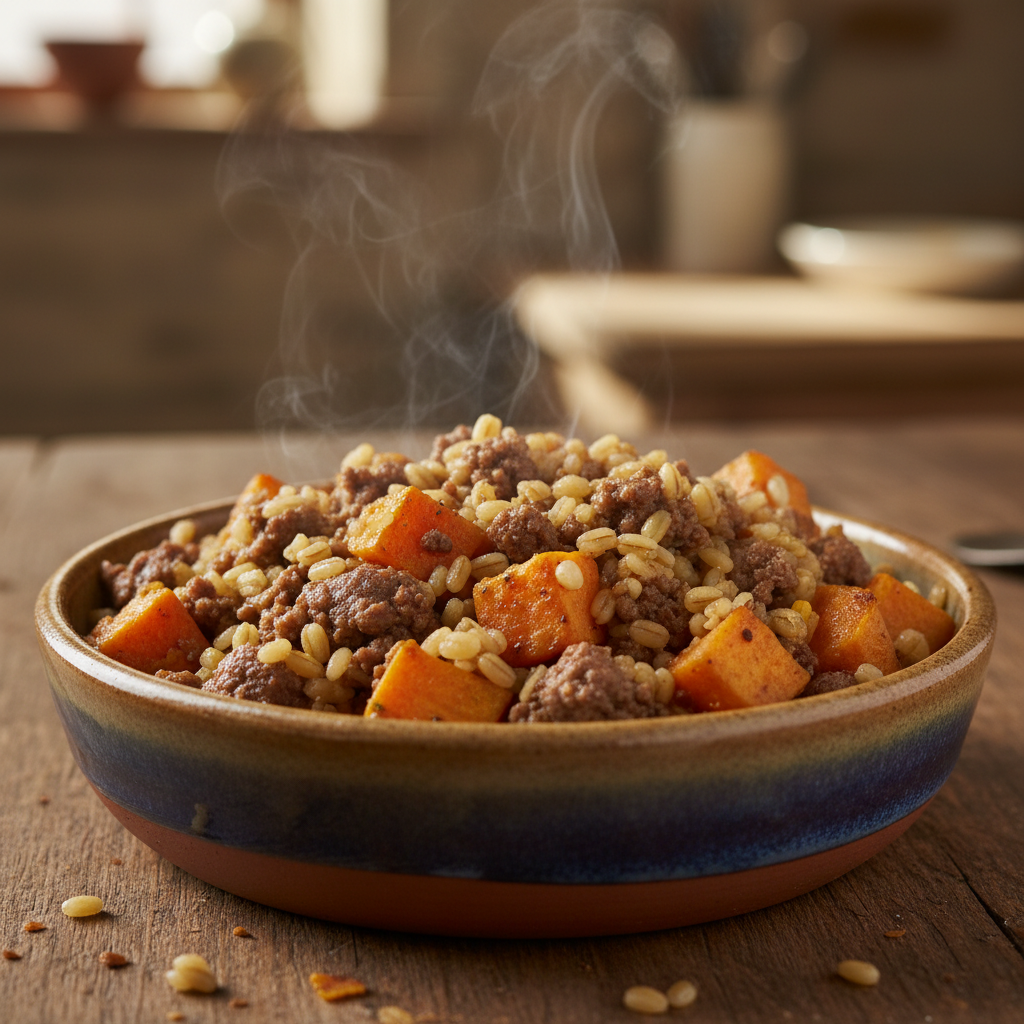
This recipe is a classic for a reason. It’s packed with protein for strong muscles, complex carbs for long-lasting energy, and hearty vegetables for essential vitamins and minerals. It’s the perfect all-around meal for an active adult Saint Bernard.
Ingredients:
- 3 lbs ground beef (80/20 for higher calories)
- 1.5 cups pearl barley
- 4 cups water or low-sodium beef broth
- 2 large sweet potatoes, peeled and diced
- 1 lb frozen peas and carrots mix
- 3 tablespoons olive oil
- Optional: A dog-friendly multivitamin/mineral supplement (consult your vet)
Instructions:
- In a large stockpot, heat the olive oil over medium-high heat. Add the ground beef and cook until browned, breaking it up with a spoon. Do not drain the fat; it’s a key source of calories.
- Add the water or beef broth, diced sweet potatoes, and pearl barley to the pot. Bring to a boil.
- Once boiling, reduce the heat to low, cover, and let it simmer for about 45-50 minutes, or until the barley is tender and has absorbed most of the liquid. Stir occasionally to prevent sticking.
- In the last 5 minutes of cooking, stir in the frozen peas and carrots. Cook until they are heated through.
- Remove from heat and let the mixture cool completely before serving.
Pros & Cons
Pros:
|
Cons:
|
Verdict:
This is a powerhouse meal ideal for the active, adult Saint Bernard without beef sensitivities. It provides the perfect balance of protein, fat, and complex carbohydrates to fuel their adventures and support their impressive musculature.
2. ‘Alpine Chicken & Rice Powerhouse’
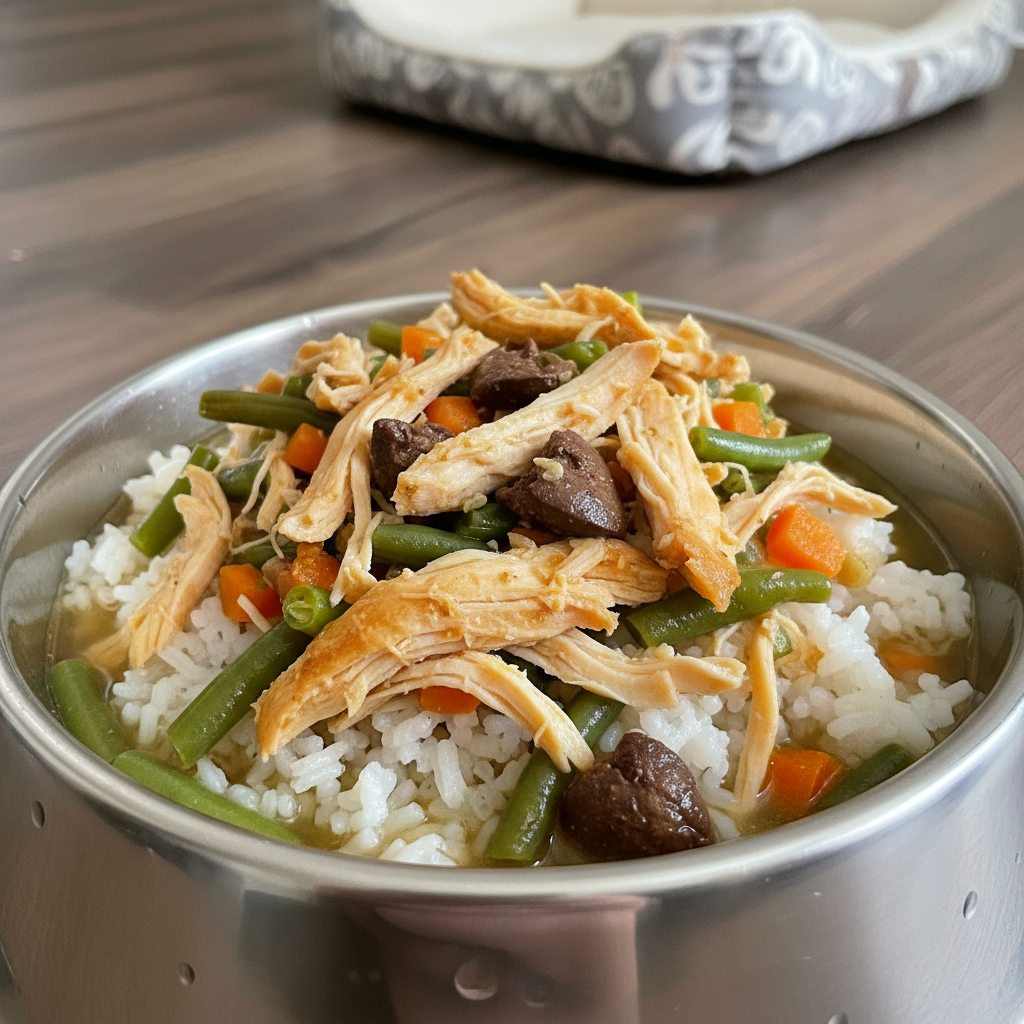
For dogs that might have a sensitive stomach or an intolerance to red meat, this chicken and rice recipe is a fantastic alternative. We use chicken thighs instead of breasts for a higher fat and calorie content, and a little bit of chicken liver adds a huge boost of essential nutrients.
Ingredients:
- 4 lbs bone-in chicken thighs
- 2 cups white rice
- 6 cups water
- 1/2 lb chicken livers, chopped
- 1 bag (16 oz) frozen mixed vegetables (like green beans, corn, and carrots)
- 2 tablespoons coconut oil
Instructions:
- Place the chicken thighs in a large stockpot and cover with the 6 cups of water. Bring to a boil, then reduce heat and simmer for about 30-40 minutes, or until the chicken is cooked through and falling off the bone.
- Remove the chicken thighs from the pot, but reserve the broth. Once cool enough to handle, remove the meat from the bones and shred it. Discard the bones completely – cooked bones are dangerous for dogs.
- Add the white rice to the reserved chicken broth in the pot. Bring to a boil, then cover and simmer until the rice is cooked and has absorbed the liquid (about 20 minutes).
- While the rice is cooking, heat the coconut oil in a skillet and lightly sauté the chopped chicken livers for 2-3 minutes until just cooked.
- In the last few minutes of the rice cooking, stir in the shredded chicken, cooked livers, and frozen mixed vegetables.
- Mix everything together and let it cool before portioning and serving.
Pros & Cons
Pros:
|
Cons:
|
Verdict:
This is the perfect high-calorie meal for Saint Bernards with sensitive digestive systems. It’s gentle, palatable, and incredibly nutritious thanks to the hidden power of chicken livers.
3. ‘Hearty Lamb & Oatmeal Feast’
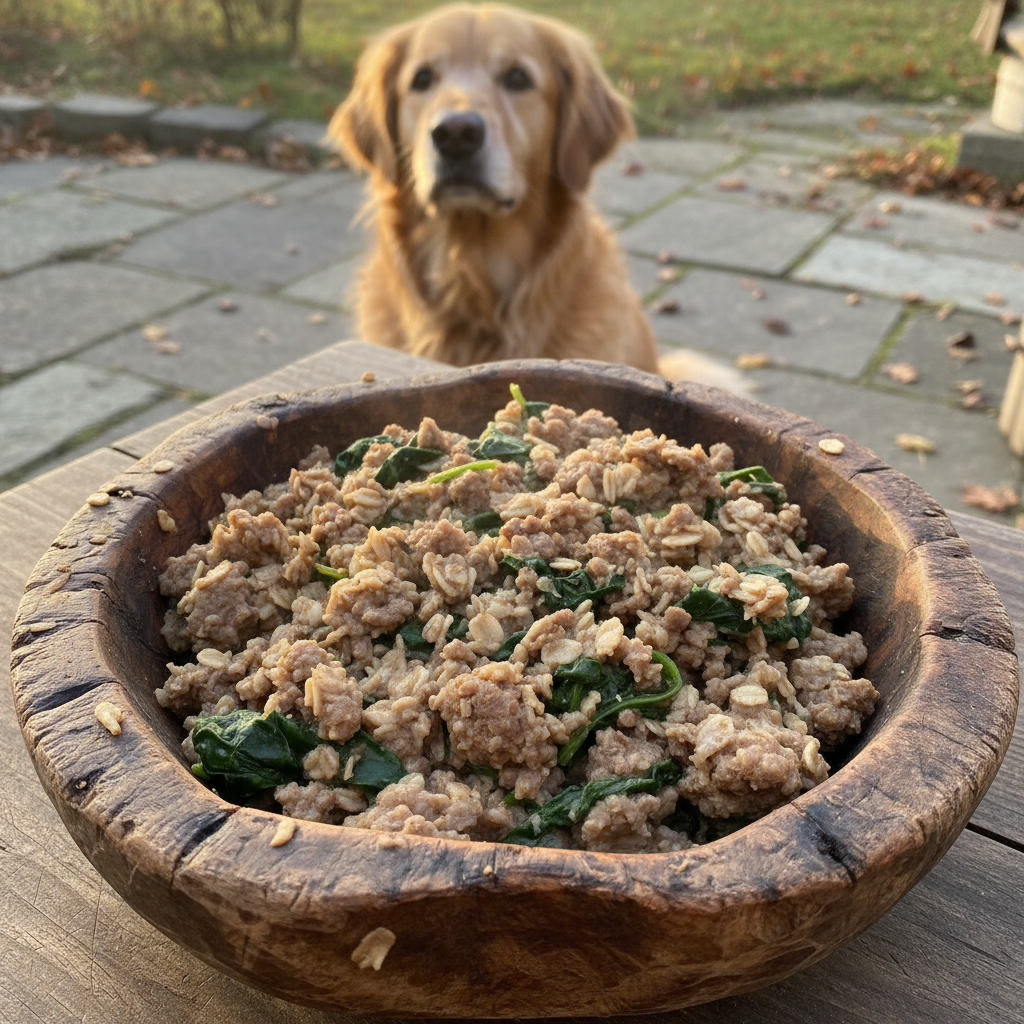
If your gentle giant suffers from allergies to common proteins like beef or chicken, lamb can be a lifesaver. It’s a novel protein for many dogs and has a rich flavor they love. Paired with oatmeal, this meal is fantastic for skin and coat health.
Ingredients:
- 3 lbs ground lamb
- 2 cups rolled oats (not instant)
- 5 cups water or low-sodium beef broth
- 2 cups chopped spinach (fresh or frozen)
- 1 apple, cored and finely chopped
- 2 tablespoons flaxseed oil
Instructions:
- In a large pot, cook the ground lamb over medium heat until browned. Like the beef recipe, do not drain the fat.
- Add the water or broth and the rolled oats to the pot. Stir well and bring the mixture to a simmer.
- Cook for 10-15 minutes, stirring occasionally, until the oatmeal is soft and has absorbed the liquid.
- Stir in the chopped spinach and apple, and cook for another 2-3 minutes until the spinach has wilted.
- Remove from the heat and stir in the flaxseed oil.
- Allow the food to cool completely before serving.
Pros & Cons
Pros:
|
Cons:
|
Verdict:
This is the go-to recipe for the Saint Bernard with a sensitive system or skin issues. The novel protein and skin-supporting ingredients make it a delicious and therapeutic meal.
4. ‘Fisherman’s Friend Salmon & Quinoa’
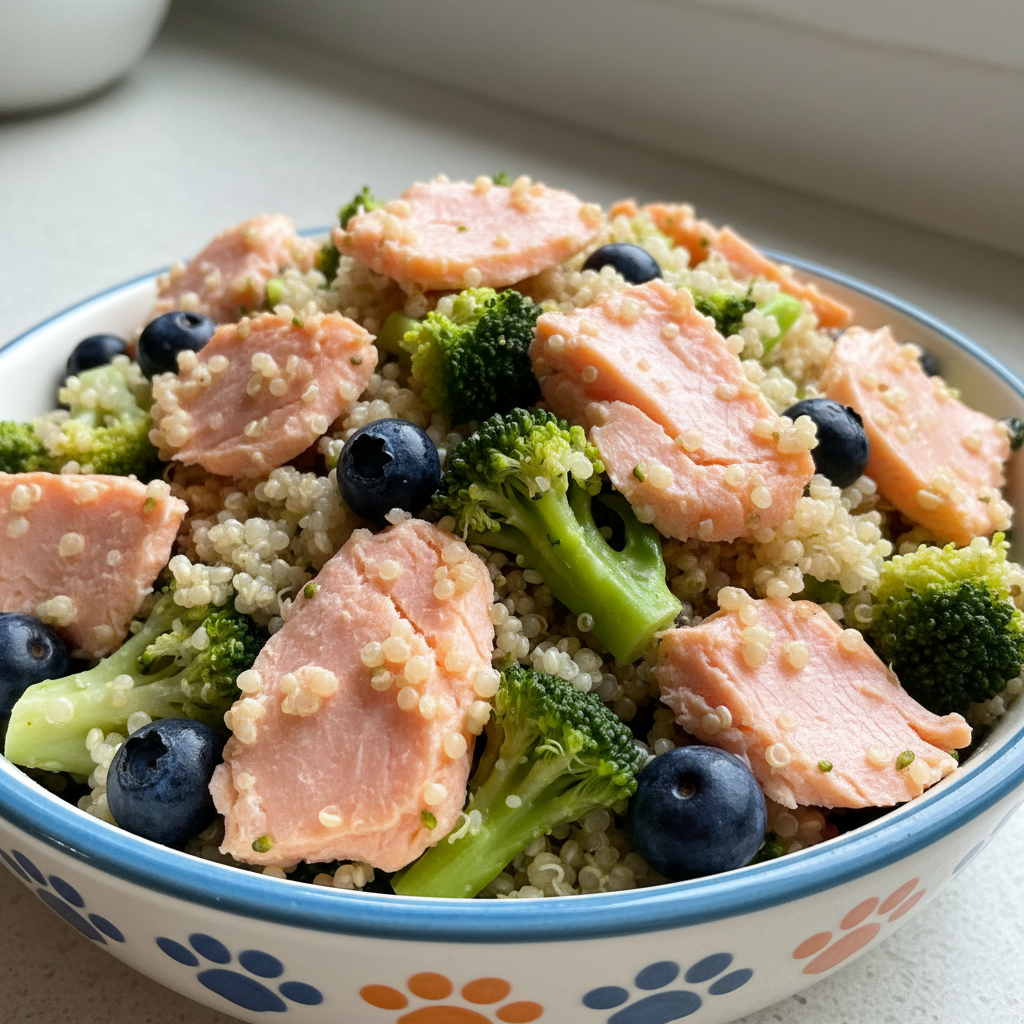
Joint health is paramount for giant breeds like Saint Bernards. This recipe is loaded with Omega-3 fatty acids from salmon, which are natural anti-inflammatories that support healthy joints, skin, and even brain function. Quinoa provides a complete protein and a gluten-free source of carbohydrates.
Ingredients:
- 2 lbs salmon fillets, skin-on or skinless
- 1.5 cups quinoa, rinsed
- 3 cups water
- 1 lb broccoli florets, chopped
- 1/2 cup blueberries (fresh or frozen)
- 3 tablespoons olive oil
Instructions:
- Preheat your oven to 400°F (200°C). Place the salmon fillets on a baking sheet lined with parchment paper. Drizzle with 1 tablespoon of olive oil. Bake for 15-20 minutes, or until the salmon is cooked through.
- While the salmon is baking, combine the rinsed quinoa and 3 cups of water in a saucepan. Bring to a boil, then reduce heat, cover, and simmer for about 15 minutes until the water is absorbed.
- Steam or lightly boil the broccoli florets until they are tender-crisp.
- Once the salmon is cooked and cool enough to handle, flake it into large chunks with a fork. Be meticulous about removing any bones.
- In a large bowl, combine the flaked salmon, cooked quinoa, steamed broccoli, and blueberries. Drizzle with the remaining 2 tablespoons of olive oil and gently mix.
- Serve once cooled to room temperature.
Pros & Cons
Pros:
|
Cons:
|
Verdict:
This is the ultimate wellness bowl, especially for senior Saint Bernards or any dog that could benefit from extra joint and cognitive support. It’s a clean, anti-inflammatory meal that tastes as good as it is for them.
5. ‘Turkey & Pumpkin Gut-Health Gobbler’
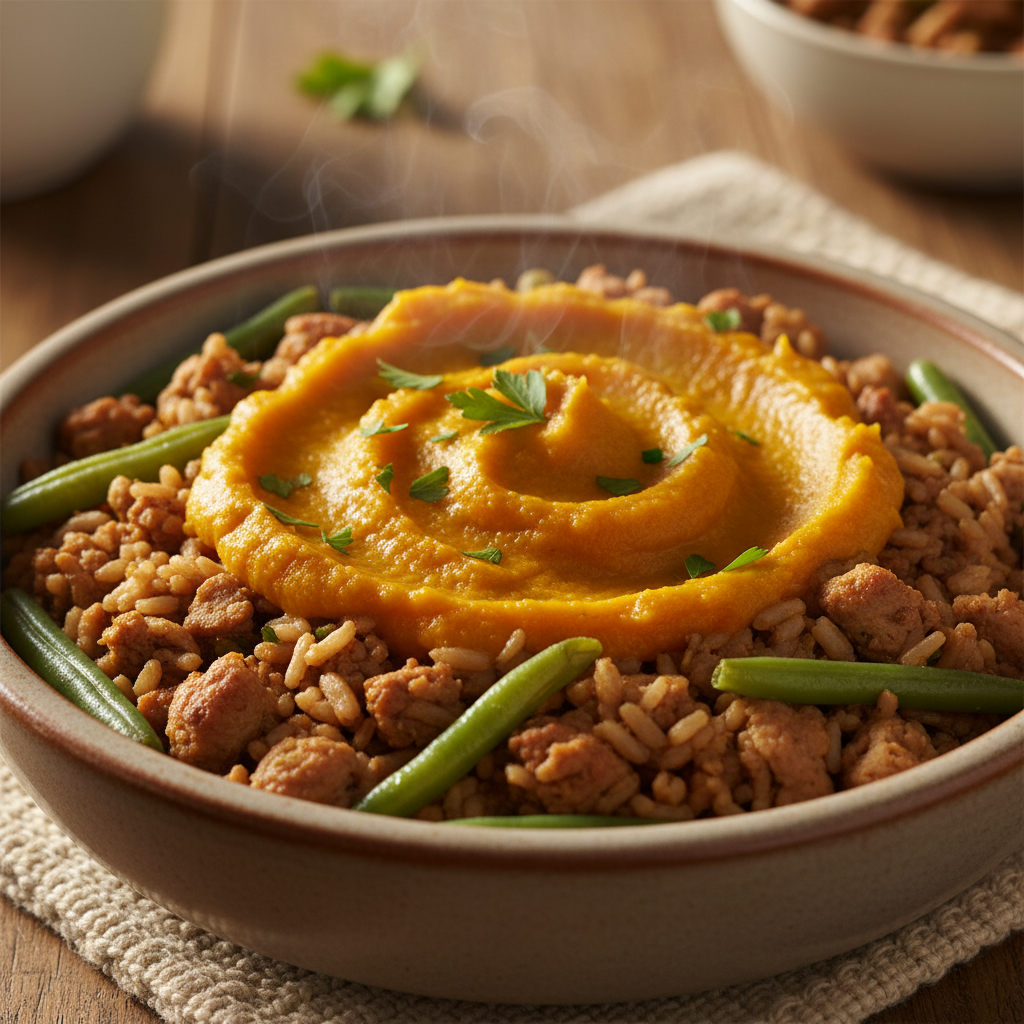
Tummy troubles can happen, even to the biggest of dogs. This recipe is designed to be both high in calories and incredibly easy on the digestive system. Turkey is a lean, easily digestible protein, while pumpkin is a well-known superstar for regulating digestion.
Ingredients:
- 3 lbs ground turkey
- 2 cups brown rice
- 5 cups water or low-sodium chicken broth
- 1 can (15 oz) pure pumpkin puree (NOT pumpkin pie filling)
- 1 lb frozen green beans
- 2 tablespoons safflower oil
Instructions:
- In a large pot, cook the ground turkey over medium-high heat until browned.
- Add the brown rice and water or broth to the pot. Stir to combine.
- Bring to a boil, then reduce the heat to low, cover, and simmer for about 40 minutes, or until the rice is tender.
- Stir in the pumpkin puree and the frozen green beans. Cook for another 5-10 minutes, until the green beans are heated through.
- Remove from the heat and mix in the safflower oil.
- Let the mixture cool completely before serving to your furry friend.
Pros & Cons
Pros:
|
Cons:
|
Verdict:
This recipe is a must-have in your arsenal for any time your Saint Bernard’s tummy seems a little off. It’s a comforting, regulating, and nutritious meal that supports excellent gut health.
6. ‘Supercharged Egg & Cottage Cheese Scramble’

Need a quick, high-calorie meal in a pinch? Or perhaps a tempting topper to encourage a picky eater? This scramble is your answer. Eggs are a perfect source of protein, and full-fat cottage cheese adds calories, calcium, and more protein. It’s not intended as a long-term standalone meal but is fantastic for supplemental feeding.
Ingredients:
- 6 large eggs
- 1 cup full-fat cottage cheese
- 1 tablespoon unsalted butter or coconut oil
- 1/4 cup finely chopped parsley (for vitamins and fresh breath!)
Instructions:
- Crack the eggs into a bowl and whisk them lightly, just enough to break up the yolks.
- Melt the butter or coconut oil in a non-stick skillet over medium heat.
- Pour the eggs into the skillet and cook, stirring gently, until they begin to set.
- When the eggs are about halfway cooked, add the cottage cheese and chopped parsley.
- Continue to cook, stirring, until the eggs are fully cooked but still soft.
- Remove from the heat and let it cool to a safe temperature before serving.
Pros & Cons
Pros:
|
Cons:
|
Verdict:
This is the perfect recipe for a quick breakfast, a post-illness recovery meal, or a delicious topper to add a calorie and protein boost to any meal. It’s a simple way to show your Saint some extra love.
7. The Ultimate ‘Satin Balls’ Weight-Gain Wonder
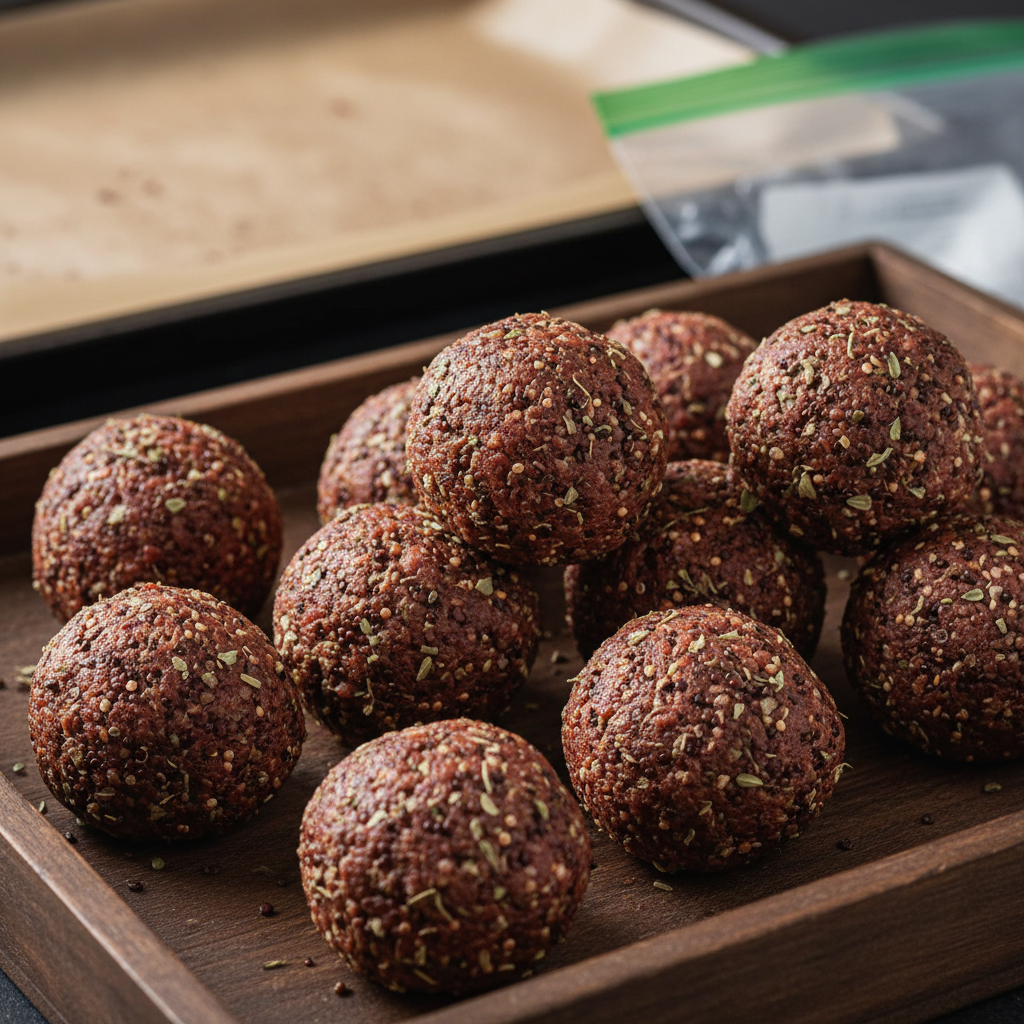
This is a legendary recipe in the dog world, specifically designed for putting weight on underweight dogs quickly and safely. ‘Satin Balls’ are a no-cook, high-fat, high-calorie supplement. They are very rich and should be introduced slowly. Always consult your vet before using a high-potency recipe like this, especially for a giant breed.
Ingredients:
- 5 lbs ground beef (the highest fat percentage you can find)
- 1 large box (about 10 cups) of Total cereal
- 1 large box (12 oz) of uncooked oatmeal
- 1 jar (10 oz) of wheat germ
- 1/2 cup vegetable oil
- 1/2 cup unsulfured molasses
- 5 raw eggs
- A pinch of salt
Instructions:
- In a very large bowl or basin, combine all the ingredients.
- Mix everything together thoroughly with your hands. It will be messy, but it’s the most effective way to ensure everything is incorporated.
- Once fully mixed, roll the mixture into meatballs, about the size of a golf ball or slightly larger for a Saint Bernard.
- You can feed them raw. Introduce just one ball at first to see how your dog’s system handles it.
- The balls can be stored in the refrigerator for a few days or frozen on cookie sheets and then transferred to freezer bags for long-term storage.
Pros & Cons
Pros:
|
Cons:
|
Verdict:
Satin Balls are a special-use tool, not a daily meal. They are perfect for a rescue dog who needs to gain weight, a working dog with extreme energy needs, or a dog recovering from an illness (with veterinary approval). They are the ultimate calorie bomb to get your Saint Bernard back to a healthy, robust weight.
A Guide to Homemade Cooking for Your Saint Bernard
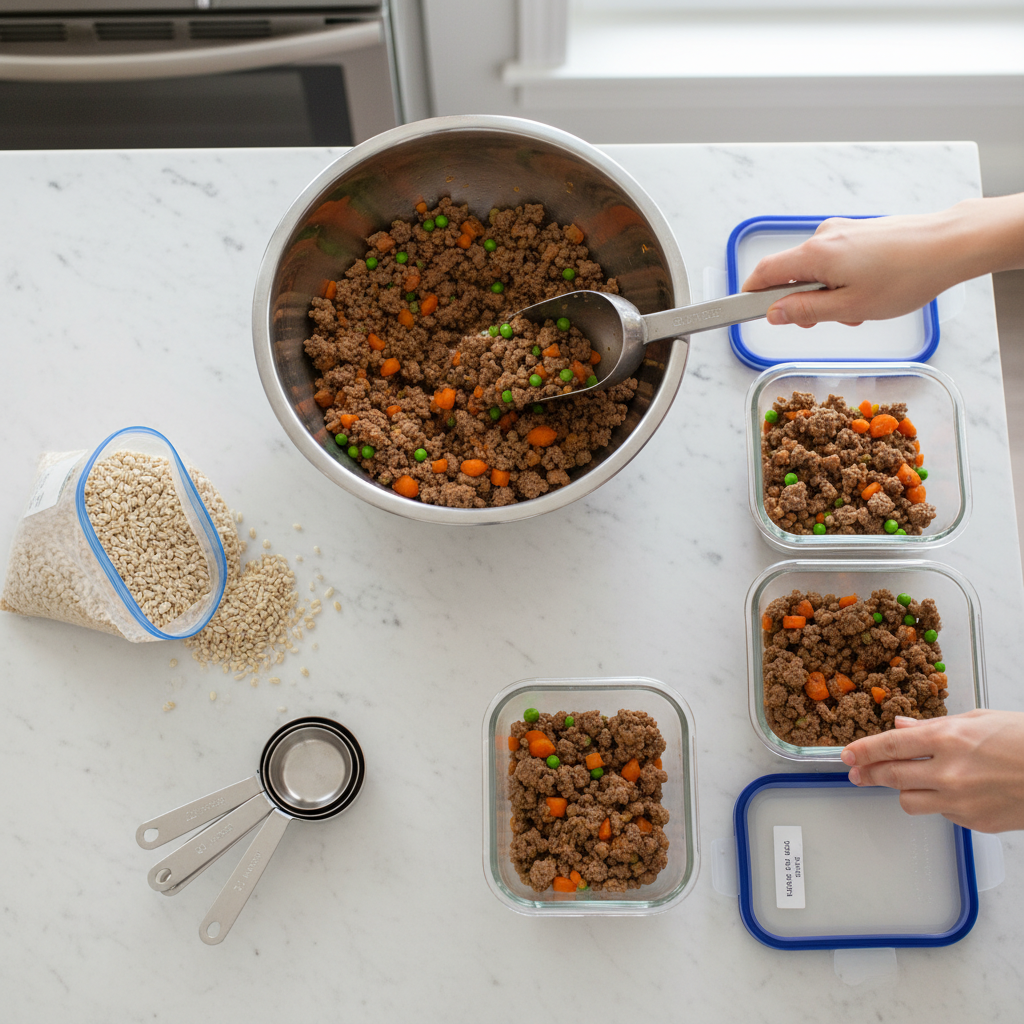
Switching to a homemade diet is a rewarding journey, but it requires care and knowledge to ensure your gentle giant gets everything they need. Here are some crucial points to consider.
Always Consult Your Veterinarian
This is the most important rule. Before making any significant changes to your dog’s diet, talk to your vet or a veterinary nutritionist. They can help you understand your Saint Bernard’s specific caloric needs, identify any potential health issues, and ensure the recipes you choose are properly balanced. They can also recommend essential supplements.
Achieving Nutritional Balance
Simply mixing meat and grains isn’t enough. Dogs, especially giant breeds, have specific nutritional requirements. The calcium-to-phosphorus ratio is critical for bone health, and they need a correct balance of proteins, fats, carbohydrates, vitamins, and minerals. Many homemade diets require supplementation to be complete. A common addition is a high-quality canine multivitamin or a calcium supplement like eggshell powder, but the type and amount should be determined by your vet.
Understanding Calorie Needs
A typical adult Saint Bernard can weigh between 120 and 180 pounds. Their daily calorie needs can range from 2,500 to over 3,500 calories, depending on their age, metabolism, and activity level. A lazy couch-potato Saint will need far fewer calories than one who enjoys long daily walks or lives in a cold climate. Start by feeding about 2% of their ideal body weight in food per day and adjust as needed to maintain a healthy physique. You should be able to feel their ribs easily but not see them.
Foods to Absolutely Avoid
Many human foods are toxic to dogs. Never include these in your homemade recipes:
- Onions, garlic, chives
- Chocolate
- Grapes and raisins
- Macadamia nuts
- Xylitol (an artificial sweetener found in many products)
- Alcohol
- Cooked bones (they can splinter)
Batch Cooking and Storage
Cooking for a Saint Bernard means cooking in large quantities! To save time, make big batches of food that can last for several days or even a week. Let the food cool completely before portioning it into airtight containers. Homemade dog food will typically last 3-4 days in the refrigerator. For longer storage, freeze individual portions in freezer-safe bags or containers. This makes mealtime as easy as thawing and serving.
Frequently Asked Questions

How much homemade food should I feed my Saint Bernard?
A general guideline is to feed 2-3% of their ideal body weight per day, split into two meals. For a 150-pound Saint Bernard, this would be 3 to 4.5 pounds of food daily. However, this is just a starting point. Monitor your dog’s body condition and energy level, and adjust the amount accordingly. Active dogs need more, while older, less active dogs need less.
Is homemade food cheaper than high-quality kibble?
It can be, but not always. The cost depends heavily on the ingredients you choose. Recipes with salmon or lamb will be more expensive than those with chicken. Buying ingredients in bulk can significantly reduce the cost. While it might not always be cheaper than a mid-range kibble, it is often less expensive than premium, human-grade commercial dog foods and offers superior freshness.
Do I need to add supplements to these recipes?
For long-term feeding, it is highly recommended. It’s very difficult to achieve a perfect balance of all essential vitamins and minerals, especially calcium and phosphorus, through food alone. Consult your vet about adding a good all-around canine multivitamin or a specific supplement like calcium to ensure the diet is complete and balanced for your giant breed’s needs.
Can I substitute ingredients in these recipes?
Yes, within reason. You can often swap one vegetable for another (e.g., green beans for broccoli) or one carbohydrate for another (e.g., brown rice for barley), keeping in mind that cooking times may change. When substituting proteins, try to stick with a similar fat content to maintain the recipe’s calorie count. If your dog has allergies, substitutions are a great way to customize their meals. Always introduce new ingredients one at a time to monitor for any adverse reactions.
Conclusion
Cooking for your Saint Bernard is a fantastic way to provide them with a wholesome, high-calorie diet tailored to their needs. These seven recipes offer a variety of flavors and benefits, from muscle support to digestive health. Remember, the journey into homemade dog food should always begin with a conversation with your veterinarian to ensure you’re providing a complete and balanced diet. Seeing your gentle giant thrive on meals you’ve prepared with love is one of the most rewarding experiences a pet parent can have. Happy cooking!