7 Diy Copycat Merrick Dog Food Recipes You Can Make
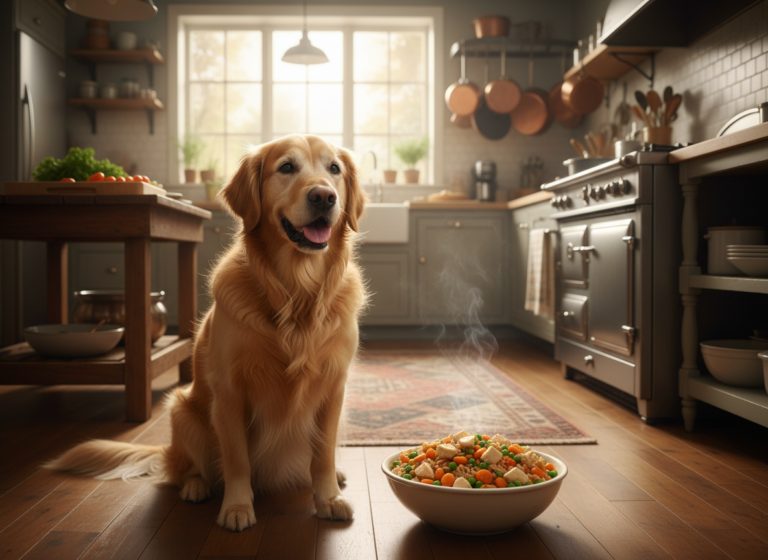
If you’re a fan of Merrick dog food, you already know the value of high-quality, whole-food ingredients for your canine companion. Merrick has built a fantastic reputation for its protein-rich, nutritious recipes that dogs absolutely love. But what if you could capture that same wholesome goodness in your own kitchen? Whether you’re looking to have more control over every single ingredient, cater to a picky eater, or simply enjoy the process of cooking for your best friend, these DIY copycat recipes are for you!
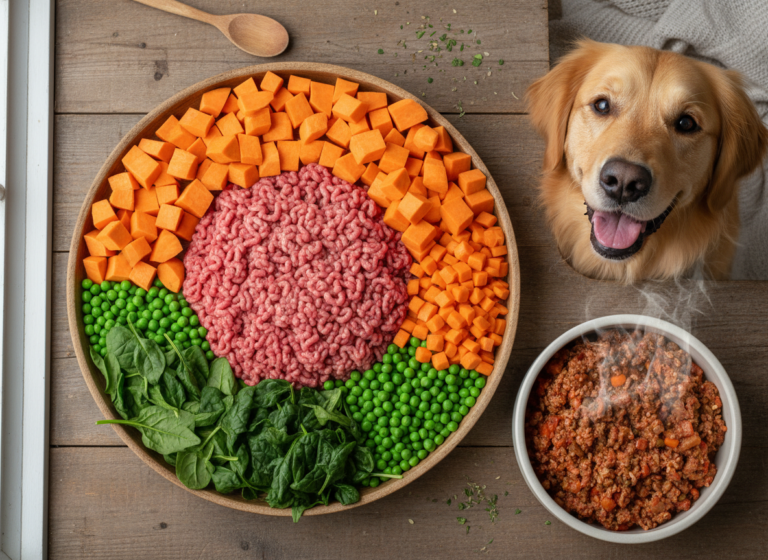
Making your dog’s food at home can be an incredibly rewarding experience. It allows you to use the freshest ingredients and tailor meals specifically to your dog’s needs and preferences. We’ve crafted seven recipes inspired by some of Merrick’s most popular formulas, focusing on balanced nutrition and delicious flavors your dog will go crazy for. Before we dive in, here’s a quick look at the recipes we’ll be cooking up.
Quick Comparison of Our DIY Recipes
| Recipe Name | Main Protein | Key Carbs & Veggies | Best For |
|---|---|---|---|
| Classic Chicken & Sweet Potato Feast | Chicken | Sweet Potato, Peas, Carrots | Adult dogs needing a grain-free classic |
| Hearty Beef & Brown Rice Bowl | Ground Beef | Brown Rice, Spinach, Apples | Active dogs who thrive on healthy grains |
| Gentle Lamb & Green Pea Medley | Ground Lamb | Peas, Carrots, Blueberries | Dogs with poultry sensitivities |
| Backcountry Texas Beef & Potato | Beef Stew Meat | Sweet Potato, Green Beans | A hearty, protein-packed meal |
| Coastal Salmon & Chickpea Plate | Salmon | Chickpeas, Broccoli, Pumpkin | Skin and coat health support |
| Turkey Day Dinner Delight | Ground Turkey | Cranberries, Carrots, Celery | A special treat or for sensitive stomachs |
| Puppy’s First Wholesome Plate | Chicken | Brown Rice, Carrots, Fish Oil | Growing puppies needing balanced nutrition |
Important Note: Always consult with your veterinarian or a veterinary nutritionist before making significant changes to your dog’s diet. They can help ensure your homemade recipes are complete and balanced for your specific dog’s age, breed, and health status.
1. Classic Chicken & Sweet Potato Feast (Grain-Free)

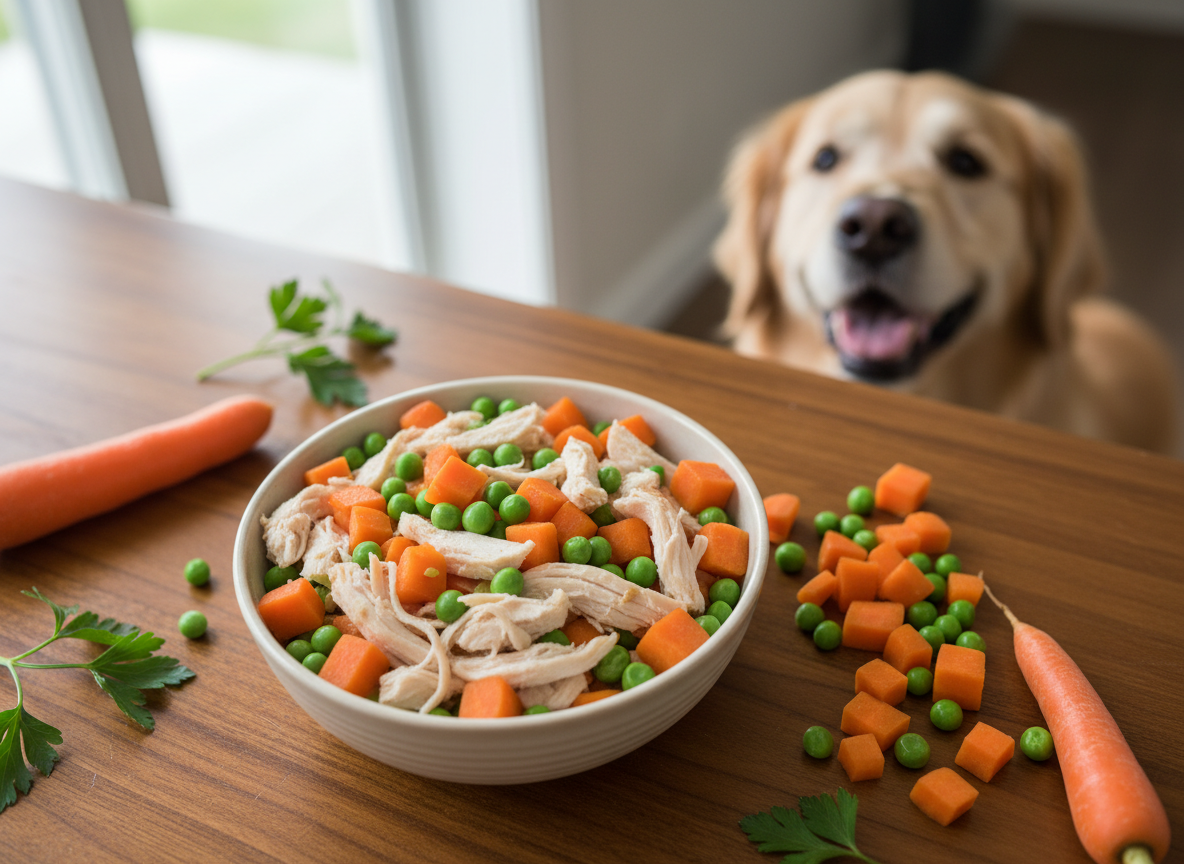
This recipe is inspired by Merrick’s classic grain-free chicken and sweet potato formula. It’s a fantastic all-around meal packed with lean protein, complex carbohydrates for sustained energy, and essential vitamins. It’s simple, wholesome, and a guaranteed crowd-pleaser.
Ingredients & Rationale:
- 3 lbs boneless, skinless chicken breast or thighs: A superb source of lean protein for muscle development.
- 1 large sweet potato, peeled and diced: Rich in dietary fiber, vitamin A, and vitamin C, promoting good digestion and immune health.
- 1 cup peas (fresh or frozen): Provide essential vitamins, minerals, and are a good source of fiber.
- 1 cup carrots, diced: Excellent source of beta-carotene, which converts to vitamin A for healthy vision.
- 1/4 cup fish oil or flaxseed oil: Delivers Omega-3 and Omega-6 fatty acids for a shiny coat and healthy skin.
- 4 cups water or low-sodium chicken broth: For cooking and hydration.
- Optional: A balanced vitamin/mineral supplement for dogs (consult your vet).
Instructions:
- Place the chicken, sweet potato, carrots, and water/broth in a large stockpot.
- Bring to a boil, then reduce heat and simmer for about 20-25 minutes, or until the chicken is cooked through and the vegetables are tender.
- Add the peas during the last 5 minutes of cooking to prevent them from getting mushy.
- Remove from heat and let it cool slightly. Drain most of the liquid, but reserve some to adjust consistency.
- Shred the chicken with two forks and mash the vegetables lightly. You can also pulse it a few times in a food processor for a finer texture.
- Stir in the fish oil until well combined.
- Allow the food to cool completely before serving.
Pros & Cons
| Pros | Cons |
|
|
Verdict:
This is a perfect starting recipe for anyone new to homemade dog food. It’s ideal for adult dogs of all sizes who do well on a grain-free diet and don’t have poultry allergies.
2. Hearty Beef & Brown Rice Bowl (Grain-Inclusive)
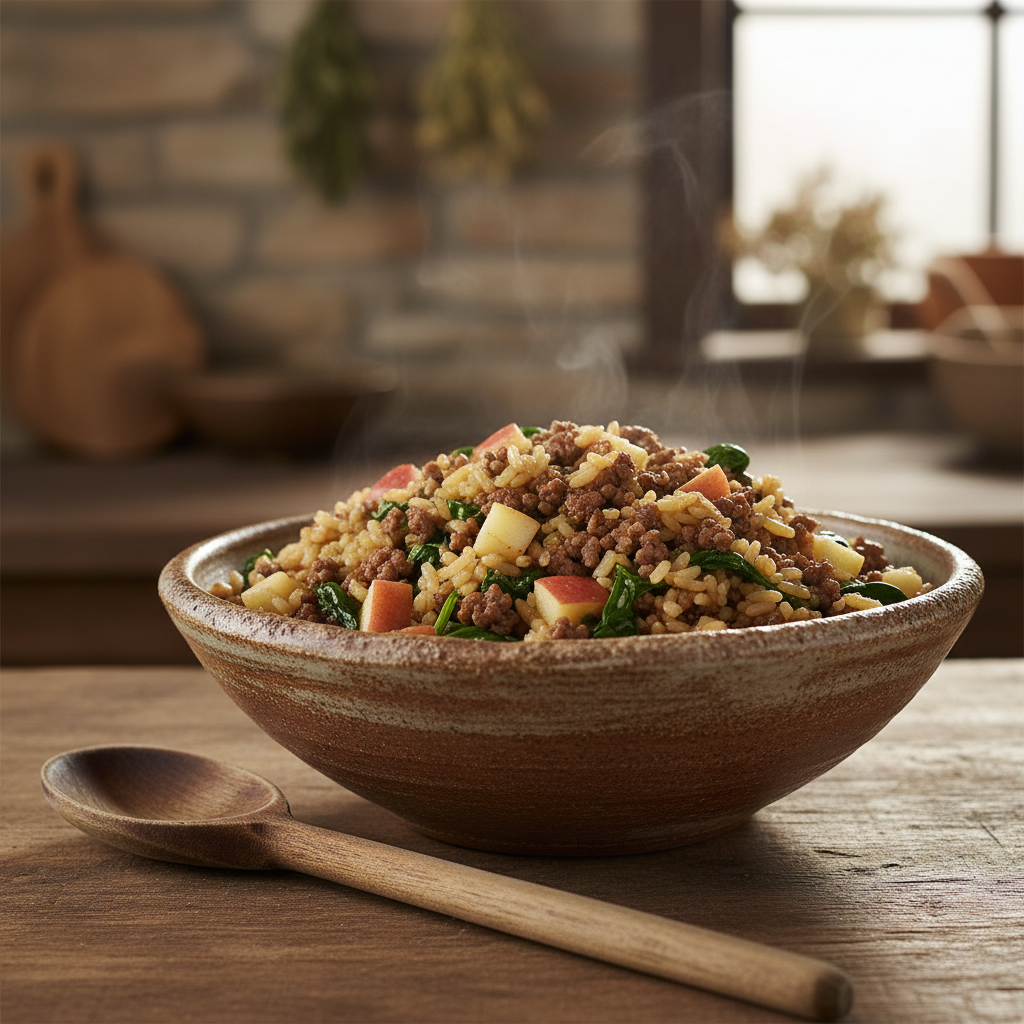
For dogs that thrive with healthy grains in their diet, this recipe inspired by Merrick’s grain-inclusive options is a winner. It combines protein-rich beef with fiber-packed brown rice and nutrient-dense spinach for a satisfying and complete meal.
Ingredients & Rationale:
- 2 lbs lean ground beef (90/10): A great source of protein, iron, and zinc.
- 1 cup uncooked brown rice: A whole grain that provides slow-release energy and is high in fiber.
- 2 cups fresh spinach: Packed with iron and other essential vitamins and minerals.
- 1 apple, cored and chopped (no seeds!): Adds a touch of sweetness, fiber, and vitamins A and C.
- 2 tablespoons olive oil: Provides healthy monounsaturated fats.
- 4 cups water: For cooking the rice and beef.
- Recommended: A vet-approved multivitamin.
Instructions:
- In a large pot, cook the brown rice according to package directions using 2 cups of the water.
- While the rice is cooking, heat the olive oil in a large skillet or pot over medium heat. Add the ground beef and cook until browned, breaking it up with a spoon.
- Drain off any excess fat from the beef.
- Once the rice is cooked, add the browned beef, chopped apple, fresh spinach, and the remaining 2 cups of water to the pot with the rice.
- Stir everything together and cook for another 5-10 minutes, until the spinach has wilted and the apple has softened.
- Remove from heat and let it cool completely before serving.
Pros & Cons
| Pros | Cons |
|
|
Verdict:
This recipe is fantastic for active adult dogs that need the sustained energy provided by whole grains. It’s a robust, flavorful meal that will keep your pup full and happy.
3. Gentle Lamb & Green Pea Medley

Lamb is an excellent protein source for dogs that may have sensitivities to more common proteins like chicken or beef. This recipe, inspired by limited ingredient diets, is simple, gentle on the stomach, and still packed with flavor and nutrition.
Ingredients & Rationale:
- 2 lbs ground lamb: A novel protein source that’s rich in amino acids and less likely to cause allergic reactions.
- 1.5 cups frozen or fresh green peas: A good source of protein, fiber, and vitamins A, K, and B.
- 2 medium carrots, shredded: Easy to digest and a great source of beta-carotene.
- 1/4 cup blueberries (fresh or frozen): A superfood packed with antioxidants to support the immune system.
- 2 tablespoons coconut oil: Contains medium-chain triglycerides (MCTs) which can aid in digestion and boost energy.
- 3 cups water: For cooking.
Instructions:
- Heat the coconut oil in a large pot or Dutch oven over medium heat. Add the ground lamb and cook until browned. Drain the excess fat.
- Add the shredded carrots, peas, and water to the pot. Bring to a simmer.
- Reduce the heat, cover, and let it cook for about 15 minutes, until the carrots are tender.
- Remove from the heat and stir in the blueberries.
- Let the mixture cool down completely before portioning it out for your dog.
Pros & Cons
| Pros | Cons |
|
|
Verdict:
This is the go-to recipe for pet parents dealing with potential food allergies or sensitivities. It’s a gentle, limited-ingredient meal that doesn’t skimp on quality or taste.
4. Backcountry Texas Beef & Sweet Potato

Inspired by Merrick’s popular Backcountry and Texas Beef recipes, this meal is for the dog that loves a hearty, meaty feast. It uses beef stew meat for a satisfying texture and combines it with energy-rich sweet potatoes for a truly rustic dish.
Ingredients & Rationale:
- 2.5 lbs beef stew meat, cut into small, bite-sized pieces: Provides a chewy texture and is rich in protein and iron.
- 2 medium sweet potatoes, peeled and cubed: A fantastic grain-free source of carbohydrates, fiber, and vitamins.
- 1 cup green beans, trimmed and chopped: A good source of plant fiber, vitamin K, and vitamin C.
- 1 tablespoon dried parsley: Can help freshen your dog’s breath and provides antioxidants.
- 3-4 cups low-sodium beef broth: Adds flavor and moisture for a stew-like consistency.
Instructions:
- In a large pot or slow cooker, combine the beef stew meat, cubed sweet potatoes, chopped green beans, parsley, and beef broth.
- If using a stovetop, bring the mixture to a boil, then reduce heat, cover, and simmer for 45-60 minutes, or until the beef is tender and cooked through.
- If using a slow cooker, cook on low for 6-8 hours or on high for 3-4 hours.
- Stir occasionally to prevent sticking. The broth will thicken slightly to create a gravy.
- Ensure the meat is cut into appropriately sized pieces for your dog to prevent choking.
- Let it cool to a safe temperature before serving.
Pros & Cons
| Pros | Cons |
|
|
Verdict:
This is the ultimate comfort food for your dog. It’s perfect for active dogs, large breeds, or any pup that deserves a special, protein-packed meal that feels like it came straight from a ranch kitchen.
5. Coastal Salmon & Chickpea Plate

Fish-based recipes are fantastic for promoting healthy skin and a lustrous coat, thanks to their high Omega-3 fatty acid content. This recipe uses salmon and chickpeas for a grain-free, poultry-free meal that’s as nutritious as it is delicious.
Ingredients & Rationale:
- 1.5 lbs salmon fillets, skin removed: An excellent source of Omega-3 fatty acids, which reduce inflammation and support skin, coat, and joint health.
- 1 can (15 oz) chickpeas, rinsed and drained: A great grain-free source of protein, fiber, and carbohydrates.
- 1 cup broccoli florets, finely chopped: Provides vitamin C and fiber, but should be given in moderation.
- 1/2 cup pure pumpkin puree (not pie filling): Amazing for digestive health and regularity.
- 1 tablespoon olive oil: For healthy fats.
Instructions:
- Preheat your oven to 400°F (200°C). Place the salmon fillets on a baking sheet lined with parchment paper and bake for 12-15 minutes, or until cooked through.
- While the salmon is baking, steam or lightly boil the broccoli florets until tender-crisp.
- In a large bowl, flake the cooked salmon apart with a fork.
- Add the rinsed chickpeas, cooked broccoli, pumpkin puree, and olive oil to the bowl.
- Gently mix everything together until well combined.
- Allow the mixture to cool completely before serving.
Pros & Cons
| Pros | Cons |
|
|
Verdict:
This is the perfect meal for dogs with dull coats, dry skin, or allergies to common proteins like chicken. It’s a nutrient-dense recipe that supports your dog’s health from the inside out.
6. Turkey Day Dinner Delight
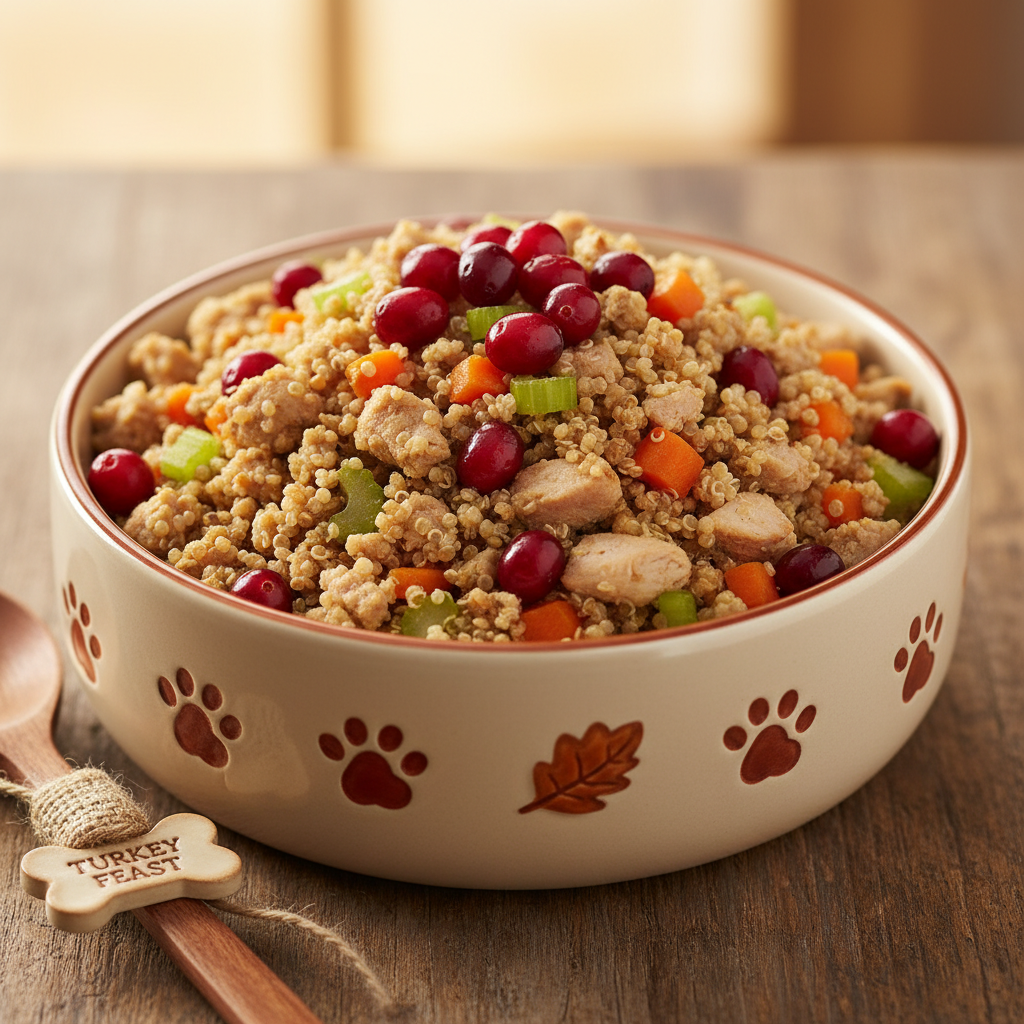
Inspired by Merrick’s popular Thanksgiving Day Dinner recipe, this meal is a festive treat that’s also gentle and easy to digest. Turkey is a leaner alternative to chicken, and the addition of cranberries adds a touch of holiday flair and antioxidants.
Ingredients & Rationale:
- 2 lbs ground turkey: A lean protein that is often well-tolerated by dogs with sensitive stomachs.
- 1/2 cup uncooked quinoa, rinsed: A complete protein gluten-free seed that provides all nine essential amino acids.
- 1 cup chopped carrots and celery mix: Classic mirepoix veggies that add vitamins and fiber.
- 1/4 cup unsweetened dried cranberries or fresh cranberries: Support urinary tract health and provide antioxidants.
- 1 tablespoon olive oil: For healthy fats.
- 4 cups water or low-sodium turkey broth: For cooking.
Instructions:
- Heat the olive oil in a large pot over medium heat. Add the ground turkey and cook until browned.
- Add the rinsed quinoa, carrots, celery, cranberries, and water/broth to the pot.
- Bring the mixture to a boil, then reduce the heat to low, cover, and simmer for about 20 minutes, or until the quinoa is cooked and has absorbed most of the liquid.
- Stir everything together to ensure it’s evenly mixed.
- Remove from the heat and let it cool completely before serving to your eager pup.
Pros & Cons
| Pros | Cons |
|
|
Verdict:
This recipe is a wonderful choice for dogs with sensitive stomachs or for owners looking for a leaner protein option. It’s also a fun way to include your dog in holiday celebrations with a safe and healthy meal.
7. Puppy’s First Wholesome Plate

Veterinarian consultation is absolutely critical for this recipe. Growing puppies have very specific nutritional needs for calcium, phosphorus, DHA, and other nutrients that are vital for proper development. This recipe is a starting point to discuss with your vet or a veterinary nutritionist.
Ingredients & Rationale:
- 1.5 lbs ground chicken or turkey: High-quality protein for building strong muscles.
- 1 cup full-fat cottage cheese or plain yogurt: Excellent source of calcium and probiotics for bone health and digestion.
- 1/2 cup uncooked brown rice, well-cooked until soft: An easily digestible carbohydrate source for energy.
- 1/2 cup finely grated carrots and zucchini: Provides essential vitamins and minerals.
- 1 tablespoon high-quality fish oil (rich in DHA): DHA is crucial for brain and eye development in puppies.
- A vet-recommended puppy-specific calcium and mineral supplement: This is non-negotiable to ensure proper bone growth.
Instructions:
- Cook the brown rice with 2 cups of water until it’s very soft and mushy, easier for a puppy to digest.
- In a separate pan, cook the ground chicken or turkey until no longer pink. Drain any excess fat.
- In a large bowl, combine the cooked meat, soft-cooked rice, cottage cheese/yogurt, grated veggies, and fish oil.
- Mix thoroughly.
- Crucially, add the precise amount of the vet-recommended puppy supplement and mix again. Do not skip this step.
- Serve warm, ensuring the portion size is appropriate for your puppy’s age, weight, and breed.
Pros & Cons
| Pros | Cons |
|
|
Verdict:
This recipe is ONLY for the dedicated puppy parent who has partnered with a veterinarian or veterinary nutritionist. When done correctly, it can provide an excellent nutritional foundation, but the risks of getting it wrong are significant. Please proceed with professional guidance only.
A Guide to Safe & Healthy DIY Dog Food

Switching to homemade dog food is a big step, and doing it safely is the most important part. Before you turn your kitchen into a canine cafe, keep these essential points in mind.
1. Talk to Your Vet First. Always.
We can’t stress this enough. Every dog is an individual with unique nutritional needs based on their age, breed, size, activity level, and health conditions. A veterinarian or a board-certified veterinary nutritionist is the best resource to help you create a diet that is ‘complete and balanced.’ They can review your recipes, recommend essential supplements, and help you calculate the correct portion sizes.
2. Balance is Everything
A bowl of just chicken and rice isn’t a complete meal. Dogs need a specific balance of protein, fat, carbohydrates, vitamins, and minerals. A long-term deficiency in even one key nutrient, like calcium or taurine, can lead to serious health problems. This is why working with a vet and often using a high-quality supplement designed for homemade diets is so important.
3. Know the No-Go Foods
Many human foods are toxic to dogs. Keep this list far away from your dog’s bowl:
- Onions, garlic, chives, and leeks
- Chocolate
- Grapes and raisins
- Macadamia nuts
- Xylitol (an artificial sweetener found in many products)
- Alcohol and caffeine
- Cooked bones (they can splinter and cause internal damage)
- Avocado
4. Proper Preparation and Storage
Treat your dog’s food with the same safety standards as your own. Wash your hands and cooking surfaces thoroughly. Cook meat to safe internal temperatures to kill harmful bacteria like Salmonella. Homemade dog food doesn’t have preservatives, so it needs to be stored properly. It will typically last 3-4 days in an airtight container in the refrigerator. For longer storage, freeze pre-portioned meals in freezer-safe bags or containers.
Frequently Asked Questions

Here are some common questions pet owners have when starting their homemade dog food journey.
How much homemade food should I feed my dog?
This is one of the most common and important questions, and the answer depends heavily on your dog’s size, age, metabolism, and activity level, as well as the caloric density of the food you’re making. A general starting point is to feed about 2-3% of their ideal body weight per day. For example, a 50-pound dog might eat 1 to 1.5 pounds of food daily, split into two meals. However, this is just a rough estimate. The best way to determine the right amount is to consult your vet and monitor your dog’s body condition, adjusting portions as needed.
Can I make large batches and freeze them?
Absolutely! Batch cooking is a huge time-saver. You can cook a week’s or even a month’s worth of food at once. Portion out the daily or single-meal amounts into freezer-safe containers or bags. This keeps the food fresh and makes daily feeding incredibly convenient. Just be sure to thaw it safely in the refrigerator overnight before serving, not on the counter.
Do I really need to add supplements to my DIY dog food?
For long-term feeding, the answer is almost always yes. It is very difficult to meet all of a dog’s micronutrient requirements (like zinc, copper, iron, and vitamin D) through food ingredients alone without professional formulation software. A commercial multivitamin/mineral supplement designed for dogs on homemade diets helps fill these nutritional gaps and ensures the diet is complete and balanced. Your veterinarian can recommend a reputable brand that suits your chosen recipe.
Conclusion
Cooking for your dog is an amazing act of love. By creating your own copycat Merrick recipes, you’re providing a fresh, wholesome meal made with ingredients you’ve chosen yourself. From the classic chicken and sweet potato to the skin-soothing salmon plate, there’s a recipe here to make any pup’s tail wag. Remember, the journey into homemade dog food should always begin with a conversation with your veterinarian. They are your partner in ensuring your furry friend gets the balanced, nutritious, and delicious diet they deserve. Happy cooking, and enjoy the extra snuggles and thank-you licks you’re sure to receive!