7 Frog Meat Dog Food Recipes For Severe Allergies
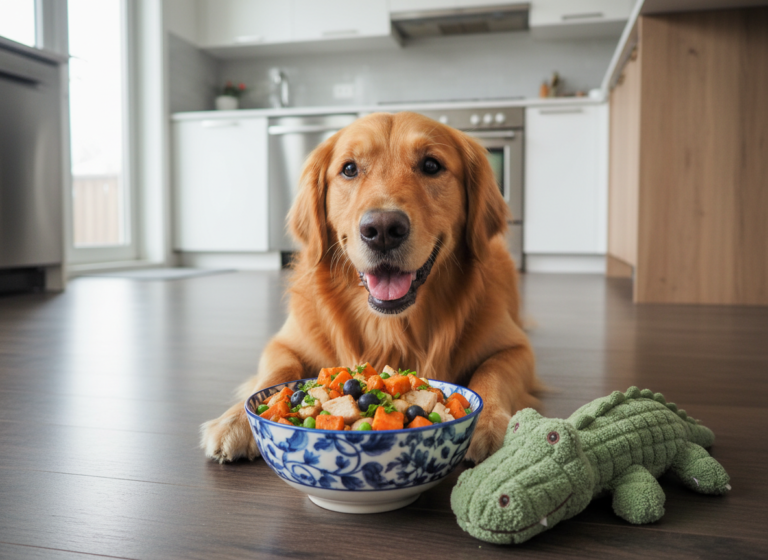
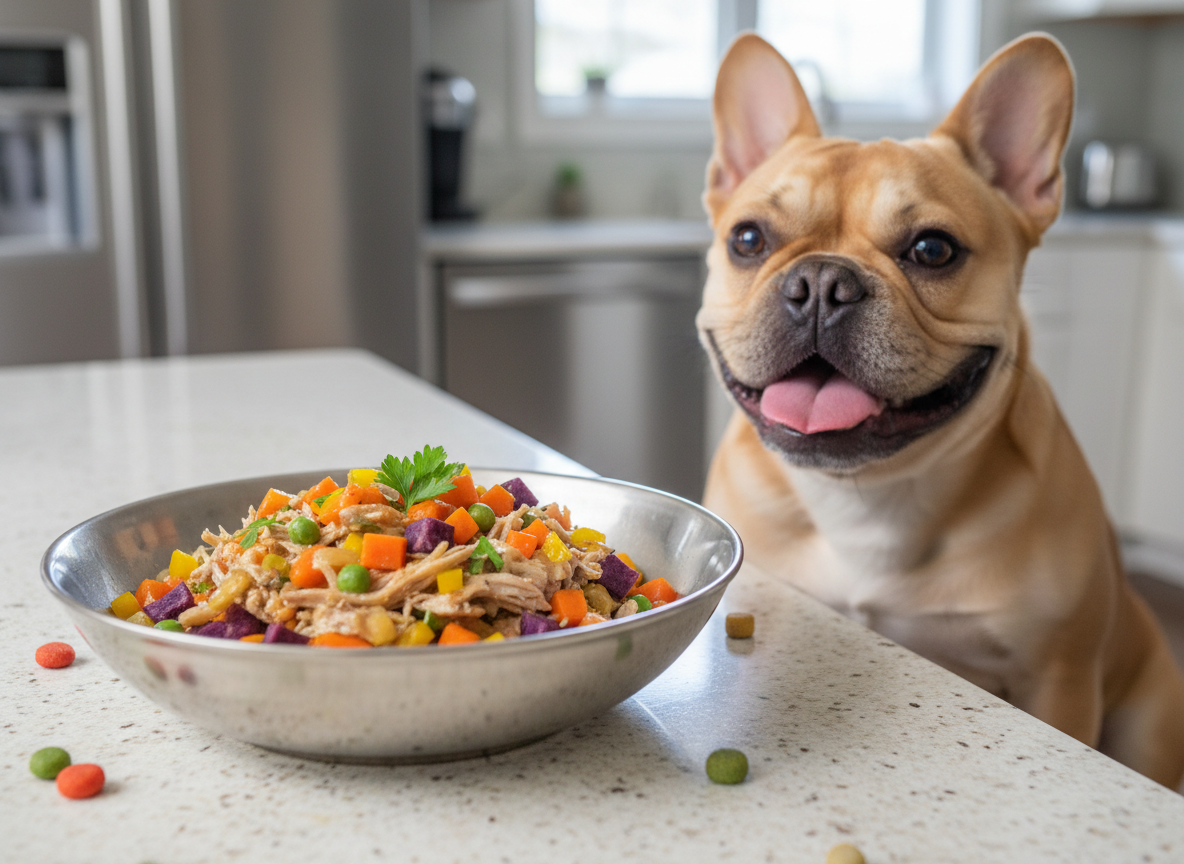
Watching your furry best friend suffer from severe allergies is heartbreaking. The constant scratching, irritated skin, and digestive upset can leave both of you feeling exhausted and helpless. You’ve likely tried everything—chicken, beef, lamb, even fish—only to find the allergic reactions persist. If you’re at your wit’s end, it might be time to think outside the box, or in this case, outside the common pasture and into the pond!
Welcome to the world of novel proteins, specifically, frog meat. It might sound unusual, but for dogs with severe food sensitivities, frog meat can be a lifesaver. It’s a protein source your dog’s immune system has almost certainly never encountered, meaning the chance of an allergic reaction is incredibly low. It’s lean, packed with essential amino acids, and highly digestible.
To help you on this journey, we’ve crafted 7 delicious and simple frog meat recipes designed to soothe your dog’s system and delight their taste buds. Before we hop in, here’s a quick look at what we’ll be cooking up.
Quick Comparison of Our Froggy Feasts
| Recipe Name | Best For | Key Ingredients |
|---|---|---|
| 1. The Simple Hopper’s Stew | Starting an elimination diet | Frog Legs, Sweet Potato, Green Beans |
| 2. Leapfrog Quinoa Bowl | Dogs needing extra fiber | Frog Meat, Quinoa, Carrots, Spinach |
| 3. Frog & Pumpkin Purée | Sensitive stomachs & digestion | Frog Meat, Pumpkin Purée, Ginger |
| 4. Croaker’s Coconut Curry | Boosting skin & coat health | Frog Meat, Coconut Oil, Turmeric, Kale |
| 5. Pond-to-Plate Patties | Picky eaters & easy portioning | Ground Frog Meat, Oats, Zucchini |
| 6. Amphibian’s Antioxidant Mix | Senior dogs or immune support | Frog Meat, Blueberries, Broccoli |
| 7. Frozen Froggy Kong Filler | Mental stimulation & treats | Cooked Frog Meat, Plain Yogurt, Peas |
Important Note: Before making any significant changes to your dog’s diet, always consult with your veterinarian or a board-certified veterinary nutritionist. They can help ensure these recipes are balanced and appropriate for your dog’s specific health needs.
1. The Simple Hopper’s Stew
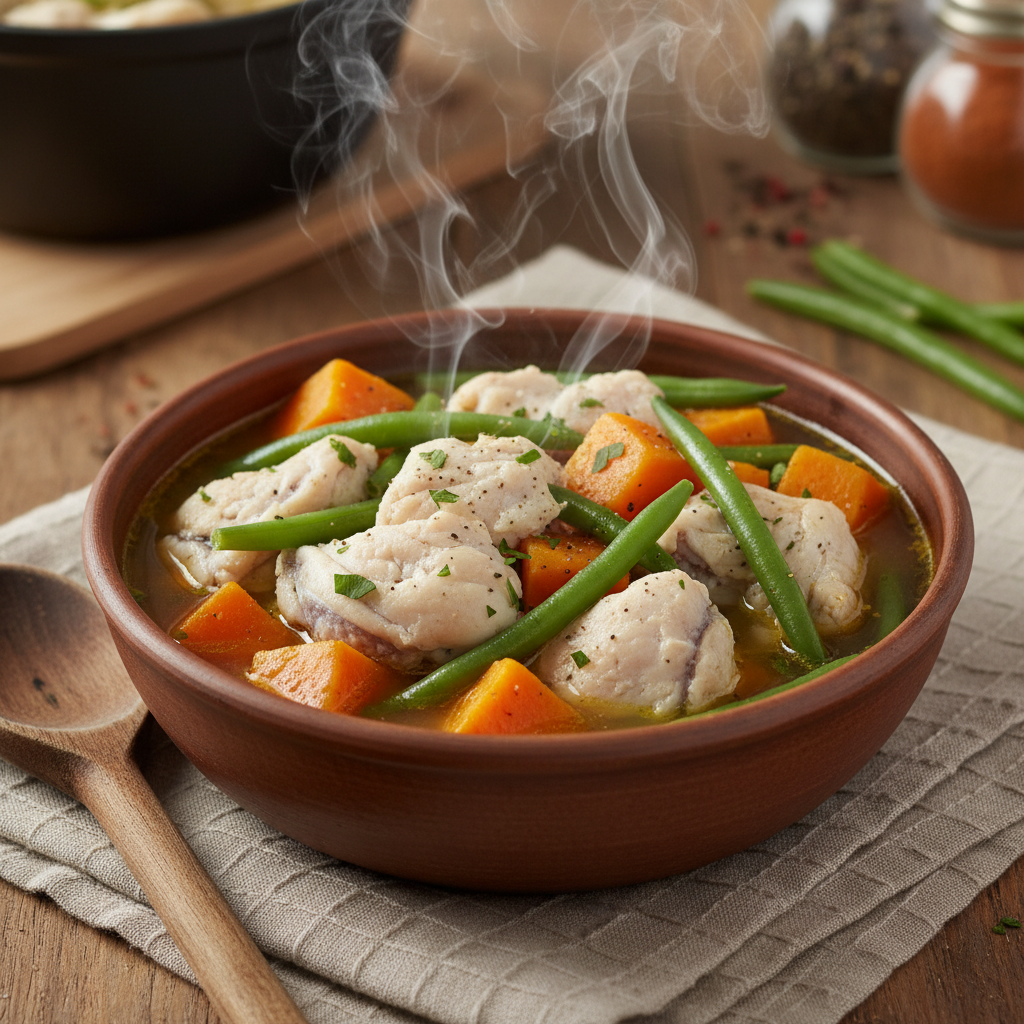
This recipe is the perfect starting point. It’s a limited-ingredient diet (LID) powerhouse, designed to be as gentle as possible on your dog’s system. By using just one protein (frog) and one carbohydrate (sweet potato), you can easily monitor your dog for reactions and establish a safe baseline diet.
Ingredients:
- 1 lb human-grade frog legs, bone removed
- 2 medium sweet potatoes, peeled and diced
- 1 cup green beans, trimmed and chopped
- 4 cups of water or bone broth (ensure it has no onion or garlic)
- 1 tablespoon of fish oil or flaxseed oil (for Omega-3s)
Instructions:
- Chop the deboned frog meat into bite-sized pieces.
- In a large pot, combine the frog meat, diced sweet potatoes, green beans, and water/broth.
- Bring the mixture to a boil, then reduce the heat and simmer for 20-25 minutes, or until the sweet potato is tender and the frog meat is cooked through.
- Remove from heat and let it cool completely.
- Stir in the fish oil or flaxseed oil just before serving.
- Store in an airtight container in the refrigerator for up to 3 days.
Pros & Cons
| Pros | Cons |
|---|---|
| Extremely gentle on the digestive system. | Deboning frog legs can be time-consuming. |
| Ideal for an elimination diet trial. | May require additional supplements for long-term feeding (consult a vet). |
| Simple and quick to prepare. | Sourcing quality frog legs can be a challenge. |
Verdict
This recipe is the gold standard for any pet parent just beginning their novel protein journey. It’s perfect for dogs with multiple known allergies who need a simple, clean diet to calm their immune systems.
2. Leapfrog Quinoa Bowl
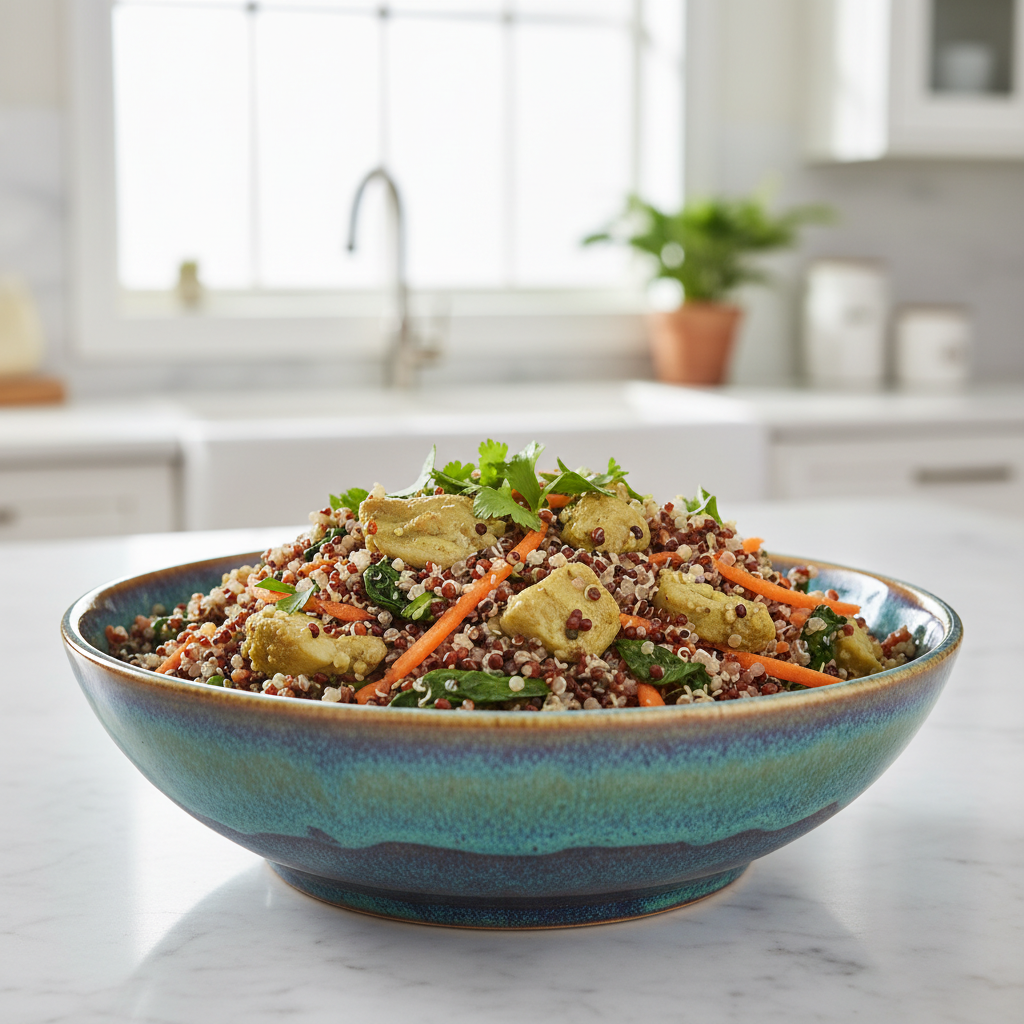
For the active pup who needs a bit more substance and fiber, this quinoa bowl is a fantastic choice. Quinoa is a complete protein and a gluten-free grain that provides sustained energy, while spinach and carrots add a wonderful boost of vitamins and minerals.
Ingredients:
- 1 lb frog meat, deboned and chopped
- 1 cup quinoa, rinsed thoroughly
- 2 cups water
- 1 large carrot, shredded
- 2 cups fresh spinach
- 1 tablespoon olive oil
Instructions:
- In a saucepan, cook the quinoa with 2 cups of water according to package directions.
- While the quinoa cooks, heat the olive oil in a skillet over medium heat. Add the chopped frog meat and cook until it’s white and cooked through, about 5-7 minutes.
- Add the shredded carrot to the skillet with the frog meat and cook for another 3-4 minutes until slightly softened.
- Once the quinoa is done, remove it from the heat and stir in the fresh spinach until it wilts.
- Combine the quinoa/spinach mixture with the frog meat and carrot mixture. Let it cool before serving.
Pros & Cons
| Pros | Cons |
|---|---|
| High in fiber for healthy digestion. | Some dogs can be sensitive to grains, even gluten-free ones like quinoa. |
| Packed with vitamins A and K from the veggies. | Requires cooking two components separately. |
| Quinoa provides sustained energy. | Quinoa must be rinsed well to remove saponins. |
Verdict
This recipe is excellent for energetic dogs who don’t have sensitivities to grains. It’s a well-rounded, nutritious meal that supports both digestive health and active lifestyles.
3. Frog & Pumpkin Purée
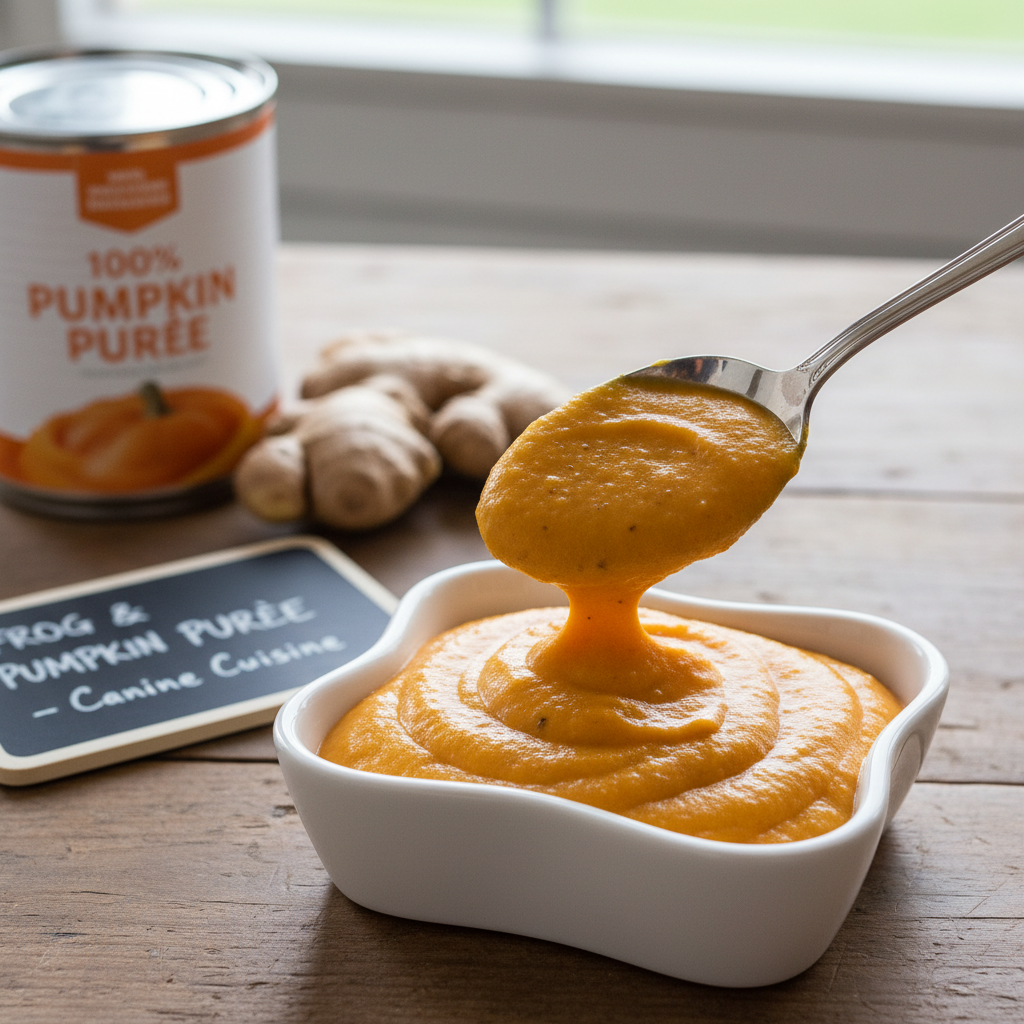
Tummy troubles? This recipe is your go-to. Pumpkin is a superstar ingredient for digestive health, known for its ability to regulate stools whether the issue is constipation or diarrhea. Combined with the soothing properties of ginger and the gentleness of frog meat, this purée is a comforting meal for any pup with a sensitive stomach.
Ingredients:
- 1 lb frog meat, deboned
- 1 (15 oz) can of 100% pure pumpkin purée (not pie filling)
- 1/2 teaspoon grated fresh ginger
- 2 cups water
Instructions:
- Place the deboned frog meat in a pot with 2 cups of water. Bring to a simmer and cook for about 15 minutes, until the meat is fully cooked.
- Drain the meat, reserving about 1/2 cup of the cooking liquid.
- In a blender or food processor, combine the cooked frog meat, pumpkin purée, and grated ginger.
- Blend until smooth, adding some of the reserved cooking liquid as needed to reach a desired purée consistency.
- Serve once cooled. This is also great for stuffing into puzzle toys!
Pros & Cons
| Pros | Cons |
|---|---|
| Excellent for regulating digestion. | Not a complete meal for long-term feeding without added nutrients/carbs. |
| Soft texture is great for senior dogs or those with dental issues. | Too much pumpkin can cause loose stools in some dogs. |
| Ginger provides natural anti-nausea benefits. | Requires a blender or food processor. |
Verdict
This is the perfect recipe for dogs experiencing a bout of digestive upset or for those who consistently have sensitive stomachs. It’s also a fantastic, healthy meal topper to encourage a picky eater.
4. Croaker’s Coconut Curry (Dog-Friendly)
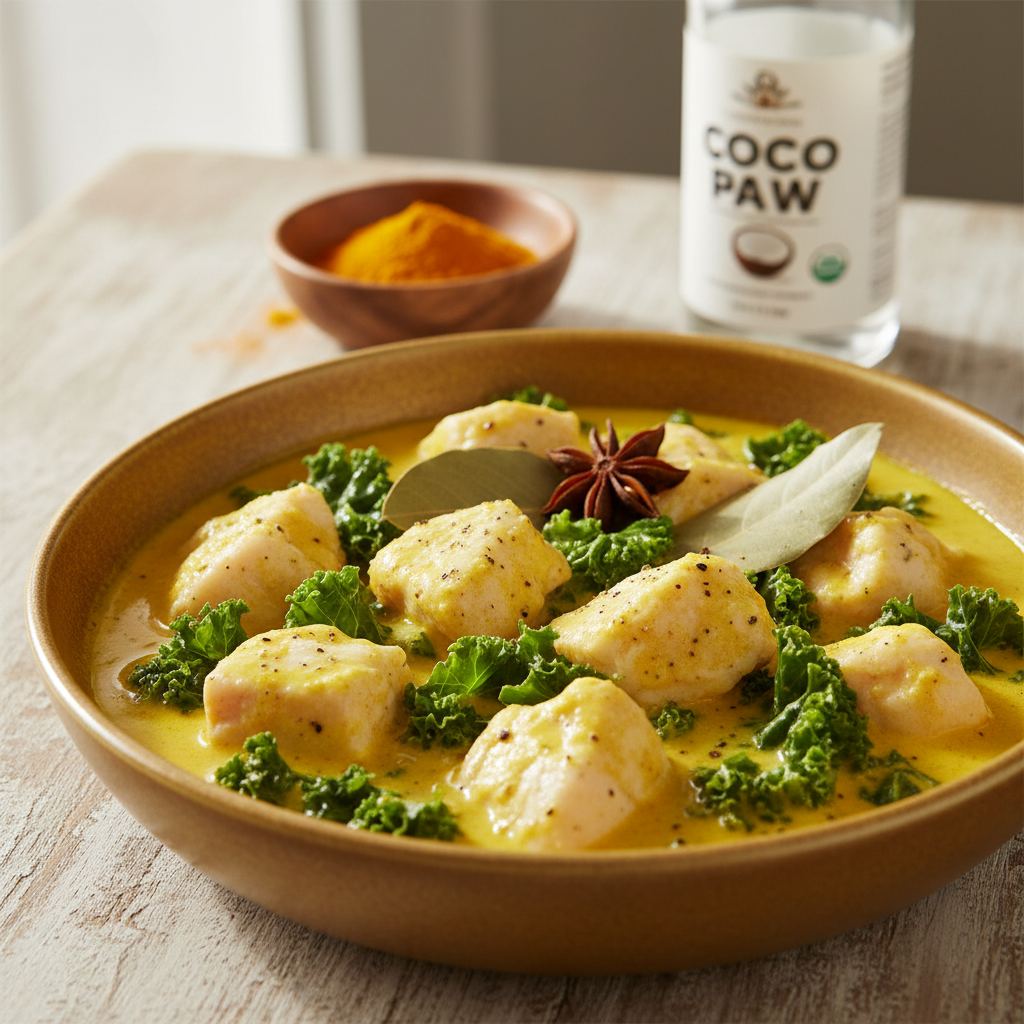
Don’t worry, there’s no spice here! This ‘curry’ uses dog-safe ingredients like turmeric and coconut oil, which are renowned for their anti-inflammatory properties. This makes it an amazing choice for dogs with itchy skin and dull coats, as it helps soothe inflammation from the inside out.
Ingredients:
- 1 lb frog meat, deboned and cubed
- 1 tablespoon virgin coconut oil
- 1 teaspoon turmeric powder
- 1/2 cup light coconut milk (unsweetened)
- 2 cups chopped kale
- 1/2 cup water
Instructions:
- Melt the coconut oil in a skillet over medium heat.
- Add the frog meat and cook until browned on all sides.
- Sprinkle the turmeric over the meat and stir to coat.
- Add the coconut milk, water, and chopped kale. Stir everything together.
- Bring to a simmer, then cover and cook for 10 minutes, or until the kale is tender.
- Let it cool to a safe temperature before serving.
Pros & Cons
| Pros | Cons |
|---|---|
| Turmeric and coconut oil are powerful anti-inflammatories. | Coconut milk can be rich; introduce slowly to avoid stomach upset. |
| Excellent for promoting healthy skin and a shiny coat. | Some dogs may not like the taste of turmeric. |
| Kale adds a great source of vitamins. | Ensure coconut milk is unsweetened and free of xylitol. |
Verdict
If your dog’s allergies manifest primarily as skin issues—like hot spots, constant itching, or a flaky coat—this recipe is a must-try. The powerful combination of ingredients targets inflammation to provide relief and nourishment.
5. Pond-to-Plate Patties

These patties are a fantastic option for meal prep and for those pups who prefer a more solid, kibble-like texture. They are easy to portion, store well in the freezer, and are perfect for hiding medication in if needed. The oats provide soluble fiber, and the zucchini adds moisture and vitamins.
Ingredients:
- 1 lb ground frog meat (ask your butcher or grind deboned legs in a food processor)
- 1 cup rolled oats
- 1 medium zucchini, finely grated and moisture squeezed out
- 1 egg
Instructions:
- Preheat your oven to 375°F (190°C). Line a baking sheet with parchment paper.
- In a large bowl, combine the ground frog meat, rolled oats, grated zucchini, and egg.
- Mix with your hands until all ingredients are well combined.
- Form the mixture into small, palm-sized patties and place them on the prepared baking sheet.
- Bake for 20-25 minutes, or until the patties are cooked through and lightly browned.
- Let them cool completely before serving or storing.
Pros & Cons
| Pros | Cons |
|---|---|
| Great for meal prepping and freezer-friendly. | Grinding frog meat requires a food processor or a helpful butcher. |
| Easy to portion control. | Some dogs have sensitivities to eggs or oats. |
| Less messy than stews or purées. | Can be a bit dry if overcooked. |
Verdict
Perfect for busy pet parents who love to meal prep. These patties offer a convenient, less-messy way to feed a homemade diet and are a hit with dogs who enjoy a chewier, more textured meal.
6. Amphibian’s Antioxidant Mix
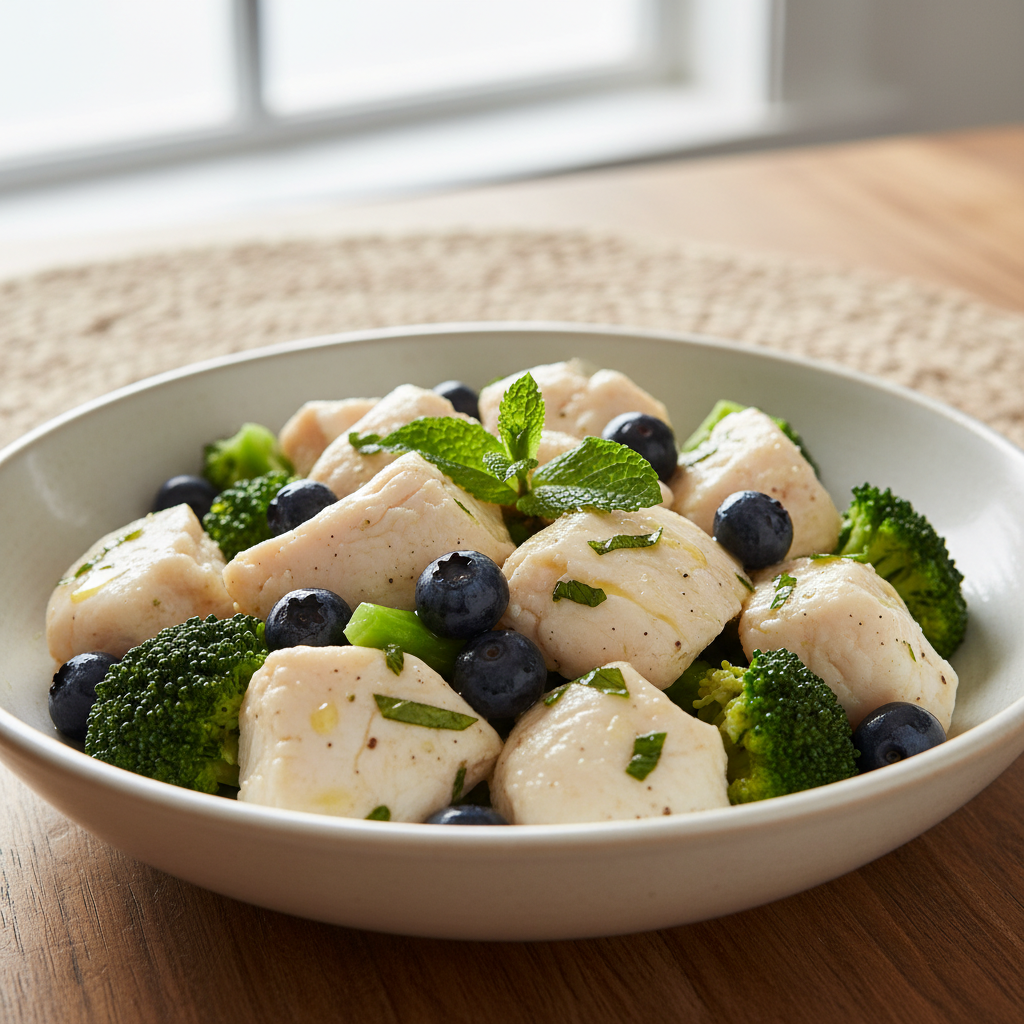
This recipe is a powerhouse of antioxidants, making it particularly beneficial for senior dogs or any pup needing an immune system boost. Blueberries and broccoli are packed with vitamins and compounds that fight cellular damage, supporting overall health and vitality.
Ingredients:
- 1 lb frog meat, deboned and chopped
- 1 cup broccoli florets, lightly steamed
- 1/2 cup fresh or frozen blueberries
- 1 tablespoon of a dog-friendly oil (flaxseed, fish, or olive oil)
Instructions:
- Cook the frog meat by either boiling or pan-frying (with a little water or oil) until cooked through. Let it cool.
- In your dog’s bowl, combine the cooked frog meat, steamed broccoli florets, and blueberries.
- Drizzle the oil over the top and gently mix.
- Serve immediately.
Pros & Cons
| Pros | Cons |
|---|---|
| Loaded with antioxidants for immune support. | Broccoli can cause gas in some dogs, so introduce it slowly. |
| Very simple and quick to assemble once ingredients are prepped. | Lacks a primary carbohydrate source, making it more of a meal topper for some dogs. |
| Blueberries are a low-calorie, high-fiber treat. | The sweetness of blueberries might not appeal to all dogs. |
Verdict
This is an excellent meal for senior dogs, dogs with compromised immune systems, or as a rotational meal to provide a variety of nutrients. It’s a fresh, vibrant dish that supports long-term health.
7. Frozen Froggy Kong Filler
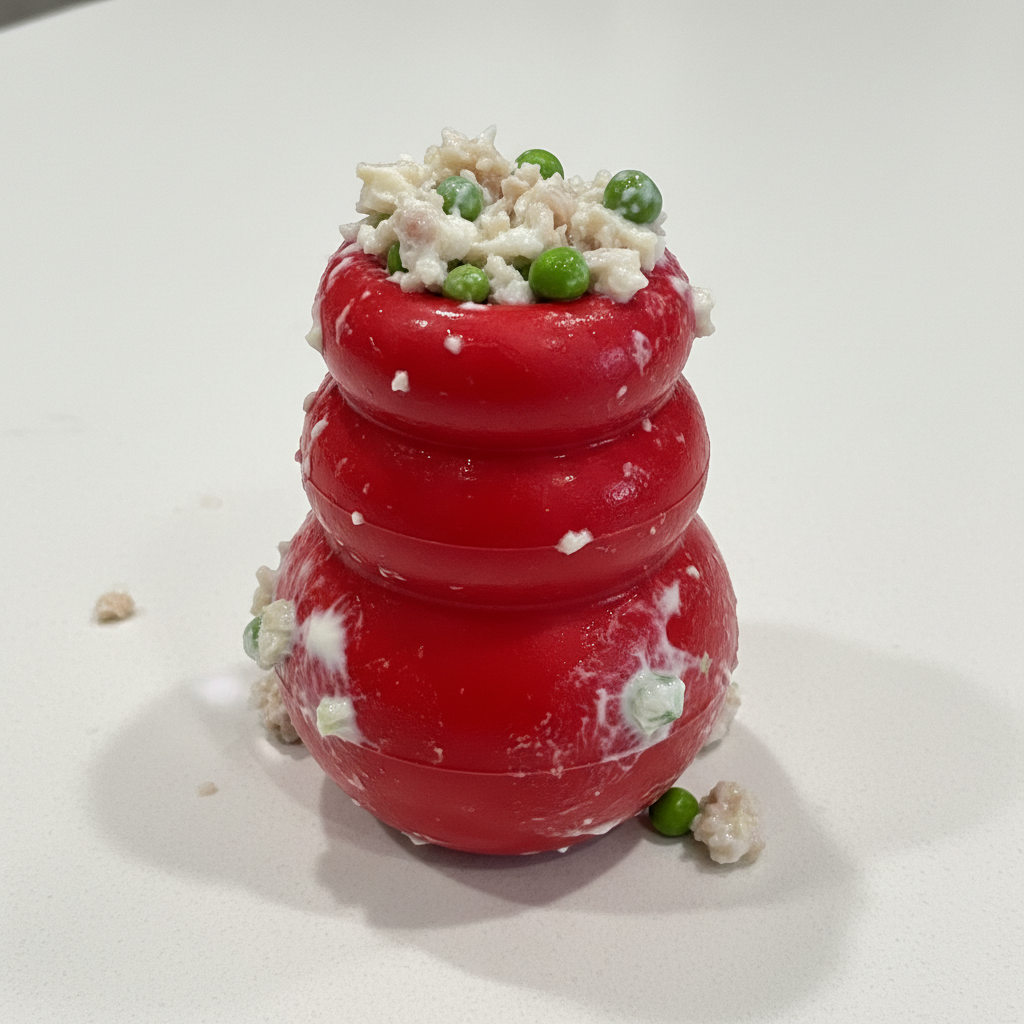
Mealtime can also be fun time! This recipe is designed to be stuffed into a Kong or other puzzle toy and frozen. It provides a delicious, hypoallergenic treat that also offers valuable mental stimulation, helping to bust boredom and anxiety.
Ingredients:
- 1/2 cup cooked and finely minced frog meat
- 1/2 cup plain, unsweetened yogurt or kefir (ensure no xylitol)
- 1/4 cup peas (fresh or frozen)
Instructions:
- In a bowl, mix the minced frog meat, plain yogurt, and peas until well combined.
- Spoon the mixture into a Kong or similar rubber food toy.
- For an extra challenge and a longer-lasting treat, place the stuffed toy in the freezer for at least 4 hours.
- Serve to your dog as a special treat or to keep them occupied.
Pros & Cons
| Pros | Cons |
|---|---|
| Provides excellent mental enrichment. | This is a treat, not a complete meal. |
| Soothes teething puppies’ gums when frozen. | Some dogs are lactose intolerant and may not handle yogurt well. |
| A healthy, hypoallergenic alternative to store-bought treats. | Can be messy as it thaws. Best served outdoors or on a washable surface. |
Verdict
Every dog deserves a treat! This is the perfect recipe for creating a high-value, allergy-friendly reward that also keeps your dog’s brain engaged. It’s a fantastic tool for crate training, separation anxiety, or just a hot day.
Your Guide to Cooking Frog Meat Meals for Your Dog
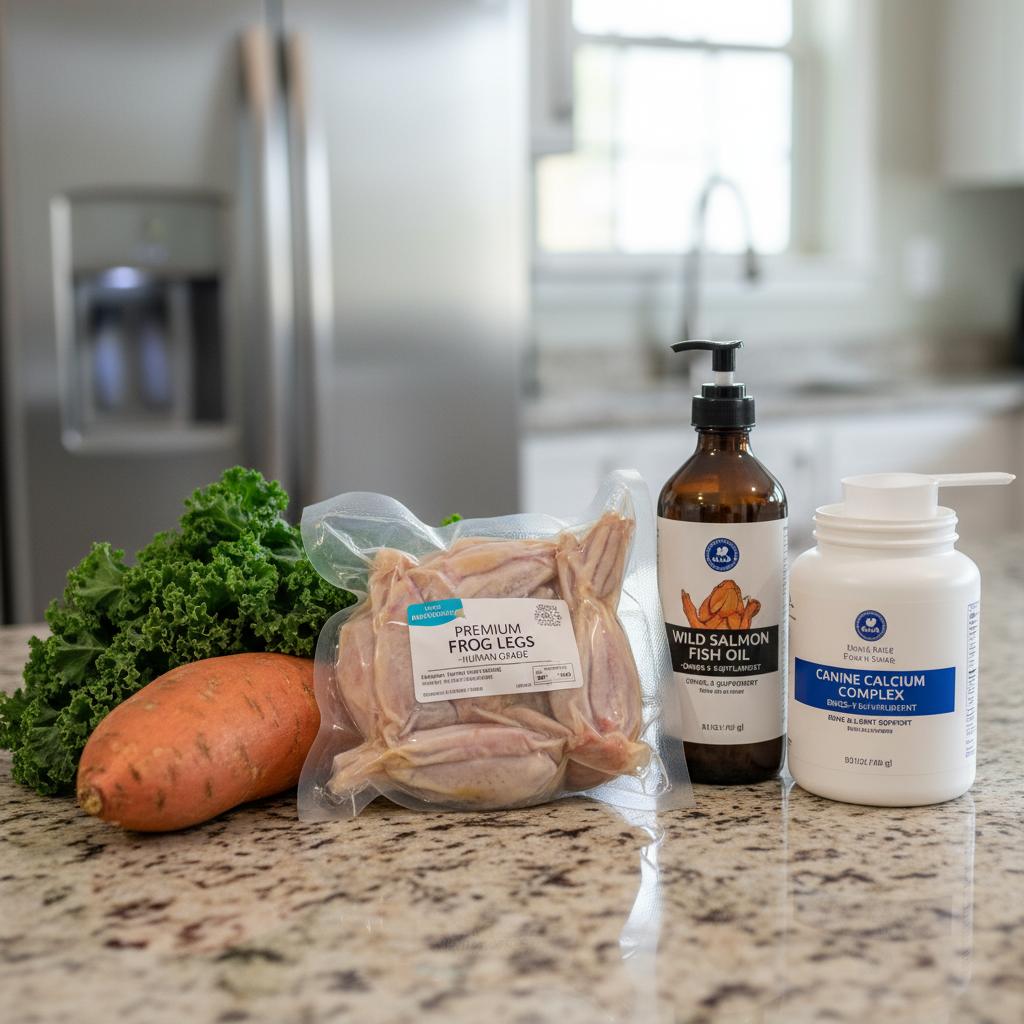
Embarking on a homemade diet for your allergic dog is a commendable act of love. However, it’s crucial to do it safely and correctly. Here are a few key things to keep in mind.
Sourcing Frog Meat
This can be the trickiest part. Look for frog legs in the frozen section of large supermarkets, specialty Asian markets, or high-end butcher shops. Always choose a product that is labeled ‘human-grade.’ This ensures it has been processed under sanitary conditions. Avoid sourcing from bait shops or unknown online vendors, as the quality and safety cannot be guaranteed.
Balancing the Diet: The Most Critical Step
While these recipes are a fantastic start, feeding only these meals long-term without proper supplementation can lead to nutritional deficiencies. It is absolutely essential to work with a veterinarian or a board-certified veterinary nutritionist. They can analyze these recipes and recommend specific supplements, such as a calcium source (to balance the phosphorus in the meat), essential fatty acids, taurine, and a multivitamin to create a diet that is complete and balanced for your dog’s life stage and needs.
Preparation and Storage
Always cook frog meat thoroughly to an internal temperature of 165°F (74°C) to kill any potential bacteria. Allow food to cool completely before serving to prevent burns. You can store these homemade meals in airtight containers in the refrigerator for up to 3-4 days or freeze them in portioned containers for up to 3 months.
Transitioning Your Dog
Never switch your dog’s food abruptly. This can cause digestive upset. Transition over a period of 7-10 days by gradually mixing the new homemade food with their old food. Start with 25% new food and 75% old food for a few days, then move to 50/50, then 75/25, and finally 100% new food.
Frequently Asked Questions

It’s natural to have questions when trying something new for your pet. Here are answers to some common queries about frog meat for dogs.
- 1. Is frog meat really safe for dogs?
- Yes, when sourced properly and cooked thoroughly, frog meat is perfectly safe for dogs. It’s a lean source of protein, rich in omega-3 fatty acids, vitamin A, and potassium. The primary benefit is its novelty, making it an excellent choice for dogs with allergies to common proteins.
- 2. Where can I buy frog meat for my dog?
- Your best bets are the frozen food aisles of large supermarkets or specialty food stores, particularly Asian markets. You can also find it at some gourmet butchers or order it from reputable online suppliers of exotic meats. Always ensure it’s human-grade.
- 3. Do I really need to add supplements to these recipes?
- For short-term use (like a 2-3 week elimination trial), you may not need to. However, for any long-term feeding, supplementation is crucial to prevent serious nutritional deficiencies. Meat and vegetables alone do not provide all the essential vitamins and minerals, like calcium, that your dog needs to thrive. Please consult your vet for guidance.
- 4. Can I use canned frog legs?
- It’s best to avoid canned varieties. They are often packed in brine (very high in salt) or with preservatives and seasonings that are not suitable for dogs. Stick to fresh or frozen plain frog meat for the safest and healthiest option.
Conclusion
Navigating the world of canine food allergies can feel like a never-ending puzzle, but discovering a solution that works is one of the most rewarding experiences as a pet parent. Introducing a novel protein like frog meat through these simple, wholesome recipes could be the key to ending your dog’s discomfort and bringing back their happy, energetic self.
Remember, this journey is a partnership between you, your dog, and your veterinarian. Use these recipes as a starting point, work with a professional to ensure the diet is balanced, and pay close attention to your dog’s response. Here’s to happy cooking and, more importantly, a happy, itch-free pup!