7 Homemade Dog Electrolytes To Prevent Dehydration
As loving pet parents, we’d do anything to keep our furry family members safe, happy, and healthy. One of the cornerstones of good health, for dogs and humans alike, is proper hydration. But sometimes, especially after a long romp at the park, on a hot summer day, or when they’re feeling a bit under the weather, water alone isn’t enough. That’s when electrolytes come into play.
Dehydration in dogs can be serious, but a simple homemade electrolyte solution can make a world of difference in replenishing lost fluids and essential minerals. Forget expensive store-bought formulas; you likely have everything you need right in your pantry! In this guide, we’ll walk you through seven easy and effective recipes to create a hydrating boost for your best friend. Always remember, these are for mild cases of dehydration and are not a substitute for veterinary care in serious situations.
Quick Comparison of Homemade Electrolyte Recipes
| Recipe | Key Ingredients | Best For | Ease of Making |
|---|---|---|---|
| Classic Saline & Sugar Solution | Water, Salt, Sugar | A quick, all-purpose rehydration boost | Very Easy |
| Chicken Broth Boost | Unsalted Chicken Broth, Water, Salt | Picky drinkers who need encouragement | Very Easy |
| Coconut Water Quencher | Unsweetened Coconut Water, Water | Natural potassium source after exercise | Easy |
| Watermelon & Mint Infusion | Watermelon, Mint, Water | A refreshing summer treat | Easy |
| Yogurt & Honey Helper | Plain Yogurt, Honey, Water | Supporting gut health during recovery | Easy |
| Oatmeal Hydration Gruel | Rolled Oats, Water, a pinch of Salt | Dogs with sensitive stomachs needing gentle calories | Moderate |
| Rice Water Remedy | White Rice, Water | Dogs experiencing mild diarrhea or vomiting | Moderate |
1. The Classic Saline & Sugar Solution
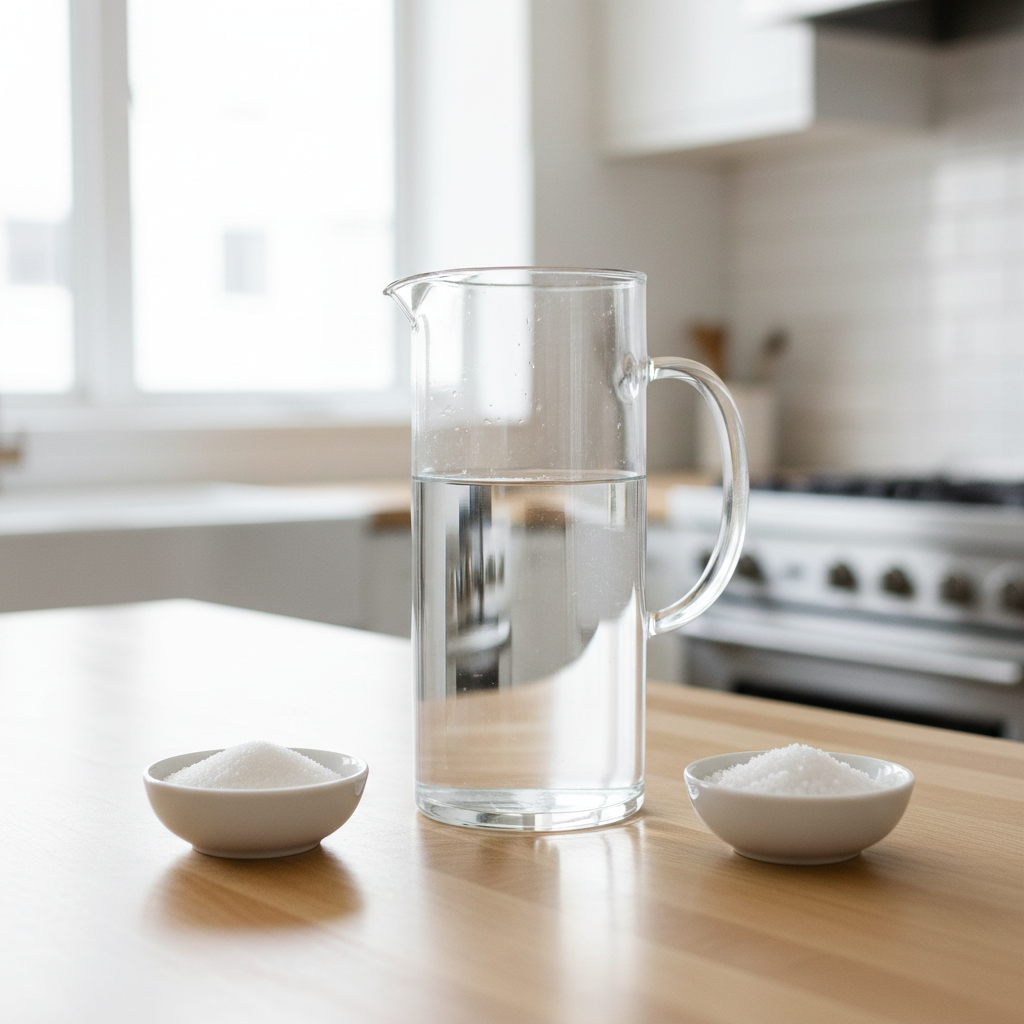
This is the old-school, tried-and-true recipe that mimics the basic composition of oral rehydration solutions. It’s incredibly simple and effective for providing the core components needed for rehydration: water, sodium (from salt) to help retain fluids, and a small amount of sugar (glucose) to help the body absorb the sodium and provide a tiny energy boost.
Ingredients & Instructions
- 4 cups of clean, fresh water
- 1 tablespoon of sugar (do not use artificial sweeteners like xylitol, which is toxic to dogs)
- 1 teaspoon of salt (iodized or sea salt is fine)
Instructions:
- Pour the 4 cups of water into a large, clean pitcher or bottle.
- Add the sugar and salt to the water.
- Stir or shake the mixture vigorously until both the sugar and salt have completely dissolved.
- Offer a small amount to your dog in their water bowl. You can also use a needless syringe to gently squirt small amounts into their cheek pouch if they are reluctant to drink.
Pros & Cons
| Pros | Cons |
|---|---|
| Extremely easy and fast to make. | Not very palatable; some dogs may refuse it. |
| Uses common household ingredients. | Lacks other important electrolytes like potassium. |
| Scientifically based for effective rehydration. | Not suitable for dogs with diabetes due to the sugar content. |
The Verdict
This is your go-to emergency recipe. If you notice your dog is slightly dehydrated after a hot day or a bout of vomiting and you need something fast, this solution is perfect. It’s the foundational recipe for rehydration, ideal for its simplicity and effectiveness when you’re in a pinch.
2. The Chicken Broth Boost
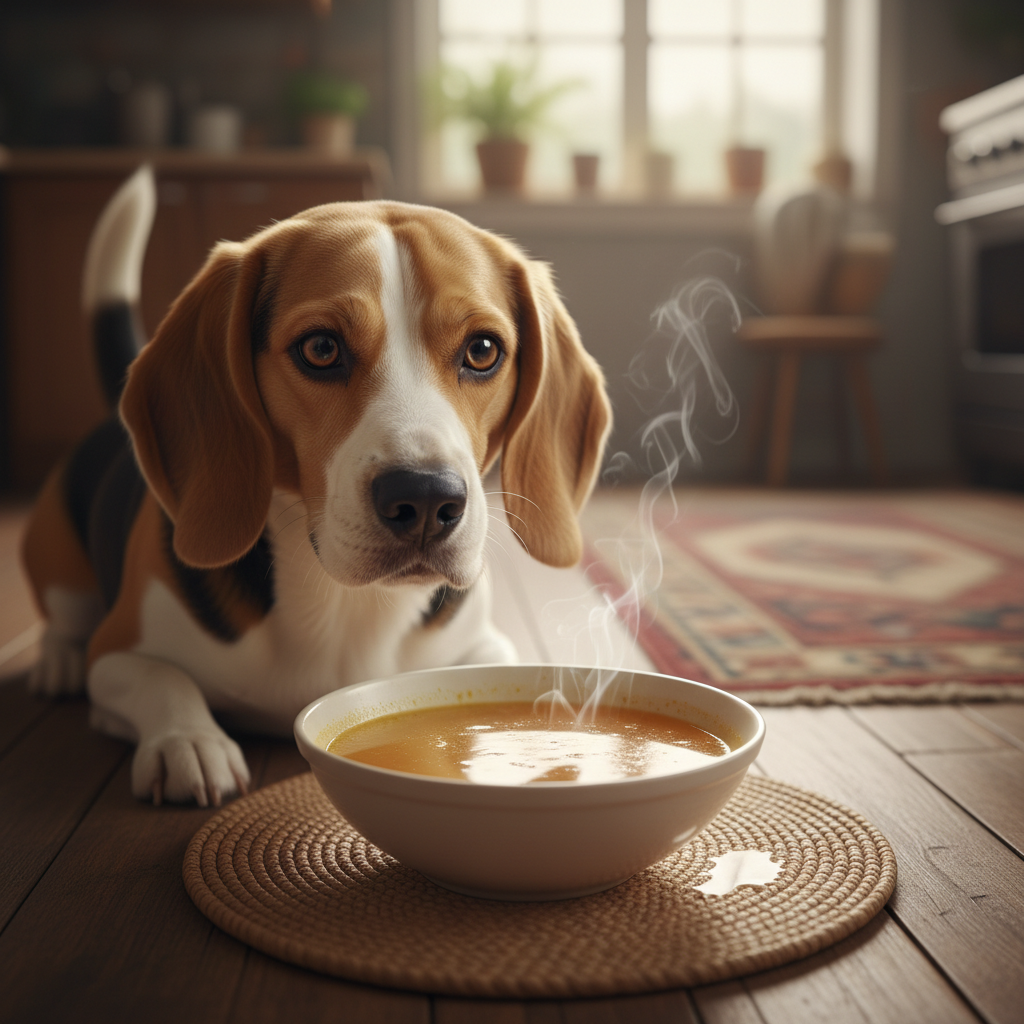
Let’s be honest, the classic saline solution isn’t exactly a gourmet treat. For our more discerning canine companions, a little flavor can go a long way in encouraging them to drink. This recipe uses unsalted chicken broth as a base to entice your pup, while still providing the necessary hydration and sodium.
Ingredients & Instructions
- 2 cups of warm, unsalted, no-onion, no-garlic chicken or bone broth
- 2 cups of fresh water
- 1/2 teaspoon of salt
A CRITICAL NOTE: Only use broth that is certified safe for dogs. It MUST be low-sodium and completely free of onions, garlic, and other seasonings that are toxic to dogs. Making your own by simply boiling chicken is the safest bet.
Instructions:
- Gently warm the broth. It should be lukewarm, not hot.
- In a large bowl, combine the warm broth, fresh water, and salt.
- Stir until the salt is fully dissolved.
- Let it cool to room temperature before offering it to your dog.
Pros & Cons
| Pros | Cons |
|---|---|
| Highly palatable and appealing to most dogs. | Requires a specific type of broth (no salt, no onions/garlic). |
| Encourages picky or sick dogs to drink fluids. | Can be slightly more expensive if you don’t make your own broth. |
| Bone broth offers additional benefits like collagen. | The smell might be a bit much for some pet owners! |
The Verdict
This is the perfect choice for the picky pup. If your dog turns their nose up at plain water or the classic saline solution, the savory aroma of chicken broth is often too good to resist. It’s an excellent way to coax a sick or recovering dog into getting the fluids they desperately need.
3. The Coconut Water Quencher
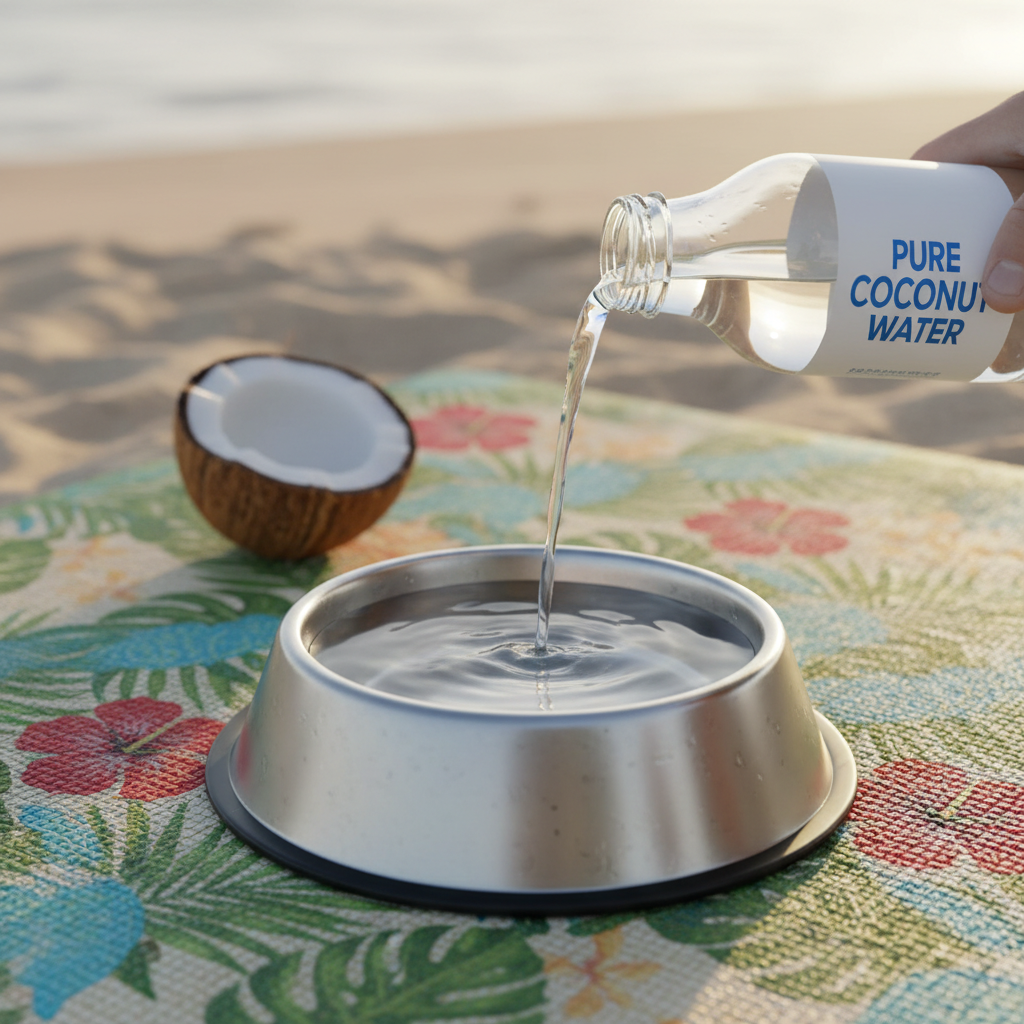
Nature’s sports drink! Unsweetened, pure coconut water is a fantastic natural source of electrolytes, especially potassium, which is crucial for muscle function and nerve signaling. It’s a simple, healthy way to give your dog a hydrating boost without adding refined sugars or salt.
Ingredients & Instructions
- 1 cup of 100% pure, unsweetened coconut water
- 1 cup of fresh water
Important: Read the label carefully. Ensure there are no added sugars, flavors, or preservatives. The only ingredient should be coconut water.
Instructions:
- Simply mix the coconut water and fresh water together in your dog’s bowl.
- Serve chilled for a refreshing treat on a hot day.
- You can also freeze this mixture in an ice cube tray for hydrating, lickable treats.
Pros & Cons
| Pros | Cons |
|---|---|
| Excellent natural source of potassium. | Some dogs may not like the taste. |
| No added refined sugars or salt. | Can be higher in calories than other options. |
| Very easy to prepare. | Should be given in moderation due to its natural sugar content. |
The Verdict
This is the ideal post-activity drink. After a strenuous hike, a long run, or an energetic play session, the Coconut Water Quencher is perfect for replenishing potassium and other electrolytes lost through exertion. It’s a healthy and refreshing way to help your active dog recover.
4. The Watermelon & Mint Infusion
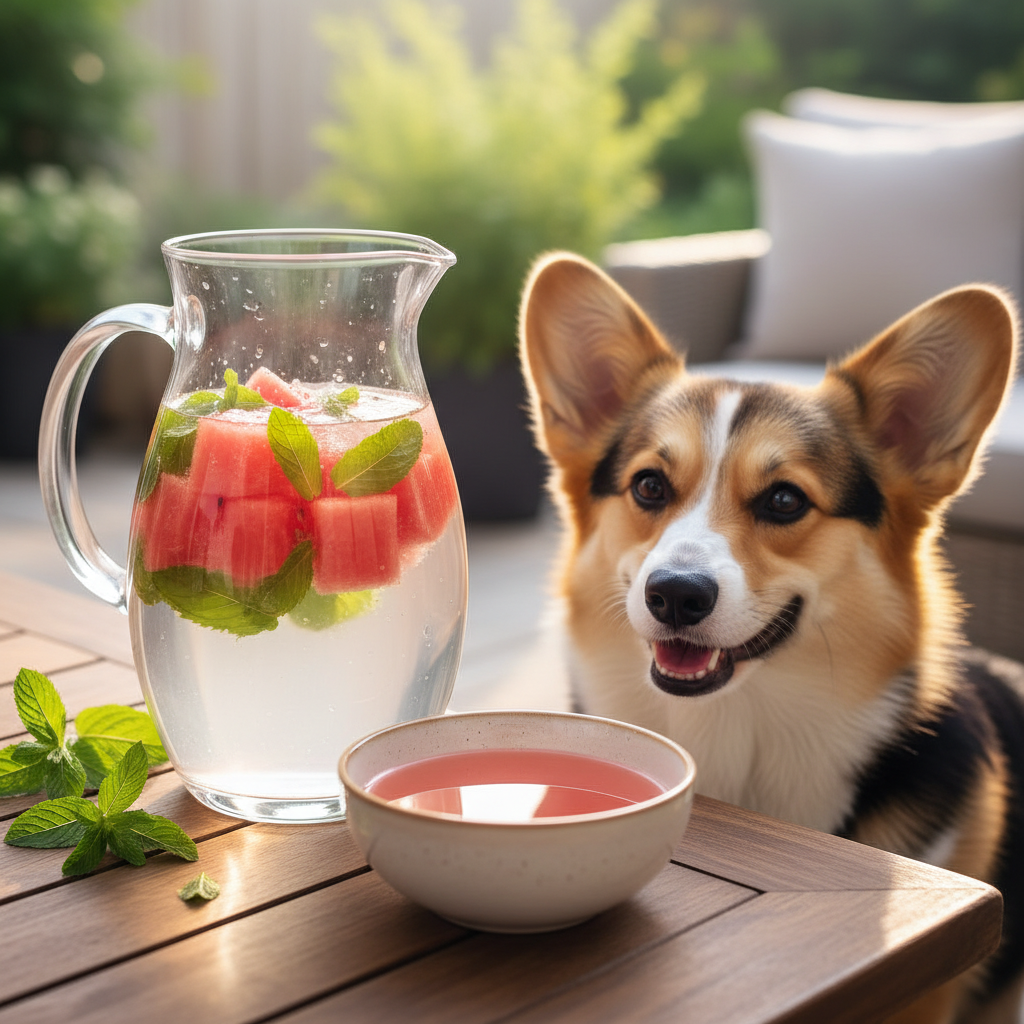
Who doesn’t love a refreshing spa water? Well, our dogs can enjoy a similar treat! Watermelon is about 92% water, making it incredibly hydrating. It also contains potassium and vitamins. A little bit of mint adds a refreshing flavor that can entice drinking, but it should be used sparingly.
Ingredients & Instructions
- 1 cup of seedless watermelon, blended into a puree
- 4 cups of fresh water
- 2-3 fresh mint leaves (optional, and only spearmint or peppermint)
Safety First: Ensure all seeds and the rind are removed from the watermelon. Seeds can cause intestinal blockage, and the rind is difficult to digest.
Instructions:
- Blend the seedless watermelon chunks until you have a smooth puree.
- In a large pitcher, combine the watermelon puree and the fresh water.
- If using, gently muddle the mint leaves in your hand to release their oils and drop them into the pitcher.
- Stir well and let it infuse in the refrigerator for about 30 minutes.
- Remove the mint leaves before serving a bowl to your pup.
Pros & Cons
| Pros | Cons |
|---|---|
| Extremely hydrating and refreshing. | Higher in natural sugar, so it must be given in moderation. |
| Provides natural vitamins and potassium. | Requires some prep work (blending, infusing). |
| A fun, tasty treat for a hot day. | Not all dogs will like the taste of mint. |
The Verdict
This is the ultimate summer cooldown drink. On a scorching hot day, this watermelon infusion is a delicious and fun way to encourage your dog to drink more. It’s less of an emergency rehydration solution and more of a preventative, tasty treat to keep hydration levels up when the temperature soars.
5. The Yogurt & Honey Helper
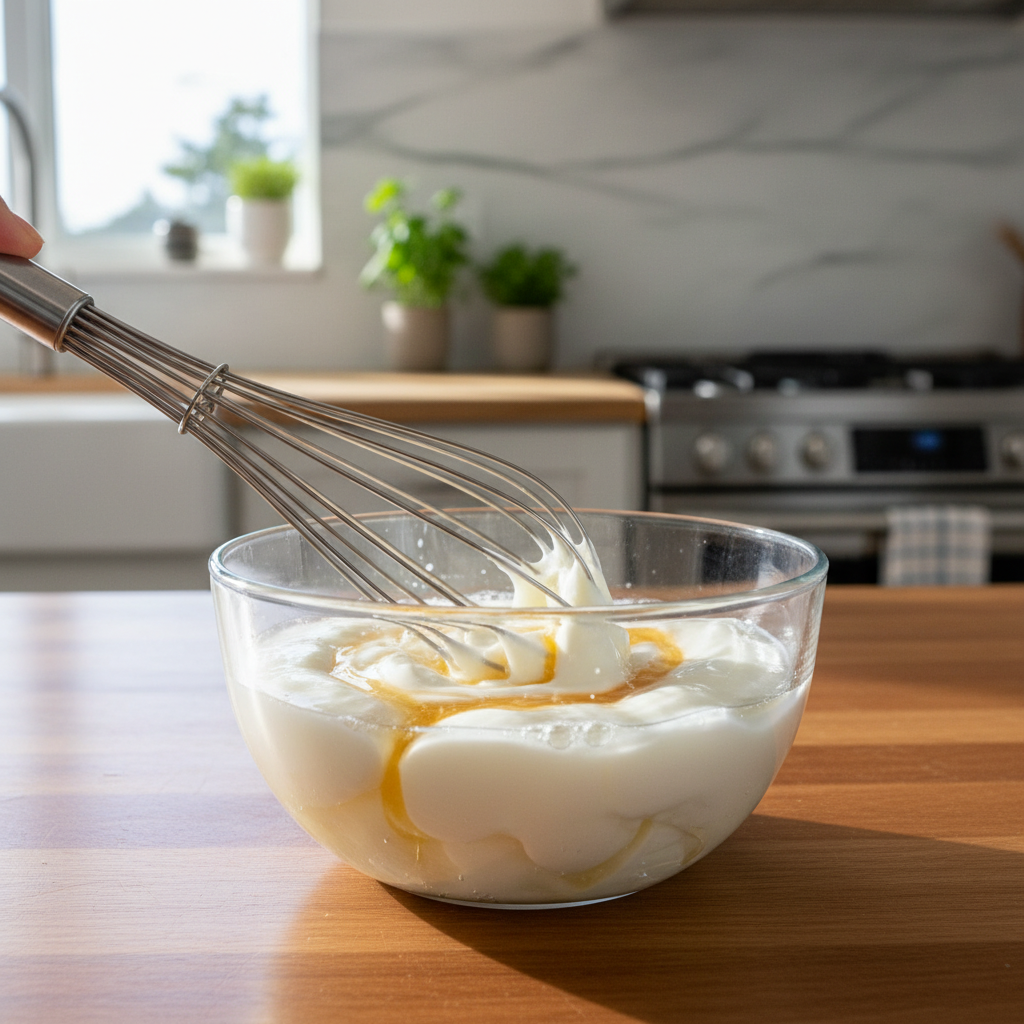
When a dog’s dehydration is caused by an upset stomach, this recipe can be a gentle and beneficial option. Plain, unsweetened yogurt contains probiotics, which can help support gut health. A small amount of raw honey provides easily digestible sugars for a bit of energy and has natural antibacterial properties. This creates a creamy, palatable drink that can soothe a tender tummy.
Ingredients & Instructions
- 2 tablespoons of plain, unsweetened yogurt (must contain live active cultures and no xylitol)
- 1 teaspoon of raw honey
- 2 cups of water
Check the Label: It’s absolutely vital that the yogurt is plain and contains no artificial sweeteners, especially xylitol, which is highly toxic to dogs.
Instructions:
- In a bowl, whisk the yogurt and honey together until they form a smooth paste.
- Gradually add the water, whisking continuously until the mixture is fully combined and has a milky consistency.
- Serve immediately. This mixture should not be left out for long periods.
Pros & Cons
| Pros | Cons |
|---|---|
| Contains probiotics for gut health. | Not suitable for dogs with lactose intolerance. |
| Gentle on the stomach. | Honey makes it unsuitable for diabetic dogs or puppies under one year old. |
| Palatable for many dogs. | Spoils quickly and needs to be made fresh. |
The Verdict
This recipe is best for a dog that is recovering from a mild bout of digestive upset (after consulting your vet, of course). The combination of hydration, probiotics, and simple energy can help support their system as they get back on their paws. It’s a soothing remedy rather than a post-exercise quencher.
6. The Oatmeal Hydration Gruel
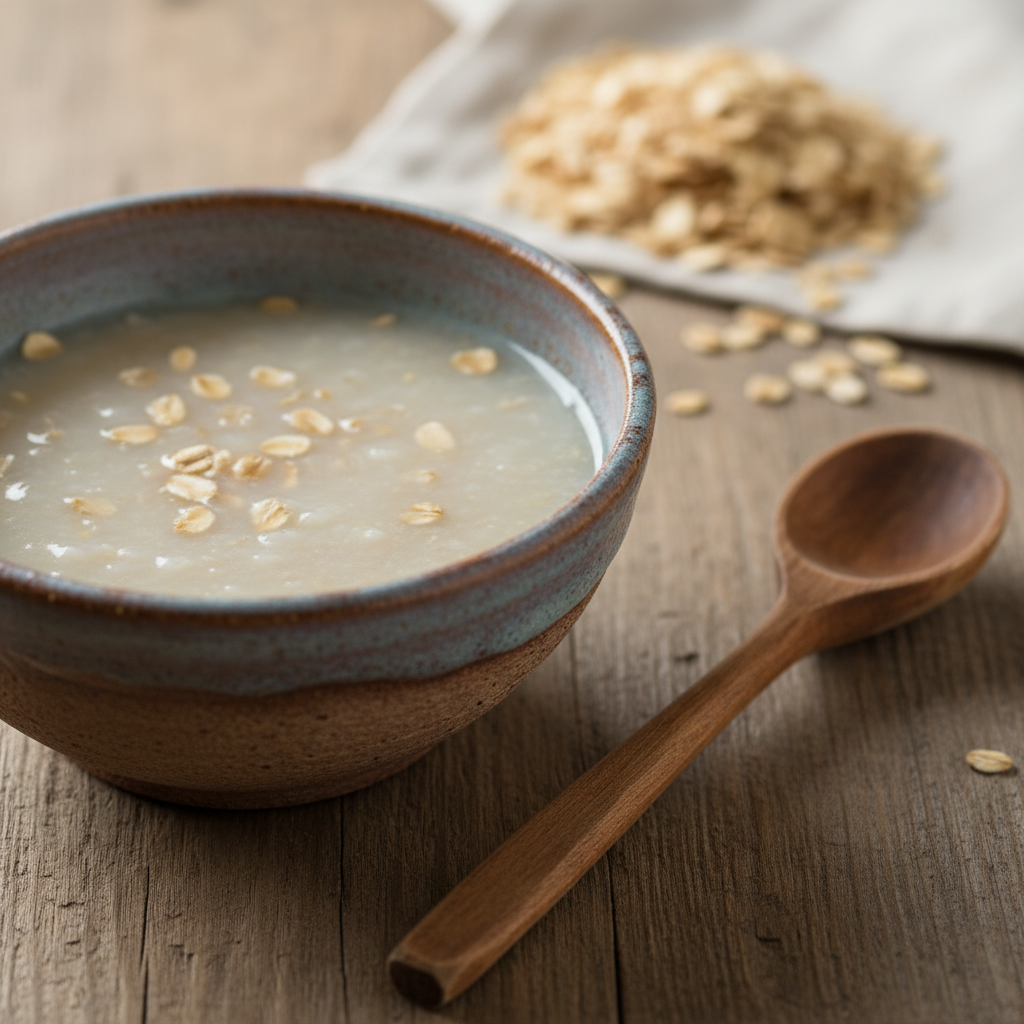
Sometimes, a dehydrated dog also needs a little bit of substance that’s easy to digest. Oatmeal, when cooked into a very thin, watery gruel, can be both hydrating and nourishing. It provides soluble fiber, which can be beneficial for digestion, and it offers a gentle source of calories and B vitamins for a dog feeling weak from dehydration.
Ingredients & Instructions
- 1/4 cup of plain, rolled oats (not instant oatmeal with added sugar or flavors)
- 4 cups of water
- A tiny pinch of salt (about 1/8 teaspoon)
Instructions:
- Combine the oats, water, and pinch of salt in a saucepan.
- Bring the mixture to a boil, then reduce the heat to a simmer.
- Simmer for 10-15 minutes, stirring occasionally, until the oats are very soft and the liquid has thickened slightly. It should be the consistency of a very thin soup.
- Remove from the heat and let it cool completely. It MUST be at room temperature before you serve it.
- Offer a small amount in a bowl. It’s both a drink and a light meal.
Pros & Cons
| Pros | Cons |
|---|---|
| Provides hydration and gentle calories. | Takes longer to prepare than other recipes. |
| Excellent for dogs with sensitive stomachs. | The texture might be off-putting for some dogs. |
| Soluble fiber can aid in digestive health. | Not a quick, on-the-go solution. |
The Verdict
This is the perfect choice for a senior dog or a dog that is feeling weak and has a poor appetite due to mild illness or dehydration. The Oatmeal Hydration Gruel provides fluids and a bit of easily digestible energy to help them regain their strength. It’s a comforting, nourishing option when more than just water is needed.
7. The Rice Water Remedy
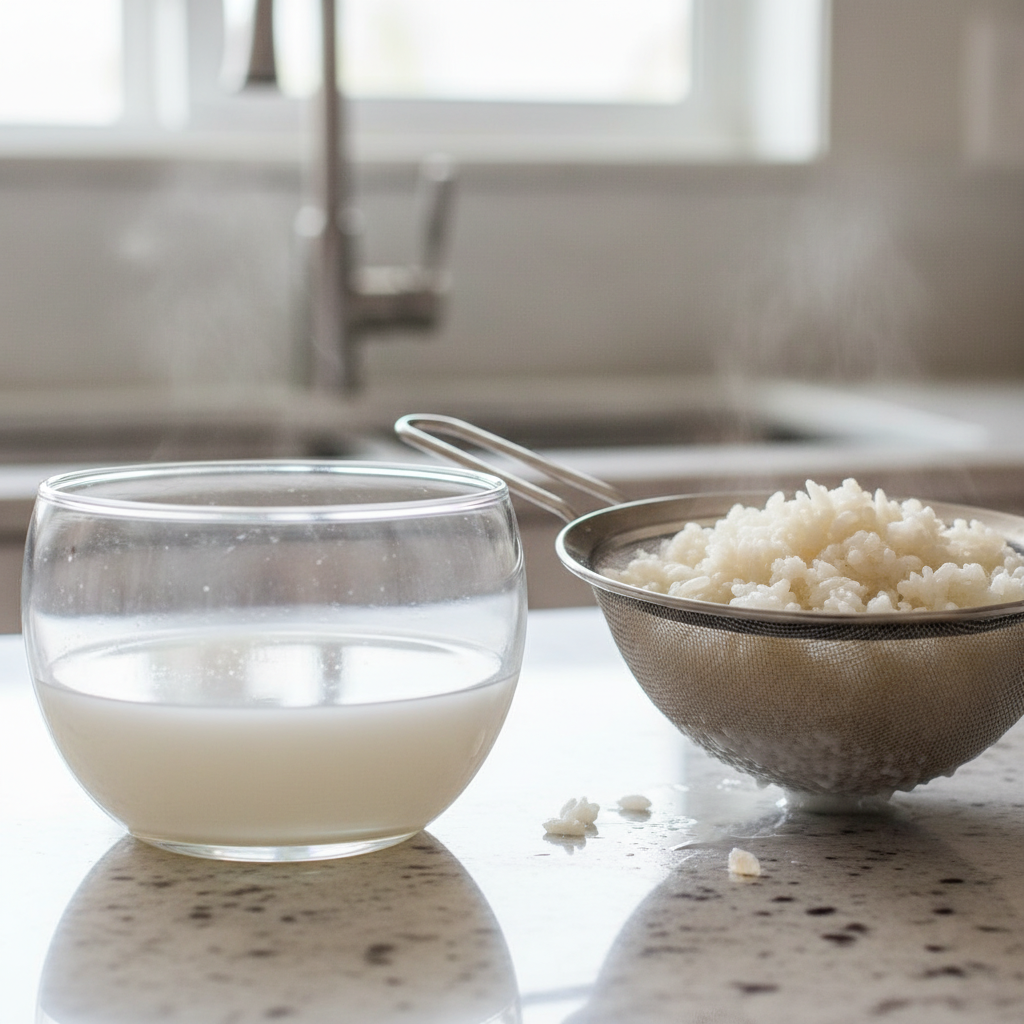
A time-honored remedy for an upset stomach in both humans and canines, rice water is the starchy liquid left over after cooking rice. It’s incredibly gentle and provides not only hydration but also electrolytes and starches that can help soothe an irritated digestive tract and may help firm up loose stools. It’s a go-to for vets recommending a bland diet.
Ingredients & Instructions
- 1/2 cup of plain white rice (not brown rice, as it’s harder to digest)
- 4 cups of water
Instructions:
- Thoroughly rinse the rice to remove excess surface starch.
- In a saucepan, combine the rinsed rice and the 4 cups of water.
- Bring to a boil, then simmer for 20-25 minutes, or until the rice is very soft and has released its starch into the water. The water will look cloudy and white.
- Strain the liquid from the rice. You can save the overly soft rice for your dog’s bland diet meal later.
- Let the rice water cool completely to room temperature. It’s crucial that it’s not hot when you serve it.
- Offer the cooled rice water to your dog in their bowl.
Pros & Cons
| Pros | Cons |
|---|---|
| Extremely gentle on the digestive system. | Requires cooking and cooling time. |
| Can help soothe an upset stomach and mild diarrhea. | Is primarily starchy water; lacks a broad range of electrolytes. |
| Easy to make with a common pantry staple. | The bland taste might not entice all dogs. |
The Verdict
This is the number one choice for a dog experiencing mild gastrointestinal distress, such as vomiting or diarrhea, that has led to dehydration. After getting the okay from your vet, the Rice Water Remedy is a perfect first step to reintroduce fluids in a way that is soothing and easy for their system to handle.
A Pet Parent’s Guide to Dog Dehydration

Knowing how to make these recipes is great, but it’s just as important to know when to use them and how to spot the signs of dehydration in the first place. Think of this as your hydration cheat sheet!
Signs of Dehydration in Dogs
Mild dehydration can be subtle. Keep an eye out for these early warning signs:
- Loss of skin elasticity: Gently pinch the skin on your dog’s back or between their shoulder blades. If it snaps back quickly, they’re likely hydrated. If it’s slow to return to normal, they may be dehydrated.
- Dry, sticky gums: A well-hydrated dog’s gums are slick and wet. If you touch your dog’s gums and they feel tacky or dry, they need fluids.
- Thick saliva: Is your dog’s drool thicker and stringier than usual? This can be a sign.
- Lethargy or weakness: A lack of energy is a common sign of dehydration.
- Sunken eyes: In more severe cases, the eyes may appear dry and sunken.
- Dark urine: Concentrated, dark yellow urine is a clear sign your dog needs more water.
When to Call the Vet Immediately: If your dog is excessively lethargic, won’t drink at all, has been vomiting or has had diarrhea for more than 24 hours, or collapses, skip the homemade remedies and contact your veterinarian or an emergency animal hospital immediately. These recipes are for mild cases only.
Key Ingredients and Their Roles
- Water: The foundation of hydration, of course!
- Sodium (Salt): A crucial electrolyte that helps the body retain water in its cells. A small amount is necessary for proper fluid balance.
- Glucose (Sugar/Honey/Fruit): A simple sugar that helps the intestines absorb sodium and water more efficiently. It also provides a quick source of energy.
- Potassium (Coconut Water/Watermelon): Another vital electrolyte essential for heart function, nerve signals, and muscle contractions.
Proper Storage and Dosage
Most of these homemade solutions are best made fresh. You can typically store them in a sealed container in the refrigerator for 24-48 hours. If the solution looks cloudy (when it shouldn’t), smells off, or has been sitting out for more than a few hours, discard it and make a fresh batch.
As for dosage, don’t replace your dog’s fresh water bowl entirely. Offer the electrolyte solution in a separate bowl alongside their regular water. Let them drink as much as they want, but monitor them. If they are drinking excessively or not at all, it’s a good reason to check in with your vet. A general guideline is to offer small amounts frequently rather than one large bowl all at once, especially if they have an upset stomach.
Frequently Asked Questions

- 1. Can I just give my dog a human sports drink like Gatorade or Pedialyte?
- It’s best to avoid most human sports drinks. They are often high in sugar and may contain artificial sweeteners like xylitol, which is extremely toxic to dogs. While unflavored Pedialyte can be used in a pinch if significantly diluted (always consult your vet for the correct ratio), it’s often safer and cheaper to stick to one of these homemade recipes designed with a dog’s needs in mind.
- 2. How much electrolyte solution should my dog drink?
- There’s no one-size-fits-all answer, as it depends on your dog’s size, activity level, and level of dehydration. The best approach is to offer the solution in a separate bowl alongside their regular fresh water. Allow them to drink freely. The goal is simply to encourage fluid intake. If you’re using a syringe for a dog that won’t drink, offer small amounts (5-10 ml at a time for a medium-sized dog) every 15-20 minutes. Never force your dog to drink, as this can lead to aspiration.
- 3. How long do these homemade solutions last?
- Because these recipes don’t contain preservatives, their shelf life is short. It’s best to store any unused portion in a sealed container in the refrigerator for no more than 48 hours. Recipes containing dairy, like the Yogurt & Honey Helper, should ideally be used within 24 hours. Always give it a sniff test before serving—if it smells off, toss it out.
Conclusion
Keeping our dogs properly hydrated is one of the most fundamental aspects of responsible pet ownership. While a bowl of fresh, clean water is usually enough, there are times when a little extra help is needed. These seven homemade electrolyte recipes provide simple, effective, and affordable ways to support your dog’s hydration, whether they’re recovering from an illness, cooling down after play, or just need a little encouragement to drink.
Remember, you know your dog best. Pay attention to their behavior and the early signs of dehydration. While these solutions are fantastic tools to have in your pet care arsenal, they are not a replacement for professional medical advice. Always consult your veterinarian if you have any concerns about your dog’s health. Here’s to happy, healthy, and well-hydrated pups!