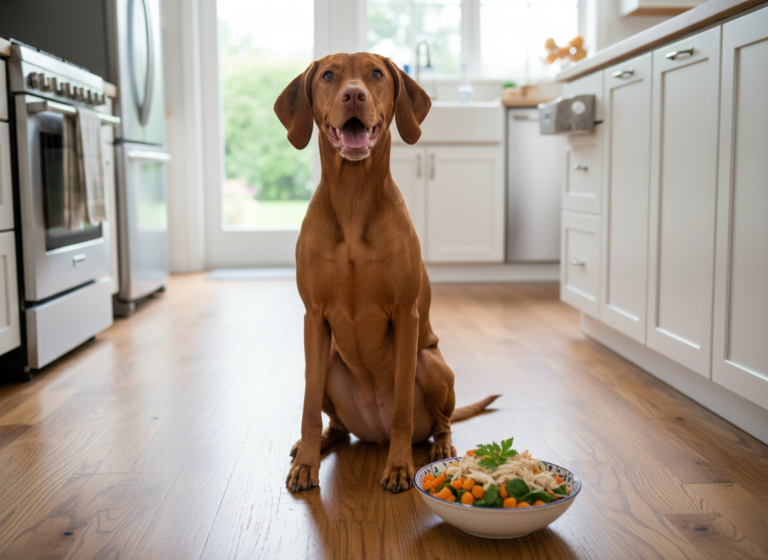

7 Homemade Food For Rhodesian Ridgebacks Recipes for Growth
Hello, fellow Ridgeback parent! If you’re here, you already know that raising a Rhodesian Ridgeback is a unique and rewarding experience. These magnificent dogs grow from tiny pups into powerful, athletic adults in what feels like the blink of an eye. That incredible growth spurt requires top-tier nutrition, and what better way to provide it than with a meal you’ve lovingly prepared yourself?
Switching to homemade food can feel daunting, but the benefits are huge: you control every single ingredient, ensuring there are no nasty fillers, artificial preservatives, or mystery meats. You can tailor meals to your dog’s specific needs, energy levels, and even taste preferences. For a growing Ridgeback, this means providing the perfect balance of protein for muscle development, calcium for strong bones, and healthy fats for brain and coat health.
We’ve put together 7 delicious and nutritionally balanced recipes designed specifically for the growth phase of your Rhodesian Ridgeback. Let’s take a quick look at what’s on the menu!
Quick Comparison
| Recipe Name | Main Protein | Best For | Approx. Prep Time |
|---|---|---|---|
| Beef & Sweet Potato Power Mash | Ground Beef | Muscle & Bone Growth | 30 minutes |
| Chicken, Rice & Kale Delight | Chicken Breast | Sensitive Stomachs | 25 minutes |
| Salmon & Quinoa Superfood Bowl | Salmon | Coat Health & Brain Development | 20 minutes |
| Turkey & Oatmeal Gentle Start | Ground Turkey | Easy Digestion & Energy | 25 minutes |
| Hearty Lamb & Lentil Stew | Lamb | Iron & Stamina | 40 minutes |
| Egg & Cottage Cheese Protein Boost | Eggs & Cottage Cheese | Supplemental Feeding & Calcium | 10 minutes |
| Sardine & Pumpkin Gut Health Topper | Sardines | Digestive Health & Omegas | 5 minutes |
1. Beef & Sweet Potato Power Mash
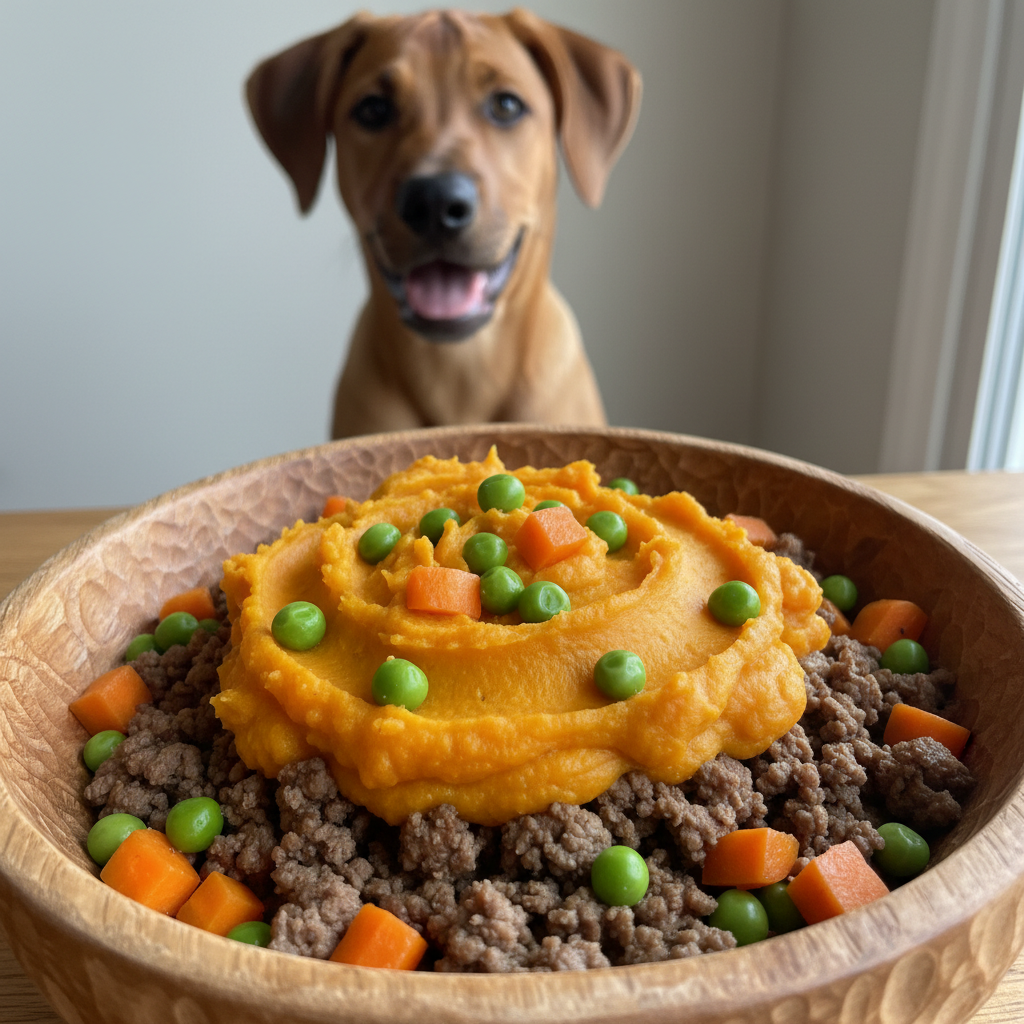
This is the quintessential muscle-builder for your growing Ridgeback. Packed with high-quality protein from beef and complex carbohydrates from sweet potatoes, this recipe provides the sustained energy and amino acids your pup needs to develop strong muscles and bones.
Ingredients:
- 2 lbs 90% lean ground beef
- 2 large sweet potatoes, peeled and cubed
- 1 cup frozen peas
- 1 cup chopped carrots
- 2 tablespoons of olive oil or coconut oil
- 1/4 cup chopped parsley (for fresh breath and vitamins)
- (Optional) A vet-approved canine multivitamin/mineral supplement
Instructions:
- In a large pot, bring the cubed sweet potatoes and carrots to a boil in water. Cook for about 15-20 minutes, or until tender. Drain and set aside.
- While the vegetables are boiling, heat the oil in a large skillet or Dutch oven over medium heat. Add the ground beef and cook until browned, breaking it up with a spoon.
- Drain off most of the excess fat from the beef.
- Add the cooked sweet potatoes, carrots, and frozen peas to the skillet with the beef. Mash the sweet potatoes slightly to combine everything into a hearty stew-like consistency.
- Stir in the fresh parsley and let the mixture cool completely before serving.
- If you are using a supplement, stir it into the individual portion just before feeding.
Pros & Cons
| Pros | Cons |
|
|
Verdict:
This is the perfect foundational meal for an active, growing Rhodesian Ridgeback puppy who needs plenty of calories and protein for healthy development. It’s simple, hearty, and most dogs absolutely love it.
2. Chicken, Rice & Kale Delight

When your pup’s stomach is feeling a bit sensitive, this gentle recipe is a fantastic choice. Chicken and rice are famously easy to digest, while kale adds a powerful punch of vitamins and minerals without being too harsh on their system.
Ingredients:
- 2 lbs boneless, skinless chicken breasts, cubed
- 1.5 cups of brown rice
- 3 cups of water or low-sodium chicken broth
- 2 cups of finely chopped kale (stems removed)
- 1 cup of chopped zucchini
- 1 tablespoon of coconut oil
Instructions:
- In a large pot, bring the water or broth to a boil. Add the brown rice, reduce the heat to a simmer, cover, and cook for about 35-40 minutes, or until the liquid is absorbed.
- While the rice is cooking, heat the coconut oil in a skillet over medium-high heat. Add the cubed chicken and cook until it’s no longer pink.
- Once the rice is cooked, add the cooked chicken, chopped kale, and zucchini to the pot. Stir everything together.
- Cover the pot and let it sit for about 5-10 minutes to allow the kale and zucchini to wilt and soften from the residual heat.
- Fluff with a fork and let it cool completely before serving.
Pros & Cons
| Pros | Cons |
|
|
Verdict:
An excellent choice for puppies with sensitive stomachs or for owners who prefer a leaner protein source. It’s a well-rounded, easily digestible meal that still provides all the essentials for growth.
3. Salmon & Quinoa Superfood Bowl
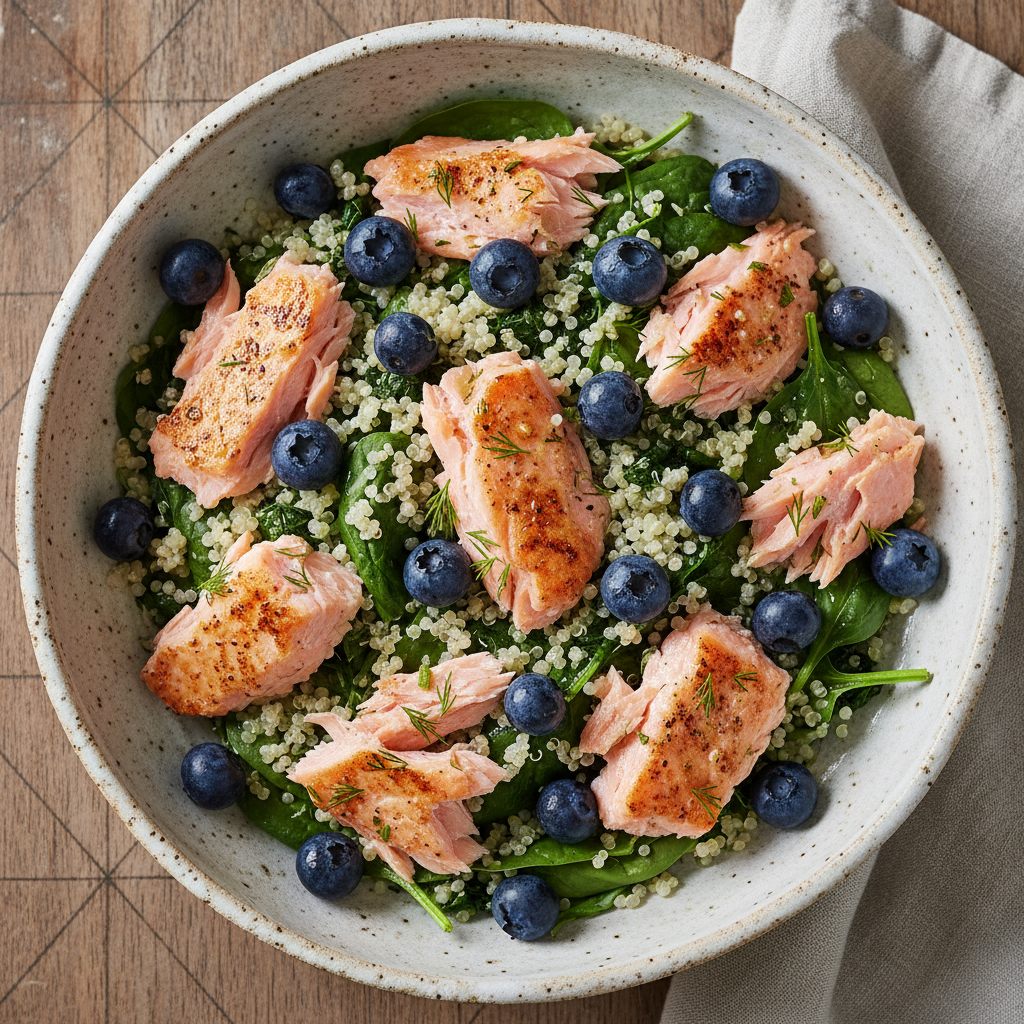
Want to give your Ridgeback a gloriously shiny coat and support their brain development? This recipe is your answer. Salmon is loaded with Omega-3 fatty acids (DHA and EPA), which are crucial for cognitive function, joint health, and reducing inflammation.
Ingredients:
- 1.5 lbs of salmon fillet, skin removed
- 1 cup of quinoa
- 2 cups of water or vegetable broth
- 1 cup of blueberries (fresh or frozen)
- 1 cup of chopped spinach
- 1 tablespoon of flaxseed oil
Instructions:
- Cook the salmon by either baking it at 400°F (200°C) for 12-15 minutes or poaching it in simmering water until opaque and flaky. Let it cool and then flake it with a fork.
- Rinse the quinoa thoroughly. In a saucepan, bring the water or broth to a boil, add the quinoa, reduce heat, cover, and simmer for 15 minutes.
- Once the quinoa is cooked, remove it from the heat and stir in the chopped spinach. The heat will wilt it perfectly.
- In a large bowl, combine the flaked salmon, cooked quinoa and spinach mixture, and the blueberries.
- Drizzle with flaxseed oil and toss gently to combine.
- Serve once completely cooled.
Pros & Cons
| Pros | Cons |
|
|
Verdict:
This is the ‘beauty and brains’ recipe. It’s perfect for owners focused on giving their Ridgeback a lustrous coat and supporting cognitive development during their formative puppy months. A true superfood meal.
4. Turkey & Oatmeal Gentle Start

This recipe is like a warm, comforting hug in a bowl. Ground turkey is an incredibly lean and digestible protein, while oatmeal provides soluble fiber that’s great for regulating the digestive system. It’s a fantastic option for a hearty breakfast or for pups who need a lighter meal.
Ingredients:
- 2 lbs ground turkey
- 1.5 cups rolled oats (not instant)
- 4 cups of water or low-sodium turkey broth
- 1 cup of grated apple (core and seeds removed)
- 1/2 cup of plain, unsweetened yogurt (with live cultures)
- A dash of cinnamon (great for circulation)
Instructions:
- In a large skillet, cook the ground turkey over medium heat until it’s fully browned. Drain any excess fat.
- In a separate pot, bring the water or broth to a gentle boil. Stir in the rolled oats and cook for about 5-7 minutes, stirring occasionally, until they are soft.
- Add the cooked turkey and the grated apple to the oatmeal. Stir to combine everything well.
- Remove from the heat and let it cool down to room temperature.
- Just before serving, stir in a dollop of plain yogurt for a boost of probiotics.
Pros & Cons
| Pros | Cons |
|
|
Verdict:
Ideal for a nutritious breakfast or as a main meal for dogs that require a leaner diet. The combination of ingredients is fantastic for promoting a healthy and regular digestive system.
5. Hearty Lamb & Lentil Stew
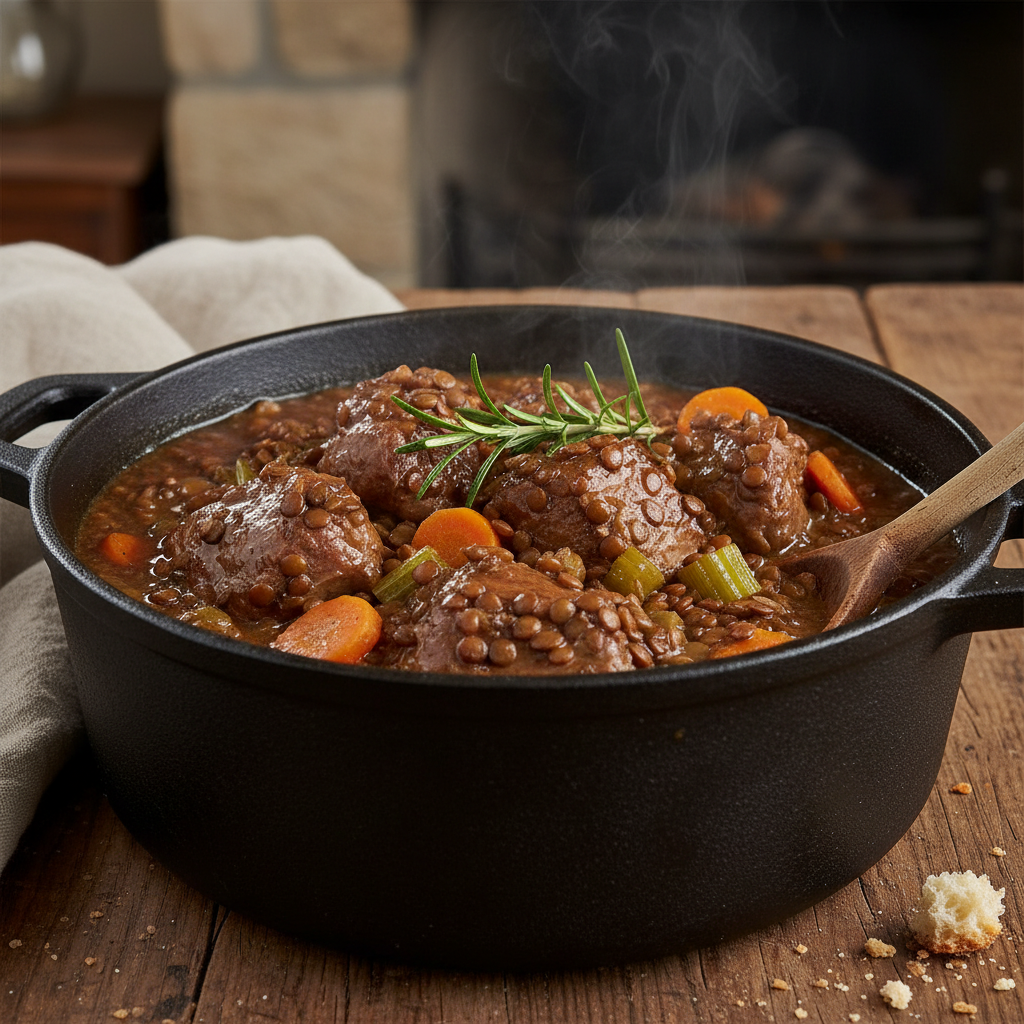
Lamb is a fantastic protein source that’s rich in iron and B vitamins, essential for energy and red blood cell production. Combined with fiber- and protein-packed lentils, this stew is a powerhouse of nutrition that will fuel your Ridgeback’s adventures and growth.
Ingredients:
- 2 lbs ground lamb or lamb stew meat, cubed
- 1 cup of red or brown lentils, rinsed
- 4 cups of beef or vegetable broth
- 2 large carrots, diced
- 1 cup of chopped celery
- 1 tablespoon of rosemary, finely chopped
- 2 tablespoons of tomato paste
Instructions:
- In a large pot or Dutch oven, brown the ground lamb or stew meat over medium-high heat. Drain the excess fat.
- Add the diced carrots, celery, and tomato paste to the pot. Cook for 5 minutes, stirring to coat the vegetables.
- Stir in the rinsed lentils, broth, and rosemary. Bring the mixture to a boil.
- Once boiling, reduce the heat to low, cover, and let it simmer for 35-45 minutes, or until the lentils are tender and the stew has thickened.
- Remove from heat and allow it to cool completely before serving. This stew thickens as it cools.
Pros & Cons
| Pros | Cons |
|
|
Verdict:
A fantastic, iron-rich recipe for highly active puppies. It’s a great rotational protein to introduce into their diet and is perfect for building stamina and supporting a healthy circulatory system.
6. Egg & Cottage Cheese Protein Boost
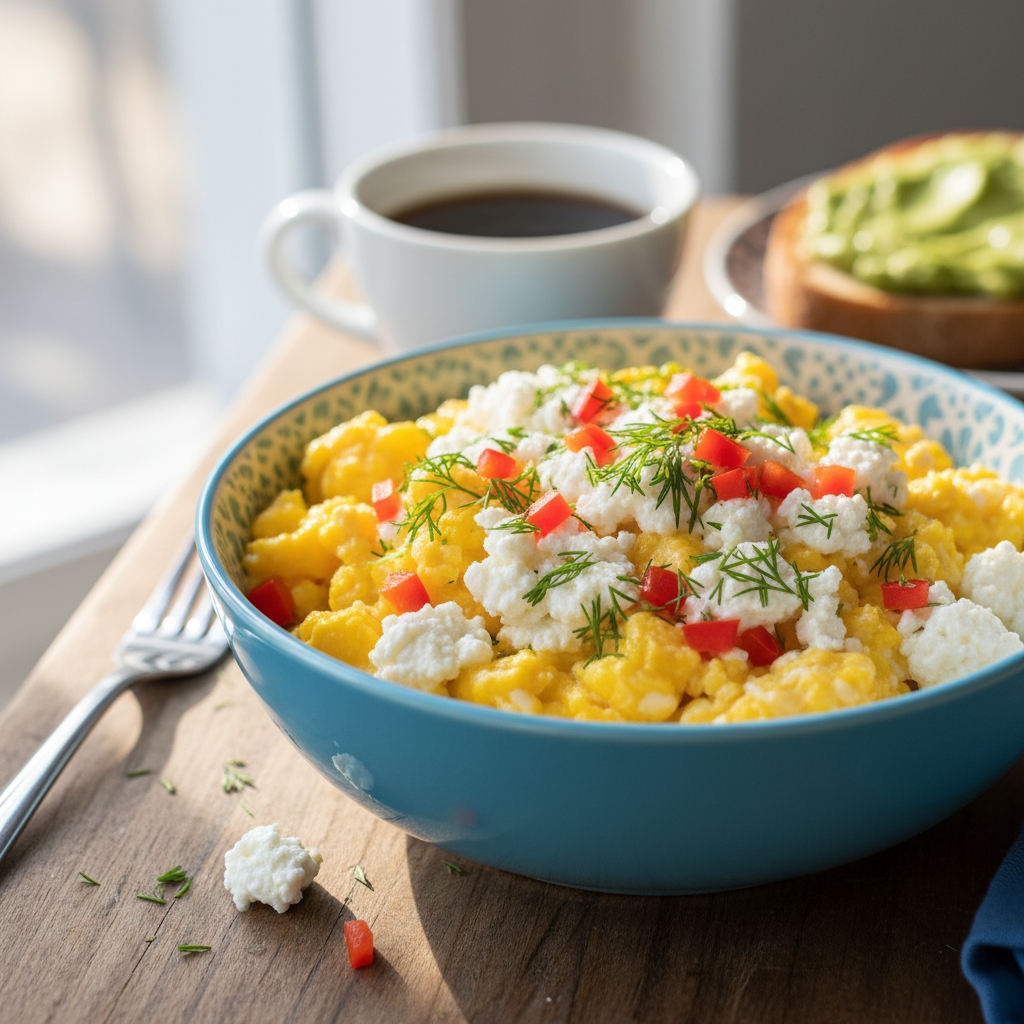
This isn’t a full meal on its own, but it’s an incredible supplemental recipe or a ‘light meal’ for a less active day. It’s packed with easily digestible protein and calcium, which is vital for the skeletal development of a large breed dog like a Rhodesian Ridgeback.
Ingredients:
- 4 large eggs
- 1 cup of low-fat cottage cheese
- 1/2 cup finely chopped bell peppers (red or yellow)
- A handful of chopped dill
Instructions:
- Lightly whisk the eggs in a bowl.
- Heat a non-stick skillet over medium heat (you can add a tiny bit of coconut oil if needed). Pour in the eggs and scramble them until cooked through.
- Remove the skillet from the heat. Fold in the cottage cheese, chopped bell peppers, and dill. The residual heat will warm them through slightly.
- Let it cool before serving. You can serve this as a small meal or mix a large spoonful into their regular food.
Pros & Cons
| Pros | Cons |
|
|
Verdict:
Perfect as a high-protein, high-calcium topper to add to other meals, or as a small, standalone meal on a recovery day. It’s a fantastic way to ensure your growing pup gets the calcium needed for their rapidly growing bones.
7. Sardine & Pumpkin Gut Health Topper

Another powerhouse topper, this simple mix focuses on two key areas: gut health and inflammation. Pumpkin is a miracle worker for digestion, helping with both constipation and diarrhea. Sardines are tiny fish that are big on Omega-3s and low in mercury.
Ingredients:
- 1 can (3.75 oz) of sardines packed in water, no salt added
- 1/2 cup of 100% pure pumpkin puree (not pie filling)
- 1 tablespoon of chia seeds, soaked in 3 tablespoons of water for 10 minutes
Instructions:
- In a small bowl, mash the sardines (including the soft bones for extra calcium!) with a fork.
- Add the pumpkin puree and the soaked chia seed gel to the bowl.
- Mix everything until it’s well combined into a paste-like consistency.
- Add 1-2 tablespoons of this mixture on top of your dog’s regular homemade meal. Store the rest in an airtight container in the fridge for up to 3 days.
Pros & Cons
| Pros | Cons |
|
|
Verdict:
This is a must-have recipe in your arsenal. Use it a few times a week to keep your Ridgeback’s digestive system running smoothly and to give them an anti-inflammatory boost that supports their growing joints.
Your Guide to Homemade Cooking for a Growing Ridgeback

Embarking on a homemade diet for your Rhodesian Ridgeback is a commendable step. However, it’s more than just mixing meat and veggies in a bowl. Growing large-breed puppies have very specific nutritional requirements that must be met to avoid developmental issues. Here’s what you need to know.
Key Nutritional Cornerstones:
- High-Quality Protein: This is non-negotiable. Protein provides the amino acids that are the building blocks for every muscle, tissue, and organ in your pup’s body. Aim for sources like beef, chicken, turkey, lamb, and fish. Protein should make up a significant portion of their diet.
- Calcium and Phosphorus Balance: This is perhaps the most critical element for a large breed puppy. The ratio of calcium to phosphorus in their diet must be precise (around 1.2 parts calcium to 1 part phosphorus) to ensure proper skeletal development. An imbalance can lead to serious conditions like hypertrophic osteodystrophy (HOD). This is why consulting a vet or canine nutritionist is crucial; they can recommend the right supplements to achieve this balance.
- Healthy Fats: Fats are not the enemy! They are a vital source of concentrated energy and are essential for brain development, hormone regulation, and absorbing fat-soluble vitamins. Omega-3 and Omega-6 fatty acids (from sources like salmon, flaxseed oil, and sardines) are particularly important for reducing inflammation in growing joints.
- Complex Carbohydrates & Fiber: Carbs provide energy. Opt for complex carbs like sweet potatoes, brown rice, quinoa, and oatmeal, which release energy slowly. Fiber from these sources, as well as from vegetables like kale, carrots, and pumpkin, is essential for a healthy digestive system.
Foods to ALWAYS Avoid:
Never include these ingredients in your dog’s homemade food, as they are toxic:
- Onions, Garlic, Chives
- Chocolate
- Grapes and Raisins
- Macadamia Nuts
- Xylitol (an artificial sweetener found in many products)
- Avocado
- Alcohol or Caffeine
Batch Cooking and Storage:
Let’s be realistic—you probably don’t have time to cook for your dog every single day. The key is batch cooking! You can prepare a week’s worth of food at a time. Let it cool completely, then portion it into daily servings in airtight containers. Homemade food can typically be stored in the refrigerator for 3-4 days or in the freezer for up to 3 months. This makes feeding time as easy as scooping kibble.
Frequently Asked Questions

1. How much homemade food should I feed my Rhodesian Ridgeback puppy?
This is one of the most common questions, and the answer varies greatly depending on your puppy’s age, weight, and activity level. A general guideline is to feed them about 2-3% of their ideal adult body weight per day, split into 2-3 meals. However, for a growing puppy, this can be higher. The absolute best approach is to consult your veterinarian. They can help you calculate the precise caloric needs for your specific pup to ensure they grow at a steady, healthy rate—not too fast and not too slow.
2. Is a homemade diet complete and balanced?
Not automatically. While the recipes provided are designed to be nutritious, it’s very difficult to meet 100% of a dog’s complex vitamin and mineral needs through whole foods alone, especially the crucial calcium-to-phosphorus ratio for large breeds. To make a homemade diet truly complete and balanced for long-term feeding, you MUST work with your vet or a board-certified veterinary nutritionist. They will likely recommend adding a specific canine vitamin and mineral supplement to your recipes to fill any nutritional gaps.
3. Can I switch my puppy to a homemade diet cold turkey?
It’s not recommended. Any sudden change in diet can cause digestive upset (think diarrhea and vomiting). The best way to transition is gradually over 7-10 days. Start by mixing a small amount of the new homemade food (e.g., 25%) with their old food (75%). Every couple of days, increase the proportion of the new food and decrease the old food until you have fully transitioned. This gives their digestive system time to adapt.
Conclusion
Making the switch to homemade food is a true act of love for your Rhodesian Ridgeback. It allows you to provide fresh, wholesome, and delicious meals that you can feel good about. These seven recipes offer a wonderful starting point, giving you a variety of proteins and nutrients to support your puppy through their critical growth phase.
Remember, the journey to a healthy adult dog starts in their food bowl. While these recipes are a fantastic foundation, always partner with your veterinarian or a canine nutritionist. They are your best resource for tailoring these meals to your dog’s individual needs and ensuring they get the precise balance of vitamins and minerals to grow into the strong, majestic, and healthy companion you know they’re destined to be. Happy cooking!