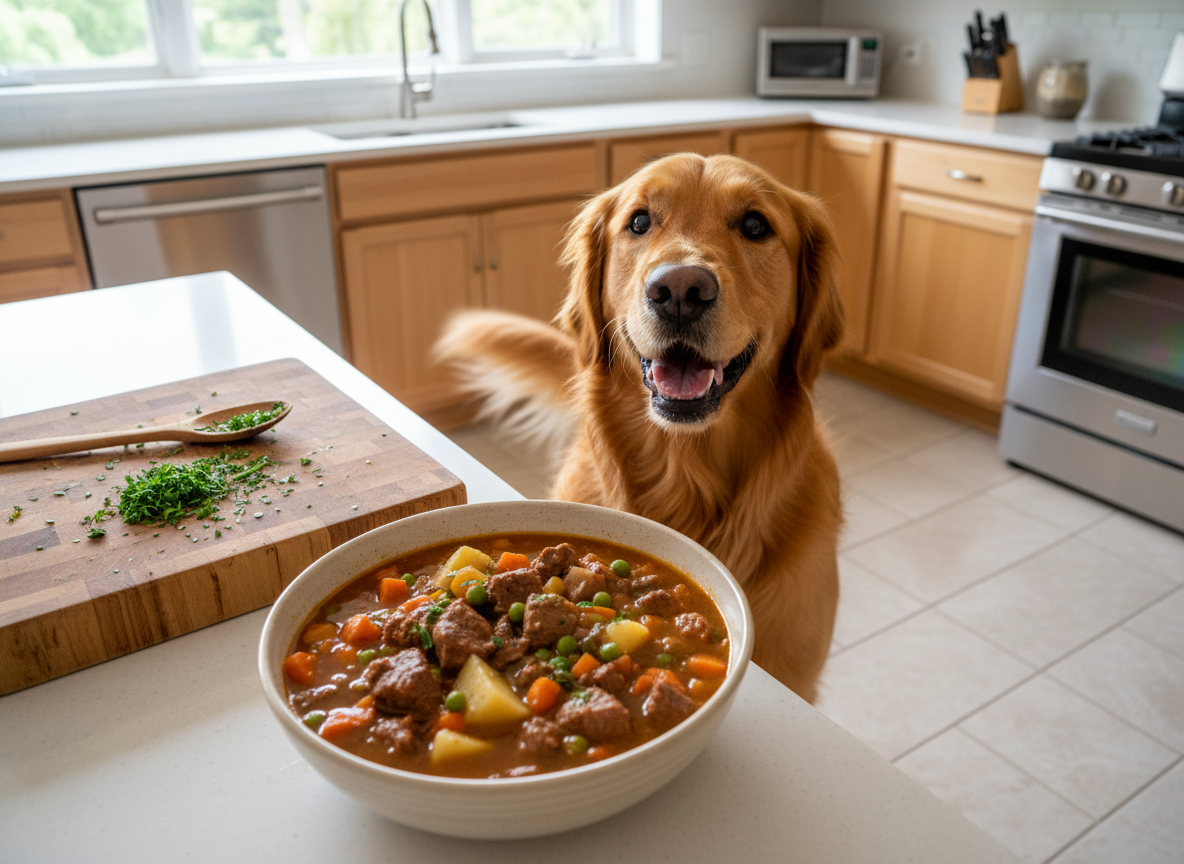
7 Hypoallergenic Alpaca Meat Dog Food Recipes Vet Approved
Hey there, fellow pet parent! Are you tired of the endless cycle of itching, scratching, and tummy troubles? Watching your furry best friend suffer from food allergies is heartbreaking, and navigating the world of specialty dog foods can feel like a maze. If you’ve tried all the usual suspects—chicken, beef, even lamb—and nothing seems to work, it might be time to think outside the box. Or in this case, outside the pasture!
Enter alpaca meat: a lean, nutrient-dense, and, most importantly, novel protein that most dogs have never been exposed to. This makes it an incredible option for dogs with sensitivities, as their immune systems are less likely to react to it. It’s a game-changer for many pups, offering relief and a meal they’ll genuinely get excited about.
We’ve consulted with veterinary nutrition experts to craft 7 delicious and balanced homemade recipes that put alpaca meat front and center. These recipes are designed to be gentle, tasty, and packed with everything your sensitive pup needs to thrive. Before we dive into the cooking, here’s a quick look at what we’ll be making!
Quick Comparison of Our Alpaca Recipes
| Recipe Name | Best For | Prep & Cook Time | Key Benefit |
|---|---|---|---|
| The Simple Starter Alpaca Stew | First-time transitions | 45 minutes | Limited ingredients for easy digestion |
| Alpaca & Sweet Potato Patties | Picky eaters & active dogs | 60 minutes | Great texture and energy-boosting carbs |
| Quinoa & Alpaca Power Bowl | Dogs needing extra protein | 50 minutes | Complete protein with quinoa and fiber |
| Frozen Alpaca Pupsicles | Training treats or a cool-down snack | 20 mins + freezing | Healthy, low-calorie treat option |
| Alpaca & Pumpkin Purée | Dogs with digestive upset | 40 minutes | Soothes the stomach with pumpkin & ginger |
| Hearty Alpaca & Lentil Loaf | Larger breeds and big appetites | 75 minutes | A filling, nutrient-dense meal |
| Alpaca & Blueberry Antioxidant Mix | Senior dogs and immune support | 35 minutes | Packed with antioxidants for overall health |
1. The Simple Starter Alpaca Stew
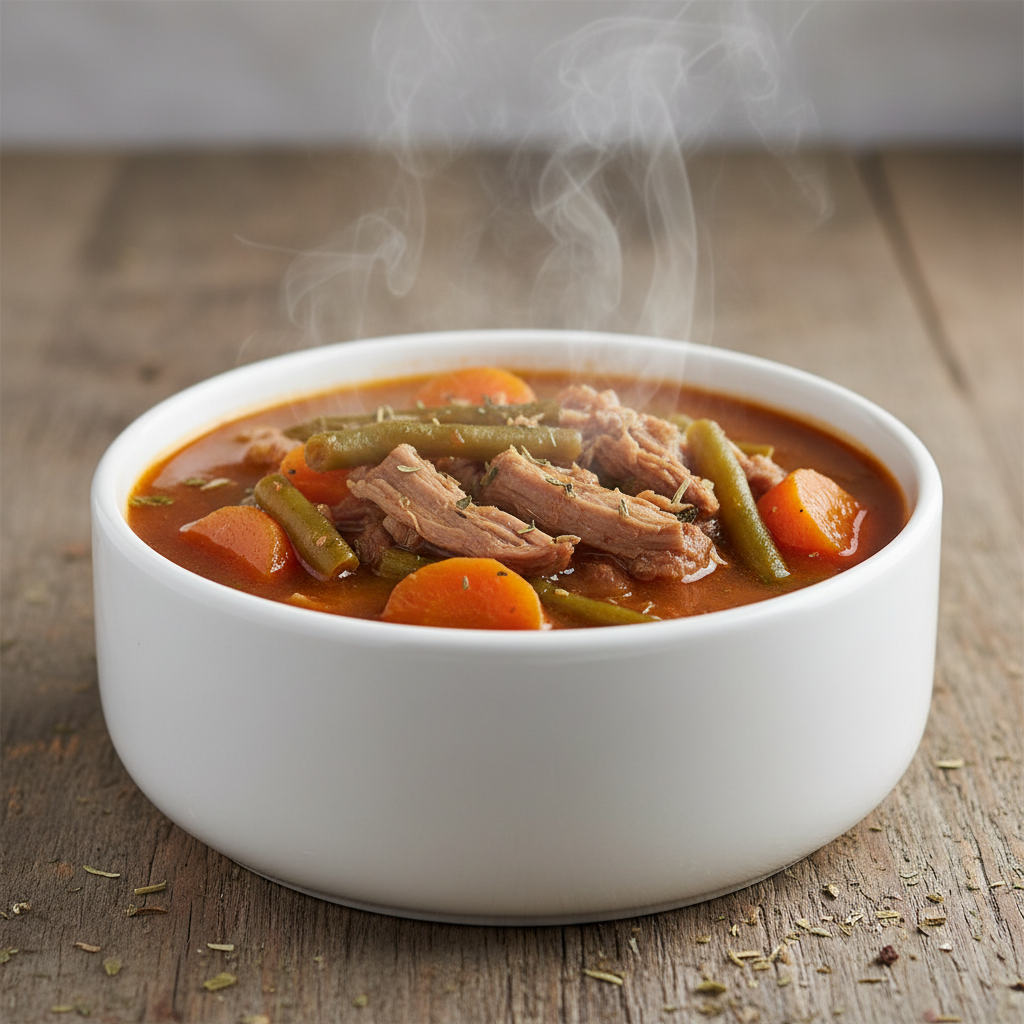
When introducing any new food, simplicity is key. This recipe is designed with a minimal number of ingredients to ensure it’s as gentle as possible on your dog’s digestive system. It’s the perfect starting point for your alpaca meat journey, allowing you to monitor your dog for any sensitivities while providing a warm, comforting, and delicious meal.
Ingredients:
- 1 lb ground alpaca meat
- 2 medium carrots, finely chopped
- 1 cup green beans, trimmed and chopped
- 4 cups of water or low-sodium bone broth
- 1 tablespoon of fish oil or flaxseed oil (for Omega-3s)
Instructions:
- In a large pot or Dutch oven, brown the ground alpaca meat over medium heat until cooked through. Drain any excess fat.
- Add the chopped carrots, green beans, and water or bone broth to the pot.
- Bring the mixture to a boil, then reduce the heat to low, cover, and let it simmer for about 30 minutes, or until the vegetables are tender.
- Remove from heat and let it cool completely. Before serving, stir in the tablespoon of fish oil.
- Store in an airtight container in the refrigerator for up to 4 days.
Pros & Cons
| Pros | Cons |
|---|---|
| Extremely easy to digest due to limited ingredients. | May not be calorically dense enough for very active dogs. |
| Quick and simple to prepare, perfect for busy owners. | Requires sourcing high-quality ground alpaca meat. |
| Hydrating meal, great for dogs that don’t drink enough water. | Lacks the textural variety some dogs prefer. |
The Vet’s Verdict:
This recipe is the ideal starting point for any dog transitioning to a novel protein diet. Its simplicity minimizes the risk of allergic reactions and digestive upset. It’s particularly well-suited for dogs with very sensitive stomachs or those recovering from a bout of gastrointestinal issues. Once you confirm your dog tolerates this base recipe well, you can gradually introduce other ingredients.
2. Alpaca & Sweet Potato Patties
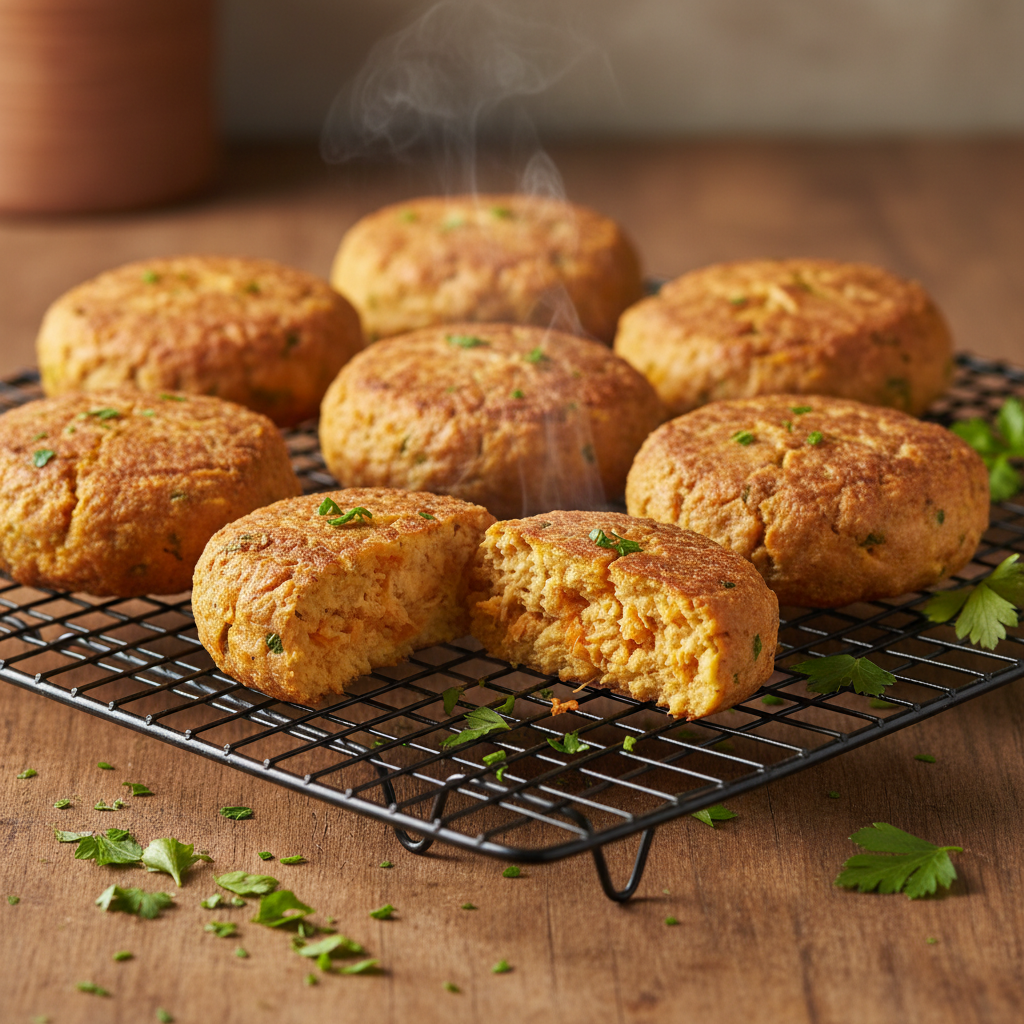
For the pup who turns their nose up at mushy food, these baked patties offer a satisfying texture and a burst of flavor. Sweet potatoes are a fantastic source of dietary fiber, vitamin A, and complex carbohydrates for sustained energy. These patties are great for meal prep—make a big batch and freeze them for easy feeding throughout the week!
Ingredients:
- 1 lb ground alpaca meat
- 1 large sweet potato, cooked and mashed (about 1.5 cups)
- 1/2 cup rolled oats (ensure they are gluten-free if needed)
- 1 egg, beaten
- 2 tablespoons chopped fresh parsley
Instructions:
- Preheat your oven to 375°F (190°C) and line a baking sheet with parchment paper.
- In a large bowl, combine the ground alpaca, mashed sweet potato, rolled oats, beaten egg, and chopped parsley.
- Mix with your hands until all ingredients are well incorporated, but be careful not to overmix.
- Form the mixture into small, palm-sized patties and place them on the prepared baking sheet.
- Bake for 20-25 minutes, or until the patties are firm and cooked through.
- Let them cool completely before serving or storing. They can be stored in the fridge for 5 days or frozen for up to 3 months.
Pros & Cons
| Pros | Cons |
|---|---|
| Excellent source of energy from complex carbohydrates. | Longer prep and cook time compared to a simple stew. |
| Appealing texture for picky eaters. | Can be a bit dry if overcooked. |
| Freezer-friendly and great for portion control. | Oats may not be suitable for all dogs, especially those with grain sensitivities. |
The Vet’s Verdict:
This is a fantastic, well-rounded meal for moderately active to active dogs who need a good source of energy. The combination of lean alpaca protein and complex carbs from sweet potatoes supports muscle health and endurance. The firm texture is also great for dental stimulation. It’s a solid choice for dogs who have already successfully transitioned to alpaca meat.
3. Quinoa & Alpaca Power Bowl
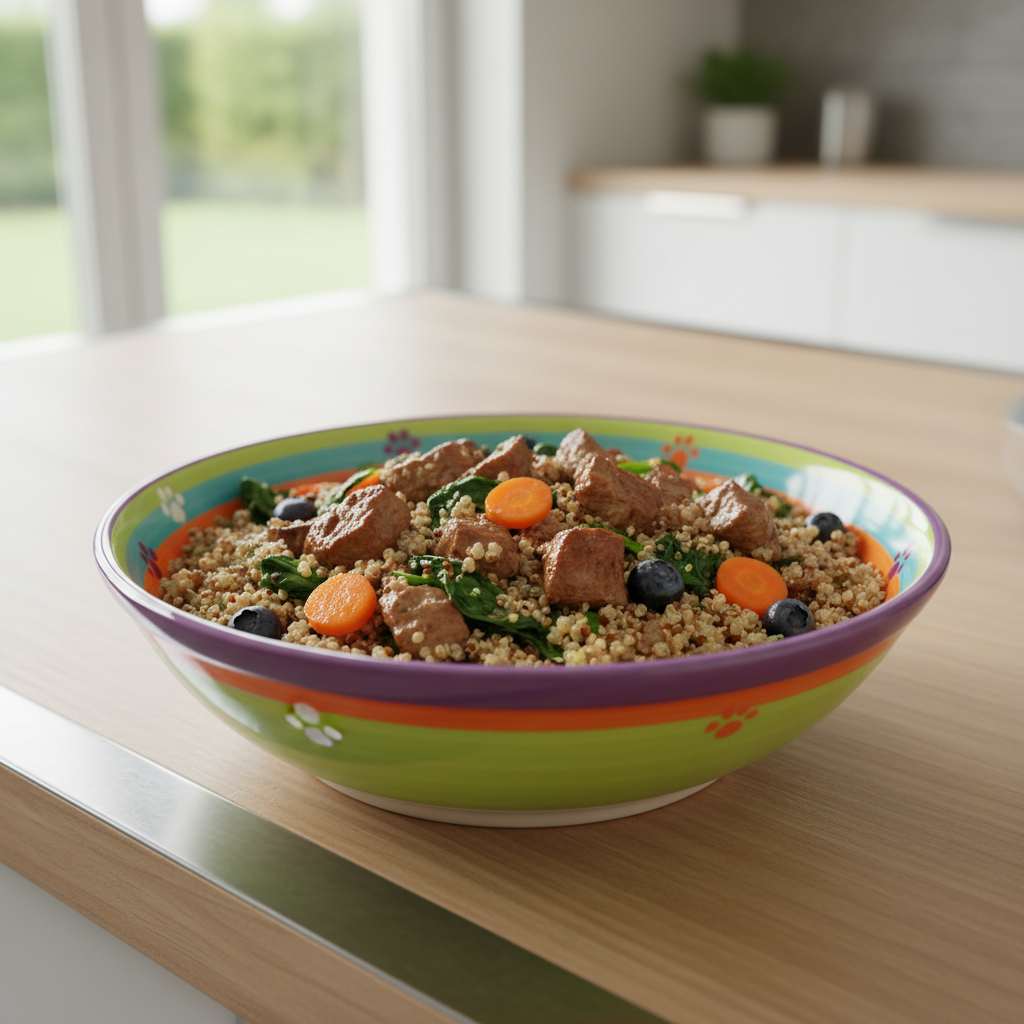
Looking for a recipe to really power up your pup? This power bowl combines lean alpaca meat with quinoa, a complete protein that contains all nine essential amino acids. We’ve also added spinach for its iron and vitamin content, making this a veritable superfood meal for your canine companion.
Ingredients:
- 1 lb alpaca stew meat, cut into small cubes
- 1/2 cup uncooked quinoa, rinsed thoroughly
- 1 cup water or low-sodium bone broth
- 1 cup chopped fresh spinach
- 1 tablespoon olive oil
- A pinch of turmeric (for its anti-inflammatory properties)
Instructions:
- In a medium saucepan, cook the rinsed quinoa in the water or bone broth according to package directions. This usually involves bringing it to a boil, then simmering covered for about 15 minutes.
- While the quinoa is cooking, heat the olive oil in a skillet over medium-high heat. Add the alpaca cubes and cook until browned on all sides.
- Once the quinoa is cooked and has absorbed all the liquid, turn off the heat. Stir in the cooked alpaca meat, chopped spinach, and a pinch of turmeric. The residual heat will wilt the spinach perfectly.
- Let the mixture cool to room temperature before serving.
Pros & Cons
| Pros | Cons |
|---|---|
| Highly nutritious with complete proteins and vitamins. | Quinoa must be rinsed well to remove saponins, which can cause stomach upset. |
| Great for muscle building and maintenance. | Some dogs may find the texture of quinoa unusual at first. |
| Anti-inflammatory benefits from turmeric. | Requires cooking two components (meat and quinoa) separately. |
The Vet’s Verdict:
This recipe is a nutritional powerhouse, ideal for athletic dogs, working dogs, or any pup that could benefit from extra muscle support. The combination of alpaca and quinoa provides a high-quality protein profile that’s hard to beat. It’s also a great choice for dogs with joint issues, thanks to the anti-inflammatory boost from turmeric.
4. Frozen Alpaca Pupsicles
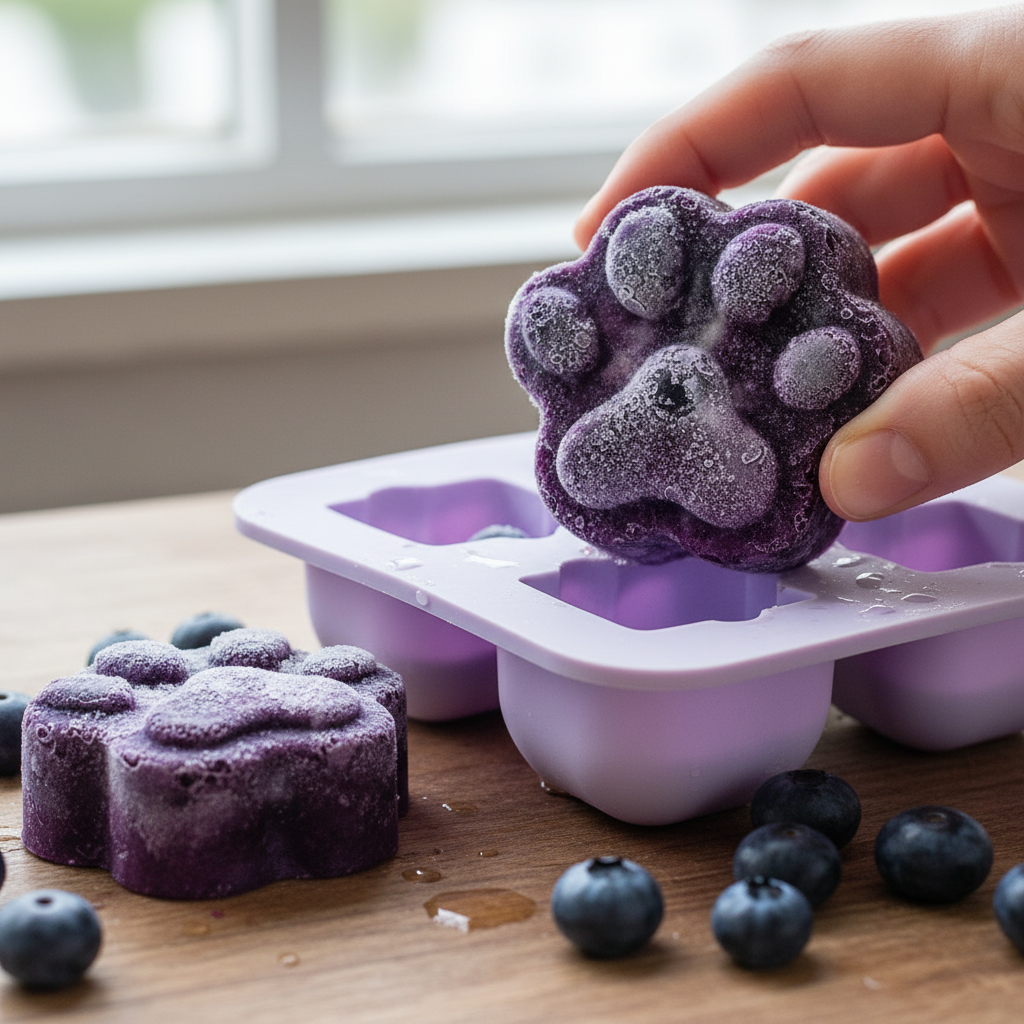
Who says hypoallergenic food has to be boring? These frozen treats are a perfect way to reward your pup on a hot day or to use as a high-value training reward. They are simple, healthy, and a great way to use up small amounts of leftover cooked alpaca.
Ingredients:
- 1/2 cup cooked and finely shredded alpaca meat
- 1/2 cup plain, unsweetened yogurt or kefir (ensure it contains no xylitol)
- 1/4 cup blueberries (fresh or frozen)
- A splash of water, if needed for consistency
Instructions:
- In a blender, combine the shredded alpaca, yogurt/kefir, and blueberries.
- Blend until the mixture is smooth. If it’s too thick, add a small amount of water to help it blend.
- Pour the mixture into silicone ice cube trays or small paper cups.
- Freeze for at least 4 hours, or until solid.
- Pop a pupsicle out of the mold and let your dog enjoy a cooling, delicious treat!
Pros & Cons
| Pros | Cons |
|---|---|
| A fun, healthy treat for warm weather or training. | Not a complete meal, should only be given as a treat. |
| Probiotics from yogurt/kefir are great for gut health. | Some dogs can be sensitive to dairy, so introduce carefully. |
| Very easy to make in large batches. | They can be messy as they melt! Best served outdoors. |
The Vet’s Verdict:
These are an excellent, low-calorie treat alternative to store-bought biscuits. The probiotics in yogurt support a healthy microbiome, which is especially important for dogs with allergies. The blueberries add a nice antioxidant punch. Just remember that treats should make up no more than 10% of your dog’s daily caloric intake.
5. Alpaca & Pumpkin Purée
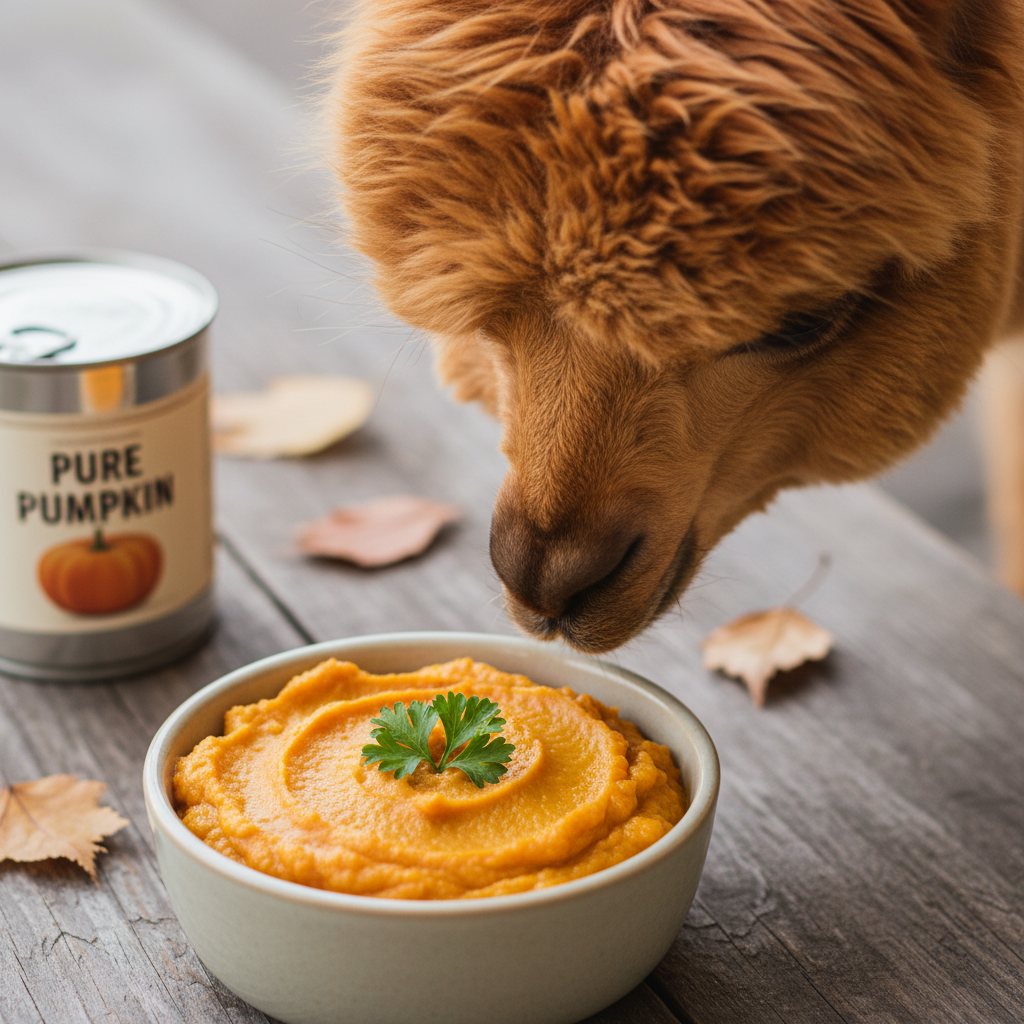
If your dog’s sensitive system is acting up, this soothing purée is like a warm hug for their tummy. Pumpkin is a well-known digestive aid for dogs, helping with both constipation and diarrhea. Combined with the gentle alpaca protein and a hint of ginger, this recipe is designed to calm and comfort an upset stomach.
Ingredients:
- 1 lb ground alpaca meat
- 1 can (15 oz) of 100% pure pumpkin purée (not pie filling)
- 1/4 teaspoon ground ginger
- 2 cups of water or low-sodium bone broth
Instructions:
- In a large saucepan, brown the ground alpaca meat. Drain the excess fat.
- Stir in the pumpkin purée, ground ginger, and water or bone broth.
- Bring the mixture to a gentle simmer and cook for about 10-15 minutes, stirring occasionally, until everything is heated through and well combined.
- Let it cool completely before serving. The consistency should be like a thick, savory porridge.
Pros & Cons
| Pros | Cons |
|---|---|
| Extremely gentle on the digestive system. | The soft texture may not appeal to all dogs. |
| Pumpkin is excellent for regulating bowel movements. | Lower in calories, so portion sizes may need to be larger. |
| Very quick and easy to make with canned pumpkin. | Should be used for short-term digestive support or as part of a rotational diet. |
The Vet’s Verdict:
This is my go-to recommendation for dogs experiencing mild digestive upset. It’s a bland diet with benefits. The soluble fiber in pumpkin helps to normalize stool, while ginger can soothe nausea. It’s a perfect meal to offer for a few days to help your dog’s system reset and recover, all while keeping them on their hypoallergenic alpaca protein.
6. Hearty Alpaca & Lentil Loaf
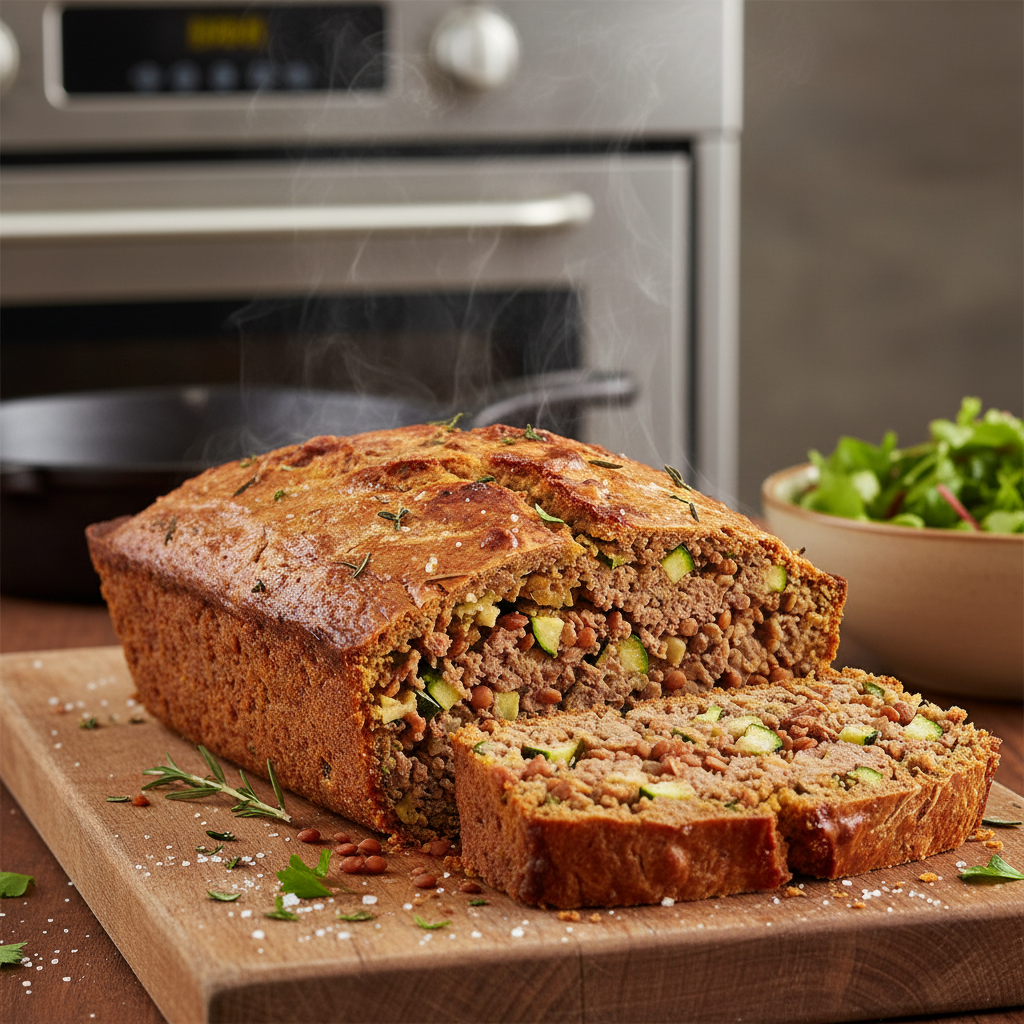
For the dog with a big appetite, this satisfying loaf is packed with protein and fiber to keep them full and happy. Lentils are an excellent source of plant-based protein, iron, and fiber. This recipe bakes up like a classic meatloaf and can be sliced for easy portioning, making it a fantastic option for larger breeds.
Ingredients:
- 1.5 lbs ground alpaca meat
- 1 cup cooked brown or green lentils, mashed slightly
- 2 eggs, beaten
- 1/2 cup finely shredded zucchini
- 1/4 cup rolled oats
- 1 teaspoon dried rosemary
Instructions:
- Preheat your oven to 350°F (175°C) and grease a standard loaf pan.
- In a large bowl, use your hands to gently mix all the ingredients: ground alpaca, cooked lentils, eggs, shredded zucchini, oats, and rosemary.
- Press the mixture evenly into the prepared loaf pan.
- Bake for 50-60 minutes, or until the center is cooked through and the top is nicely browned.
- Let the loaf cool in the pan for at least 15 minutes before slicing and serving. This helps it hold its shape.
Pros & Cons
| Pros | Cons |
|---|---|
| Very filling and satisfying for large dogs. | Longest cook time of all the recipes. |
| Easy to slice and portion for multiple meals. | Lentils can cause gas in some sensitive dogs; introduce slowly. |
| Zucchini adds hidden moisture and nutrients. | Requires more ingredients and prep work. |
The Vet’s Verdict:
This is an excellent, nutrient-dense choice for large breed dogs or those with high energy needs. The combination of animal and plant-based protein creates a robust amino acid profile. It’s a substantial meal that supports satiety and sustained energy. Just be sure your dog tolerates legumes well before making this a regular part of their diet.
7. Alpaca & Blueberry Antioxidant Mix
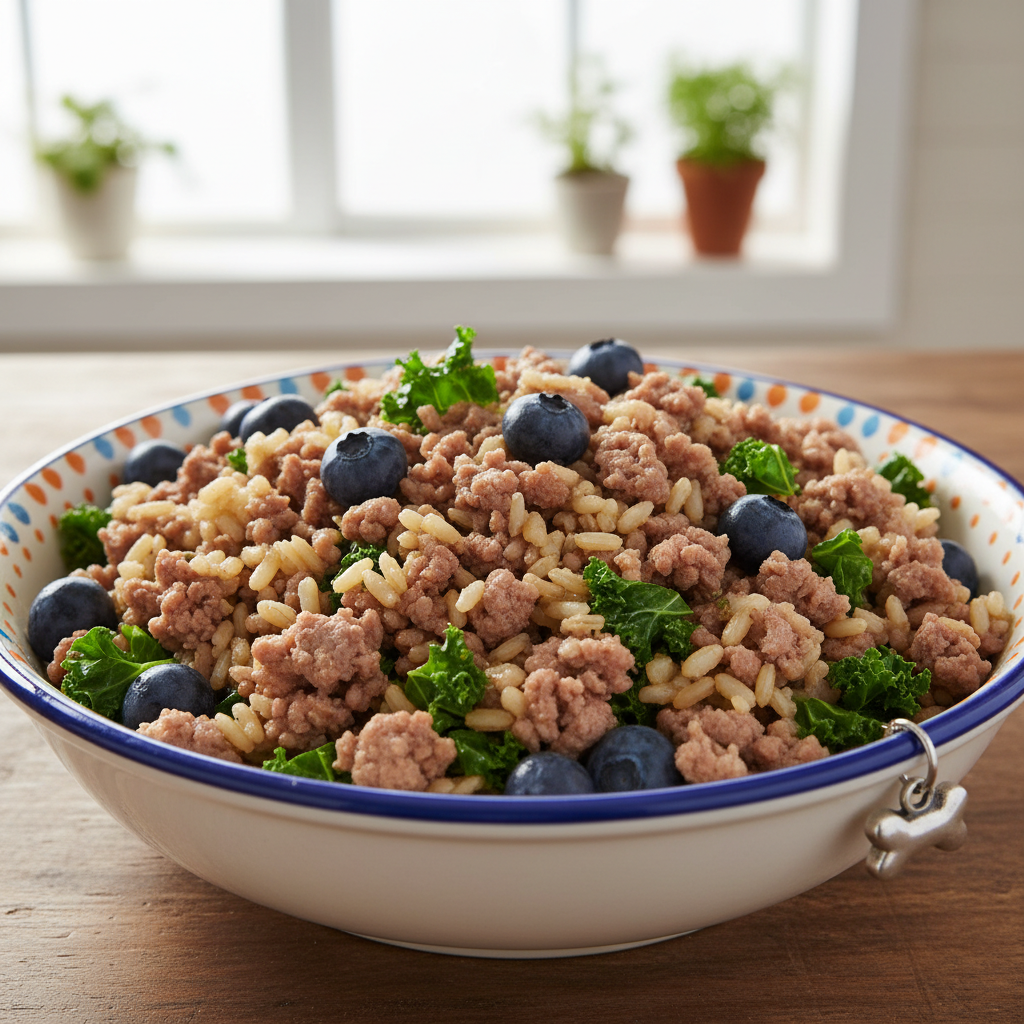
Senior dogs and those needing a little extra immune support will benefit greatly from this antioxidant-rich recipe. Blueberries are packed with vitamins and antioxidants that help fight free radicals, while nutrient-dense kale adds another layer of goodness. This is a light, fresh meal that’s easy to digest and great for overall wellness.
Ingredients:
- 1 lb ground alpaca meat, cooked and crumbled
- 1 cup cooked brown rice or quinoa
- 1/2 cup fresh or frozen blueberries
- 1/2 cup finely chopped kale, stems removed
- 1 tablespoon coconut oil
Instructions:
- In a large bowl, combine the already-cooked and crumbled alpaca meat with the cooked brown rice or quinoa.
- Gently fold in the blueberries and finely chopped kale.
- Drizzle the coconut oil over the top and mix everything together until just combined.
- Serve immediately. This recipe is best made fresh, as the blueberries can stain the other ingredients if stored for too long.
Pros & Cons
| Pros | Cons |
|---|---|
| Packed with antioxidants for immune and cognitive health. | Best served fresh; doesn’t store as well as other recipes. |
| Great for senior dogs and promoting overall vitality. | Some dogs may try to eat around the kale if not chopped finely. |
| Coconut oil is great for skin and coat health. | Requires pre-cooked ingredients, adding an extra step. |
The Vet’s Verdict:
This is a wonderful recipe for supporting the health of aging dogs. The antioxidants from blueberries and kale help protect the body’s cells from damage, which is crucial in the senior years. The healthy fats from coconut oil also support brain function and contribute to a lustrous coat. It’s a fantastic, health-boosting meal for any dog, but particularly beneficial for the golden-aged pups.
A Pet Parent’s Guide to Homemade Alpaca Dog Food
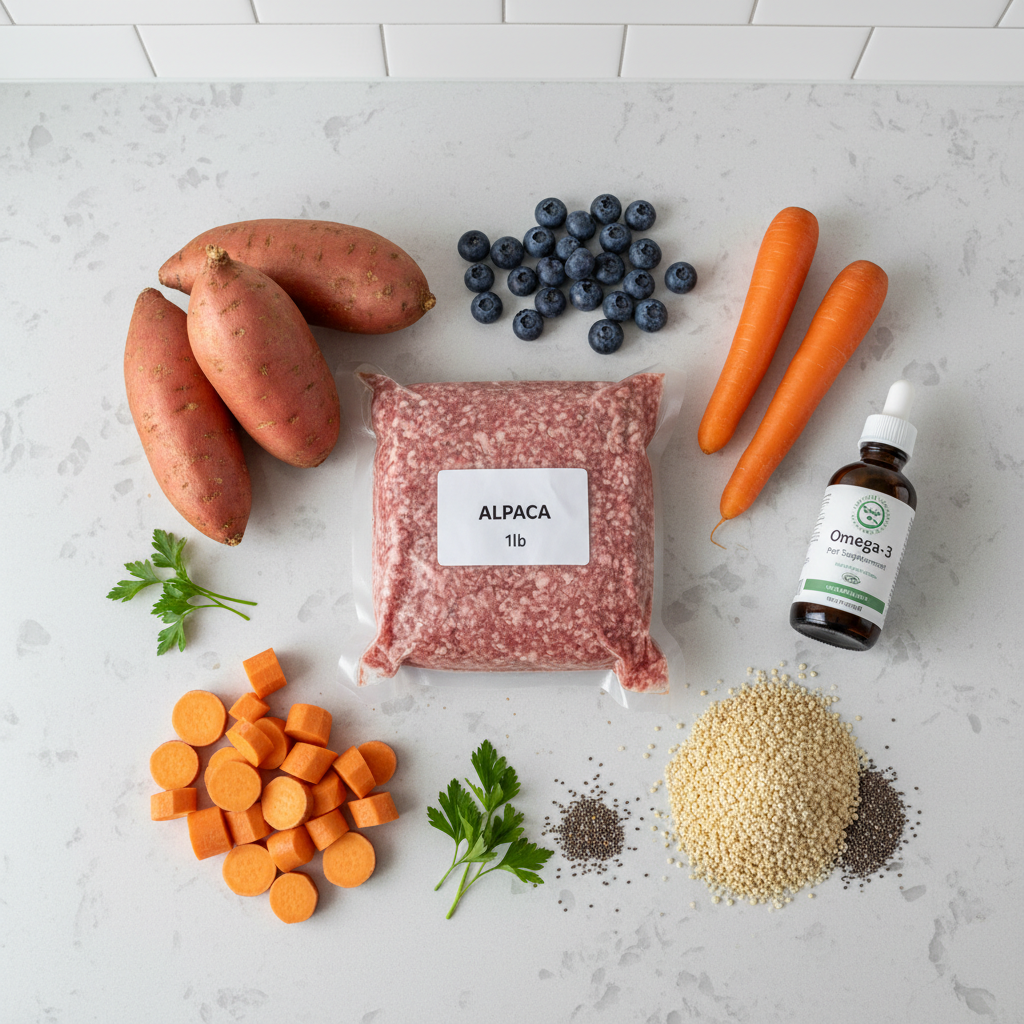
Switching to a homemade diet can feel daunting, but it’s also incredibly rewarding. Here are a few key things to keep in mind to ensure you’re providing a safe, balanced, and delicious diet for your pup.
Why Choose Alpaca?
Alpaca isn’t just a novelty; it’s a nutritional powerhouse. It’s leaner than beef, has lower cholesterol than chicken, and is packed with iron and B vitamins. Most importantly, it’s a ‘novel’ protein. This means that for the vast majority of dogs, their immune system has never encountered it before, making an allergic reaction highly unlikely. It’s the ultimate ‘elimination diet’ protein.
Sourcing Quality Alpaca Meat
You probably won’t find alpaca meat at your local supermarket. You’ll need to look for specialty suppliers. Search for ‘alpaca farms near me’ or ‘food-grade alpaca meat for sale’ online. Always choose a reputable source that raises their animals humanely and without the use of hormones or antibiotics. It’s often sold frozen as ground meat, steaks, or stew chunks.
The Importance of Balance
While these recipes are a fantastic base, a long-term homemade diet needs to be properly balanced with all the necessary vitamins and minerals. The most critical component often missed is calcium. Dogs cannot live on meat and veggies alone. You MUST add a calcium source, like ground eggshells or a canine-specific calcium supplement. It is highly recommended to work with a veterinary nutritionist to ensure your dog’s diet is complete and balanced for their specific age, breed, and health needs. They can help you formulate recipes and recommend the right supplements.
Batch Cooking & Storage
To make life easier, cook in big batches! Most of these recipes can be doubled or tripled and then frozen in individual serving sizes. Silicone muffin tins or reusable freezer-safe containers work great. This way, you only have to cook once or twice a week. Most cooked meals will last 3-4 days in the refrigerator.
Frequently Asked Questions

Is alpaca meat really safe for all dogs?
Yes, alpaca meat is safe for dogs. It’s a lean red meat that is highly digestible. As with any new food, it’s best to introduce it slowly to allow your dog’s digestive system to adjust. The primary benefit is its hypoallergenic nature, making it particularly safe and beneficial for dogs with known food allergies to more common proteins.
How do I transition my dog to a new homemade diet?
The key is to go slowly. Start by mixing a small amount of the new homemade food (like the Simple Starter Stew) with their old food. For example, 25% new food and 75% old food. Do this for a few days. If your dog has no digestive upset, increase to a 50/50 mix for a few more days, then 75/25, and finally 100% new food. This entire process should take about 7-10 days.
Can I substitute ingredients in these recipes?
To some extent, yes. You can swap carrots for peas, or sweet potato for butternut squash. However, be cautious. The goal of a hypoallergenic diet is to limit potential triggers. Only substitute with ingredients you know your dog is not allergic to. Never substitute the alpaca meat, as that is the core of the recipe’s hypoallergenic property. Also, never add toxic ingredients like onions, garlic, grapes, or xylitol.
How much homemade food should I feed my dog?
This is a critical question and it varies greatly based on your dog’s age, weight, activity level, and metabolism. A general guideline is to feed 2-3% of their ideal body weight per day. For a 50-pound dog, this would be 1 to 1.5 pounds of food daily, split into two meals. However, this is just a starting point. It’s essential to monitor your dog’s weight and body condition and adjust the amount accordingly. Consulting with your vet is the best way to determine the perfect portion size.
Conclusion
Embarking on a homemade food journey for your allergic dog is an incredible act of love. By using a novel protein like alpaca, you’re opening up a whole new world of delicious, non-reactive possibilities that can finally bring your pup some much-needed relief. These seven vet-approved recipes offer a variety of textures and flavors to keep your dog excited about mealtime while nurturing their sensitive system.
Remember, the goal is a happy, healthy, and itch-free companion. While cooking at home takes a little extra effort, the joy of seeing your dog thrive is the ultimate reward. Always keep an open line of communication with your veterinarian or a veterinary nutritionist to ensure you’re meeting all of your dog’s unique needs. Happy cooking, and here’s to happy tummies!