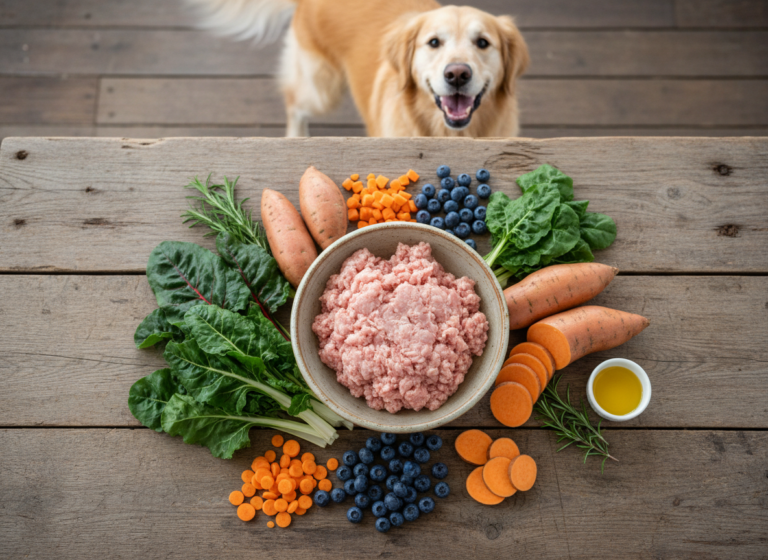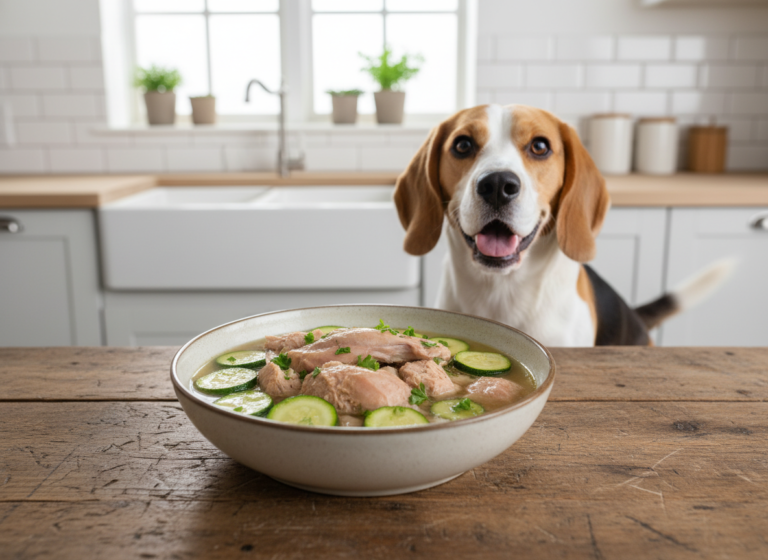
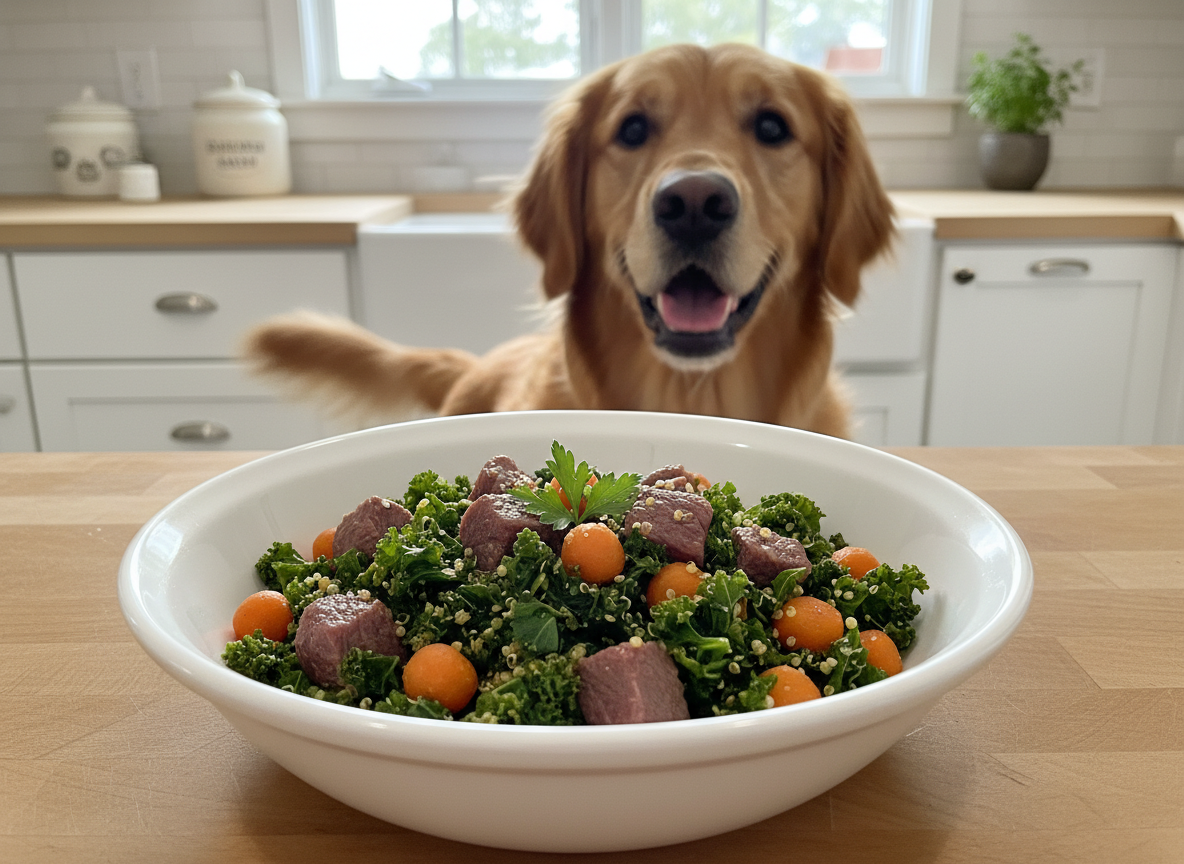
7 Hypoallergenic Venison and Kale Dog Food Recipes
Hey there, fellow pet parent! If you’re reading this, chances are you’ve been on a frustrating journey trying to find the right food for your sensitive pup. The constant scratching, upset stomachs, and vet visits can be stressful for both you and your furry best friend. But what if the solution was waiting right in your own kitchen? Welcome to the world of homemade hypoallergenic dog food!
We’re focusing on two superstar ingredients: venison and kale. Venison is a fantastic ‘novel protein,’ meaning it’s an ingredient most dogs haven’t been exposed to, which dramatically lowers the chance of an allergic reaction. It’s also lean and packed with nutrients. Kale, on the other hand, is a leafy green powerhouse, loaded with vitamins K, A, and C, plus antioxidants to support your dog’s immune system. Together, they make a gentle yet mighty combination for sensitive dogs.
Making your dog’s food from scratch might sound daunting, but it gives you complete control over every single ingredient. No more mystery fillers or hidden allergens! To help you get started, we’ve whipped up 7 delicious and vet-approved-in-principle (always check with your own vet!) recipes. Let’s take a quick peek at what’s on the menu.
Quick Comparison of Our Recipes
| Recipe Name | Prep Time | Cook Time | Best For |
|---|---|---|---|
| 1. The Basic Venison & Kale Power Bowl | 10 mins | 20 mins | Beginners & Quick Meals |
| 2. Slow Cooker Venison & Kale Stew | 15 mins | 4-6 hours | Busy Pet Parents |
| 3. Venison & Kale ‘Muffin’ Bites | 20 mins | 25 mins | Portion Control & Picky Eaters |
| 4. Venison & Quinoa Grain-Inclusive Bowl | 10 mins | 25 mins | Active Dogs Needing Extra Carbs |
| 5. Soothing Venison & Kale Soup | 15 mins | 45 mins | Senior Dogs & Recovery |
| 6. Baked Venison & Kale Loaf | 20 mins | 1 hour | Easy Batch Cooking |
| 7. Frozen Venison & Kale Pupsicles | 10 mins | 4 hours (freezing) | Hot Weather & Healthy Treats |
1. The Basic Venison & Kale Power Bowl
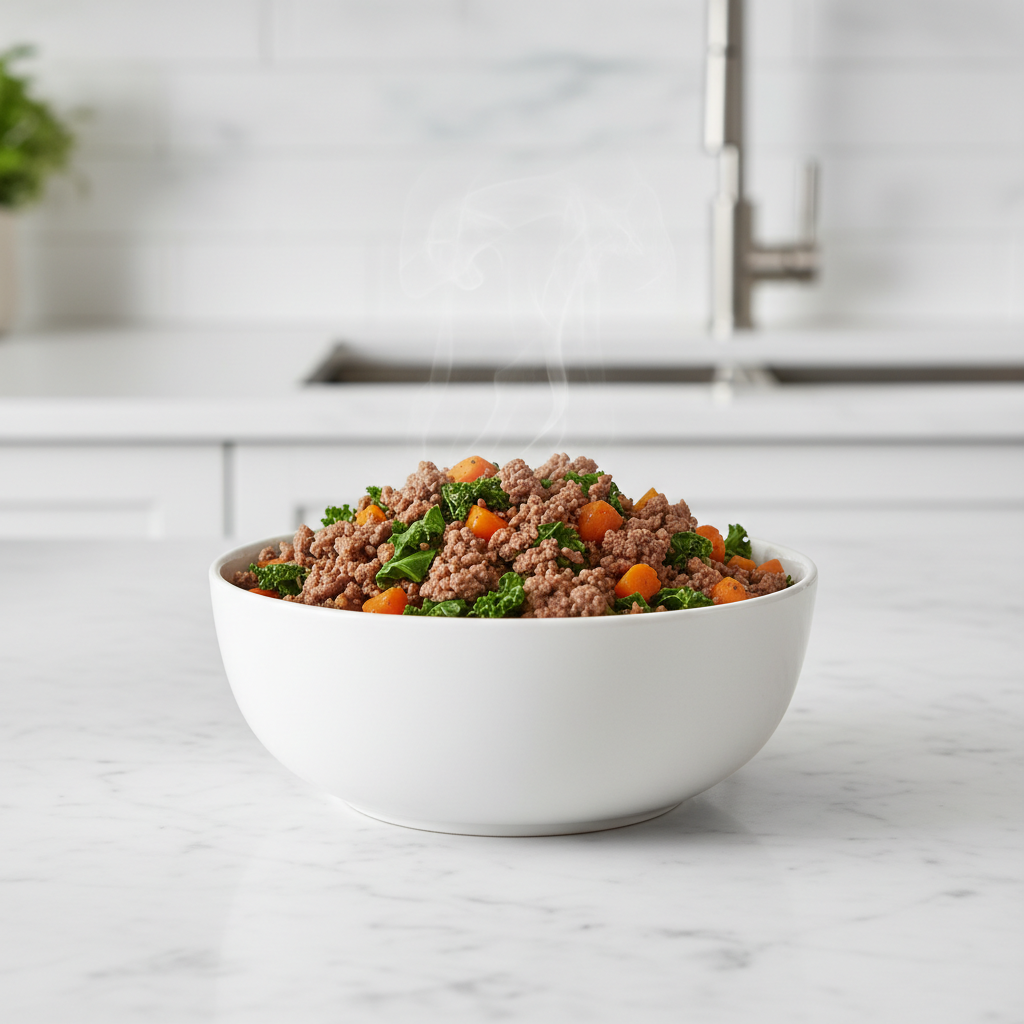
Let’s start with the basics! This recipe is the perfect entry point into the world of homemade dog food. It’s simple, quick, and uses minimal ingredients, making it easy to see how your dog reacts to the core components. Think of it as a clean, wholesome, foundational meal that you can build upon later.
Ingredients:
- 1 lb ground venison
- 2 cups chopped kale (stems removed)
- 1 cup chopped carrots
- 1/4 cup water or low-sodium bone broth
- 1 tablespoon coconut oil or olive oil
Instructions:
- Heat the oil in a large skillet or pot over medium heat.
- Add the ground venison and cook until browned, breaking it up with a spoon.
- Drain off any excess fat from the venison.
- Add the chopped carrots and water/broth to the skillet. Bring to a simmer, then cover and cook for about 10 minutes, or until the carrots are tender.
- Stir in the chopped kale and cook for another 2-3 minutes, just until it’s wilted but still bright green.
- Remove from heat and let it cool completely before serving.
| Pros & Cons | |
|---|---|
| Pros | Cons |
| Extremely fast and easy to make. | Lacks the complexity of other recipes. |
| Great for testing initial sensitivity to venison and kale. | May require additional supplements for long-term feeding (consult a vet). |
| Minimal ingredients reduce the risk of allergens. | Not as nutrient-dense as slow-cooked stews. |
Verdict:
This is the ideal starting recipe for any pet owner new to home cooking for their dog. It’s perfect for a trial run to ensure your pup’s system agrees with venison and kale before you invest time and money into more complex batches.
2. Slow Cooker Venison & Kale Stew
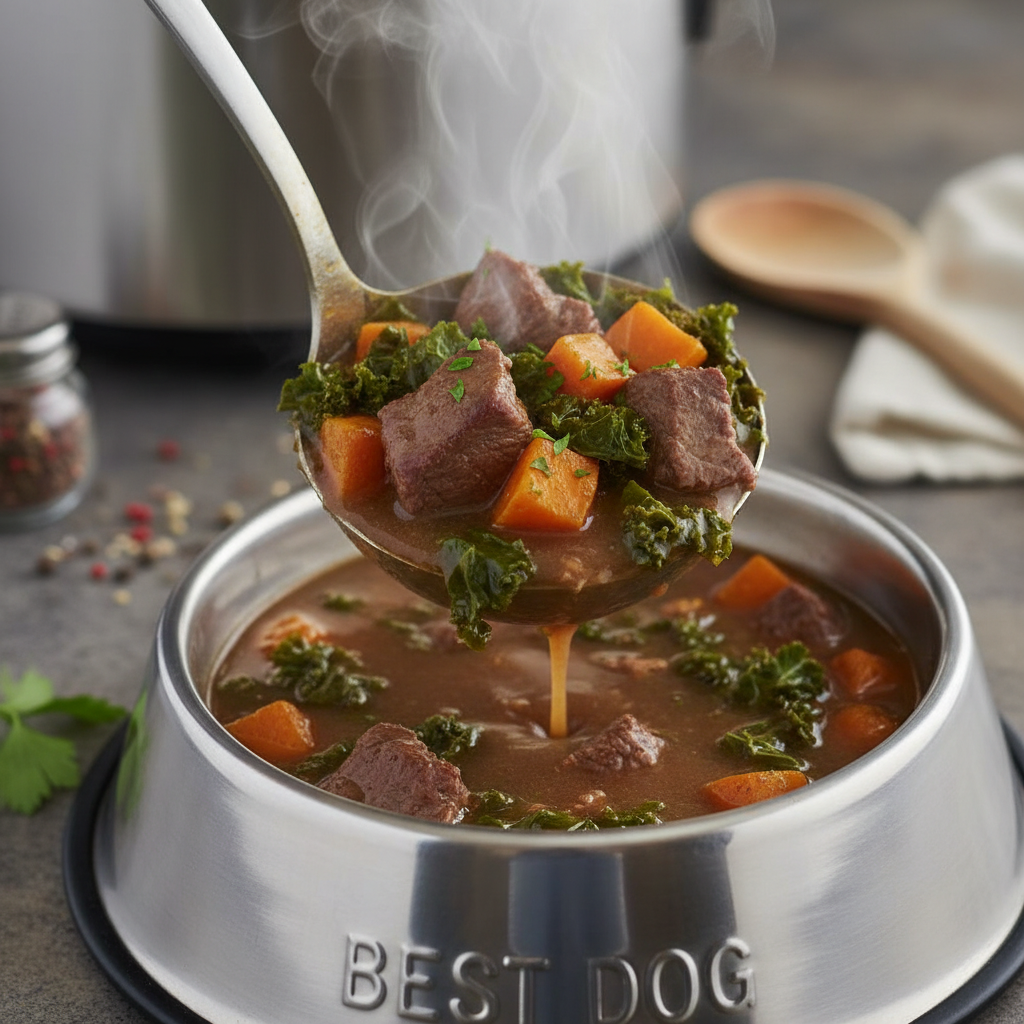
For the pet parent who loves a ‘set it and forget it’ approach, the slow cooker is your best friend. This stew recipe is incredibly easy to prepare and results in a tender, flavorful, and moisture-rich meal that’s fantastic for hydration. The low-and-slow cooking method helps break down the ingredients, making them easier for sensitive tummies to digest.
Ingredients:
- 2 lbs venison stew meat, cut into 1-inch cubes
- 4 cups chopped kale
- 2 sweet potatoes, peeled and diced
- 2 carrots, peeled and chopped
- 1/2 cup frozen peas
- 4 cups low-sodium beef or vegetable broth
Instructions:
- Place the venison, sweet potatoes, and carrots into the slow cooker.
- Pour the broth over the ingredients, ensuring they are mostly covered.
- Cover and cook on low for 6-8 hours or on high for 3-4 hours, until the venison is fall-apart tender.
- In the last 30 minutes of cooking, stir in the chopped kale and frozen peas.
- Once done, you can shred the venison with two forks if desired. Let it cool completely before serving. Store leftovers in the fridge for up to 4 days.
| Pros & Cons | |
|---|---|
| Pros | Cons |
| Minimal prep time and effort. | Long cooking time requires planning ahead. |
| Creates a tender, easy-to-digest meal. | Produces a large batch, so you need storage space. |
| High moisture content is great for hydration. | The smell might be tempting for the whole family, not just the dog! |
Verdict:
Perfect for busy pet owners who want to meal prep for the week. The soft texture also makes it a wonderful choice for senior dogs or those with dental issues who might struggle with harder kibble.
3. Venison & Kale ‘Muffin’ Bites
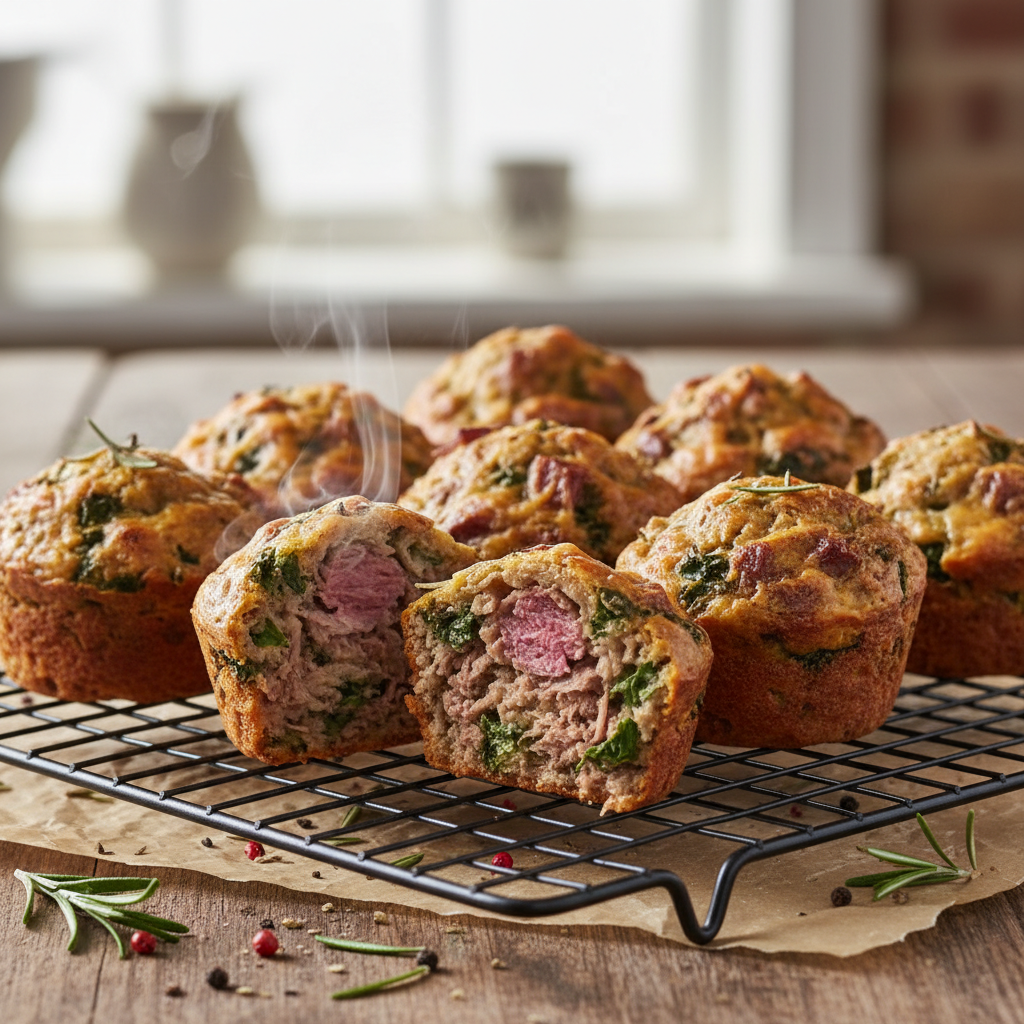
Picky eater in the house? Sometimes a change in form is all it takes! These muffin-style bites are not only adorable but also fantastic for portion control and can even be used as high-value training treats. They have a meatloaf-like texture that many dogs find irresistible, and they’re easy to store and serve.
Ingredients:
- 1 lb ground venison
- 1 cup finely chopped kale (packed)
- 1 cup shredded zucchini
- 1/2 cup unsweetened applesauce
- 1/2 cup rolled oats (ensure they are gluten-free if needed)
- 1 egg, beaten
Instructions:
- Preheat your oven to 375°F (190°C). Grease a standard 12-cup muffin tin.
- In a large bowl, use your hands to combine the ground venison, chopped kale, shredded zucchini, applesauce, oats, and the beaten egg. Mix until just combined, but don’t overwork it.
- Press the mixture evenly into the muffin cups.
- Bake for 20-25 minutes, or until the center is cooked through and the tops are nicely browned.
- Let the muffins cool in the tin for a few minutes before transferring them to a wire rack to cool completely.
| Pros & Cons | |
|---|---|
| Pros | Cons |
| Excellent for portion control. | A bit more hands-on prep work than a simple bowl. |
| Can be used as meals or treats. | May dry out if overcooked. |
| Freezer-friendly for long-term storage. | Oats may not be suitable for all grain-free diets. |
Verdict:
This recipe is a winner for dogs who are fussy about their food’s texture and for owners who need a convenient, grab-and-go meal or treat option. They’re also great for managing your dog’s weight by providing perfectly portioned servings.
4. Venison & Quinoa Grain-Inclusive Bowl
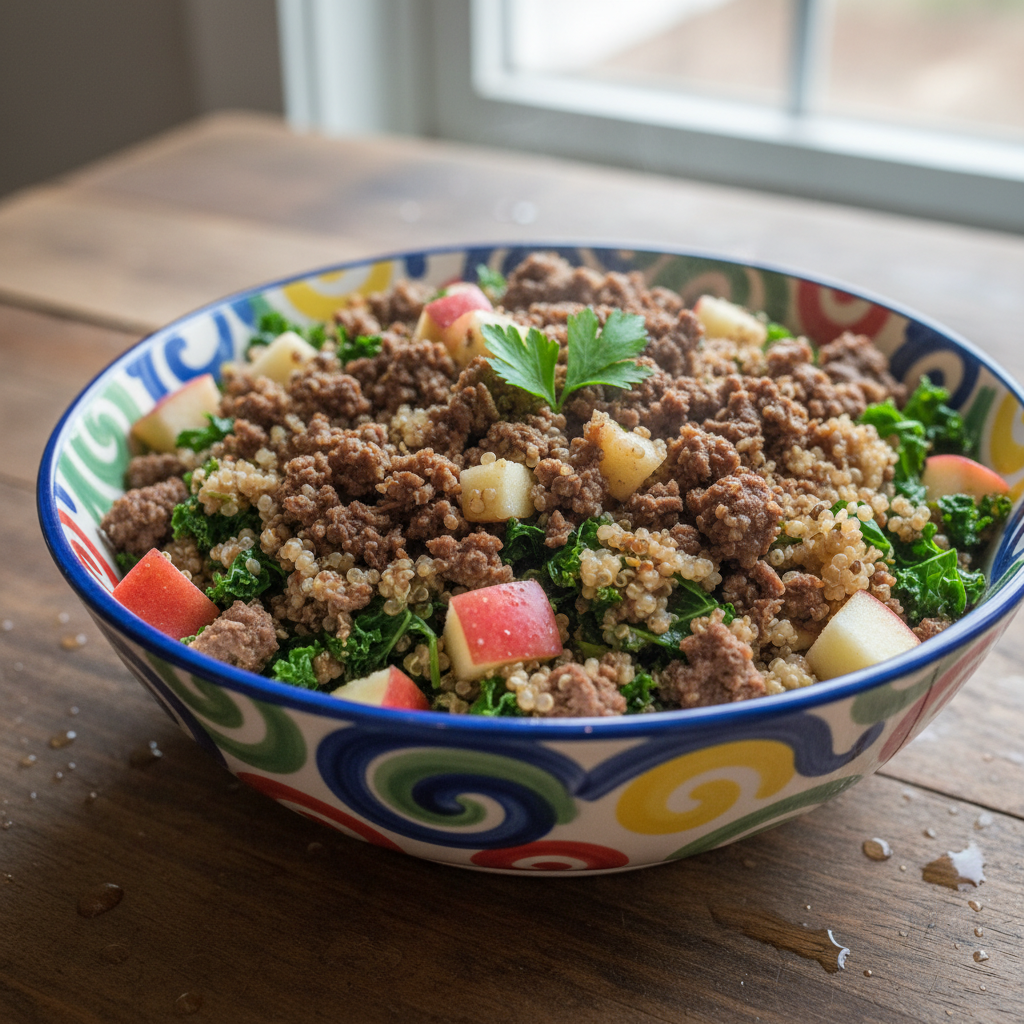
While grain-free is a popular choice, not all dogs need or benefit from it. Healthy, gluten-free grains like quinoa can provide an excellent source of energy, fiber, and essential amino acids. This recipe is designed for more active dogs who need those extra complex carbohydrates to fuel their adventures, while still being gentle on the digestive system.
Ingredients:
- 1 lb ground venison
- 1 cup cooked quinoa
- 2 cups chopped kale
- 1 apple, cored and diced (no seeds!)
- 1 tablespoon olive oil
- 1/2 cup water
Instructions:
- Cook quinoa according to package directions and set aside.
- Heat olive oil in a large skillet over medium heat. Add the ground venison and cook until browned.
- Add the diced apple and water to the skillet. Cook for 5 minutes until the apple starts to soften.
- Stir in the chopped kale and cook for another 2-3 minutes until wilted.
- Remove from heat. In a large bowl, combine the venison mixture with the cooked quinoa.
- Stir everything together and let it cool completely before serving.
| Pros & Cons | |
|---|---|
| Pros | Cons |
| Provides excellent energy from complex carbs. | Not suitable for dogs on a strict grain-free diet. |
| Quinoa is a complete protein, adding nutritional value. | Quinoa must be rinsed thoroughly before cooking to remove saponins. |
| The sweetness of apple is very appealing to many dogs. | Slightly more expensive due to the cost of quinoa. |
Verdict:
This recipe is tailor-made for active, energetic dogs without grain sensitivities. If you take your pup hiking, running, or to agility classes, this hearty bowl will provide the fuel they need to perform their best and recover well.
5. Soothing Venison & Kale Soup
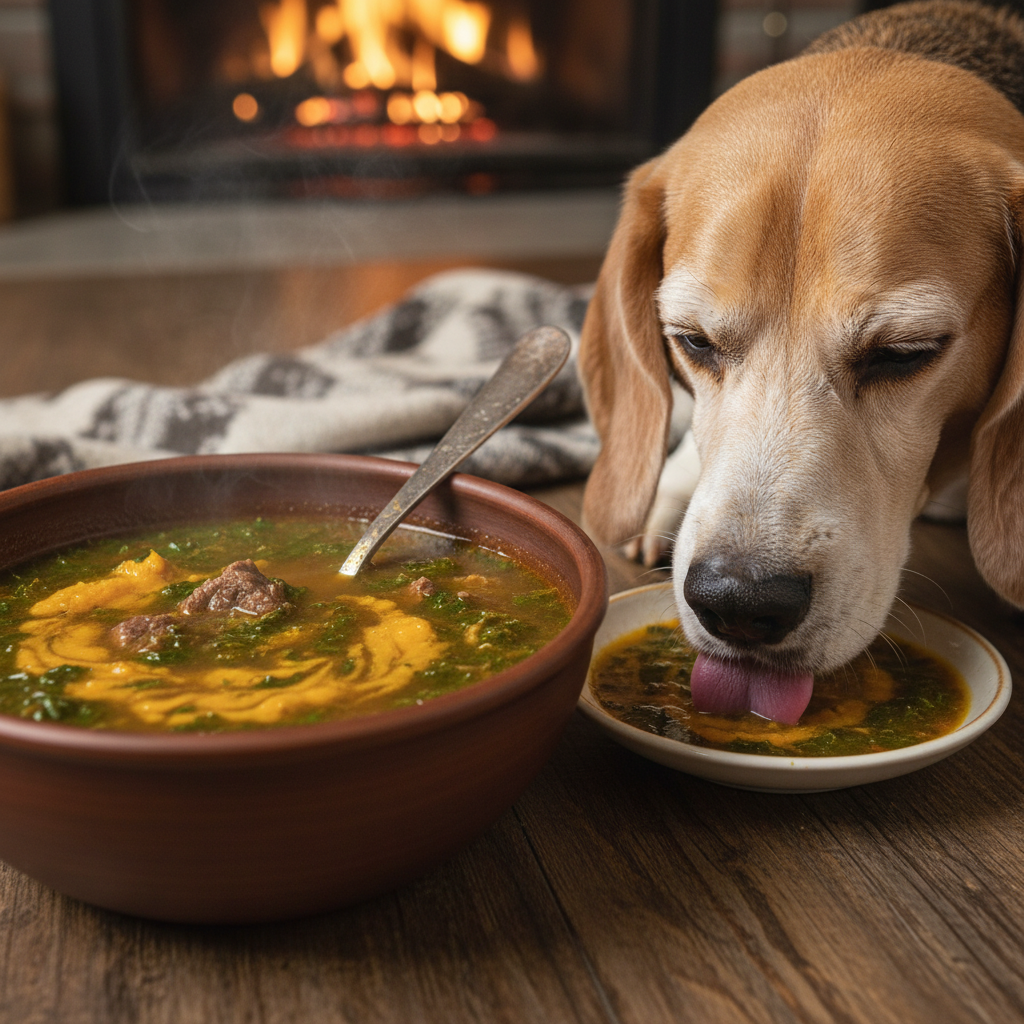
Sometimes, a dog’s system needs something extra gentle and hydrating. This soothing soup is perfect for senior dogs, dogs recovering from an illness or surgery, or on days when their tummy just seems a little ‘off.’ It’s packed with nutrients but is served in a very mild, easy-to-lap-up form that encourages hydration and is incredibly easy to digest.
Ingredients:
- 1 lb ground venison
- 6 cups low-sodium bone broth
- 2 cups finely chopped kale
- 1 cup puréed pumpkin (100% pure pumpkin, not pie filling)
- 1/2 teaspoon dried ginger (optional, aids digestion)
Instructions:
- In a large pot, brown the ground venison over medium heat. Drain any excess fat.
- Pour in the bone broth and bring to a gentle simmer. Scrape up any browned bits from the bottom of the pot.
- Simmer for 20 minutes to let the flavors meld.
- Stir in the finely chopped kale and puréed pumpkin. If using, add the ginger.
- Continue to simmer for another 10 minutes until the kale is very tender.
- Remove from heat and let it cool to a safe lukewarm temperature before serving. It should be soupy.
| Pros & Cons | |
|---|---|
| Pros | Cons |
| Extremely hydrating and easy to digest. | Lower in calories, may not be suitable as a sole meal for active dogs. |
| Pumpkin and ginger are excellent for soothing upset stomachs. | Can be messy for some dogs to eat! |
| Perfect for older dogs or those with poor appetites. | Doesn’t store as compactly as drier foods. |
Verdict:
This is the ‘chicken noodle soup’ for dogs. Keep this recipe in your back pocket for days when your pup is feeling under the weather. It’s an excellent supplemental meal to encourage fluid intake and provide gentle nutrition when they need it most.
6. Baked Venison & Kale Loaf
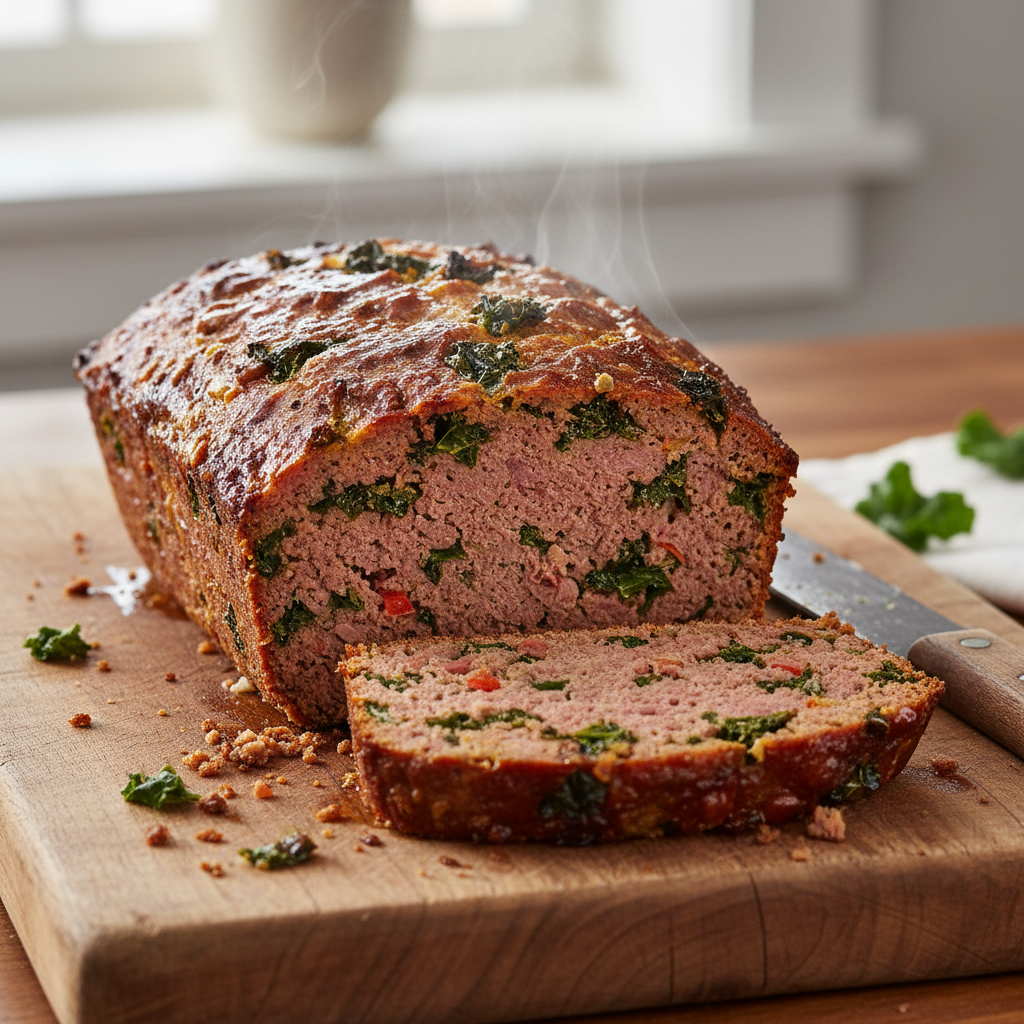
Who doesn’t love a good meatloaf? This canine-friendly version is a fantastic way to cook in bulk. You can bake a whole loaf, let it cool, and then slice it into perfect portions for the week. It holds its shape well, making it less messy than stews, and it’s packed with hidden veggies that even picky eaters won’t notice.
Ingredients:
- 2 lbs ground venison
- 2 eggs, beaten
- 2 cups finely chopped kale
- 1 cup finely grated carrots
- 1/2 cup rolled oats or almond flour
- 1/4 cup chopped fresh parsley
Instructions:
- Preheat your oven to 350°F (175°C). Lightly grease a standard loaf pan.
- In a large mixing bowl, combine all the ingredients: ground venison, eggs, kale, carrots, oats/almond flour, and parsley.
- Use your hands to mix everything together until it’s well combined.
- Press the mixture firmly and evenly into the prepared loaf pan.
- Bake for 50-60 minutes, or until the loaf is cooked through and the internal temperature reaches 165°F (74°C).
- Let the loaf cool in the pan for about 15 minutes before carefully draining any excess fat and turning it out onto a cutting board.
- Allow it to cool completely before slicing and serving.
| Pros & Cons | |
|---|---|
| Pros | Cons |
| Great for batch cooking and meal prep. | Longer baking time compared to skillet recipes. |
| Easy to slice and portion accurately. | Can be a bit dense for some dogs. |
| Less messy to serve than stews or soups. | Requires oven use, which can heat up the kitchen. |
Verdict:
This recipe is a meal-prepper’s dream. It’s perfect for multi-dog households or for owners who want to prepare a week’s worth of meals in one go. The firm texture also makes it a satisfying meal for dogs who enjoy a good chew.
7. Frozen Venison & Kale Pupsicles
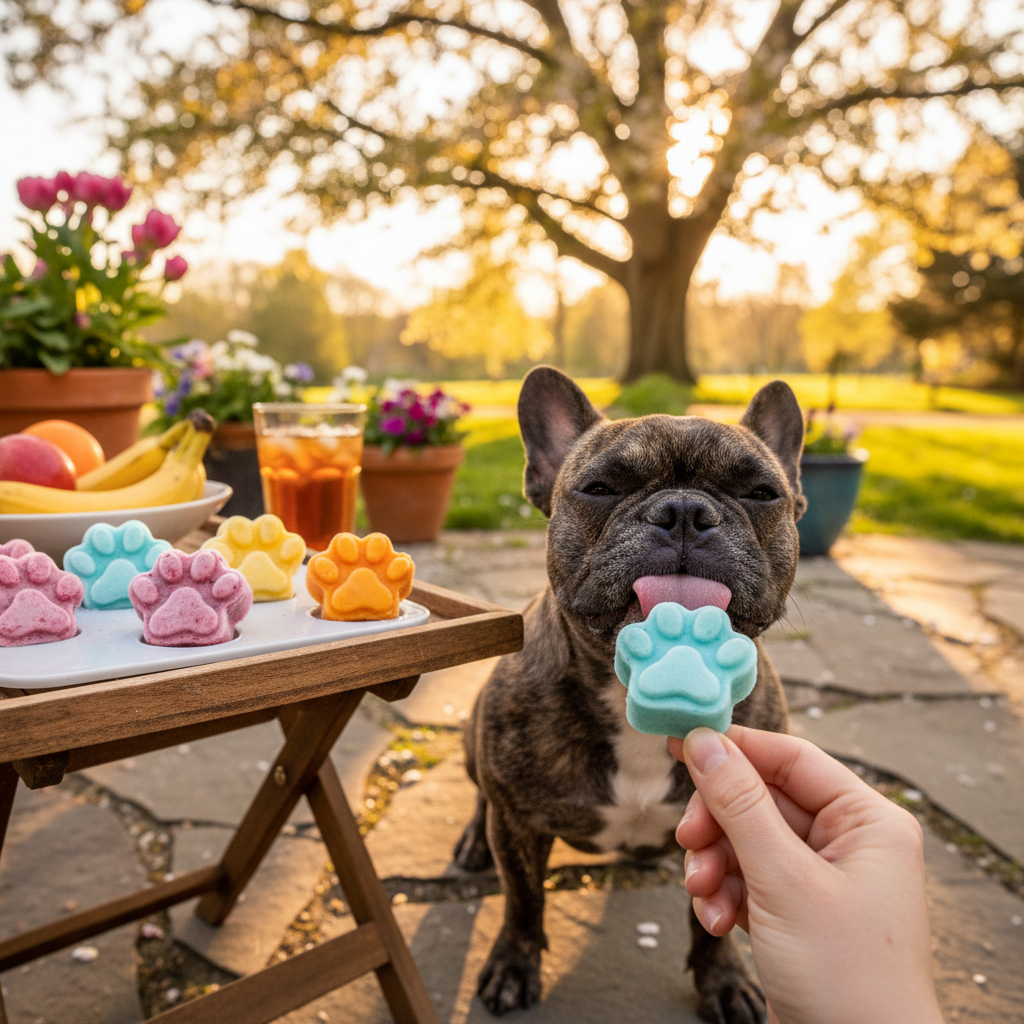
Let’s end with a treat! On a hot summer day, there’s nothing better than a cooling, delicious snack. These ‘Pupsicles’ are a healthy, hypoallergenic treat that will keep your dog happy and hydrated. They’re incredibly simple to make and are a much better alternative to sugary or fatty commercial frozen treats.
Ingredients:
- 1/2 lb cooked ground venison, cooled
- 1 cup fresh kale
- 1 cup plain, unsweetened yogurt (or coconut yogurt for dairy-free)
- 1/2 cup water or bone broth
- A few blueberries (optional)
Instructions:
- In a blender, combine the cooked venison, fresh kale, yogurt, and water/broth.
- Blend until the mixture is smooth. It should have a thick, smoothie-like consistency.
- Pour the mixture into ice cube trays or silicone treat molds.
- If using, press a blueberry into the center of each treat.
- Freeze for at least 4 hours, or until solid.
- Pop them out of the molds and serve as a refreshing treat. Store the rest in a freezer bag.
| Pros & Cons | |
|---|---|
| Pros | Cons |
| Perfect for hot weather. | This is a treat, not a complete meal. |
| Promotes hydration and is fun to eat. | Requires freezer space and molds. |
| Very easy to make with leftover cooked venison. | Can be messy as it melts. Best served outdoors! |
Verdict:
Every dog deserves a treat, and this is a fantastic, healthy option for sensitive pups. It’s the perfect recipe for using up small amounts of leftover venison and providing a fun, enriching, and cooling snack on warm days.
A Guide to Homemade Hypoallergenic Diets
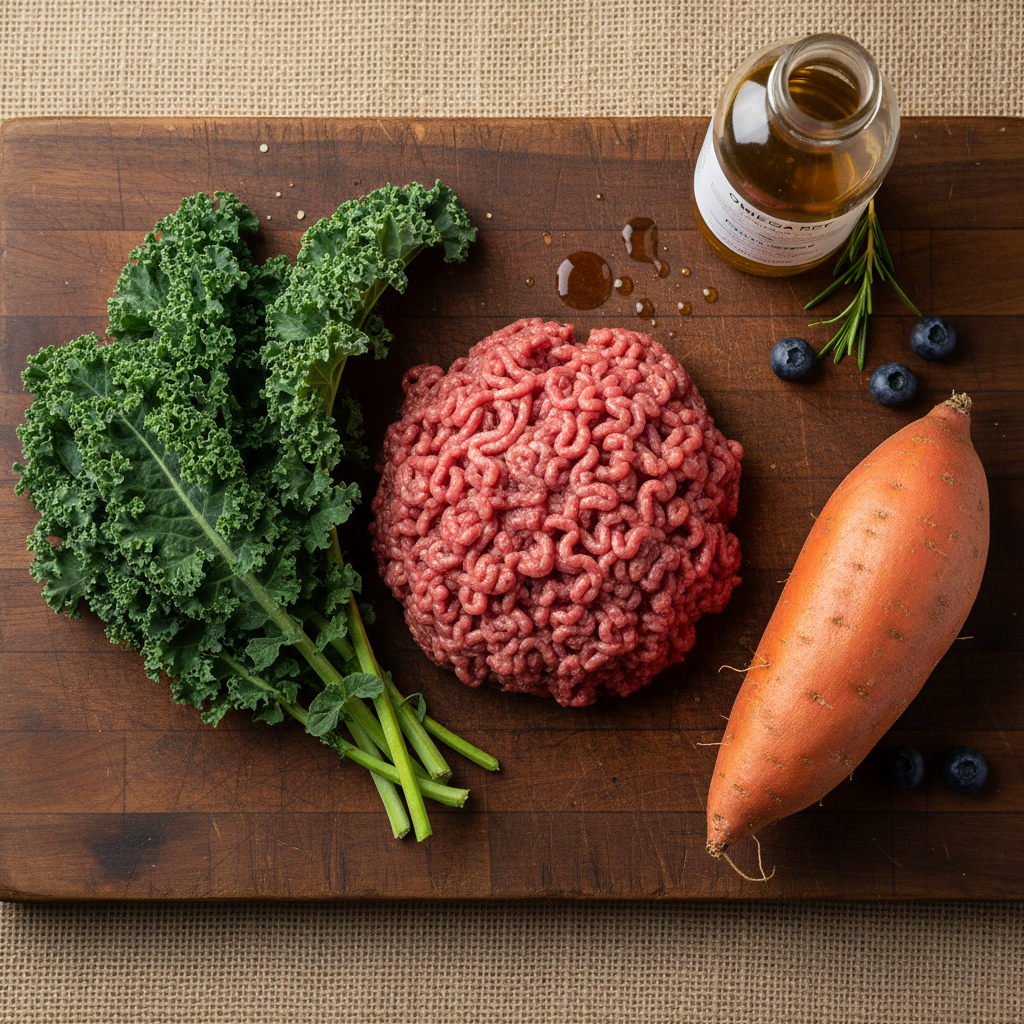
Switching your dog to a homemade diet is a wonderful act of love, but it’s important to do it right to ensure they get all the nutrients they need. Here are a few key things to consider before you dive in.
Talk to Your Vet or a Canine Nutritionist
This is the most critical step. While these recipes are designed to be healthy, every dog is an individual with unique nutritional needs. Your vet can help you determine if a homemade diet is appropriate, recommend essential supplements (like calcium and omega-3s) to ensure the meals are balanced, and help you calculate the correct portion sizes for your dog’s age, weight, and activity level.
Sourcing Quality Ingredients
The quality of your dog’s meal is only as good as the ingredients you put in it. Look for high-quality ground venison or stew meat from a reputable butcher or source. Opt for fresh, organic kale and other vegetables when possible to minimize pesticide exposure. Always choose 100% pure pumpkin purée, not sugary pie filling, and use low-sodium or homemade bone broth.
The Importance of Balance
A diet of just meat and veggies isn’t complete. Dogs require a specific ratio of protein, fat, carbohydrates, vitamins, and minerals. This is where supplements come in. A canine nutritionist might recommend adding:
- Calcium: To balance the phosphorus in the meat (e.g., ground eggshells or a specific calcium supplement).
- Omega-3 Fatty Acids: For skin, coat, and joint health (e.g., fish oil, krill oil, or flaxseed oil).
- A Canine Multivitamin: To fill any potential nutritional gaps.
Transitioning and Storing
Never switch your dog’s food abruptly. Transition them slowly over 7-10 days by gradually mixing the new homemade food with their old food, increasing the ratio of the new food each day. Most of these recipes can be stored in an airtight container in the refrigerator for 3-4 days or frozen in portions for up to 3 months. Always cool food completely before storing or serving.
Frequently Asked Questions
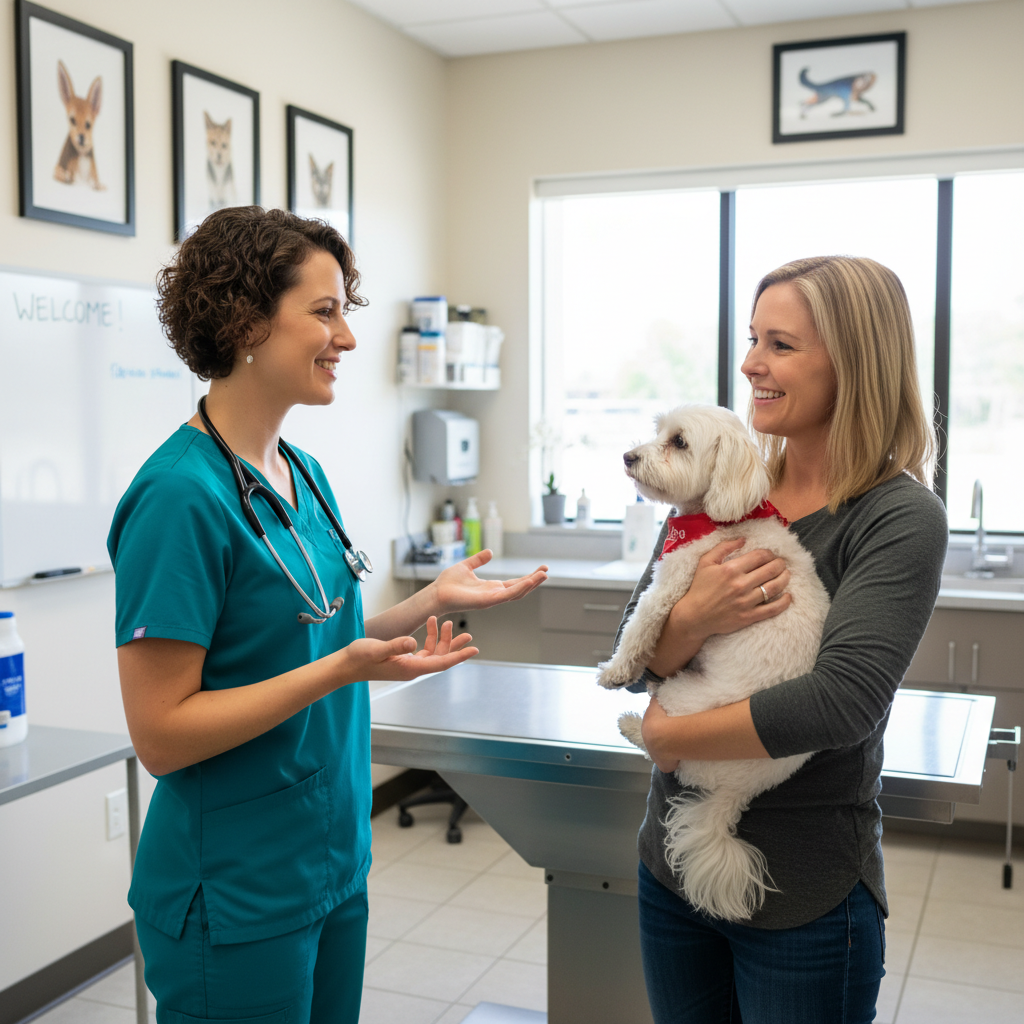
Navigating a new diet for your dog can bring up a lot of questions. Here are answers to some of the most common ones.
1. Where can I find good quality venison for my dog?
You have a few options! Many local butchers can order ground venison or stew meat. Some higher-end grocery stores carry it in their freezer section. Additionally, there are many online retailers that specialize in raw or exotic meats for pets, which can be a convenient way to buy in bulk.
2. Can I substitute another protein for venison?
If you’re specifically targeting allergies, the key is to use a ‘novel’ protein. If your dog has never had rabbit, duck, or even kangaroo, those could be potential substitutes. However, venison is one of the most common and effective choices. Avoid common allergens like chicken or beef unless you know for sure your dog isn’t sensitive to them. Always discuss protein changes with your vet.
3. How do I know how much homemade food to feed my dog?
This is a crucial question that really requires a vet’s input. A general guideline is to feed 2-3% of their ideal body weight per day, but this varies wildly based on metabolism, age, and activity level. Your vet can calculate your dog’s daily caloric needs and help you translate that into the right portion size for these specific recipes.
4. My dog is still scratching. What should I do?
First, give the new diet time. It can take up to 8-12 weeks for a dog’s system to fully adapt and for allergy symptoms to subside. Second, remember that allergies can also be environmental (pollen, dust mites) and not just food-related. If symptoms persist or worsen after a few weeks on a strict hypoallergenic diet, it’s time for another chat with your vet to explore other potential causes.
Conclusion
Embarking on a homemade food journey for your allergic dog is a rewarding experience that can lead to a happier, healthier, and itch-free life for your companion. By using simple, wholesome ingredients like venison and kale, you can provide targeted nutrition that soothes their system from the inside out. These seven recipes offer a variety of textures and styles to keep mealtimes exciting for your pup, from a quick power bowl to a savory baked loaf.
Remember, the most important ingredient in any recipe is your love and dedication, but a close second is the guidance of your veterinarian. Work with them as a team to create a balanced, nutritious plan that’s perfect for your dog’s individual needs. Happy cooking, and here’s to many more joyful, tail-wagging mealtimes ahead!