7 Low Iodine Dog Food Recipes for Thyroid Support
Seeing your beloved dog struggle with health issues is one of the toughest parts of being a pet parent. When a veterinarian diagnoses a thyroid condition like hyperthyroidism, it can feel overwhelming. You want to do everything you can to help, and surprisingly, one of the most powerful tools in your arsenal is right in your kitchen: their food bowl.
Hyperthyroidism in dogs, often caused by a thyroid tumor, leads to an overproduction of thyroid hormones. A key component in producing these hormones is iodine. By carefully managing your dog’s iodine intake, you can help manage their condition. While prescription diets are an option, they can be expensive and may not appeal to all dogs. That’s where homemade low-iodine dog food recipes come in. They give you complete control over every single ingredient, ensuring your pup gets a delicious, wholesome meal that actively supports their health.
In this guide, we’ll walk you through seven simple, balanced, and tasty low-iodine recipes. But first, here’s a quick look at what we’ll be cooking up!
Quick Comparison of Our Low-Iodine Recipes
| Recipe Name | Primary Protein | Key Features | Best For |
|---|---|---|---|
| Simple Turkey & Sweet Potato Mash | Turkey | Easy to digest, vitamin-rich | Sensitive stomachs |
| Hearty Chicken & Rice Medley | Chicken | Classic comfort food, bland diet friendly | Picky eaters |
| Beef & Barley Bake | Beef (Lean) | High in iron, fiber-packed | Active or underweight dogs |
| Pork & Pumpkin Power Bowl | Pork | Excellent for digestive health | Dogs with irregular digestion |
| Rabbit & Root Veggie Stew | Rabbit | Novel protein source | Dogs with food allergies |
| Simple Egg & Oatmeal Scramble | Eggs | Extremely low iodine, meat-free | A quick meal or sensitive systems |
| Lamb & Lentil Loaf | Lamb | Sliceable and easy to portion | Freezer-friendly batch cooking |
Important Note: Always consult with your veterinarian before making any significant changes to your dog’s diet, especially when managing a health condition like hyperthyroidism. Your vet can provide guidance on portion sizes and any necessary supplements to ensure these recipes are nutritionally complete for your specific dog.
1. Simple Turkey & Sweet Potato Mash
1. Simple Turkey & Sweet Potato Mash
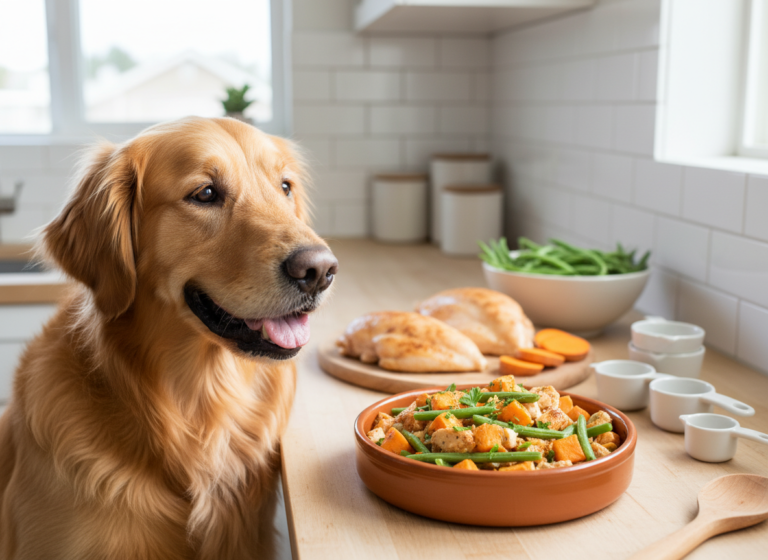
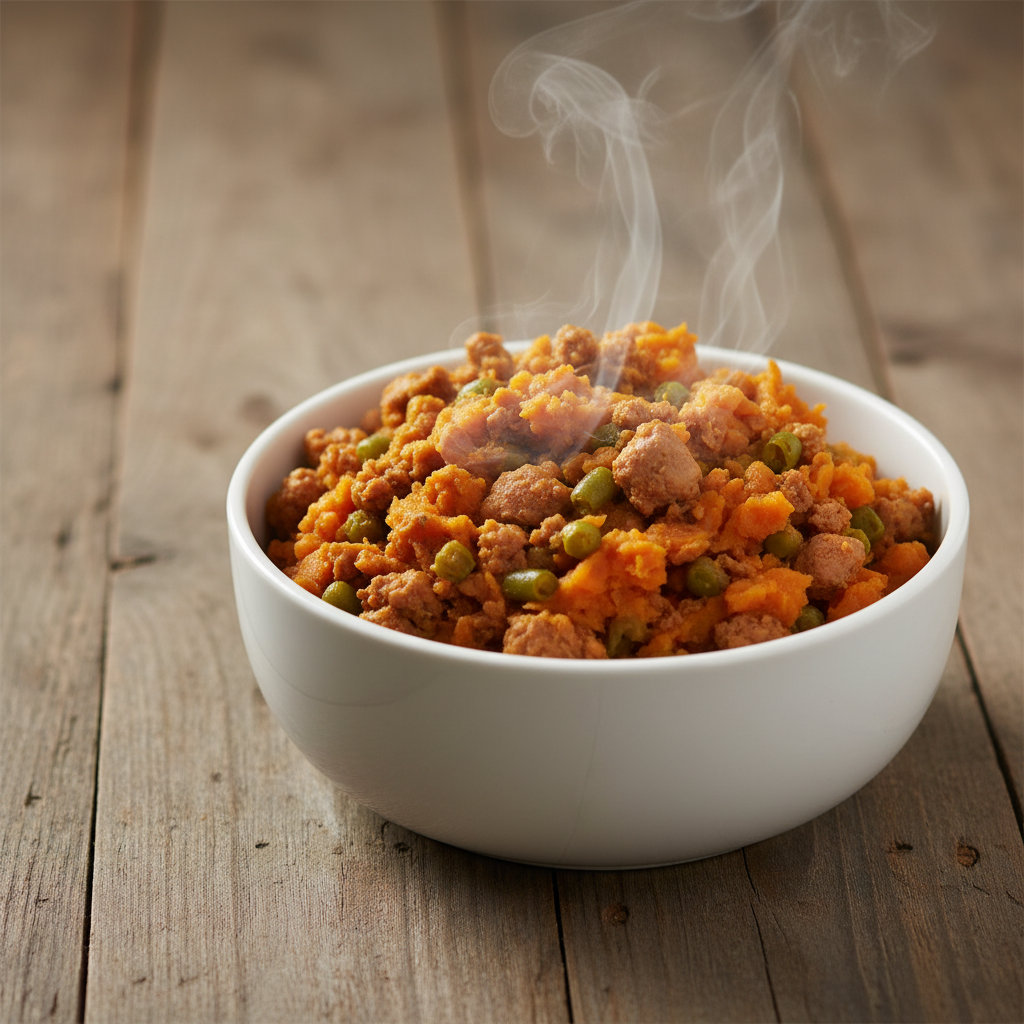
This recipe is a fantastic starting point for any pet parent venturing into homemade dog food. It’s gentle on the stomach, packed with essential nutrients, and incredibly easy to make. Turkey is a lean protein source, and sweet potatoes are a powerhouse of vitamins A and C, plus fiber for healthy digestion.
Ingredients:
- 1 lb ground turkey
- 2 medium sweet potatoes, peeled and diced
- 1 cup green beans, trimmed and chopped
- 1 tablespoon olive oil
- 4 cups of water
- A veterinarian-approved canine multivitamin supplement (crushed)
Instructions:
- In a large pot or Dutch oven, heat the olive oil over medium heat. Add the ground turkey and cook until browned, breaking it up with a spoon.
- Drain off any excess fat from the pot.
- Add the diced sweet potatoes, chopped green beans, and water to the pot. Stir everything together.
- Bring the mixture to a boil, then reduce the heat to low, cover, and let it simmer for about 20-25 minutes, or until the sweet potatoes are tender enough to be easily pierced with a fork.
- Remove the pot from the heat and let it cool slightly. You can mash the ingredients together with a potato masher for a smoother consistency or leave it chunkier, depending on your dog’s preference.
- Once cooled to room temperature, stir in the crushed multivitamin supplement.
Pros and Cons
| Pros | Cons |
|---|---|
| Highly digestible and great for sensitive stomachs. | May be too soft for dogs who prefer crunchy textures. |
| Simple, limited ingredients reduce the risk of allergic reactions. | Requires refrigeration and lasts only 3-4 days. |
| Sweet potatoes provide excellent fiber and beta-carotene. | Turkey can be more expensive than chicken. |
Verdict
This is the perfect recipe for beginners or for dogs with sensitive digestive systems. Its simple, wholesome ingredients provide a balanced and gentle meal that’s easy to prepare and delicious for your pup.
2. Hearty Chicken & Rice Medley
2. Hearty Chicken & Rice Medley
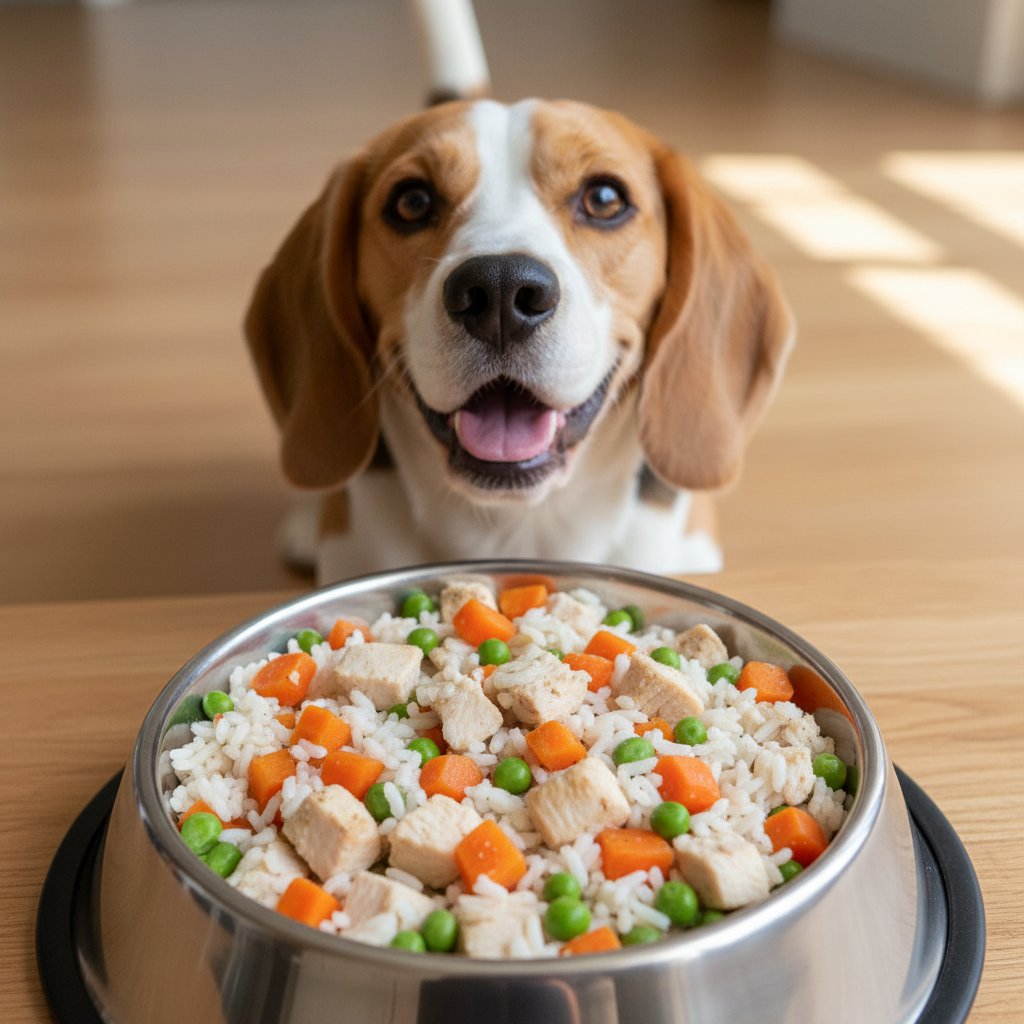
Chicken and rice is the go-to recommendation for a dog with an upset tummy, and for good reason. This low-iodine version builds on that classic foundation, creating a comforting and nutritionally sound meal. We’re using white rice as it’s easier to digest than brown rice, and adding carrots and peas for a vitamin boost.
Ingredients:
- 1 lb boneless, skinless chicken breast, cut into small cubes
- 1 cup uncooked white rice
- 4 cups water or homemade, unsalted chicken broth
- 1 cup chopped carrots
- 1/2 cup peas (fresh or frozen)
- 1 tablespoon coconut oil
- Calcium supplement (as recommended by your vet)
Instructions:
- In a large pot, bring the water or unsalted broth to a boil. Add the white rice, reduce heat to a simmer, cover, and cook for 15-20 minutes, or until the water is absorbed and the rice is fluffy.
- While the rice is cooking, heat the coconut oil in a separate skillet over medium heat. Add the cubed chicken and cook until it’s no longer pink.
- Once the rice is cooked, add the cooked chicken, chopped carrots, and peas to the pot. Stir to combine.
- Cover the pot and let it sit for about 10 minutes off the heat. The residual steam will gently cook the vegetables, keeping them slightly crisp.
- Allow the mixture to cool completely before serving. Stir in the calcium supplement just before you portion it out for your dog.
Pros and Cons
| Pros | Cons |
|---|---|
| Classic ‘bland diet’ ingredients are gentle on the GI tract. | White rice is lower in fiber and nutrients than brown rice. |
| Chicken is a lean, affordable, and readily available protein. | Chicken is a common allergen for some dogs. |
| Very appealing to picky eaters. | May not be calorie-dense enough for highly active dogs. |
Verdict
This recipe is a winner for picky eaters or dogs recovering from a bout of stomach upset. It’s a comforting, easy-to-digest meal that provides steady energy without taxing their system.
3. Beef & Barley Bake
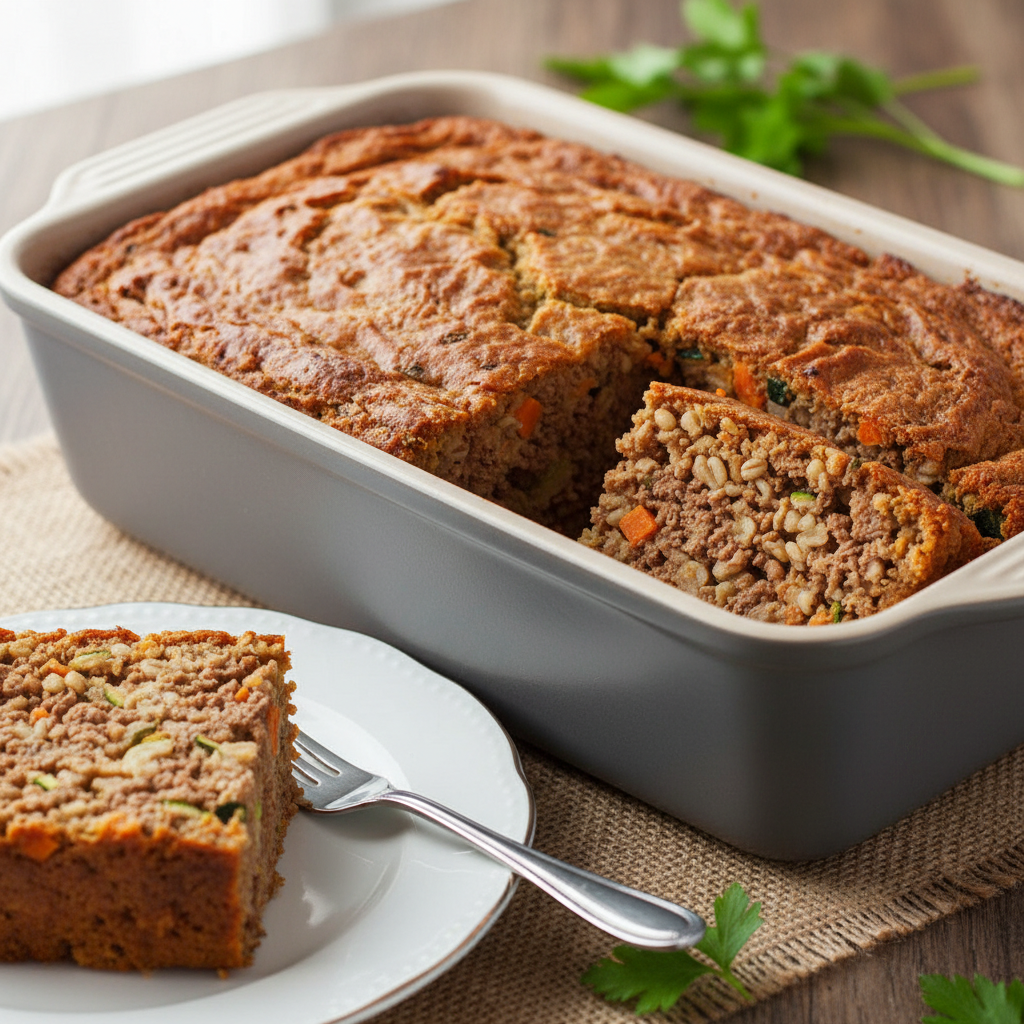
3. Beef & Barley Bake
For the more active dog or one that needs to gain a little healthy weight, this Beef & Barley Bake is a fantastic option. It’s more of a casserole or loaf, making it easy to portion and serve. Lean ground beef provides iron and protein, while barley offers a wonderful source of soluble fiber. Just be sure to use lean beef (90/10 or leaner) to keep the fat content in check.
Ingredients:
- 1 lb lean ground beef
- 1/2 cup uncooked pearl barley
- 2 eggs
- 1 cup finely grated zucchini
- 1/2 cup finely grated carrots
- 2 cups of water or unsalted beef broth
- A balanced Omega-3 supplement (fish-free source, like flaxseed oil)
Instructions:
- Preheat your oven to 375°F (190°C). Lightly grease a loaf pan or an 8×8 inch baking dish.
- In a large bowl, combine the lean ground beef, uncooked barley, eggs, grated zucchini, and grated carrots. Mix thoroughly with your hands or a large spoon until everything is evenly distributed.
- Press the mixture firmly and evenly into your prepared baking dish.
- Pour the water or unsalted beef broth over the top of the mixture.
- Bake for 45-55 minutes, or until the center is cooked through and the top is nicely browned.
- Let the bake cool completely in the pan before slicing it into portion-appropriate squares.
- Drizzle the flaxseed oil over the individual serving just before feeding.
Pros and Cons
| Pros | Cons |
|---|---|
| Calorie and nutrient-dense for active dogs. | Longer cooking time compared to stovetop recipes. |
| Easy to slice, portion, and freeze for later. | Barley can be heavy for some dogs; introduce it slowly. |
| ‘Hidden’ veggies are great for dogs who avoid them. | Must use very lean beef to avoid excessive fat. |
Verdict
This hearty bake is ideal for active dogs who need more calories or for pet parents who love batch cooking. Its loaf-like consistency makes it perfect for portioning and freezing, saving you time during the week.
4. Pork & Pumpkin Power Bowl
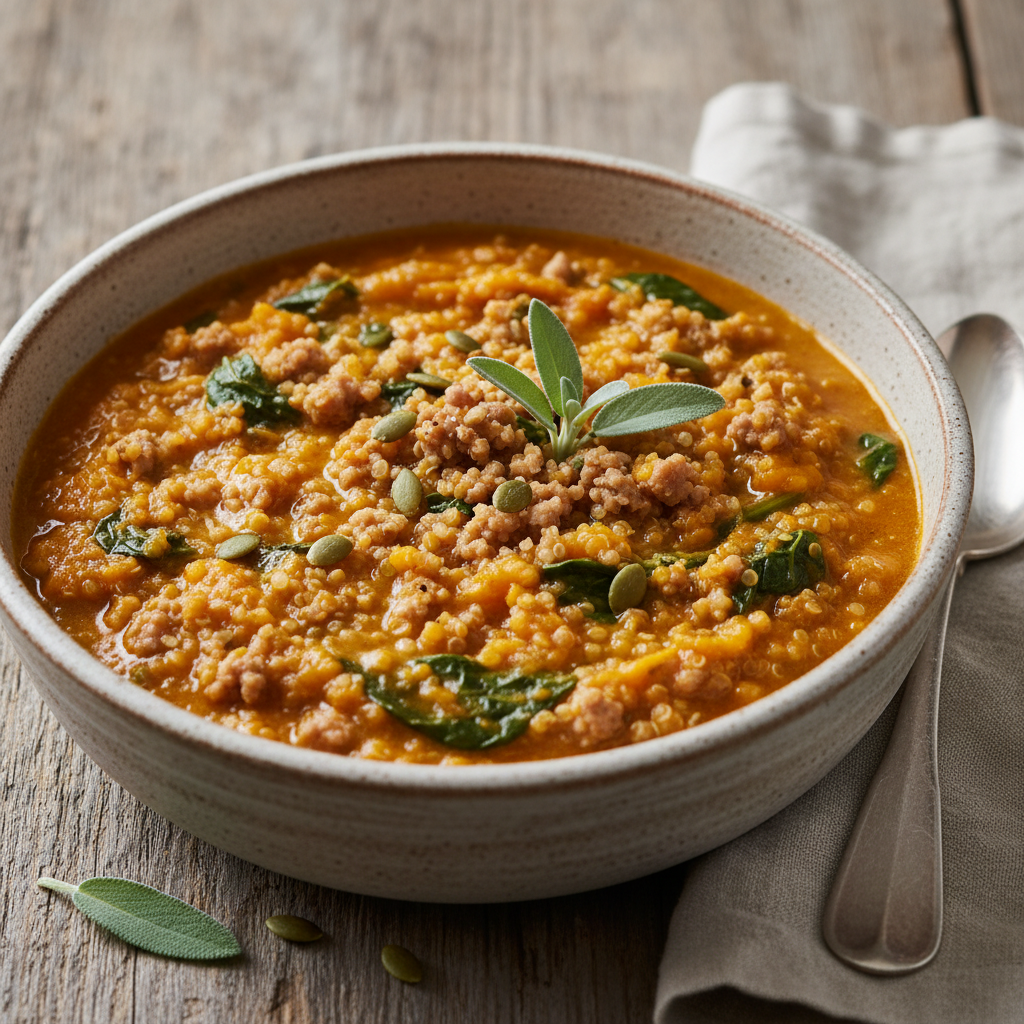
4. Pork & Pumpkin Power Bowl
Pumpkin is a superfood for dogs, renowned for its ability to regulate digestion. Whether your pup is dealing with constipation or diarrhea, the soluble fiber in pumpkin can work wonders. Paired with ground pork, a less common but highly palatable protein, this recipe is both a treat and a treatment for the tummy.
Ingredients:
- 1 lb ground pork
- 1 (15-ounce) can of 100% pure pumpkin puree (not pie filling!)
- 1 cup cooked quinoa
- 1/2 cup chopped spinach
- 1 tablespoon olive oil
- A vet-approved canine multivitamin
Instructions:
- Cook the quinoa according to package directions and set it aside.
- In a large skillet, heat the olive oil over medium heat. Add the ground pork and cook until browned, breaking it apart. Drain the excess fat.
- Reduce the heat to low and stir in the pumpkin puree and chopped spinach. Cook for another 3-5 minutes, allowing the spinach to wilt and the flavors to meld.
- Remove the skillet from the heat. Add the cooked quinoa to the pork and pumpkin mixture and stir until well combined.
- Let the food cool to room temperature before mixing in the canine multivitamin and serving.
Pros and Cons
| Pros | Cons |
|---|---|
| Pumpkin is fantastic for promoting digestive regularity. | The texture can be very soft/mushy, which some dogs dislike. |
| Pork offers a different flavor profile for variety. | Pork must be cooked thoroughly; it can be higher in fat. |
| Quinoa is a complete protein and a good source of fiber. | Ensure pumpkin puree is 100% pure, not sweetened pie filling. |
Verdict
This is the ultimate recipe for any dog experiencing digestive woes. The Pork & Pumpkin Power Bowl is a gentle, soothing, and fiber-rich meal that helps get their system back on track while still being incredibly tasty.
5. Rabbit & Root Veggie Stew
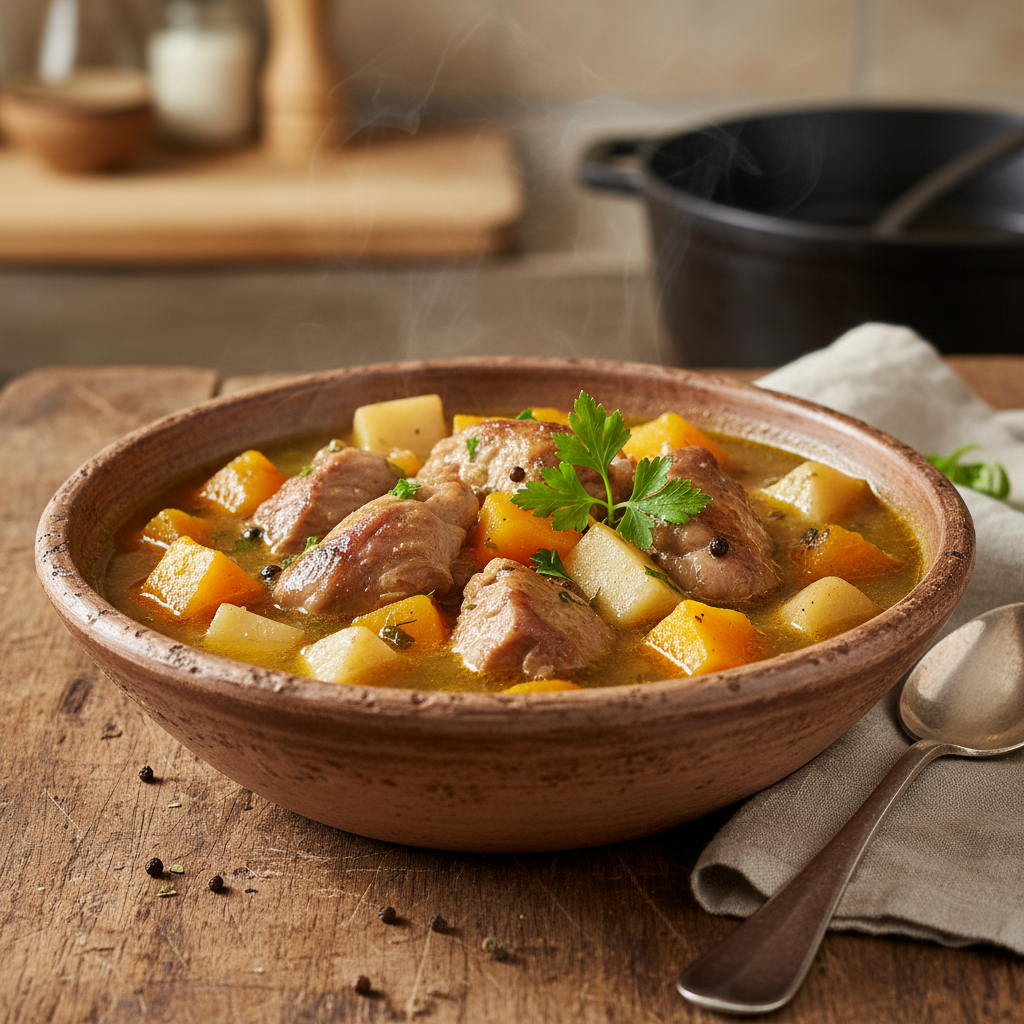
5. Rabbit & Root Veggie Stew
If your dog has a sensitive system or is prone to allergies from common proteins like chicken or beef, a novel protein like rabbit can be a game-changer. This recipe pairs rabbit with earthy root vegetables for a unique, hypoallergenic, and low-iodine meal that feels like a gourmet treat.
Ingredients:
- 1 lb ground rabbit (or whole rabbit, deboned and chopped)
- 1 large parsnip, peeled and diced
- 2 medium carrots, peeled and diced
- 1 cup diced butternut squash
- 1 tablespoon coconut oil
- 3 cups of water or unsalted vegetable broth
- Calcium supplement as directed by your vet
Instructions:
- In a large stockpot, heat the coconut oil over medium-high heat. Add the ground rabbit and cook until lightly browned.
- Add the diced parsnip, carrots, and butternut squash to the pot. Sauté for 5 minutes, allowing the vegetables to soften slightly.
- Pour in the water or unsalted vegetable broth, ensuring the ingredients are covered.
- Bring to a boil, then reduce the heat to a simmer. Cover and cook for 30-35 minutes, or until the rabbit is cooked through and the root vegetables are very tender.
- Remove from heat and let it cool. You can serve it as a chunky stew or use an immersion blender to create a smoother puree.
- Stir in the calcium supplement just before serving.
Pros and Cons
| Pros | Cons |
|---|---|
| Rabbit is a novel protein, ideal for dogs with allergies. | Rabbit can be difficult to find and more expensive. |
| Root vegetables are packed with vitamins and antioxidants. | The unique flavor might not appeal to all dogs initially. |
| A great way to rotate proteins and diversify your dog’s diet. | Takes longer to cook to ensure root vegetables are soft. |
Verdict
For the dog with food sensitivities or allergies, this Rabbit & Root Veggie Stew is a lifesaver. It provides complete nutrition using ingredients that are unlikely to trigger a reaction, all while keeping the iodine content low.
6. Simple Egg & Oatmeal Scramble
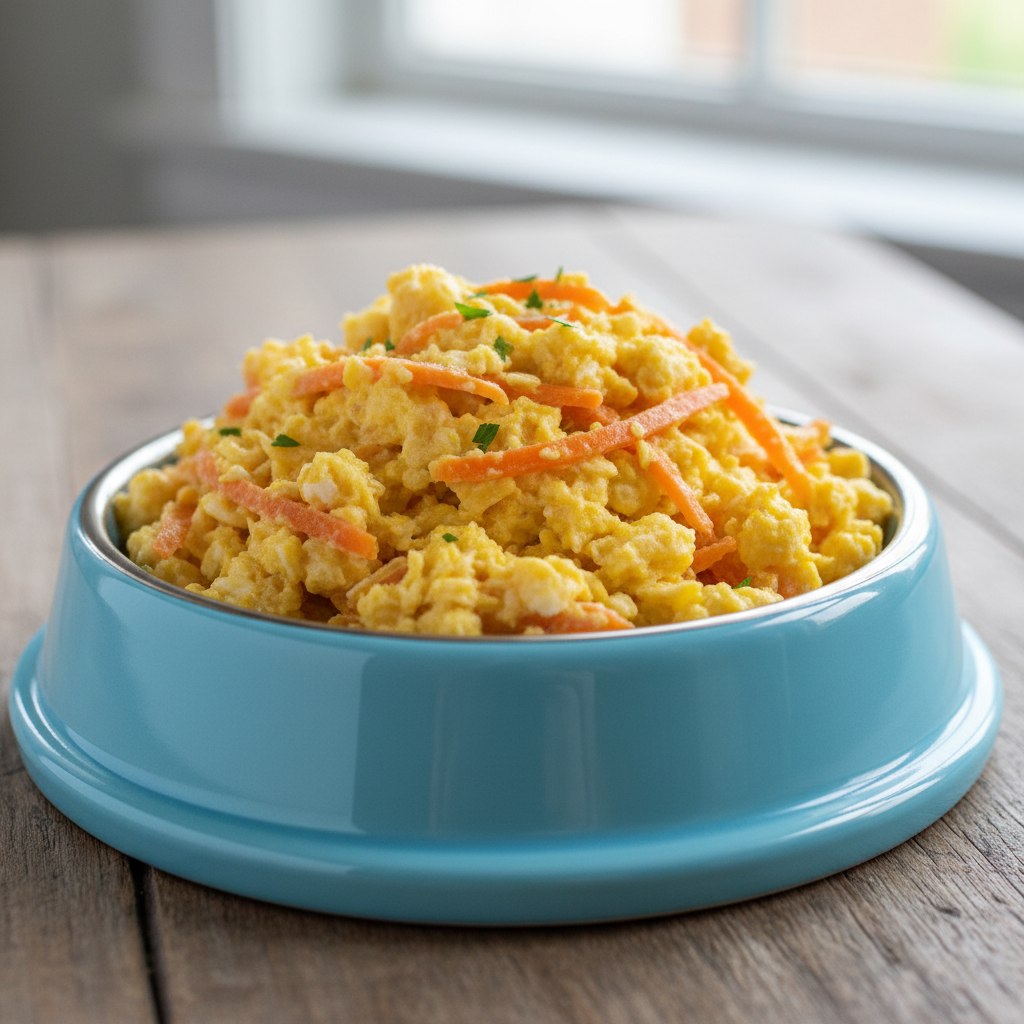
6. Simple Egg & Oatmeal Scramble
Who says dogs can’t have breakfast for dinner? Eggs are a fantastic source of protein and are naturally very low in iodine. This recipe is incredibly fast to whip up, making it perfect for a busy night or when you’ve run out of your pre-cooked batch of food. Rolled oats add soluble fiber to keep your dog feeling full and satisfied.
Ingredients:
- 3 large eggs
- 1/2 cup uncooked rolled oats (not instant)
- 1 cup of water
- 1/2 cup finely shredded carrots
- 1 teaspoon olive oil
- A pinch of turmeric (for anti-inflammatory properties)
- Vet-approved multivitamin/mineral supplement
Instructions:
- In a small saucepan, bring the water to a boil. Add the rolled oats, reduce heat, and simmer for about 5 minutes until cooked.
- While the oats are cooking, whisk the eggs in a bowl.
- Heat the olive oil in a non-stick skillet over medium-low heat. Add the shredded carrots and cook for 2-3 minutes until they begin to soften.
- Pour the whisked eggs over the carrots and scramble them gently with a spatula until cooked through but still soft.
- In your dog’s bowl, combine the cooked oatmeal and the egg-carrot scramble. Sprinkle with a tiny pinch of turmeric.
- Let it cool to a safe temperature before stirring in the supplement and serving.
Pros and Cons
| Pros | Cons |
|---|---|
| Extremely low in iodine and very easy to digest. | Not as calorie-dense; may not be suitable as a sole diet for large or active dogs without vet guidance. |
| Very quick to prepare, perfect for last-minute meals. | Some dogs can have an intolerance to eggs. |
| Eggs are a ‘perfect protein,’ containing all essential amino acids. | Best served fresh; doesn’t store as well as other recipes. |
Verdict
This is the ultimate quick-fix meal. It’s perfect as a rotational meal, a topper for other foods, or for a dog needing an exceptionally gentle and low-iodine option. It’s a simple, warm, and comforting dish any pup would love.
7. Lamb & Lentil Loaf
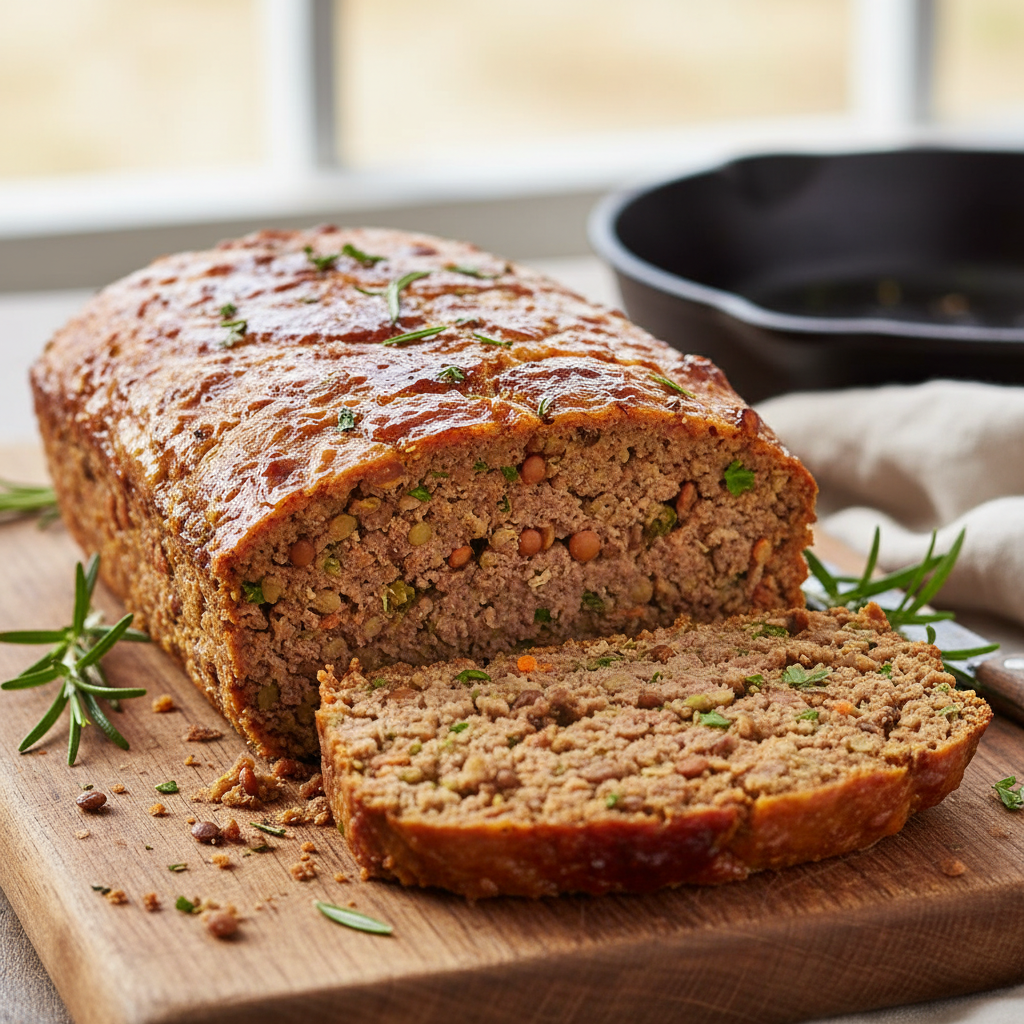
7. Lamb & Lentil Loaf
Similar to our beef bake, this loaf uses lamb, another excellent protein source that can be a good alternative for dogs with poultry sensitivities. Red lentils are a fantastic addition, providing plant-based protein, fiber, and essential minerals like iron and magnesium. This loaf freezes beautifully, making it another great option for meal preppers.
Ingredients:
- 1 lb ground lamb
- 1/2 cup uncooked red lentils, rinsed
- 1 egg, beaten
- 1 cup chopped fresh parsley
- 1/2 cup unsweetened applesauce
- 1 cup of water
- A balanced canine supplement recommended by your vet
Instructions:
- Preheat your oven to 350°F (175°C). Grease a standard loaf pan.
- In a large mixing bowl, combine the ground lamb, rinsed red lentils, beaten egg, chopped parsley, and unsweetened applesauce. Use your hands to mix until all ingredients are thoroughly incorporated.
- Press the mixture into the prepared loaf pan, creating an even surface.
- Pour the 1 cup of water gently over the top of the loaf. This will help steam the lentils as the loaf bakes.
- Bake for 50-60 minutes. The loaf should be firm and cooked through, with an internal temperature of at least 160°F (71°C).
- Remove from the oven and let it cool completely before slicing and serving.
- Mix in the appropriate amount of canine supplement with each serving.
Pros and Cons
| Pros | Cons |
|---|---|
| Lamb is a nutrient-rich protein that many dogs find delicious. | Lamb can be higher in fat, so be sure to drain any excess grease if pre-browning. |
| Lentils add excellent fiber and plant-based nutrients. | Lentils can cause gas in some dogs; introduce slowly. |
| Perfect for making in large batches and freezing. | Requires a longer baking time. |
Verdict
This Lamb & Lentil Loaf is a robust, flavorful, and nutrient-packed meal perfect for the meal-prepping pet parent. It offers a different protein source to keep mealtime exciting and is packed with fiber to support a healthy gut.
A Pet Parent’s Guide to Low-Iodine Cooking
A Pet Parent’s Guide to Low-Iodine Cooking
Switching to homemade dog food can feel like a big step, but it’s manageable once you understand the basic principles. For a low-iodine diet, the goal is to control, not completely eliminate, iodine. Here’s what you need to know.
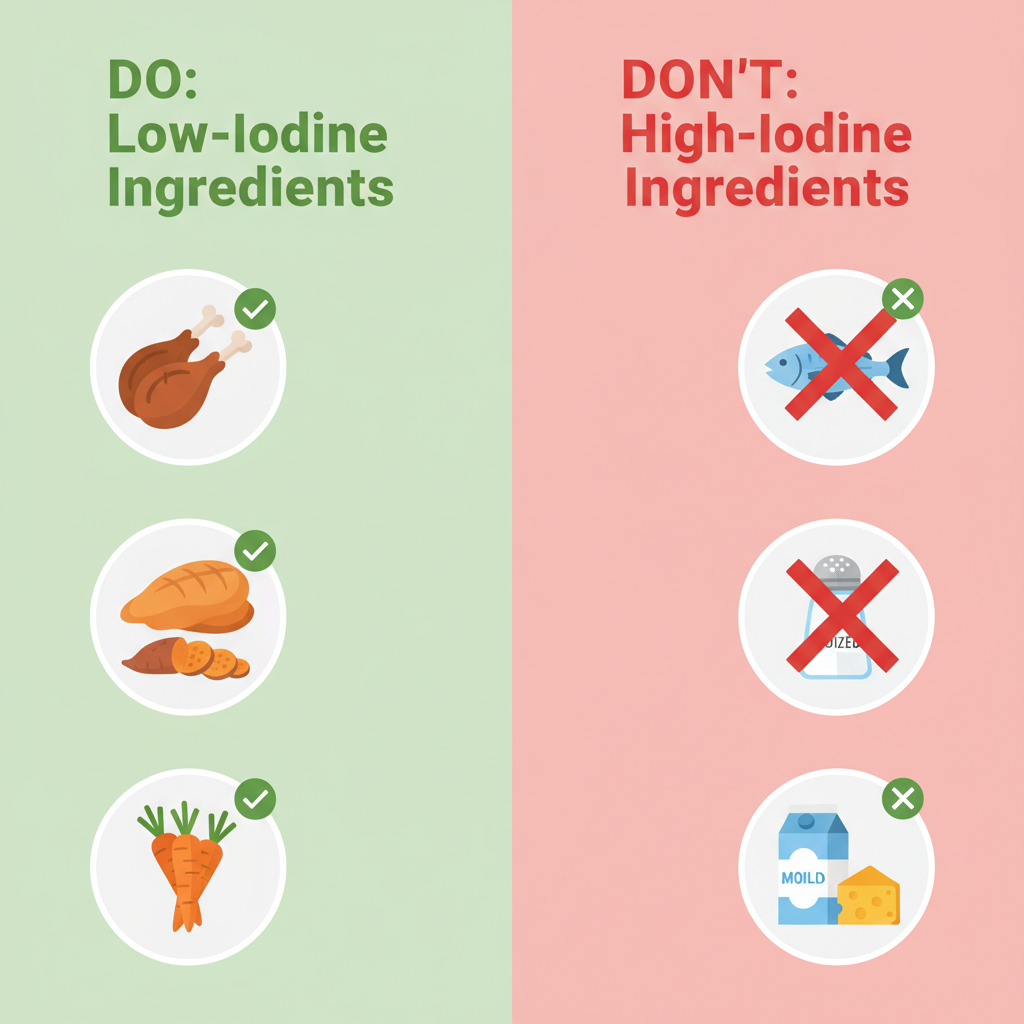
Foods to Use Freely
These form the base of your recipes.
- Proteins: Chicken, turkey, beef, pork, lamb, rabbit, and eggs are all excellent choices.
- Vegetables: Sweet potatoes, carrots, green beans, peas, pumpkin, zucchini, bell peppers, and leafy greens like spinach are all great.
- Grains & Carbs: White rice, oatmeal, barley, quinoa, and potatoes are safe options.
- Fats: Olive oil, coconut oil, and flaxseed oil (for omega-3s) are good choices in moderation.
Foods to Strictly Avoid
These ingredients are high in iodine and can undermine the entire purpose of the diet.
- Seafood & Sea Products: This is the most critical category. Avoid all fish, shellfish, kelp, seaweed, and fish oil.
- Dairy: Milk, cheese, and yogurt contain significant levels of iodine.
- Iodized Salt: Never use iodized table salt in your dog’s food. If a recipe needs salt for a medical reason (consult your vet), use only non-iodized salt.
- Commercial Breads & Treats: Many commercial baked goods contain iodized salt or dairy. Stick to homemade treats where you control the ingredients.
- Certain Food Colorings: Red dye #3 (erythrosine) contains iodine and should be avoided.
Tips for Success
- Balance is Key: A diet of just meat and rice isn’t sustainable. Work with your vet to ensure you’re meeting all your dog’s nutritional needs, which usually involves adding a specific canine multivitamin and a calcium source.
- Batch Cook and Freeze: Save yourself time by cooking large batches of food on the weekend. Portion it into daily servings in freezer-safe containers or bags. A frozen serving can be thawed in the refrigerator overnight.
- Introduce New Foods Slowly: When you start a new recipe, mix a small amount with their old food (or previous recipe) and gradually increase the proportion over a week. This helps prevent digestive upset.
- Consistency Matters: For the diet to be effective in managing hyperthyroidism, you must be consistent. This means no table scraps, no high-iodine commercial treats, and ensuring everyone in the household is on board with the plan.
Frequently Asked Questions

Frequently Asked Questions
1. Why can’t I just buy a commercial low-iodine dog food?
You certainly can! There are excellent prescription low-iodine diets available, such as Hill’s Prescription Diet y/d Thyroid Care. However, there are a few reasons pet parents opt for homemade. First, prescription diets can be very expensive. Second, some dogs are picky eaters and simply refuse to eat the prescription kibble or canned food. Lastly, making food at home gives you ultimate control over the quality of the ingredients and allows you to cater to any other allergies or sensitivities your dog might have.
2. How do I know the correct portion size for my dog?
This is a critical question to discuss with your veterinarian. The correct portion size depends on your dog’s age, weight, breed, activity level, and overall health. As a very general guideline, many adult dogs eat about 2-3% of their ideal body weight in fresh food daily. However, your vet can calculate your dog’s specific daily caloric needs and help you translate that into the right amount of homemade food.
3. Do I really need to add supplements? Aren’t the fresh ingredients enough?
Yes, supplements are almost always necessary to make a homemade diet nutritionally complete and balanced for the long term. Cooking can degrade certain vitamins, and it’s very difficult to achieve the proper calcium-to-phosphorus ratio without adding a calcium source. Failing to balance the diet properly can lead to serious nutritional deficiencies over time. Your vet can recommend a high-quality canine multivitamin and mineral supplement that is free of iodine and other restricted ingredients.
4. How should I store the homemade food?
Homemade dog food should be treated like any other fresh, cooked food. It can be stored in an airtight container in the refrigerator for up to 4 days. For longer storage, it’s best to freeze it. Portion the food into individual meal-sized servings in freezer bags or containers. It will keep well in the freezer for up to 3 months. To serve, simply thaw a portion in the refrigerator overnight. Avoid microwaving, as it can create hot spots that could burn your dog’s mouth.
Conclusion
Taking charge of your dog’s diet is a profound act of love, especially when they’re facing a health challenge like hyperthyroidism. These seven low-iodine recipes show that providing a supportive, healthy diet doesn’t have to be complicated. With a little planning and a conversation with your vet, you can create delicious, wholesome meals that will not only help manage your dog’s condition but also bring a new level of joy to their dinner bowl.
Remember, the journey to managing your dog’s health is a partnership between you and your veterinary team. Use these recipes as a starting point, tailor them to your dog’s tastes, and enjoy the peace of mind that comes from knowing exactly what’s fueling your best friend. Happy cooking!