7 Meatball and Slurry Homemade Dog Food for Megaesophagus
When you have a dog with megaesophagus, every meal is an act of love and careful planning. You’re not just a pet parent; you’re a nutritionist, a caregiver, and your dog’s biggest advocate. The condition, which affects the esophagus’s ability to move food to the stomach, means that the consistency and form of their food are absolutely critical. That’s where specially prepared meatballs and slurries come in—they are true game-changers.
These food forms use gravity to help deliver nutrients safely to your dog’s stomach, minimizing the risk of regurgitation and aspiration pneumonia. But where do you start? Crafting the perfect, nutritionally complete meal can feel overwhelming. That’s why we’ve put together these seven homemade recipes, focusing on simplicity, nutritional value, and the right consistency for your megaesophagus warrior.
IMPORTANT DISCLAIMER: Before making any changes to your dog’s diet, it is absolutely essential to consult with your veterinarian or a board-certified veterinary nutritionist. They can help you tailor these recipes to your dog’s specific needs, ensuring they receive a balanced diet. These recipes are starting points, not substitutes for professional veterinary advice.
Quick Recipe Comparison
| Recipe Name | Primary Protein | Consistency | Best For |
|---|---|---|---|
| Turkey & Pumpkin Meatballs | Turkey | Soft, Formed Meatballs | Sensitive Stomachs |
| Beef & Sweet Potato Slurry | Beef | Thick, Smooth Slurry | Weight Gain & Energy |
| Chicken & Oatmeal Slurry | Chicken | Creamy, Porridge-like | Easy Digestion |
| Fish & Green Bean Meatballs | White Fish (Cod) | Delicate, Soft Meatballs | Skin & Coat Health |
| Lamb & Lentil Power Slurry | Lamb | Hearty, Thick Slurry | Novel Protein Needs |
| Pork & Apple Meatballs | Pork | Moist, Slightly Sweet Meatballs | Picky Eaters |
| Nutrient-Dense Liver Slurry | Chicken Liver & Beef | Rich, Smooth Slurry | Maximum Nutrition |
1. Simple Turkey & Pumpkin Meatballs

1. Simple Turkey & Pumpkin Meatballs
This recipe is a fantastic starting point. It’s gentle on the digestive system, easy to prepare, and the ingredients are readily available. Ground turkey is a lean protein, while pumpkin is a superfood for dogs, known for aiding in digestion and adding necessary fiber.
Ingredients & Preparation
- 1 lb ground turkey (93/7 lean)
- 1 cup plain, cooked pumpkin purée (not pie filling)
- 1/2 cup cooked oatmeal (acts as a binder)
- 1 egg
- A veterinary-approved canine multivitamin/mineral supplement (follow dosage instructions)
Instructions:
- Preheat your oven to 375°F (190°C). Line a baking sheet with parchment paper.
- In a large bowl, combine the ground turkey, pumpkin purée, cooked oatmeal, and egg. Mix gently with your hands until just combined. Overmixing can make the meatballs tough.
- Mix in the vet-approved supplement powder.
- Roll the mixture into small, bite-sized meatballs. The ideal size depends on your dog, but they should be small enough to be swallowed easily without much chewing. Think grape-sized for a medium dog.
- Place the meatballs on the prepared baking sheet and bake for 15-20 minutes, or until cooked through.
- Let them cool completely before serving. The texture should be soft and moist, not hard or crumbly.
Pros and Cons
| Pros | Cons |
|---|---|
| Excellent for sensitive stomachs. | Lower in fat, may not be ideal for dogs needing to gain weight. |
| Easy-to-find ingredients. | Some dogs may have poultry sensitivities. |
| Pumpkin provides great fiber for digestive regularity. |
Verdict
This is the perfect recipe for owners just beginning their homemade food journey. Its simple, gentle formula is well-tolerated by most dogs, especially those with sensitive digestive tracts. It’s a reliable, safe, and comforting meal to get you started.
2. High-Calorie Beef & Sweet Potato Slurry
2. High-Calorie Beef & Sweet Potato Slurry
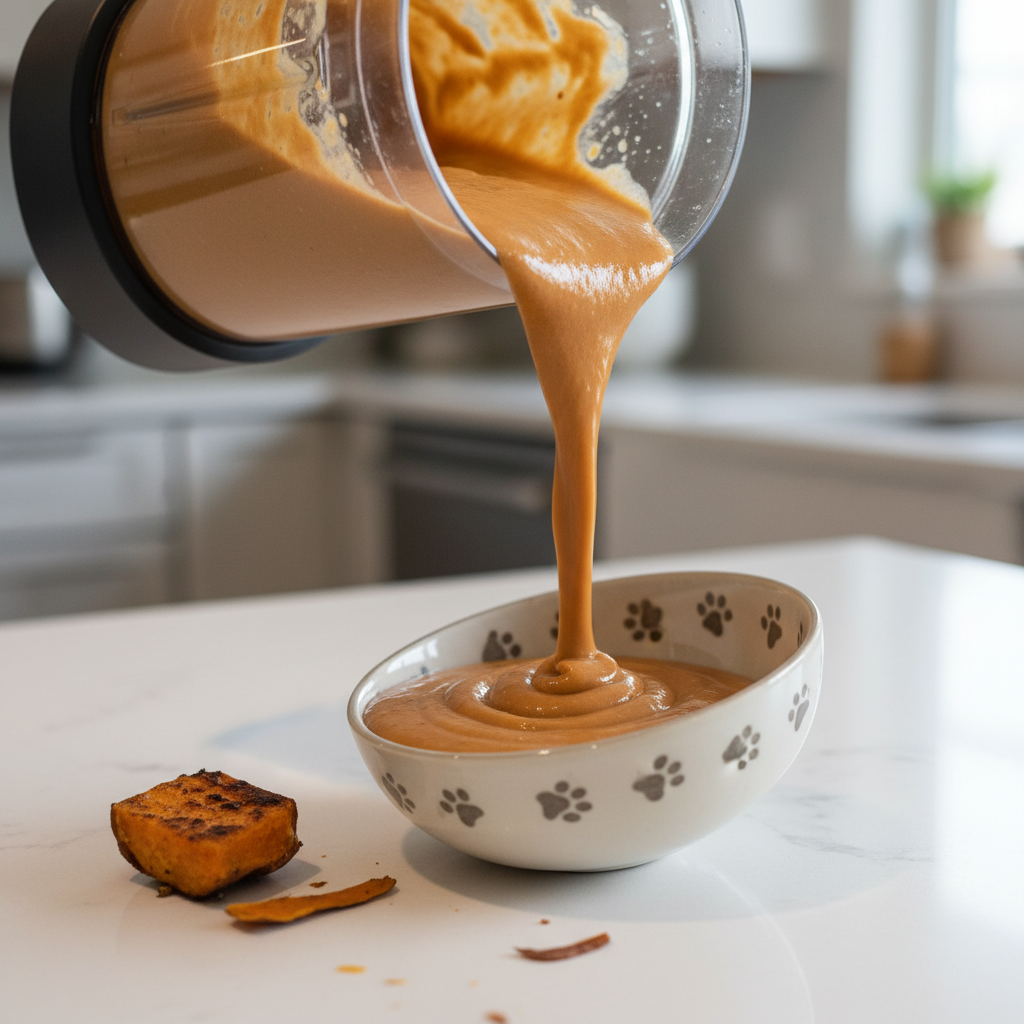
Many dogs with megaesophagus struggle to maintain a healthy weight. This high-calorie slurry is designed to be nutrient-dense, providing more bang for every bite. Ground beef provides essential fats and protein, while sweet potato offers complex carbs and vitamins.
Ingredients & Preparation
- 1 lb ground beef (80/20 or 85/15)
- 1 cup cooked and mashed sweet potato
- 1/4 cup bone broth (unsalted) or water, plus more for thinning
- 1 tablespoon coconut oil (for healthy fats)
- A veterinary-approved canine multivitamin/mineral supplement
Instructions:
- Cook the ground beef in a skillet over medium heat until browned. Drain off most of the excess fat.
- Allow the beef to cool slightly.
- In a high-powered blender, combine the cooked beef, mashed sweet potato, coconut oil, and the supplement.
- Add 1/4 cup of bone broth or water and begin to blend.
- Continue adding liquid slowly until you reach a thick, smooth, pudding-like consistency. You want it thick enough to hold its shape on a spoon but thin enough to slide down the esophagus easily.
- Serve at room temperature.
Pros and Cons
| Pros | Cons |
|---|---|
| Calorie-dense for weight maintenance or gain. | Higher fat content may not be suitable for all dogs (e.g., those with pancreatitis). |
| Highly palatable for most dogs. | Requires a good blender to achieve the right consistency. |
| Sweet potato is rich in vitamins A and C. |
Verdict
This recipe is a lifesaver for underweight dogs or those who need extra energy. The rich flavor of beef is often a hit with picky eaters, and the smooth, dense texture is perfect for a slurry-fed diet. Always check with your vet about the appropriate fat content for your specific dog.
3. Chicken & Oatmeal Congee-Style Slurry
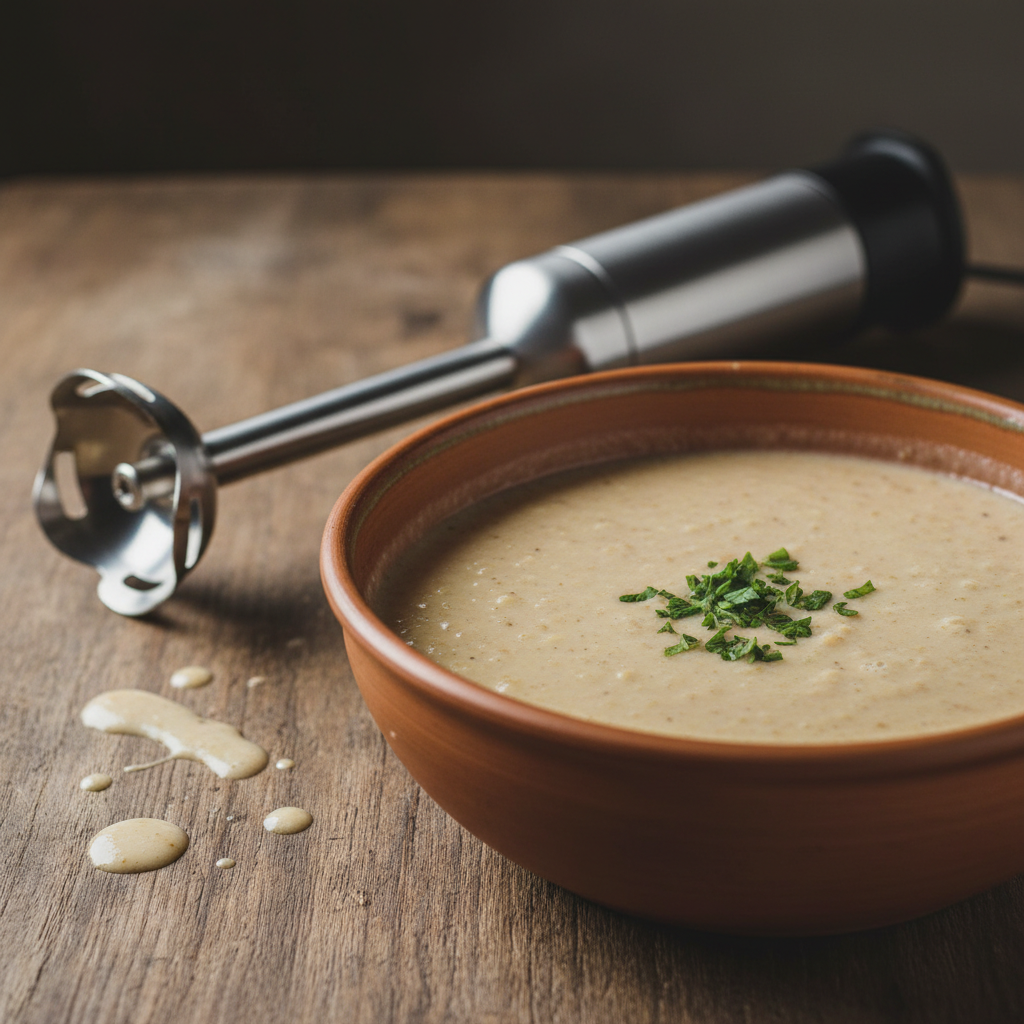
3. Chicken & Oatmeal Congee-Style Slurry
Inspired by the comforting Asian rice porridge, congee, this recipe is incredibly easy to digest. We swap rice for oatmeal, which is excellent for soothing the gut. The chicken is boiled directly in the mixture, making it incredibly tender and easy to blend.
Ingredients & Preparation
- 1 lb boneless, skinless chicken breast or thighs
- 1 cup rolled oats (not instant)
- 6 cups water or unsalted chicken broth
- 1/2 cup puréed carrots or peas
- A veterinary-approved canine multivitamin/mineral supplement
Instructions:
- In a large pot, add the chicken, oats, and water/broth. Bring to a boil, then reduce heat to a low simmer.
- Cover and cook for 45-60 minutes, stirring occasionally, until the chicken is falling-apart tender and the oats have become a thick porridge.
- Remove from heat and let it cool for about 15 minutes.
- Take the chicken out, shred it finely with two forks, and then return it to the pot.
- Stir in the puréed vegetables and the vitamin supplement.
- Use an immersion blender directly in the pot to blend everything into a smooth, consistent slurry. You can also transfer it in batches to a regular blender.
- The final consistency should be like a thick, creamy soup.
Pros and Cons
| Pros | Cons |
|---|---|
| Extremely gentle and easy to digest. | Takes longer to cook than other recipes. |
| Very hydrating due to the high water content. | Lower in calories per serving compared to the beef slurry. |
| One-pot meal makes for easy cleanup. |
Verdict
This is the ultimate comfort food for a dog with a sensitive system or one recovering from an illness. Its porridge-like texture is ideal for dogs who need a very smooth, easy-to-swallow meal. It’s a fantastic option for ensuring hydration as well.
4. Fish & Green Bean Meatballs

4. Fish & Green Bean Meatballs
For dogs with poultry or beef allergies, fish is an excellent alternative. This recipe uses a mild white fish, which is a great source of omega-3 fatty acids for healthy skin, coat, and joints. Green beans add fiber and vitamins in a low-calorie package.
Ingredients & Preparation
- 1 lb cod, tilapia, or other mild white fish, cooked and flaked
- 1 cup cooked green beans, finely chopped or puréed
- 1/2 cup cooked quinoa (a complete protein and binder)
- 1 egg
- A veterinary-approved canine multivitamin/mineral supplement (ensure it has taurine)
Instructions:
- Preheat your oven to 350°F (175°C) and line a baking sheet with parchment paper.
- In a bowl, combine the flaked cooked fish, puréed green beans, cooked quinoa, and egg.
- Mix gently until all ingredients are incorporated. The mixture will be quite soft.
- Add the required supplement and mix again.
- Using a small cookie scoop or your hands, form small, delicate meatballs. This mixture is softer than meat-based ones, so be gentle.
- Bake for 12-15 minutes, just until the meatballs are set and firm to the touch. Don’t overcook, or they will become dry.
- Cool completely before serving. They should be very soft and easy to mash.
Pros and Cons
| Pros | Cons |
|---|---|
| Great source of omega-3 fatty acids. | Can have a strong fishy smell during cooking. |
| Excellent for dogs with common protein allergies. | The texture is more delicate and may fall apart if not handled carefully. |
| Low in fat and easy to digest. |
Verdict
This is the go-to recipe for dogs who need to avoid chicken or beef. The benefits of fish oil are significant, helping with everything from itchy skin to joint inflammation. These soft, delicate meatballs are a healthy and tasty alternative protein source.
5. Lamb & Lentil Power Slurry

5. Lamb & Lentil Power Slurry
Lamb is a nutrient-rich red meat that serves as a novel protein for many dogs, making it a great choice if you’re dealing with allergies. Lentils are packed with protein, fiber, and iron, and they help create an incredibly thick and hearty slurry.
Ingredients & Preparation
- 1 lb ground lamb
- 1/2 cup red lentils, rinsed
- 3 cups water or unsalted beef broth
- 1/2 cup puréed spinach
- A veterinary-approved canine multivitamin/mineral supplement
Instructions:
- In a skillet, brown the ground lamb. Drain the excess fat.
- In a separate pot, combine the rinsed lentils and water/broth. Bring to a boil, then simmer for 20-25 minutes until the lentils are very soft and mushy.
- Combine the cooked lamb, cooked lentils (with their liquid), and puréed spinach in a blender.
- Add the supplement.
- Blend until completely smooth. This slurry will be very thick due to the lentils; add a little extra water if needed to reach your desired consistency.
- Serve warm or at room temperature.
Pros and Cons
| Pros | Cons |
|---|---|
| Lamb is a great novel protein for allergy-prone dogs. | Lamb can be more expensive than other ground meats. |
| Lentils provide excellent fiber and plant-based protein. | Lentils can cause gas in some sensitive dogs; introduce slowly. |
| Very hearty and filling. |
Verdict
For active dogs or those who have run out of other protein options due to allergies, this Lamb & Lentil Power Slurry is a fantastic choice. It’s robust, packed with iron and protein, and offers a different flavor profile to keep mealtime interesting.
6. Pork & Apple Meatballs

6. Pork & Apple Meatballs
Don’t overlook pork! It’s a highly palatable protein that’s rich in essential amino acids. Combining it with unsweetened applesauce not only adds a touch of natural sweetness that dogs love but also provides moisture, keeping the meatballs soft and easy to swallow.
Ingredients & Preparation
- 1 lb ground pork
- 1/2 cup unsweetened applesauce
- 1/2 cup breadcrumbs (or ground oats for a gluten-free option)
- 1 egg
- A veterinary-approved canine multivitamin/mineral supplement
Instructions:
- Preheat your oven to 375°F (190°C). Line a baking sheet with parchment paper.
- In a mixing bowl, combine the ground pork, applesauce, breadcrumbs/oats, and egg.
- Add the supplement and mix everything together with your hands until well combined.
- Form into small, uniform meatballs and place them on the baking sheet.
- Bake for 15-20 minutes, until cooked through and lightly browned.
- Let them cool completely. The applesauce will ensure they remain moist and soft on the inside.
Pros and Cons
| Pros | Cons |
|---|---|
| Extremely palatable, great for picky eaters. | Pork is a fattier meat; choose a lean ground if possible. |
| Applesauce adds moisture and keeps meatballs soft. | Ensure applesauce is unsweetened and contains no xylitol. |
| Pork is an easily digestible protein for most dogs. |
Verdict
If you have a fussy canine on your hands, this recipe might be your holy grail. The combination of savory pork and sweet apple is often irresistible. It’s a simple, crowd-pleasing recipe that delivers solid nutrition in a soft, tasty package.
7. Nutrient-Dense Liver Slurry

7. Nutrient-Dense Liver Slurry
Organ meats like liver are nutritional powerhouses, packed with vitamins A, B, iron, and zinc. This recipe combines a small amount of liver with ground beef for a flavor and nutrient boost. This is a very rich slurry and should be introduced slowly.
Ingredients & Preparation
- 12 oz ground beef (90/10)
- 4 oz chicken or beef liver
- 1/2 cup cooked rice
- 1/2 cup puréed kale or spinach
- 1/2 cup water or unsalted beef broth, as needed
- A veterinary-approved canine multivitamin/mineral supplement (consult your vet, as you may need to adjust due to the liver’s high vitamin A content)
Instructions:
- Gently cook the ground beef and liver in a skillet until just cooked through. Do not overcook the liver.
- Let the meats cool down.
- In a powerful blender, combine the cooked meats, cooked rice, and puréed greens.
- Add your vet-approved supplement. This is critical—your vet may recommend a supplement with less or no vitamin A to avoid toxicity when feeding liver.
- Add 1/2 cup of liquid and start blending. Add more liquid gradually until you reach a very smooth, rich, pâté-like consistency.
- This slurry is very rich, so serving sizes may be smaller than other recipes.
Pros and Cons
| Pros | Cons |
|---|---|
| Extremely nutrient-dense with vital vitamins and minerals. | Very rich; can cause digestive upset if introduced too quickly. |
| Highly palatable and appealing to most dogs. | Must be fed in moderation due to high vitamin A content in liver. Vet consultation on supplementation is non-negotiable. |
| Great for boosting iron levels. |
Verdict
This recipe is for the experienced homemade-food parent, under the strict guidance of a veterinarian. When balanced correctly, it provides an unparalleled nutritional boost. It’s a fantastic supplemental meal or a base for a diet designed by a professional for a dog needing extra vitamins and minerals.
Conclusion
A Guide to Safe Homemade Feeding
Preparing homemade food for your megaesophagus dog is a journey of love. Beyond the recipes, keeping a few key principles in mind will ensure you’re doing it safely and effectively.
- Achieving the Right Consistency: For meatballs, they should be soft enough to be squished easily between your fingers. For slurries, the goal is a thick-but-smooth consistency, like a milkshake or pudding—no lumps! It needs to be thin enough to slide down with gravity but thick enough that it doesn’t splash around and get inhaled.
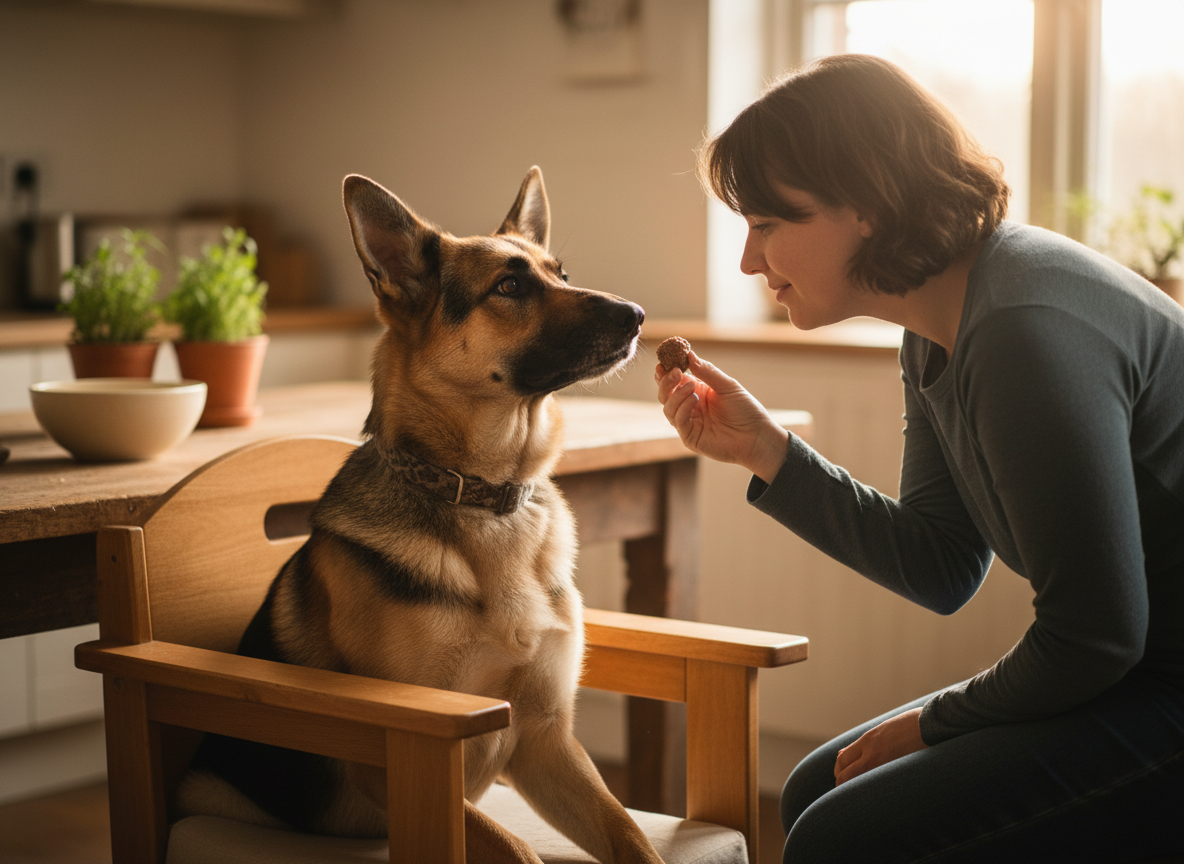
- The Bailey Chair is Your Best Friend: Feeding in an upright position is non-negotiable for most dogs with megaesophagus. A Bailey Chair, or a similar custom-built device, keeps your dog vertical during and after the meal (usually for 20-30 minutes), letting gravity do the work of getting the food to the stomach.
- Storage and Safety: Prepare food in batches to save time. Portioned meals can be refrigerated for up to 3 days or frozen for several months. Always thaw frozen food in the refrigerator, not on the counter. Warm food to room temperature before serving, as very cold food can be less comfortable to swallow.
- Nutritional Balance is Key: These recipes provide a great base, but they are not complete and balanced on their own. A canine multivitamin/mineral supplement, specifically chosen by your veterinarian or a veterinary nutritionist, is essential to prevent deficiencies. They will calculate the exact amount your dog needs based on their weight, age, and the specific ingredients you are using.
Frequently Asked Questions
- Why is food consistency so important for megaesophagus?
- Because the esophagus lacks the muscular motility to push food down, the food’s shape and texture are everything. Meatballs are heavy enough to drop down with gravity, and slurries are smooth enough to slide down easily. The wrong consistency (like dry kibble or chunky food) can get stuck, leading to regurgitation and the dangerous risk of aspiration pneumonia.
- Can I use a commercial canned dog food to make a slurry?
- Yes, many owners do this successfully! A high-quality canned pâté-style food can be blended with water or unsalted broth to create a perfect slurry. It’s a great option if you’re short on time or want to ensure a commercially balanced diet. Always blend it thoroughly to eliminate any chunks.
- How do I know if the meatballs are the right size?
- The goal is ‘swallow-size’. They should be small enough that your dog can swallow them whole with minimal to no chewing. Chewing can introduce air and break the meatball into smaller, harder-to-swallow pieces. Start with a size similar to a grape for a medium dog and adjust based on your vet’s advice and your observation.
Embarking on a homemade food plan for your megaesophagus dog can feel like a huge undertaking, but it is also incredibly rewarding. Seeing them enjoy their meals safely and thrive under your care is one of the best feelings in the world. Always remember to partner with your vet, be patient, and celebrate every single successful, happy mealtime.