7 Nutritious Homemade Food For Jack Russell Terriers Recipes
Welcome, fellow Jack Russell Terrier enthusiast! If you’re the proud parent of one of these pint-sized dynamos, you know they run on two things: boundless curiosity and pure, unadulterated energy. To keep that little engine running smoothly, a high-quality diet is non-negotiable. While commercial kibble has its place, stepping into the world of homemade dog food can be a game-changer for your JRT’s health, from a shinier coat to improved digestion.
Making your dog’s food from scratch allows you to control every single ingredient, ensuring there are no mysterious fillers, artificial preservatives, or allergens that might upset their system. It’s about providing fresh, wholesome nutrition tailored to their specific needs. Worried it’s too complicated? Don’t be! We’ve whipped up 7 delicious, nutritious, and surprisingly simple recipes that your furry friend will adore. Let’s get cooking!
Quick Recipe Comparison
| Recipe Name | Primary Protein | Key Benefit | Best For |
|---|---|---|---|
| The ‘Zoomie’ Fuel Chicken & Rice | Chicken | Easy Digestion & Lean Energy | All-around daily feeding & sensitive stomachs |
| Beef & Sweet Potato Power Bowl | Beef | Muscle Building & Vitamins | Highly active dogs and muscle maintenance |
| Silky Coat Salmon & Quinoa | Salmon | Omega-3s for Skin & Coat | JRTs with dry skin or dull coats |
| Gentle Turkey & Pumpkin Mash | Turkey | Digestive Health & Low Fat | Dogs with sensitive digestive systems |
| Hearty Lamb & Lentil Stew | Lamb | Iron-Rich & High Protein | Adding variety and a nutrient-dense meal |
| Sunrise Veggie & Egg Scramble | Eggs | Quick Protein & Amino Acids | A light breakfast or a kibble topper |
| Omega-Boost Sardine Mash | Sardines | Joint Health & Brain Function | Senior JRTs and cognitive support |
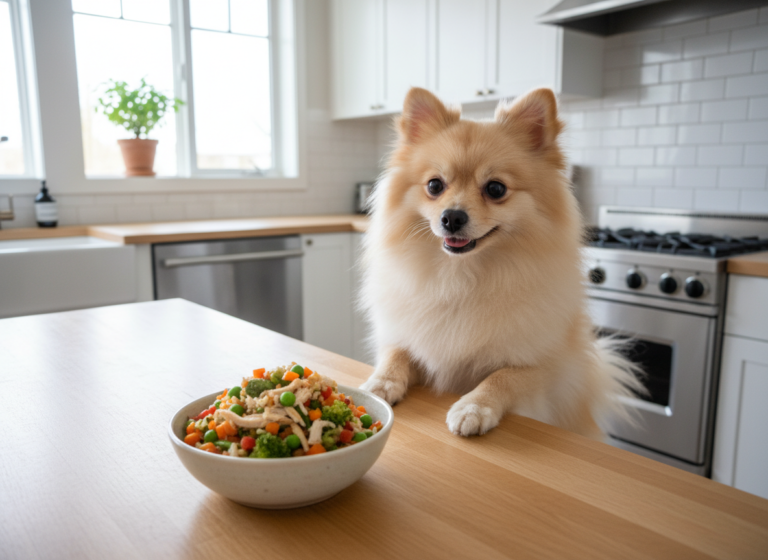
1. The ‘Zoomie’ Fuel Chicken & Rice Bowl
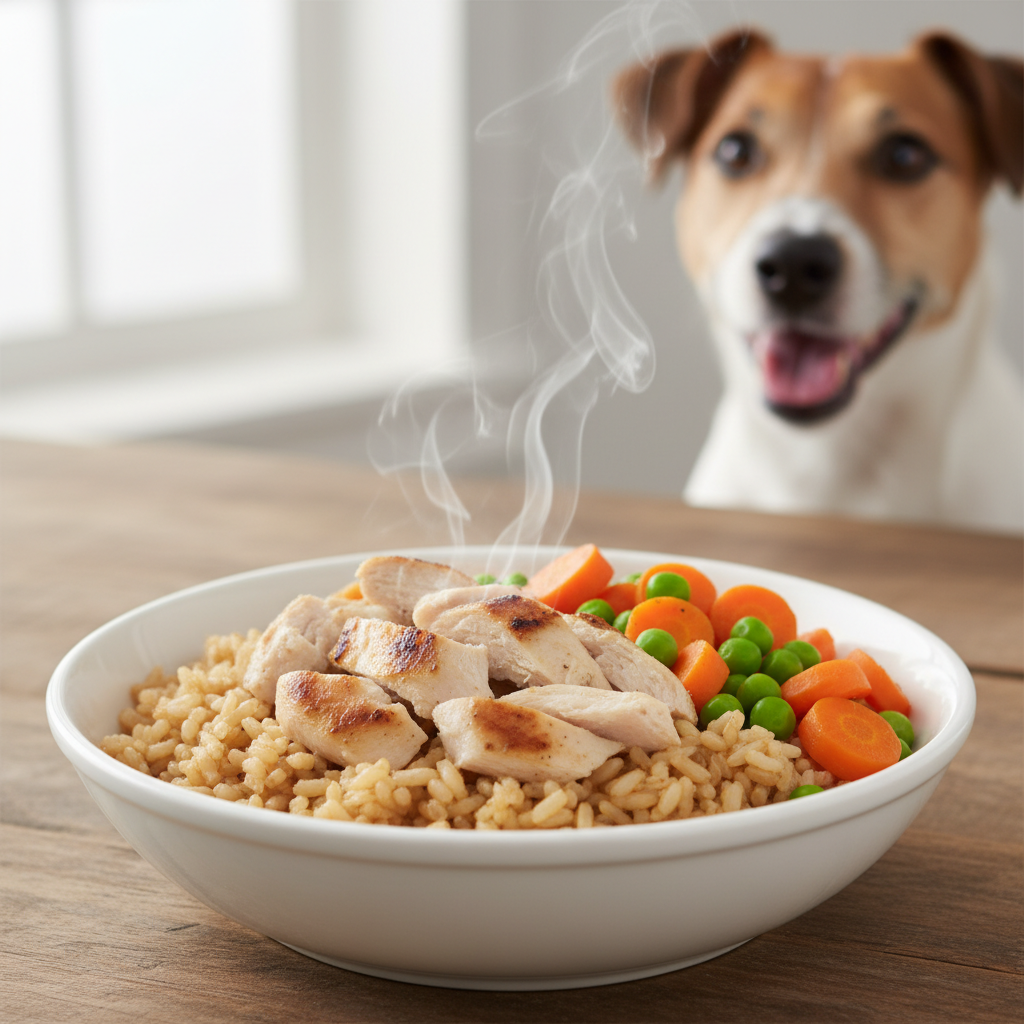
This recipe is the gold standard of homemade dog food for a reason. It’s simple, gentle on the stomach, and provides a perfect balance of lean protein and easily digestible carbohydrates to fuel your JRT’s endless antics. It’s the perfect starting point for any pet parent venturing into home cooking.
Ingredients & Method
- 1 lb boneless, skinless chicken breast, cubed
- 1 cup brown rice
- 1/2 cup chopped carrots
- 1/2 cup green peas (fresh or frozen)
- 1 tablespoon fish oil or olive oil
- 4 cups water
Instructions:
- In a large pot, combine the chicken, brown rice, and water. Bring to a boil.
- Reduce the heat, cover, and let it simmer for about 20-25 minutes, or until the rice is cooked and the chicken is tender.
- Add the chopped carrots and peas during the last 5-10 minutes of cooking so they don’t get too mushy.
- Remove from heat and let it cool completely. Drain any excess water if necessary.
- Once cool, stir in the fish oil. You can shred the chicken for easier eating.
Pros & Cons
Pros
|
Cons
|
Verdict
This is the quintessential go-to recipe. It’s perfect for everyday feeding, for dogs recovering from a tummy bug, or as a base you can add other dog-safe veggies to. It’s a reliable, healthy meal that provides consistent energy for your active companion.
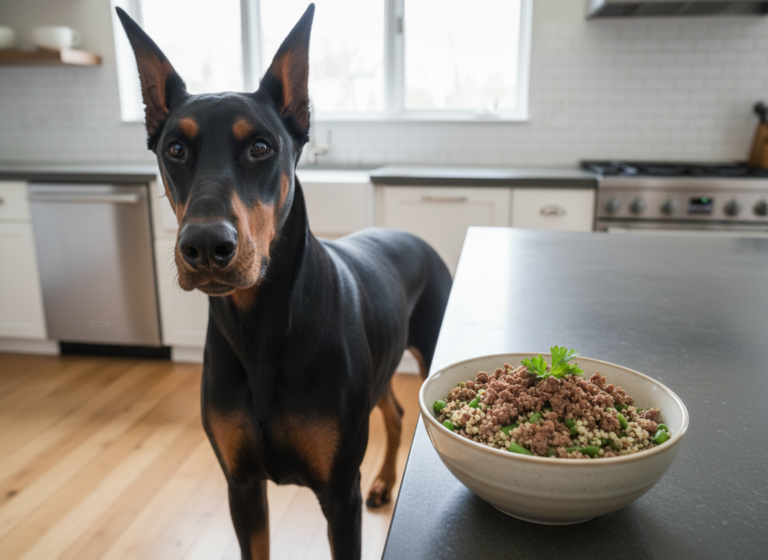
2. Beef & Sweet Potato Power Bowl
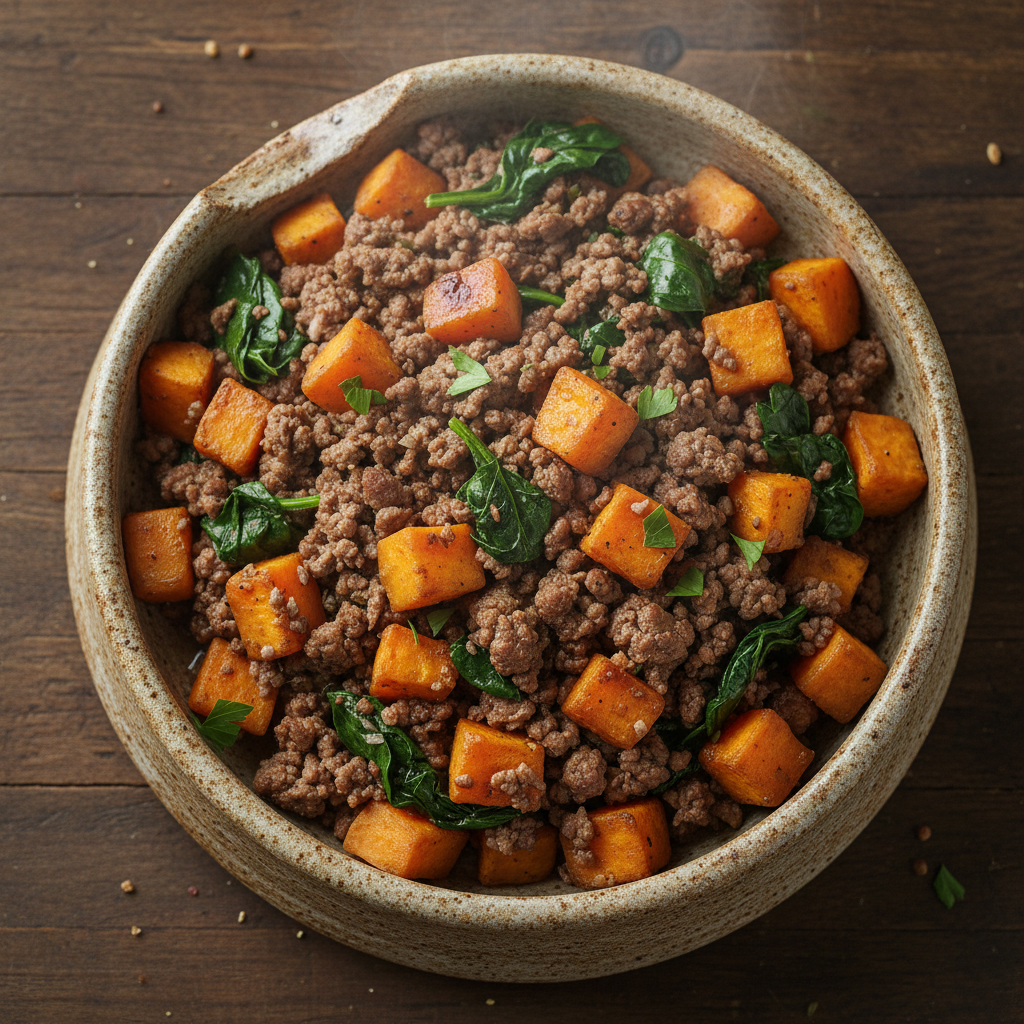
For the JRT that plays hard, this recipe is packed with protein for muscle repair and complex carbs from sweet potatoes for slow-release energy. Beef provides essential iron and zinc, while sweet potatoes are a fantastic source of Vitamin A, which is great for vision and immune health.
Ingredients & Method
- 1 lb lean ground beef (90/10 or leaner)
- 1 large sweet potato, peeled and cubed
- 1/2 cup spinach, chopped
- 1 tablespoon coconut oil
- 2 cups water or low-sodium beef broth
Instructions:
- In a large skillet or pot, brown the ground beef over medium heat. Drain off any excess fat.
- Add the cubed sweet potato and water/broth to the pot. Bring to a simmer.
- Cover and cook for 15-20 minutes, or until the sweet potato is tender and easily pierced with a fork.
- Stir in the chopped spinach and coconut oil, and cook for another 2 minutes until the spinach is wilted.
- Let the mixture cool completely before serving.
Pros & Cons
Pros
|
Cons
|
Verdict
This is the ideal meal for the highly active Jack Russell, the canine athlete who spends their days chasing balls, running, and exploring. It provides the robust nutrition needed to support a strong, muscular physique and replenish energy stores after a long day of play.
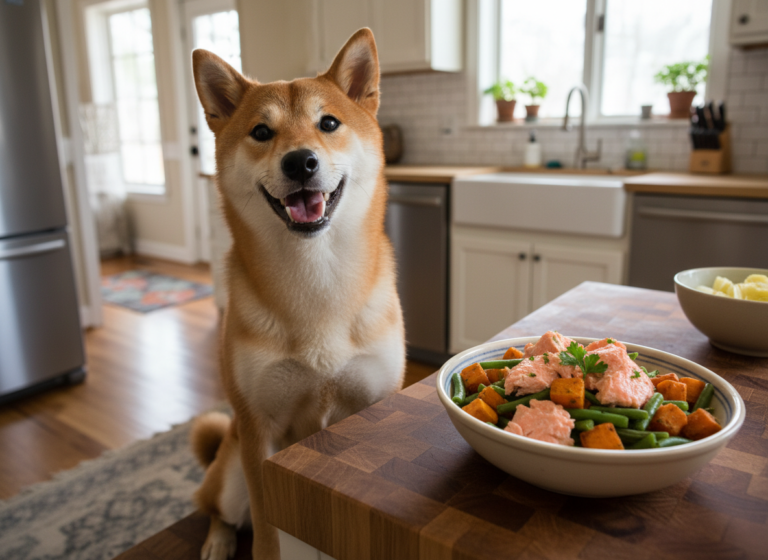
3. Silky Coat Salmon & Quinoa
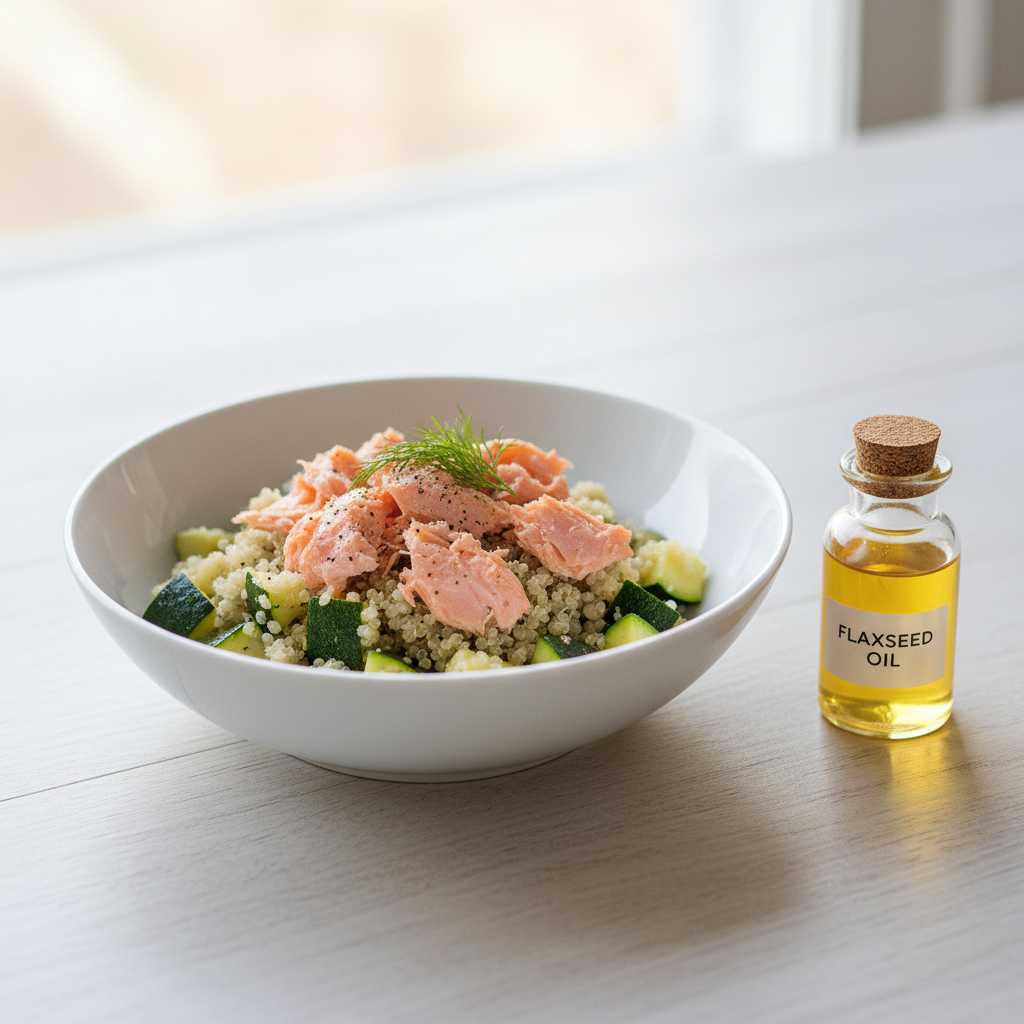
Is your Jack’s coat looking a little dull? This recipe is your answer. Salmon is a powerhouse of Omega-3 fatty acids, which are renowned for promoting healthy skin and a glossy, soft coat. They also help reduce inflammation and support joint health—a big plus for these high-impact jumpers!
Ingredients & Method
- 1/2 lb salmon fillet, skinless and boneless
- 1/2 cup quinoa, rinsed
- 1/2 cup chopped zucchini
- 1 teaspoon flaxseed oil
- 2 cups water
Instructions:
- Cook the salmon by baking or poaching it until it’s flaky. Avoid using seasonings.
- While the salmon cooks, combine the rinsed quinoa and water in a small pot. Bring to a boil, then reduce heat, cover, and simmer for about 15 minutes or until the water is absorbed.
- Steam or lightly boil the chopped zucchini until tender-crisp.
- Once everything is cooked and has cooled down, flake the salmon into small pieces.
- In a bowl, combine the flaked salmon, cooked quinoa, and zucchini. Drizzle with flaxseed oil and mix well.
Pros & Cons
Pros
|
Cons
|
Verdict
This is the beauty-boosting meal for any JRT. It’s particularly beneficial for dogs with dry, itchy skin, seasonal allergies, or a coat that could use a little extra shine. It’s also a fantastic option for supporting the joints of aging or very active dogs.
4. Gentle Turkey & Pumpkin Mash
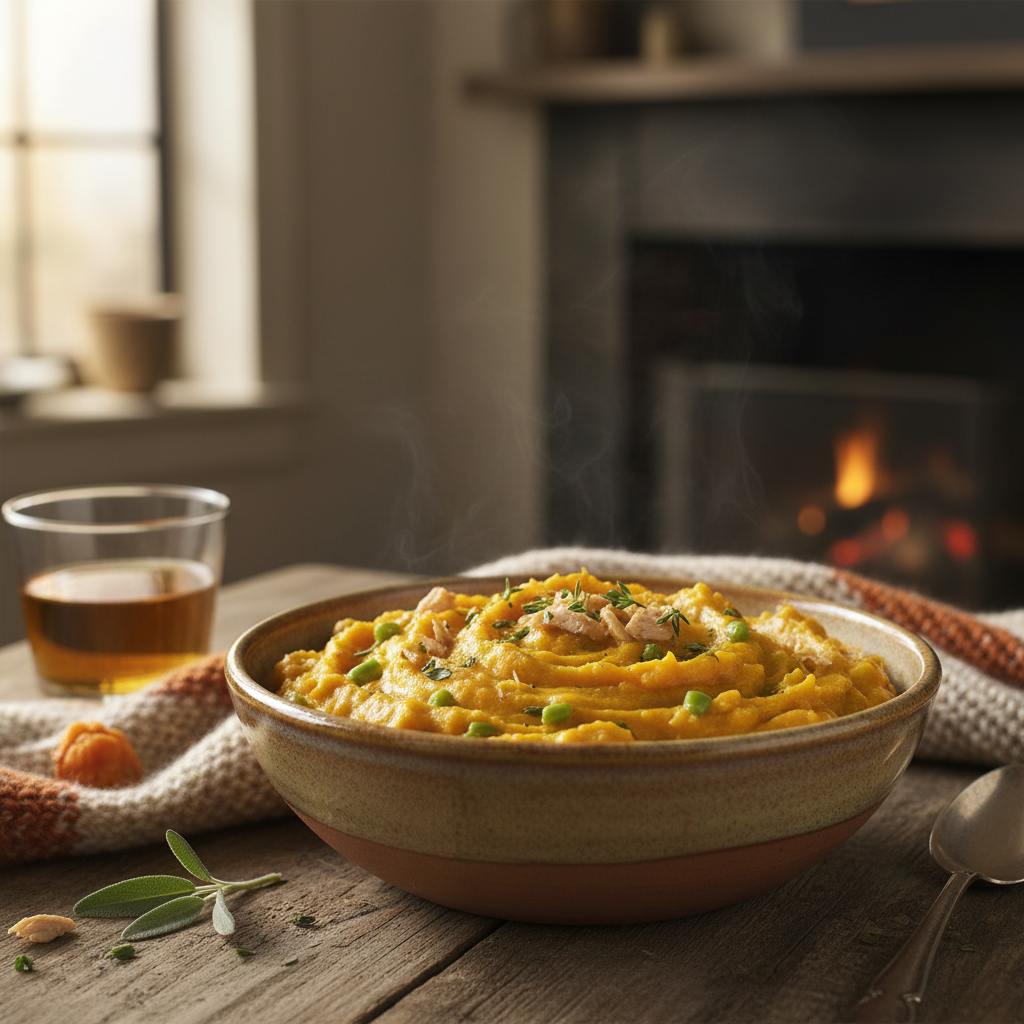
If your JRT has a finicky digestive system, this recipe is a lifesaver. Turkey is a very lean protein that’s less likely to cause sensitivities than chicken or beef. Pumpkin is a well-known superfood for dogs, packed with fiber that aids in both constipation and diarrhea, promoting overall digestive regularity.
Ingredients & Method
- 1 lb ground turkey
- 1 cup 100% pure pumpkin puree (NOT pie filling)
- 1/2 cup rolled oats
- 1/2 cup chopped green beans
- 2 cups water
Instructions:
- In a large pot, cook the ground turkey over medium heat until browned. Drain any fat.
- Add the water, pumpkin puree, and rolled oats to the pot. Stir to combine.
- Bring the mixture to a simmer and cook for about 10 minutes, stirring occasionally, until the oats are soft.
- Add the green beans and cook for an additional 5 minutes.
- Allow the mash to cool completely before serving. The consistency should be like a thick porridge.
Pros & Cons
Pros
|
Cons
|
Verdict
This is the ultimate comfort food for a Jack Russell’s tummy. It’s the perfect choice for dogs with sensitive stomachs, those prone to digestive upset, or as a gentle meal to get their system back on track. It’s also a great low-fat option for dogs needing to watch their weight.
5. Hearty Lamb & Lentil Stew
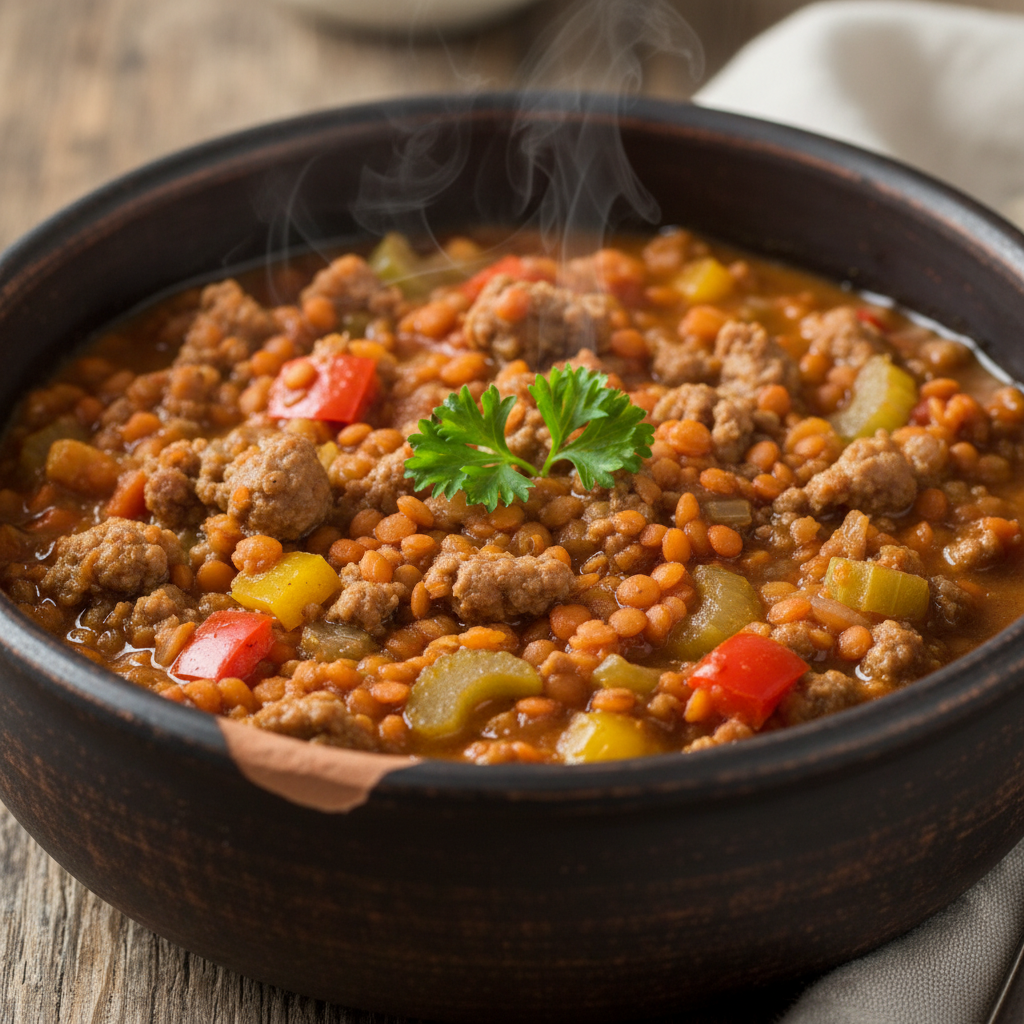
Looking for a novel protein to spice up your dog’s mealtime? Lamb is a fantastic choice. It’s rich in iron and B vitamins, which are crucial for energy production. Paired with lentils, this stew offers a huge boost of protein, fiber, and essential minerals, making it a truly power-packed meal.
Ingredients & Method
- 1 lb ground lamb
- 1/2 cup red lentils, rinsed
- 1/2 cup diced celery
- 1/2 cup diced bell pepper (red or yellow)
- 1 tablespoon chopped parsley (for fresh breath!)
- 3 cups low-sodium beef or vegetable broth
Instructions:
- In a large pot or Dutch oven, brown the ground lamb over medium heat. Drain the excess fat.
- Add the rinsed lentils, celery, bell pepper, and broth to the pot.
- Bring to a boil, then reduce the heat to a simmer. Cover and cook for 25-30 minutes, or until the lentils are soft and the vegetables are tender.
- Remove from heat and stir in the fresh parsley.
- Let the stew cool to room temperature before serving.
Pros & Cons
Pros
|
Cons
|
Verdict
This robust stew is for the JRT with a discerning palate or one that could benefit from a red meat alternative to beef. It’s an excellent rotational meal to ensure a wide variety of nutrients in their diet and is particularly good for maintaining high energy levels.
6. Sunrise Veggie & Egg Scramble
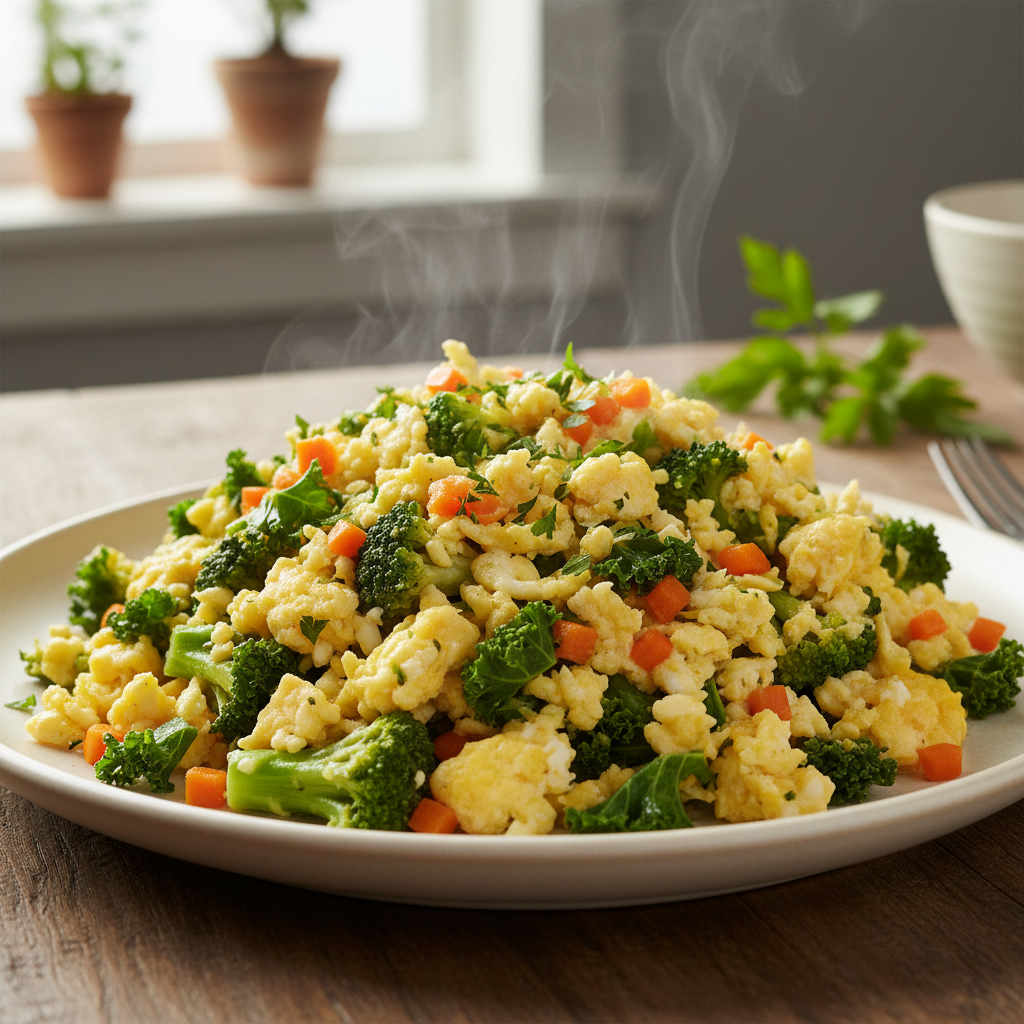
Who says homemade meals have to be for dinner? This quick and easy scramble is a fantastic way to start your JRT’s day with a blast of high-quality protein. Eggs are a nearly perfect food for dogs, containing a full range of essential amino acids. This is also a great recipe for using up leftover dog-safe veggies in your fridge!
Ingredients & Method
- 2 large eggs
- 1/4 cup chopped broccoli florets
- 1/4 cup shredded carrots
- A small handful of kale, finely chopped
- 1 teaspoon of olive oil or coconut oil
- Optional: A sprinkle of calcium powder or crushed eggshells (for calcium)
Instructions:
- Lightly steam or boil the broccoli and kale until tender, then chop finely.
- In a non-stick skillet, heat the oil over medium-low heat.
- Whisk the eggs in a small bowl. Add them to the skillet along with the cooked broccoli, kale, and shredded carrots.
- Scramble gently until the eggs are fully cooked.
- If using, sprinkle the calcium powder over the top.
- Let it cool completely before serving as a standalone meal or a delicious kibble topper.
Pros & Cons
Pros
|
Cons
|
Verdict
This scramble is the perfect special treat, a nutrient-dense breakfast, or a way to entice a picky eater to finish their regular food. It’s a fantastic, low-calorie protein boost that’s ready in minutes.
7. Omega-Boost Sardine Mash
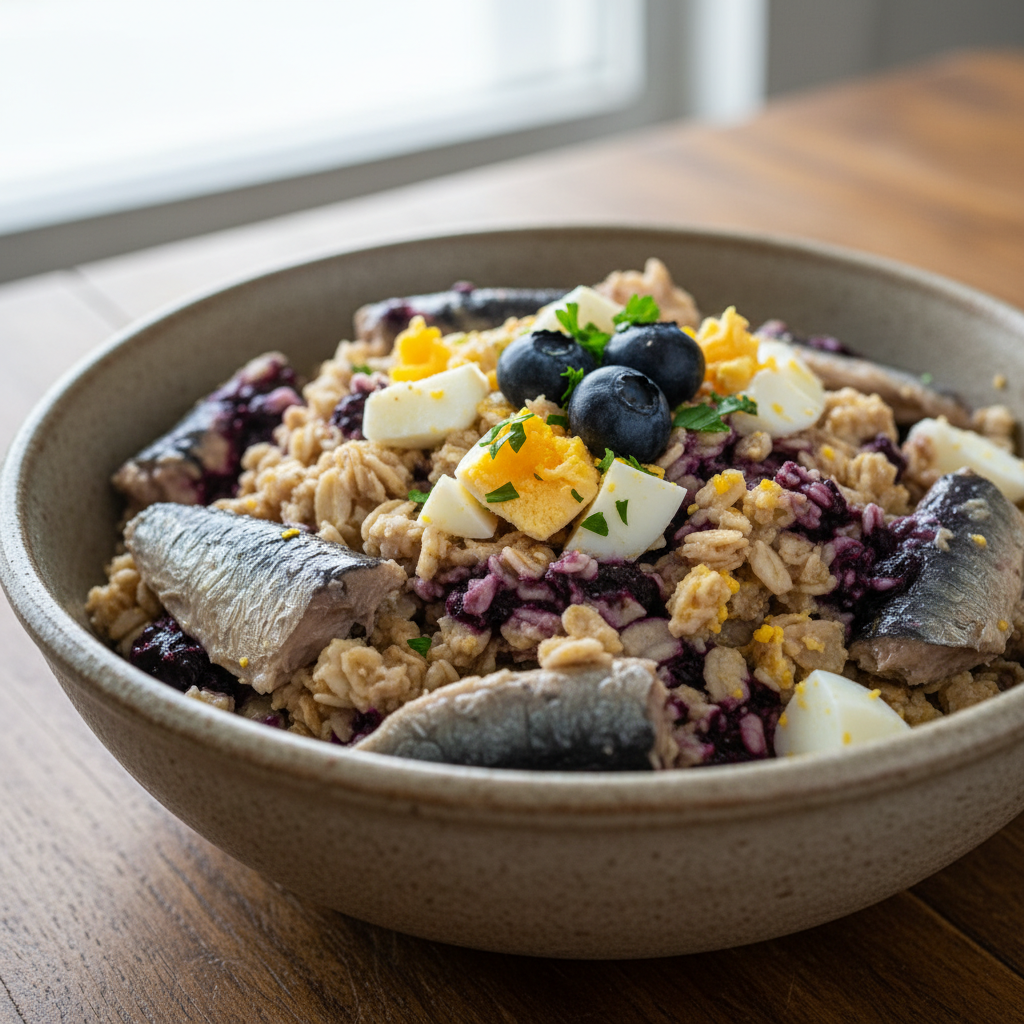
Don’t turn your nose up at this one! Sardines are one of the best-kept secrets in canine nutrition. They are packed to the gills (pun intended!) with Omega-3 fatty acids, Vitamin D, and calcium. This recipe is incredibly beneficial for joint health, cognitive function, and cardiovascular wellness, making it a superstar for senior JRTs.
Ingredients & Method
- 1 can (3.75 oz) sardines packed in water, no salt added
- 1/2 cup cooked oatmeal (cooked in water)
- 1/4 cup mashed blueberries (fresh or frozen)
- 1 hard-boiled egg, chopped
Instructions:
- Prepare the oatmeal according to package directions using only water. Let it cool.
- Prepare one hard-boiled egg, then peel and chop it.
- In a bowl, add the entire can of sardines (with the water). Use a fork to mash them up.
- Add the cooled oatmeal, chopped egg, and mashed blueberries to the bowl.
- Mix everything together until well combined.
Pros & Cons
Pros
|
Cons
|
Verdict
This is the ultimate brain and body booster. While it might not be an everyday meal, incorporating this mash into your JRT’s diet once or twice a week is fantastic for their long-term health, especially for senior dogs who need extra joint and cognitive support.
A Pet Parent’s Guide to Homemade JRT Meals
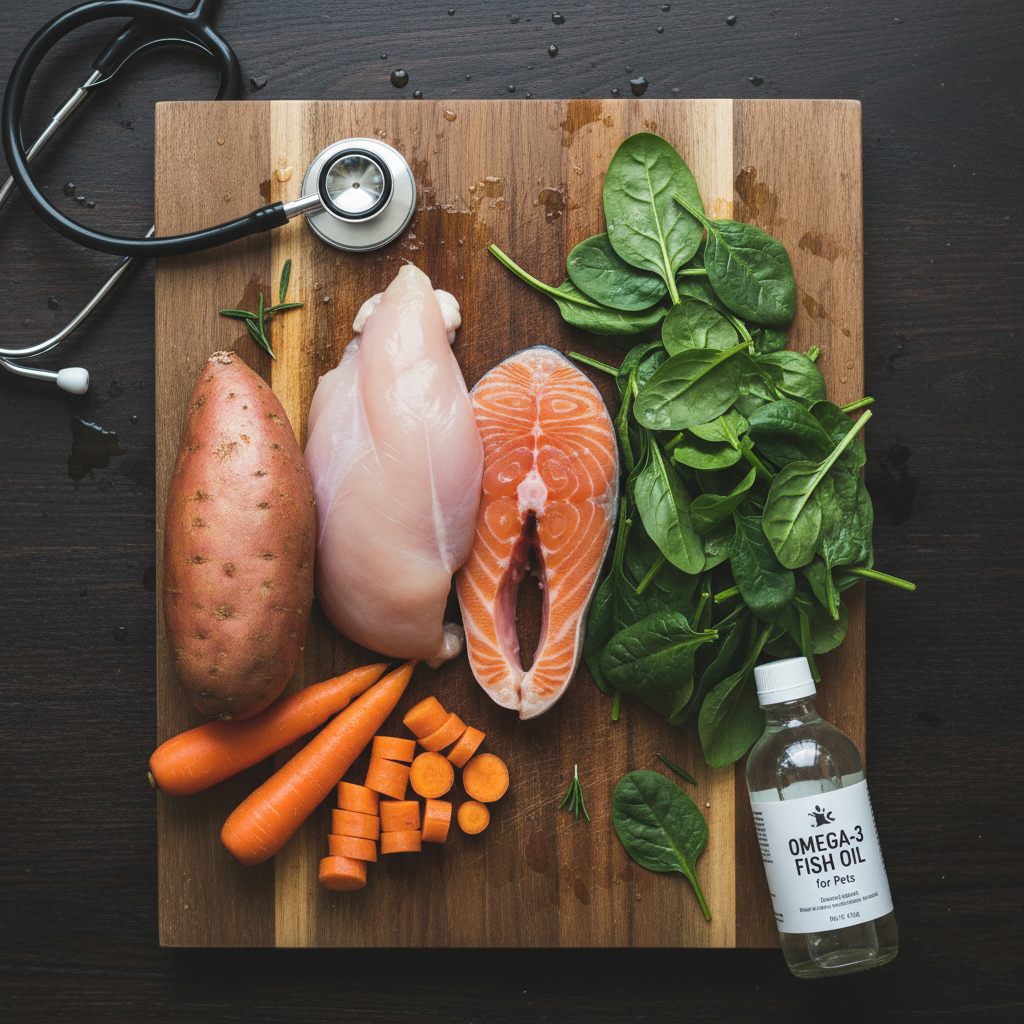
Switching to a homemade diet is exciting, but it’s not as simple as just cooking up some meat and veggies. Jack Russell Terriers have specific nutritional needs to support their high-energy lifestyle. Here’s what you need to keep in mind to ensure their meals are balanced and complete.
1. The Importance of Balance
A balanced canine diet consists of several key components:
- Protein: This is the cornerstone. Aim for high-quality animal proteins like chicken, beef, turkey, lamb, and fish. Protein is essential for muscle development, tissue repair, and overall energy.
- Healthy Fats: Don’t fear the fat! Fats like Omega-3 and Omega-6 (from fish oil, flaxseed, and coconut oil) are vital for brain function, skin and coat health, and absorbing certain vitamins.
- Complex Carbohydrates: For sustained energy, include digestible carbs like brown rice, sweet potatoes, quinoa, and oatmeal. These provide fiber for good digestion.
- Vitamins & Minerals: Found in fruits and vegetables like carrots, peas, spinach, and blueberries. These are crucial for immune function and metabolic processes.
- Calcium: Absolutely essential for strong bones, especially in such an active breed. If you’re not feeding bones, you need to supplement with calcium. Crushed eggshells or a calcium supplement are good options.
2. Always Consult Your Vet
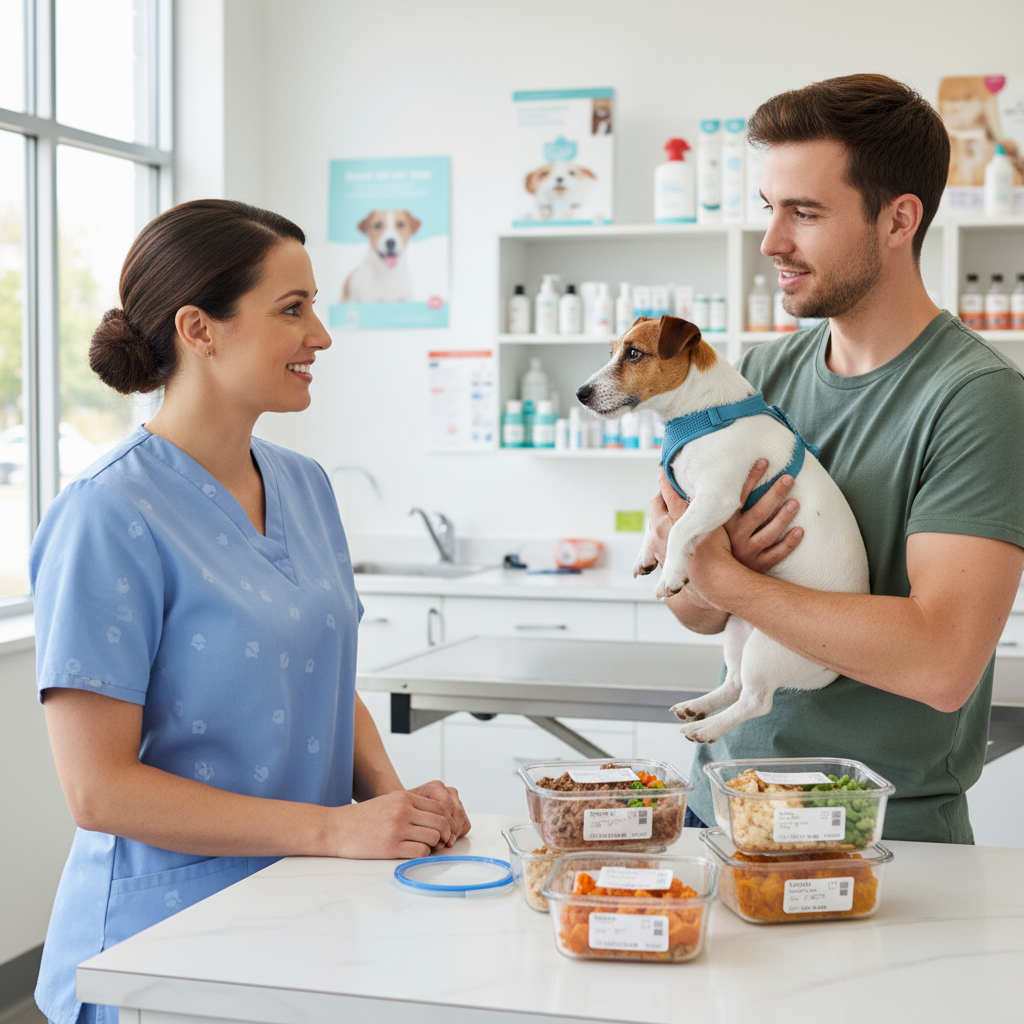
This is the most important rule. Before making a full switch to a homemade diet, talk to your veterinarian or a veterinary nutritionist. They can help you formulate a diet that meets AAFCO standards for a ‘complete and balanced’ meal, ensuring your JRT doesn’t suffer from any nutritional deficiencies. They can also recommend specific supplements your dog might need.
3. Portion Control is Key
Jack Russells are small dogs with a tendency to become overweight if overfed. A general rule of thumb is to feed about 2-3% of their ideal body weight per day. For a 15-pound JRT, this is roughly 5-7 ounces of food per day, split into two meals. However, this varies wildly based on age, activity level, and metabolism. Monitor your dog’s body condition and adjust portions as needed. You should be able to feel their ribs but not see them.
4. Foods to ALWAYS Avoid
While you’re getting creative in the kitchen, remember that many human foods are toxic to dogs. Never include these in your recipes:
- Onions, garlic, chives
- Chocolate
- Grapes and raisins
- Avocado
- Macadamia nuts
- Xylitol (an artificial sweetener found in many products)
- Alcohol or caffeine
Frequently Asked Questions
1. How much homemade food should I feed my Jack Russell Terrier?
The amount depends on your dog’s age, weight, and activity level. A good starting point is to feed 2-3% of their ideal body weight daily. For example, a 15-pound dog would get about 5-7 ounces of food per day, divided into two meals. It’s best to start with this guideline, monitor your dog’s weight and body condition, and adjust as necessary. An active, young JRT will need more calories than a sedentary senior.
2. Can I make these recipes in bulk and freeze them?
Absolutely! Batch cooking is a fantastic way to save time. You can prepare a week’s worth of food at once. Let the food cool completely, then portion it into individual servings in freezer-safe containers or bags. They can be stored in the freezer for up to 3 months. To serve, simply thaw a portion in the refrigerator overnight. Avoid microwaving, as it can create hot spots that could burn your dog’s mouth.
3. Do I need to add supplements to these recipes?
For short-term feeding or as a topper for commercial kibble, these recipes are great as is. However, if you plan to feed a homemade diet exclusively for the long term, you will likely need to add a vitamin and mineral supplement to ensure the diet is 100% complete and balanced. A calcium supplement is almost always necessary. Please consult with your veterinarian to determine the exact supplements and dosages your specific dog needs to thrive.
Conclusion
There you have it—seven delicious and healthy ways to show your Jack Russell Terrier just how much you care! Cooking for your dog is a rewarding experience that strengthens your bond and gives you complete peace of mind about what’s in their bowl. From supporting their boundless energy with a hearty beef stew to pampering their coat with a salmon feast, these recipes offer a fantastic way to boost their nutrition.
Remember, the journey into homemade dog food should always begin with a conversation with your vet. They are your best partner in ensuring your furry friend gets everything they need to live a long, happy, and zoomie-filled life. Happy cooking!