7 Ancient Grain Amaranth Dog Food Recipes to Try Today
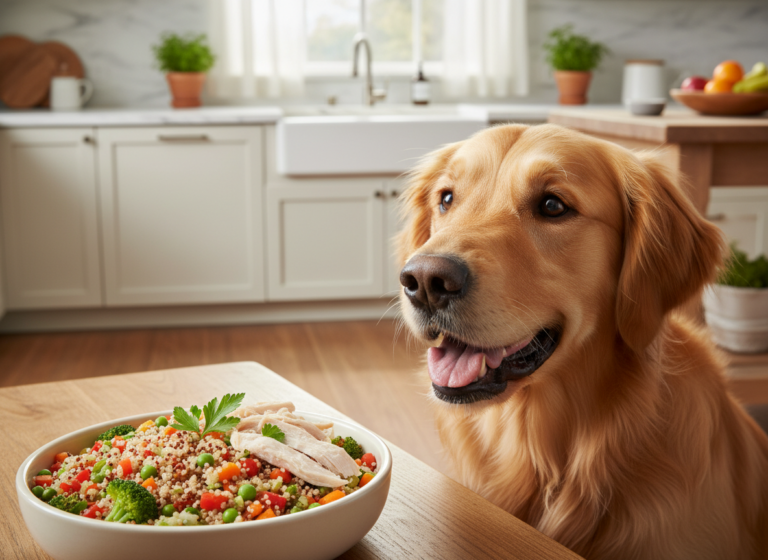
Hello, fellow pet parents! Are you always on the lookout for wholesome, nutritious options to fill your furry friend’s bowl? If you’ve been exploring the world of homemade dog food, you might have heard whispers about ancient grains. Today, we’re putting the spotlight on a tiny but mighty powerhouse: Amaranth!
This gluten-free pseudo-cereal is packed with protein, fiber, and essential amino acids, making it a fantastic addition to your dog’s diet. Unlike some common grains that can cause sensitivities, amaranth is often well-tolerated and provides a slow-release energy source. Ready to get cooking? We’ve whipped up 7 drool-worthy recipes that are both simple to make and sure to get a ‘four-paws up’ review from your canine critic.
Quick Comparison of Our Amaranth Recipes
| Recipe Name | Main Protein | Best For | Prep Time |
|---|---|---|---|
| Beef & Amaranth Power Bowl | Ground Beef | Active & Muscular Dogs | 30 mins |
| Chicken & Veggie Stew | Chicken Breast | Sensitive Stomachs | 40 mins |
| Turkey & Amaranth Meatballs | Ground Turkey | Picky Eaters & Training Treats | 45 mins |
| Salmon & Sweet Potato Patties | Salmon | Skin & Coat Health | 35 mins |
| Lamb & Amaranth Hearty Loaf | Ground Lamb | Dogs with Poultry Allergies | 60 mins |
| Hearty Liver & Amaranth Mash | Beef Liver | Boosting Vitamin Intake | 25 mins |
| Duck & Garden Veggie Mix | Ground Duck | Novel Protein Diets | 35 mins |
Disclaimer: Always consult with your veterinarian or a veterinary nutritionist before making significant changes to your dog’s diet. These recipes are intended as a supplement or special meal, not necessarily a complete and balanced diet for long-term feeding without professional guidance.
1. Beef & Amaranth Power Bowl
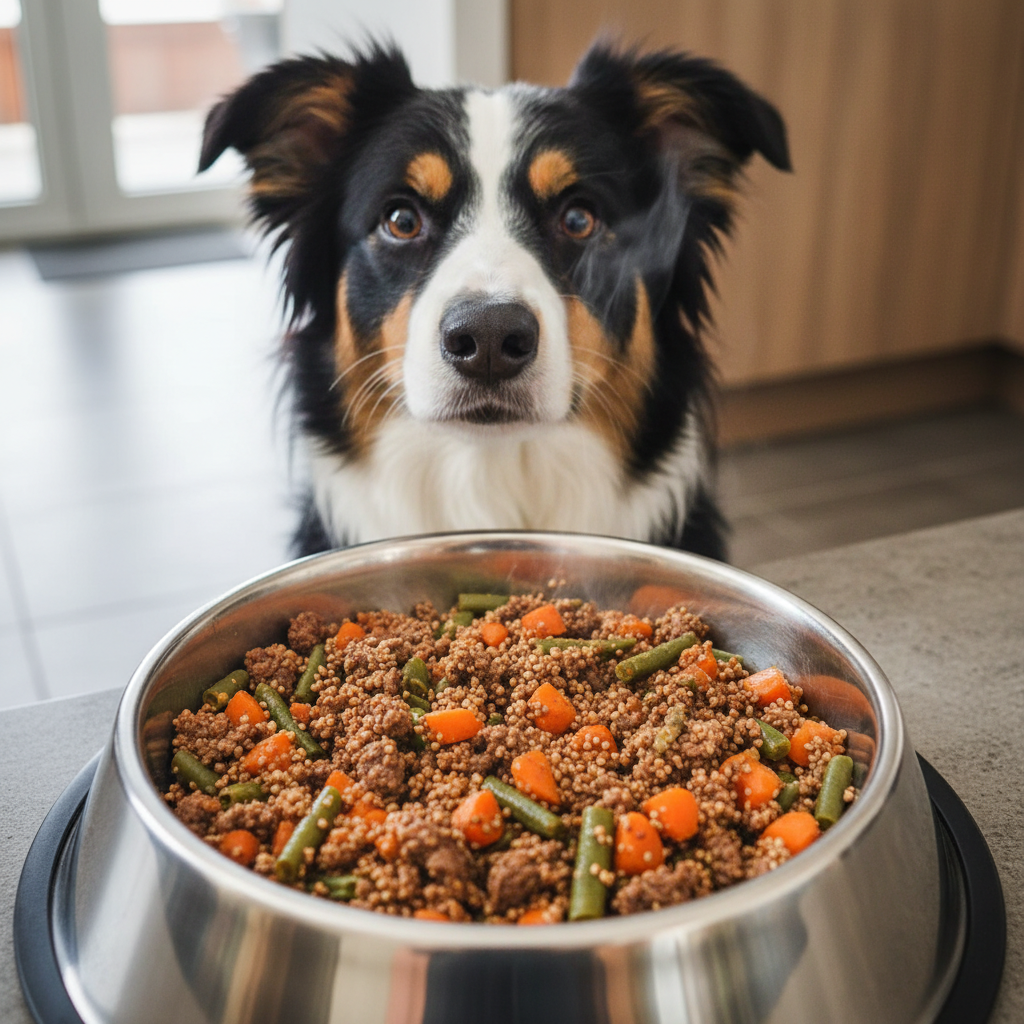
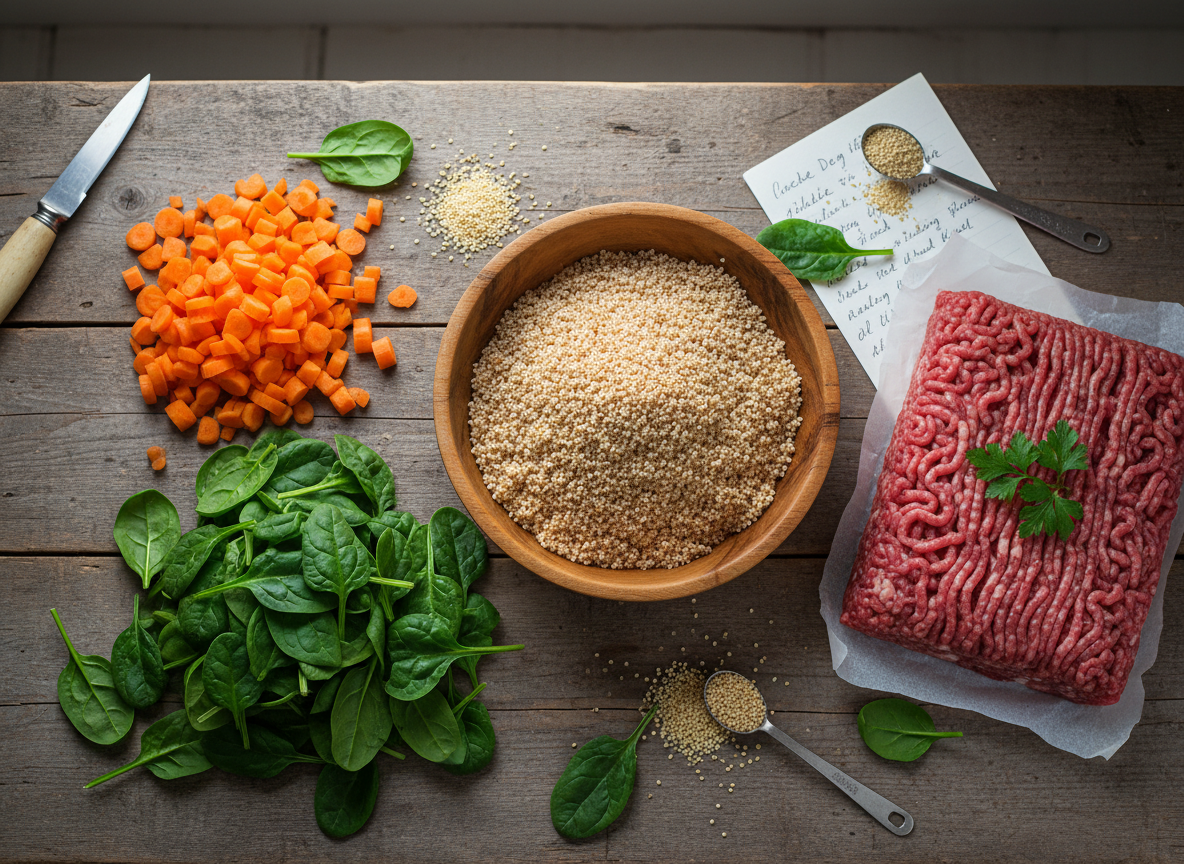
This recipe is a classic for a reason. It’s packed with high-quality protein from beef, complex carbs from amaranth, and essential vitamins from veggies. It’s a perfect, well-rounded meal for an active dog who needs sustained energy throughout the day.
Ingredients:
- 1 cup uncooked amaranth
- 3 cups water or low-sodium beef broth
- 1 lb lean ground beef (90/10 or leaner)
- 1 cup chopped carrots
- 1 cup green beans, trimmed and chopped
- 1 tablespoon olive oil or coconut oil
- Optional: 1/4 cup chopped parsley for fresh breath
Instructions:
- Cook the amaranth: In a medium saucepan, bring the water or broth to a boil. Add the amaranth, reduce heat to a simmer, cover, and cook for about 20-25 minutes, or until the liquid is absorbed. The texture will be porridge-like. Set aside.
- Cook the beef: While the amaranth is cooking, heat the oil in a large skillet or pot over medium heat. Add the ground beef and cook until browned, breaking it up with a spoon. Drain off any excess fat.
- Add the veggies: Add the chopped carrots and green beans to the skillet with the beef. Cook for 5-7 minutes, until the vegetables are tender-crisp.
- Combine everything: Add the cooked amaranth to the skillet with the beef and vegetable mixture. Stir everything together until well combined. If using, stir in the fresh parsley.
- Cool and serve: Let the food cool completely to room temperature before serving to your dog. Store leftovers in an airtight container in the refrigerator for up to 4 days.
Pros & Cons
| Pros | Cons |
|---|---|
| Excellent source of iron and protein. | Beef can be a common allergen for some dogs. |
| Simple, one-pot meal (mostly!). | Higher in fat compared to poultry options. |
| Highly palatable for most dogs. |
Verdict:
The Beef & Amaranth Power Bowl is ideal for active, medium to large breed dogs without poultry allergies. It provides a fantastic balance of macronutrients to support muscle maintenance and high energy levels.
2. Chicken & Veggie Stew
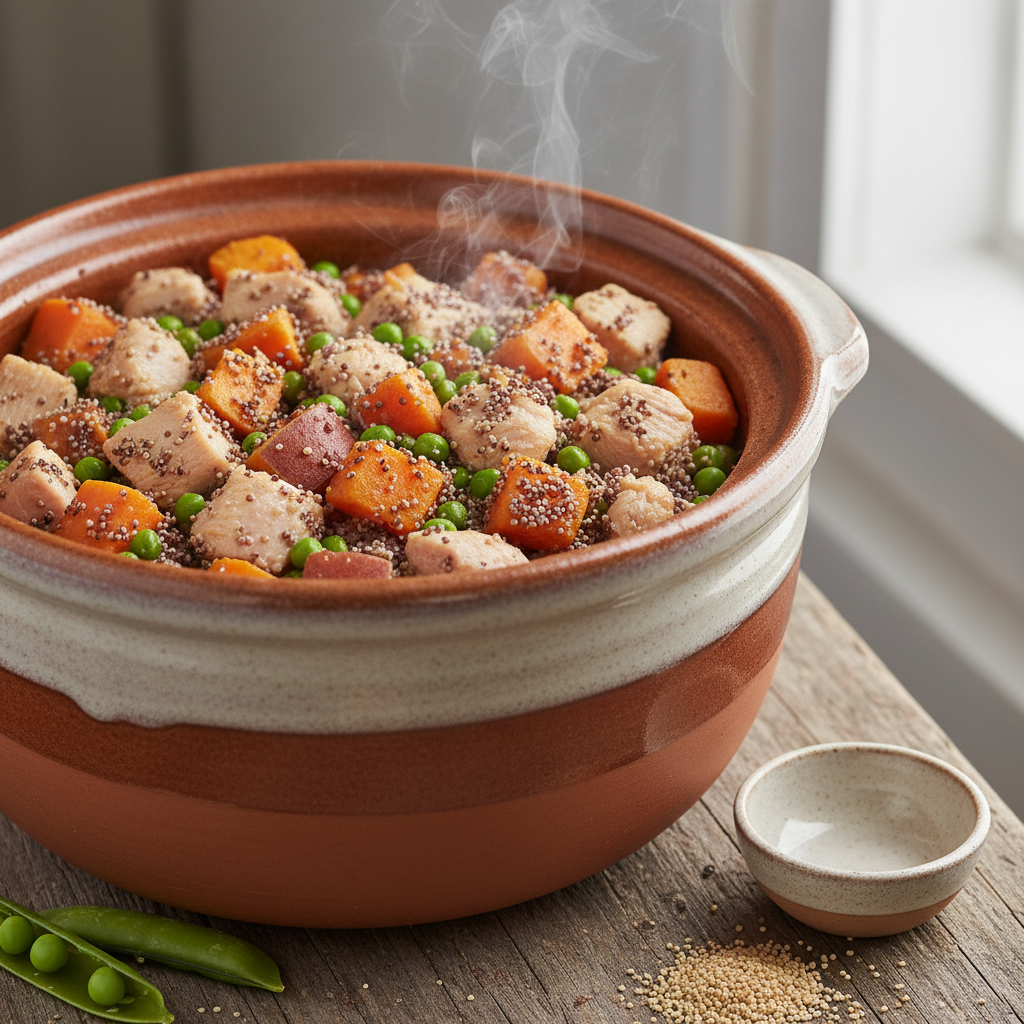
This gentle stew is perfect for dogs who might have a more sensitive digestive system. Chicken is a lean protein that’s easy to digest, and the soft-cooked vegetables and amaranth porridge create a soothing, hydrating, and delicious meal.
Ingredients:
- 1 lb boneless, skinless chicken breast, cut into small cubes
- 1/2 cup uncooked amaranth
- 4 cups water or low-sodium chicken broth
- 1 cup chopped sweet potatoes
- 1 cup spinach
- 1/2 cup peas (fresh or frozen)
Instructions:
- In a large pot or Dutch oven, add the cubed chicken, sweet potatoes, amaranth, and water/broth.
- Bring the mixture to a boil, then reduce the heat to a low simmer. Cover and let it cook for about 25-30 minutes, stirring occasionally, until the chicken is cooked through, the sweet potatoes are tender, and the amaranth is soft.
- Turn off the heat. Stir in the spinach and peas. The residual heat will wilt the spinach and cook the peas perfectly.
- Let the stew cool completely before serving. You can mash it slightly for smaller dogs or serve as is for larger pups.
- Store in the fridge for up to 4 days.
Pros & Cons
| Pros | Cons |
|---|---|
| Lean and easy to digest. | Lower in fat, may not be suitable for very high-energy dogs without supplementation. |
| Hydrating due to the stew consistency. | Chicken is a common allergen, similar to beef. |
| Packed with vitamins from sweet potatoes and spinach. |
Verdict:
This Chicken & Veggie Stew is a fantastic choice for senior dogs, dogs with sensitive stomachs, or those who need a little extra hydration in their diet. It’s a comforting and nutritious meal that’s gentle on the tummy.
3. Turkey & Amaranth Meatballs
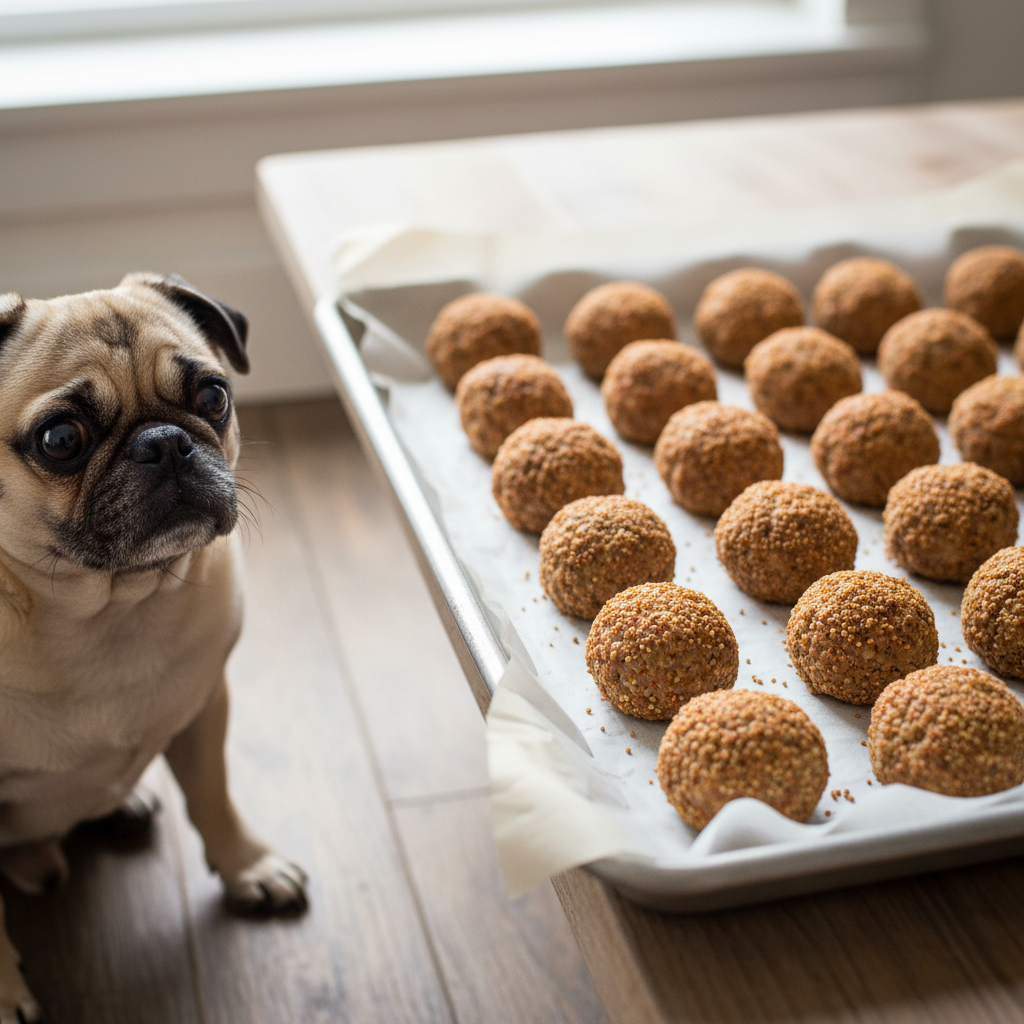
Who doesn’t love a meatball? These are not only a fun meal but also make fantastic high-value training treats. Ground turkey is another lean protein source, and baking the meatballs helps to lock in flavor without adding extra fat.
Ingredients:
- 1 lb ground turkey
- 1 cup cooked amaranth, cooled
- 1 egg, beaten
- 1/2 cup finely grated zucchini (squeeze out excess water)
- 1/4 cup rolled oats (optional, for binding)
- 1 tablespoon finely chopped parsley
Instructions:
- Preheat your oven to 375°F (190°C). Line a baking sheet with parchment paper.
- In a large bowl, combine the ground turkey, cooked amaranth, beaten egg, grated zucchini, oats (if using), and parsley.
- Mix gently with your hands until just combined. Be careful not to overmix, as this can make the meatballs tough.
- Roll the mixture into small, bite-sized meatballs (about 1-inch in diameter) and place them on the prepared baking sheet.
- Bake for 20-25 minutes, or until cooked through and lightly browned.
- Let the meatballs cool completely before serving or storing. They can be stored in the fridge for 4-5 days or frozen for later use.
Pros & Cons
| Pros | Cons |
|---|---|
| Perfectly portioned for meals or treats. | Slightly more hands-on prep time (rolling meatballs). |
| Great for picky eaters due to the fun shape. | Can be a bit dry if overcooked. |
| Easy to make in large batches and freeze. |
Verdict:
These Turkey & Amaranth Meatballs are a winner for dogs of all sizes, but they’re especially great for picky eaters who might turn their nose up at a simple bowl of food. They also double as an amazing, healthy training reward.
4. Salmon & Sweet Potato Patties
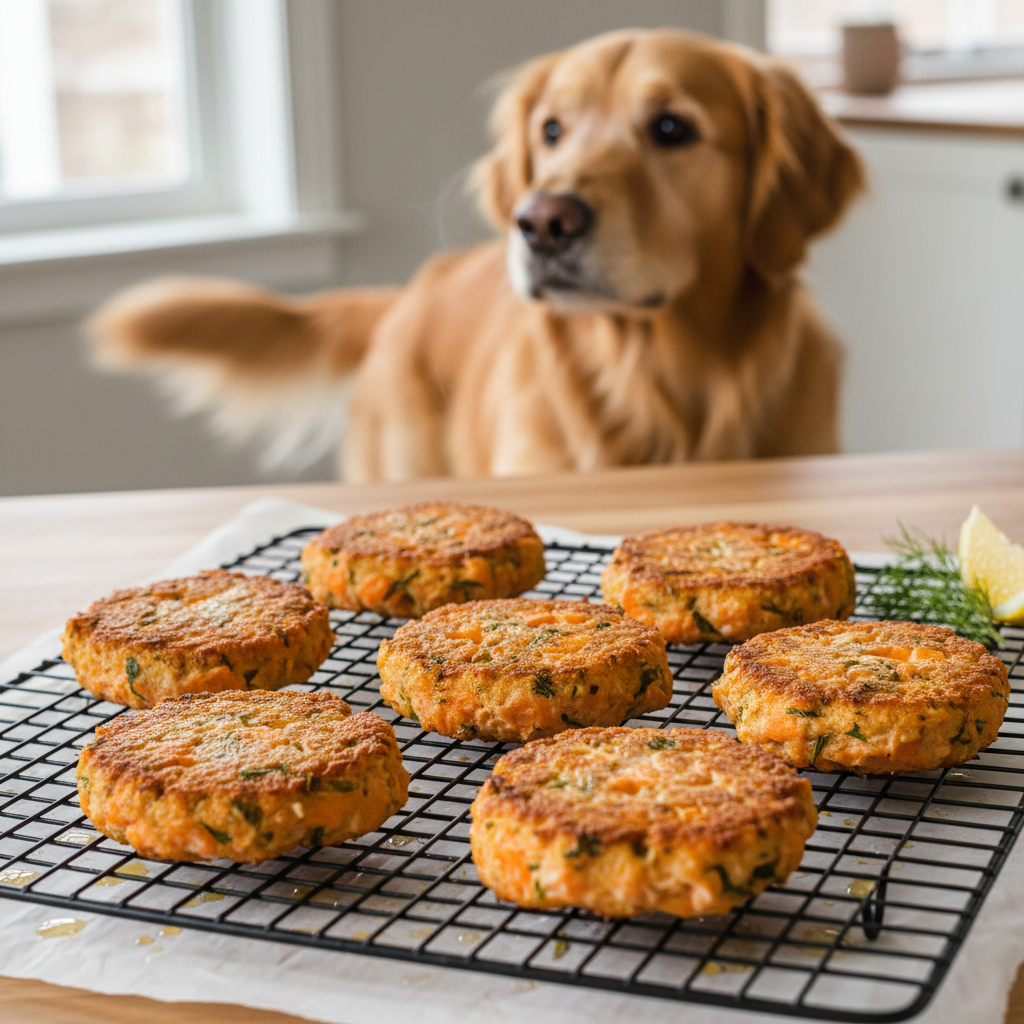
Boost your dog’s skin and coat health with this Omega-3-packed recipe! Salmon is a fantastic source of healthy fats that reduce inflammation and promote a shiny, healthy coat. Paired with vitamin-rich sweet potato and amaranth, these patties are a nutritional powerhouse.
Ingredients:
- 1 (15-ounce) can of salmon, packed in water, drained (ensure no salt is added)
- 1 cup cooked and mashed sweet potato
- 1 cup cooked amaranth, cooled
- 1 egg, beaten
- 2 tablespoons chopped fresh dill or parsley
- 1 tablespoon coconut oil, for pan-frying
Instructions:
- In a bowl, flake the canned salmon with a fork. Make sure to remove any large bones or skin, although the small, soft bones are a good source of calcium.
- Add the mashed sweet potato, cooked amaranth, beaten egg, and chopped dill to the bowl. Mix until everything is well combined.
- Form the mixture into small patties, about 2 inches in diameter.
- Heat the coconut oil in a non-stick skillet over medium heat. Carefully place the patties in the skillet, being sure not to overcrowd the pan.
- Cook for 3-4 minutes per side, until golden brown and firm.
- Remove from the skillet and let them cool on a wire rack. Serve once they’ve reached room temperature. Store leftovers in the fridge for up to 3 days.
Pros & Cons
| Pros | Cons |
|---|---|
| Rich in Omega-3 fatty acids for skin, coat, and joint health. | Fishy smell can be strong in the kitchen. |
| Great for dogs with poultry or beef sensitivities. | Canned salmon quality can vary; look for wild-caught. |
| Easy to make with canned salmon. |
Verdict:
Perfect for dogs who need an extra boost for their skin and coat, or those suffering from dry, itchy skin. The anti-inflammatory properties of salmon also make it a good choice for senior dogs with mild joint discomfort.
5. Lamb & Amaranth Hearty Loaf

This ‘meatloaf’ for dogs is a hearty, satisfying meal that’s great for dogs with common protein allergies like chicken or beef. Lamb is a rich, flavorful protein source that many dogs find irresistible. Baking it in a loaf pan makes for easy slicing and portioning.
Ingredients:
- 1.5 lbs ground lamb
- 1.5 cups cooked amaranth, cooled
- 2 eggs, beaten
- 1 cup mixed vegetables, finely chopped (e.g., carrots, peas, celery)
- 1/2 cup rolled oats
- 2 tablespoons tomato paste (ensure no sugar or salt added)
Instructions:
- Preheat your oven to 350°F (175°C). Grease a standard loaf pan.
- In a large mixing bowl, combine the ground lamb, cooked amaranth, beaten eggs, chopped vegetables, and rolled oats.
- Mix thoroughly with your hands until all ingredients are evenly distributed.
- Press the mixture firmly and evenly into the prepared loaf pan.
- Spread the tomato paste thinly over the top of the loaf.
- Bake for 45-55 minutes, or until the loaf is cooked through and the internal temperature reaches 165°F (74°C).
- Let the loaf cool in the pan for 15 minutes before turning it out onto a cutting board. Allow it to cool completely before slicing and serving.
- Store sliced loaf in an airtight container in the refrigerator for up to 5 days.
Pros & Cons
| Pros | Cons |
|---|---|
| Excellent novel protein for dogs with allergies. | Lamb can be more expensive and higher in fat than other proteins. |
| Easy to portion and store. | Longer cooking time compared to other recipes. |
| Very hearty and satisfying for hungry dogs. |
Verdict:
The Lamb & Amaranth Hearty Loaf is a fantastic option for dogs on an elimination diet or those with known allergies to chicken and beef. Its rich flavor and satisfying texture make it a special treat that’s also packed with nutrition.
6. Hearty Liver & Amaranth Mash
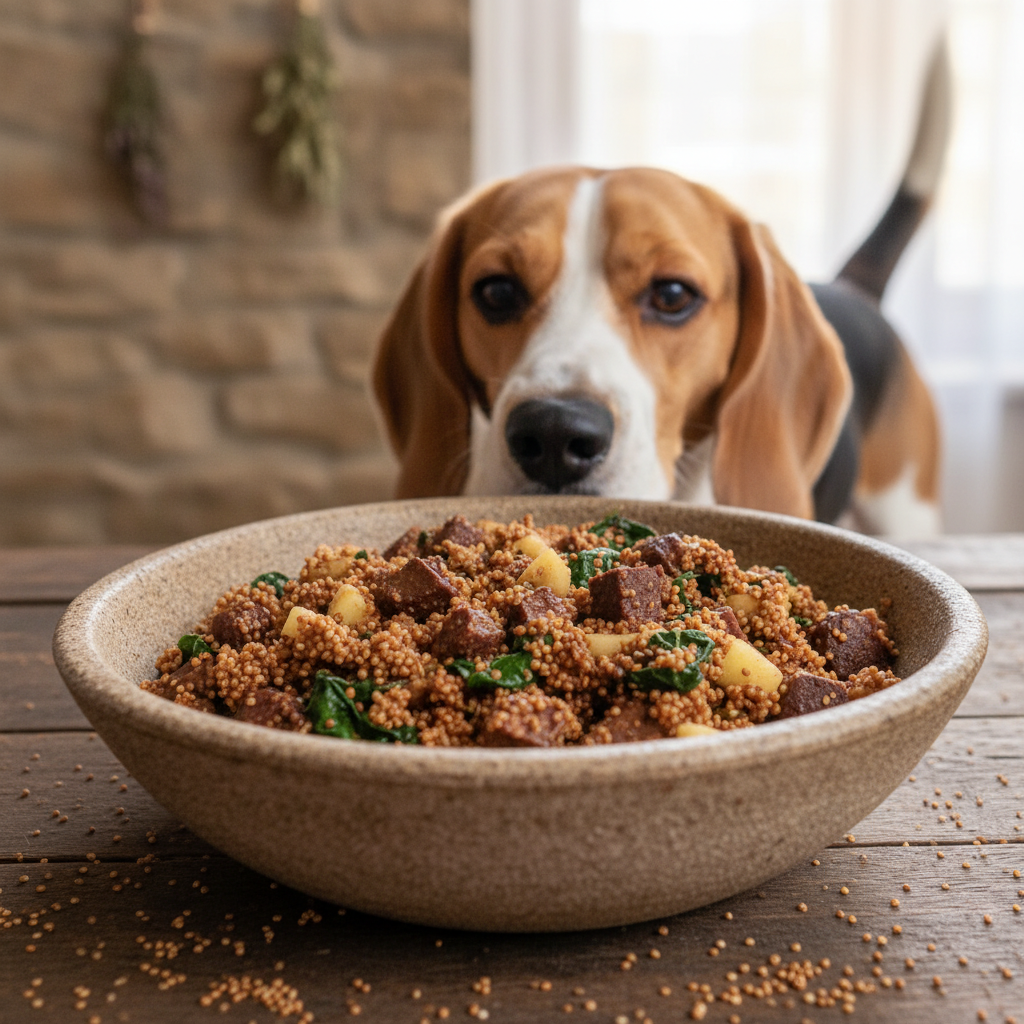
Organ meats like liver are incredibly nutrient-dense, offering a concentrated source of Vitamin A, iron, and B vitamins. This recipe is a great way to introduce organ meats into your dog’s diet in a palatable way. A little goes a long way!
Ingredients:
- 1/2 lb beef or chicken liver, rinsed and chopped
- 1 cup uncooked amaranth
- 3 cups water or low-sodium beef/chicken broth
- 1 cup chopped spinach
- 1 apple, cored and finely chopped (no seeds!)
- 1 tablespoon coconut oil
Instructions:
- Cook the amaranth in the water or broth according to the directions in the first recipe. Set aside.
- While the amaranth cooks, heat coconut oil in a skillet over medium heat. Add the chopped liver and cook for 3-4 minutes, until just browned on all sides. Do not overcook, as it can become tough.
- Remove the liver from the pan and let it cool slightly before finely dicing it.
- In a large bowl, combine the cooked amaranth, diced liver, chopped spinach, and finely chopped apple.
- Stir until everything is mixed together. The heat from the amaranth will gently wilt the spinach.
- Allow the mash to cool completely before serving. This is a very rich meal, so start with a small serving size.
Pros & Cons
| Pros | Cons |
|---|---|
| Extremely nutrient-dense, especially in Vitamin A. | Very rich; can cause digestive upset if fed in large quantities. |
| Inexpensive protein source. | Some dogs may not like the strong flavor/texture of liver. |
| Quick to cook. |
Verdict:
This mash is best served as a supplemental meal or a ‘topper’ for your dog’s regular food to provide a significant vitamin and mineral boost. It’s great for most adult dogs, but should be introduced slowly due to its richness.
7. Duck & Garden Veggie Mix
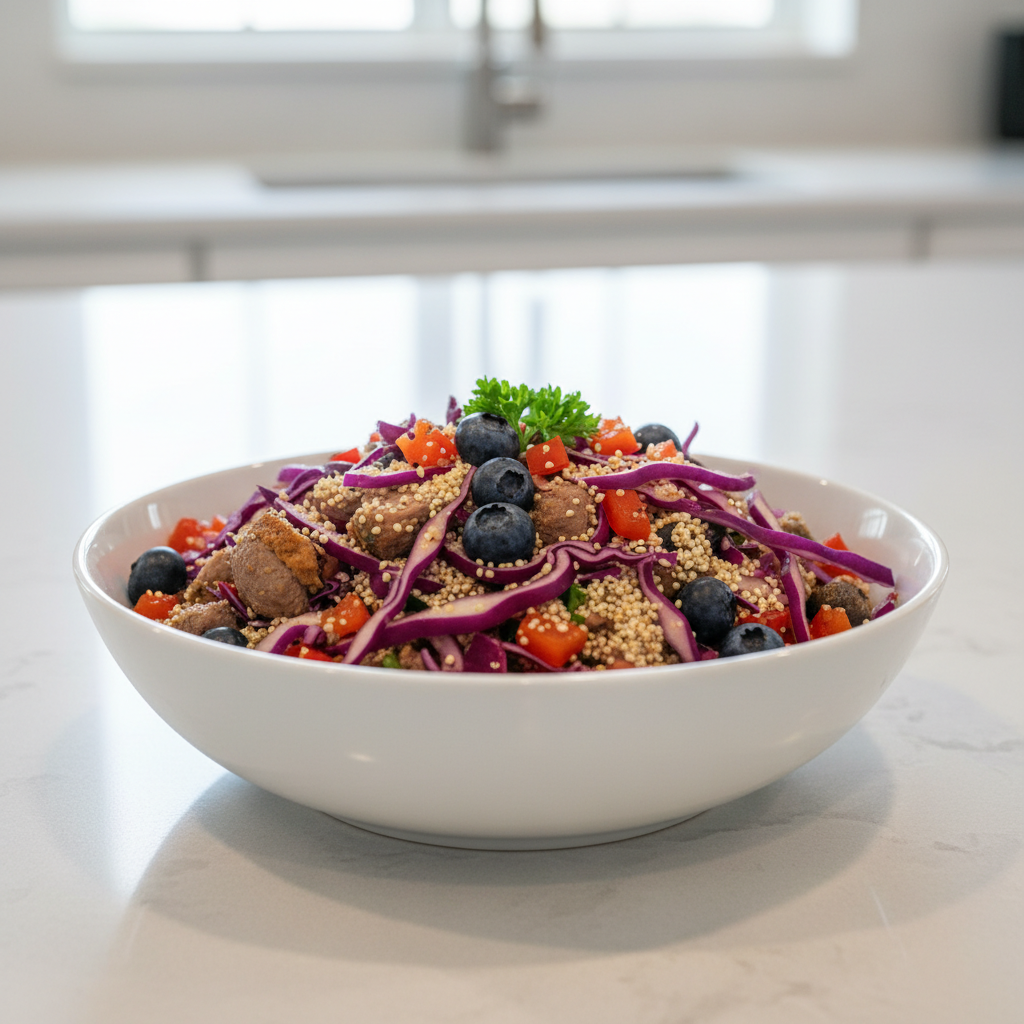
For the truly sensitive dog, duck is an excellent novel protein that’s less likely to cause an allergic reaction. It’s rich in flavor and packed with iron and amino acids. This recipe combines it with gentle, colorful vegetables for a balanced and hypoallergenic meal.
Ingredients:
- 1 lb ground duck
- 1 cup cooked amaranth, cooled
- 1/2 cup finely shredded cabbage
- 1/2 cup finely chopped bell pepper (any color)
- 1/4 cup blueberries (fresh or frozen)
- 1 tablespoon flaxseed oil
Instructions:
- In a large skillet, cook the ground duck over medium heat until browned. Duck has a higher fat content, so you will need to drain the excess fat thoroughly.
- Remove the duck from the heat and let it cool slightly.
- In a large mixing bowl, combine the cooked duck, cooked amaranth, shredded cabbage, chopped bell pepper, and blueberries.
- Drizzle the flaxseed oil over the mixture and stir gently to combine everything.
- Serve once the mixture has cooled to room temperature. Store leftovers in an airtight container in the fridge for up to 3 days.
Pros & Cons
| Pros | Cons |
|---|---|
| Excellent novel protein for severe allergies. | Ground duck can be harder to find and more expensive. |
| Blueberries provide a great antioxidant boost. | Higher fat content requires careful draining. |
| Simple mix-and-serve recipe (after cooking components). |
Verdict:
This Duck & Garden Veggie Mix is a lifesaver for pet parents dealing with significant food allergies. It provides a delicious and nutritious alternative when chicken, beef, and even lamb are off the table.
A Cook’s Guide: Important Considerations for Homemade Dog Food

Whipping up meals for your pup can be incredibly rewarding, but it’s not quite as simple as just mixing tasty ingredients together. Your dog’s health depends on a proper balance of nutrients. Here are a few key things to keep in mind before you become your dog’s full-time personal chef.
Talk to Your Vet First
This is the most important step. Before you make any major changes to your dog’s diet, have a conversation with your veterinarian or a board-certified veterinary nutritionist. They can help you understand your specific dog’s nutritional needs based on their age, breed, weight, and health status. They can also help you formulate recipes that are complete and balanced for long-term feeding.
Balance is Everything
Dogs need a specific ratio of protein, fat, carbohydrates, vitamins, and minerals. While our recipes are a great start for supplemental feeding, a long-term homemade diet requires careful balancing. The key components include:
- Protein: (Beef, chicken, fish, lamb) The foundation of the meal.
- Fat: (From the protein source, or added oils like flaxseed or fish oil) Essential for energy and skin health.
- Carbohydrates: (Amaranth, sweet potatoes, oats) Provide energy and fiber.
- Calcium: (Egg shells, bone meal) Crucial for bone health. This is often missing from simple homemade recipes and must be added.
- Essential Fatty Acids: (Fish oil, flax oil) For joints, skin, and coat.
- Vitamins & Minerals: Found in vegetables, fruits, and organ meats, but a multivitamin formulated for dogs on homemade diets is often necessary to fill the gaps.
Sourcing Quality Ingredients
The quality of your dog’s meal is only as good as the ingredients you put into it. Opt for fresh, whole foods whenever possible. Choose lean meats, fresh or frozen vegetables, and high-quality grains like amaranth. Avoid ingredients with added salt, sugar, or artificial preservatives.
Proper Storage and Handling
Treat your dog’s homemade food with the same care you would your own. Cook meats thoroughly to kill harmful bacteria. Store prepared meals in airtight containers in the refrigerator and use them within 3-4 days. For larger batches, portion out meals and freeze them for up to three months for maximum freshness.
Frequently Asked Questions

1. Is amaranth really safe for all dogs?
For the vast majority of dogs, yes, amaranth is perfectly safe and healthy when cooked properly. It’s a gluten-free grain that provides more protein than many other grains. However, like any new food, it should be introduced into your dog’s diet slowly. Start with a small amount to ensure it doesn’t cause any digestive upset. If your dog has a known grain allergy, consult your vet, but sensitivities to amaranth are rare.
2. How much homemade food should I feed my dog?
This is a critical question that depends entirely on your dog’s size, age, and activity level, as well as the caloric density of the recipe. A general guideline is to feed 2-3% of your dog’s ideal body weight in food per day. For example, a 50-pound dog might eat 1 to 1.5 pounds of food daily, split into two meals. However, this is just a starting point. It’s best to consult your vet for a more precise recommendation and monitor your dog’s weight and body condition closely, adjusting portions as needed.
3. Can I just feed my dog these recipes exclusively?
These recipes are designed as healthy, delicious meals but may not be ‘complete and balanced’ for long-term, exclusive feeding without specific additions. A truly balanced diet requires precise amounts of vitamins and minerals (like calcium and zinc) that these recipes alone may not provide in the correct ratios. To feed a homemade diet exclusively, you must work with a veterinary nutritionist to ensure you are adding the right supplements to prevent nutritional deficiencies over time.
4. What foods should I NEVER include in my dog’s homemade food?
It’s crucial to know which human foods are toxic to dogs. Never include onions, garlic, grapes, raisins, chocolate, macadamia nuts, xylitol (an artificial sweetener), or cooked bones in their food. Cooked bones can splinter and cause serious internal damage. Always research any new ingredient before adding it to your dog’s bowl.
Conclusion
There you have it—seven simple, healthy, and dog-approved recipes to introduce the goodness of amaranth into your pup’s life! Making homemade food is a wonderful way to show your love and have complete control over what goes into your dog’s body. From the hearty Beef Power Bowl to the allergy-friendly Duck & Veggie Mix, there’s a recipe here to please every palate.
Remember, the journey into homemade dog food should always start with a chat with your vet. Use these recipes as a fun starting point, a special dinner, or a healthy meal topper. Happy cooking, and may your dog’s bowl always be filled with health and happiness!