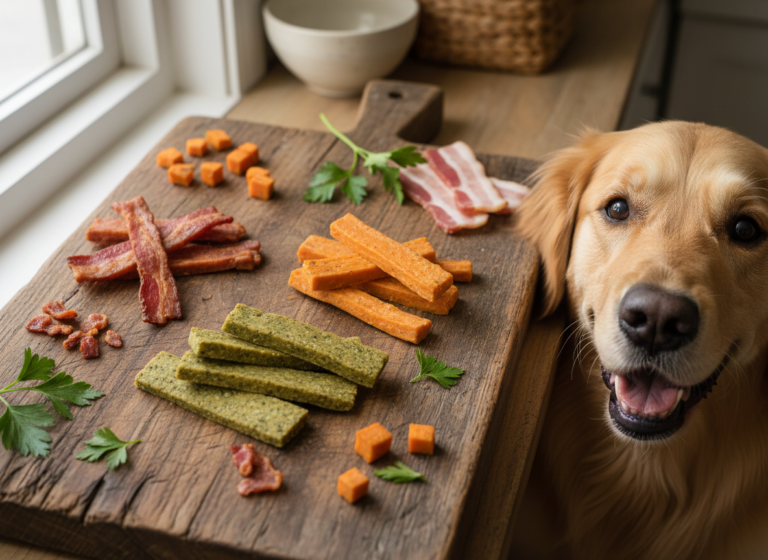
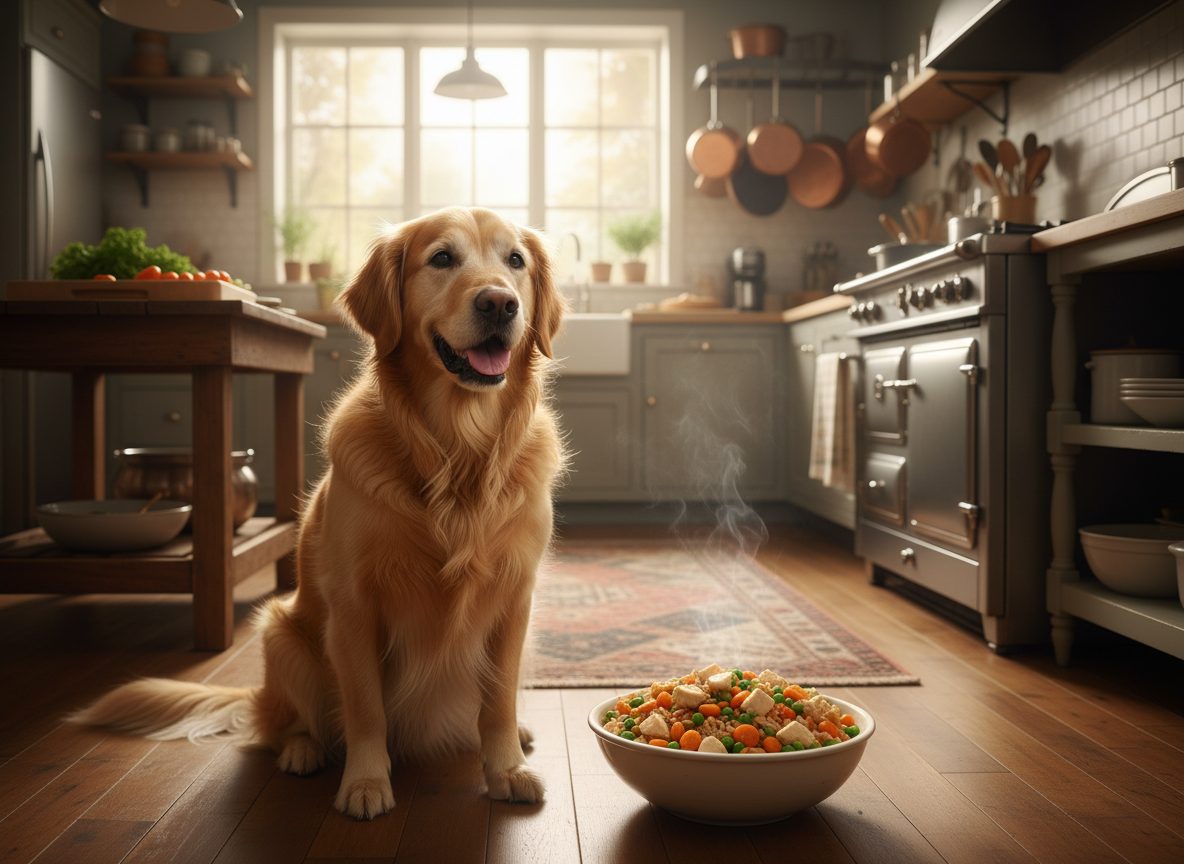
13 Copycat Hill’s Science Diet Recipes for Senior Dogs
Watching our beloved canine companions enter their golden years is a bittersweet journey. We want to provide them with the absolute best care, and that starts with their diet. Brands like Hill’s Science Diet have set a high standard for scientifically formulated senior dog food, packed with everything an aging pup needs. But what if you want to offer that same level of care with a personal, homemade touch? You’re in the right place!
We’ve developed 13 delicious and nutritious ‘copycat’ recipes inspired by the nutritional philosophy of Hill’s Science Diet for senior dogs. These recipes focus on lean proteins, digestible whole grains, joint-supporting nutrients, and powerful antioxidants—all from your own kitchen.
A Very Important Note: Please remember, these recipes are inspired by Hill’s Science Diet, not nutritionally identical replacements. Every senior dog is unique, with their own health needs. Always consult your veterinarian before making any significant changes to your dog’s diet. They can help you tailor these recipes and advise on necessary supplements to ensure a complete and balanced meal.
Quick Recipe Comparison
| Recipe | Main Protein | Key Benefit | Best For |
|---|---|---|---|
| Classic Chicken & Barley Banquet | Chicken | Digestibility & Lean Muscle | Overall senior maintenance |
| Salmon & Sweet Potato Supper | Salmon | Joint & Skin Health (Omega-3s) | Dogs with arthritis or dry skin |
| Turkey & Quinoa Comfort Bowl | Turkey | Low-Fat & High-Protein | Weight management |
| Beef & Brown Rice Bonanza | Lean Beef | Iron & Energy | Active seniors |
| Gentle Lamb & Oatmeal Gruel | Lamb | Sensitive Stomachs | Dogs with food sensitivities |
1. The Classic Chicken & Barley Banquet
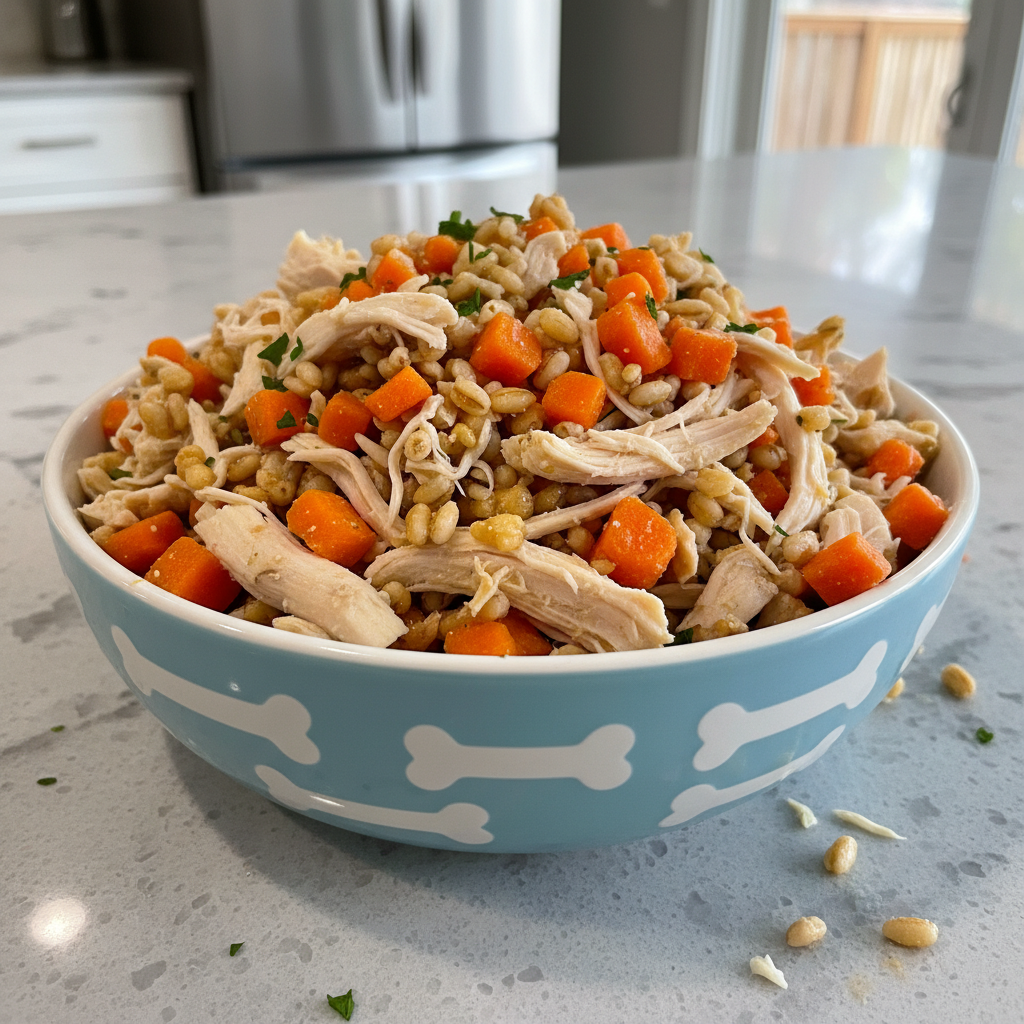
This recipe is the cornerstone of our copycat collection, mirroring the balanced, chicken-first approach of many Hill’s Science Diet formulas. It’s designed for easy digestion and maintaining lean muscle mass in older dogs.
Ingredients:
- 1 lb boneless, skinless chicken breast, cooked and shredded
- 1 cup cooked pearl barley
- 1/2 cup carrots, finely diced and steamed
- 1/2 cup green beans, chopped and steamed
- 1 tablespoon olive oil
- 1/4 cup chicken broth (low-sodium, no onion or garlic)
Instructions:
- In a large bowl, combine the shredded chicken, cooked barley, steamed carrots, and green beans.
- Drizzle with olive oil and the low-sodium chicken broth.
- Mix gently until all ingredients are well-combined.
- Serve at room temperature. Store leftovers in an airtight container in the refrigerator for up to 3 days.
Nutritional Spotlight:
Chicken provides essential amino acids for muscle maintenance, while barley is a fantastic source of soluble fiber for digestive health. The vegetables add crucial vitamins and antioxidants to support a senior dog’s immune system.
Pros & Cons
| Pros | Cons |
|---|---|
| Highly digestible and palatable | Barley contains gluten, which may not suit all dogs |
| Great for maintaining muscle mass | Requires cooking multiple components separately |
Verdict:
An excellent all-around meal for the average senior dog needing a balanced, easy-to-digest diet for daily maintenance.
2. Salmon & Sweet Potato Supper for Joints
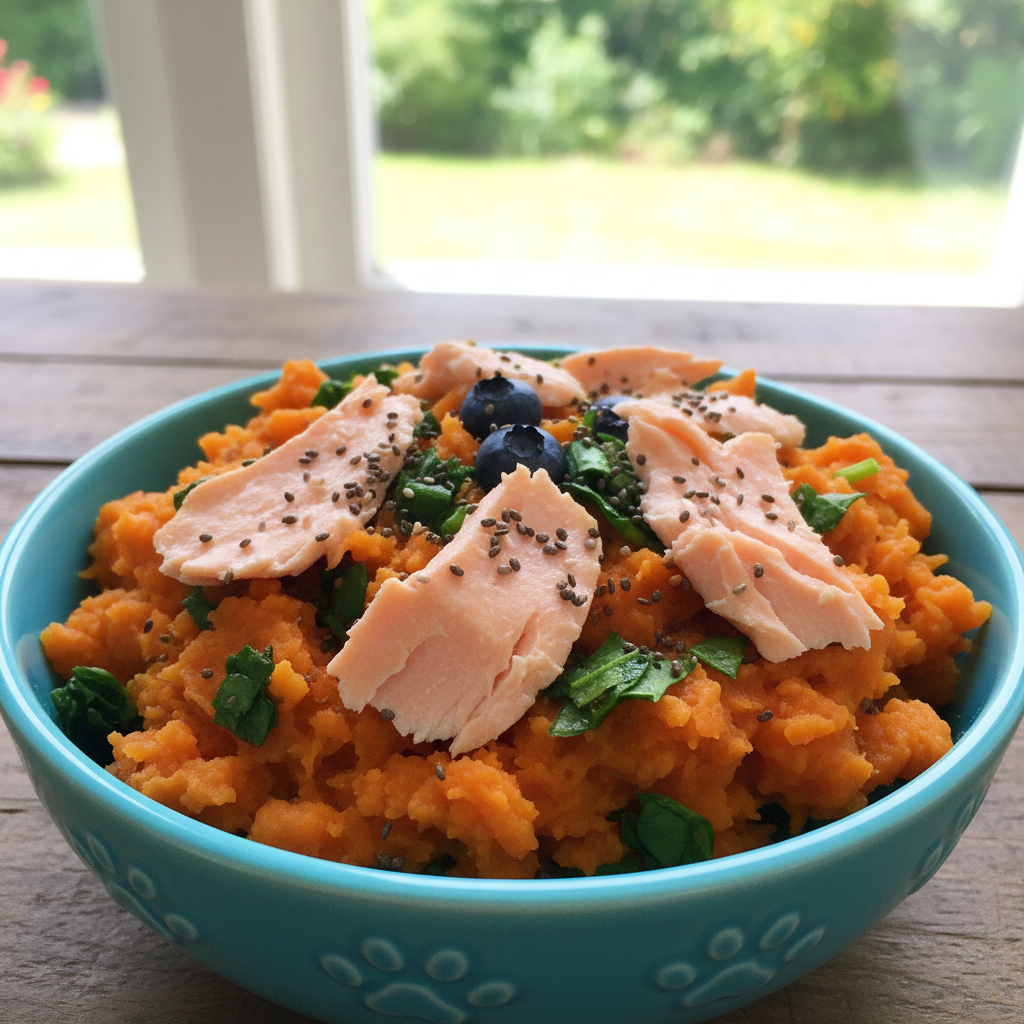
Inspired by formulas focused on mobility and skin health, this recipe is rich in Omega-3 fatty acids. Salmon is a powerhouse ingredient for reducing inflammation and supporting cognitive function in senior dogs.
Ingredients:
- 8 oz salmon fillet, cooked and flaked (skin removed)
- 1 cup sweet potato, baked and mashed
- 1/2 cup spinach, steamed and chopped
- 1 teaspoon fish oil (from a reputable source for pets)
- 2 tablespoons water or unsalted fish broth
Instructions:
- In a mixing bowl, gently flake the cooked salmon with a fork.
- Add the mashed sweet potato, chopped spinach, and fish oil.
- Stir in the water or broth to create a soft, mash-like consistency.
- Combine thoroughly and serve.
Nutritional Spotlight:
Salmon and fish oil are packed with EPA and DHA, Omega-3s known to support joint health, reduce inflammation, and promote a shiny coat. Sweet potatoes offer complex carbohydrates for energy and beta-carotene for vision health.
Pros & Cons
| Pros | Cons |
|---|---|
| Excellent for joint and skin health | Salmon can be more expensive than other proteins |
| Grain-free for sensitive dogs | Some dogs may not enjoy the taste of fish |
Verdict:
The perfect choice for senior dogs showing signs of stiffness, arthritis, or those struggling with dry, flaky skin.
3. Turkey & Quinoa Comfort Bowl
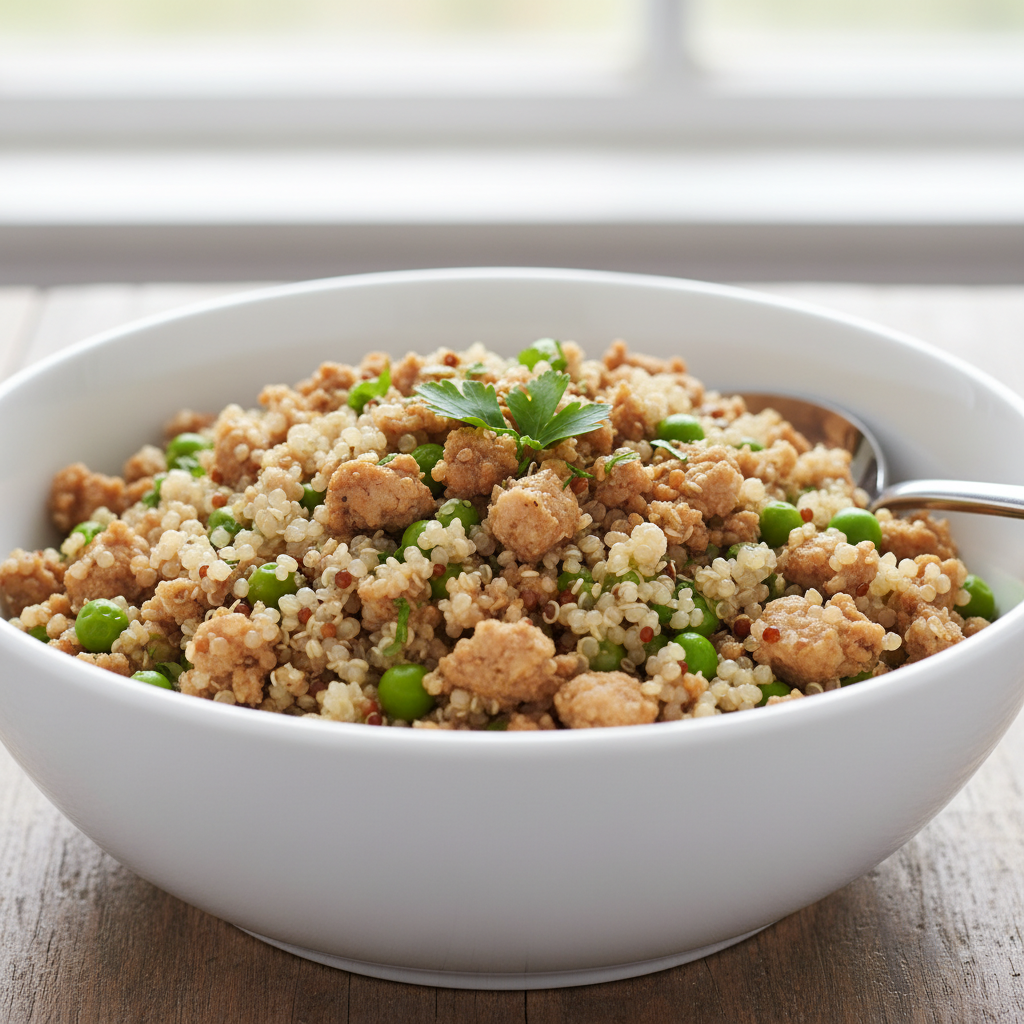
For senior dogs who need to watch their waistline, this low-fat, high-protein recipe is ideal. Turkey is a leaner alternative to chicken, and quinoa is a complete protein, making this a powerful combination for weight management without sacrificing nutrition.
Ingredients:
- 1 lb lean ground turkey, cooked and drained
- 1 cup cooked quinoa
- 1/2 cup peas, steamed
- 1/2 cup zucchini, grated
- 1 tablespoon coconut oil, melted
Instructions:
- Ensure the ground turkey is thoroughly cooked and any excess fat is drained off.
- In a large bowl, mix the cooked turkey with the cooked quinoa.
- Stir in the steamed peas and grated zucchini.
- Drizzle with melted coconut oil and mix until everything is evenly distributed.
Nutritional Spotlight:
Lean turkey helps maintain muscle while keeping calorie intake in check. Quinoa is a gluten-free seed that provides all nine essential amino acids, and zucchini adds hydration and fiber with very few calories.
Pros & Cons
| Pros | Cons |
|---|---|
| Great for weight management | Quinoa needs to be rinsed well before cooking to remove saponins |
| High in protein to prevent muscle loss | Some dogs might find the texture of quinoa unusual at first |
Verdict:
Best suited for overweight senior dogs or breeds prone to weight gain, providing a satisfying meal that supports a healthy metabolism.
4. Lean Beef & Brown Rice Bonanza
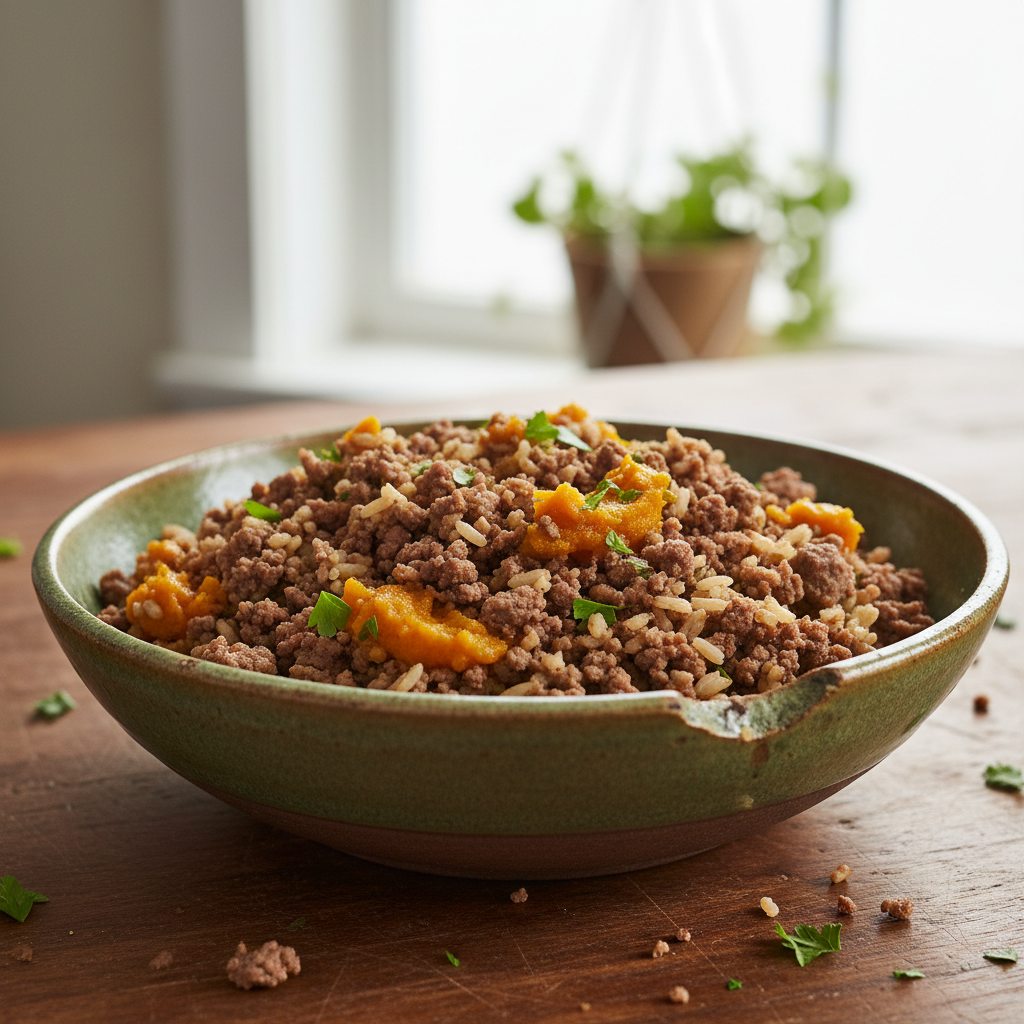
This hearty meal is for the senior dog who is still active and needs sustained energy. Lean ground beef provides iron and protein, while brown rice offers slow-release carbohydrates and fiber for digestive regularity.
Ingredients:
- 1 lb lean ground beef (90/10 or leaner), cooked and drained
- 1.5 cups cooked brown rice
- 1/2 cup chopped parsley
- 1 hard-boiled egg, chopped
- 1/4 cup pureed pumpkin (100% pure pumpkin, not pie filling)
Instructions:
- Crumble the cooked ground beef into a large bowl.
- Add the cooked brown rice, chopped parsley, and chopped hard-boiled egg.
- Spoon in the pureed pumpkin, which acts as a binder and a source of fiber.
- Mix thoroughly. The mixture should be moist but not wet.
Nutritional Spotlight:
Beef is a great source of zinc and iron, which are vital for a healthy immune system. The hard-boiled egg adds a boost of high-quality protein and biotin. Pumpkin is a superfood for dogs, aiding in digestion and providing beta-carotene.
Pros & Cons
| Pros | Cons |
|---|---|
| Excellent for active seniors needing energy | Beef can be a common allergen for some dogs |
| Rich in iron and B-vitamins | Higher in calories than poultry-based meals |
Verdict:
A fantastic option for active senior dogs who need a calorie-dense, nutrient-rich meal to fuel their adventures.
5. Gentle Lamb & Oatmeal Gruel
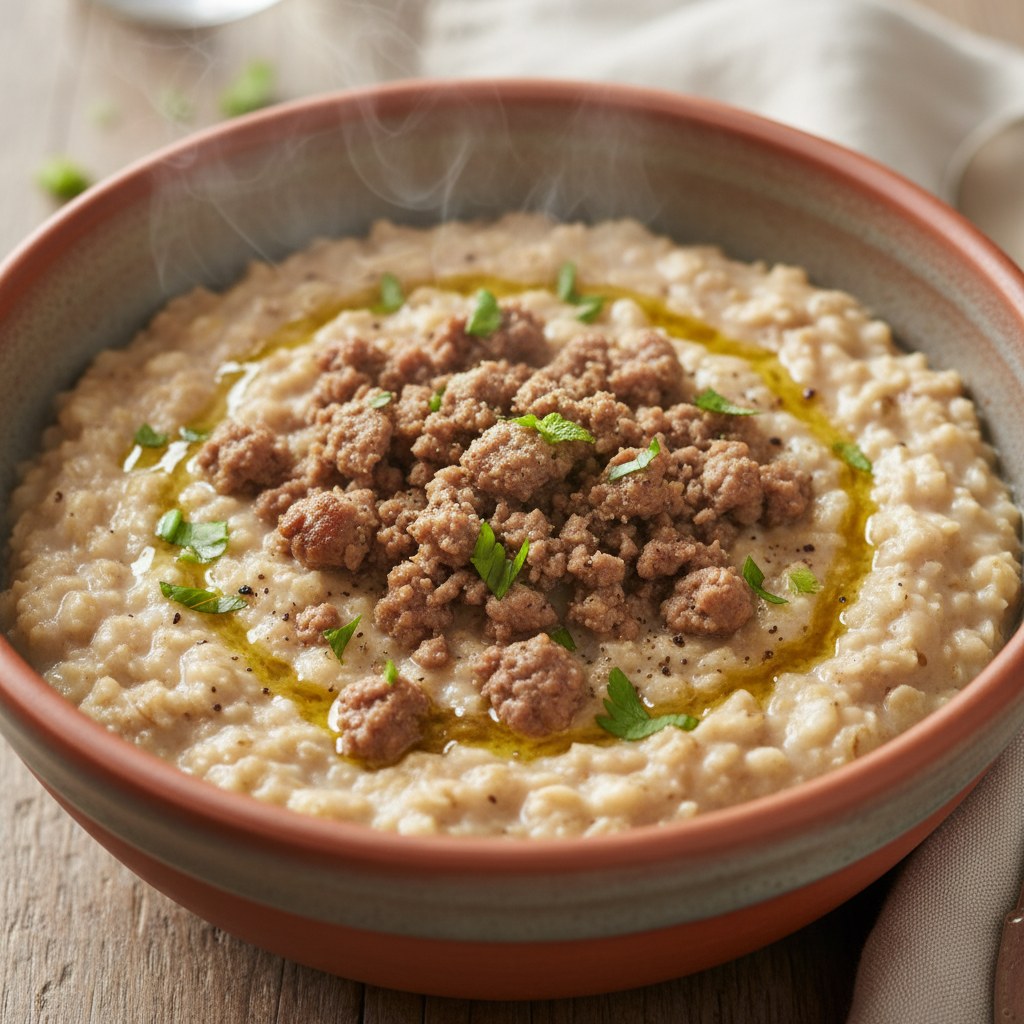
For seniors with sensitive stomachs or potential poultry allergies, lamb is an excellent alternative protein. Combined with soothing oatmeal, this recipe is designed to be gentle on the digestive system while still providing complete nutrition.
Ingredients:
- 1 lb ground lamb, cooked and drained
- 1.5 cups cooked oatmeal (cooked with water, no sugar or salt)
- 1/2 cup applesauce (unsweetened)
- 1/4 cup finely chopped celery
Instructions:
- In a bowl, combine the cooked ground lamb with the prepared oatmeal.
- Stir in the unsweetened applesauce and the finely chopped celery.
- Mix until it forms a soft, gruel-like consistency. Add a splash of water if it’s too thick.
Nutritional Spotlight:
Lamb is a novel protein for many dogs, which can be beneficial for those with allergies. Oatmeal provides soluble fiber that can help regulate bowel movements, and applesauce adds a touch of natural sweetness and vitamins.
Pros & Cons
| Pros | Cons |
|---|---|
| Excellent for dogs with sensitive stomachs or poultry allergies | Lamb is a higher-fat meat, so draining well is crucial |
| Very easy to eat for dogs with dental issues | Softer texture may not appeal to all dogs |
Verdict:
The go-to recipe for senior dogs with known food sensitivities or those who need an exceptionally gentle and easy-to-digest meal.
6. Antioxidant-Rich Berry & Chicken Bowl
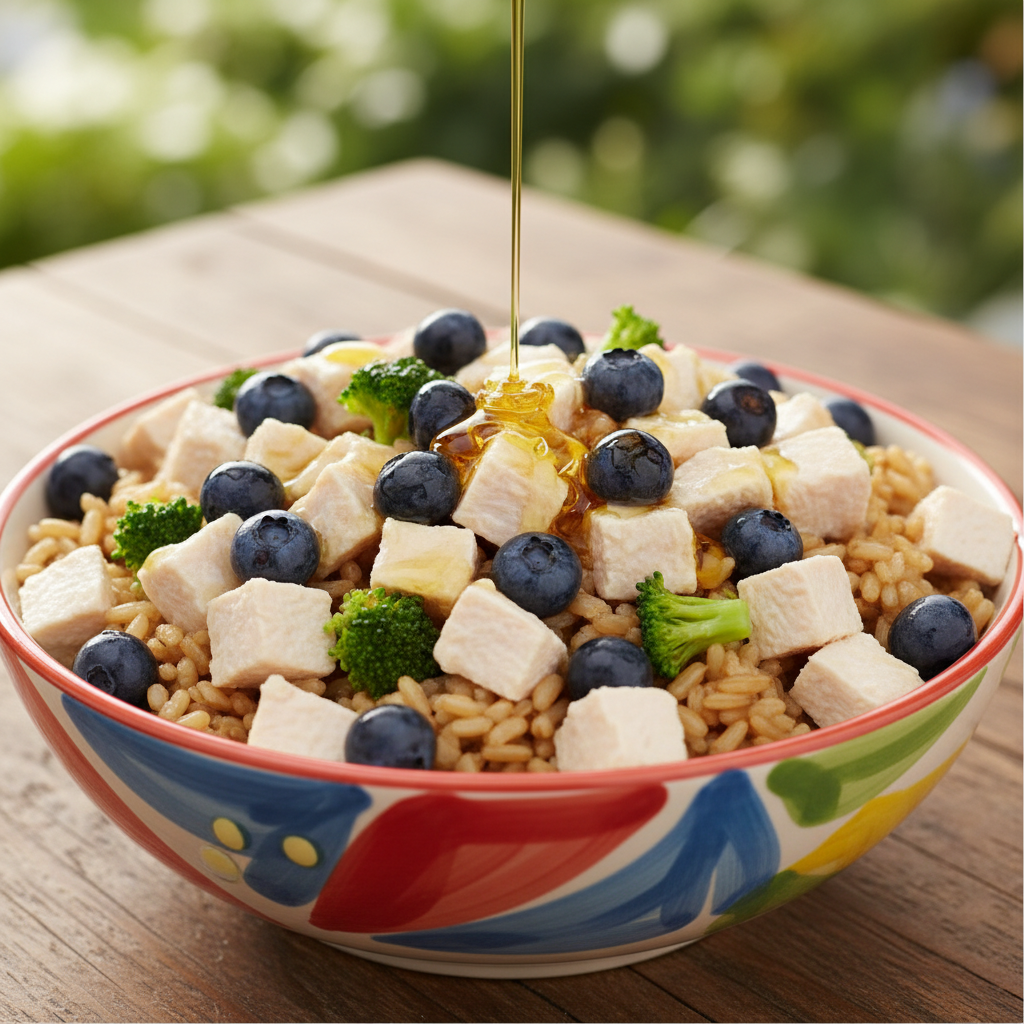
As dogs age, their immune systems can weaken. This recipe is inspired by formulas that include a blend of antioxidants to combat cellular damage. Blueberries are a safe and powerful antioxidant source for dogs.
Ingredients:
- 1 lb boneless, skinless chicken thighs, cooked and diced
- 1 cup cooked brown rice
- 1/4 cup blueberries (fresh or frozen)
- 1/4 cup steamed and chopped broccoli
- 1 teaspoon flaxseed oil
Instructions:
- Combine the diced chicken and cooked brown rice in a bowl.
- Add the blueberries and chopped broccoli.
- Drizzle with flaxseed oil, which adds another source of Omega-3s.
- Toss gently to combine all ingredients.
Nutritional Spotlight:
Blueberries are packed with anthocyanins, antioxidants that help protect cells from damage. Broccoli provides Vitamin C and fiber, while chicken thighs offer a slightly richer flavor and fat content compared to breast meat, which can be good for some seniors.
Pros & Cons
| Pros | Cons |
|---|---|
| High in antioxidants for immune support | Some dogs might pick out the blueberries |
| Provides a variety of vitamins and minerals | Broccoli can cause gas in some sensitive dogs |
Verdict:
A fantastic immune-boosting meal for any senior dog, particularly during seasonal changes or for those needing extra cellular support.
7. Kidney-Supportive Whitefish & Rice Medley
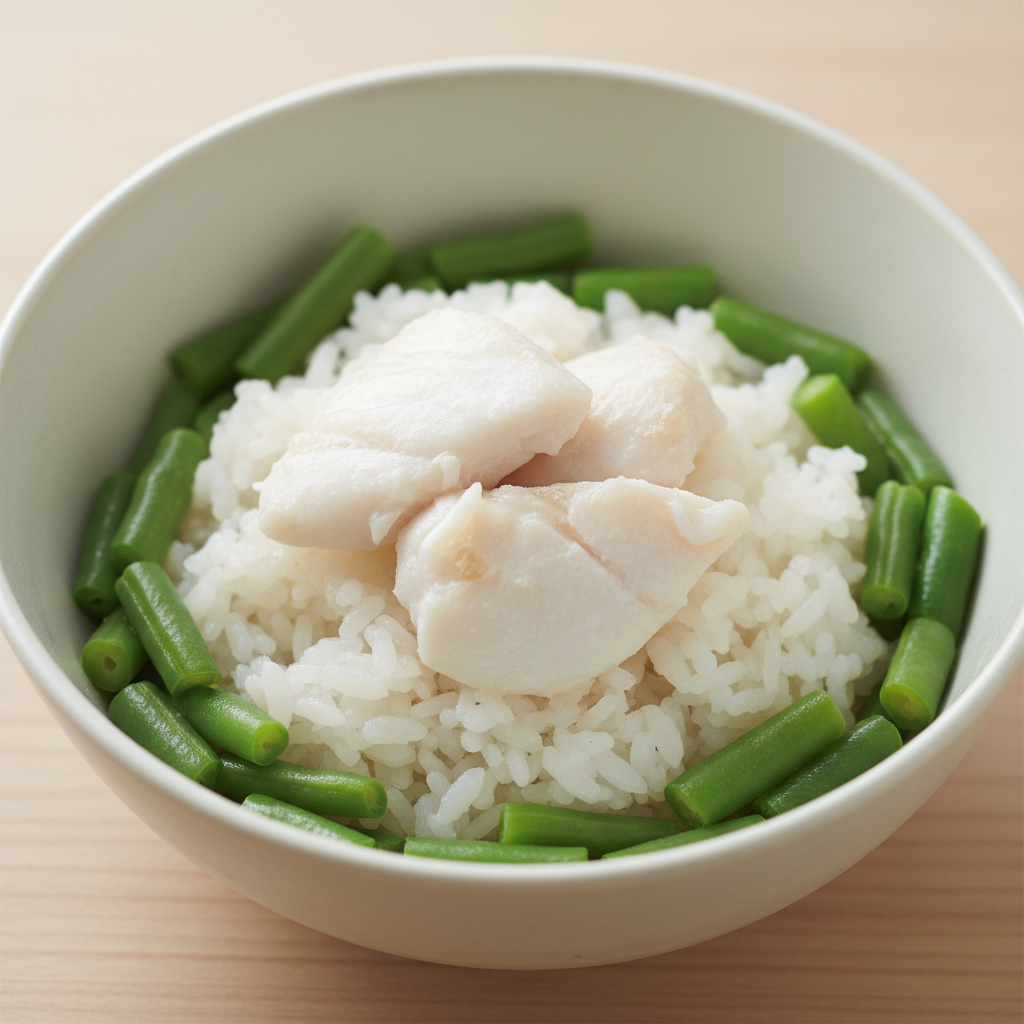
Senior dogs can be prone to kidney issues. This recipe is inspired by therapeutic diets and focuses on high-quality, easily digestible protein while being mindful of phosphorus levels. Whitefish like cod or haddock are excellent choices.
Ingredients:
- 1 lb cod or haddock fillet, baked or steamed and flaked
- 1.5 cups cooked white rice
- 1/2 cup green beans, steamed and chopped
- 1 hard-boiled egg white, chopped (yolk removed to lower phosphorus)
- 1 tablespoon olive oil
Instructions:
- Gently flake the cooked fish into a bowl, ensuring there are no bones.
- Add the cooked white rice, chopped green beans, and chopped egg white.
- Drizzle with olive oil and mix carefully to avoid turning it into a paste.
Nutritional Spotlight:
Whitefish is a lean, low-phosphorus protein that is easy on the kidneys. White rice is highly digestible, giving the digestive system a break. Removing the egg yolk significantly reduces the phosphorus content while retaining the high-quality protein of the egg white.
Pros & Cons
| Pros | Cons |
|---|---|
| Formulated to be gentler on the kidneys | Not a complete therapeutic diet; vet consultation is essential |
| Highly digestible and low in fat | White rice has a higher glycemic index than brown rice |
Verdict:
A good starting point for owners of senior dogs with early-stage kidney concerns, but it absolutely must be discussed with a vet before serving.
8. Hearty Duck & Lentil Stew
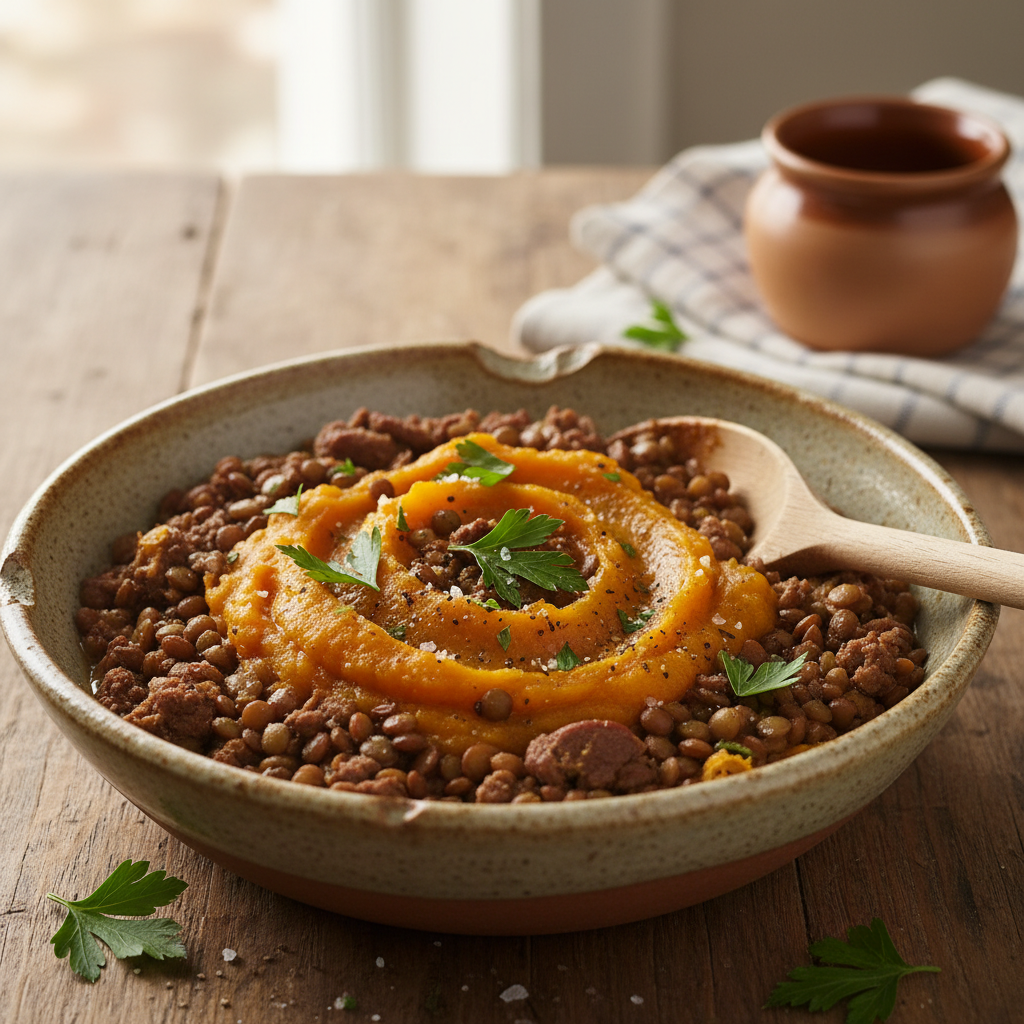
Duck is another fantastic novel protein that can be great for dogs with allergies. Paired with lentils, this stew offers a unique flavor profile and a grain-free source of carbohydrates and fiber.
Ingredients:
- 1 lb ground duck, cooked and drained
- 1 cup cooked brown or green lentils
- 1/2 cup carrots, shredded
- 1/2 cup butternut squash, steamed and mashed
- 1/4 cup water or low-sodium bone broth
Instructions:
- In a bowl, mix the cooked ground duck and cooked lentils.
- Stir in the shredded carrots and mashed butternut squash.
- Add the water or bone broth to create a stew-like consistency.
- Serve warm for a comforting meal.
Nutritional Spotlight:
Duck is rich in iron and amino acids. Lentils are a nutritional powerhouse, providing fiber, protein, and folate. Butternut squash is an excellent source of Vitamins A, C, and E.
Pros & Cons
| Pros | Cons |
|---|---|
| Grain-free and uses a novel protein | Lentils can cause gas; introduce slowly |
| Rich, hearty flavor many dogs love | Duck can be fatty; be sure to drain well |
Verdict:
An excellent grain-free option for dogs with chicken or beef allergies, offering a warm and hearty meal.
9. Liver & Veggie Mash for Vitamin Boost
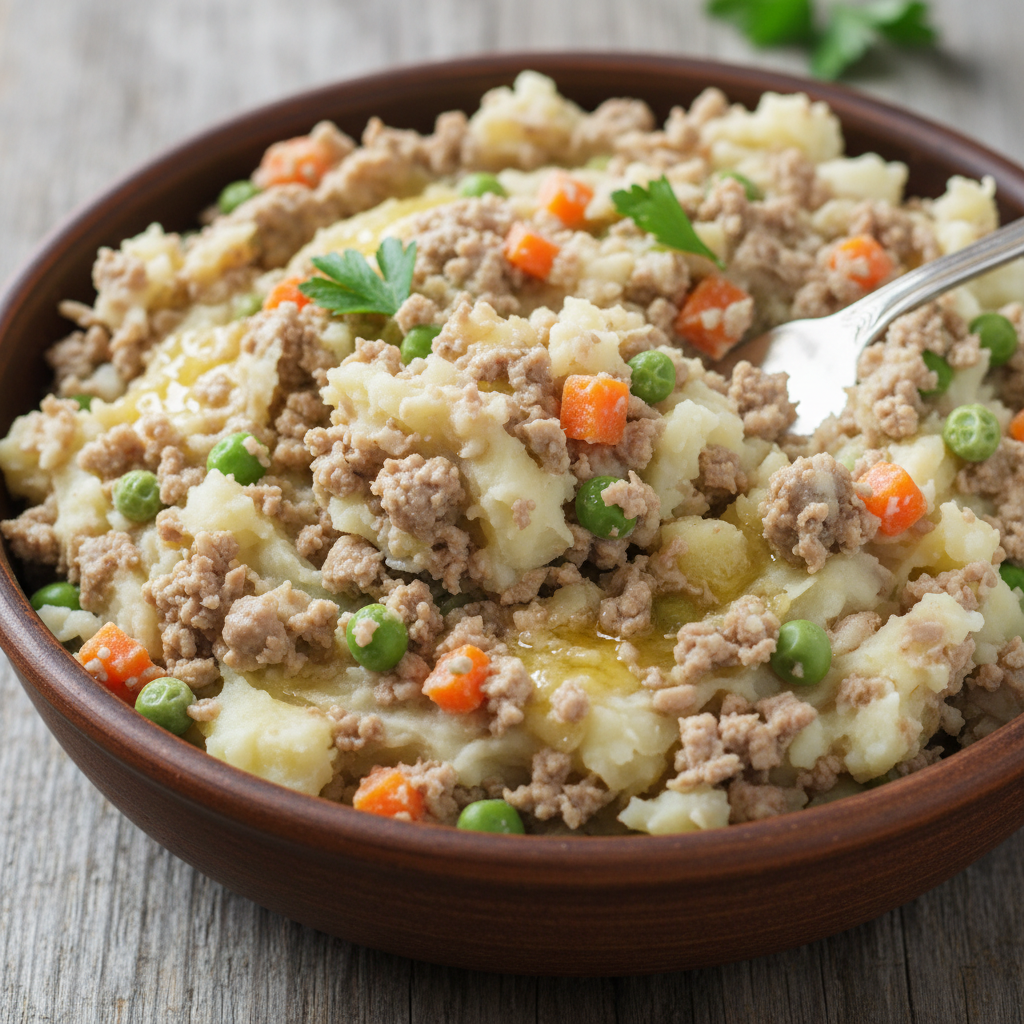
Organ meats are incredibly nutrient-dense. This recipe uses a small amount of beef liver to provide a concentrated source of vitamins and minerals, perfect for a senior dog’s diet in moderation.
Ingredients:
- 4 oz beef liver, boiled and finely chopped
- 1 lb lean ground turkey, cooked
- 1 cup mashed potatoes (plain, no butter, salt, or milk)
- 1/2 cup peas and carrots mix, steamed
Instructions:
- Cook the beef liver by boiling it until it’s firm, then chop it into very small pieces.
- In a large bowl, combine the chopped liver with the cooked ground turkey.
- Add the plain mashed potatoes and the steamed peas and carrots.
- Mix thoroughly until all ingredients are evenly incorporated.
Nutritional Spotlight:
Liver is one of nature’s multivitamins, rich in Vitamin A, B vitamins, iron, and copper. It’s important to use it sparingly, as too much Vitamin A can be toxic. This recipe uses a safe, supplemental amount.
Pros & Cons
| Pros | Cons |
|---|---|
| Extremely nutrient-dense | Must be fed in moderation due to high Vitamin A content |
| Highly palatable for picky eaters | The rich nature of liver can cause digestive upset if introduced too quickly |
Verdict:
A great weekly ‘booster’ meal for senior dogs to ensure they are getting a wide spectrum of essential vitamins and minerals.
10. Cottage Cheese & Egg Soft Meal
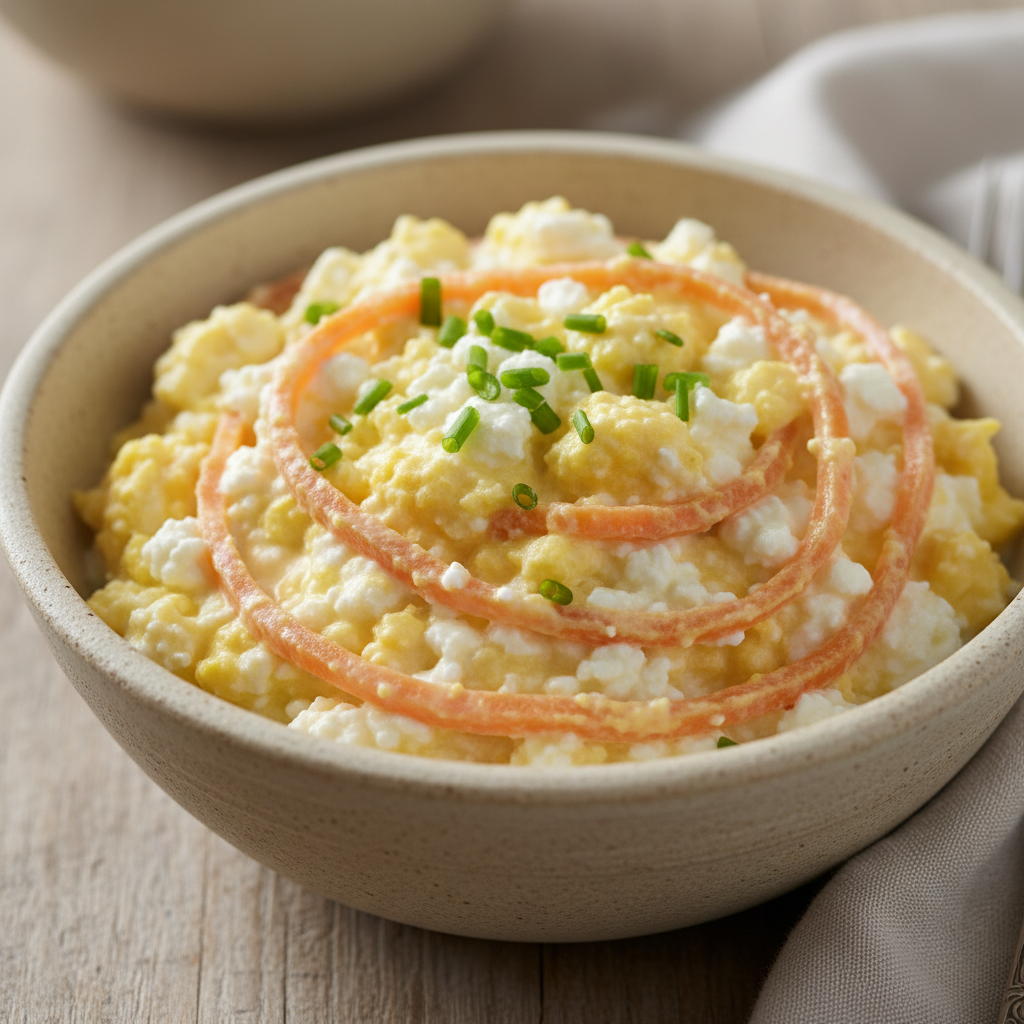
For seniors with dental problems or those who are recovering from illness, a soft, high-protein, and easy-to-digest meal is essential. This meat-free recipe is gentle and requires minimal chewing.
Ingredients:
- 1 cup low-fat cottage cheese
- 2 scrambled eggs (cooked without oil or butter)
- 1/2 cup cooked oatmeal
- 1/4 cup pureed carrots
Instructions:
- In a bowl, gently break up the scrambled eggs.
- Add the cottage cheese, cooked oatmeal, and pureed carrots.
- Stir until you have a soft, uniform mixture.
Nutritional Spotlight:
Cottage cheese and eggs are excellent sources of highly digestible protein and calcium. The oatmeal provides gentle fiber, and the pureed carrots make the nutrients easy to absorb.
Pros & Cons
| Pros | Cons |
|---|---|
| Very soft and easy to eat | Contains dairy, which may not be suitable for all dogs |
| Excellent for recovery or dental issues | Not as nutrient-diverse as meat-based recipes; best for occasional feeding |
Verdict:
Perfect for senior dogs with sore mouths, missing teeth, or those who need a bland, gentle diet during a period of low appetite or recovery.
11. Sardine & Pumpkin Digestive Aid
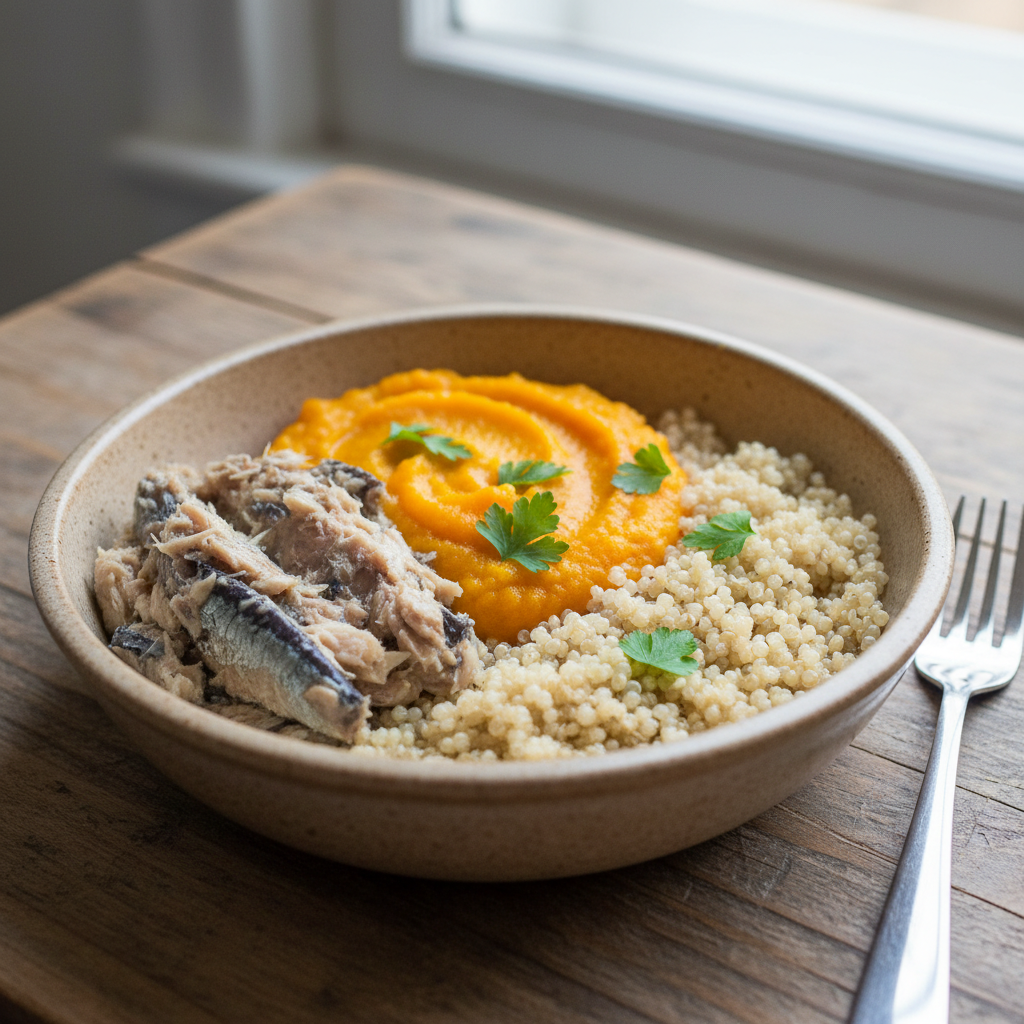
This simple but powerful recipe is focused on digestive health and joint support. Canned sardines are an affordable and potent source of Omega-3s, and pumpkin is the go-to ingredient for digestive regularity.
Ingredients:
- 1 can (3.75 oz) sardines packed in water, no salt added
- 1/2 cup 100% pure pumpkin puree
- 1/2 cup cooked quinoa
Instructions:
- Drain the water from the can of sardines.
- In a bowl, mash the sardines with a fork.
- Add the pumpkin puree and cooked quinoa.
- Mix well to combine.
Nutritional Spotlight:
Sardines (with bones) provide both Omega-3s and a natural source of calcium for aging bones. Pumpkin’s soluble fiber can help with both constipation and diarrhea by regulating water in the colon.
Pros & Cons
| Pros | Cons |
|---|---|
| Excellent for digestion and joint health | Has a very strong, fishy smell |
| Quick and easy to prepare, no cooking required (if quinoa is pre-cooked) | Best used as a meal topper or occasional meal rather than a daily staple |
Verdict:
A fantastic supplemental meal or topper to boost Omega-3 intake and support a healthy digestive tract, especially for dogs with irregular stools.
12. Chicken & Rice Congee for Hydration
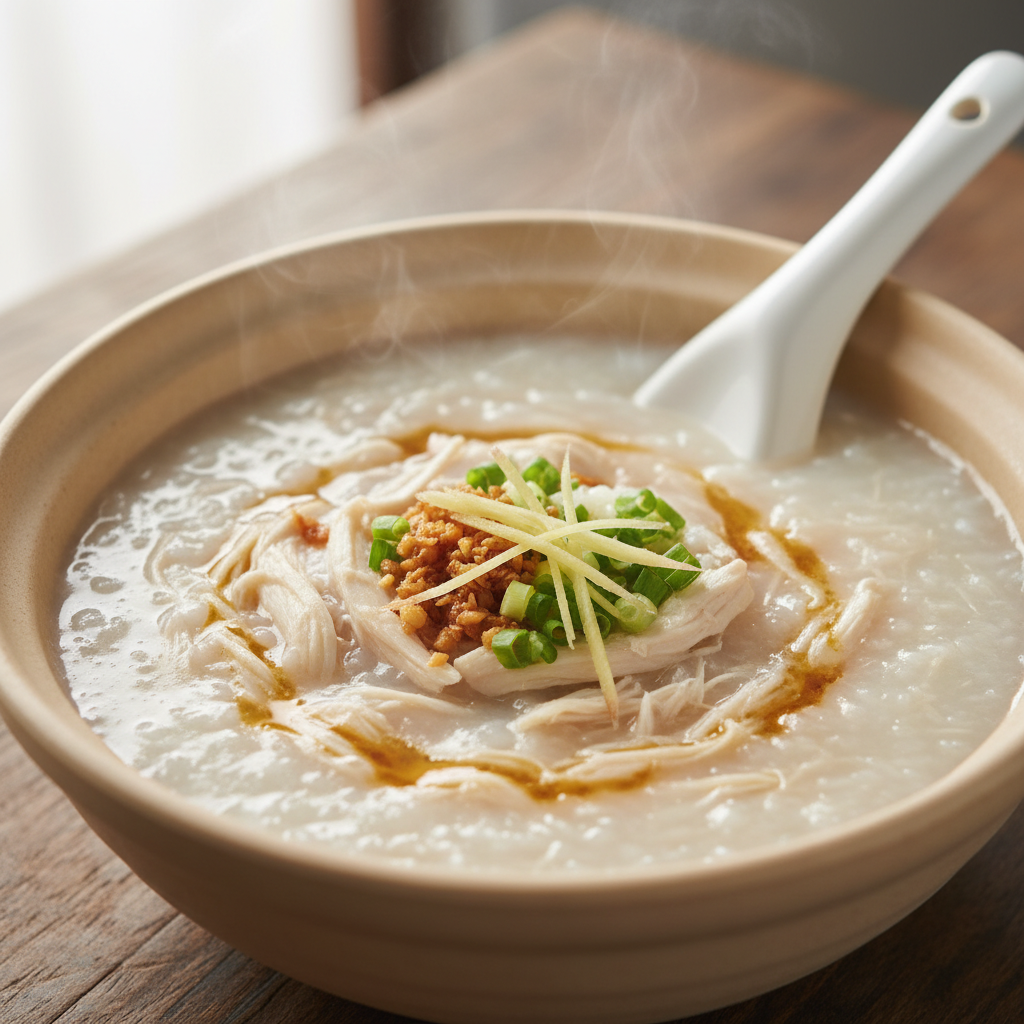
Congee, a type of rice porridge, is incredibly hydrating and easy on the stomach. This recipe is perfect for senior dogs who don’t drink enough water or need a bland diet that’s also comforting and warm.
Ingredients:
- 1/2 cup white rice
- 4 cups low-sodium chicken broth
- 1/2 lb boneless, skinless chicken breast, finely shredded
- 1 tablespoon finely chopped ginger (optional, aids digestion)
Instructions:
- In a pot, bring the chicken broth and rice to a boil.
- Reduce heat to low, cover, and simmer for 1-1.5 hours, stirring occasionally, until the rice has broken down and the mixture is thick and creamy.
- Stir in the shredded chicken and optional ginger during the last 10 minutes of cooking.
- Let it cool to a safe temperature before serving.
Nutritional Spotlight:
The slow-cooking process breaks down the rice, making it extremely easy to digest. The high liquid content is excellent for hydration. Ginger is a natural anti-inflammatory and can soothe an upset stomach.
Pros & Cons
| Pros | Cons |
|---|---|
| Extremely hydrating and digestible | Takes a long time to cook |
| Perfect for dogs with low appetite or upset stomachs | Lower in fiber than other recipes |
Verdict:
An ideal meal for sick or dehydrated senior dogs, or as a warm, comforting meal on a cold day.
13. The ‘Everything’ Senior Support Scramble
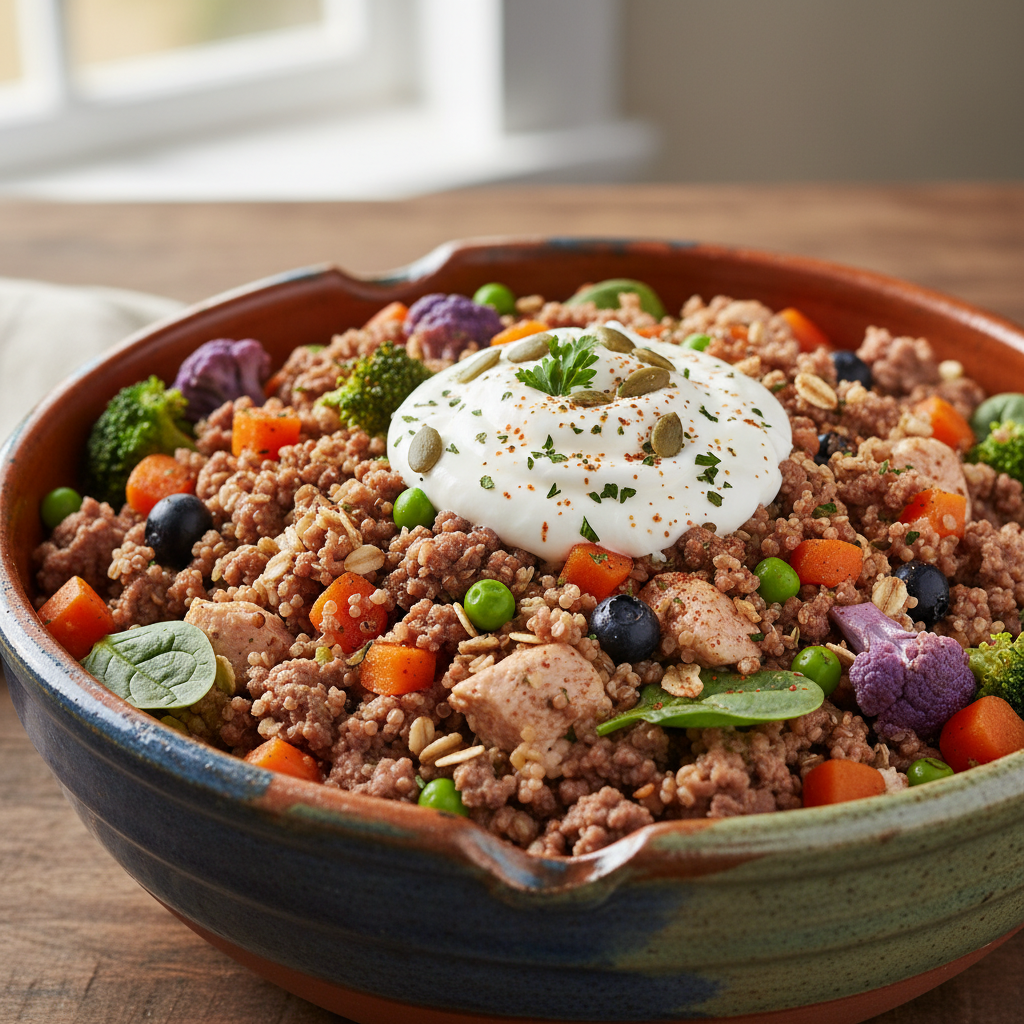
This final recipe is a nutrient-packed scramble that combines several key senior-support ingredients. It’s a great way to use up leftovers and provide a diverse range of nutrients in one bowl.
Ingredients:
- 1 lb lean ground meat (turkey, chicken, or beef), cooked
- 1 cup mixed cooked grains (barley, brown rice, or quinoa)
- 1/2 cup mixed steamed vegetables (carrots, peas, green beans)
- 2 tablespoons plain yogurt (with live cultures for probiotics)
- 1 teaspoon turmeric powder (a natural anti-inflammatory)
- A sprinkle of chopped parsley for fresh breath
Instructions:
- In a large bowl, combine the cooked ground meat, cooked grains, and steamed vegetables.
- Add the plain yogurt and sprinkle with turmeric powder and parsley.
- Mix everything together thoroughly.
Nutritional Spotlight:
This meal is a true medley. The yogurt provides probiotics for gut health, turmeric helps with inflammation, and the mix of protein, grains, and veggies ensures a wide array of vitamins and minerals.
Pros & Cons
| Pros | Cons |
|---|---|
| Nutritionally diverse and balanced | Combining many ingredients could be problematic if your dog has an unknown allergy |
| Includes probiotics and anti-inflammatories | Turmeric can stain bowls and surfaces |
Verdict:
A robust, all-in-one meal for a healthy senior dog, providing comprehensive support for digestion, joints, and overall vitality.
A Practical Guide to Homemade Senior Dog Food
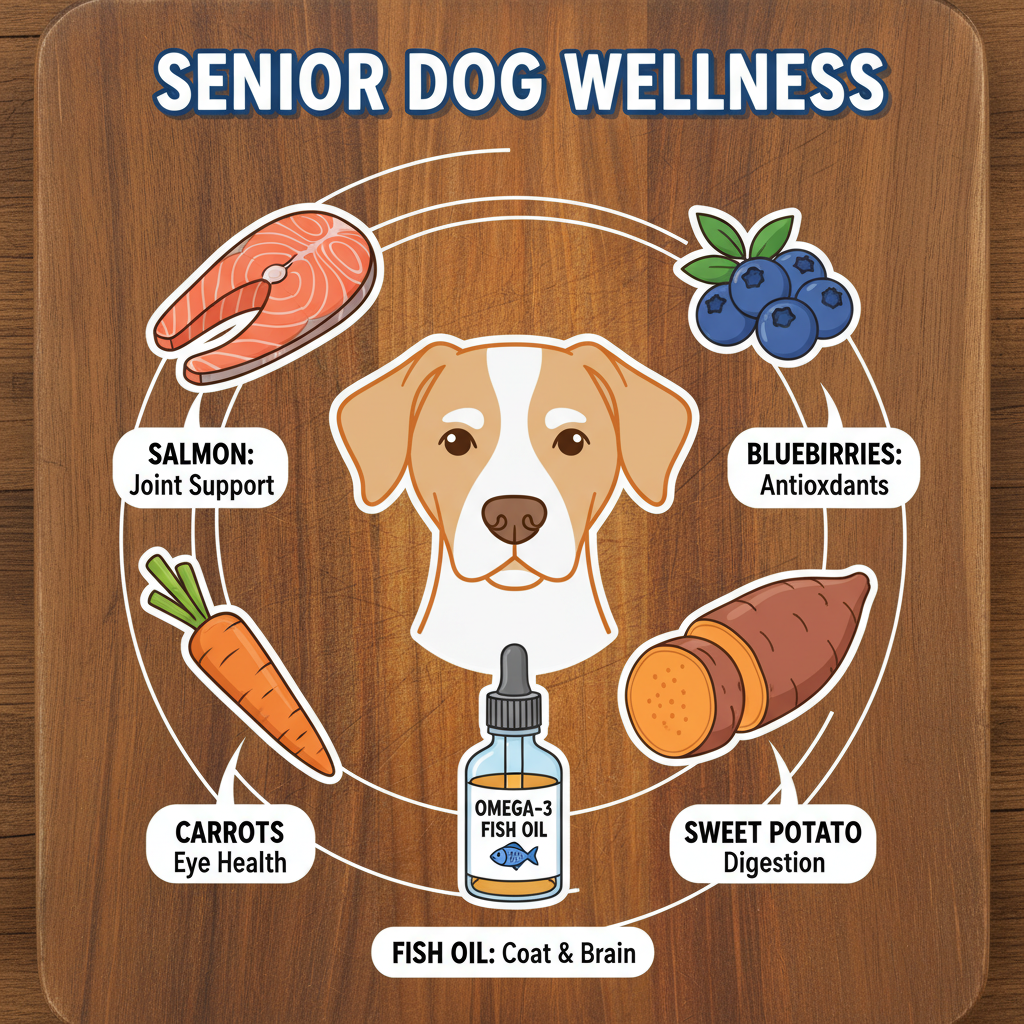
Switching to homemade food for your senior dog is a rewarding act of love, but it requires care and knowledge. Here’s what to keep in mind to ensure you’re doing it right.
Key Nutritional Needs for Seniors
- High-Quality Protein: As dogs age, they can lose muscle mass (a condition called sarcopenia). Providing easily digestible proteins like chicken, turkey, fish, and eggs is crucial to help them maintain strength.
- Controlled Fat: Senior dogs are typically less active, so their calorie needs decrease. Healthy fats, especially Omega-3s from fish oil, are vital for brain and joint health, but overall fat content should be moderate to prevent weight gain.
- Digestible Carbohydrates: Complex carbs like sweet potatoes, brown rice, and oatmeal provide sustained energy and fiber. Fiber is key for maintaining regular bowel movements, which can be an issue for older dogs.
- Joint Support: Ingredients rich in glucosamine and chondroitin are beneficial. You can find these in bone broth or talk to your vet about adding a high-quality joint supplement to their homemade meals.
- Antioxidants: Vitamins E and C, along with nutrients from colorful fruits and veggies like blueberries and carrots, help fight cellular damage and support the immune system.
Portion Control is Crucial
One of the biggest risks of homemade diets is overfeeding. A senior dog’s metabolism is slower, making them prone to obesity, which puts extra strain on their joints and organs. Work with your vet to determine the exact number of calories your dog needs per day, and use a kitchen scale to measure portions accurately.
The Supplement Conversation
It is nearly impossible to create a homemade diet that is 100% nutritionally complete without supplements. Commercial dog foods are fortified with a precise blend of vitamins and minerals. When you cook at home, you must add these back in. Talk to your vet or a veterinary nutritionist about the right calcium-to-phosphorus ratio and the best multivitamin/mineral supplement to ‘balance’ your chosen recipe.
Frequently Asked Questions

How much homemade food should I feed my senior dog?
This depends entirely on your dog’s weight, breed, activity level, and the specific recipe’s caloric content. A general guideline is to feed 2-3% of their ideal body weight daily, but this is a rough estimate. The safest and most accurate method is to calculate the calories in your recipe and consult your veterinarian for a precise daily feeding recommendation.
Can I make these recipes in bulk and freeze them?
Absolutely! Batch cooking is a huge time-saver. You can prepare a week’s worth of food, portion it into daily servings in freezer-safe containers or bags, and freeze it. To serve, simply thaw a portion in the refrigerator overnight. You can warm it slightly before serving, but never microwave it in plastic and always check that it’s not too hot.
Are there any ‘healthy’ human foods I should NEVER give my senior dog?
Yes, many foods are toxic to dogs. Never include onions, garlic, grapes, raisins, chocolate, macadamia nuts, xylitol (an artificial sweetener), or cooked bones in their meals. Cooked bones can splinter and cause serious internal damage. Always research any new ingredient before adding it to your dog’s bowl.
My senior dog is a picky eater. How can I transition them?
Transition slowly. Start by mixing a small amount of the new homemade food (maybe 10%) with their old food (90%). Over a week or two, gradually increase the proportion of the new food while decreasing the old food. Warming the homemade food slightly can also enhance its aroma and make it more appealing to a fussy eater.
Conclusion
Embarking on a homemade food journey for your senior dog is a wonderful way to show your love and take control of their nutrition. These 13 recipes, inspired by the science-backed formulas of Hill’s Science Diet, provide a fantastic starting point for creating wholesome, delicious, and supportive meals. From joint-soothing salmon to gentle lamb and everything in between, there’s a recipe here to suit nearly every senior pup’s needs.
Remember, the most critical ingredient in any homemade diet plan is the guidance of your trusted veterinarian. They are your partner in ensuring your dog’s diet is balanced, complete, and perfectly tailored to their individual health requirements. Cooking for your dog is more than just feeding them; it’s about nourishing them through their precious golden years. Happy cooking!