13 Simple Mahi Mahi Dog Food Recipes Rich in Omegas
Hey there, fellow pet parent! Are you ever in the kitchen, cooking up a delicious, healthy meal for yourself and you catch that hopeful look from your furry best friend? That ‘Is any of that for me?’ gaze? Well, get ready to say ‘Yes!’ because we’re diving into the wonderful world of homemade dog food, starring the fantastic fish, Mahi Mahi.
Why Mahi Mahi? This mild, sweet-tasting fish is more than just a treat; it’s a nutritional powerhouse for our pups. It’s a fantastic source of lean protein, which is essential for muscle development and energy. But the real star of the show is its high concentration of omega-3 fatty acids, particularly EPA and DHA. These incredible nutrients are famous for giving dogs a lustrous, shiny coat, supporting joint health and mobility (especially in older dogs), boosting brain function, and reducing inflammation throughout the body. It’s a true superfood from the sea!
We’ve curated 13 simple, delicious, and vet-approved recipes that are easy to whip up. From hearty mashes to light stir-fries, there’s something here to get every tail wagging. So, let’s tie on our aprons and cook up some love for our canine companions!
1. The Classic: Mahi Mahi & Sweet Potato Mash
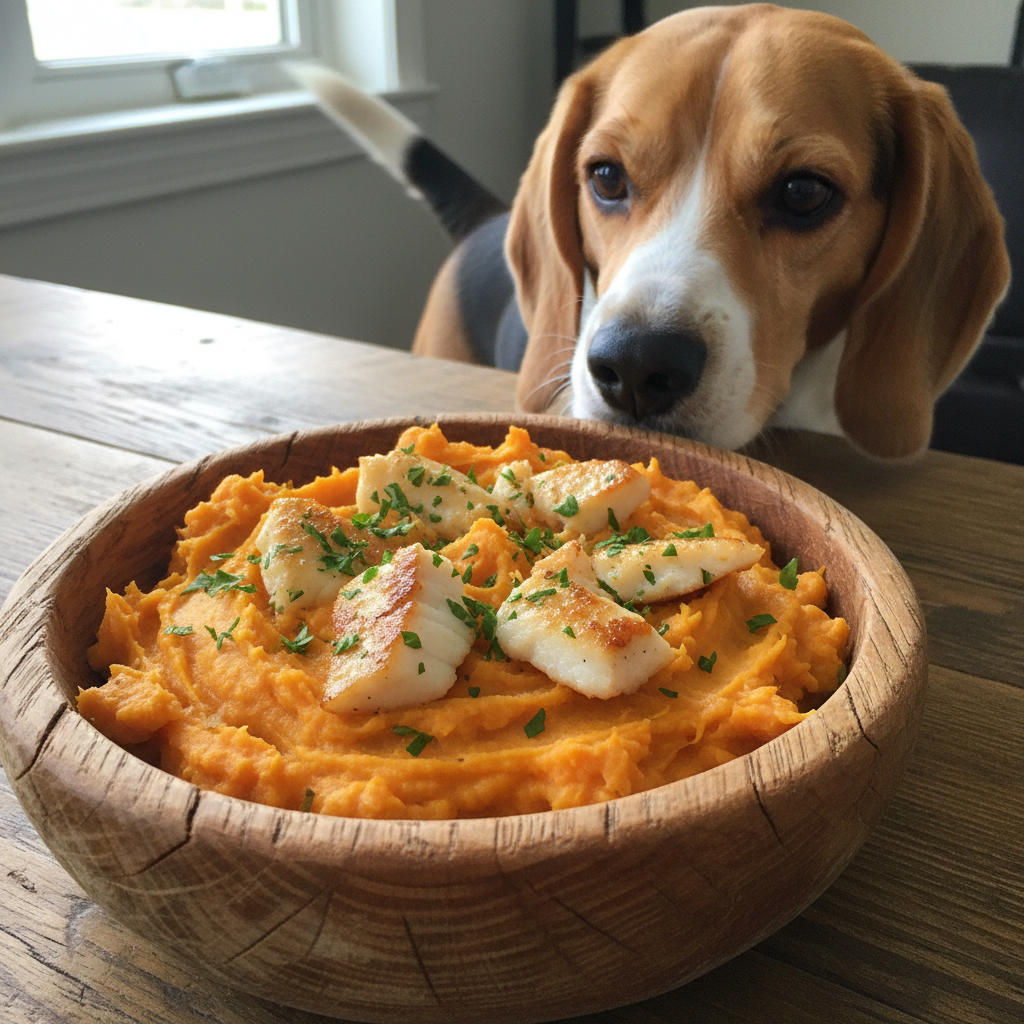
This recipe is a timeless classic for a reason. It combines the lean protein of mahi mahi with the fiber-rich, vitamin-packed goodness of sweet potatoes. It’s gentle on the tummy and incredibly satisfying for your pup.
Ingredients:
- 1 (6-ounce) mahi mahi fillet, skinless and boneless
- 1 medium sweet potato, peeled and cubed
- 1 tablespoon of chopped fresh parsley
- 4 cups of water
Instructions:
- Place the cubed sweet potato in a medium pot and cover with water. Bring to a boil and cook for 15-20 minutes, or until fork-tender.
- While the sweet potato is cooking, you can steam or bake the mahi mahi. To steam, place the fillet in a steamer basket over boiling water for 8-10 minutes until it’s opaque and flakes easily. To bake, wrap it in parchment paper and bake at 400°F (200°C) for 10-12 minutes.
- Drain the sweet potatoes, reserving a little of the cooking water. Mash them with a fork or potato masher, adding a splash of the reserved water if needed to reach a smooth consistency.
- Flake the cooked mahi mahi with a fork, ensuring there are no bones.
- Gently fold the flaked fish and chopped parsley into the sweet potato mash.
- Let it cool completely before serving. Store any leftovers in an airtight container in the refrigerator for up to 3 days.
Nutritional Spotlight:
Sweet potatoes are a fantastic source of dietary fiber, which aids in digestive health. They are also rich in Vitamin A, which is crucial for vision, and Vitamin C, an important antioxidant.
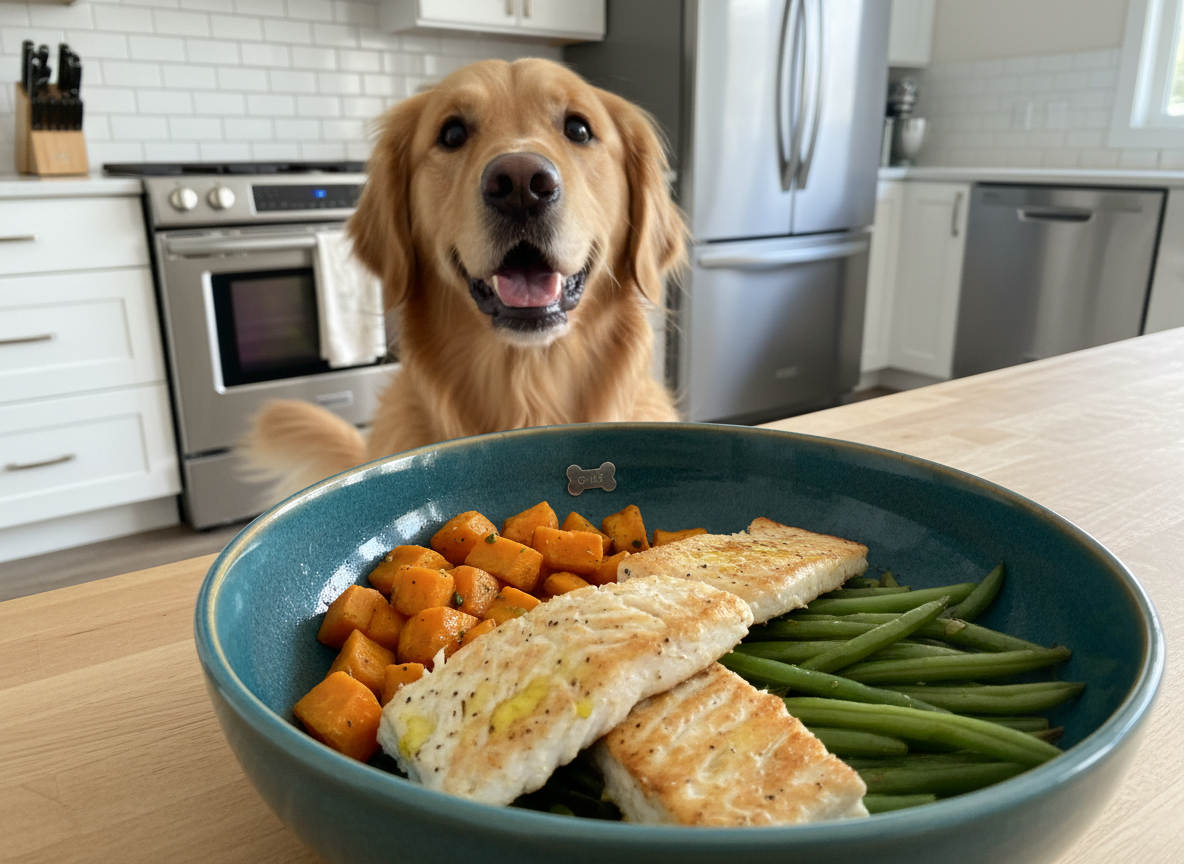
2. The Balanced Bowl: Mahi, Brown Rice & Green Beans
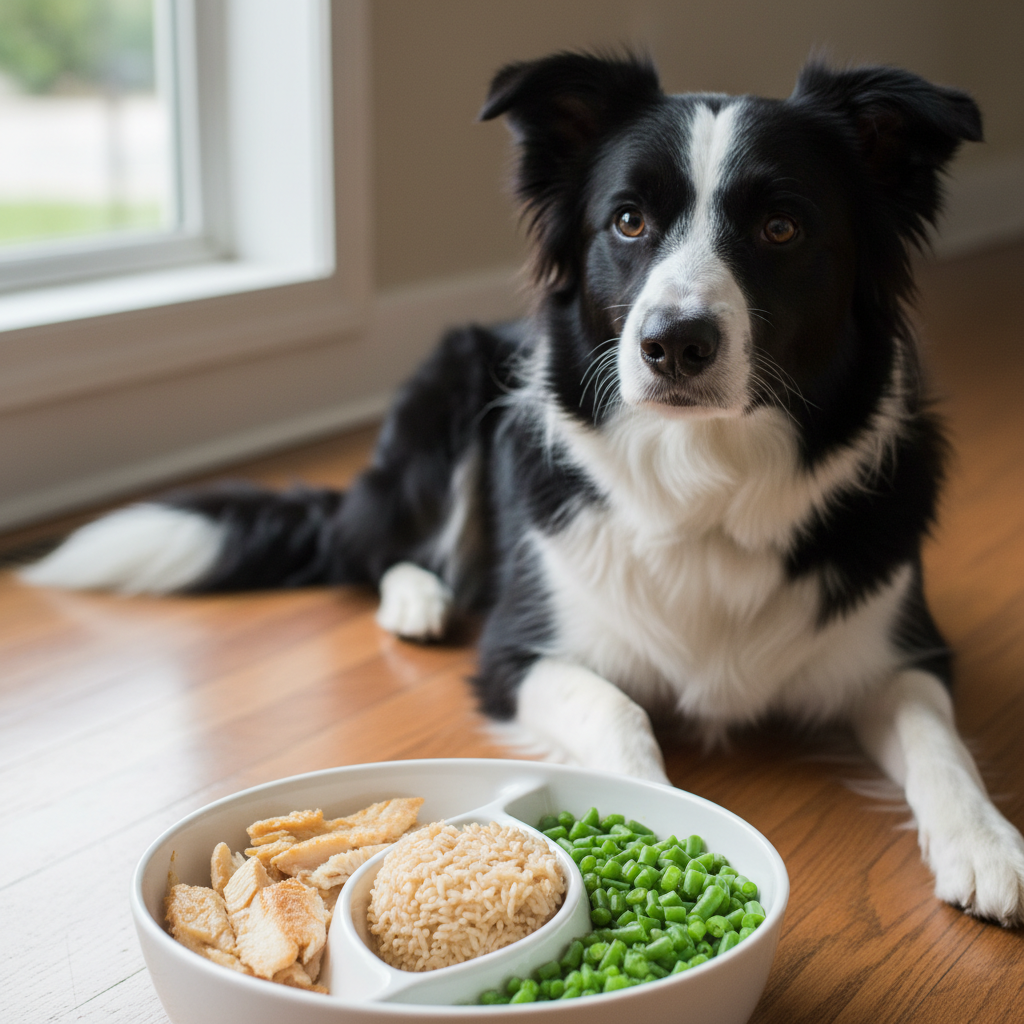
This recipe is the canine equivalent of a perfectly balanced human meal. It provides high-quality protein, complex carbohydrates for sustained energy, and fibrous veggies for gut health. It’s a great everyday meal for an active dog.
Ingredients:
- 1 (6-ounce) mahi mahi fillet, skinless and boneless
- 1/2 cup cooked brown rice
- 1/4 cup chopped green beans (fresh or frozen)
- 1 teaspoon of coconut oil
Instructions:
- Cook the brown rice according to package directions and set aside.
- Steam the green beans until tender-crisp, about 5-7 minutes. If using frozen, you can boil them for 3-4 minutes.
- Gently poach the mahi mahi fillet in a shallow pan of simmering water for about 8-10 minutes, or until cooked through. Alternatively, pan-sear it in the teaspoon of coconut oil over medium heat for 3-4 minutes per side.
- Remove the fish from the pan and let it cool slightly before flaking it into bite-sized pieces. Check carefully for any stray bones.
- In your dog’s bowl, combine the flaked mahi mahi, cooked brown rice, and steamed green beans.
- Drizzle with the coconut oil (if not used for cooking) and mix everything together. Serve once cooled to room temperature.
Nutritional Spotlight:
Brown rice offers essential minerals like manganese and selenium, while green beans are a great source of Vitamin K. Coconut oil contains medium-chain triglycerides (MCTs) that can help improve brain energy and digestion.
3. The Tummy Soother: Grain-Free Mahi & Pumpkin Delight
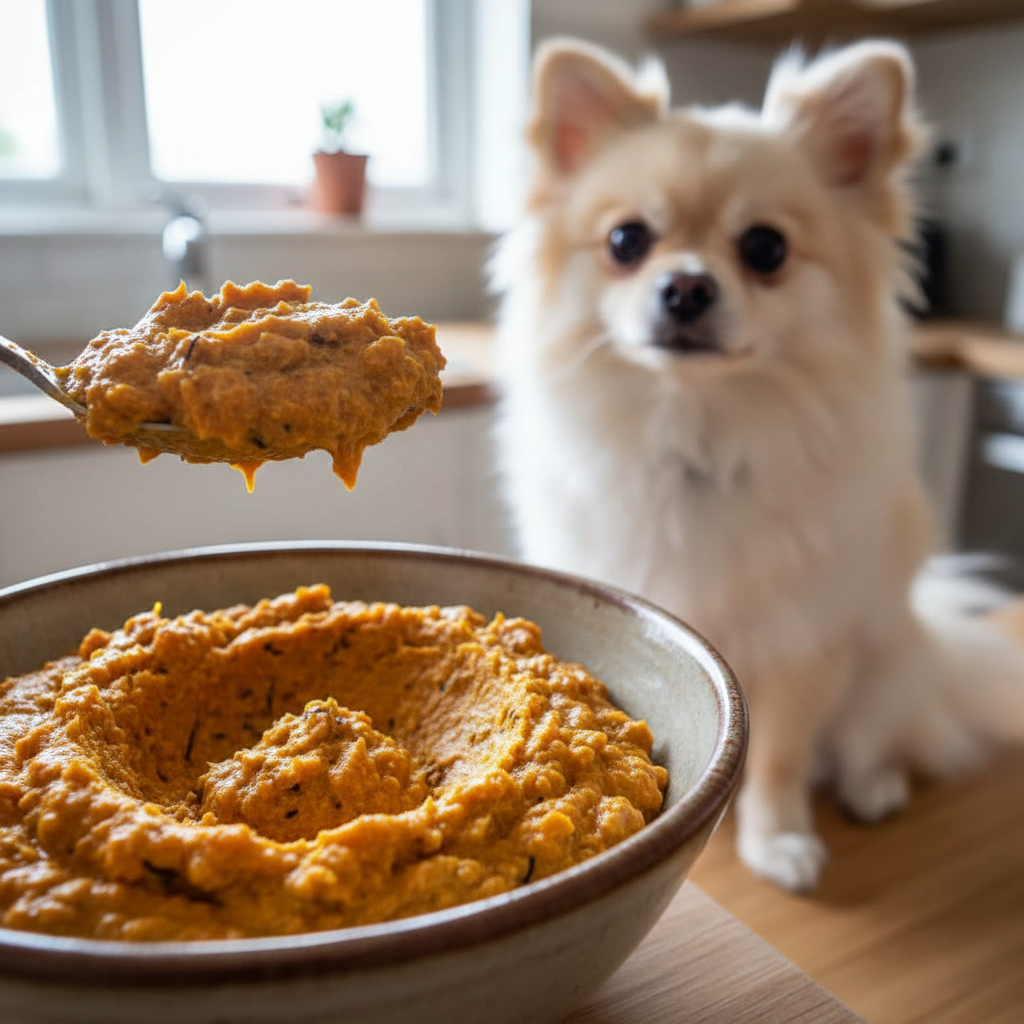
If your pup has a sensitive stomach, this grain-free recipe is a fantastic choice. Pumpkin is a well-known digestive aid for dogs, helping with both constipation and diarrhea. It’s simple, soothing, and delicious.
Ingredients:
- 1 (6-ounce) mahi mahi fillet, skinless and boneless
- 1/2 cup 100% pure pumpkin puree (not pie filling!)
- 1/4 cup chopped carrots
- A pinch of ginger (optional, great for nausea)
Instructions:
- Boil or steam the chopped carrots until they are very tender, about 10-15 minutes.
- While the carrots cook, steam or bake the mahi mahi fillet until it is fully cooked and flakes easily.
- Let the fish cool, then flake it apart, meticulously checking for bones.
- In a bowl, mash the cooked carrots. Add the pumpkin puree, the flaked mahi mahi, and a tiny pinch of ginger if you’re using it.
- Stir everything together until well combined. The consistency should be like a thick stew.
- Serve at room temperature. This is a great meal topper or a full meal for smaller dogs.
Nutritional Spotlight:
Pumpkin is the star here, loaded with fiber and beta-carotene (a precursor to Vitamin A). Ginger is a natural anti-inflammatory and can help soothe an upset stomach.
4. The Powerhouse: Mahi & Quinoa Power Bowl
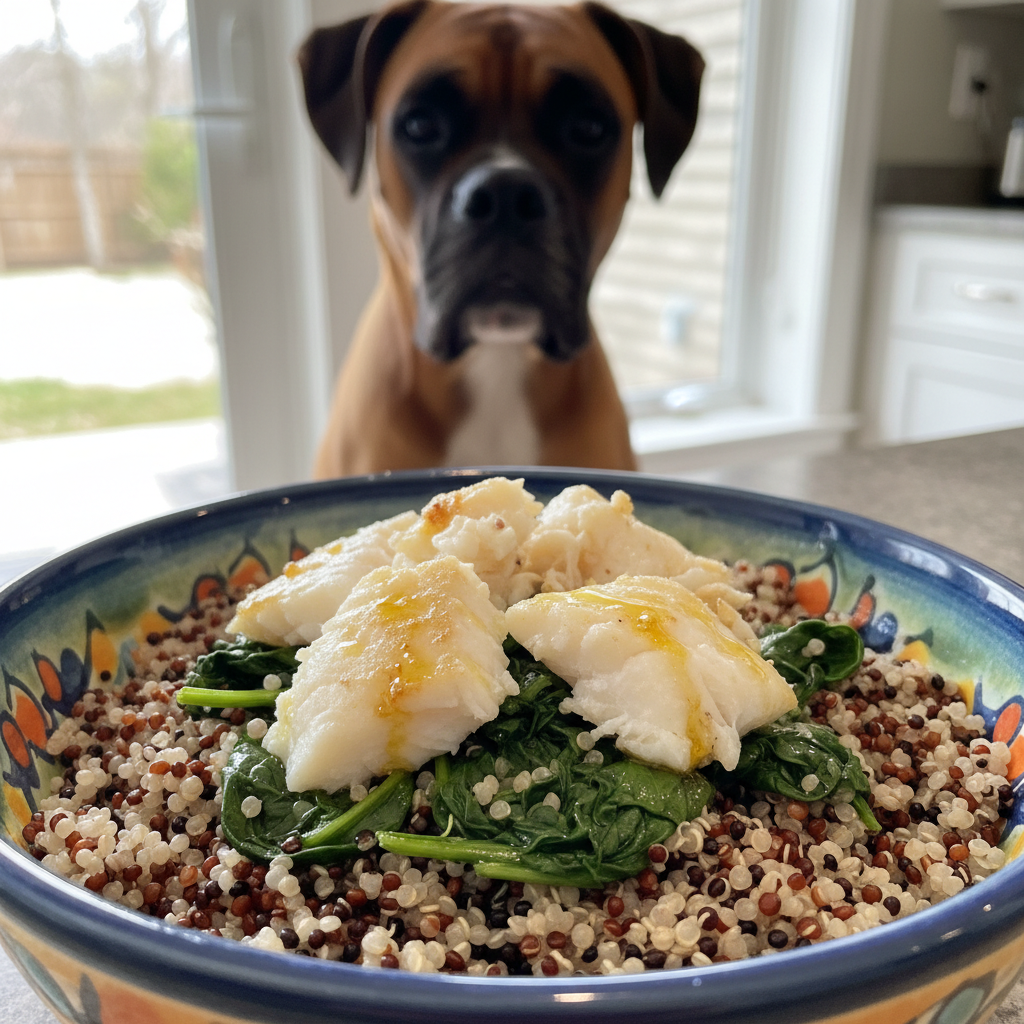
For the athletic or highly active dog, this Power Bowl is packed with everything they need to refuel. Quinoa is a complete protein, meaning it contains all nine essential amino acids, making this a muscle-building masterpiece.
Ingredients:
- 1 (6-ounce) mahi mahi fillet, skinless and boneless
- 1/2 cup cooked quinoa
- 1/4 cup chopped spinach
- 1 teaspoon of flaxseed oil
Instructions:
- Cook the quinoa according to package instructions and let it cool.
- Bake the mahi mahi fillet at 400°F (200°C) for 10-12 minutes. While it’s still warm, flake it with a fork.
- In a non-stick pan, lightly wilt the spinach over low heat for 1-2 minutes. You don’t need any oil.
- In your dog’s bowl, combine the flaked fish, cooked quinoa, and wilted spinach.
- Drizzle the flaxseed oil over the top and mix gently.
- Allow it to cool completely before serving this nutritious feast.
Nutritional Spotlight:
Quinoa is a gluten-free seed that’s a fantastic source of protein and fiber. Spinach is rich in iron and vitamins, while flaxseed oil provides an extra boost of Omega-3 and Omega-6 fatty acids for skin health.
5. The Veggie-Lover’s Stir-Fry

Get those veggies in! This ‘stir-fry’ (cooked without heavy oils or sauces, of course) is a great way to incorporate a variety of vitamins and minerals into your dog’s diet. It’s colorful, crunchy, and full of goodness.
Ingredients:
- 1 (6-ounce) mahi mahi fillet, skinless and boneless, cut into small chunks
- 1/4 cup shredded carrots
- 1/4 cup chopped zucchini
- A few florets of broccoli, finely chopped
- 1 teaspoon olive oil
Instructions:
- Heat the olive oil in a skillet over medium heat. Add the mahi mahi chunks and cook for 2-3 minutes until they start to turn opaque.
- Add the shredded carrots, chopped zucchini, and broccoli to the skillet.
- Stir everything together and cook for another 5-7 minutes, until the fish is fully cooked and the vegetables are tender. You can add a tablespoon or two of water to help steam the veggies if the pan gets too dry.
- Remove from heat and let the mixture cool down completely.
- Mash it slightly with a fork to break up the larger pieces before serving.
Nutritional Spotlight:
This meal is a vitamin cocktail! Carrots provide beta-carotene, zucchini offers potassium, and broccoli is an excellent source of Vitamin C and K. Olive oil adds healthy monounsaturated fats.
6. The Minimalist: Baked Mahi with Rosemary
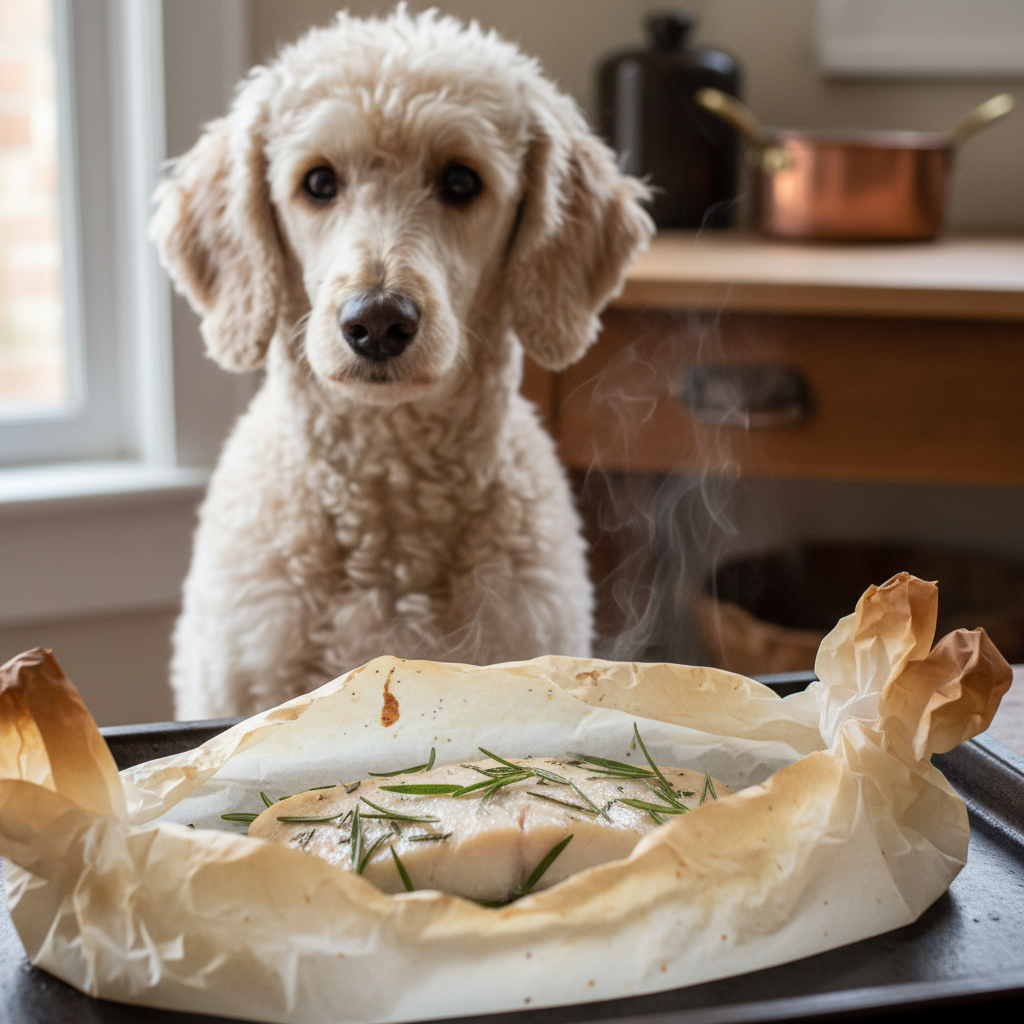
Sometimes, simple is best. This recipe uses minimal ingredients to let the flavor and health benefits of the mahi mahi shine through. The hint of rosemary adds a lovely aroma and offers its own health perks.
Ingredients:
- 1 (6-ounce) mahi mahi fillet, skinless and boneless
- 1/2 teaspoon fresh rosemary, finely chopped
- A small piece of parchment paper
Instructions:
- Preheat your oven to 400°F (200°C).
- Place the mahi mahi fillet on the piece of parchment paper.
- Sprinkle the finely chopped rosemary over the top of the fish.
- Fold the parchment paper over the fish to create a sealed packet. This is the ‘en papillote’ method, which steams the fish in its own juices.
- Place the packet on a baking sheet and bake for 12-15 minutes, or until the fish is cooked through.
- Carefully open the packet (steam will be released!) and let the fish cool.
- Flake the fish and serve it to your pup, either on its own as a treat or mixed with their regular food.
Nutritional Spotlight:
Rosemary is a natural antioxidant and is known to have antimicrobial properties. This recipe is incredibly low in fat and focuses purely on the protein and omegas from the fish.
7. The Golden Years: Mahi & Blueberry Antioxidant Mix
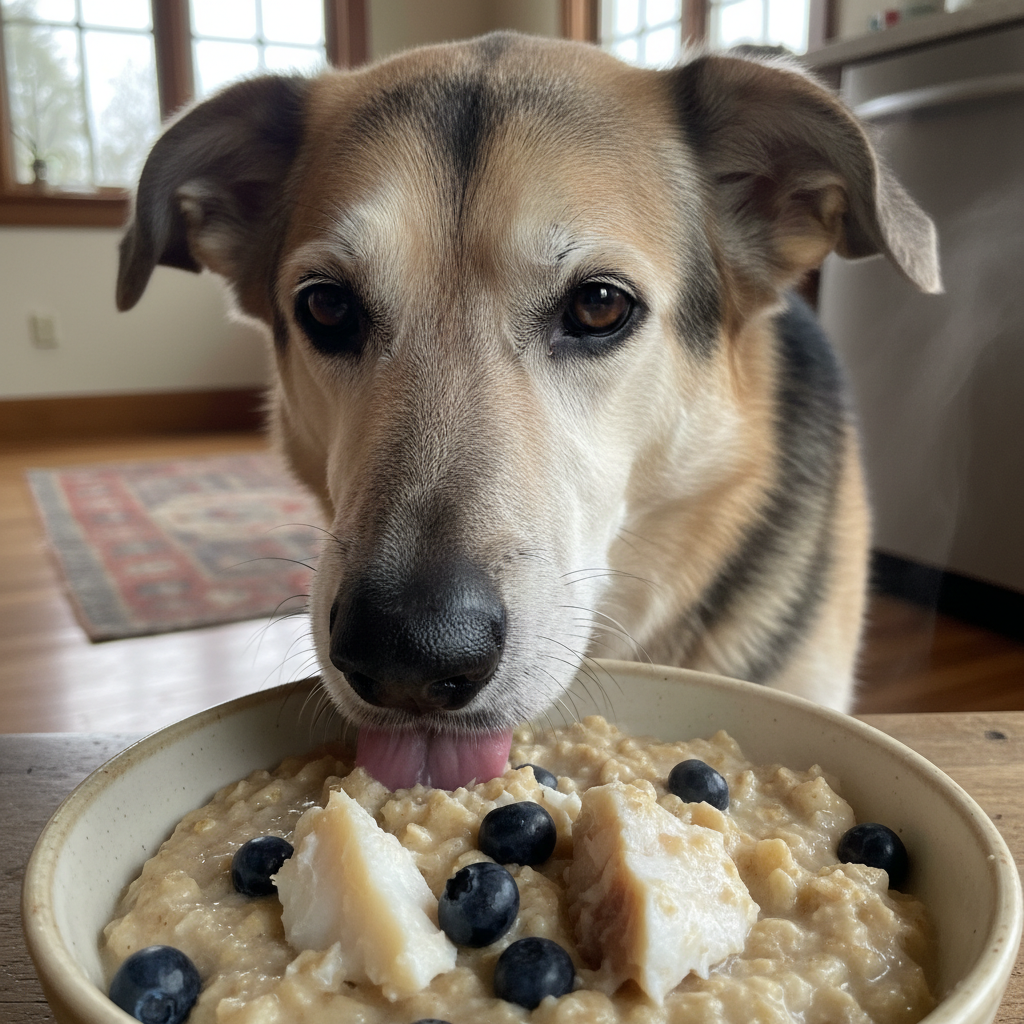
Senior dogs benefit immensely from antioxidants, which help combat cellular damage, and from the anti-inflammatory properties of omega-3s. This recipe is specifically designed to support the health of your aging companion.
Ingredients:
- 1 (6-ounce) mahi mahi fillet, skinless and boneless
- 1/4 cup fresh or frozen blueberries
- 1/4 cup cooked oatmeal
- 1 teaspoon of turmeric
Instructions:
- Cook the oatmeal with water until it’s soft and has absorbed the liquid. Set aside to cool.
- Gently steam or boil the mahi mahi fillet until it’s cooked through. Let it cool and then flake it.
- In a bowl, combine the cooked oatmeal, flaked mahi mahi, and blueberries.
- Sprinkle the turmeric over the mixture and stir gently to combine.
- Serve this brain-boosting, joint-supporting meal to your senior pup.
Nutritional Spotlight:
Blueberries are packed with antioxidants and phytochemicals. Turmeric contains curcumin, a powerful anti-inflammatory compound that is excellent for arthritic joints. Oatmeal provides soluble fiber, which is great for regulating blood sugar.
8. The Hearty Helper: Mahi, Spinach & Oat Porridge
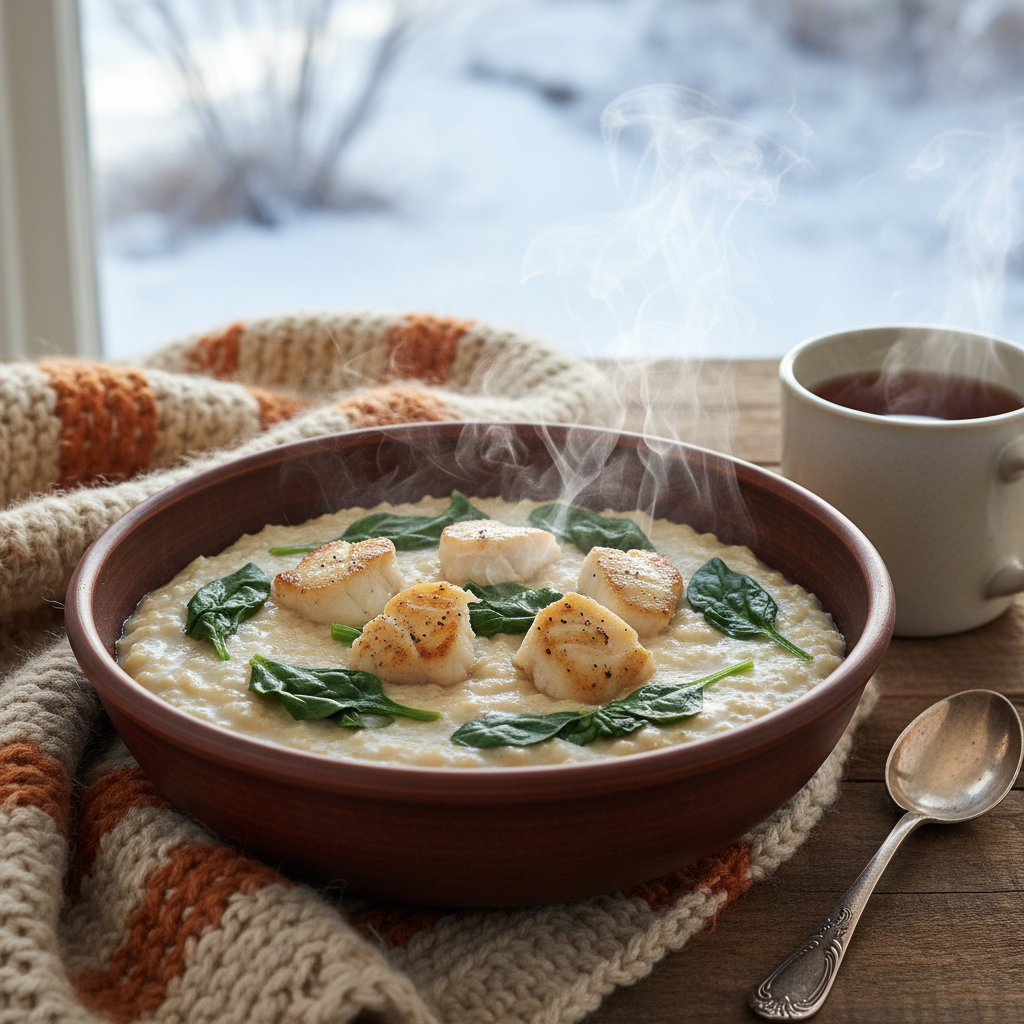
A warm, comforting porridge that’s excellent for heart health. The combination of omega-3s from the fish, iron from the spinach, and soluble fiber from the oats makes this a super choice for supporting your dog’s cardiovascular system.
Ingredients:
- 1 (6-ounce) mahi mahi fillet, skinless and boneless
- 1/2 cup rolled oats
- 1 cup water or low-sodium chicken broth
- 1/2 cup finely chopped spinach
Instructions:
- In a small saucepan, bring the water or broth to a simmer. Add the oats and cook, stirring occasionally, for about 5 minutes until thick.
- While the oats are cooking, poach the mahi mahi fillet in a separate pan of simmering water for 8-10 minutes.
- Once the oats are cooked, remove them from the heat and stir in the chopped spinach. The residual heat will wilt it perfectly.
- Flake the cooked mahi mahi and stir it into the oat and spinach mixture.
- Let the porridge cool to a safe temperature before serving.
Nutritional Spotlight:
Spinach is a fantastic source of iron, which is vital for red blood cell function and oxygen transport. Oats are renowned for their heart-healthy benefits, thanks to a type of fiber called beta-glucan.
9. The Cool Treat: Frozen Mahi Pupsicles
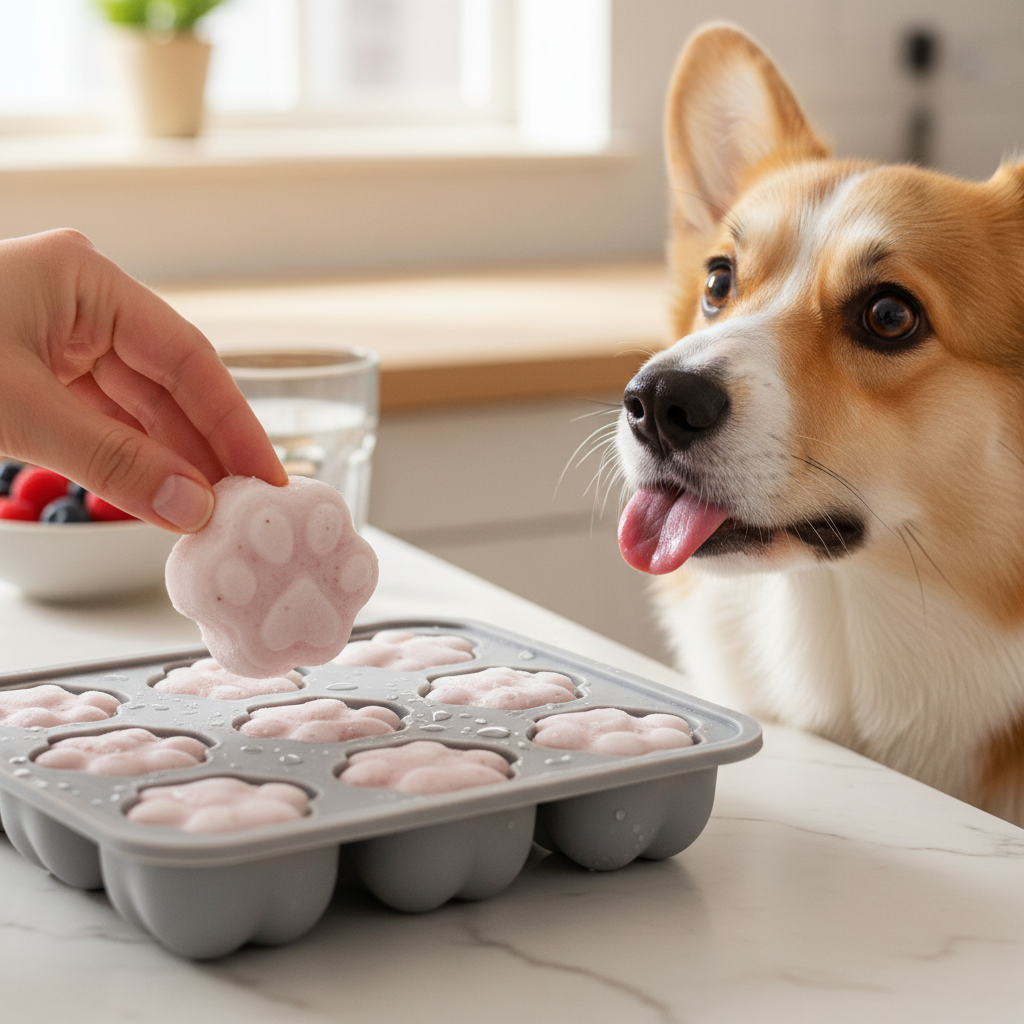
Who says dog food can’t be fun? On a hot day, these frozen treats are a perfect way to help your dog cool down while providing a dose of healthy nutrients. They’re easy to make and dogs go crazy for them!
Ingredients:
- 1 (4-ounce) mahi mahi fillet, skinless and boneless
- 1/4 cup plain, unsweetened yogurt (ensure it contains no xylitol)
- 1/4 cup water
- A few dog-safe berries like strawberries or blueberries (optional)
Instructions:
- Cook the mahi mahi fillet by boiling or steaming it. Let it cool completely.
- In a blender, combine the cooked mahi mahi, plain yogurt, and water. Blend until you have a smooth, pourable liquid.
- If you’re using berries, you can drop one or two into the bottom of each compartment of an ice cube tray or silicone mold.
- Pour the mahi mahi mixture into the molds.
- Freeze for at least 4 hours, or until solid.
- Pop one out and let your dog enjoy a refreshing, healthy pupsicle!
Nutritional Spotlight:
Yogurt provides probiotics, which are beneficial for gut health. This treat is primarily a fun way to deliver the protein and omega-3s from the fish in a novel, cooling form.
10. The Winter Warmer: Mahi & Lentil Stew
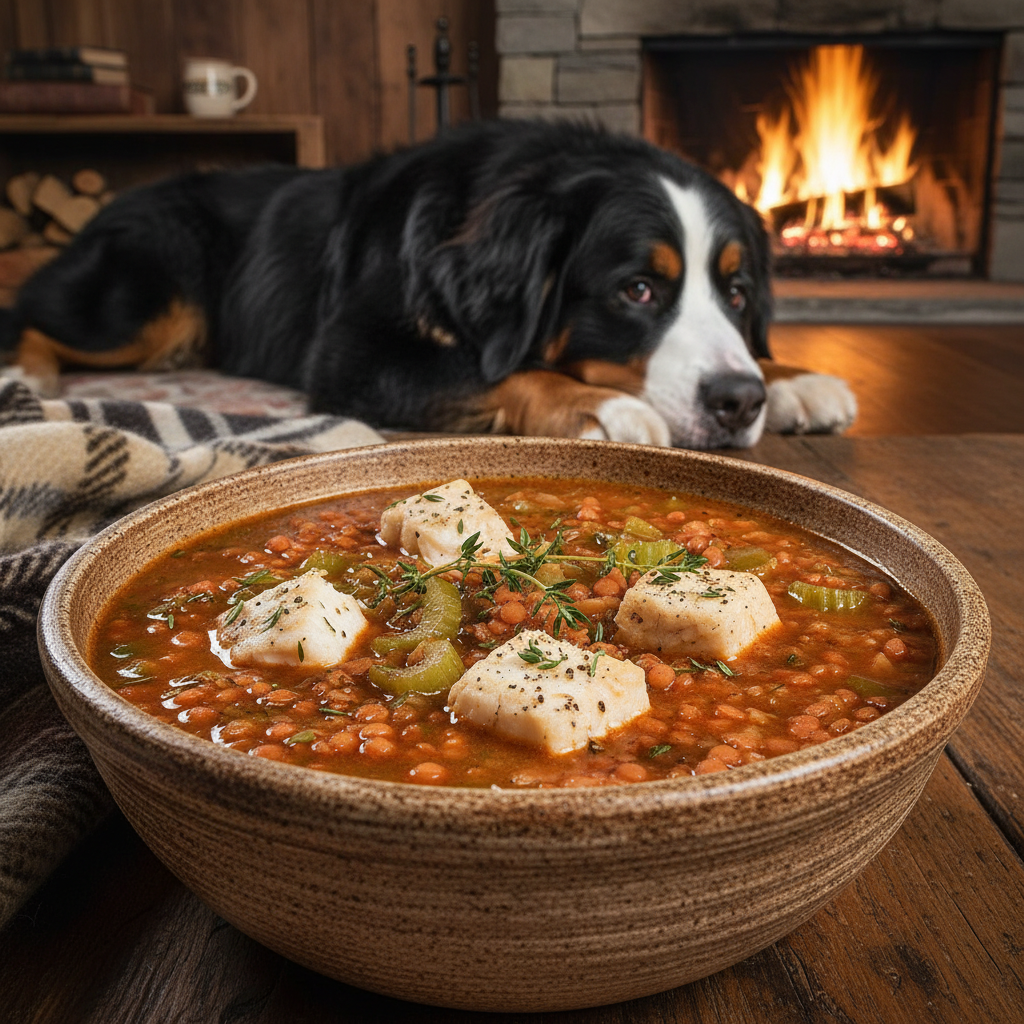
This hearty stew is perfect for a cold day. It’s thick, warming, and packed with plant-based protein and fiber from the lentils, complementing the lean protein from the mahi mahi beautifully.
Ingredients:
- 1 (6-ounce) mahi mahi fillet, skinless and boneless
- 1/4 cup red lentils, rinsed
- 1 cup low-sodium vegetable or chicken broth
- 1/4 cup finely diced celery
Instructions:
- In a saucepan, combine the rinsed lentils, diced celery, and broth. Bring to a boil, then reduce heat and simmer for 20-25 minutes, or until the lentils are soft and have absorbed most of the liquid.
- While the lentils are cooking, bake or steam the mahi mahi fillet until cooked through.
- Flake the cooked fish into the pot with the cooked lentils and celery.
- Stir everything together to create a thick stew.
- Let it cool to a safe temperature for your dog before serving.
Nutritional Spotlight:
Lentils are an excellent source of iron, fiber, and plant-based protein. Celery is low in calories but provides vitamins A, C, and K, as well as an enjoyable crunch (even when cooked soft).
11. The Breakfast Boost: Mahi & Egg Scramble Topper
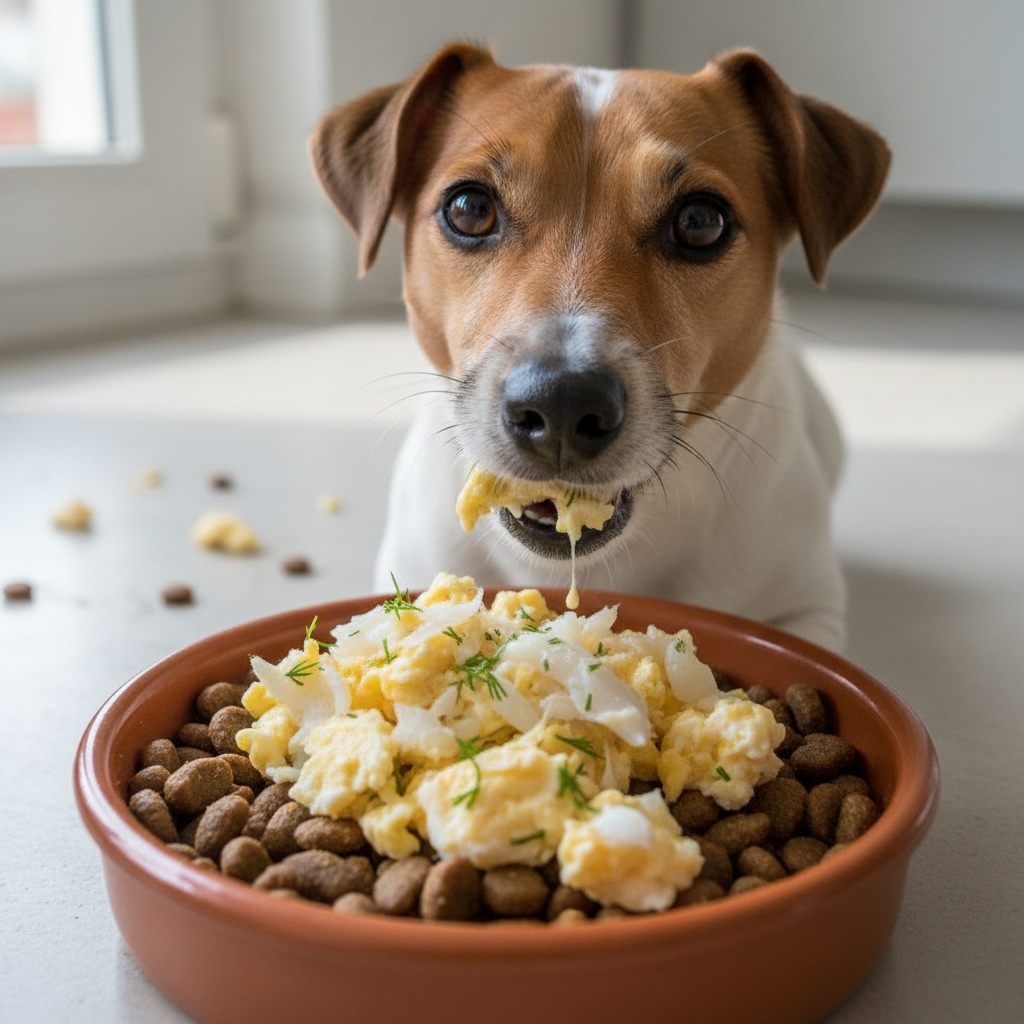
Start your dog’s day off with a protein-packed punch! This simple scramble can be served as a special breakfast treat or used as a topper to enhance their regular kibble. It’s quick, easy, and incredibly nutritious.
Ingredients:
- 1 (3-ounce) piece of mahi mahi fillet, skinless and boneless
- 1 egg
- 1 teaspoon of water
- A tiny sprinkle of chopped dill (optional)
Instructions:
- First, cook the small piece of mahi mahi. You can quickly poach it in simmering water for 5-6 minutes. Let it cool and flake it.
- In a small bowl, whisk the egg and the teaspoon of water together.
- Heat a non-stick skillet over medium-low heat. Do not add any oil or butter.
- Pour the egg mixture into the pan and cook, stirring gently, until the eggs are just set.
- Remove the scrambled egg from the pan and fold in the flaked mahi mahi and the optional dill.
- Let it cool completely before serving.
Nutritional Spotlight:
Eggs are a fantastic source of highly digestible protein and contain a wide range of vitamins and minerals. Dill is known to have antioxidant properties and can help with digestion and bad breath.
12. The Fresh Crunch: Mahi, Apple & Kale Salad
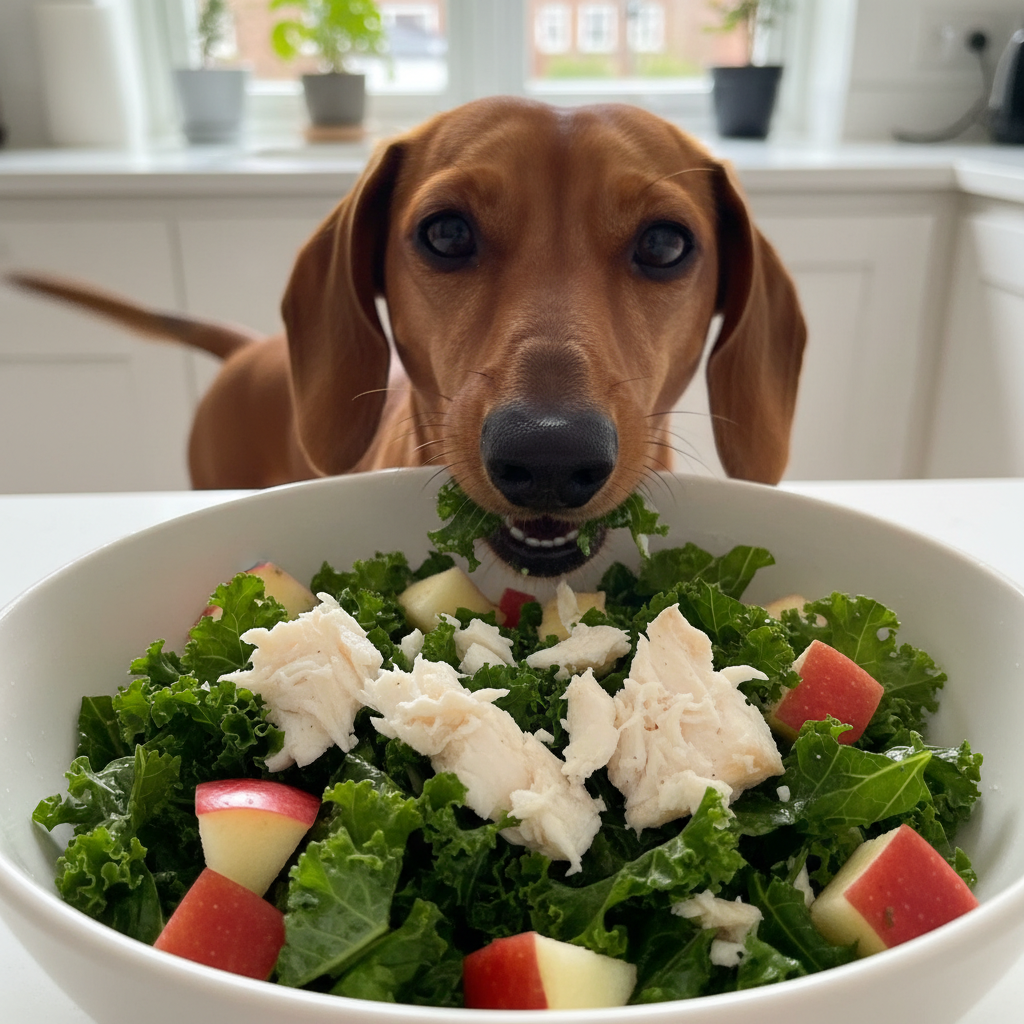
For dogs who enjoy a bit of texture and crunch, this ‘salad’ is a refreshing and healthy option. It’s a raw-veggie-and-fruit-based meal, with the only cooked component being the essential fish protein.
Ingredients:
- 1 (6-ounce) mahi mahi fillet, skinless and boneless, cooked and flaked
- 1/4 cup finely shredded kale, stems removed
- 1/4 of an apple, cored and finely diced (no seeds!)
- 1 teaspoon of olive oil
Instructions:
- Ensure your mahi mahi is cooked (steamed or baked is best) and completely cooled. Flake it into a bowl.
- To make the kale easier to digest, you can ‘massage’ it. Simply place the shredded kale in a bowl and drizzle with the olive oil, then gently rub the leaves between your fingers for a minute. This breaks down the tough fibers.
- Add the finely diced apple to the bowl with the kale.
- Gently toss in the cooled, flaked mahi mahi.
- Serve this fresh and crunchy meal to your delighted pup.
Nutritional Spotlight:
Kale is a nutrient-dense leafy green, packed with vitamins K, A, and C. Apples provide fiber and Vitamin C, but always remember to remove the core and seeds, as seeds contain cyanide.
13. The Simplest Start: Steamed Mahi & Parsley
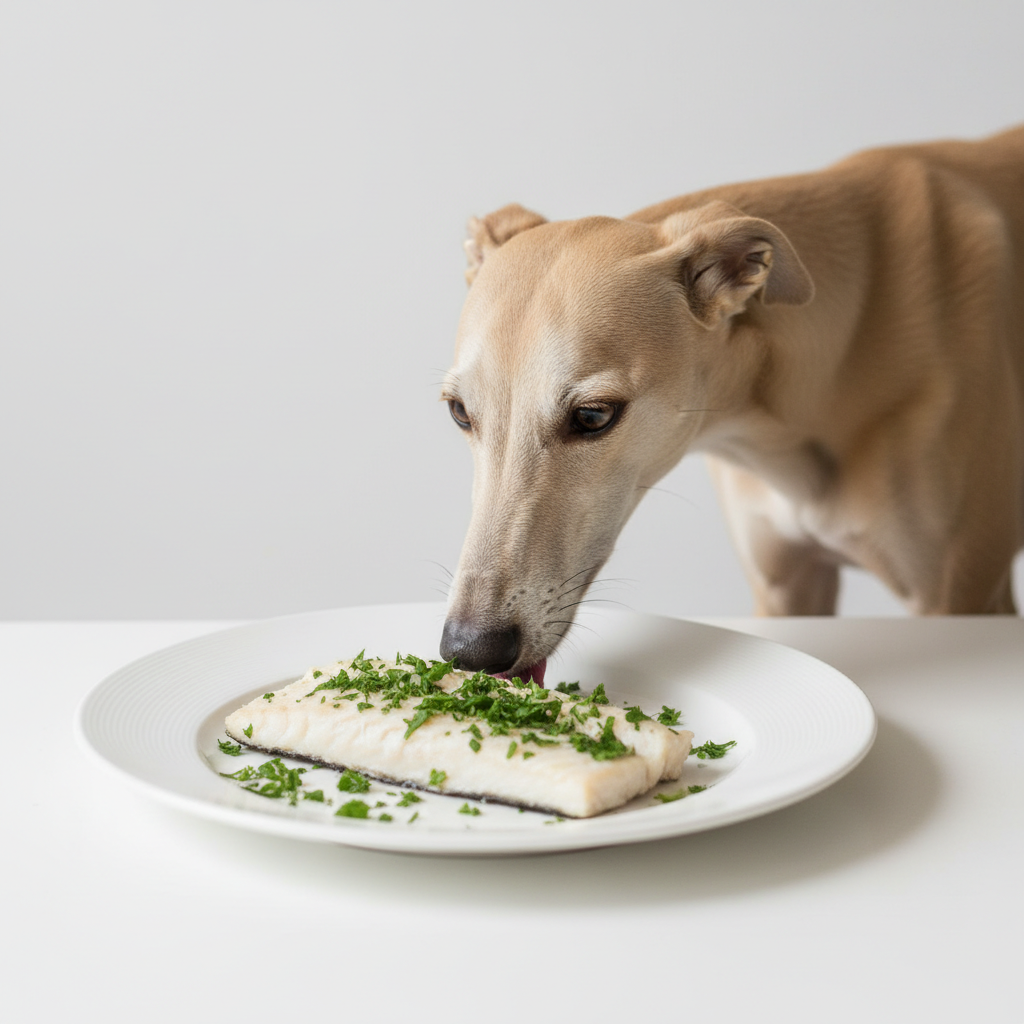
When you’re first introducing fish or if your dog is recovering from an upset stomach, this is the perfect recipe. It’s as simple as it gets, providing pure, clean protein that’s easy to digest. The parsley adds a touch of freshness and can help with doggy breath.
Ingredients:
- 1 (6-ounce) mahi mahi fillet, skinless and boneless
- 1 tablespoon fresh parsley, finely chopped
Instructions:
- Place the mahi mahi fillet in a steamer basket over a pot of simmering water.
- Cover and steam for 8-10 minutes, or until the fish is opaque and flakes easily with a fork.
- Remove the fish from the steamer and let it cool down on a plate.
- Once cool, flake the fish into bite-sized pieces, being extra vigilant about checking for any tiny bones.
- Sprinkle the fresh, chopped parsley over the fish and toss gently.
- Serve this simple, healthy meal to your dog. It can be a meal on its own or mixed with their regular food.
Nutritional Spotlight:
This recipe is all about pure, unadulterated lean protein and omega-3s from the mahi mahi. Parsley is rich in vitamins and is a well-known natural breath freshener for our canine friends.
Your Guide to Safely Cooking Mahi Mahi for Your Dog
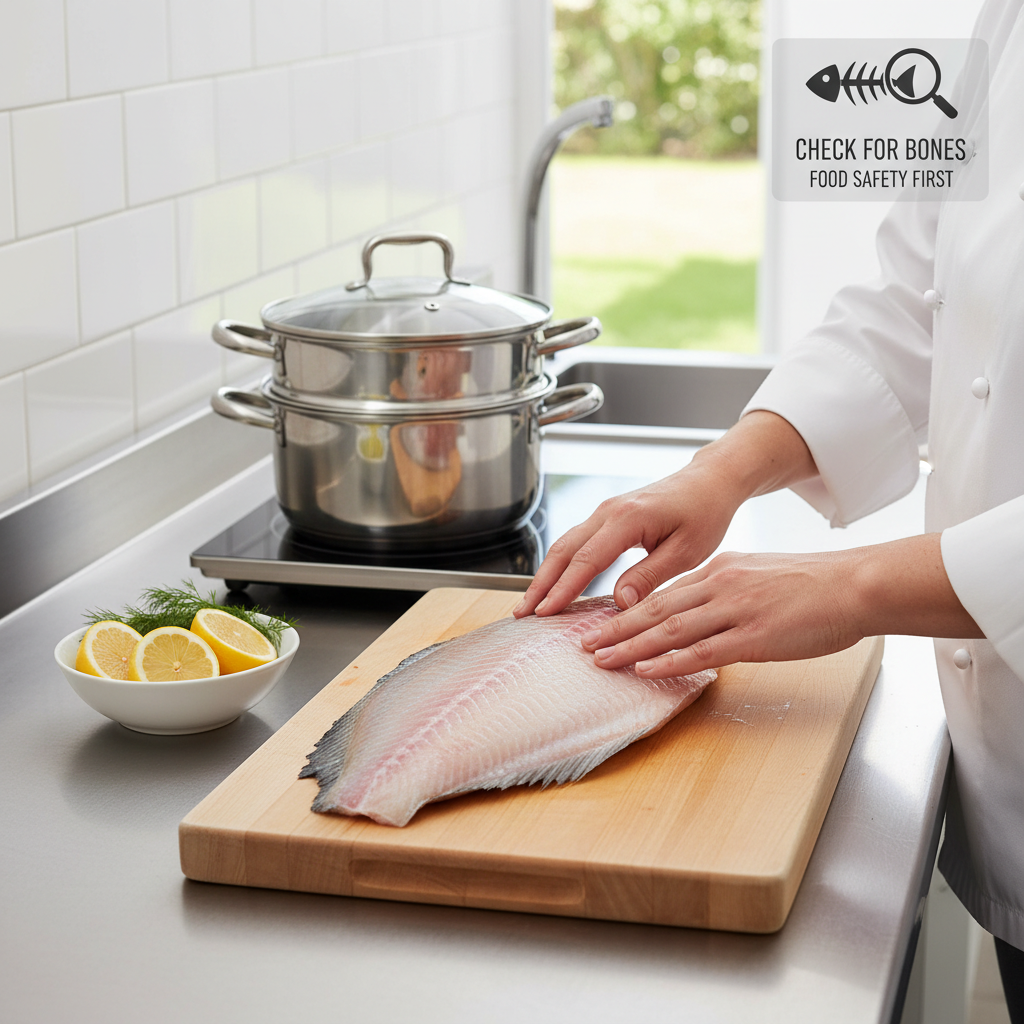
Cooking for your dog is a wonderful act of love, but it’s important to do it safely. Here are a few key things to keep in mind when preparing mahi mahi or any fish for your furry friend.
Why Cook Fish?
Unlike some human preparations like sushi, dogs should never be fed raw fish. Raw fish can contain harmful bacteria like Salmonella and Listeria, as well as parasites like flukes or tapeworms, which can make your dog very sick. The cooking process effectively kills these dangerous pathogens, making the fish safe to eat.
Choosing and Preparing the Fish
- Always Boneless: Fish bones are a major choking hazard and can cause internal damage if swallowed. Always use boneless fillets. Even then, run your fingers over the fillet before and after cooking to check for any tiny pin bones that might have been missed.
- Skinless is Best: While fish skin contains some nutrients, it can also be high in fat, which might be too rich for some dogs and could lead to digestive upset. It’s generally safest to use skinless fillets.
- No Seasoning!: This is a big one. Cook the fish completely plain. Ingredients we love, like garlic, onions, heavy oils, butter, salt, and pepper, are either toxic to dogs or can cause stomach problems. Keep it simple!
Best Cooking Methods
The goal is to cook the fish thoroughly without adding any unhealthy fats or ingredients. The best methods are:
- Steaming: Preserves the most nutrients and keeps the fish moist.
- Baking: Wrapping the fish in parchment paper (en papillote) is a great way to bake it without it drying out.
- Boiling/Poaching: Simple and effective, but you may lose some nutrients into the water.
- Pan-Searing: Only do this with a tiny amount of a dog-safe oil like coconut or olive oil, just enough to prevent sticking.
Portion Control
Homemade meals are treats or supplements, not necessarily a complete diet unless formulated by a veterinary nutritionist. A good rule of thumb is that treats (including these meals) should not make up more than 10% of your dog’s daily caloric intake. A few spoonfuls mixed with their regular food is a great way to incorporate these healthy recipes. Always consult your vet about appropriate portion sizes for your specific dog’s age, weight, and activity level.
Frequently Asked Questions

Can dogs eat raw mahi mahi?
Absolutely not. Raw fish poses a significant risk to dogs due to the potential presence of harmful bacteria like Salmonella and parasites such as tapeworms. These can cause severe gastrointestinal distress and other health issues. Always cook fish thoroughly before feeding it to your dog.
How often can I feed my dog mahi mahi?
Mahi mahi can be a healthy part of a balanced diet, but it shouldn’t be the only thing they eat. Incorporating it into their meals two to three times a week is a great way to provide those omega-3 benefits. However, always remember the 10% rule: treats and meal toppers should only constitute a small portion of their overall daily food intake to avoid unbalancing their core nutrition.
Are the bones in mahi mahi dangerous for dogs?
Yes, extremely dangerous. Cooked fish bones become brittle and can easily splinter, posing a serious choking hazard or the risk of perforating your dog’s mouth, throat, or digestive tract. Always use boneless fillets and double-check for any stray bones before and after cooking. Your diligence is key to their safety.
What if my dog is allergic to fish?
Food allergies in dogs can manifest as itchy skin, chronic ear infections, or gastrointestinal issues like vomiting and diarrhea. While fish is less of a common allergen than chicken or beef, it’s still possible. When introducing mahi mahi for the first time, give only a very small amount and watch for any adverse reactions over the next 24-48 hours. If you suspect an allergy, stop feeding the fish and consult your veterinarian.
Conclusion
There you have it—13 simple and scrumptious ways to introduce the oceanic goodness of mahi mahi into your dog’s diet! Cooking for your pet is one of the most rewarding things you can do, allowing you to control every single ingredient that goes into their bowl. From boosting their coat’s shine to supporting their joints, the omega-3s in these recipes offer a powerful health punch.
Remember to start slow when introducing any new food and always consult with your veterinarian before making significant changes to your dog’s diet, especially if they have underlying health conditions. They can provide the best guidance on portion sizes and frequency for your unique pup.
We hope you and your furry chef’s assistant have a blast in the kitchen trying out these recipes. Happy cooking, and here’s to many more happy, healthy, and tail-wagging mealtimes!