7 Simple Catfish Dog Food Recipes Your Pet Will Love
Hey there, fellow pet parents! Are you ever looking at your dog’s food bowl and thinking, ‘Could I be doing more?’ We all want the absolute best for our furry family members, and sometimes, that means taking matters into our own hands—and into our own kitchens! Commercial dog foods are convenient, but whipping up a homemade meal can be a fantastic way to control ingredients, cater to specific dietary needs, and show your pup some extra love.
So, why catfish? This mild, flaky fish is a wonderful protein source that’s often overlooked in the dog food world. It’s packed with Omega-3 and Omega-6 fatty acids for a healthy coat and skin, is lower in mercury than many other fish, and serves as a fantastic alternative for dogs with allergies to common proteins like chicken or beef. Plus, it’s easy to cook and gentle on the tummy.
We’ve rounded up seven simple and delicious catfish recipes that are easy to make, even for novice home chefs. From hearty stews to cool summer treats, there’s something here for every pup’s palate. Let’s get cooking!
1. The Classic Catfish & Rice Bowl
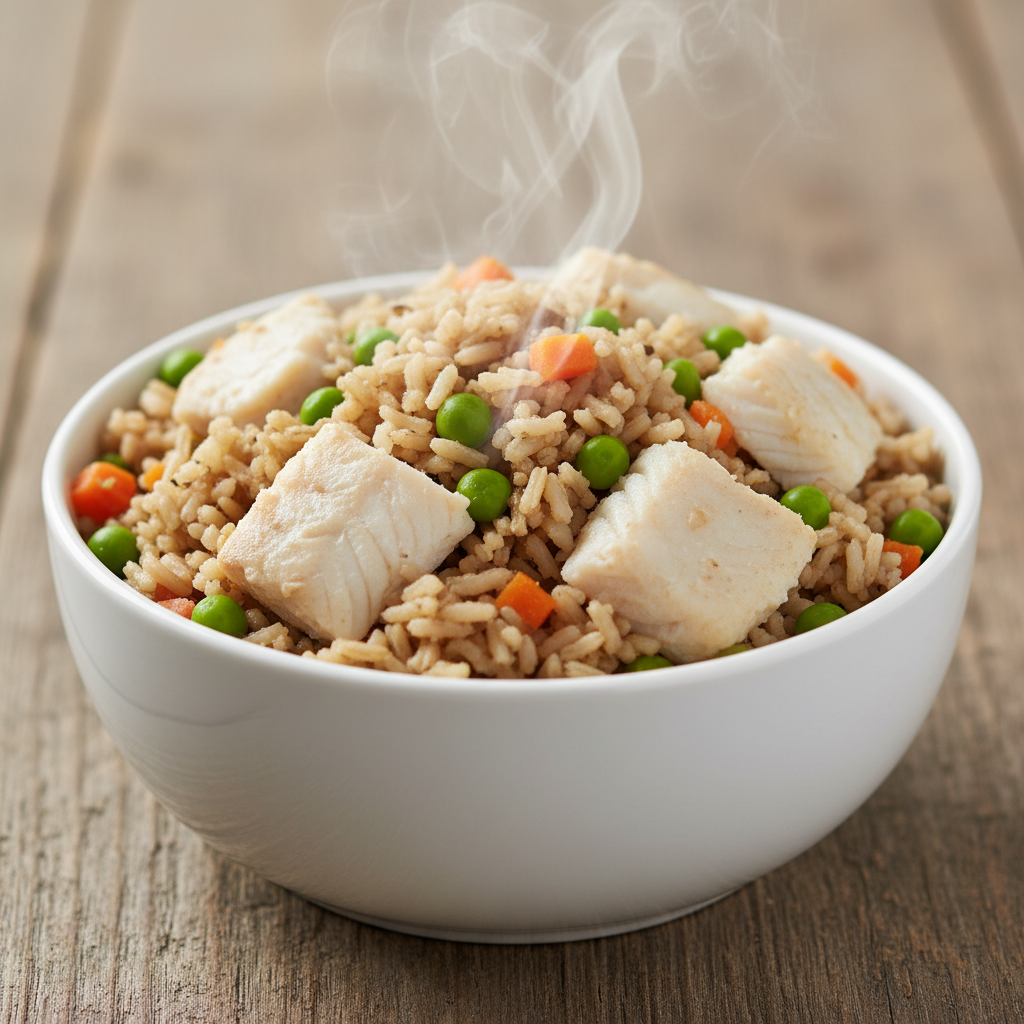
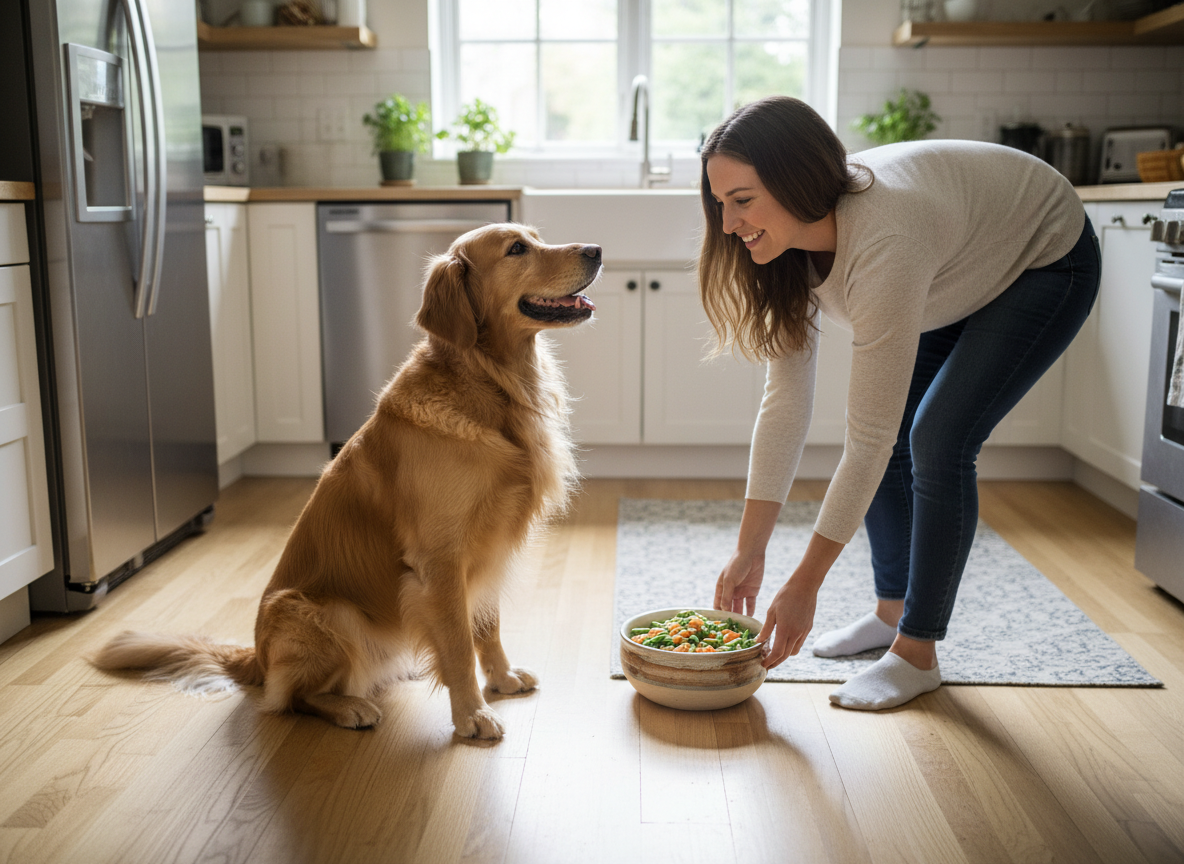
Let’s start with a timeless classic that’s as easy to make as it is to digest. This recipe is the perfect entry point into the world of homemade dog food. It’s simple, balanced, and a surefire hit with most dogs. The combination of lean protein from catfish, complex carbohydrates from brown rice, and vitamins from the veggies makes for a wholesome meal.
Ingredients:
- 1 lb boneless, skinless catfish fillets
- 1 cup cooked brown rice
- 1/2 cup chopped carrots
- 1/2 cup green peas (fresh or frozen)
- 1 tablespoon olive oil or fish oil
- 4 cups of water
Instructions:
- In a large pot, bring the 4 cups of water to a boil. Add the catfish fillets and cook for about 10-15 minutes, or until the fish is opaque and flakes easily with a fork.
- Remove the catfish from the pot (reserve the water!) and set it aside to cool. Once cool enough to handle, flake it into small, bite-sized pieces, making sure there are no bones.
- Add the chopped carrots to the fish water and cook for about 5-7 minutes until they are tender-crisp. Add the peas during the last 2 minutes of cooking.
- Drain the vegetables, but again, reserve that nutrient-rich broth!
- In a large mixing bowl, combine the flaked catfish, cooked brown rice, carrots, and peas.
- Drizzle with the olive oil or fish oil and add a few tablespoons of the reserved fish broth to moisten the mixture. Stir everything together until well combined.
- Let it cool completely before serving to your eager pup.
| Pros | Cons |
|---|---|
| Easy for dogs to digest | Brown rice can be an allergen for some dogs |
| Simple, accessible ingredients | Not suitable for grain-free diets |
| Great source of fiber and lean protein | Basic flavor profile might not entice extremely picky eaters |
Verdict: This is the ideal recipe for pet parents just starting their homemade food journey. It’s also a fantastic choice for dogs with sensitive stomachs who need a simple, gentle meal that’s easy on their digestive system.
2. Grain-Free Catfish & Sweet Potato Mash
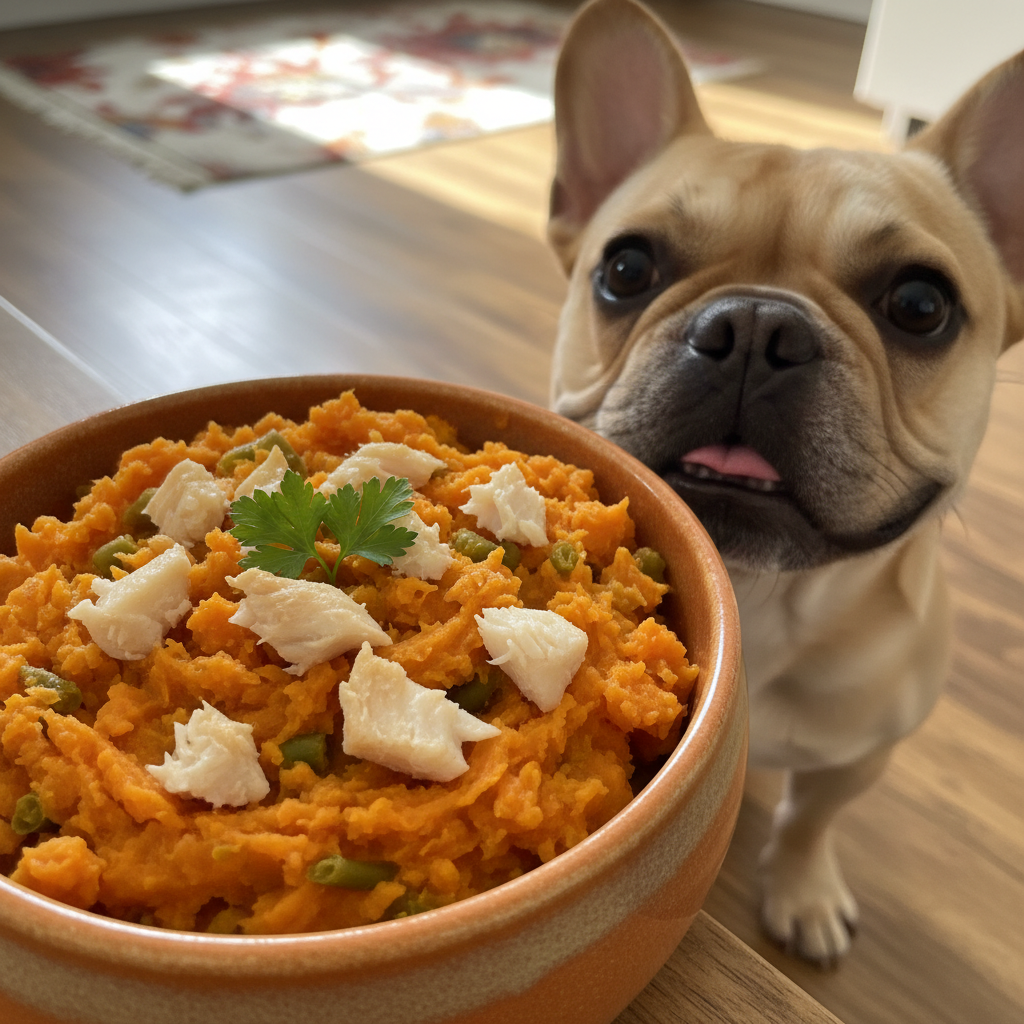
For our grain-sensitive friends, this recipe is a total game-changer. Sweet potatoes are a nutritional powerhouse, providing dietary fiber, vitamin A, and essential antioxidants. Paired with lean catfish and vibrant green beans, this mash is both delicious and packed with goodness. The coconut oil adds healthy fats that are great for your dog’s skin and coat.
Ingredients:
- 1 lb boneless, skinless catfish fillets
- 2 medium sweet potatoes, peeled and cubed
- 1 cup chopped green beans
- 1 tablespoon coconut oil, melted
- Water for boiling
Instructions:
- Place the cubed sweet potatoes in a large pot and cover with water. Bring to a boil and cook for about 15-20 minutes, or until they are fork-tender.
- While the sweet potatoes are cooking, you can either bake or poach the catfish. To bake, place fillets on a baking sheet and cook at 375°F (190°C) for 15 minutes. To poach, gently simmer in a pan with a little water until cooked through.
- Steam or boil the green beans until they are tender, about 5-7 minutes.
- Drain the sweet potatoes and mash them in a large bowl.
- Flake the cooked catfish into the mashed sweet potatoes. Add the cooked green beans.
- Pour the melted coconut oil over the mixture and stir everything together until it’s a well-combined, colorful mash.
- Ensure the food has cooled to room temperature before serving.
| Pros | Cons |
|---|---|
| Perfect for dogs with grain sensitivities or allergies | Higher in natural sugars due to sweet potatoes |
| Rich in vitamins and antioxidants | The mashed texture might not be preferred by all dogs |
| Coconut oil supports a shiny coat and healthy skin | Requires a bit more prep with peeling and mashing |
Verdict: This grain-free mash is the perfect meal for dogs who have trouble with grains like rice, corn, or wheat. It’s also a fantastic option for owners looking to boost their dog’s vitamin A and fiber intake in a tasty way.
3. Catfish & Oatmeal Breakfast Scramble
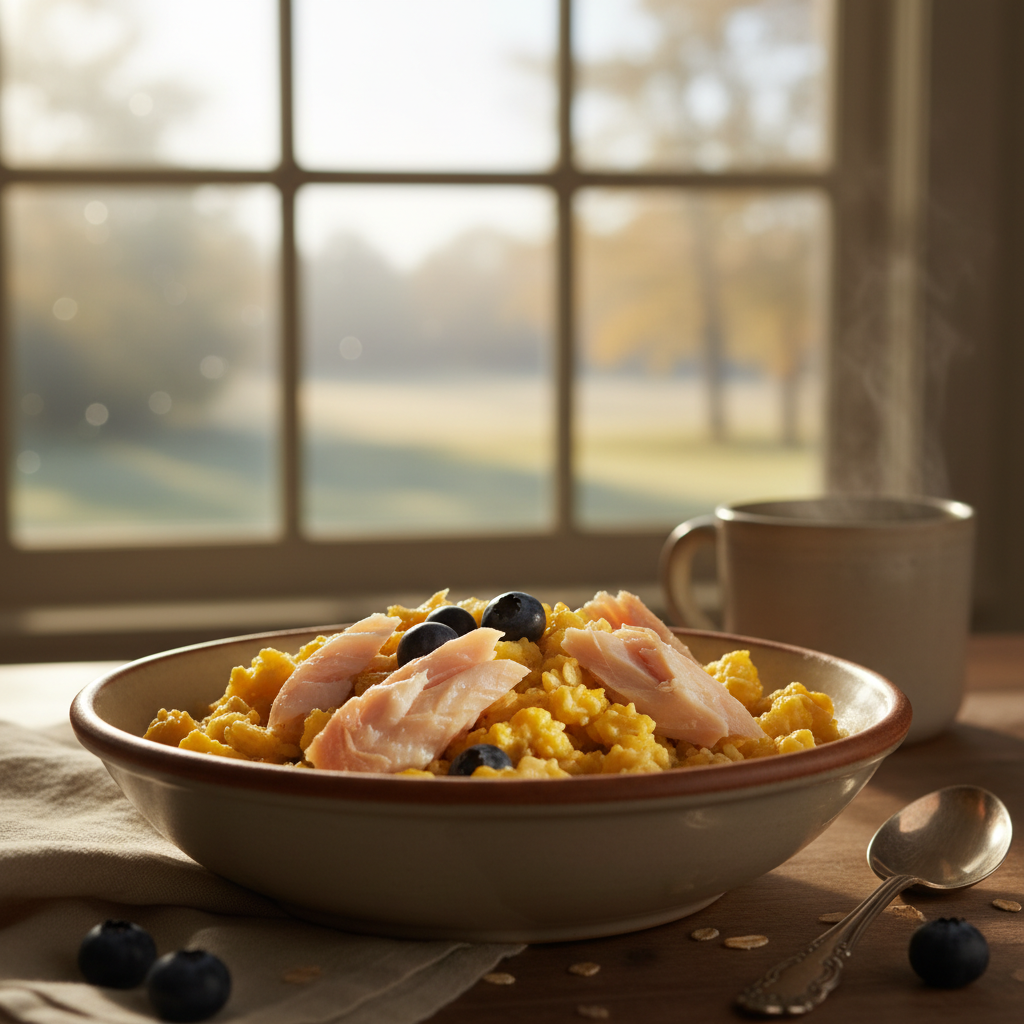
Who says special meals are just for dinner? Start your dog’s day off right with this protein-packed breakfast scramble. Oatmeal is a great source of soluble fiber, which can help regulate blood glucose levels and is great for digestion. The addition of egg provides extra protein and essential amino acids, making this a truly power-packed breakfast.
Ingredients:
- 1/2 lb boneless, skinless catfish, cooked and flaked
- 1 cup cooked plain oatmeal (use rolled oats, not instant)
- 1 large egg
- A handful of dog-safe berries, like blueberries (optional)
Instructions:
- Prepare 1 cup of oatmeal according to package directions, using only water. Do not add any sugar, salt, or other flavorings.
- While the oatmeal is still warm, stir in the pre-cooked and flaked catfish. The warmth will help incorporate the fish flavor throughout.
- In a separate small pan, scramble the egg without any oil, butter, or salt. Cook until it’s fully set.
- Chop the scrambled egg into small pieces and mix it into the catfish and oatmeal mixture.
- If using, gently fold in a few blueberries for an antioxidant boost.
- Allow the scramble to cool down to a safe temperature before serving this delicious breakfast to your pup.
| Pros | Cons |
|---|---|
| Excellent source of protein and soluble fiber | Some dogs may not enjoy the texture of oatmeal |
| Great for a high-energy start to the day | Berries add sugar, so use in moderation |
| Easy to whip up in the morning | Best served fresh and warm |
Verdict: This recipe is perfect for active dogs who need a substantial, energy-boosting meal to kickstart their day. It’s also a wonderful, warming meal for a cold morning.
4. Catfish & Quinoa Power Patties
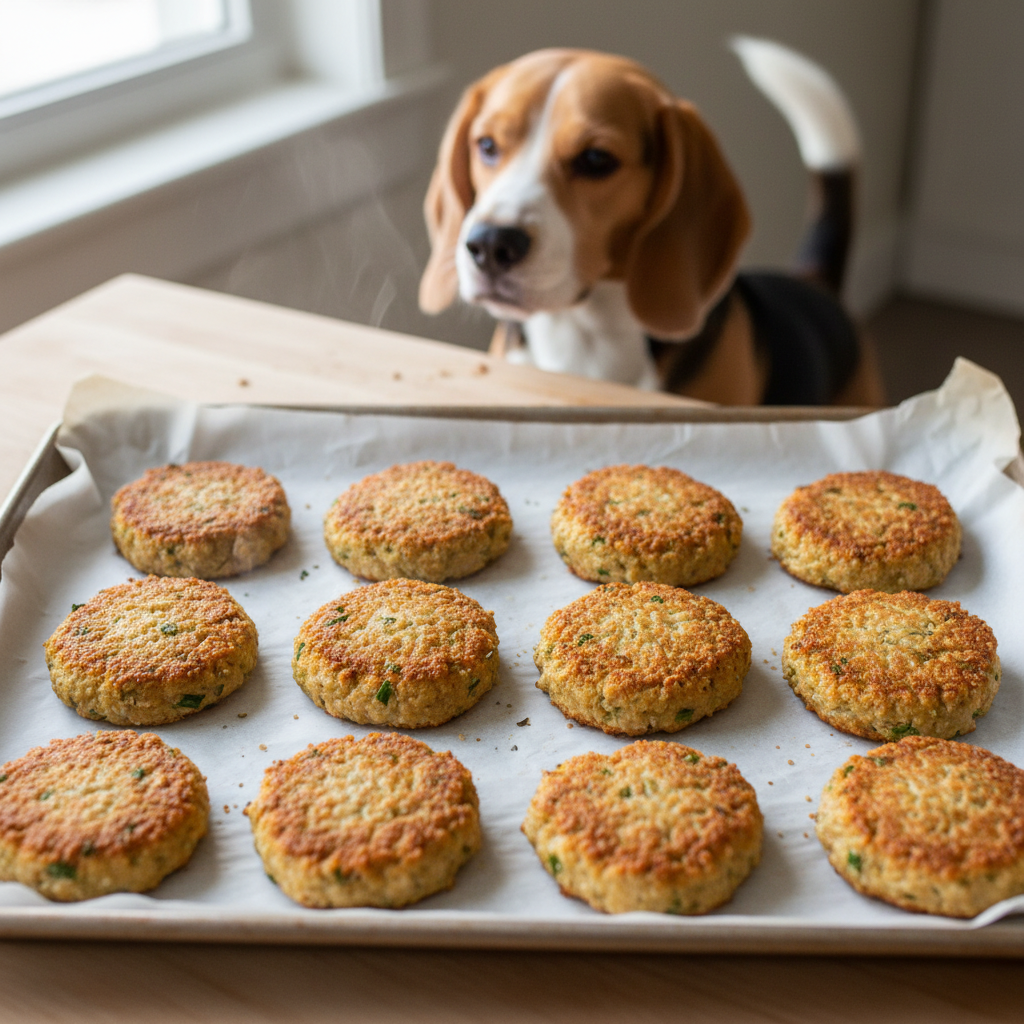
These power patties are incredibly versatile! You can serve them as a full meal, crumble them as a meal topper to entice a picky eater, or use them as high-value training treats. Quinoa is a complete protein, meaning it contains all nine essential amino acids, making it a super-healthy carb source for your dog. Zucchini adds moisture and essential nutrients without a lot of calories.
Ingredients:
- 1 lb boneless, skinless catfish, finely chopped or pulsed in a food processor
- 1 cup cooked quinoa
- 1 small zucchini, finely shredded and squeezed of excess water
- 1 large egg, lightly beaten
- 1 tablespoon chopped fresh parsley
Instructions:
- Preheat your oven to 375°F (190°C) and line a baking sheet with parchment paper.
- In a large bowl, combine the finely chopped catfish, cooked quinoa, shredded zucchini, beaten egg, and parsley.
- Mix all the ingredients with your hands or a spoon until everything is well combined and the mixture holds together.
- Roll the mixture into small, 1-inch patties or meatballs and place them on the prepared baking sheet.
- Bake for 20-25 minutes, flipping halfway through, until the patties are golden brown and cooked through.
- Let the patties cool completely before serving or storing. They can be refrigerated for up to 3 days or frozen for later use.
| Pros | Cons |
|---|---|
| Easy to portion control for meals or treats | More hands-on prep time required |
| Freezer-friendly for batch cooking | Requires a food processor for best texture |
| Nutrient-dense with complete protein from quinoa | Some dogs might be sensitive to quinoa |
Verdict: These patties are a fantastic choice for pet owners who love to meal prep. They are perfect for picky eaters who might enjoy a different texture and are an excellent, healthy alternative to store-bought training treats.
5. Slow Cooker Catfish & Veggie Stew
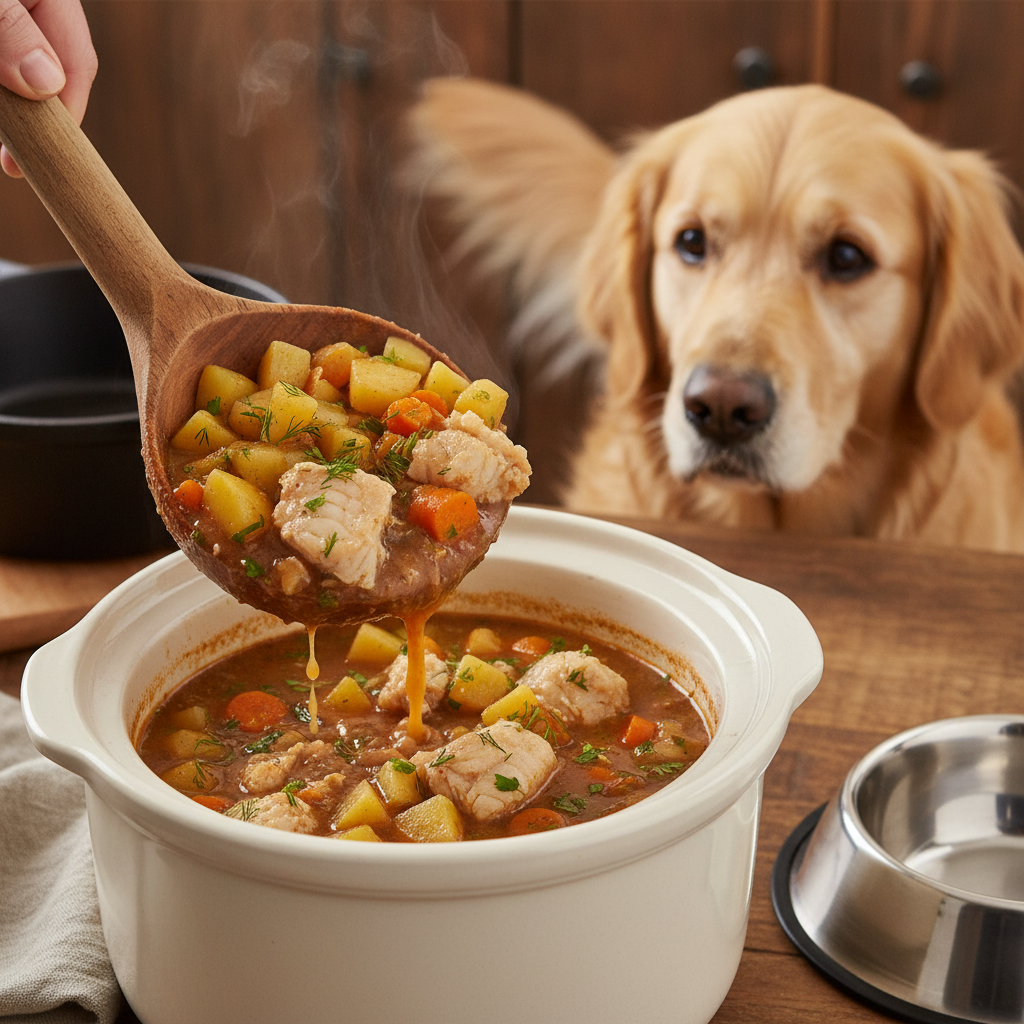
For the busy pet parent, the slow cooker is a lifesaver. This ‘set it and forget it’ recipe allows you to go about your day while a delicious, healthy stew simmers away for your furry friend. The slow cooking process makes the catfish incredibly tender and allows all the flavors of the vegetables to meld together into a savory broth your dog will lap up.
Ingredients:
- 1 lb boneless, skinless catfish fillets, cut into large chunks
- 2 medium potatoes, peeled and cubed
- 2 large carrots, sliced
- 1 stalk of celery, chopped
- 4 cups low-sodium chicken or vegetable broth
- 1 tablespoon fresh parsley, chopped
Instructions:
- Place the cubed potatoes, sliced carrots, and chopped celery at the bottom of your slow cooker.
- Arrange the chunks of catfish on top of the vegetables.
- Pour the low-sodium broth over everything, ensuring the ingredients are mostly submerged.
- Cover and cook on low for 6-8 hours or on high for 3-4 hours, until the vegetables are soft and the fish is cooked through.
- Gently stir the stew, which will cause the fish to break apart into smaller flakes. Stir in the fresh parsley.
- Let the stew cool down significantly before serving. It will be very hot!
| Pros | Cons |
|---|---|
| Extremely easy with minimal active cooking time | Long cooking time (3-8 hours) |
| Creates a tender, flavorful, and hydrating meal | Requires a slow cooker |
| Great for making large batches | The house will smell like fish stew (which your dog will love!) |
Verdict: This is the ultimate recipe for busy pet parents who want to provide a home-cooked meal without spending hours in the kitchen. It’s also great for senior dogs who may prefer softer foods that are easier to chew and digest.
6. Frozen Catfish & Yogurt Pupsicles
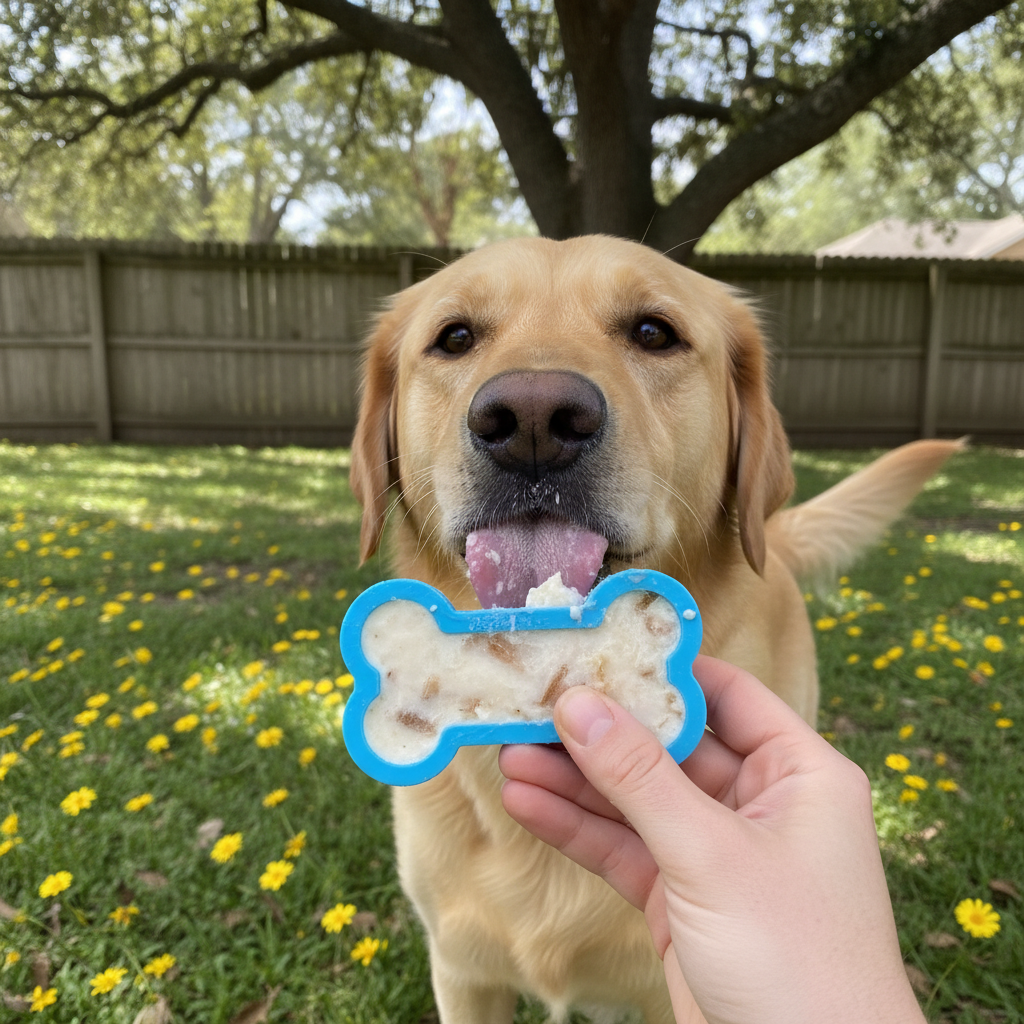
Beat the heat with these refreshing and healthy frozen treats! On a hot summer day, nothing is better than a cool snack. These ‘pupsicles’ are not only a fun treat but also provide a dose of protein from the catfish and probiotics from the yogurt, which are great for gut health. The mint or parsley is a natural breath freshener, too!
Ingredients:
- 1/2 lb cooked and flaked catfish, cooled
- 1 cup plain, unsweetened yogurt (ensure it does not contain xylitol)
- 1/4 cup water
- 1 tablespoon chopped fresh mint or parsley
Instructions:
- In a blender or food processor, combine the cooked catfish, plain yogurt, water, and fresh mint or parsley.
- Blend until the mixture is smooth. If it’s too thick, add another tablespoon or two of water.
- Pour the mixture into silicone molds (bone or paw shapes are fun!) or a standard ice cube tray.
- You can stick a dog biscuit in the middle of each one to act as an edible ‘popsicle stick’ if you like.
- Freeze for at least 4 hours, or until solid.
- Pop one out and let your dog enjoy a cool, tasty treat!
| Pros | Cons |
|---|---|
| Perfect for cooling down your dog on hot days | This is a treat, not a complete meal |
| Yogurt provides beneficial probiotics for gut health | Some dogs are lactose intolerant |
| Super easy to make and store in the freezer | Can be messy as they melt |
Verdict: This is a must-try recipe for any dog during the warmer months. It’s a fun, healthy, and refreshing way to treat your pup while also sneaking in some extra protein and gut-friendly probiotics.
7. Catfish & Pumpkin Gut-Soother
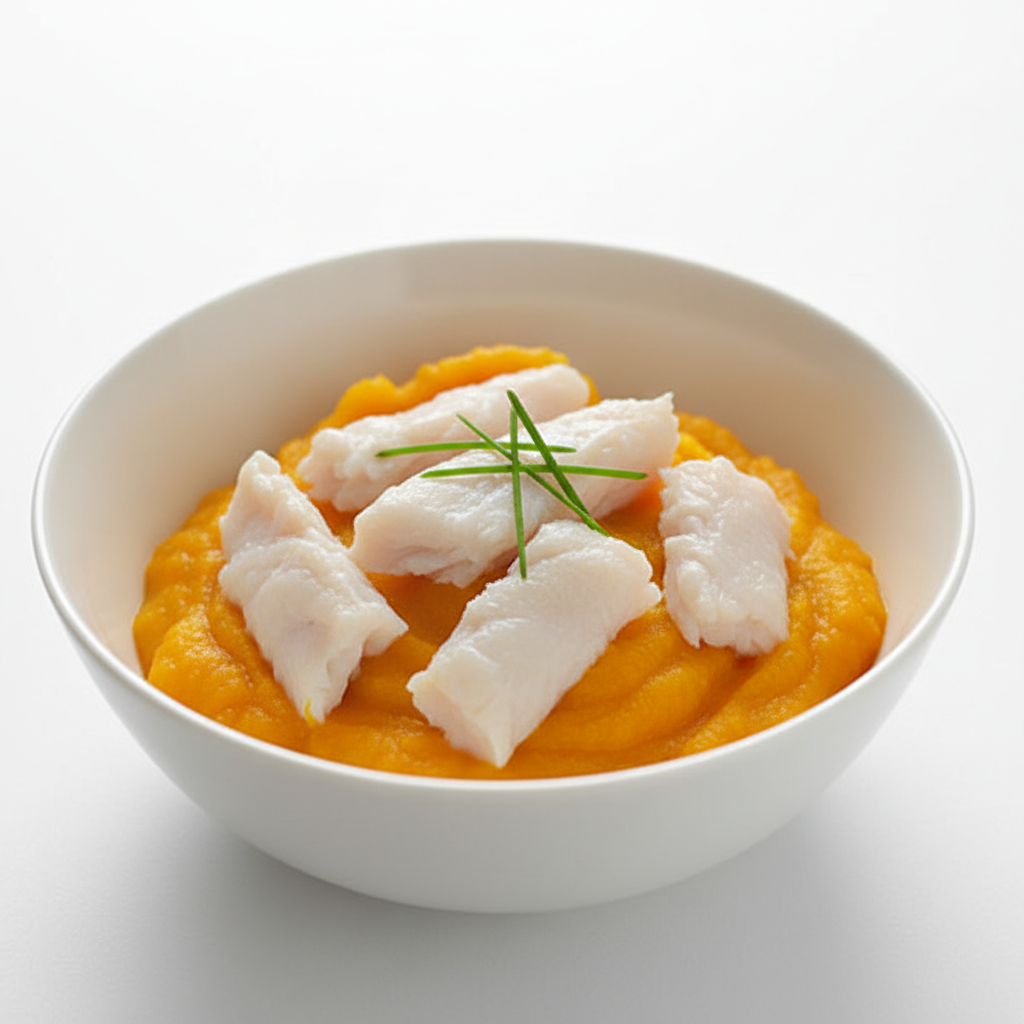
When your pup has a bit of an upset tummy, a bland, gentle diet is just what the vet ordered. This simple two-ingredient recipe (with an optional third) is designed to be incredibly easy to digest. Catfish is a lean protein, while pure pumpkin puree is famous for its ability to help regulate digestion, whether the issue is constipation or diarrhea. Ginger is a natural anti-nausea aid, but use it sparingly.
Ingredients:
- 1/2 lb boneless, skinless catfish
- 1/2 cup 100% pure pumpkin puree (NOT pumpkin pie filling)
- 1/4 teaspoon grated fresh ginger (optional)
Instructions:
- Poach the catfish by gently simmering it in a shallow pan of water for 10-12 minutes, until it’s cooked through and flakes easily. This is the gentlest cooking method.
- Drain the fish and flake it into small pieces with a fork.
- In a bowl, gently mix the flaked catfish with the pumpkin puree.
- If using, stir in the grated fresh ginger.
- Serve at room temperature. Because this is not a balanced meal, it should only be used for a day or two to help settle a mild stomach upset before transitioning back to regular food. Always consult your vet for any persistent digestive issues.
| Pros | Cons |
|---|---|
| Extremely gentle on the digestive system | Not a nutritionally complete meal for long-term feeding |
| Pumpkin is excellent for firming up or loosening stool as needed | Bland flavor may not appeal to all dogs |
| Very simple and quick to prepare | Should only be used for short-term digestive upset |
Verdict: This is not an everyday meal, but an invaluable recipe to have in your back pocket for those times when your dog’s digestion is a little off. It’s a natural, soothing remedy that can help get them back on their paws quickly.
A Pet Parent’s Guide to Homemade Catfish Meals
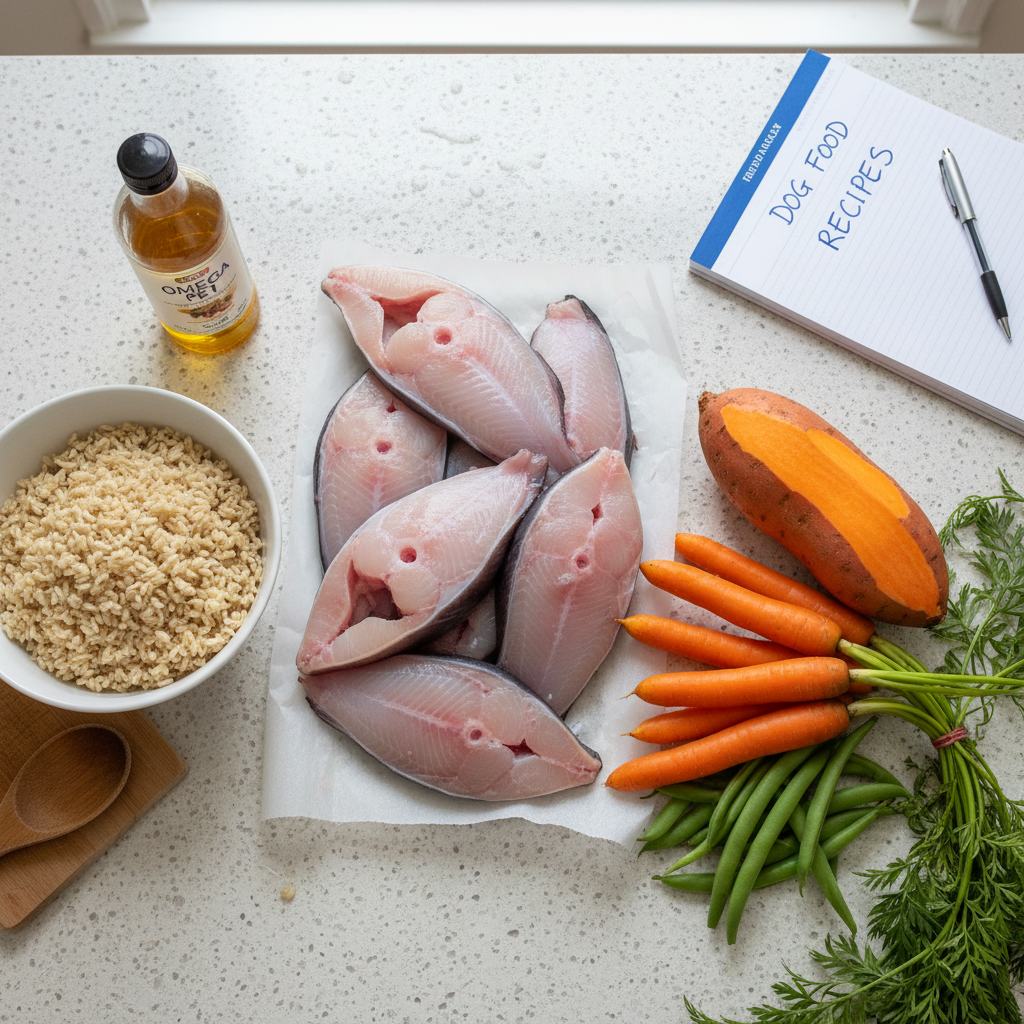
Feeling inspired? That’s fantastic! Before you become a full-time canine chef, there are a few important things to keep in mind to ensure your homemade meals are safe, healthy, and nutritionally complete.
Choosing the Right Catfish:
- Fresh vs. Frozen: Both are great options! If you use frozen fillets, make sure they are thoroughly thawed before cooking.
- Wild-Caught vs. Farmed: Farm-raised catfish from the U.S. is a sustainable and safe choice. If you opt for wild-caught, that’s great too. The most important thing is the source.
- No Seasoning! Always buy plain, unseasoned fillets. Many seasonings, especially onion and garlic powder, are toxic to dogs.
- Bones are a No-Go: Always use boneless fillets. If you’re unsure, double-check the fish after cooking for any stray bones before serving.
Achieving Nutritional Balance:
This is the most critical part of home cooking for your dog. While these recipes are healthy, feeding just one of them long-term could lead to nutritional deficiencies. A balanced canine diet needs a specific ratio of protein, fat, carbohydrates, and essential vitamins and minerals. It’s highly recommended to consult with your veterinarian or a board-certified veterinary nutritionist. They can help you formulate a complete diet plan or recommend supplements (like calcium, which is often lacking in homemade diets) to add to these recipes to make them complete and balanced for everyday feeding.
Dog-Safe Veggies & Grains:
Many human foods are great for dogs, but some are dangerous. Stick to known safe options like:
- Veggies: Carrots, peas, green beans, sweet potatoes, pumpkin, zucchini, celery.
- Grains/Carbs: Brown rice, oatmeal, quinoa, potatoes.
- Fruits (in moderation): Blueberries, apples (no seeds), bananas.
Batch Cooking and Storage:
Save time by cooking in large batches! Most of these recipes can be refrigerated in an airtight container for up to 3-4 days. For longer storage, portion out meals into freezer-safe bags or containers and freeze for up to 3 months. To serve, simply thaw a portion in the refrigerator overnight.
Frequently Asked Questions About Catfish for Dogs
Question: Is catfish safe for my dog to eat regularly?
Answer: Yes, for most dogs, catfish is a very safe and healthy protein to include in their diet regularly. It’s a lean source of protein and rich in omega fatty acids. However, as with any food, variety is key to a balanced diet. It’s a good idea to rotate proteins to ensure your dog gets a wide range of nutrients. And, of course, always make sure any homemade diet is approved by your vet for long-term feeding.
Question: Can I use frozen catfish fillets for these recipes?
Answer: Absolutely! Frozen catfish fillets are often more accessible and just as nutritious as fresh ones. Just be sure to thaw them completely in the refrigerator before you start cooking. Avoid fillets that have been preserved in a lot of salt or other seasonings.
Question: What parts of the catfish should I avoid giving my dog?
Answer: The most important things to avoid are the bones, which are a serious choking hazard and can cause internal damage. You should also avoid feeding your dog the skin, as it can be high in fat, and never feed any part of the fish raw due to the risk of bacteria and parasites. Stick to cooked, boneless, skinless fillets.
Question: How do I know if my dog is allergic to catfish?
Answer: While fish allergies are less common than allergies to chicken or beef, they can still happen. When introducing any new food, start with a small amount. Watch for signs of an allergic reaction, which can include itchy skin, hives, excessive licking of paws, vomiting, or diarrhea. If you notice any of these signs, stop feeding the catfish and consult your veterinarian.
Conclusion
There you have it—seven simple, pup-approved ways to introduce the goodness of catfish into your dog’s diet! Making your dog’s food from scratch can be an incredibly rewarding experience. It gives you peace of mind knowing exactly what’s in their bowl and allows you to tailor meals perfectly to their needs and tastes. Whether you’re making a hearty stew on a cold day or freezing up some pupsicles for a summer treat, your effort will be paid back in happy tail wags and sloppy kisses.
Remember, the journey into homemade dog food should always be guided by your veterinarian to ensure your dog is getting all the nutrients they need to thrive. So, pick a recipe, head to the kitchen, and get ready to earn the ‘Best Chef’ award from your most loyal food critic!