7 Clean-Eating Homemade Food for Maltese Tear Stains
If you’re the proud parent of a Maltese, you know the unparalleled joy of cuddling with that fluffy white cloud of a dog. But you’re also likely familiar with the constant battle against those reddish-brown tear stains that can mar their perfect little faces. You’ve probably tried wipes, powders, and special solutions, but what if the real secret weapon was hiding in your kitchen?
Tear stains, a condition called epiphora, happen when tears spill over onto the fur. For white dogs like the Maltese, a pigment in their tears called porphyrin oxidizes and turns a rusty brown color when exposed to air. While many factors can contribute to this, one of the biggest culprits is diet. Commercial kibbles can contain fillers, artificial colors, and minerals (especially from unfiltered tap water) that can exacerbate the problem.
That’s where clean-eating homemade food comes in! By controlling every single ingredient, you can eliminate potential triggers and provide your pup with nutrient-rich, anti-inflammatory meals that promote overall health and a stain-free face. Ready to become your dog’s personal chef? Let’s dive into some simple and effective recipes!
Quick Comparison of Our Tear-Stain Busting Recipes
| Recipe Name | Main Protein | Prep Time | Best For |
|---|---|---|---|
| Simple Salmon & Sweet Potato Mash | Salmon | 25 minutes | Skin & Coat Health |
| Quinoa & Turkey Power Bowl | Turkey | 30 minutes | Active Dogs & Low-Fat Diets |
| Chicken & Brown Rice Classic | Chicken | 35 minutes | Sensitive Stomachs |
| Lamb & Barley Stew | Lamb | 50 minutes | Dogs with Poultry Allergies |
| Egg & Oatmeal Breakfast Scramble | Egg | 10 minutes | A Quick Protein Boost |
| Duck & Pumpkin Puree | Duck | 25 minutes | Ultimate Digestive Support |
| Sardine & Veggie Mix (Topper) | Sardines | 5 minutes | Maximum Anti-Inflammatory Power |
1. Simple Salmon & Sweet Potato Mash
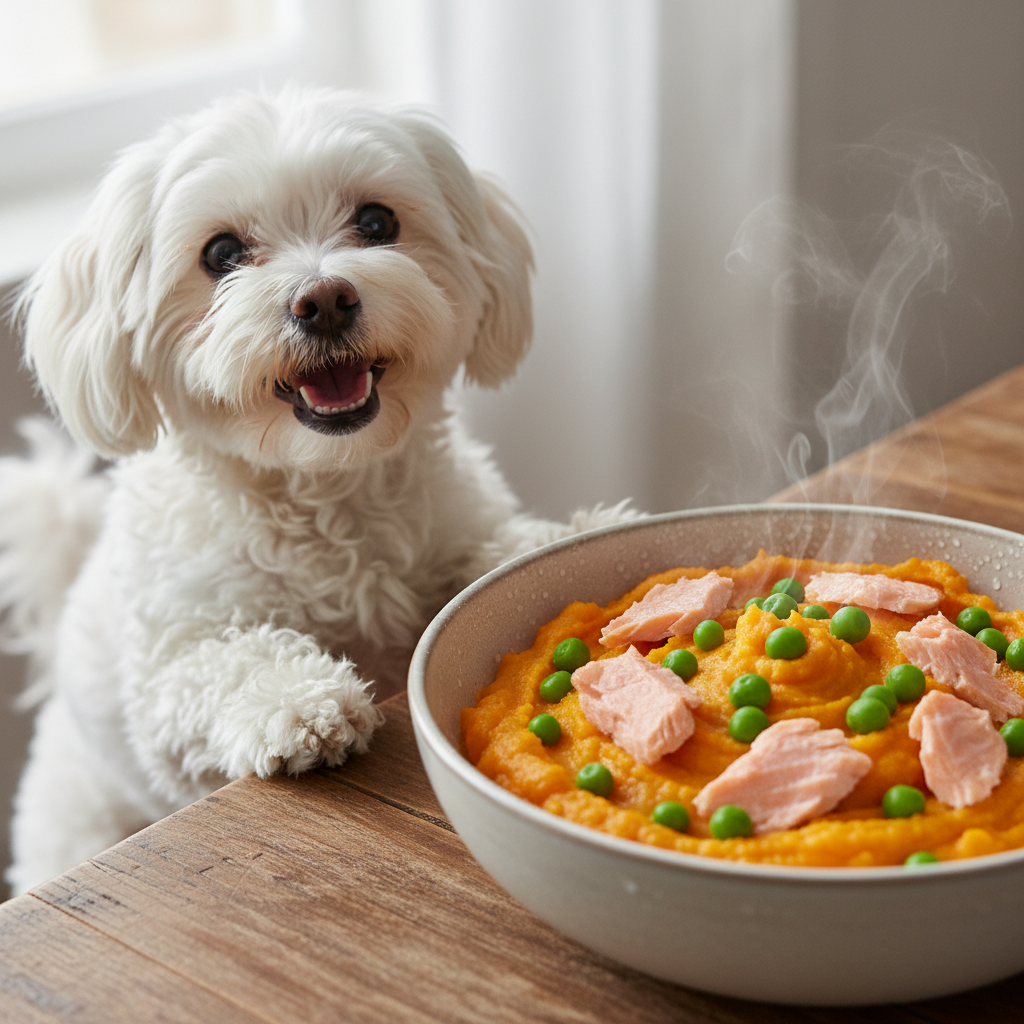
This recipe is a powerhouse for skin and coat health, which is a great first line of defense against all sorts of irritations. Salmon is loaded with Omega-3 fatty acids, which are natural anti-inflammatories. Less inflammation can mean less irritation and excessive tearing. Sweet potatoes are a fantastic source of fiber and beta-carotene, and they don’t contain the red pigments found in some other foods that can contribute to staining.
Ingredients:
- 1 boneless, skinless salmon fillet (about 6 oz)
- 1 medium sweet potato, peeled and cubed
- 1/2 cup frozen peas
- 1 tablespoon of coconut oil (optional, for extra healthy fats)
- 2 cups of filtered water
Instructions:
- Place the cubed sweet potato in a pot with the filtered water and bring to a boil. Cook for about 10-15 minutes, or until fork-tender.
- While the sweet potato is cooking, you can bake or poach the salmon. To bake, place it on a piece of parchment paper and cook at 400°F (200°C) for 12-15 minutes. To poach, gently simmer it in a shallow pan of filtered water for about 8-10 minutes. Ensure it’s cooked through.
- Once the sweet potato is soft, drain most of the water, leaving a few tablespoons in the pot. Mash it with a fork or potato masher.
- Add the frozen peas to the hot mashed sweet potato. The residual heat will cook them perfectly while keeping them bright green.
- Flake the cooked salmon into the mash and mix everything together. If using, stir in the coconut oil.
- Let it cool completely before serving.
Pros & Cons
Pros
|
Cons
|
Verdict:
This is the perfect starting recipe for any Maltese owner looking to combat tear stains. It directly targets skin health and inflammation, making it a fantastic choice for dogs who may also have dry skin or a dull coat.
2. Quinoa & Turkey Power Bowl
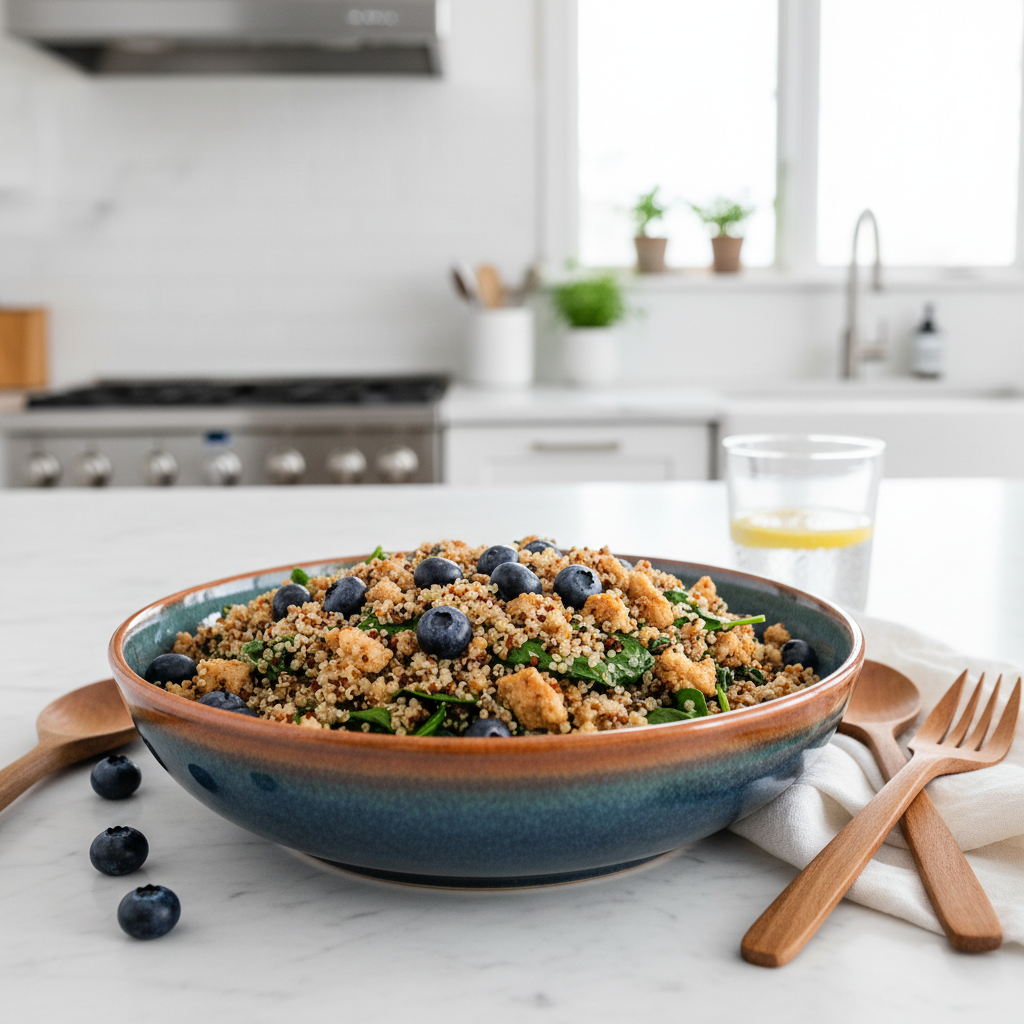
Lean protein is your best friend when fighting tear stains, and ground turkey is a fantastic, low-fat option. We pair it here with quinoa, a gluten-free seed that’s a complete protein, meaning it contains all nine essential amino acids. To top it off, blueberries and spinach add a dose of antioxidants to fight free radicals and support overall cellular health, including the cells around the eyes.
Ingredients:
- 1 lb lean ground turkey
- 1 cup quinoa, rinsed thoroughly
- 2 cups filtered water or low-sodium chicken broth
- 1 cup fresh spinach, chopped
- 1/4 cup fresh or frozen blueberries
Instructions:
- In a saucepan, bring the 2 cups of filtered water or broth to a boil. Add the rinsed quinoa, reduce the heat to low, cover, and simmer for about 15 minutes, or until the liquid is absorbed.
- While the quinoa cooks, brown the ground turkey in a separate skillet over medium heat until fully cooked. Drain any excess fat.
- Once the quinoa is done, fluff it with a fork. Add the cooked turkey and chopped spinach to the hot quinoa. The heat will wilt the spinach.
- Stir everything together until well combined.
- Let the mixture cool, then gently fold in the blueberries before serving.
Pros & Cons
Pros
|
Cons
|
Verdict:
An excellent, well-rounded meal for the active Maltese. The combination of lean protein and complex carbs provides sustained energy, while the antioxidants offer a health boost that can help reduce staining over time.
3. Chicken & Brown Rice Classic
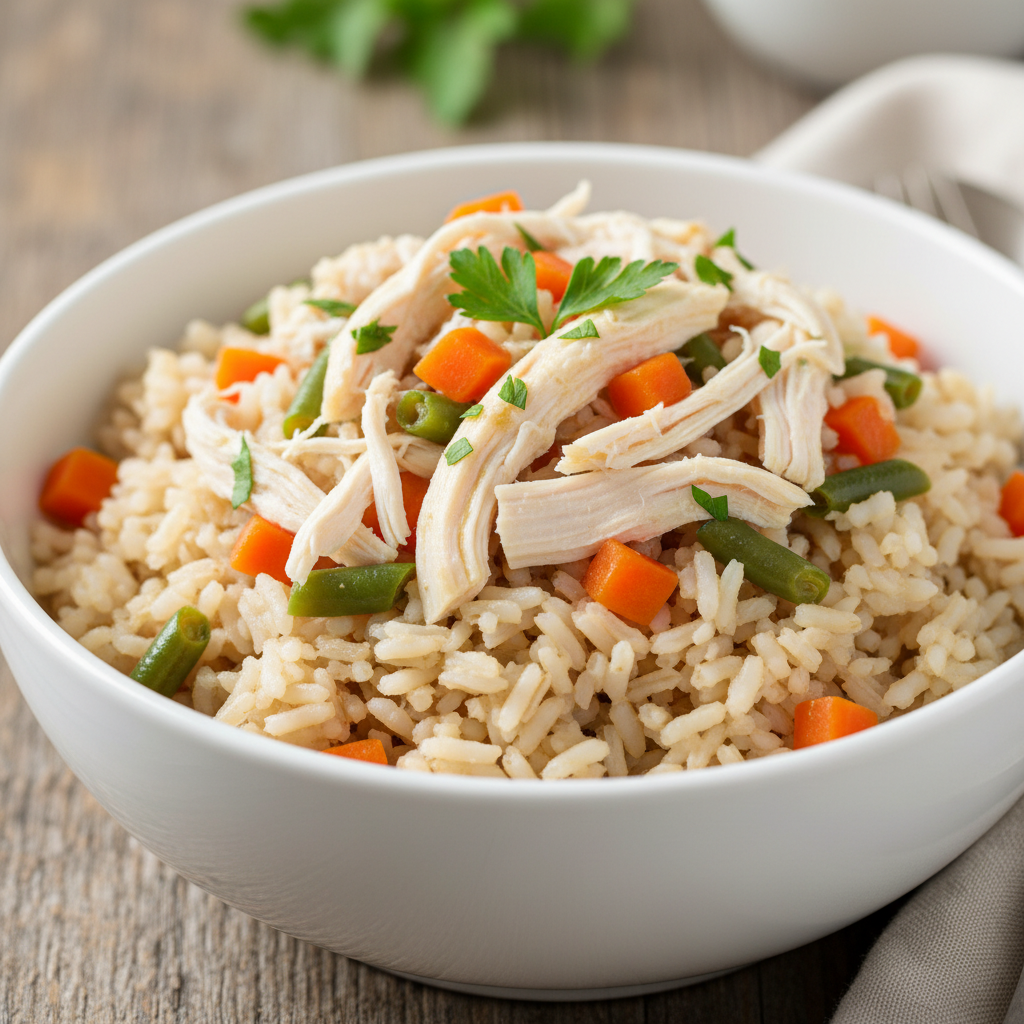
You can’t go wrong with a classic. This simple, bland diet is often recommended by vets for digestive upset, but it’s also a fantastic base for a tear stain-fighting diet. The key is in its simplicity. Boiled chicken is a clean, lean protein, and brown rice provides digestible fiber. By using only a few whole-food ingredients and, crucially, filtered water, you eliminate a huge number of potential irritants found in commercial foods.
Ingredients:
- 2 boneless, skinless chicken breasts
- 1 cup brown rice
- 4 cups filtered water, divided
- 1 medium carrot, finely diced
- 1/2 cup green beans, chopped
Instructions:
- In a medium pot, place the chicken breasts and cover with about 2 cups of filtered water. Bring to a boil, then reduce heat and simmer for 15-20 minutes until the chicken is cooked through.
- Remove the chicken and set it aside to cool. Reserve the cooking liquid—it’s now a simple, nutritious chicken broth!
- In the same pot (or a new one), add the brown rice, diced carrots, and 2 cups of the reserved chicken broth (add more filtered water if needed). Bring to a boil, then cover and simmer on low for about 35-40 minutes, or until the rice is tender and the liquid is absorbed.
- Add the chopped green beans for the last 5 minutes of cooking time so they stay slightly crisp.
- Once the chicken is cool enough to handle, shred it with two forks.
- Mix the shredded chicken into the cooked rice and vegetable mixture. Let cool completely before serving.
Pros & Cons
Pros
|
Cons
|
Verdict:
This is the ideal starter recipe for owners new to homemade dog food or for dogs with particularly sensitive digestive systems. It’s a clean, simple baseline that helps to ‘reset’ your dog’s system.
4. Lamb & Barley Stew
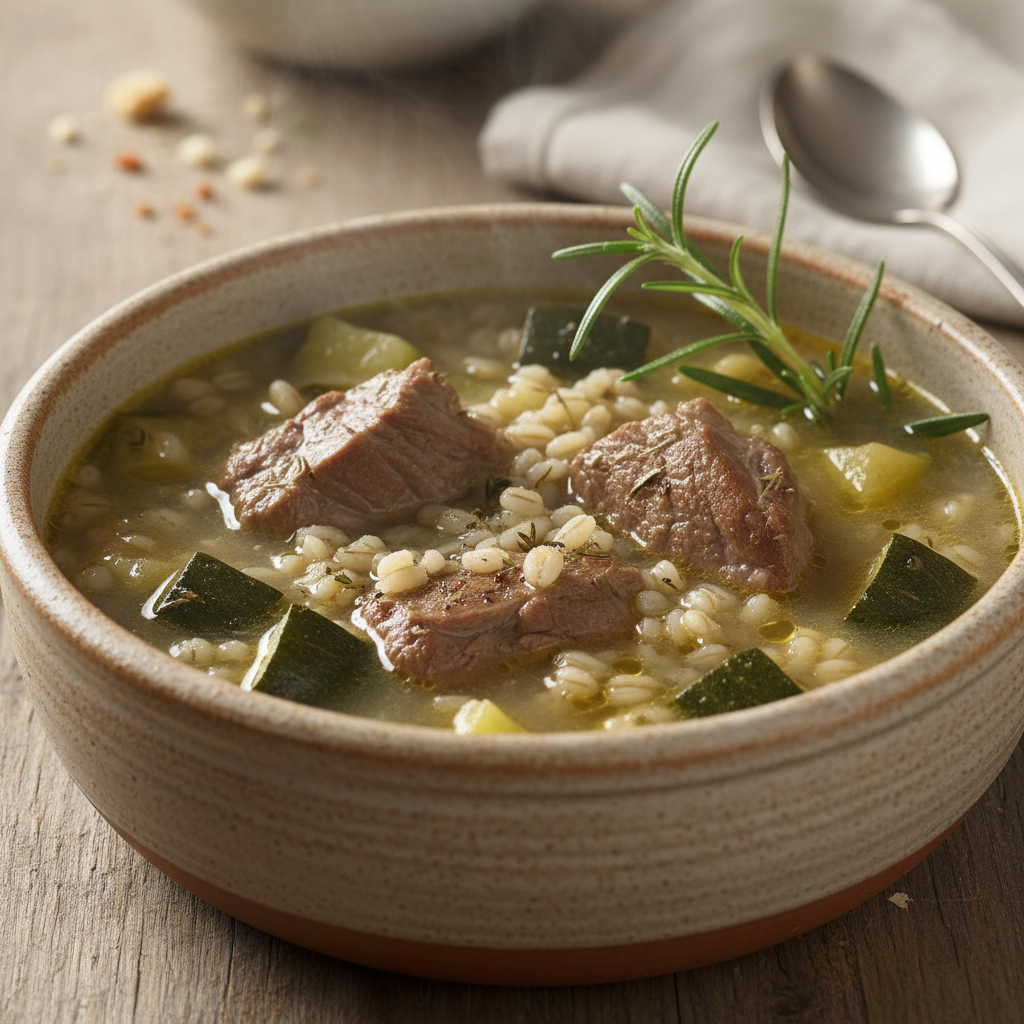
Sometimes, food sensitivities or allergies to common proteins like chicken or beef can cause systemic inflammation, leading to weepy eyes. Lamb is a wonderful ‘novel protein’ for many dogs, meaning they haven’t been overexposed to it, reducing the chance of a reaction. Barley is a healthy, high-fiber grain, and a touch of rosemary not only adds flavor but also has natural antimicrobial properties.
Ingredients:
- 1 lb lamb stew meat, cut into small, bite-sized pieces
- 1/2 cup pearled barley
- 4 cups filtered water or low-sodium beef broth
- 1 medium zucchini, chopped
- 1 teaspoon dried rosemary
Instructions:
- In a large pot or Dutch oven, brown the lamb pieces over medium-high heat. You don’t need to add oil as the lamb has enough fat.
- Drain off any excess fat. Add the barley, rosemary, and filtered water or broth to the pot.
- Bring the mixture to a boil, then reduce the heat, cover, and let it simmer for about 40 minutes, stirring occasionally.
- Add the chopped zucchini to the stew and continue to simmer for another 10-15 minutes, or until the barley is tender and the lamb is cooked through.
- The stew should have a nice, thick consistency. If it’s too watery, let it simmer uncovered for a few more minutes.
- Allow the stew to cool to room temperature before serving.
Pros & Cons
Pros
|
Cons
|
Verdict:
If you suspect your Maltese might have a poultry allergy, this recipe is a must-try. It’s a comforting, hearty meal that provides a completely different protein source to help calm an overactive immune system.
5. Egg & Oatmeal Breakfast Scramble
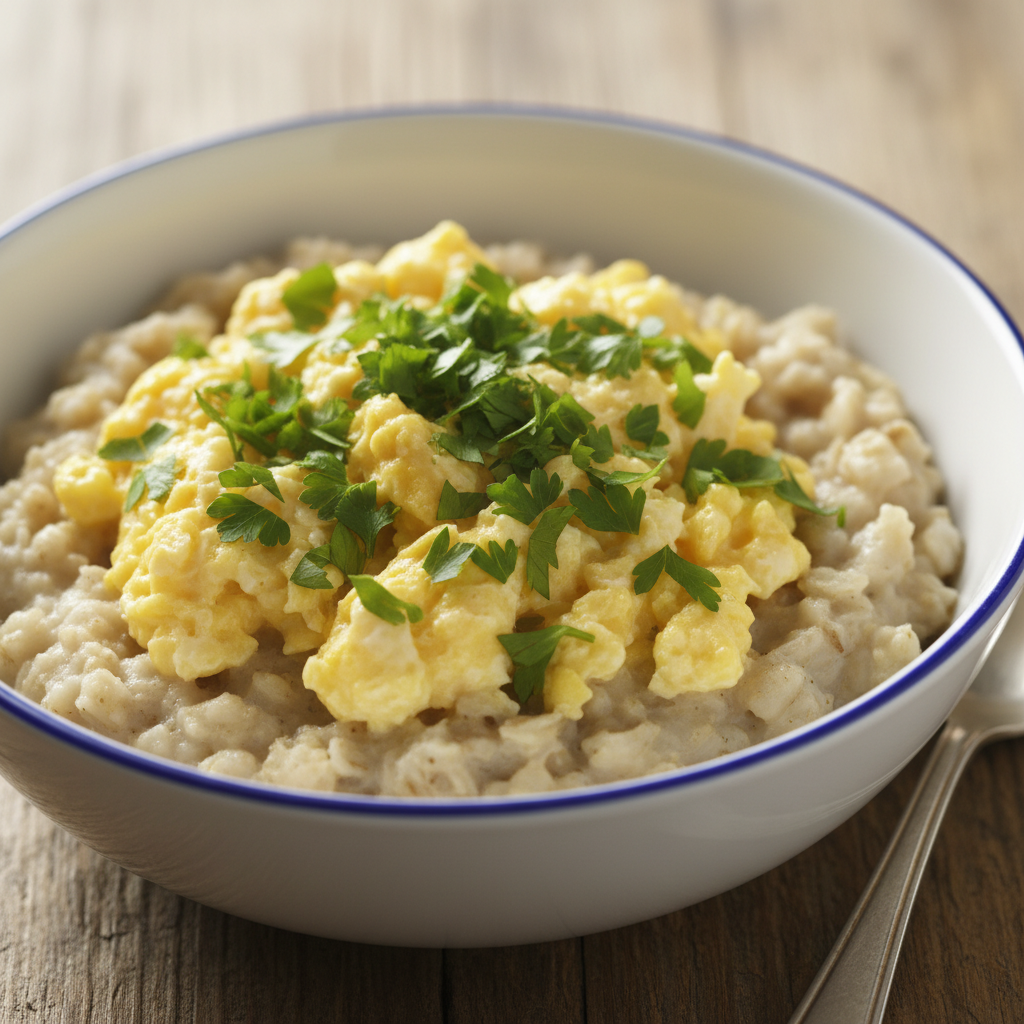
Who says homemade meals are just for dinner? This quick scramble is a fantastic way to start your Maltese’s day. Eggs are considered a ‘perfect protein’ because they contain a full range of essential amino acids. Oatmeal provides gentle fiber, and parsley is a well-known secret weapon for pet parents—it contains chlorophyll, which can help purify the blood and may reduce porphyrin production. Plus, it freshens that doggy breath!
Ingredients:
- 2 large eggs
- 1/4 cup rolled oats, cooked according to package directions with filtered water
- 1 tablespoon finely chopped fresh parsley
- A tiny splash of filtered water or goat’s milk (optional)
Instructions:
- Cook the rolled oats with filtered water until soft and creamy. Set aside.
- In a small bowl, whisk the eggs with the optional splash of water or goat’s milk.
- Gently scramble the eggs in a non-stick skillet over low-medium heat until just cooked. Avoid using butter or oil.
- In your dog’s bowl, combine the cooked oatmeal and the scrambled eggs.
- Sprinkle the freshly chopped parsley over the top.
- Stir and let it cool completely before serving this delicious breakfast.
Pros & Cons
Pros
|
Cons
|
Verdict:
This is a fantastic, quick breakfast option or a meal topper to add a powerful protein and nutrient boost to your dog’s diet. It’s especially good for picky eaters who enjoy different textures.
6. Duck & Pumpkin Puree
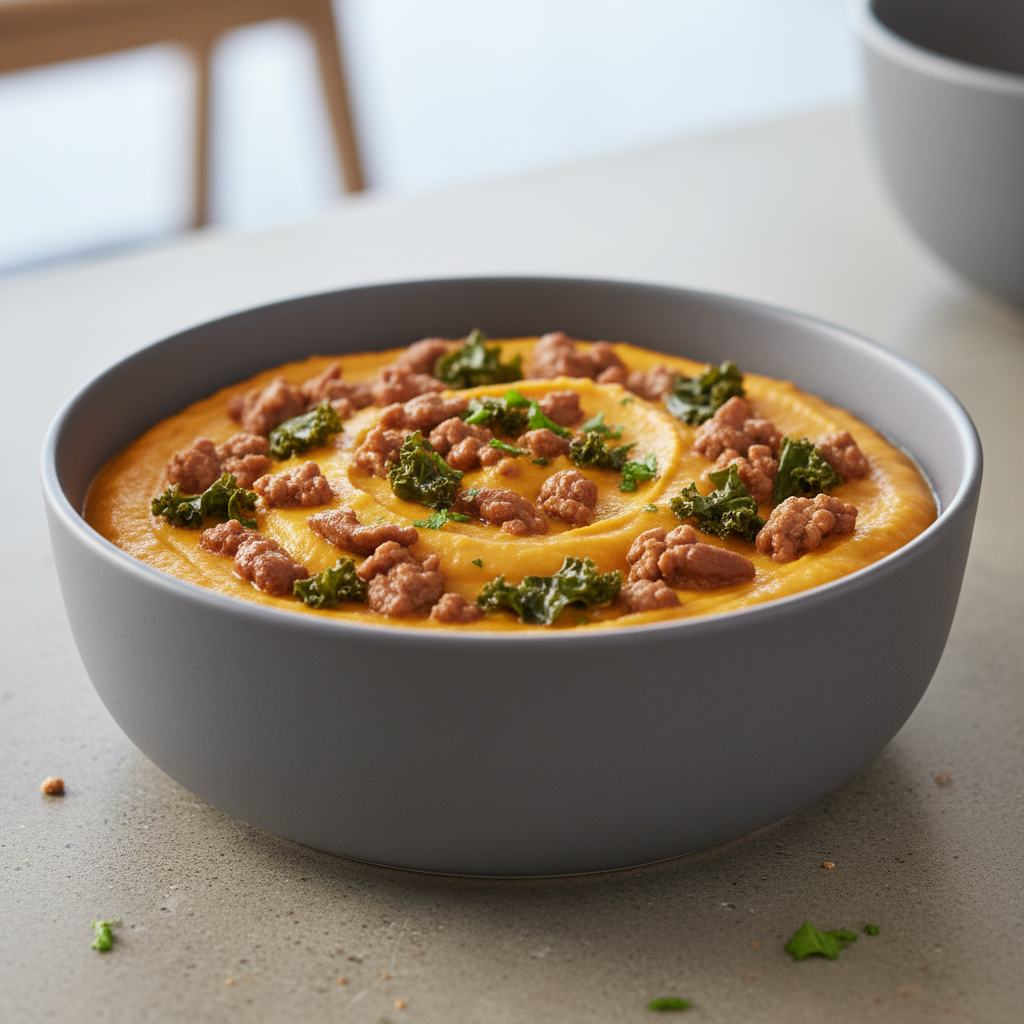
Here’s another fantastic novel protein option for sensitive pups. Duck is a rich, flavorful meat that many dogs with allergies can tolerate well. We’ve paired it with the superstar of digestive health: pumpkin. Plain, canned pumpkin (not pie filling!) is a miracle worker for regulating digestion. A healthy gut is the foundation of a healthy body, and better nutrient absorption can lead to a reduction in inflammation and tear staining.
Ingredients:
- 1 lb ground duck
- 1 cup 100% pure canned pumpkin puree
- 1 cup chopped kale, stems removed
- 1/2 cup filtered water
Instructions:
- In a skillet over medium heat, cook the ground duck until browned. Duck is fatty, so you will need to drain the excess fat thoroughly after cooking.
- While the duck is cooking, place the chopped kale and 1/2 cup of filtered water in a small pot. Cover and steam for 5-7 minutes until the kale is wilted and tender.
- In a large bowl, combine the cooked and drained duck, the steamed kale, and the pumpkin puree.
- Mix everything together until it forms a consistent, puree-like texture.
- Let it cool down to room temperature before serving.
Pros & Cons
Pros
|
Cons
|
Verdict:
This is the ultimate problem-solver meal for Maltese with both suspected food allergies and sensitive stomachs. The combination of novel protein and digestive-aiding pumpkin can work wonders for overall health.
7. Sardine & Veggie Mix (Topper)
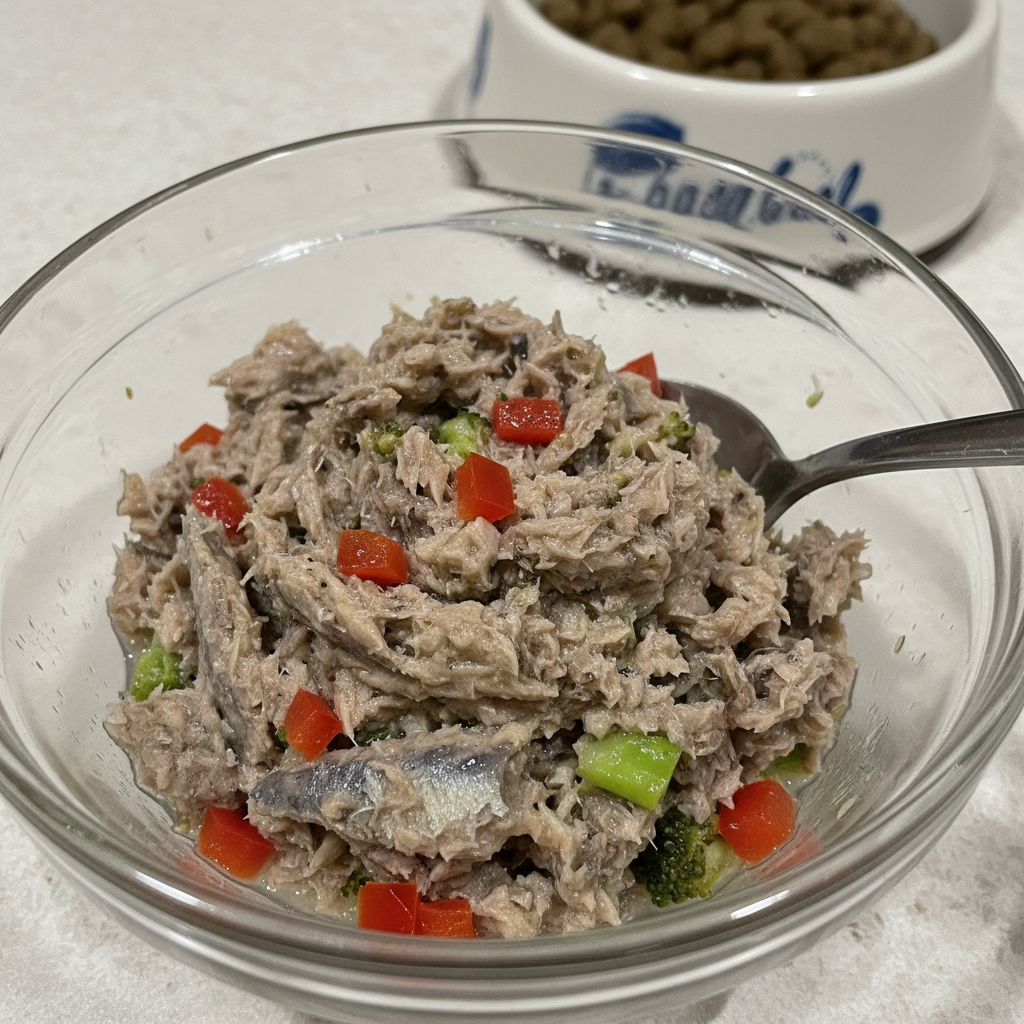
If you’re not ready to commit to a fully homemade diet, a meal topper is the perfect way to dip your toes in the water. This ‘no-cook’ recipe is arguably the most potent anti-inflammatory option on our list. Sardines are small, oily fish that are incredibly high in Omega-3s and low in mercury. A small amount of this powerful mix on top of existing food can make a huge difference in reducing systemic inflammation.
Ingredients:
- 1 can of sardines packed in water, no salt added
- 1/4 cup finely diced broccoli florets
- 1/4 cup finely diced red bell pepper
Instructions:
- Open the can of sardines and drain most of the water.
- In a small bowl, mash the sardines with a fork.
- Add the finely diced broccoli and red bell pepper to the mashed sardines.
- Mix thoroughly until all the ingredients are combined.
- Serve 1-2 teaspoons of this mixture on top of your dog’s regular food.
- Store the remainder in an airtight container in the refrigerator for up to 3 days.
Pros & Cons
Pros
|
Cons
|
Verdict:
This is the perfect ‘superfood’ booster for any Maltese diet. If you want to give your dog the maximum anti-inflammatory benefit with minimal effort, this potent topper is the way to go.
A Guide to Clean Eating for Your Maltese
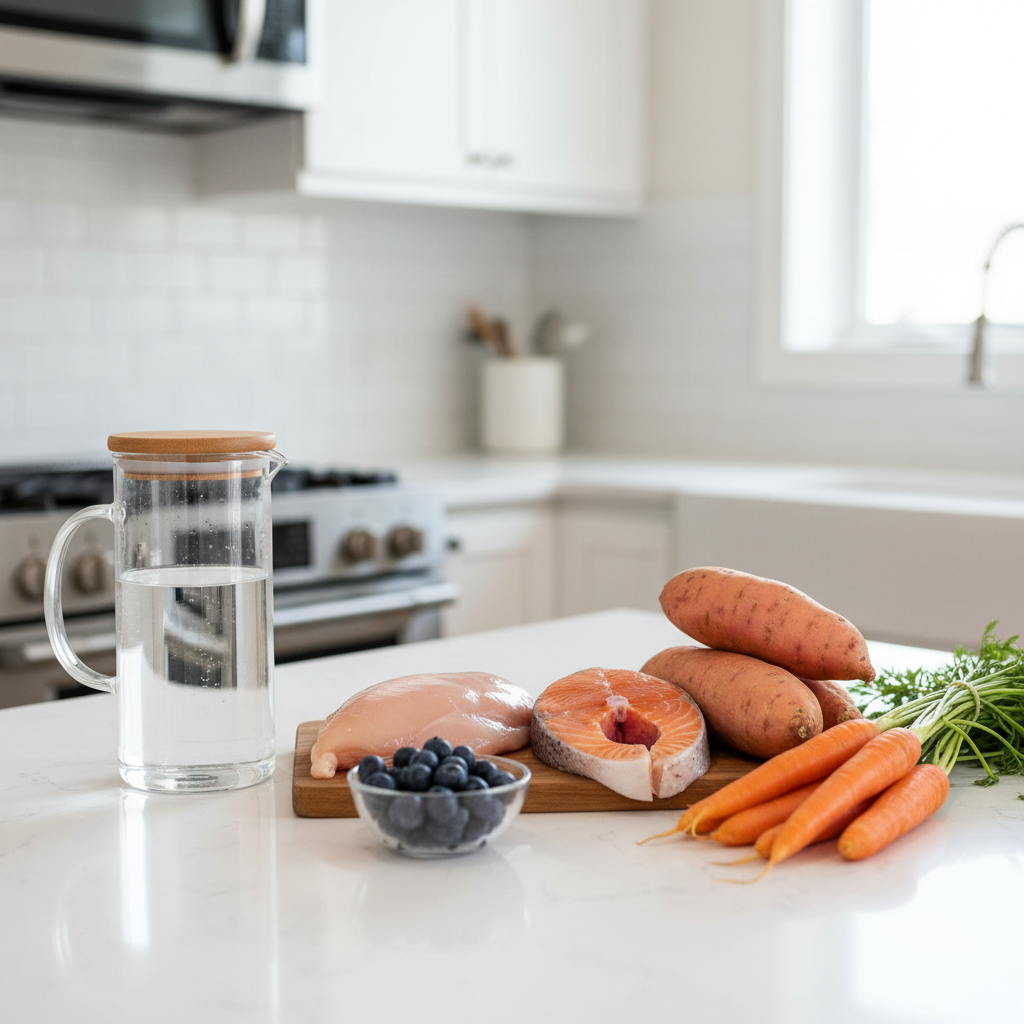
Switching to homemade food can feel daunting, but keeping a few key principles in mind will set you up for success. This isn’t just about recipes; it’s about a philosophy of clean eating for your pup.
Filtered Water is Non-Negotiable
This is the number one rule. Tap water can be high in iron, magnesium, and other minerals that bind with porphyrins in tears, making the stains darker and more stubborn. Using filtered or purified water for both their drinking bowl and for cooking their food is one of the easiest and most impactful changes you can make.
Choose High-Quality, Lean Proteins
Focus on easily digestible proteins like chicken, turkey, and whitefish. While red meats aren’t inherently bad, they are higher in iron, which can potentially contribute to the reddish staining. A varied rotation of lean proteins is ideal.
Ditch the Dyes and Fillers
Many commercial dog foods contain artificial colors (like Red 40) to make the kibble look more appealing to humans. They also use cheap fillers like corn, wheat, and soy, which can be common allergens and cause low-grade inflammation. Homemade food completely eliminates these unnecessary additives.
Incorporate Healthy Fats
As we’ve seen in the recipes, healthy fats like Omega-3s from fish or coconut oil are powerful anti-inflammatories. A body that isn’t fighting inflammation is less likely to have symptoms like excessive tearing.
Balance is Key: Talk to Your Vet
While these recipes are healthy, long-term homemade diets need to be properly balanced. Dogs require specific ratios of vitamins and minerals, like calcium and phosphorus. Before making a permanent switch, it’s crucial to talk to your veterinarian or a board-certified veterinary nutritionist. They can help you ensure the diet is complete and may recommend a high-quality vitamin and mineral supplement to add to the food.
Use Stainless Steel or Ceramic Bowls
Plastic bowls can develop tiny scratches that harbor bacteria, leading to facial irritation and infection. Always use stainless steel or ceramic bowls for food and water, and wash them daily.
Frequently Asked Questions

How long does it take to see results after changing my Maltese’s diet?
Patience is key! It can take anywhere from 4 to 8 weeks to see a noticeable reduction in new staining. The existing stained fur won’t change color; it needs to grow out and be trimmed away. You’re looking for the new fur growing in around the eyes to be clean and white.
Do I need to add supplements to these homemade recipes?
For short-term use or as a supplement to a commercial diet, you may not need to. However, if you plan to feed a homemade diet exclusively for the long term, then yes, supplementation is almost always necessary to ensure your dog gets all the essential micronutrients. Please consult your vet for a recommendation tailored to your dog’s specific needs.
Can I meal prep and freeze these foods?
Absolutely! All of these recipes are perfect for batch cooking. You can cook a week’s worth of food, portion it into daily servings in freezer-safe containers or bags, and simply thaw one out each day. This makes feeding homemade food incredibly convenient.
Besides food, what else can I do for tear stains?
A holistic approach works best. In addition to diet, gently wipe your dog’s eye area twice a day with a soft cloth dampened with filtered water. Keep the hair around their eyes trimmed short by a professional groomer. And, as mentioned, always use stainless steel or ceramic bowls for their food and water.
Conclusion
Making the switch to a clean, homemade diet can feel like a big step, but the potential rewards for your Maltese’s health and appearance are well worth it. By focusing on simple, whole-food ingredients and eliminating common irritants, you’re not just fighting tear stains—you’re providing your beloved companion with the best possible nutrition.
Remember to introduce any new food slowly, be patient as you wait for that new, snow-white fur to grow in, and always work with your vet to ensure your dog’s diet is complete and balanced. Happy cooking! Your bright-eyed, stain-free best friend will thank you for it.