
7 Low Fat Monkfish For Dogs Recipes For Weight Management
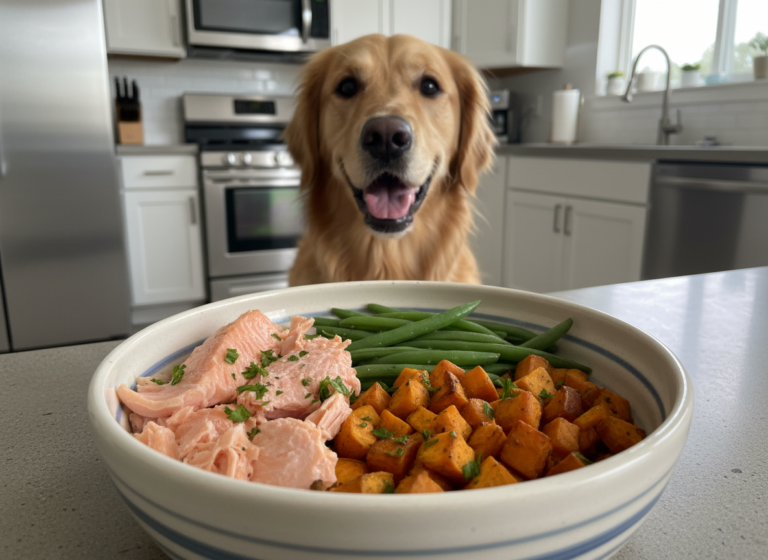
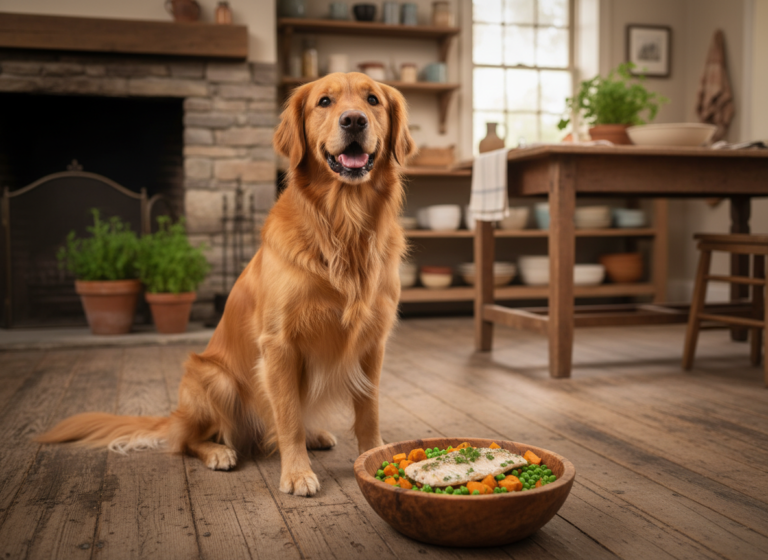
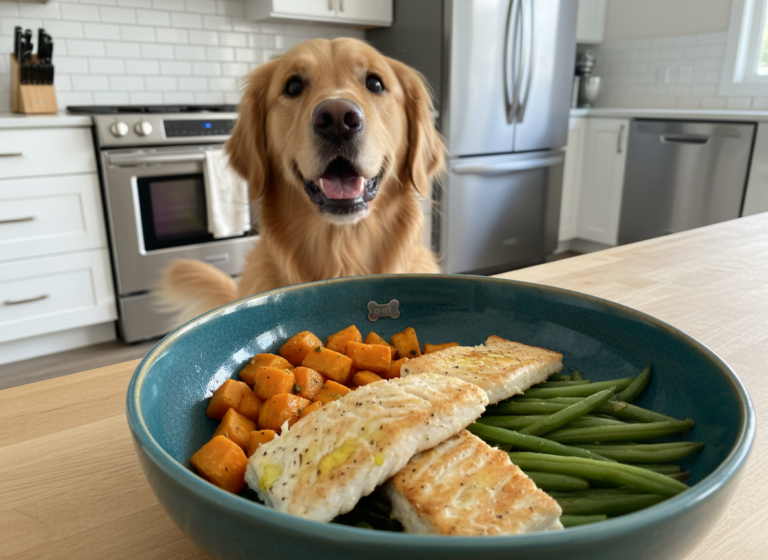
Hey there, fellow dog lovers! If you’re reading this, chances are you adore your furry friend and want what’s best for them. Sometimes, what’s best means helping them shed a few extra pounds. It’s a common struggle, but don’t worry, managing your dog’s weight doesn’t have to mean bland, boring meals. Enter the surprising hero of the sea: Monkfish!
You might know it as the ‘poor man’s lobster,’ but for our canine companions, monkfish is a treasure trove of lean protein. It’s incredibly low in fat and calories, making it a perfect base for a weight-management diet. Plus, it’s packed with essential nutrients like omega-3 fatty acids, which are fantastic for their coat, joints, and overall health. We’ve whipped up 7 delicious and simple recipes that will have your pup licking the bowl clean, all while helping them get back to a healthy, happy weight. Let’s get cooking!
Quick Recipe Comparison
| Recipe Name | Prep & Cook Time | Key Benefit | Best For |
|---|---|---|---|
| Monkfish & Sweet Potato Mash | 30 mins | Digestive Health | Dogs with sensitive stomachs |
| Monkfish & Quinoa Bites | 40 mins | Sustained Energy | Active dogs needing portion control |
| Green Monkfish Medley | 25 mins | Vitamins & Minerals Boost | Picky eaters who need more greens |
| Monkfish & Pumpkin Purée | 25 mins | Gut Health & Regularity | Senior dogs or those with digestive issues |
| Frozen Monkfish Pupsicles | 15 mins + freezing time | Cooling Summer Treat | All dogs, especially on hot days |
| Monkfish & Carrot Stew | 45 mins | Eye & Skin Health | Dogs needing extra hydration |
| Simple Poached Monkfish with Parsley | 20 mins | Ultra-Low Fat & Simple | Dogs on very strict diets or recovering |
1. Monkfish & Sweet Potato Mash
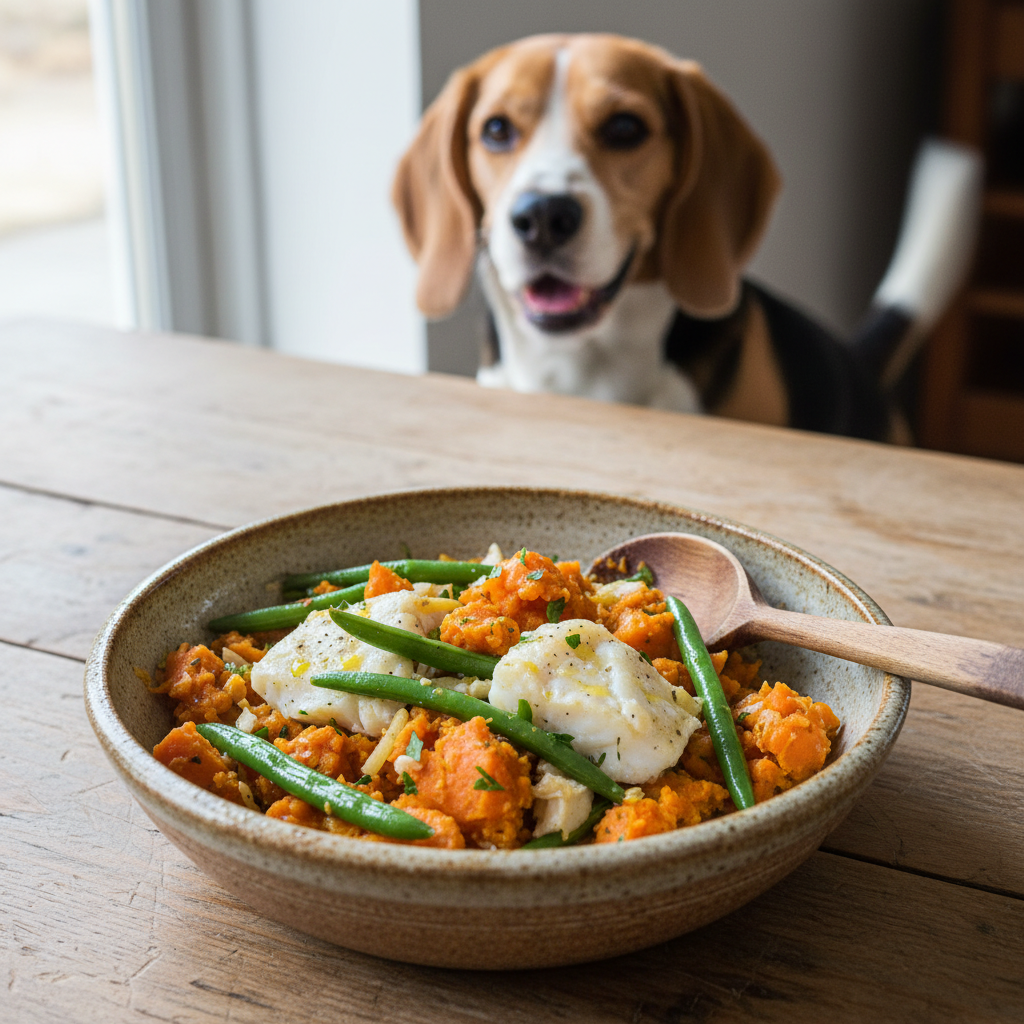
This recipe is a classic for a reason! It’s gentle on the tummy, packed with fiber to keep your pup feeling full, and super easy to make. The natural sweetness of the sweet potato pairs wonderfully with the mild flavor of monkfish, creating a meal your dog will go crazy for.
Ingredients:
- 1 lb boneless, skinless monkfish fillet
- 2 medium sweet potatoes, peeled and cubed
- 1 cup green beans, trimmed and chopped
- 1 tablespoon coconut oil (optional, for skin health)
- 4 cups of water or low-sodium chicken broth
Instructions:
- Place the cubed sweet potatoes in a large pot with water or broth. Bring to a boil and cook for about 10-15 minutes, or until tender.
- Add the monkfish fillets and chopped green beans to the pot. Reduce heat and let it simmer for another 8-10 minutes, until the fish is cooked through and flakes easily with a fork.
- Drain most of the liquid, reserving a little on the side.
- Mash the fish, sweet potatoes, and green beans together with a fork or potato masher. If the mixture is too thick, add a little of the reserved cooking liquid until you reach a desired consistency.
- Stir in the coconut oil, if using, and let the mash cool completely before serving.
Pros & Cons
| Pros | Cons |
|---|---|
| Excellent source of fiber for digestive health. | Higher in carbohydrates due to sweet potatoes. |
| Very easy for dogs to digest. | May not be suitable for dogs with yeast issues. |
| Simple ingredients, great for dogs with allergies. | Texture might be too soft for dogs who prefer a crunch. |
Verdict:
This is the perfect starting recipe for any dog owner looking to introduce homemade food. It’s especially beneficial for dogs with sensitive stomachs or those who need a little extra help staying regular.
2. Monkfish & Quinoa Bites
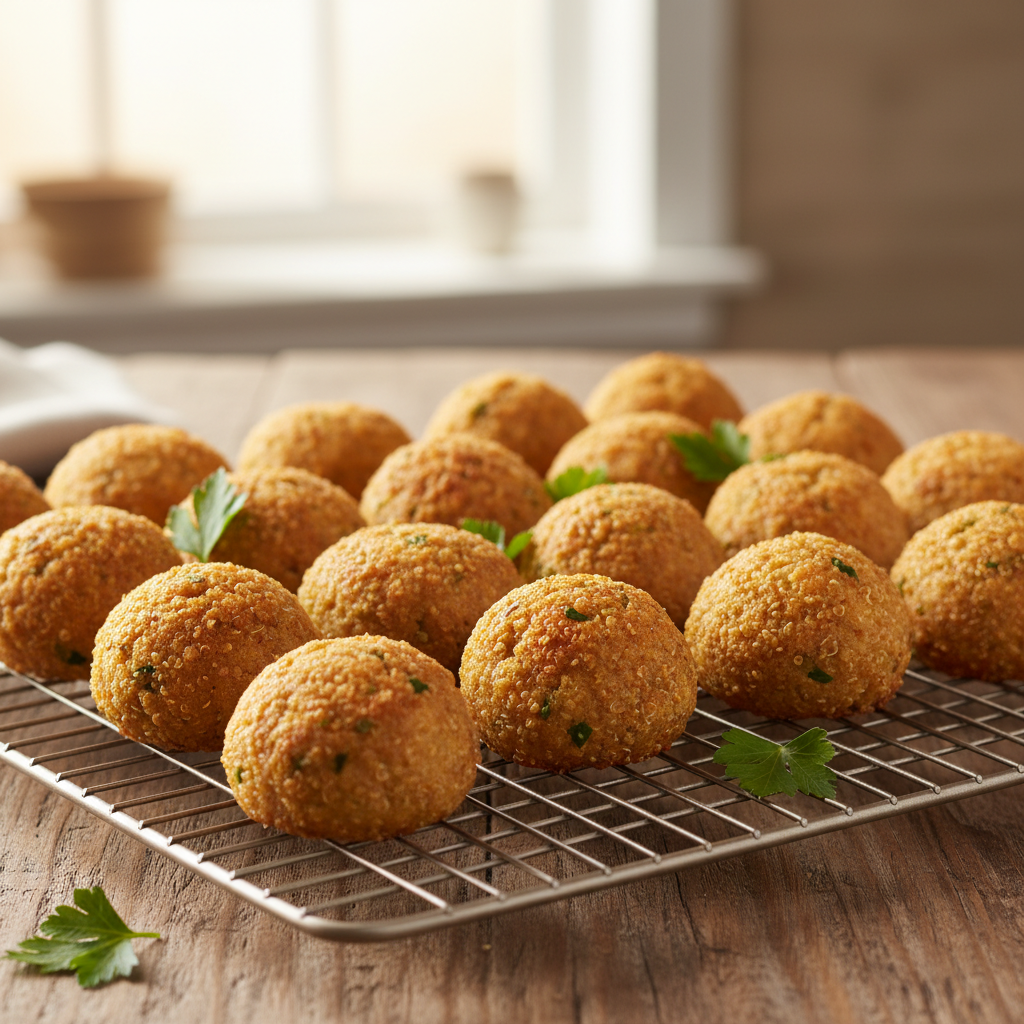
These little bites are perfect for training or for portioning out meals for smaller dogs. Quinoa is a complete protein, offering all the essential amino acids your dog needs, and it provides sustained energy without the spike of simple carbs. These are like healthy, high-protein doggy meatballs!
Ingredients:
- 1 lb monkfish, finely chopped or pulsed in a food processor
- 1 cup cooked quinoa, cooled
- 1/2 cup finely grated carrots
- 1 egg, beaten
- 2 tablespoons fresh parsley, chopped
Instructions:
- Preheat your oven to 375°F (190°C). Line a baking sheet with parchment paper.
- In a large bowl, combine the finely chopped monkfish, cooked quinoa, grated carrots, beaten egg, and chopped parsley.
- Mix everything together until well combined. The mixture should be firm enough to hold its shape.
- Roll the mixture into small, bite-sized balls (about 1 inch in diameter) and place them on the prepared baking sheet.
- Bake for 20-25 minutes, or until the bites are firm and lightly golden.
- Let them cool completely before serving or storing. They can be refrigerated for up to 4 days.
Pros & Cons
| Pros | Cons |
|---|---|
| Perfect for portion control and training. | More time-consuming to prepare than a simple mash. |
| Quinoa provides sustained, slow-release energy. | Some dogs may have difficulty digesting quinoa if not introduced slowly. |
| Easy to store and freeze for later use. | Requires an oven for baking. |
Verdict:
Ideal for active dogs who need their meals portioned out, or for owners who want a healthy, homemade training treat. The bites are a fantastic way to control calorie intake precisely.
3. Green Monkfish Medley
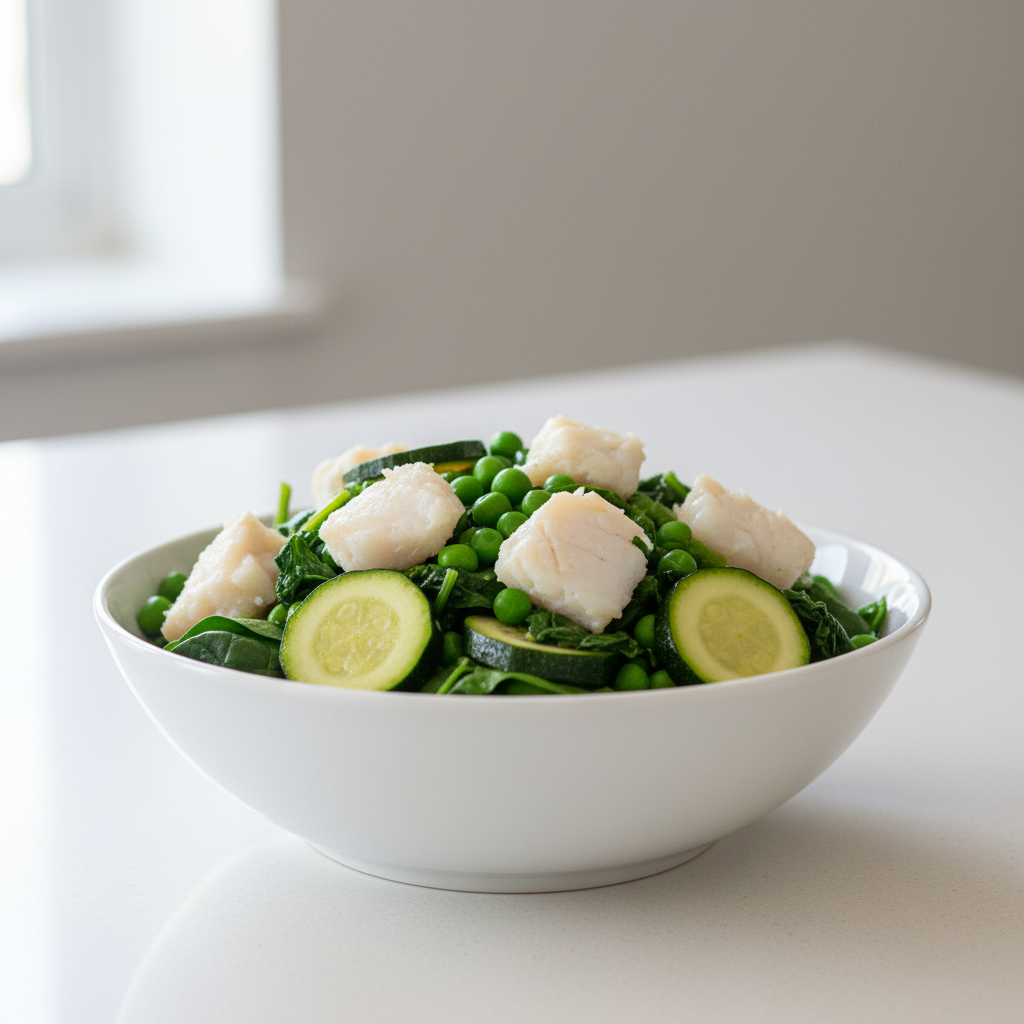
Get those greens in! This recipe is loaded with nutrient-dense vegetables like spinach and zucchini, providing a fantastic boost of vitamins and antioxidants. It’s a great way to sneak some extra veggie power into the diet of a pup who might otherwise turn their nose up at them.
Ingredients:
- 1 lb monkfish fillet, cut into chunks
- 1 cup fresh spinach
- 1 medium zucchini, chopped
- 1/2 cup peas (fresh or frozen)
- 1 teaspoon olive oil
- 2 cups water
Instructions:
- Heat the olive oil in a medium-sized pot over medium heat. Add the chopped zucchini and cook for 3-4 minutes until it starts to soften.
- Add the monkfish chunks to the pot and cook for another 2-3 minutes, stirring gently.
- Pour in the water, bring to a simmer, and cook for about 5 minutes.
- Add the spinach and peas, stirring until the spinach has wilted completely. This should only take a minute or two.
- Remove from heat and let it cool. You can serve it as a chunky stew or blend it slightly for a smoother consistency for picky eaters.
Pros & Cons
| Pros | Cons |
|---|---|
| Packed with vitamins, minerals, and antioxidants. | Some dogs may not like the taste of green vegetables. |
| Low in calories and carbohydrates. | Spinach should be given in moderation due to oxalates. |
| Quick to cook, ready in under 30 minutes. | May be less filling than recipes with starchy vegetables. |
Verdict:
This is the ultimate ‘health bowl’ for dogs. It’s perfect for pups who need a low-calorie, nutrient-dense meal to support their weight loss journey and overall vitality.
4. Monkfish & Pumpkin Purée
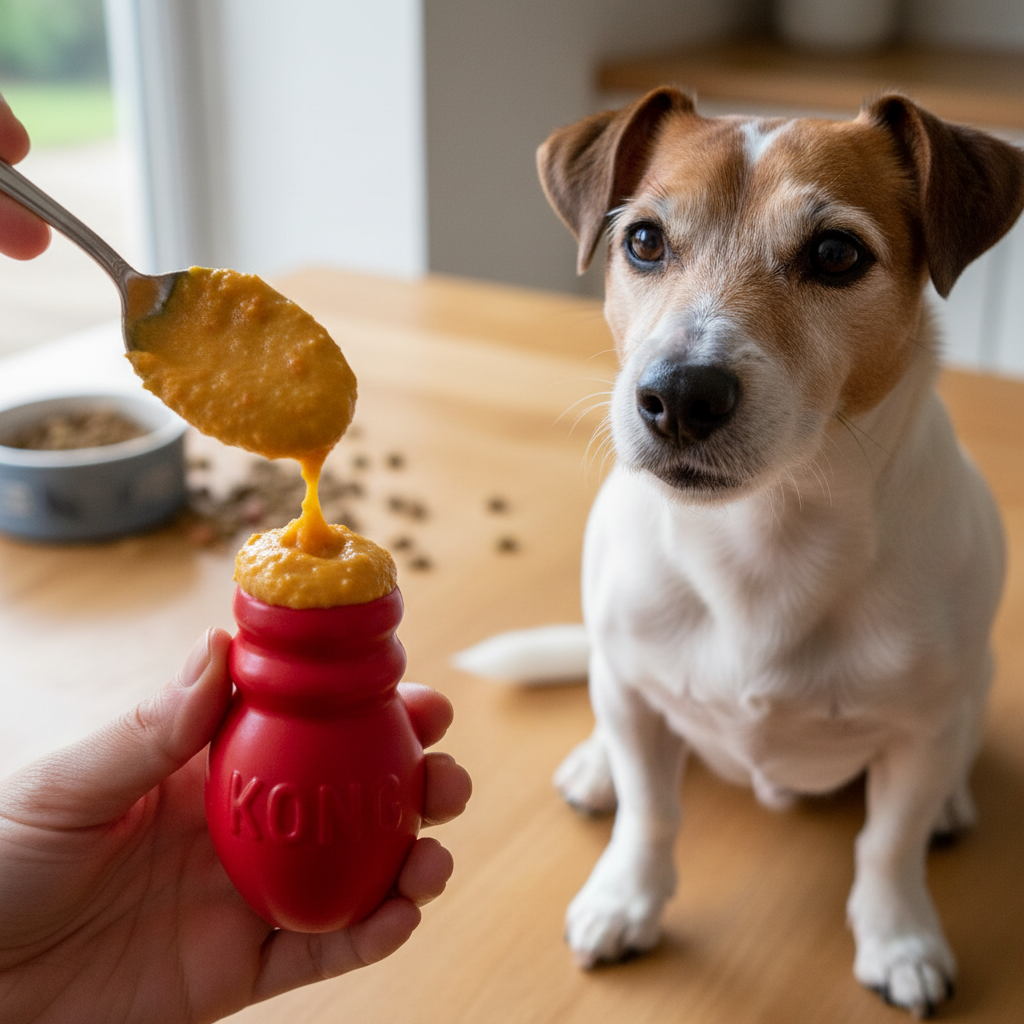
Pumpkin is a superstar ingredient for canine digestive health. It’s rich in soluble fiber, which can help with both constipation and diarrhea. Combined with the lean protein of monkfish, this purée is a soothing, comforting meal that’s especially good for older dogs or those with sensitive systems.
Ingredients:
- 1 lb monkfish fillet
- 1 can (15 oz) 100% pure pumpkin purée (NOT pie filling)
- 1/2 teaspoon ground ginger (great for digestion)
- 2 cups of water
Instructions:
- Place the monkfish fillets in a pot with 2 cups of water. Bring to a gentle simmer and cook for 8-10 minutes, or until the fish is opaque and cooked through.
- Remove the fish from the water and shred it with two forks. Discard the cooking water.
- In a bowl, combine the shredded monkfish, pumpkin purée, and ground ginger.
- Mix thoroughly until you have a consistent purée.
- Serve once it has cooled to room temperature. This can also be stuffed into a KONG toy and frozen.
Pros & Cons
| Pros | Cons |
|---|---|
| Excellent for regulating digestion. | The purée texture might not appeal to all dogs. |
| Extremely simple with minimal ingredients. | Not a fully balanced meal on its own for long-term feeding. |
| Soothing for upset stomachs. | Ensure you use pure pumpkin, not sugary pie filling. |
Verdict:
A go-to recipe for senior dogs or any pup experiencing digestive upset. Its simplicity and gut-soothing properties make it a gentle and effective meal for sensitive systems.
5. Frozen Monkfish Pupsicles
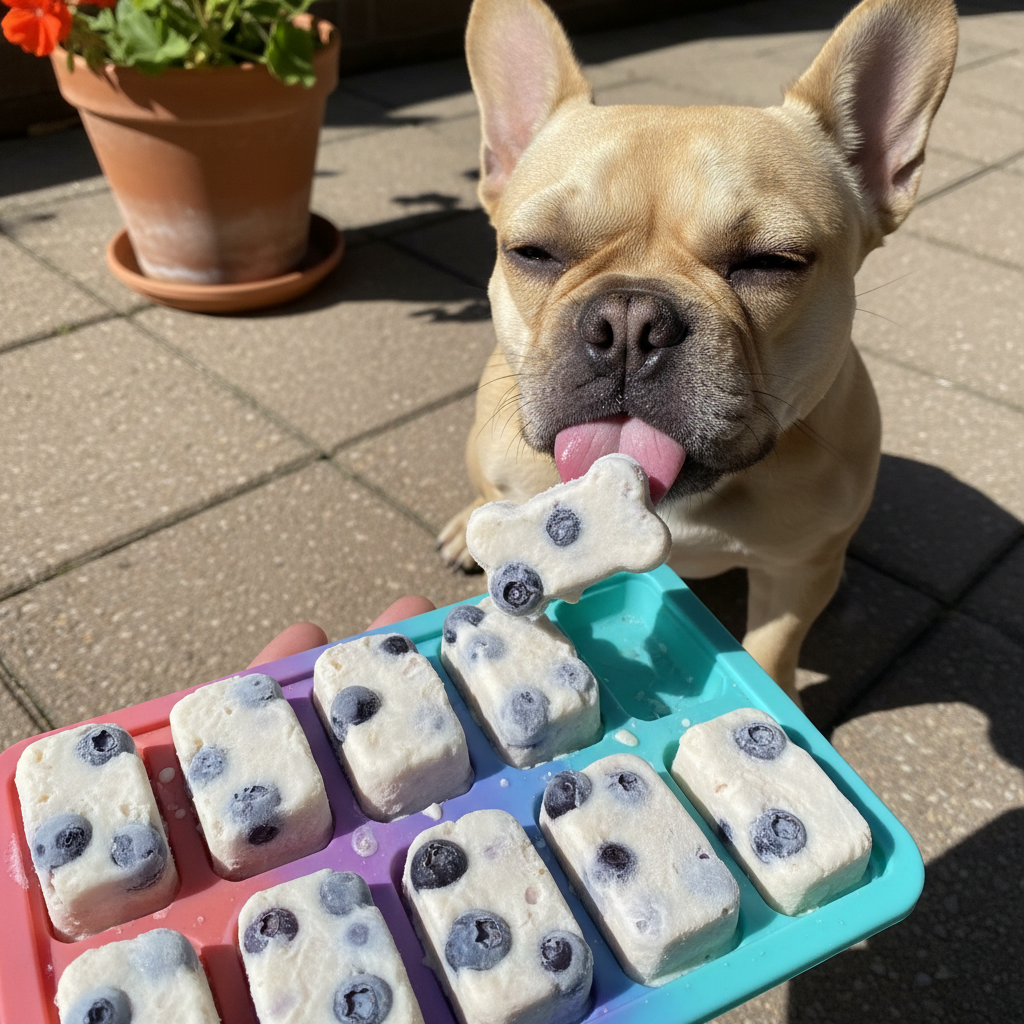
Who says weight management can’t be fun? These frozen treats are a fantastic way to help your dog cool down on a hot day. They provide a low-calorie, hydrating, and engaging snack that takes them a while to get through, offering great mental stimulation too.
Ingredients:
- 1/2 lb monkfish, cooked and flaked
- 1/2 cup plain, unsweetened yogurt (ensure it contains no xylitol)
- 1/4 cup blueberries (fresh or frozen)
- 1 cup water or low-sodium bone broth
Instructions:
- In a blender, combine the cooked monkfish, yogurt, and water/bone broth. Blend until smooth.
- Stir in the whole blueberries by hand.
- Pour the mixture into an ice cube tray or silicone molds.
- Freeze for at least 4 hours, or until solid.
- Pop one out and let your dog enjoy a refreshing treat!
Pros & Cons
| Pros | Cons |
|---|---|
| Great for hydration and cooling on hot days. | This is a treat, not a complete meal. |
| Provides mental enrichment as the dog licks the treat. | Can be messy as it melts. Best served outdoors. |
| Very low in calories per treat. | Requires freezer space and molds. |
Verdict:
The perfect low-guilt summer treat for any dog on a diet. It’s a fun, refreshing way to add some excitement to their routine without packing on the pounds.
6. Monkfish & Carrot Stew
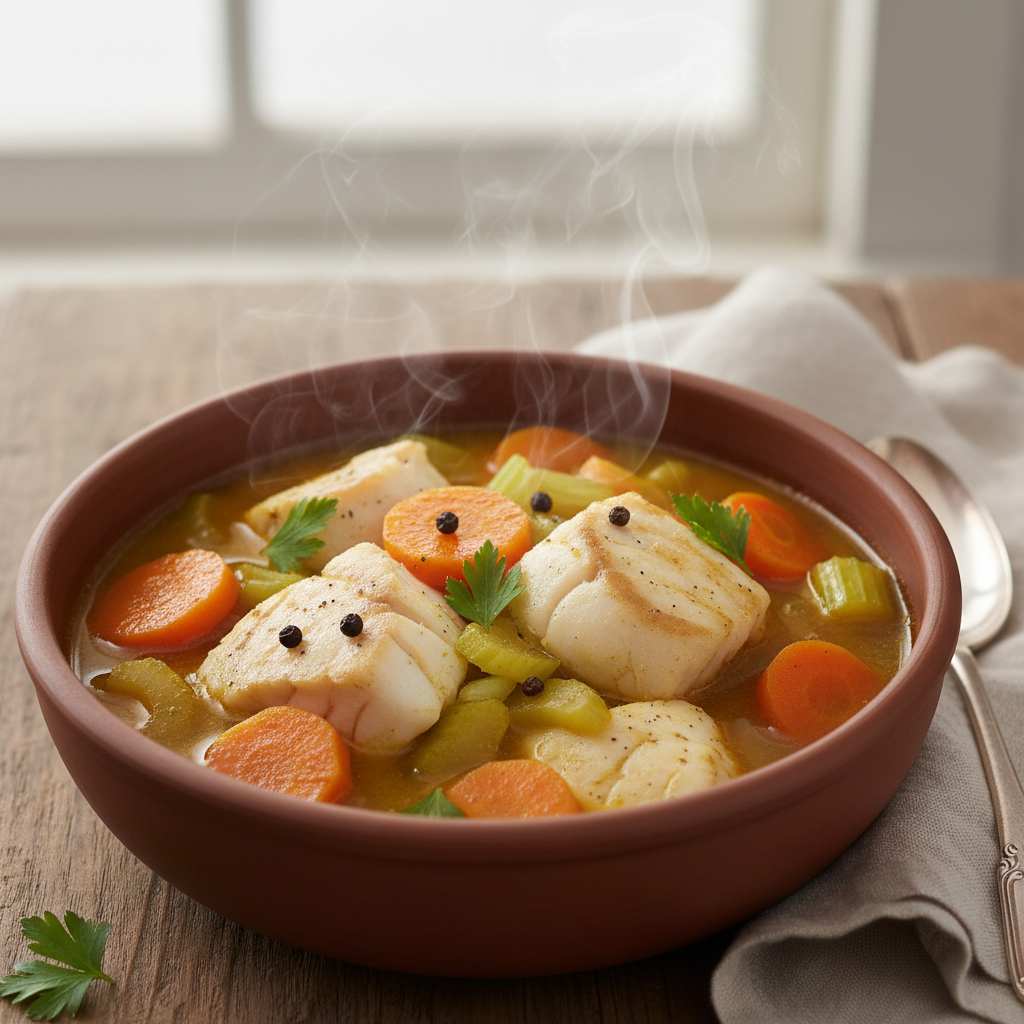
A hearty, warming stew that’s still light on calories. Carrots are a fantastic low-calorie source of beta-carotene, which converts to Vitamin A, essential for your dog’s vision, skin, and coat. This stew is also great for adding extra moisture to your dog’s diet.
Ingredients:
- 1 lb monkfish, cut into 1-inch cubes
- 2 large carrots, peeled and diced
- 1 celery stalk, diced
- 1/2 teaspoon dried turmeric (for its anti-inflammatory properties)
- 4 cups low-sodium beef or chicken broth
Instructions:
- In a large pot or Dutch oven, combine the monkfish cubes, diced carrots, diced celery, turmeric, and broth.
- Bring the mixture to a boil, then reduce the heat to low, cover, and let it simmer for 30-35 minutes.
- Continue to cook until the carrots are very tender and the fish is cooked through.
- Stir well and let it cool completely before serving. The broth makes it a wonderfully hydrating meal.
Pros & Cons
| Pros | Cons |
|---|---|
| High in moisture, great for hydration. | Takes longer to cook than other recipes. |
| Carrots provide Vitamin A for vision and skin health. | Some dogs might pick out the vegetables. |
| Turmeric offers natural anti-inflammatory benefits. | Can be a bit bland without herbs; consider adding parsley. |
Verdict:
An excellent choice for older dogs or those who don’t drink enough water. This comforting stew supports joint health and hydration while keeping the calorie count low.
7. Simple Poached Monkfish with Parsley
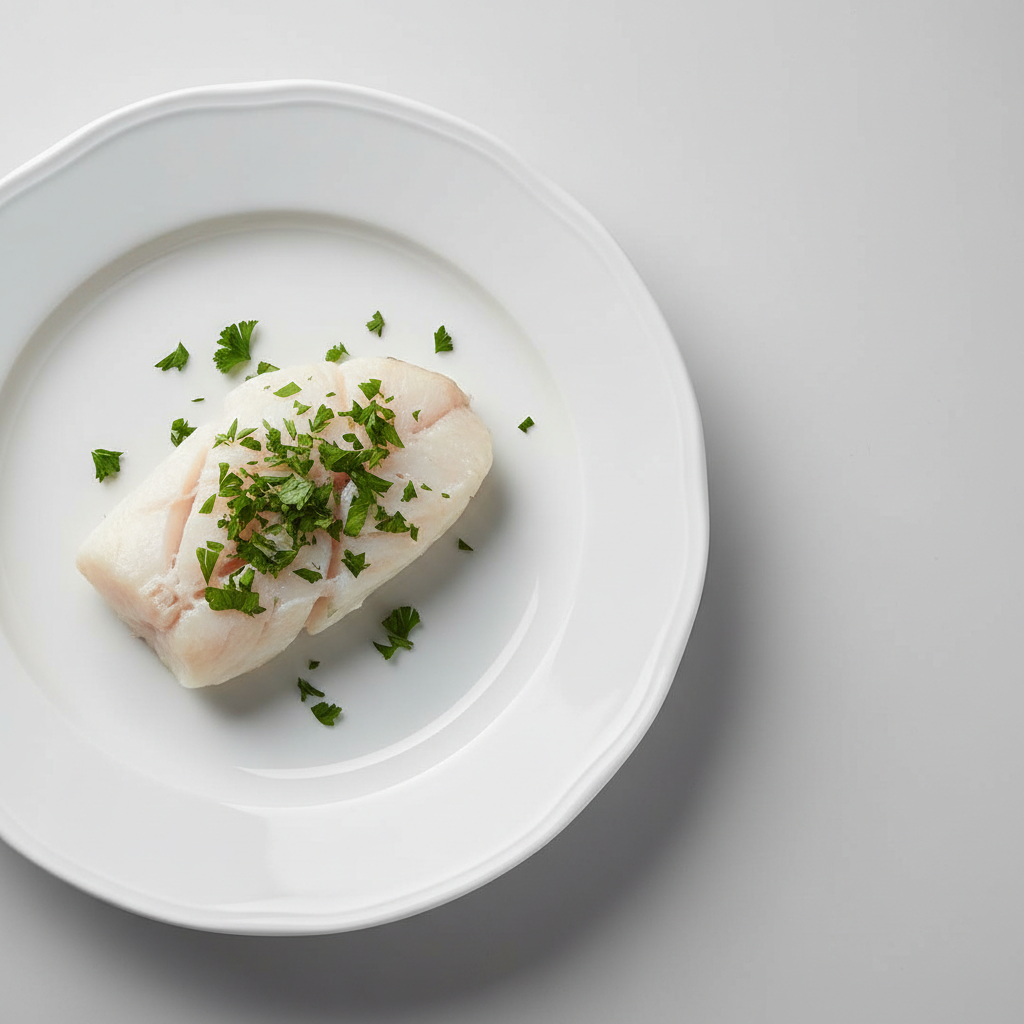
When you need a meal that is absolutely, positively as simple and low-fat as it gets, this is it. Poaching is a gentle cooking method that requires no added fats. This recipe is perfect for a dog who is just starting a weight loss plan or has a highly sensitive system that requires a very basic diet.
Ingredients:
- 1 lb monkfish fillet
- 4 cups water
- 2 tablespoons fresh parsley, chopped
Instructions:
- Place the monkfish fillet in a saucepan and add enough water to cover it completely.
- Bring the water to a gentle simmer over medium heat. Do not let it boil aggressively, as this can make the fish tough.
- Poach the fish for 10-12 minutes, or until it is opaque and flakes easily.
- Carefully remove the fish from the water and place it in a bowl. Let it cool.
- Once cool, flake the fish with a fork and sprinkle the fresh chopped parsley over the top. The parsley will help freshen your dog’s breath!
Pros & Cons
| Pros | Cons |
|---|---|
| Extremely low in fat and calories. | Not a balanced meal; best used as a topper or short-term diet. |
| Incredibly easy to digest. | May be too plain for picky eaters. |
| The fastest recipe to prepare. | Lacks the extra vitamins from vegetables. |
Verdict:
This is the ultimate ‘reset’ meal. It’s perfect as a simple protein topper for their existing kibble or as a short-term meal for a dog with a severely upset stomach or on a strict veterinarian-prescribed diet.
Your Guide to Cooking Monkfish for Your Pup
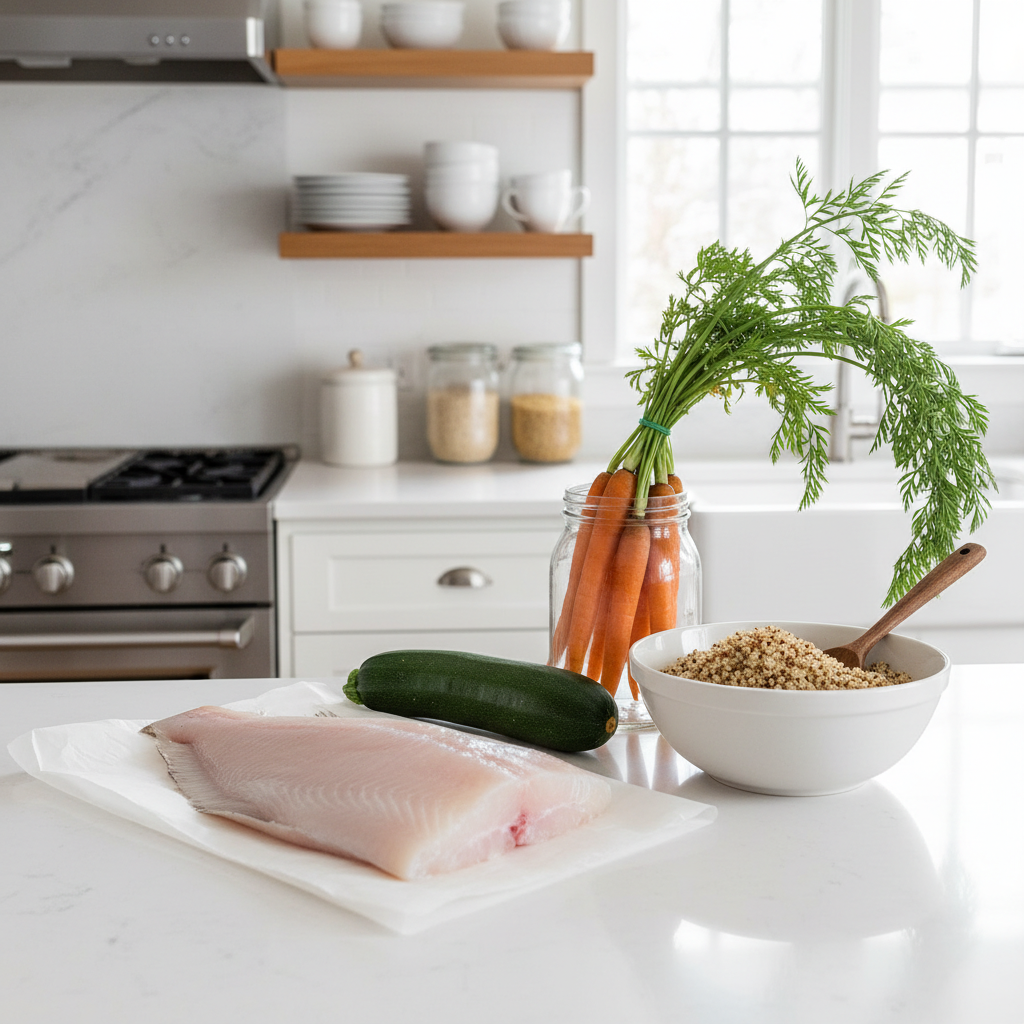
Feeling inspired to head to the kitchen? That’s fantastic! Cooking for your dog can be an incredibly rewarding experience. To make sure you’re doing it safely and effectively for weight management, here are a few key things to keep in mind.
Choosing the Best Monkfish
When you’re at the fish counter, look for monkfish fillets that are firm, moist, and have a fresh, clean sea smell. Avoid anything that looks dull or has a strong ‘fishy’ odor. Both fresh and frozen fillets work perfectly for these recipes. If you buy frozen, make sure to thaw it completely in the refrigerator before cooking. Always opt for boneless and skinless fillets to make your job easier and safer for your pup.
Dog-Safe Veggies & Grains
Monkfish is the star, but a balanced meal needs supporting characters! When adding extras, stick to dog-safe options. Great choices include:
- Vegetables: Carrots, green beans, peas, spinach (in moderation), zucchini, pumpkin, sweet potatoes, and broccoli florets.
- Grains/Carbs: Quinoa, brown rice, and oats are excellent sources of complex carbohydrates for sustained energy. Always introduce grains slowly to make sure your dog digests them well.
- Avoid: Onions, garlic, grapes, raisins, and avocado are toxic to dogs and should never be included in their meals.
Portion Control is Everything
Even with low-calorie food, portion size is the most critical factor in weight management. A cup of food for a Great Dane is very different from a cup for a Chihuahua! The right amount depends on your dog’s age, breed, activity level, and target weight. These recipes are meant to supplement or replace their current food. Always consult with your veterinarian to determine the appropriate daily calorie intake and portion size for your specific dog’s needs. They can help you create a safe and effective weight loss plan.
Storage Tips
You can make these recipes in batches to save time. Once cooked and cooled, the food can be stored in an airtight container in the refrigerator for up to 4 days. For longer storage, portion it out into freezer-safe bags or containers and freeze for up to 3 months. To serve, simply thaw it in the fridge overnight.
Frequently Asked Questions

Can I use frozen monkfish instead of fresh?
Absolutely! Frozen monkfish is a great, often more affordable, option. Just be sure to thaw it safely and completely in the refrigerator before you start cooking. There’s no significant difference in nutritional value for your dog.
How often can I feed my dog these monkfish recipes?
These recipes can be served as a special meal, a topper to their regular kibble, or as a full meal replacement if you’re working with a vet or canine nutritionist to ensure a balanced diet. For weight management, consistency is key. Your vet can help you determine the right frequency and portion size for a sustainable, long-term plan.
Are there any other types of fish I can use for these recipes?
Yes! If you can’t find monkfish, other low-fat whitefish like cod, haddock, or tilapia make excellent substitutes. They offer a similar lean protein profile. Just be sure that any fish you serve is boneless, skinless, and cooked thoroughly.
Conclusion
There you have it—seven simple, healthy, and delicious ways to incorporate low-fat monkfish into your dog’s diet. Managing your pup’s weight is a journey of love, and providing them with nutritious, homemade meals is one of the best ways to show you care. You’re not just helping them lose weight; you’re boosting their energy, improving their joint health, and giving them a meal they’ll genuinely get excited about.
Remember to introduce any new food slowly and always consult your vet before making significant changes to your dog’s diet. Pick a recipe that sounds good to you, have fun in the kitchen, and watch your happy, healthy pup reap the delicious rewards. Happy cooking!