
13 Easy-to-Digest Homemade Food for Greyhounds
Welcome, fellow Greyhound parent! If you’re here, you probably know that loving a Greyhound means loving their quirks, from their goofy ‘roaching’ sleeping position to their incredibly sensitive digestive systems. These gentle giants often struggle with commercial kibble, leading to gas, upset stomachs, and general discomfort. Switching to homemade food can be a game-changer, giving you complete control over what goes into their bowl.
But where do you start? Don’t worry, we’ve got you covered. We’ve rounded up 13 simple, vet-approved (always check with your own vet first!) recipes that are gentle on the tummy and packed with goodness. Let’s get cooking for your canine companion!
Quick Comparison of Our Top Recipes
| Recipe Name | Main Protein | Best For | Approx. Prep Time |
|---|---|---|---|
| Boiled Chicken & Rice | Chicken | Upset Stomachs | 25 mins |
| Turkey & Sweet Potato | Turkey | Sustained Energy | 30 mins |
| Salmon & Oatmeal | Salmon | Skin & Coat Health | 20 mins |
| Scrambled Eggs & Spinach | Eggs | Quick Protein Boost | 10 mins |
| Beef & Barley Stew | Beef | Weight Gain | 45 mins |
| Cottage Cheese & Carrots | Cottage Cheese | Low-Fat Diet | 15 mins |
| Lamb & Pumpkin Mix | Lamb | Digestive Regularity | 25 mins |
| Whitefish & Quinoa | Whitefish (Cod/Tilapia) | Food Allergies | 25 mins |
| Chicken & Pasta Swirl | Chicken | Picky Eaters | 25 mins |
| Pork & Green Beans | Pork | Muscle Maintenance | 30 mins |
| Turkey & Zucchini Patties | Turkey | Low-Calorie Option | 35 mins |
| Sardine & Brown Rice | Sardines | Joint & Bone Health | 20 mins |
| Lentil & Vegetable Stew | Lentils (Plant-based) | Meat-Free Days | 40 mins |
1. Boiled Chicken and Rice Classic
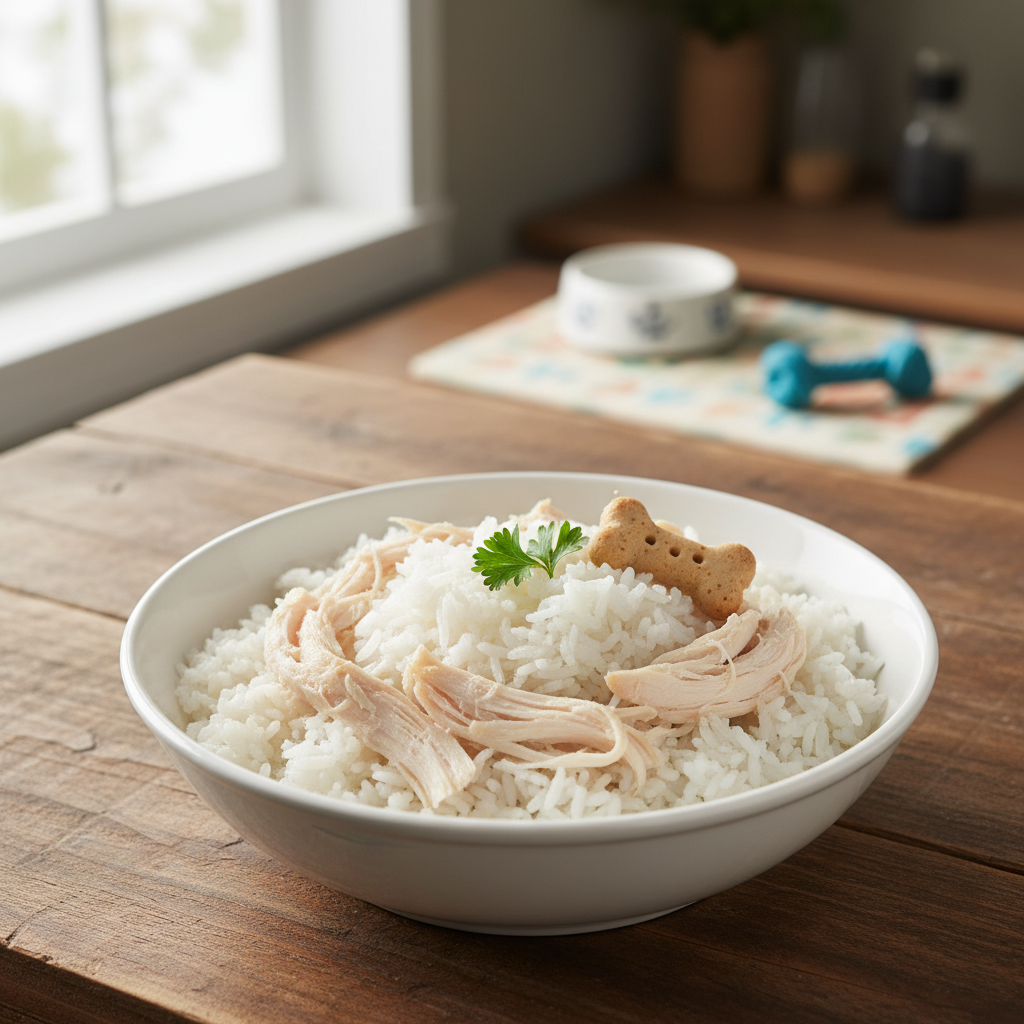
This is the gold standard for upset doggy tummies, and for good reason. It’s bland, low in fat, and incredibly easy to digest. The simple combination of lean protein and a starchy carbohydrate provides energy without irritating the gut. It’s the perfect meal to turn to when your Greyhound is feeling a bit under the weather.
Ingredients:
- 1 boneless, skinless chicken breast
- 1 cup of white rice
- 4 cups of water
- Optional: 1/4 cup of plain, unsweetened yogurt for probiotics after cooking and cooling.
Instructions:
- Place the chicken breast and water in a pot and bring to a boil.
- Reduce heat and simmer until the chicken is cooked through (about 20 minutes).
- Remove the chicken and let it cool. Shred it into small, bite-sized pieces. Reserve the broth.
- Cook the white rice in the chicken broth according to package directions. Using the broth adds flavor and nutrients.
- Once the rice is cooked and has cooled slightly, mix in the shredded chicken.
- Serve once it’s completely cooled to room temperature.
Pros & Cons
Pros
|
Cons
|
Verdict:
This is the go-to recipe for any Greyhound experiencing digestive distress. It’s best used as a temporary meal for a few days to help their system reset.
2. Lean Ground Turkey and Sweet Potato Mash
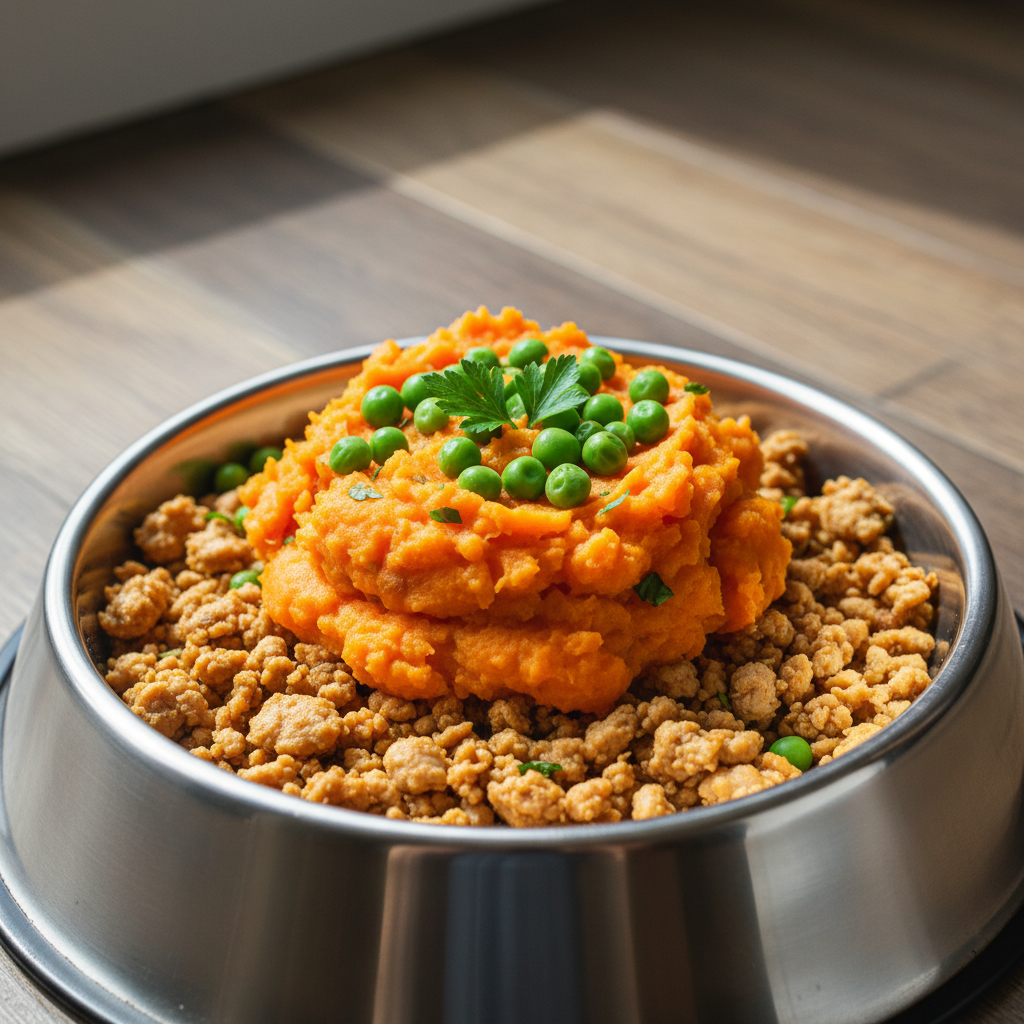
A delicious and nutritious step-up from the basic chicken and rice. Lean ground turkey is a fantastic low-fat protein source, and sweet potatoes are a digestive powerhouse. They are packed with fiber, vitamins A and C, and are gentler on blood sugar than white potatoes.
Ingredients:
- 1 lb lean ground turkey (93/7 or leaner)
- 2 medium sweet potatoes, peeled and cubed
- 1 tablespoon of olive oil
- 1/2 cup of peas or green beans (optional)
Instructions:
- Boil the sweet potato cubes in water until they are fork-tender (about 15-20 minutes). Drain and mash them.
- While the potatoes are boiling, cook the ground turkey in a large skillet with olive oil over medium heat until browned. Break it up into small pieces. Drain any excess fat.
- If using, steam or boil the peas or green beans until tender.
- In a large bowl, combine the cooked turkey, mashed sweet potato, and vegetables. Mix well.
- Allow it to cool completely before serving.
Pros & Cons
Pros
|
Cons
|
Verdict:
An excellent daily meal for a Greyhound with a generally sensitive stomach. It provides balanced energy and is highly palatable for most dogs.
3. Salmon and Oatmeal Porridge

Is your Greyhound’s coat looking a little dull? This recipe is the answer. Salmon is loaded with omega-3 fatty acids, which are fantastic for skin, coat, joint, and brain health. Oatmeal is a gentle, high-fiber grain that can help regulate digestion. Make sure the salmon is boneless and skinless!
Ingredients:
- 1 (6 oz) salmon fillet, boneless and skinless
- 1 cup of rolled oats (not instant)
- 4 cups of water
- 1/2 cup of finely chopped carrots
Instructions:
- Bake or poach the salmon fillet until it’s cooked through. Flake it apart with a fork and check carefully for any remaining bones.
- In a saucepan, bring the water to a boil. Add the rolled oats and chopped carrots.
- Reduce heat and simmer, stirring occasionally, until the oatmeal is cooked and the carrots are tender (about 10-15 minutes).
- Remove from heat and let it cool down significantly.
- Stir the flaked salmon into the oatmeal porridge before serving.
Pros & Cons
Pros
|
Cons
|
Verdict:
Perfect for Greyhounds needing an extra boost for their coat or those with joint stiffness. It’s a rich, nutrient-dense meal that feels like a treat.
4. Scrambled Eggs and Spinach Delight
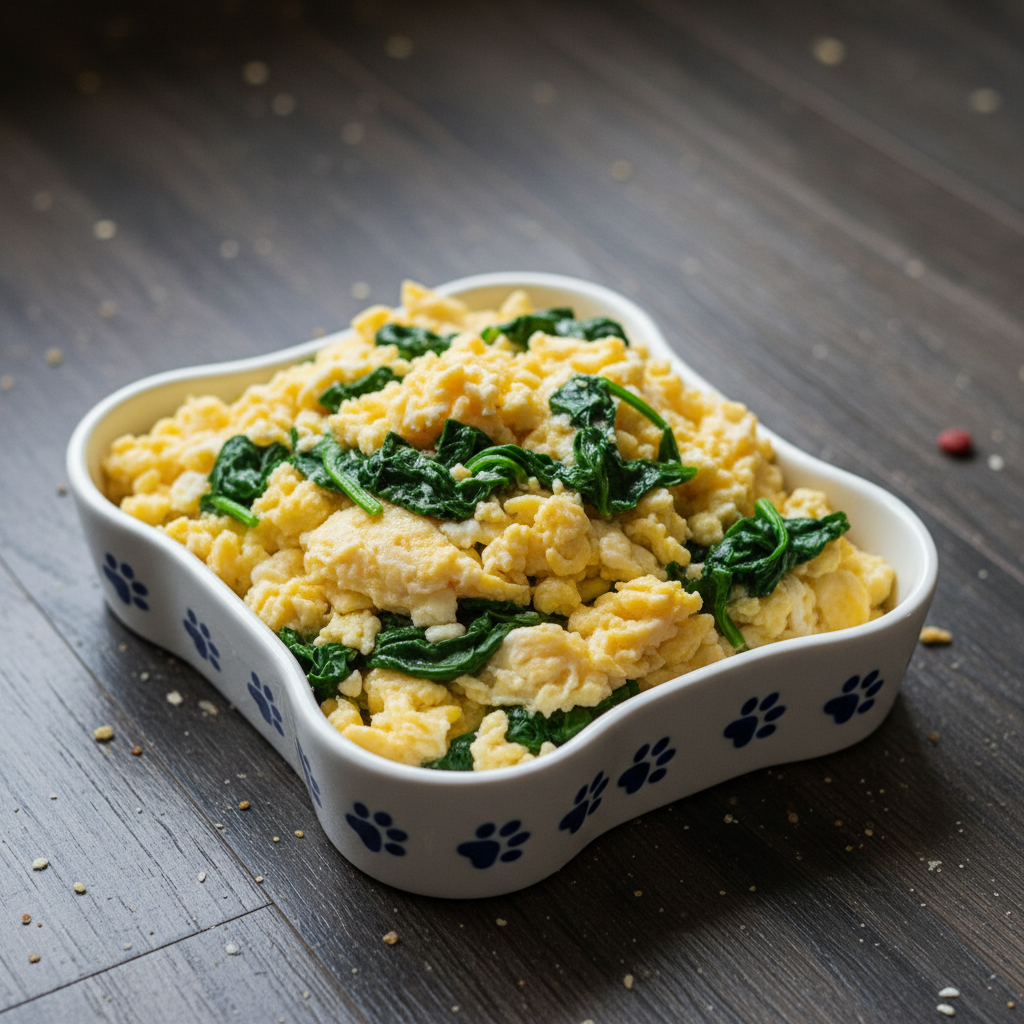
Need a super quick and easy meal? Eggs are a complete protein source and are very easy to digest. Combined with spinach, which is full of vitamins and iron, this makes for a fast, nutritious, and light meal. It’s great for breakfast or for a dog who doesn’t have a huge appetite.
Ingredients:
- 2-3 large eggs
- A handful of fresh spinach, chopped
- 1 teaspoon of coconut oil or olive oil
- Optional: A sprinkle of calcium powder or crushed eggshells (from your cooked eggs) for calcium.
Instructions:
- Heat the oil in a non-stick skillet over medium heat.
- Wilt the chopped spinach in the pan for 1-2 minutes.
- Whisk the eggs in a separate bowl and pour them into the skillet with the spinach.
- Scramble the eggs, cooking until they are fully set but not browned.
- Let the scramble cool completely. If using, sprinkle the calcium powder on top before serving.
Pros & Cons
Pros
|
Cons
|
Verdict:
A fantastic supplemental meal or a quick fix when you’re out of other ingredients. It’s also a great option for older Greyhounds who may need softer food.
5. Beef and Barley Stew
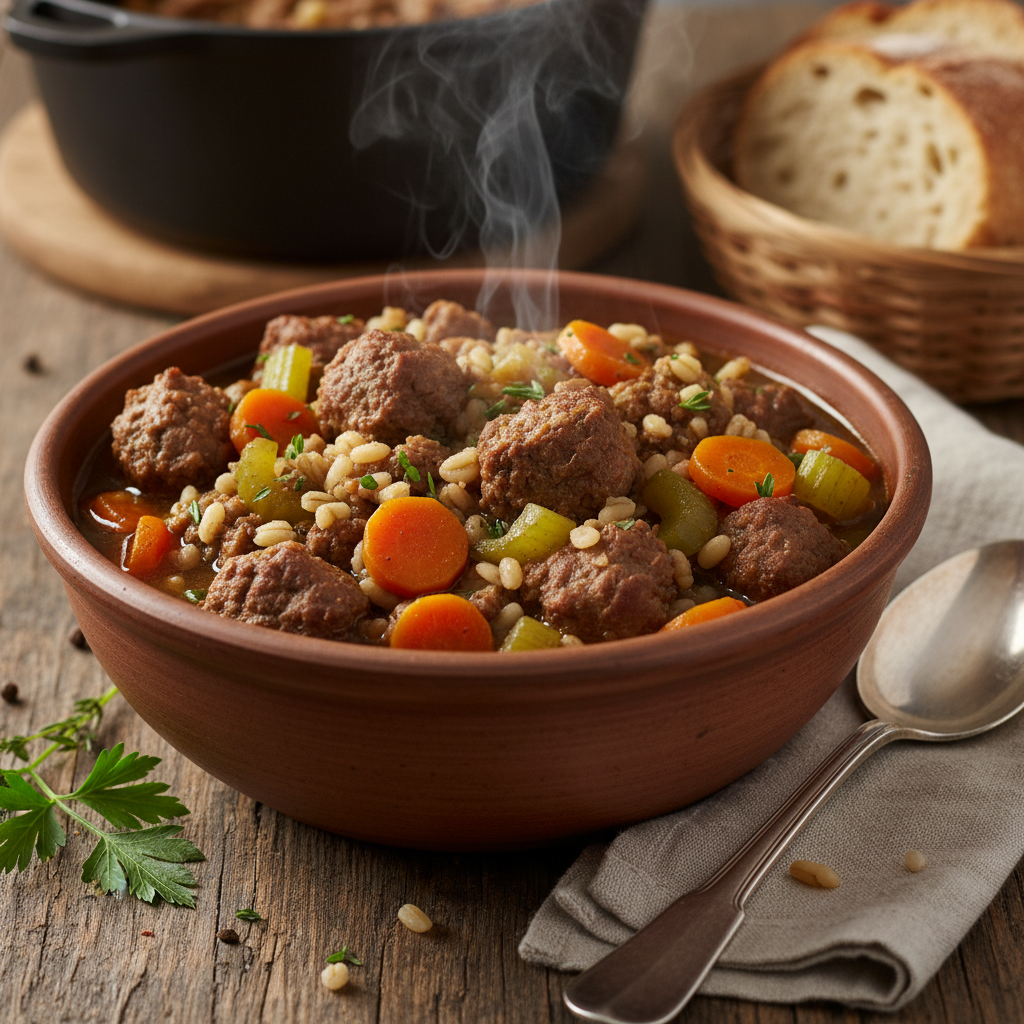
For the Greyhound that needs to put on a little weight or for a hearty winter meal, this beef and barley stew is perfect. Lean ground beef provides iron and protein, while barley is a healthy, fibrous grain that aids digestion. The slow simmering makes all the ingredients tender and easy on the tummy.
Ingredients:
- 1 lb lean ground beef (90/10 or leaner)
- 1/2 cup of pearl barley
- 4 cups of low-sodium beef broth or water
- 1 cup of chopped carrots and celery
Instructions:
- In a large pot or Dutch oven, brown the ground beef. Drain off any excess fat.
- Add the broth (or water), barley, carrots, and celery to the pot.
- Bring to a boil, then reduce the heat to low, cover, and simmer for about 40-50 minutes, or until the barley is tender and has absorbed most of the liquid.
- Stir occasionally to prevent sticking.
- Let the stew cool to a safe temperature before serving.
Pros & Cons
Pros
|
Cons
|
Verdict:
Ideal for active or underweight Greyhounds. This comforting stew provides ample calories and nutrients in a digestible format.
6. Cottage Cheese and Mashed Carrots

This might sound like an odd combination, but it’s a wonderfully gentle, low-fat meal. Low-fat cottage cheese is an excellent source of protein and calcium. When paired with naturally sweet and vitamin-rich mashed carrots, it becomes a simple, soothing meal for a sensitive stomach.
Ingredients:
- 1 cup low-fat cottage cheese
- 2 medium carrots, peeled and chopped
- 1 tablespoon of chopped parsley (for fresh breath!)
Instructions:
- Boil or steam the chopped carrots until they are very soft.
- Mash the carrots with a fork or potato masher.
- Let the carrots cool down to room temperature.
- Mix the mashed carrots and chopped parsley into the cottage cheese.
- Serve immediately.
Pros & Cons
Pros
|
Cons
|
Verdict:
A great option for a light meal or for a dog on a fat-restricted diet. It’s also a good way to hide medication if needed!
7. Pumpkin and Ground Lamb Mix

Pumpkin is a superstar ingredient for digestive health. It’s rich in soluble fiber, which can help with both constipation and diarrhea. Lamb is a novel protein for many dogs, making it a good choice if you suspect your Greyhound has sensitivities to more common proteins like chicken or beef.
Ingredients:
- 1 lb ground lamb
- 1 cup of 100% pure canned pumpkin (NOT pumpkin pie filling)
- 1 cup of cooked brown rice
- A handful of chopped kale or spinach
Instructions:
- Cook the ground lamb in a skillet over medium heat until browned. Drain the excess fat thoroughly.
- In a large bowl, combine the cooked lamb, canned pumpkin, and cooked brown rice.
- If using, wilt the kale or spinach in the warm pan for a minute before adding it to the mix.
- Stir everything together until well combined. Serve once cooled.
Pros & Cons
Pros
|
Cons
|
Verdict:
This is a top-tier choice for any Greyhound with inconsistent stools. The combination of pumpkin and a novel protein can work wonders for stabilizing their digestive system.
8. Whitefish and Quinoa Bowl
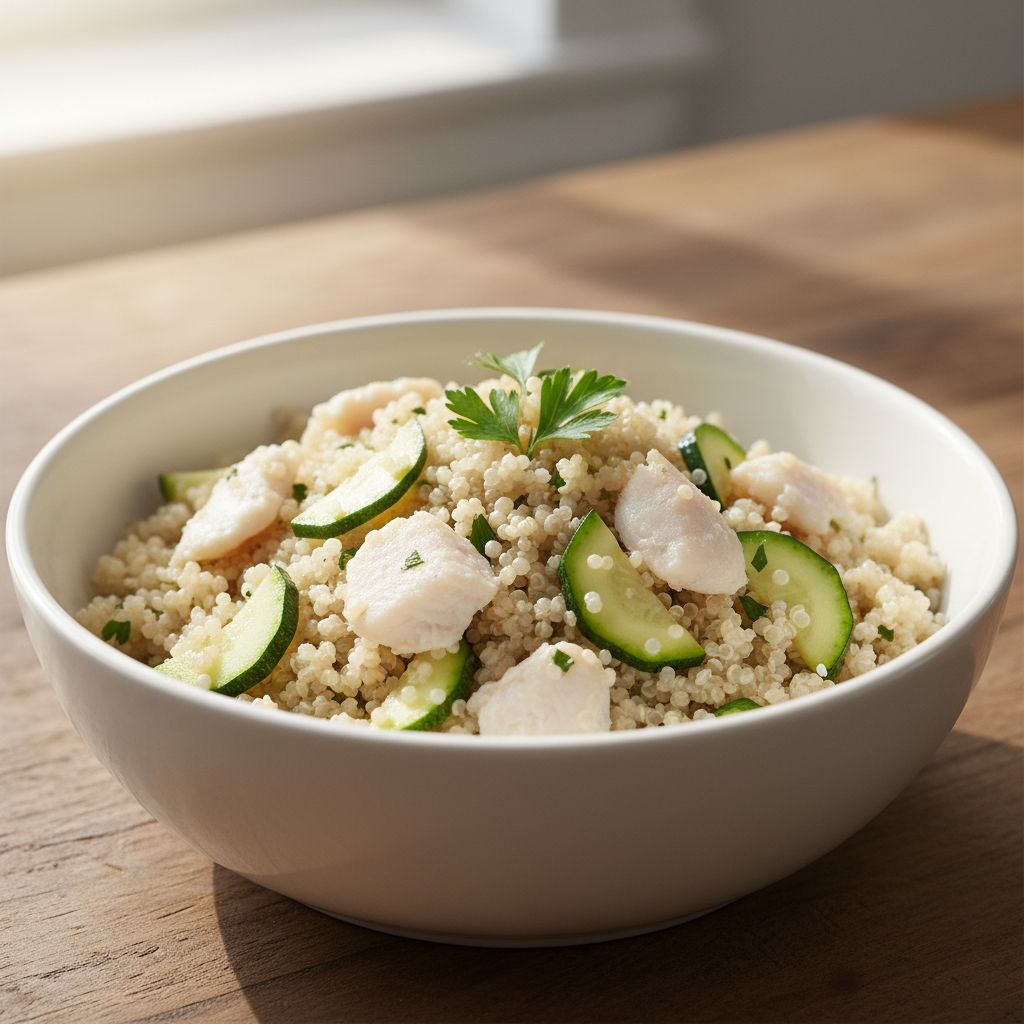
If allergies are a concern, this hypoallergenic bowl is a fantastic choice. Mild whitefish like cod, tilapia, or haddock are low in fat and easy to digest. Quinoa is a gluten-free seed that acts as a complete protein, offering all nine essential amino acids. It’s a light yet powerful meal.
Ingredients:
- 1 lb whitefish fillets (cod, tilapia, etc.)
- 1 cup quinoa, rinsed well
- 2 cups of water or low-sodium broth
- 1/2 cup of chopped zucchini
Instructions:
- Bake or steam the whitefish until it flakes easily with a fork.
- While the fish is cooking, combine the rinsed quinoa and water/broth in a saucepan. Bring to a boil, then cover and simmer for about 15 minutes or until the liquid is absorbed.
- Steam or lightly sauté the chopped zucchini until tender-crisp.
- In a bowl, gently flake the cooked fish and mix it with the cooked quinoa and zucchini.
- Serve when cool.
Pros & Cons
Pros
|
Cons
|
Verdict:
The perfect meal for a Greyhound with suspected food sensitivities or allergies. It’s clean, simple, and packed with high-quality nutrients.
9. Chicken and Pasta Swirl

Sometimes, even the most sensitive dog can be a picky eater. Pasta can be a great way to entice them! When cooked plain (no salt, no oil), pasta is a simple carbohydrate that’s easy on the stomach. Paired with familiar boiled chicken, it’s a comforting meal they’re likely to gobble up.
Ingredients:
- 1 boneless, skinless chicken breast
- 1 cup of whole wheat or plain pasta (spirals or shells work well)
- 1/4 cup of grated carrots
- 4 cups of water
Instructions:
- Boil and shred the chicken breast as described in the first recipe. Use the broth.
- Cook the pasta in the chicken broth according to package directions until soft.
- Add the grated carrots to the pasta water during the last 2-3 minutes of cooking.
- Drain the pasta and carrots (reserving a little broth if desired).
- Mix the shredded chicken with the pasta and carrots.
- Let it cool completely before serving.
Pros & Cons
Pros
|
Cons
|
Verdict:
A great choice to tempt a picky Greyhound or one who is recovering their appetite after being unwell. It’s a simple, carby comfort food.
10. Ground Pork and Green Beans Medley
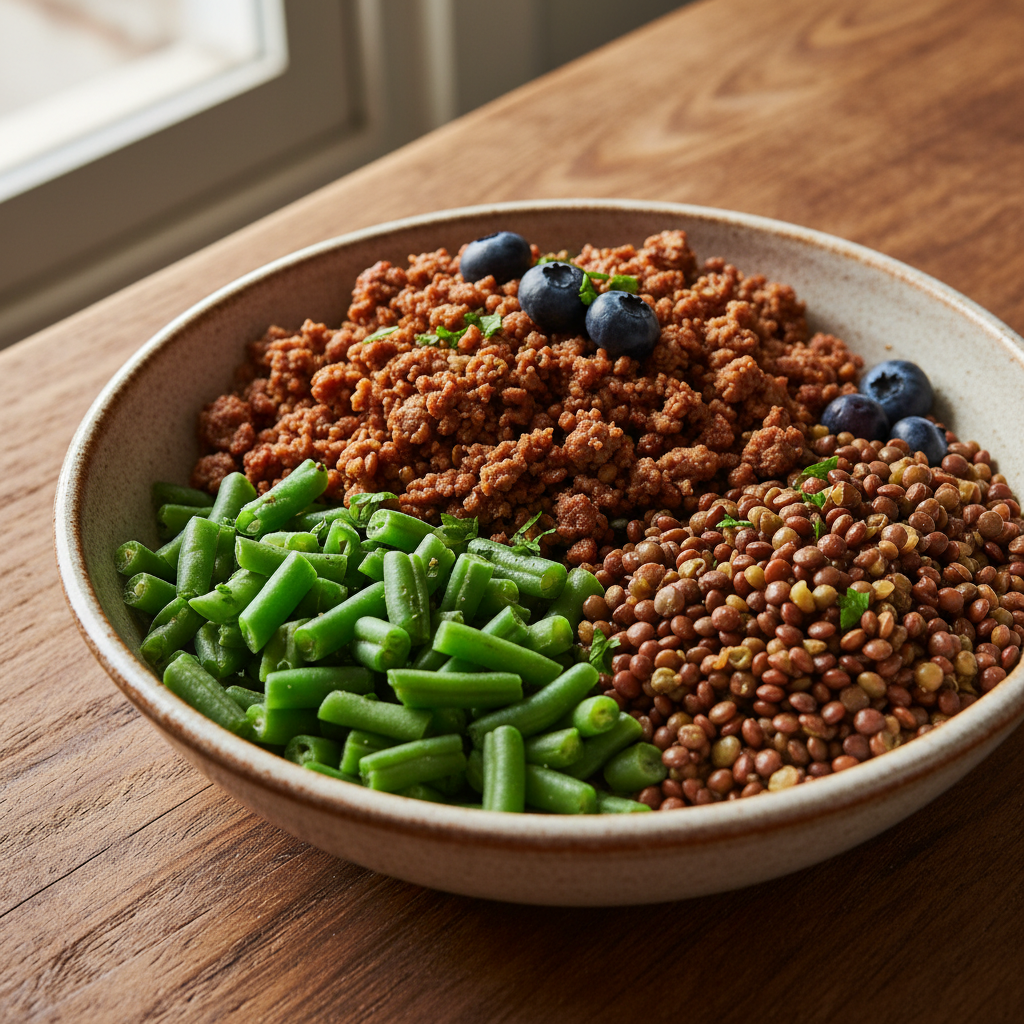
Pork is another excellent protein source that is often overlooked in dog food. It’s rich in amino acids and highly digestible when cooked properly. Green beans are a fantastic low-calorie vegetable, packed with fiber and essential vitamins. This combo is both tasty and healthy.
Ingredients:
- 1 lb lean ground pork
- 1 cup of chopped green beans (fresh or frozen)
- 1 cup of cooked lentils or brown rice
- 1 teaspoon of coconut oil
Instructions:
- Heat coconut oil in a skillet and cook the ground pork until no longer pink. Drain all excess fat.
- While the pork is cooking, steam or boil the green beans until tender.
- In a large bowl, mix the cooked pork, green beans, and cooked lentils or rice.
- Stir to combine and allow to cool before serving.
Pros & Cons
Pros
|
Cons
|
Verdict:
A delicious and balanced everyday meal for a Greyhound that tolerates pork well. The added fiber from the green beans and lentils supports good digestive health.
11. Turkey and Zucchini Patties

These patties are a fun way to serve a meal and are great for portion control. Zucchini is hydrating and low in calories, making it a perfect partner for lean ground turkey. A little bit of oatmeal helps bind the patties together. You can make a big batch and freeze them for later!
Ingredients:
- 1 lb lean ground turkey
- 1 small zucchini, grated and squeezed of excess water
- 1/2 cup rolled oats
- 1 egg, whisked
Instructions:
- Preheat your oven to 375°F (190°C) and line a baking sheet with parchment paper.
- In a large bowl, combine the ground turkey, grated zucchini, rolled oats, and whisked egg. Mix with your hands until just combined.
- Form the mixture into small, palm-sized patties and place them on the baking sheet.
- Bake for 20-25 minutes, or until cooked through and lightly browned.
- Let the patties cool completely before serving. They can be stored in the fridge or freezer.
Pros & Cons
Pros
|
Cons
|
Verdict:
Perfect for the Greyhound owner who likes to meal prep. These patties are a convenient, low-calorie, and easy-to-digest option for any meal.
12. Sardine and Brown Rice Mash
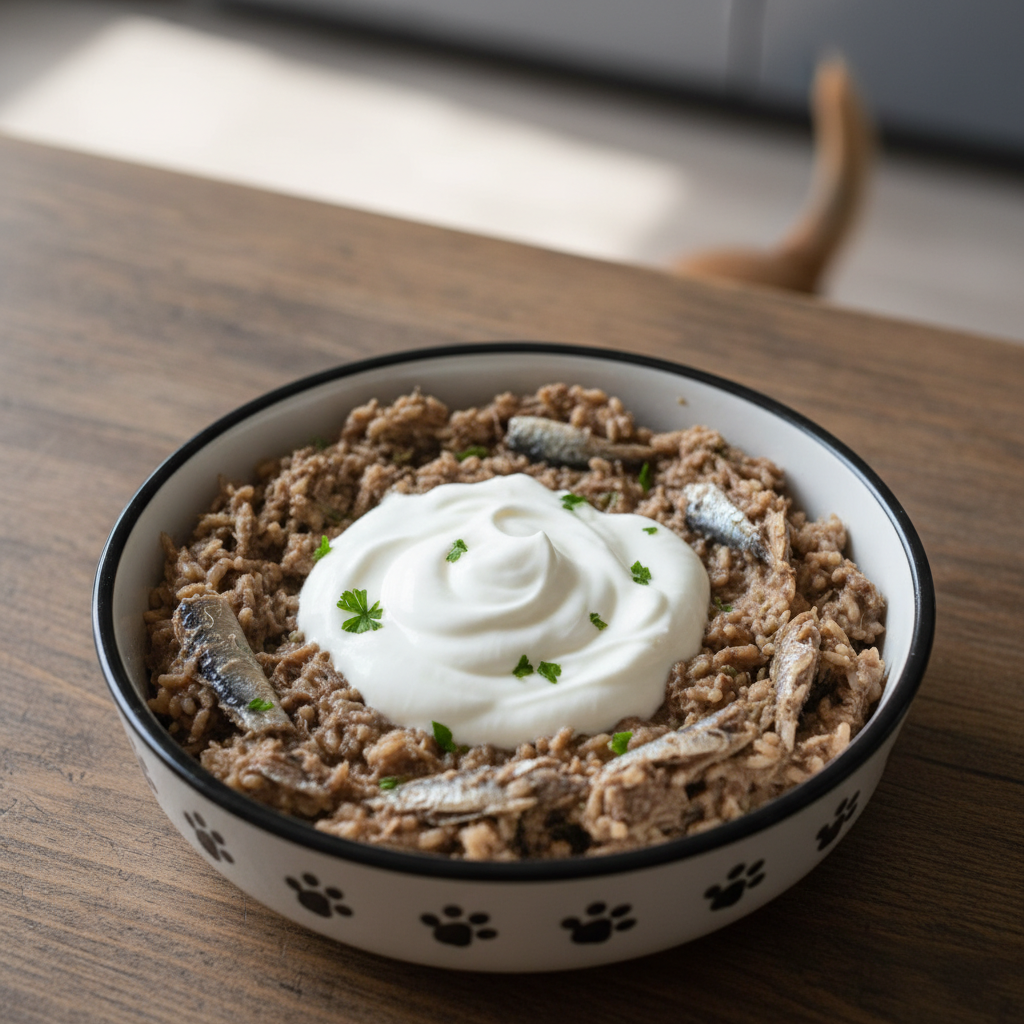
Don’t turn your nose up at this one! Sardines are one of the best foods you can offer your dog. They are packed with omega-3s, vitamin D, and calcium (from the tiny, edible bones). Because they are small fish, they are also low in mercury. Paired with fibrous brown rice, this is a nutritional powerhouse.
Ingredients:
- 1 can of sardines packed in water (no salt added), drained
- 1 cup of cooked brown rice
- 1/2 cup of plain, unsweetened yogurt or kefir
Instructions:
- In a bowl, mash the sardines with a fork.
- Add the cooked and cooled brown rice and the yogurt or kefir.
- Mix everything together until it forms a thick mash.
- Serve immediately.
Pros & Cons
Pros
|
Cons
|
Verdict:
An excellent weekly supplemental meal to boost your Greyhound’s intake of essential fatty acids and calcium. Start with a small amount to see how their tummy handles it.
13. Lentil and Vegetable Stew

Want to offer a meat-free meal? Lentils are a fantastic source of plant-based protein, fiber, and iron. This hearty stew is gentle on the digestive system and provides a different array of nutrients than meat-based meals. It’s a great way to add variety to your Greyhound’s diet.
Ingredients:
- 1 cup of red or brown lentils, rinsed
- 4 cups of low-sodium vegetable broth
- 1 cup of finely chopped carrots and celery
- 1/2 cup of chopped spinach
- 1 tablespoon of olive oil
Instructions:
- In a pot, combine the lentils, vegetable broth, carrots, and celery.
- Bring to a boil, then reduce heat and simmer for 25-30 minutes, or until the lentils are soft and have absorbed most of the liquid.
- Stir in the olive oil and chopped spinach, allowing the spinach to wilt from the residual heat.
- Let the stew cool completely before serving. It should have a thick, porridge-like consistency.
Pros & Cons
Pros
|
Cons
|
Verdict:
A wonderful recipe to incorporate once or twice a week to give your Greyhound’s digestive system a break from processing meat. It’s a warm, nourishing, and gentle meal.
A Greyhound Owner’s Guide to Homemade Meals

Switching to a homemade diet is a wonderful act of love, but it’s important to do it right. Greyhounds have specific nutritional needs, so keep these points in mind.
Talk to Your Vet First
This is the most critical step. Before making any significant changes to your dog’s diet, consult your veterinarian or a veterinary nutritionist. They can help you formulate a diet that is balanced and complete for your specific dog’s age, weight, and health status. They can also recommend essential supplements, like a calcium and multivitamin complex, as homemade diets often lack certain minerals.
The Golden Ratio
A good starting point for a balanced homemade meal is a ratio of about 50% protein, 25% complex carbohydrates, and 25% vegetables. Proteins like chicken, turkey, beef, and fish should be the star. Complex carbs like sweet potato, oatmeal, brown rice, and barley provide sustained energy. Vegetables like carrots, green beans, spinach, and pumpkin add crucial vitamins and fiber.
What to Avoid
Many human foods are toxic to dogs. Never include the following in your recipes:
- Onions, garlic, chives, and leeks
- Chocolate
- Grapes and raisins
- Macadamia nuts
- Xylitol (an artificial sweetener found in many products)
- Cooked bones (they can splinter)
- Excessive salt, sugar, or rich sauces
Portion Control
Greyhounds are lean, but their portion needs can vary. A general rule of thumb is to feed 2-3% of their ideal body weight daily, split into two meals. For a 65-pound Greyhound, this would be around 1.3 to 2 pounds of food per day. Start on the lower end and monitor their weight and body condition, adjusting as needed. Your vet can provide a more precise recommendation.
Batch Cooking and Storage
To save time, cook large batches of food and portion them out. Homemade food can be stored in airtight containers in the refrigerator for up to 3-4 days or frozen for 2-3 months. Freezing in individual portions makes daily feeding a breeze!
Frequently Asked Questions
Do I need to add supplements to these recipes?
For short-term use (like feeding chicken and rice for an upset stomach), supplements aren’t usually necessary. However, if you plan to feed a homemade diet long-term, it is absolutely essential to add supplements. Homemade diets often lack the proper balance of calcium, phosphorus, and other vitamins and minerals found in commercial foods. Consult your vet for a recommendation on a good multivitamin and mineral supplement for dogs.
How do I transition my Greyhound to a homemade diet?
Don’t switch cold turkey! A sudden change can cause digestive upset. Transition gradually over 7-10 days. Start by mixing a small amount of the new homemade food (about 25%) with their old food (75%). Every few days, increase the amount of homemade food and decrease the old food until you have fully transitioned.
Can I use frozen vegetables?
Yes, absolutely! Plain frozen vegetables (with no added salt or sauces) are just as nutritious as fresh ones and are often more convenient. Simply steam or boil them as you would fresh vegetables before adding them to the meal.
Conclusion
Making food for your Greyhound is a rewarding experience that can have a massive impact on their digestive health and overall well-being. By using simple, whole-food ingredients, you can create meals that are not only delicious but also perfectly tailored to their sensitive systems. Remember, every dog is an individual, so feel free to see which of these 13 recipes your gentle giant enjoys the most. Always keep the lines of communication open with your vet to ensure you’re providing a balanced and complete diet. Happy cooking, and here’s to many more happy, healthy years with your wonderful Greyhound!