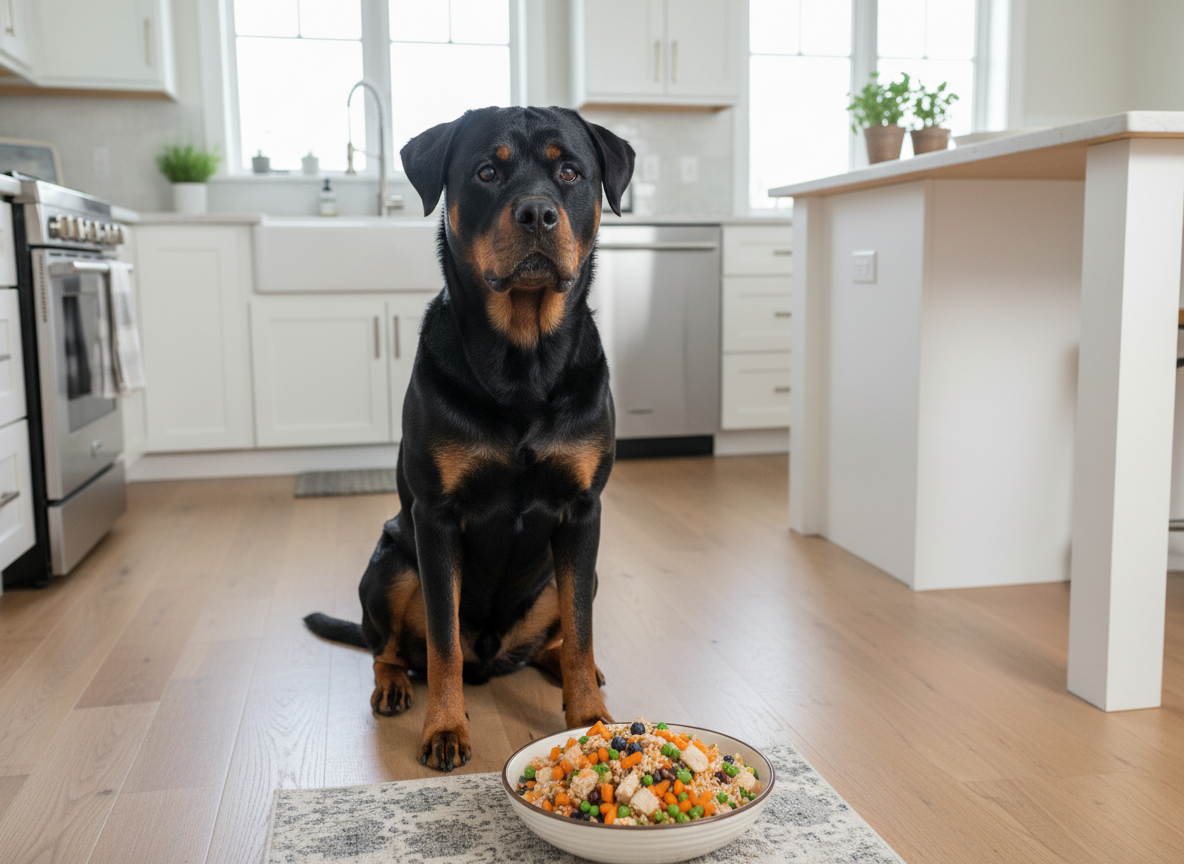
7 Heart-Healthy Homemade Food for Rottweilers
Welcome, fellow Rottweiler parent! You know as well as I do that beneath that powerful, muscular exterior lies a heart of pure gold. Rotties are loyal, loving, and incredibly intelligent companions. As their guardians, we want to do everything in our power to keep that big heart beating strong for years to come. Unfortunately, this wonderful breed can be predisposed to certain heart conditions, like subaortic stenosis and dilated cardiomyopathy. While genetics play a role, nutrition is a powerful tool we have in our arsenal to support their cardiovascular health.
Switching to homemade food can feel like a big step, but it gives you complete control over every single ingredient that goes into your dog’s bowl. You can focus on lean proteins, heart-boosting nutrients, and anti-inflammatory ingredients, all while avoiding the excessive sodium and fillers found in some commercial foods. Ready to become your Rottie’s personal chef? Let’s dive into seven heart-healthy recipes they’re sure to love!
Quick Comparison of Our Heart-Healthy Recipes
| Recipe | Main Protein | Key Heart-Healthy Ingredients | Approx. Prep & Cook Time |
|---|---|---|---|
| Salmon & Sweet Potato Bowl | Salmon | Omega-3s, Kale, Coconut Oil | 35 Minutes |
| Turkey & Lentil Stew | Turkey | Taurine, Lentils, Carrots | 45 Minutes |
| Beef Heart & Brown Rice Medley | Beef Heart | CoQ10, Taurine, Spinach | 40 Minutes |
| Chicken & Quinoa Blend | Chicken | Lean Protein, Blueberries, Quinoa | 30 Minutes |
| Sardine & Oatmeal Scramble | Sardines & Eggs | Omega-3s, Soluble Fiber, Eggs | 15 Minutes |
| Lean Beef & Veggie Loaf | Lean Ground Beef | Lean Protein, Peas, Carrots | 1 Hour 15 Minutes |
| Mackerel & Pumpkin Mash | Mackerel | Omega-3s, Pumpkin, Green Beans | 25 Minutes |
Disclaimer: Always consult with your veterinarian or a veterinary nutritionist before making significant changes to your dog’s diet. These recipes are designed as a healthy supplement or base, but your dog’s individual needs may vary.
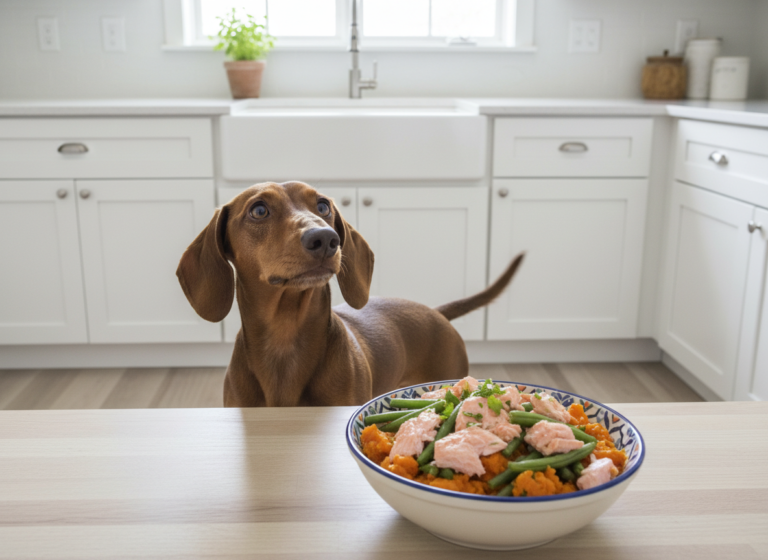
1. Salmon and Sweet Potato Power Bowl
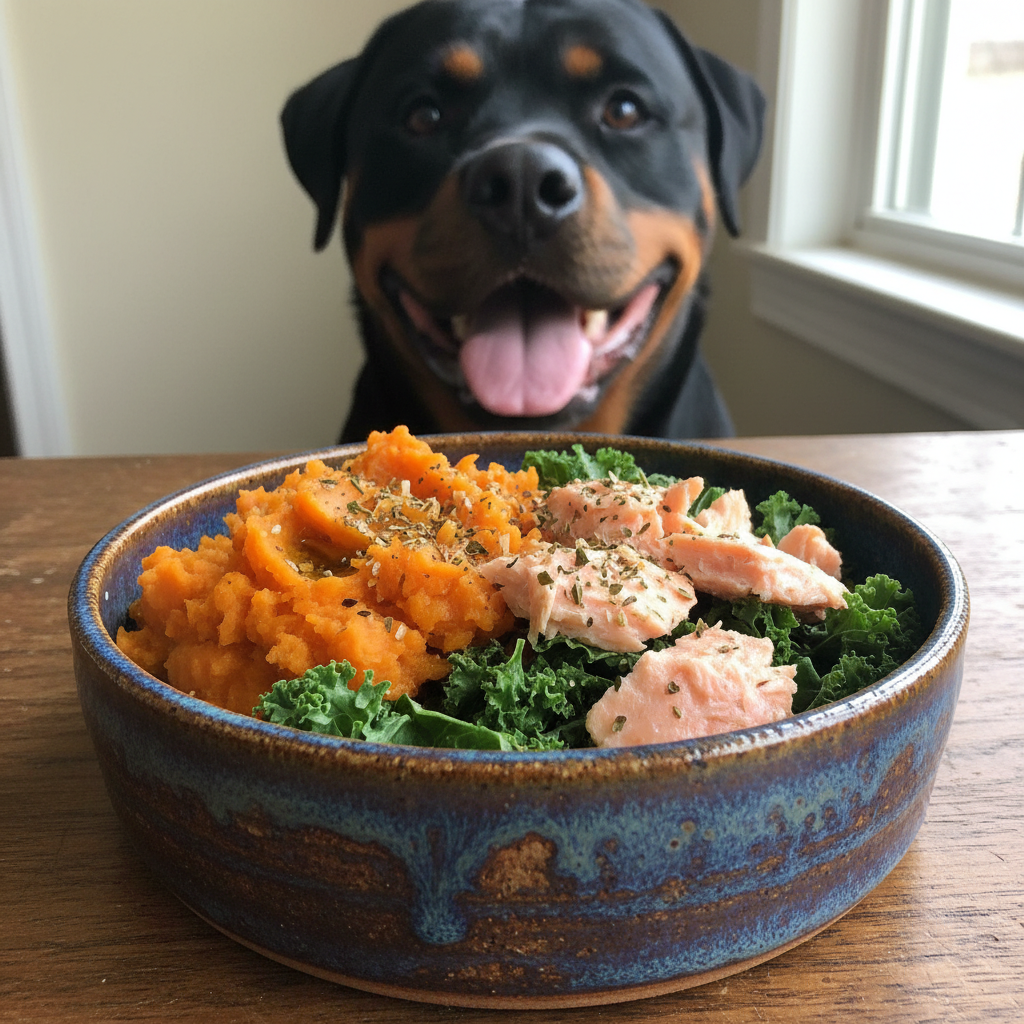
This recipe is a true powerhouse for heart health. Salmon is one of the best sources of omega-3 fatty acids (specifically EPA and DHA), which are famous for their anti-inflammatory properties. They can help support healthy blood pressure and reduce triglycerides. We pair it with sweet potatoes, which provide fiber and potassium, a mineral crucial for regulating heart rhythm.
Ingredients:
- 1 lb boneless, skinless salmon
- 2 medium sweet potatoes, peeled and diced
- 2 cups chopped kale
- 1 tablespoon coconut oil or olive oil
- 1/4 cup water
- (Optional) A sprinkle of ground flaxseed for extra omega-3s
Instructions:
- Cook the diced sweet potatoes until tender. You can boil, steam, or bake them. Once cooked, mash them lightly.
- While the potatoes are cooking, heat the oil in a large skillet over medium heat. Add the salmon and cook for 4-6 minutes per side, until it flakes easily with a fork. Remove from the skillet and set aside.
- In the same skillet, add the chopped kale and 1/4 cup of water. Sauté for 3-5 minutes until the kale is wilted and bright green.
- Flake the cooked salmon into bite-sized pieces.
- In your Rottweiler’s bowl, combine the mashed sweet potato, flaked salmon, and wilted kale. Mix gently and allow it to cool to room temperature before serving.
Pros & Cons:
| Pros | Cons |
|
|
Verdict:
This is an excellent choice for any Rottweiler, but it’s particularly beneficial for those with dry skin or dull coats in addition to needing heart support. The high omega-3 content works wonders both inside and out.
2. Turkey and Taurine-Rich Lentil Stew

Taurine is an amino acid that is absolutely critical for heart muscle function. While dogs can synthesize their own, some breeds, including those predisposed to dilated cardiomyopathy (DCM), benefit from extra dietary sources. This stew uses ground turkey (dark meat is a good source of taurine) and lentils, which are a fantastic plant-based source of this vital nutrient.
Ingredients:
- 1.5 lbs ground turkey
- 1 cup red or green lentils, rinsed
- 4 cups low-sodium chicken or beef broth (or water)
- 1 cup diced carrots
- 1 cup green beans, chopped
- 1 tablespoon olive oil
Instructions:
- In a large pot or Dutch oven, heat the olive oil over medium heat. Add the ground turkey and cook until browned, breaking it up with a spoon.
- Add the rinsed lentils, diced carrots, and broth to the pot. Bring to a boil, then reduce the heat to a simmer.
- Cover and let it simmer for about 25-30 minutes, or until the lentils and carrots are tender.
- Stir in the chopped green beans and cook for another 5 minutes.
- Remove from heat and let the stew cool completely before serving. It will thicken as it cools.
Pros & Cons:
| Pros | Cons |
|
|
Verdict:
This is a perfect, hearty meal for active Rottweilers. It’s an ideal choice for owners specifically concerned about DCM and wanting to ensure their dog gets plenty of taurine in their diet naturally.
3. Beef Heart and Brown Rice Medley

Don’t be squeamish! Organ meats are incredibly nutritious for dogs, and beef heart is a superstar. It’s a fantastic source of Coenzyme Q10 (CoQ10), a vital antioxidant that supports energy production in cells, especially heart cells. It’s also loaded with taurine, collagen, and elastin, which support cardiovascular structures. We balance this rich protein with fibrous brown rice and nutrient-dense spinach.
Ingredients:
- 1 lb beef heart, trimmed of excess fat and finely chopped or ground
- 1 cup cooked brown rice
- 2 cups fresh spinach
- 1 tablespoon flaxseed oil
- 1/2 cup water
Instructions:
- In a skillet, cook the chopped beef heart over medium heat until it’s browned all over. There’s no need to add extra oil as the heart has some natural fat.
- Once cooked, drain any excess fat from the pan.
- Add the spinach and water to the skillet with the cooked heart. Stir until the spinach is fully wilted.
- In a large bowl, combine the cooked beef heart and spinach mixture with the cooked brown rice.
- Drizzle the flaxseed oil over the top and mix everything together.
- Let it cool to a safe temperature before serving.
Pros & Cons:
| Pros | Cons |
|
|
Verdict:
For the owner who isn’t afraid to handle organ meats, this recipe offers unparalleled nutritional benefits for a Rottweiler’s heart. It’s a cost-effective way to provide some of the most important nutrients for cardiovascular health.
4. Chicken, Quinoa, and Blueberry Blend

This is a simple, clean, and antioxidant-rich meal. We use boneless, skinless chicken breast for a lean protein source that’s easy to digest. Quinoa, a seed, acts as a complete protein and a gluten-free carbohydrate source. The star of the show, however, is the blueberries. These little berries are packed with anthocyanins, antioxidants that fight oxidative stress and support blood vessel health.
Ingredients:
- 1.5 lbs boneless, skinless chicken breast, cooked and shredded
- 1 cup cooked quinoa
- 1/2 cup fresh or frozen blueberries
- 1 cup chopped zucchini
- 1 tablespoon olive oil
Instructions:
- Cook the chicken breast by boiling or baking until it’s no longer pink inside. Shred it with two forks.
- Cook the quinoa according to package directions.
- While the quinoa cooks, sauté the chopped zucchini in olive oil for 5-7 minutes until soft.
- In a large mixing bowl, combine the shredded chicken, cooked quinoa, and sautéed zucchini.
- Gently fold in the blueberries. If using frozen, you can add them directly to the warm mixture.
- Serve once the mixture has cooled to room temperature.
Pros & Cons:
| Pros | Cons |
|
|
Verdict:
This is a fantastic recipe for owners looking for a simple, ‘clean-eating’ option for their dog. It’s particularly good for Rottweilers who may be a bit overweight, as it’s lower in fat but still very satisfying and nutrient-dense.
5. Sardine and Oatmeal Scramble

Looking for a quick, easy, and incredibly healthy meal? This is it. Sardines are tiny nutritional bombs! They are loaded with omega-3s, calcium (from the tiny, edible bones), and vitamin D. We’re combining them with rolled oats, a source of soluble fiber which can help manage cholesterol, and eggs for a high-quality protein boost.
Ingredients:
- 1 can (3.75 oz) sardines packed in water, no salt added
- 2 large eggs
- 1/2 cup rolled oats, cooked
- 1/4 cup finely chopped parsley (for vitamins K, C, and A)
Instructions:
- Cook the rolled oats with water according to package directions to create a simple oatmeal. Set aside.
- In a non-stick skillet, lightly scramble the two eggs. You don’t need oil, especially if you use the water from the sardine can.
- Once the eggs are cooked, add the entire can of sardines (including the water) and the cooked oatmeal to the skillet.
- Use a spatula to break up the sardines and mix everything together. Heat through for a minute or two.
- Stir in the fresh parsley.
- Let the scramble cool down significantly before serving. It should be just slightly warm or at room temperature.
Pros & Cons:
| Pros | Cons |
|
|
Verdict:
This is the perfect recipe for a busy pet parent who wants to give their Rottie a quick nutritional boost. It’s an excellent meal topper or a standalone meal 1-2 times a week to pump up their omega-3 intake.
6. Lean Beef and Veggie Loaf

Who doesn’t love meatloaf? This dog-friendly version is a great way to pack a ton of nutrients into a sliceable, easy-to-serve format. We use lean ground beef (90/10 or leaner) to control fat content, oats as a heart-healthy binder instead of breadcrumbs, and finely grated veggies to sneak in extra vitamins and minerals. Making a whole loaf is also great for meal prepping for the week!
Ingredients:
- 2 lbs lean ground beef
- 2 eggs
- 1 cup rolled oats
- 1/2 cup grated carrots
- 1/2 cup peas (fresh or frozen)
- 1/4 cup grated zucchini
Instructions:
- Preheat your oven to 350°F (175°C).
- In a large bowl, combine the ground beef, eggs, rolled oats, grated carrots, peas, and grated zucchini.
- Use your hands to mix all the ingredients together until they are just combined. Do not overmix.
- Press the mixture into a standard loaf pan.
- Bake for 60-70 minutes, or until the loaf is cooked through and the center is no longer pink.
- Let the loaf cool completely in the pan before slicing and serving. This is important, as it helps the loaf hold its shape.
Pros & Cons:
| Pros | Cons |
|
|
Verdict:
This recipe is a winner for the organized pet parent who loves to meal prep. It provides a consistent, balanced, and delicious meal that can be easily portioned out for several days. It’s a comforting, hearty meal that’s still heart-conscious.
7. Mackerel and Pumpkin Mash

Mackerel is another oily fish that’s a champion for heart health due to its high concentration of omega-3 fatty acids. It’s a slightly stronger-flavored fish than salmon, which many dogs find irresistible. We’re pairing it with pure pumpkin puree (not pie filling!), which is a fantastic source of fiber for digestive regularity and is also rich in potassium and vitamin A.
Ingredients:
- 1 can (15 oz) mackerel in water, drained
- 1 can (15 oz) pure pumpkin puree
- 1 cup cooked and chopped green beans
- (Optional) A spoonful of plain, unsweetened yogurt for probiotics
Instructions:
- This is our easiest recipe yet! In a large bowl, flake the canned mackerel with a fork.
- Add the pumpkin puree and the chopped green beans to the bowl.
- Mix everything together until well combined.
- If using, top with a dollop of plain yogurt before serving.
- Serve at room temperature. This recipe requires no cooking if you use canned fish and pre-cooked or canned green beans.
Pros & Cons:
| Pros | Cons |
|
|
Verdict:
This is the ultimate emergency meal for the health-conscious Rottweiler owner. When you’re short on time but don’t want to compromise on quality, this no-cook mash provides a massive punch of heart-healthy and gut-friendly nutrients.
A Guide to Crafting Heart-Healthy Meals for Your Rottweiler

Making the switch to homemade food is a journey, and knowledge is your best tool. Beyond these recipes, understanding the core components of a heart-healthy diet will empower you to customize meals for your Rottie’s specific needs. Here’s what to focus on:
Key Nutrients for Canine Heart Health
- Taurine and L-carnitine: These two amino acids are the dynamic duo of heart health. They are crucial for healthy heart muscle function. Great sources include red meats, poultry (especially dark meat), fish, and organ meats like heart and liver.
- Omega-3 Fatty Acids (EPA & DHA): Found in oily fish like salmon, sardines, and mackerel, as well as in flaxseed and fish oil supplements. They are powerful anti-inflammatories that support overall cardiovascular function.
- Coenzyme Q10 (CoQ10): This antioxidant is a key player in energy production within the heart’s cells. The best dietary source by far is beef heart, followed by other organ meats.
- Magnesium and Potassium: These minerals are electrolytes that are vital for maintaining a normal heart rhythm. They are found in abundance in ingredients like spinach, sweet potatoes, bananas, and pumpkin.
Ingredients to Limit or Avoid
- Excess Sodium: Just like in humans, too much salt can contribute to high blood pressure. Avoid processed human foods, cured meats, and adding salt to your dog’s meals.
- Unhealthy Fats: Avoid fatty cuts of meat, poultry skin, and excessive amounts of greasy foods. Stick to lean proteins and healthy fats from sources like fish and flaxseed oil.
- Toxic Foods: Never include onions, garlic, grapes, raisins, chocolate, or artificial sweeteners like xylitol in your homemade recipes. These are toxic to dogs.
The Importance of Balance and Variety
No single recipe can provide everything your dog needs for the rest of their life. The key is rotation. By feeding a variety of the recipes above, you ensure your Rottweiler gets a wide spectrum of nutrients. It’s also critical to ensure the diet is balanced in terms of macronutrients (protein, fat, carbs) and micronutrients (vitamins, minerals). This is where your vet comes in.
Always Partner with Your Vet
This cannot be stressed enough. Before you start any homemade diet, have a detailed conversation with your veterinarian or a board-certified veterinary nutritionist. They can assess your Rottweiler’s current health, review your planned recipes, and recommend specific supplements (like a calcium/phosphorus balancer or a canine multivitamin) to fill any nutritional gaps. This partnership is the key to ensuring your homemade food journey is both safe and successful for your beloved companion.
Frequently Asked Questions

1. How much homemade food should I feed my Rottweiler?
The amount of food your Rottweiler needs depends on their age, weight, activity level, and metabolism. A general guideline is to feed 2-3% of their ideal body weight per day. For a 100-pound Rottweiler, this would be 2 to 3 pounds of food daily, divided into two meals. However, this is just a starting point. It’s best to consult your vet for a more precise recommendation and monitor your dog’s body condition, adjusting portions as needed.
2. Can I just feed these recipes alone, or do I need supplements?
While these recipes are packed with whole-food nutrients, they may not be 100% complete and balanced for long-term exclusive feeding. Most homemade diets require additional supplements to ensure they meet all of AAFCO’s nutritional standards, particularly for calcium and other essential vitamins and minerals. A veterinary nutritionist is the best person to advise you on the specific supplements and dosages your dog needs to thrive on a homemade diet.
3. Can I make these meals in big batches and freeze them?
Absolutely! Most of these recipes are perfect for batch cooking. You can prepare a week’s worth of food at a time and freeze it in individual, pre-portioned containers. This is a fantastic way to make homemade feeding convenient. Simply thaw a portion in the refrigerator the night before you need it. The meatloaf, stews, and medleys all freeze exceptionally well.
4. My Rottweiler is a picky eater. How can I transition them?
Transition slowly. Start by mixing a small amount of the new homemade food (maybe 10%) with their old food. Gradually increase the amount of homemade food while decreasing the amount of their old food over a period of 7-10 days. Warming the food slightly can also make it more aromatic and appealing to a picky dog.
Conclusion
Giving your Rottweiler a diet made with love and fresh, heart-healthy ingredients is one of the most rewarding things you can do as a pet parent. It puts you in the driver’s seat of their nutrition, allowing you to tailor their meals to their specific needs and support their magnificent hearts from the inside out. These seven recipes provide a wonderful starting point, offering variety in both flavor and nutritional profile.
Remember, the goal is not just to feed them but to nourish them. As you embark on this culinary adventure, keep an open line of communication with your veterinarian. They are your partner in ensuring your gentle giant lives the longest, healthiest, and happiest life possible. Happy cooking!